Email Design at Scale
Mastering Strategies and Best Practices for Corporate Email Campaigns
Revolutionize your corporate email campaigns with "Email Design at Scale." This comprehensive guide empowers you to create impactful, scalable email designs that resonate with your audience and drive engagement.
331 pages17 chaptersFeb 1, 2025Web Design
About this book
You'll discover how to streamline your email workflow, from conception to delivery, ensuring efficiency and consistency across large-scale campaigns. Learn to craft mobile-first designs, implement modular templates, and leverage email design systems that adapt to your company's evolving needs. Dive deep into advanced techniques for personalization, accessibility, and responsive layouts that will set your emails apart in crowded inboxes. You'll gain insights into optimizing CTAs, mastering typography, and creating visual hierarchies that guide readers through your content effortlessly. With "Email Design at Scale," you'll become an invaluable asset to your team, armed with the knowledge to collaborate effectively with email engineers, streamline approval processes, and utilize data-driven strategies for continuous improvement. Whether you're looking to boost engagement metrics, enhance deliverability, or integrate dynamic content, this book is your roadmap to email design excellence in the corporate world.
Table of contents
- IntroductionThe Corporate Email Landscape, Book Overview and How to Use It, The Importance of Scalable Email Design, The Evolving Role of the Email DesignerRead below
- Chapter 1: Foundations of Scalable Email DesignCore Principles of Email Design at Scale, Mobile-First Email Design Approach, Responsive Email Layouts, The Modular Approach to Email Design
- Chapter 2: Creating Comprehensive Email Style GuidesThe Importance of Email Style Guides, Key Components of an Effective Style Guide, Maintaining Brand Consistency Across Emails, Implementing and Updating Style Guides
- Chapter 3: Developing Modular Email TemplatesBenefits of Modular Email Templates, Structuring Modular Templates, Creating Reusable Email Components, Balancing Flexibility and Consistency
- Chapter 4: Implementing Email Design SystemsBenefits of Email Design Systems, Components of an Email Design System, Implementing a Design System for Emails, Maintaining and Evolving Your Design System
- Chapter 5: Optimizing Email Design WorkflowsAssessing Current Workflow Challenges, Designing Streamlined Email Processes, Leveraging Automation Tools, Optimizing the Approval Process
- Chapter 6: Effective Collaboration in Email DesignFostering Cross-Team Collaboration, Designer-Engineer Collaboration Strategies, Managing Stakeholder Expectations, Integrating Feedback Effectively
- Chapter 7: Understanding and Improving Email Engagement MetricsKey Email Engagement Metrics, Analyzing and Interpreting Metrics, How Design Impacts Engagement, Strategies for Continuous Improvement
- Chapter 8: Optimizing Email Templates for PerformanceImproving Email Load Times, Image Optimization Techniques, Efficient HTML and CSS Practices, Testing and Iterating for Optimal Performance
- Chapter 9: Email Deliverability Best PracticesUnderstanding Deliverability Factors, How Design Impacts Deliverability, Avoiding Spam Filters Through Design, Managing Sender Reputation
- Chapter 10: Advanced Personalization TechniquesThe Importance of Email Personalization, Implementing Dynamic Content, Segmentation Strategies for Personalization, Scaling Personalization Efforts
- Chapter 11: Ensuring Email AccessibilityThe Importance of Email Accessibility, WCAG Guidelines for Email, Designing for Accessibility, Testing Emails for Accessibility
- Chapter 12: Email UX Best PracticesUser-Centric Email Design, Improving Email Readability, CTA Design and Placement Strategies, Creating Effective Visual Hierarchies
- Chapter 13: Email Coding Standards and Best PracticesHTML Email Coding Basics, CSS in Email: Do's and Don'ts, Advanced Responsive Email Techniques, Testing and Debugging Email Code
- Chapter 14: Staying Current with Email Design TrendsAnalyzing Current Email Design Trends, Adapting Trends to Corporate Email Design, The Future of Email Design, Balancing Trends with Usability
- Chapter 15: Tackling Email Rendering IssuesUnderstanding Email Client Differences, Common Rendering Issues and Solutions, Email Testing Tools and Processes, Implementing Effective Fallback Strategies
- Chapter 16: A/B Testing Methodologies for EmailA/B Testing Basics for Email, Designing Effective A/B Tests, Analyzing and Interpreting Test Results, Implementing a Culture of Continuous Testing
- Chapter 17: Leveraging Email Analytics for Design DecisionsEmail Analytics Tools and Platforms, Interpreting Email Performance Data, Using Data to Inform Design Decisions, Reporting Analytics to Stakeholders
- ConclusionKey Takeaways, The Future of Corporate Email Design
- Glossary
- Further Reading and Resources
Introduction
Welcome to the world of corporate email design at scale. As a mid-level Product Designer with a background in advertising and graphic design, you're about to embark on a journey that will transform your approach to email campaigns in large corporate settings. This introduction will set the stage for the comprehensive exploration of advanced email design strategies and best practices that lie ahead in this book.
In today's digital landscape, email remains a cornerstone of corporate communication and marketing strategies. Despite the rise of various digital platforms, email continues to be a powerful tool for engaging customers, nurturing leads, and driving conversions. However, the challenge lies in creating email campaigns that are not only visually appealing and effective but also scalable and efficient in large corporate environments.
Throughout this book, you'll discover how to elevate your email design skills to meet the demands of large-scale corporate applications. From mastering mobile-first design principles to implementing modular templates and design systems, you'll gain the knowledge and tools necessary to create email campaigns that are both impactful and scalable.
As we delve into the intricacies of email design at scale, keep in mind that this field is constantly evolving. The strategies and best practices outlined in this book are based on current industry standards and backed by research and case studies. However, the most successful email designers are those who remain adaptable and continue to learn and innovate as the landscape changes.
Let's begin our exploration of the corporate email landscape and set the foundation for the journey ahead.
The Corporate Email Landscape
The corporate email landscape is a complex and dynamic environment, shaped by technological advancements, changing user behaviors, and evolving business needs. In this digital age, email remains a critical channel for business communication, marketing, and customer engagement. According to a study by Litmus, email marketing generates an average return on investment (ROI) of $42 for every $1 spent, making it one of the most effective marketing channels available[1]. This high ROI underscores the importance of mastering email design for corporate applications.
However, the corporate email landscape presents unique challenges that set it apart from other forms of digital communication. One of the primary challenges is scale. Large corporations often need to send millions of emails per month, each tailored to different segments of their audience. This scale demands a level of efficiency and consistency that can only be achieved through strategic design systems and streamlined workflows.
Another significant aspect of the corporate email landscape is the diversity of email clients and devices. Your carefully crafted emails need to render correctly across a wide range of platforms, from desktop email clients like Outlook to mobile apps like Gmail on iOS and Android. According to Litmus, mobile opens account for 46% of all email opens, emphasizing the critical importance of mobile-first design in your email strategies[2].
Corporate emails also face stricter scrutiny when it comes to brand consistency and legal compliance. Every email sent represents the company's brand and must adhere to established guidelines. Moreover, regulations such as GDPR in Europe and CAN-SPAM in the United States impose specific requirements on commercial emails, adding another layer of complexity to the design process.
The corporate email landscape is also characterized by the need for personalization and relevance. With inboxes becoming increasingly crowded, generic, one-size-fits-all emails are no longer effective. According to a study by Epsilon, personalized emails have an open rate that is 29% higher than non-personalized emails[3]. This demand for personalization at scale presents both a challenge and an opportunity for email designers.
Collaboration is another key feature of the corporate email landscape. Email design in large organizations is rarely a solo endeavor. It often involves collaboration between designers, copywriters, marketers, developers, and other stakeholders. Effective communication and streamlined workflows are essential for navigating this collaborative environment successfully.
The pace of technological change also shapes the corporate email landscape. New features and capabilities are constantly being introduced by email clients and marketing platforms. For instance, the adoption of dark mode in email clients has created new design considerations, while advancements in AI and machine learning are opening up new possibilities for email personalization and optimization.
Accessibility is becoming an increasingly important consideration in the corporate email landscape. With a growing emphasis on inclusive design, ensuring that emails are accessible to users with disabilities is not just a best practice but often a legal requirement for many corporations.
Lastly, the corporate email landscape is driven by data and analytics. Every aspect of an email campaign, from open rates to click-through rates and conversions, can be measured and analyzed. This wealth of data allows for continuous optimization and improvement, but it also requires email designers to be data-literate and capable of making design decisions based on performance metrics.
Understanding this complex landscape is the first step in mastering email design at scale. Throughout this book, we'll explore strategies and techniques to navigate these challenges and leverage the opportunities presented by the corporate email landscape. By the end, you'll be equipped with the knowledge and skills to create email campaigns that are not only visually stunning but also scalable, efficient, and effective in driving business results.
Book Overview and How to Use It
"Email Design at Scale: Mastering Strategies and Best Practices for Corporate Email Campaigns" is designed to be your comprehensive guide to creating impactful, scalable email designs that resonate with your audience and drive engagement in large corporate settings. This book is structured to take you on a journey from understanding the foundations of scalable email design to mastering advanced techniques in personalization, accessibility, and data-driven optimization.
The book is divided into 17 chapters, each focusing on a crucial aspect of email design at scale. We begin with the foundations, exploring the core principles of scalable email design, mobile-first approaches, and responsive layouts. From there, we delve into more specific topics such as creating comprehensive email style guides, developing modular templates, and implementing email design systems.
As you progress through the book, you'll find chapters dedicated to optimizing workflows, fostering effective collaboration, and leveraging engagement metrics to improve your designs. We'll explore advanced topics like personalization techniques, ensuring email accessibility, and tackling rendering issues across different email clients. The book concludes with chapters on A/B testing methodologies and leveraging email analytics for data-driven design decisions.
To get the most out of this book, it's recommended to read it sequentially, as each chapter builds upon the knowledge from previous ones. However, each chapter is also designed to stand alone, allowing you to refer back to specific topics as needed in your day-to-day work.
Throughout the book, you'll find practical examples, case studies, and actionable advice. These are designed to bridge the gap between theory and practice, helping you apply the concepts directly to your work. You'll also encounter code snippets and technical explanations, particularly in chapters dealing with HTML email coding and responsive techniques. While a basic understanding of HTML and CSS is helpful, the book explains these concepts in a way that's accessible to designers who may not have extensive coding experience.
Each chapter includes key takeaways and reflection questions to help reinforce your learning. These can be particularly useful if you're using this book as part of a team learning initiative or if you want to ensure you're internalizing the most important concepts.
The book also features a comprehensive glossary of email design terms and a curated list of further reading and resources. These additional materials can help you dive deeper into specific topics or stay up-to-date with the latest trends and best practices in email design.
As you work through the book, it's encouraged to apply the concepts to your own projects. Try implementing a modular email template, conduct an A/B test, or use the accessibility guidelines to audit one of your existing email designs. The more you can connect the book's content to your real-world work, the more value you'll derive from it.
Remember, email design at scale is as much about process and strategy as it is about visual design. Pay particular attention to the chapters on workflow optimization, collaboration, and leveraging analytics. These skills will be crucial in helping you navigate the complexities of designing emails in large corporate environments.
Lastly, don't hesitate to revisit chapters as your needs evolve. As you implement new strategies and face new challenges in your work, you may find different sections of the book becoming more relevant. Use it as an ongoing reference in your journey to mastering email design at scale.
The Importance of Scalable Email Design
In the realm of corporate email marketing, scalability is not just a buzzword—it's a critical factor that can make or break the success of your email campaigns. Scalable email design refers to the ability to create, manage, and deploy email campaigns efficiently and effectively, regardless of the size or complexity of the project. As corporations increasingly rely on email as a primary channel for customer communication and marketing, the importance of scalable email design cannot be overstated.
One of the primary reasons scalable email design is crucial is the sheer volume of emails that large corporations need to send. According to a report by the Radicati Group, the number of business emails sent and received per user per day is expected to grow to 126 by 2023[4]. This staggering number underscores the need for email design processes that can handle high volumes without compromising on quality or personalization.
Scalability in email design also addresses the challenge of consistency across campaigns. In large corporations, multiple teams may be responsible for different email initiatives, from marketing promotions to transactional emails and internal communications. Without a scalable approach, maintaining brand consistency and quality across these diverse email types can become a Herculean task. Scalable design systems and modular templates ensure that every email sent aligns with brand guidelines and maintains a high standard of quality, regardless of who created it.
Another critical aspect of scalable email design is its ability to adapt to changing needs and technologies. The email landscape is constantly evolving, with new devices, email clients, and user expectations emerging regularly. A scalable approach allows you to quickly update and adapt your email designs to meet these changing requirements without having to overhaul your entire system. This flexibility is crucial in maintaining the effectiveness of your email campaigns over time.
Scalability also plays a vital role in personalization, which has become a key driver of email marketing success. According to a study by Epsilon, 80% of consumers are more likely to make a purchase when brands offer personalized experiences[5]. Scalable email design allows for the implementation of dynamic content and personalization at scale, enabling you to tailor your messages to individual recipients even when sending to large lists.
From a resource perspective, scalable email design can lead to significant time and cost savings. By implementing modular templates, streamlined workflows, and automated processes, you can reduce the time and effort required to create and deploy email campaigns. This efficiency not only reduces costs but also allows your team to focus on strategic initiatives rather than getting bogged down in repetitive tasks.
Scalability is also crucial for maintaining email deliverability and performance. As email volumes increase, so does the scrutiny from Internet Service Providers (ISPs) and email clients. Scalable email design practices ensure that your emails are optimized for deliverability, rendering correctly across different clients, and loading quickly—all factors that contribute to better inbox placement and engagement rates.
Moreover, scalable email design is essential for effective testing and optimization. With a scalable approach, you can more easily implement A/B testing across large segments of your audience, gather meaningful data, and quickly iterate on your designs based on performance metrics. This data-driven approach is key to continually improving the effectiveness of your email campaigns.
Lastly, scalable email design is crucial for compliance and risk management. In an era of increasing data privacy regulations like GDPR and CCPA, having a scalable system allows you to more easily manage subscriber preferences, implement required opt-in processes, and ensure that your email practices are compliant across all campaigns.
In conclusion, the importance of scalable email design in corporate settings cannot be overstated. It's the key to maintaining consistency, efficiency, and effectiveness in your email marketing efforts, regardless of the size or complexity of your campaigns. As we progress through this book, you'll learn strategies and techniques to implement scalable email design in your own work, enabling you to create email campaigns that are not only visually stunning but also robust, efficient, and capable of driving significant business results.
The Evolving Role of the Email Designer
The role of the email designer has undergone a significant transformation in recent years, particularly in the context of large corporate environments. No longer confined to merely creating visually appealing layouts, today's email designers are expected to be multifaceted professionals who blend creativity with technical knowledge, data analysis, and strategic thinking. Understanding this evolution is crucial for anyone looking to excel in the field of email design at scale.
Traditionally, email designers were primarily focused on the visual aspects of email creation. Their main tasks involved designing layouts, choosing color schemes, and creating graphics that would capture the recipient's attention. While these skills remain important, they are now just one facet of a much broader role. Today's email designers need to be well-versed in a wide range of disciplines to effectively create and manage email campaigns at scale.
One of the most significant shifts in the email designer's role is the increased emphasis on technical knowledge. With the proliferation of devices and email clients, designers must now have a solid understanding of HTML and CSS, particularly as they relate to email rendering. According to a survey by Litmus, email designers spend an average of 13% of their time on coding and development tasks[6]. This technical proficiency allows designers to create emails that not only look great but also function correctly across a variety of platforms.
Another key aspect of the modern email designer's role is data analysis and optimization. With the wealth of data available from email marketing platforms, designers are now expected to understand and interpret performance metrics to inform their design decisions. This includes analyzing open rates, click-through rates, conversion rates, and other key performance indicators (KPIs) to continuously improve email effectiveness. The ability to conduct and interpret A/B tests has become a crucial skill, allowing designers to make data-driven decisions about everything from subject lines to call-to-action buttons.
Collaboration has become a central part of the email designer's role in corporate settings. Today's email campaigns often involve input from multiple stakeholders, including marketers, copywriters, developers, and legal teams. Email designers must be adept at navigating these collaborative environments, effectively communicating design decisions, and incorporating feedback from various sources. According to the same Litmus survey, email designers spend an average of 21% of their time on collaboration and project management tasks[7].
The rise of personalization and dynamic content has also significantly impacted the email designer's role. Designers must now think beyond static layouts and consider how their designs will accommodate variable content. This requires a deep understanding of the company's data infrastructure and the ability to design flexible templates that can adapt to different content scenarios. According to a report by Evergage, 98% of marketers agree that personalization helps advance customer relationships, highlighting the importance of this skill for email designers[8].
Accessibility has become another crucial consideration for email designers. With an increasing focus on inclusive design, designers must ensure that their emails are accessible to users with disabilities. This includes considerations such as color contrast, font sizes, and compatibility with screen readers. The Web Content Accessibility Guidelines (WCAG) have become an important reference point for email designers striving to create inclusive email experiences.
Strategy and planning have also become integral to the email designer's role. In large corporate environments, email designers are often involved in the early stages of campaign planning, helping to shape the overall email strategy. This requires a deep understanding of the company's brand, marketing objectives, and target audience. Designers must be able to think strategically about how email fits into the larger marketing ecosystem and how it can be leveraged to achieve business goals.
The evolving role of the email designer also encompasses a greater focus on automation and efficiency. With the need to create and deploy emails at scale, designers must be proficient in using email marketing platforms and automation tools. This includes setting up triggered emails, creating dynamic content rules, and implementing personalization at scale. The ability to design and implement efficient workflows is crucial for managing large-scale email operations.
Lastly, the modern email designer must be a lifelong learner. The email landscape is constantly evolving, with new technologies, design trends, and best practices emerging regularly. Successful email designers commit to ongoing education and stay abreast of industry developments. This might involve attending conferences, participating in webinars, or engaging with the broader email design community.
In conclusion, the role of the email designer has evolved from a purely creative position to a multifaceted role that combines design skills with technical knowledge, data analysis, strategic thinking, and collaborative abilities. As you progress through this book, you'll gain insights and skills across all these areas, preparing you to excel in the complex and rewarding field of email design at scale. Embrace this evolution, and you'll be well-positioned to create email campaigns that not only look great but also drive meaningful results for your organization.
Notes
Introduction
- 1. Litmus, 2020 State of Email Report, 2020
- 2. Litmus, Email Client Market Share, 2021
- 3. Epsilon, The power of me: The impact of personalization on marketing performance, 2018
- 4. The Radicati Group and Inc, Email Statistics Report, 2019
- 5. Epsilon, The power of me: The impact of personalization on marketing performance, 2018
- 6. Litmus, 2020 State of Email Workflows, 2020
- 7. Litmus, 2020 State of Email Workflows, 2020
- 8. Evergage, 2019 Trends in Personalization Survey Report, 2019
This is the end of the free sample. The full book has 17 chapters.
Want this book written for you?
Tell us your goals and background, and get your own version of this book, tailored by AI to you.


Benefits of AI-tailored books
- Read one book, not ten:
- all the Web Design knowledge you need, gathered into a single book.
- Save days of learning:
- tell us your goals, choose your topics, and the whole book is built around them.
- Learn effortlessly:
- Web Design book written for your specific background and expertise.
- Understand at a glance:
- includes charts, tables, timelines, checklists, decision trees, and more.
- Stay current:
- written the day you order it, not years ago.
- Trust what you read:
- every book is checked for accuracy, with real research when your subject needs it.
Create your unique book in 3 steps
- 1. Select your focus
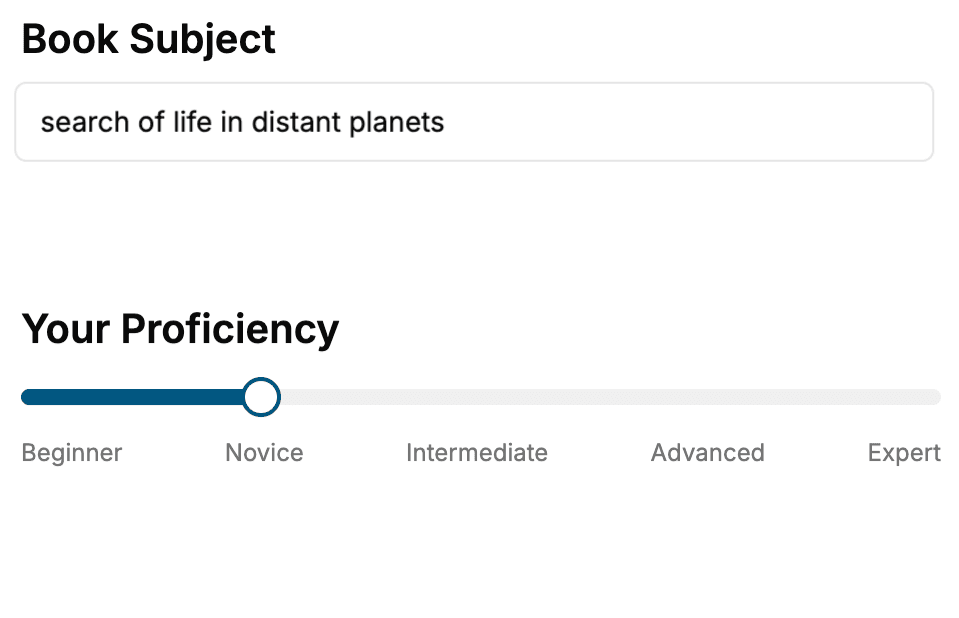
Select the focus of your Web Design book and share your background
- 2. Personalize your book
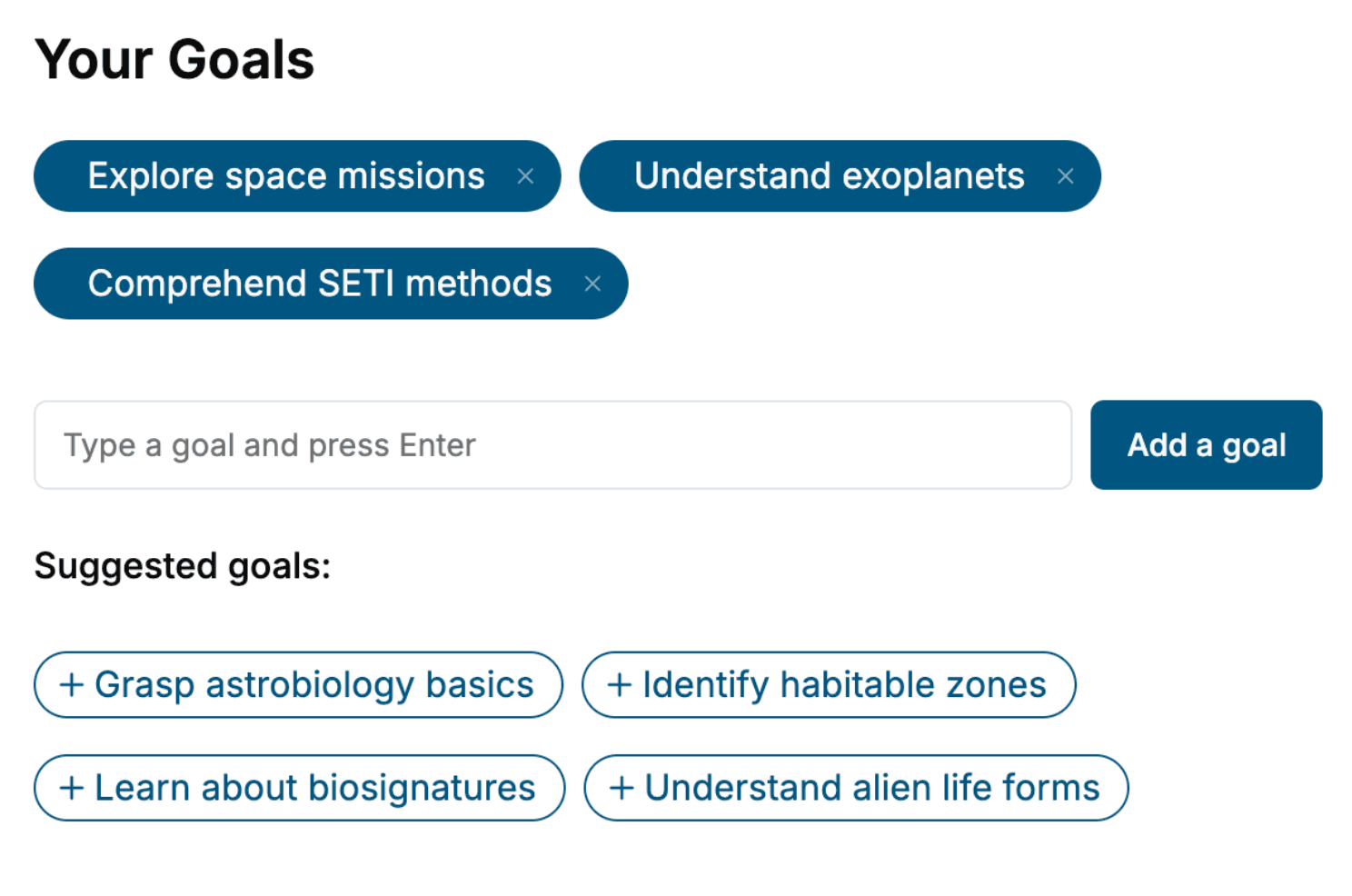
Specify your goals and choose sub-topics to include
- 3. Get your tailored book
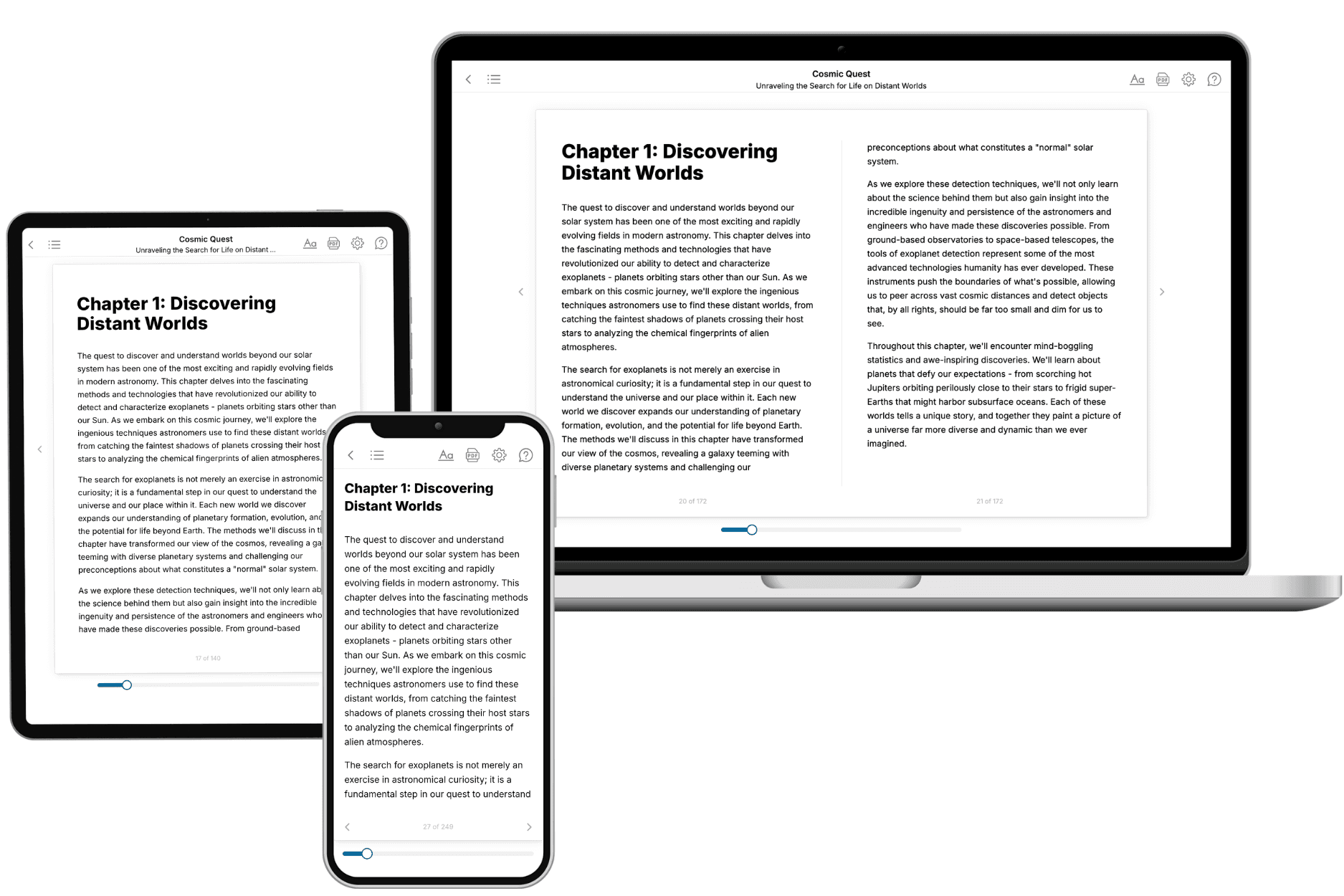
Your book is ready in 10 minutes. Read it online, download as EPUB or PDF, or send to Kindle.
Frequently asked questions
- What is TailoredRead?
TailoredRead creates complete, full-length nonfiction ebooks, written specifically for you. Tell us what you want to learn and why, and TailoredRead writes you a complete ebook on it, with charts, tables, and diagrams throughout. Read it online, on Kindle, or on any e-reader, or download it as a PDF or EPUB. Every book is written fresh the day you order it.
- How is the book tailored to me?
Before anything is written, you answer a few short questions about your goals, your background, and the topics you care about. Your book is then planned around your answers: written at your level, focused on your goals, and covering the topics you chose, instead of the one-size-fits-all book a store sells everyone.
- Will it read like generic AI content?
No. Your book isn't a chat transcript: it's planned chapter by chapter before a single word is written, told in a clear book voice, and explains ideas visually with charts, tables, and diagrams. After writing, every book goes through an editorial pass that polishes chapters so the book reads consistent from start to finish. Judge for yourself: browse thousands of sample books on our Explore Books page.
- How accurate is the content?
Our AI first checks whether your subject needs live research. Niche and fast-moving subjects are researched before writing, and the book plan and chapters are grounded in what it finds. After writing, every book goes through a quality pass that checks its facts and consistency, and researched books list their sources in a Notes section at the back.
- How long is the book?
You choose the length: Comprehensive (250-300 pages), Detailed (150-200 pages), Essential (70-100 pages), or Short (30-50 pages).
- Does the book include visuals?
Yes. Every book includes visual elements such as timelines, checklists, step-by-step guides, decision trees, comparison tables, and matrices, and many include bar charts. A typical book includes dozens of these visual elements.
- Can I read it on Kindle? What formats can I download?
Yes. Every book can be read in our online reader or downloaded as a PDF or EPUB. The EPUB can be opened with Kindle, Apple Books, Kobo, and any e-reader. The Commercial and Author licenses also include an editable Word (DOCX) and Markdown download.
- How much does it cost?
About the price of a regular ebook. The exact price depends on your book's length and complexity, from $2 for the shortest books to $35 for the most comprehensive, and it's shown when you review your book, before you commit to anything. Each book is a one-time purchase, yours to keep, no subscription. Licenses that let you share, teach, or publish your book range from $35.99 to $49.99.
- Can I preview the book before purchasing?
Before you pay, you'll see what your book will cover: the title, a detailed description, the estimated length, and the complete chapter-by-chapter table of contents, so you know what you're getting before you decide. The full text itself is written after you purchase.
- How long does it take to create a book?
About 10 minutes. You can start reading the opening chapters while the rest is still being written.