Empire's Fall
The Dramatic Conquest of the Inca and Its Lasting Impact on World History
Have you ever wondered how a small group of Spanish conquistadors managed to topple one of the most powerful empires in the Americas?
284 pages14 chaptersFeb 19, 2025Spanish conquest of the Inca Empire
About this book
"Empire's Fall: The Dramatic Conquest of the Inca and Its Lasting Impact on World History" takes you on a captivating journey through time, unraveling the complex tapestry of events that led to the downfall of the Inca Empire. This book offers a nuanced exploration of the clash between two worlds: the sophisticated Inca civilization and the ambitious Spanish conquistadors. You'll gain insights into the Inca's impressive achievements in engineering, agriculture, and social organization, as well as the factors that made them vulnerable to conquest. Through vivid storytelling and meticulous research, you'll witness the pivotal moments that shaped the course of history, from the first encounters between the Inca and the Spanish to the final days of the empire. Beyond the battlefield, "Empire's Fall" delves into the cultural, technological, and ecological exchanges that resulted from this momentous collision of civilizations. You'll discover how this conquest reshaped not only the Andean region but also had far-reaching consequences for Europe and the entire world. This book challenges you to reconsider your understanding of exploration, empire, and the complex legacy of colonialism that continues to influence our world today.
Table of contents
- IntroductionThe Significance of the Inca Conquest in World History, Overview of the Book's JourneyRead below
- Chapter 1: The Inca Empire: A Civilization at Its PeakOrigins and Expansion of the Inca Empire, Inca Social Structure and Governance, Architectural and Engineering Marvels, Agricultural Innovations and Food Production
- Chapter 2: The Arrival of the SpanishSpanish Motivations for Exploration, First Contact with the Inca Empire, Francisco Pizarro and His Expedition, Initial Impressions and Misunderstandings
- Chapter 3: Vulnerabilities of the Inca EmpireThe Inca Succession Crisis, Internal Conflicts and Power Struggles, Technological Disparities, The Devastating Impact of Old World Diseases
- Chapter 4: Strategies of ConquestSpanish Military Tactics and Weapons, Forging Alliances with Inca Rivals, Psychological Warfare and Intimidation, Inca Responses and Resistance Strategies
- Chapter 5: Key Battles and Turning PointsThe Battle of Cajamarca, The Siege of Cusco, Manco Inca's Rebellion, The Fall of Vilcabamba
- Chapter 6: The Immediate Aftermath of ConquestThe Power Vacuum and Spanish Consolidation, Looting and the Transfer of Wealth, The Encomienda System and Labor Exploitation, Indigenous Resistance Movements
- Chapter 7: Cultural Impact and ExchangeReligious Transformation and Syncretism, Language Evolution and Quechua Persistence, Changes in Art and Architecture, Culinary Fusion and New World Crops
- Chapter 8: Ecological and Agricultural TransformationsIntroduction of New Crops and Animals, Changes in Land Use and Management, Environmental Impact of Mining, Shifts in Biodiversity and Ecosystems
- Chapter 9: Economic Consequences of the ConquestThe Silver Trade and Global Economics, New Labor Systems and Their Effects, Shifting Trade Routes and Patterns, Impact on the European Economy
- Chapter 10: Social Changes in the Post-Conquest EraThe Development of the Caste System, Mestizaje and Cultural Blending, Indigenous Adaptation and Survival Strategies, Changing Roles of Women in Colonial Society
- Chapter 11: Knowledge Transfer and Scientific ExchangeMedicinal Plants and Traditional Healing, Astronomical Knowledge and Calendars, Engineering Techniques and Architecture, Navigation and Cartography Advancements
- Chapter 12: The Long-Term Legacy of the Inca ConquestShaping Modern Peru and Andean Nations, Influence on Global Trade and Economics, The Quest for Cultural Identity in the Andes, Evolving Historical Narratives and Perspectives
- Chapter 13: Comparative Analysis: The Inca Conquest in World HistoryParallels with the Conquest of the Aztec Empire, Patterns of Colonialism Across Continents, Technological Disparities in Historical Conquests, Cultural Resilience and Adaptation in Conquered Societies
- Chapter 14: The Conquest's Relevance in the Modern WorldContemporary Indigenous Rights Movements, Efforts in Cultural Preservation and Revitalization, Historical Reconciliation and National Identity, Lessons for the Age of Globalization
- ConclusionKey Takeaways from the Inca Conquest, Future Directions for Research and Understanding
- Glossary
- Further Reading
Introduction
The conquest of the Inca Empire stands as one of the most pivotal and dramatic events in world history, a moment that forever altered the course of two civilizations and reshaped the global balance of power. This introduction sets the stage for our exploration of this monumental clash between the sophisticated Inca civilization and the ambitious Spanish conquistadors. As we embark on this journey through time, you will gain a deeper understanding of the complex factors that led to the fall of one of the most impressive empires in the Americas and the far-reaching consequences that continue to echo through the centuries.
The story of the Inca conquest is not merely a tale of military triumph or defeat; it is a multifaceted narrative that encompasses cultural collision, technological disparity, ecological exchange, and the profound transformation of societies on both sides of the Atlantic. By delving into this historical event, you will gain insights into the nature of empire, the dynamics of cross-cultural encounters, and the intricate web of causes and effects that shape the course of human history. This book aims to provide you with a comprehensive and nuanced understanding of this critical juncture in world history, challenging simplistic narratives and offering a more complex view of the past that resonates with our contemporary global experiences.
The Significance of the Inca Conquest in World History
The conquest of the Inca Empire by Spanish conquistadors in the 16th century was a watershed moment that reverberated far beyond the Andean highlands. This event marked not only the end of the largest pre-Columbian empire in the Americas but also the beginning of a new era of global interconnectedness. The significance of this conquest cannot be overstated, as it fundamentally altered the trajectory of world history in numerous ways, reshaping geopolitics, economics, culture, and the natural environment on a global scale.
First and foremost, the fall of the Inca Empire represented a critical turning point in the balance of global power. Prior to the Spanish arrival, the Inca ruled over a vast territory spanning approximately 2,500 miles along the western coast of South America, from modern-day Ecuador to Chile. This sophisticated civilization had developed advanced systems of governance, agriculture, engineering, and social organization that rivaled, and in some aspects surpassed, those of contemporary European societies. The sudden collapse of this mighty empire under the onslaught of a relatively small group of Spanish conquistadors dramatically illustrated the changing dynamics of global power and the emerging dominance of European nations on the world stage.
The conquest initiated one of the largest transfers of wealth in human history. The vast quantities of gold and silver extracted from Inca territories and shipped to Europe had profound economic consequences. This influx of precious metals fueled the European economy, financing wars, spurring trade, and contributing to the rise of capitalism. The economic repercussions were felt not only in Europe but also across the globe, as new trade routes were established and existing ones were transformed. The silver mined from the legendary Potosí in present-day Bolivia, for instance, not only enriched the Spanish crown but also became a key component in global trade, even reaching as far as China and influencing its economy[1].
The conquest also set in motion a massive biological exchange that had far-reaching ecological and demographic consequences. The introduction of Old World crops, animals, and pathogens to the Americas, and the transfer of New World plants and animals to Europe, Africa, and Asia, reshaped ecosystems, agricultural practices, and diets worldwide. This Columbian Exchange, as it came to be known, had profound and lasting effects on global biodiversity, food production, and human health. The devastating impact of Old World diseases on the indigenous populations of the Americas, including the Inca, was particularly significant, causing demographic collapse and facilitating European colonization[2].
From a cultural perspective, the conquest of the Inca Empire exemplifies the complex processes of cultural exchange, assimilation, and resistance that characterize encounters between different civilizations. The collision between Inca and Spanish cultures resulted in a unique synthesis, particularly evident in the realms of religion, language, art, and social structures. The emergence of syncretic religious practices, the evolution of the Spanish language in the Americas, and the development of new artistic traditions all stem from this cultural encounter. Moreover, the conquest sparked ongoing debates about cultural identity, indigenous rights, and the legacy of colonialism that continue to shape social and political discourse in the Andean region and beyond.
The fall of the Inca Empire also holds significant lessons for our understanding of technological disparities and their role in shaping historical outcomes. The Spanish conquistadors' success was due in part to their superior military technology, including horses, steel weapons, and gunpowder. This technological gap highlights the crucial role that innovation and technological diffusion play in determining the balance of power between societies. The Inca conquest serves as a stark reminder of how technological advantages can dramatically alter the course of history, a lesson that remains relevant in our rapidly evolving technological landscape.
Furthermore, the conquest of the Inca Empire provides valuable insights into the nature of empire-building, resistance, and adaptation. The strategies employed by the Spanish to subjugate the Inca, as well as the various forms of indigenous resistance and adaptation that emerged in response, offer a nuanced perspective on the dynamics of power, colonization, and cultural resilience. These historical processes continue to inform our understanding of contemporary global issues, including nationalism, cultural preservation, and the ongoing effects of historical injustices.
In the realm of knowledge and science, the encounter between the Inca and Spanish civilizations led to significant exchanges and advancements. Inca achievements in areas such as agriculture, engineering, and medicine were gradually incorporated into European knowledge systems, while European technologies and scientific concepts were introduced to the Andean world. This cross-pollination of ideas and techniques contributed to the global advancement of human knowledge and underscores the importance of diverse perspectives in driving innovation and progress.
Lastly, the conquest of the Inca Empire and its aftermath provide a compelling case study for examining the long-term consequences of historical events. The social, economic, and political structures established in the wake of the conquest continue to influence modern Latin American societies. Issues such as land ownership, social inequality, and political instability in the Andean region can often be traced back to the colonial period that followed the Inca conquest. Understanding these historical roots is crucial for addressing contemporary challenges and fostering more equitable and just societies.
In conclusion, the significance of the Inca conquest in world history lies in its multifaceted impact on global power dynamics, economics, ecology, culture, technology, and knowledge systems. By studying this pivotal event, you gain not only a deeper understanding of a crucial moment in history but also valuable insights into the complex processes that shape our interconnected world. As we delve deeper into the details of this conquest and its aftermath, you will discover how this historical event continues to resonate in our modern global society, offering lessons and perspectives that remain relevant for navigating the challenges of our increasingly interconnected world.
Overview of the Book's Journey
As you embark on this exploration of the Inca conquest and its lasting impact on world history, it's important to understand the journey that lies ahead. This book is designed to provide you with a comprehensive and nuanced understanding of this pivotal historical event, guiding you through its various aspects and implications. The structure of this book is carefully crafted to build your knowledge progressively, starting with the necessary background and context, moving through the events of the conquest itself, and then exploring its wide-ranging consequences and legacy.
The journey begins with an in-depth look at the Inca Empire at its peak. Chapter 1 will transport you to the world of the Inca, exploring the origins and expansion of this remarkable civilization. You'll gain insights into the sophisticated social structure and governance systems that allowed the Inca to rule over a vast and diverse territory. The chapter will also highlight the architectural and engineering marvels that continue to astound us today, such as the iconic citadel of Machu Picchu and the extensive network of roads known as the Qhapaq Ñan. Additionally, you'll learn about the innovative agricultural techniques that enabled the Inca to thrive in the challenging Andean environment, including the use of terraced farming and advanced irrigation systems.
With this foundation in place, Chapter 2 shifts the focus to the arrival of the Spanish. You'll explore the motivations driving Spanish exploration in the Americas, setting the stage for the fateful encounter with the Inca Empire. The chapter delves into the first contact between these two civilizations and introduces key figures such as Francisco Pizarro, whose ambition and cunning would play a crucial role in the events to come. By examining the initial impressions and misunderstandings on both sides, you'll begin to understand the complex dynamics that characterized this cultural collision.
Chapter 3 takes a critical look at the vulnerabilities within the Inca Empire that made it susceptible to conquest. You'll learn about the succession crisis that weakened the empire from within, as well as the internal conflicts and power struggles that the Spanish would later exploit. The chapter also explores the technological disparities between the Inca and Spanish, particularly in terms of military technology. Crucially, you'll gain an understanding of the devastating impact of Old World diseases on the Inca population, a factor that played a significant role in the empire's downfall.
The strategies employed during the conquest are the focus of Chapter 4. Here, you'll examine the military tactics and weapons used by the Spanish, as well as their efforts to forge alliances with rival indigenous groups. The chapter also explores the psychological warfare and intimidation tactics employed by the conquistadors. Importantly, you'll also learn about the Inca responses and resistance strategies, providing a balanced view of the conflict.
Chapter 5 brings the conquest to life through detailed accounts of key battles and turning points. From the pivotal Battle of Cajamarca to the siege of Cusco and the fall of Vilcabamba, you'll witness the dramatic events that shaped the outcome of the conquest. This chapter also highlights the role of important figures such as Manco Inca, whose rebellion represented a significant challenge to Spanish control.
The immediate aftermath of the conquest is explored in Chapter 6. You'll learn about the power vacuum left by the fall of the Inca Empire and how the Spanish consolidated their control. The chapter also examines the looting and transfer of wealth that followed the conquest, as well as the establishment of the encomienda system and its impact on indigenous labor. Additionally, you'll gain insights into the various indigenous resistance movements that emerged in the wake of the conquest.
Chapters 7 through 11 delve into the various long-term impacts of the conquest. Chapter 7 focuses on cultural impact and exchange, exploring religious transformation, language evolution, changes in art and architecture, and the fusion of culinary traditions. Chapter 8 examines the ecological and agricultural transformations brought about by the introduction of new crops and animals, changes in land use, and the environmental impact of colonial activities such as mining.
The economic consequences of the conquest are the subject of Chapter 9, which explores the global impact of the silver trade, the development of new labor systems, and shifts in trade routes and patterns. Chapter 10 looks at the social changes in the post-conquest era, including the development of the caste system, the process of mestizaje, and changing roles for women in colonial society. Chapter 11 focuses on the exchange of knowledge and scientific ideas between the Old and New Worlds, covering topics such as medicinal plants, astronomical knowledge, and advancements in navigation and cartography.
The long-term legacy of the Inca conquest is examined in Chapter 12, which explores how this historical event has shaped modern Peru and other Andean nations, influenced global trade and economics, and continues to impact cultural identity in the region. Chapter 13 provides a comparative analysis, placing the Inca conquest in the broader context of world history by drawing parallels with other conquests and examining patterns of colonialism across continents.
Finally, Chapter 14 brings the discussion into the present day, exploring the relevance of the Inca conquest in the modern world. This chapter examines contemporary indigenous rights movements, efforts in cultural preservation, the ongoing process of historical reconciliation, and the lessons that this historical event offers for our age of globalization.
Throughout this journey, you'll encounter a wealth of information drawn from historical sources, archaeological evidence, and contemporary scholarship. The narrative is enriched with case studies, primary source excerpts, and illustrative examples that bring the history to life. Moreover, the book encourages critical thinking by presenting different perspectives and interpretations where historical debates exist.
By the end of this book, you will have gained a comprehensive understanding of the Inca conquest, its causes, events, and far-reaching consequences. More importantly, you'll have developed a nuanced perspective on this pivotal moment in world history, equipped with insights that can inform your understanding of contemporary global issues. This journey through time will challenge you to think critically about the nature of cultural encounters, the dynamics of power and resistance, and the complex legacies that shape our world today.
As you progress through the chapters, you're encouraged to reflect on the connections between past and present, to question established narratives, and to consider how the lessons of history can be applied to our contemporary world. The conquest of the Inca Empire, while a historical event, offers valuable insights into ongoing processes of globalization, cultural exchange, and technological change. By understanding this crucial chapter in world history, you'll be better equipped to navigate and interpret the complex global landscape of the 21st century.
This is the end of the free sample. The full book has 14 chapters.
Want this book written for you?
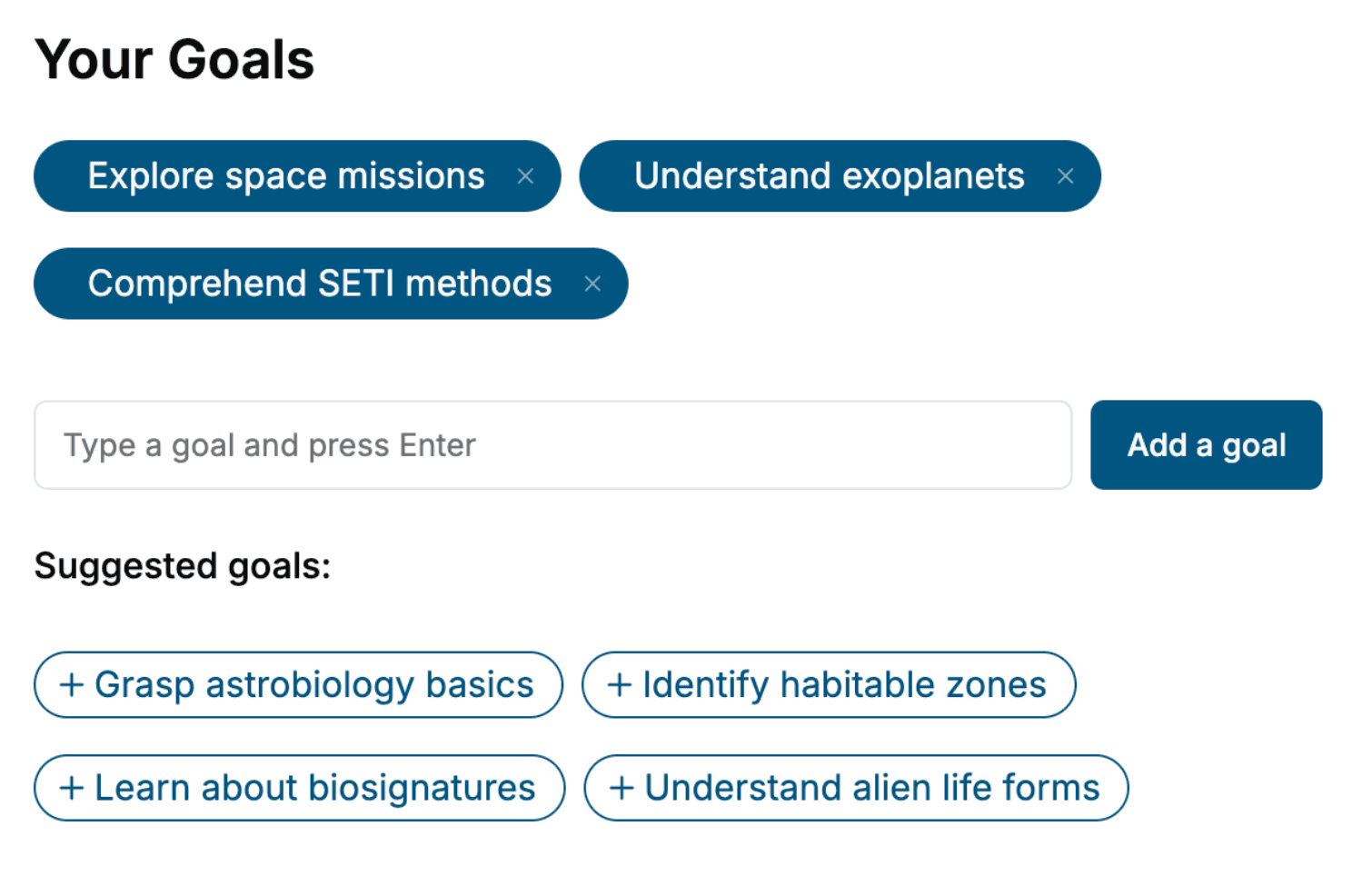
Tell us your goals and background, and get your own version of this book, tailored by AI to you.


Benefits of AI-tailored books
- Read one book, not ten:
- all the Spanish conquest of the Inca Empire knowledge you need, gathered into a single book.
- Save days of learning:
- tell us your goals, choose your topics, and the whole book is built around them.
- Learn effortlessly:
- Spanish conquest of the Inca Empire book written for your specific background and expertise.
- Understand at a glance:
- includes charts, tables, timelines, checklists, decision trees, and more.
- Stay current:
- written the day you order it, not years ago.
- Trust what you read:
- every book is checked for accuracy, with real research when your subject needs it.
Create your unique book in 3 steps
- 1. Select your focus
Select the focus of your Spanish conquest of the Inca Empire book and share your background
- 2. Personalize your book
Specify your goals and choose sub-topics to include
- 3. Get your tailored book
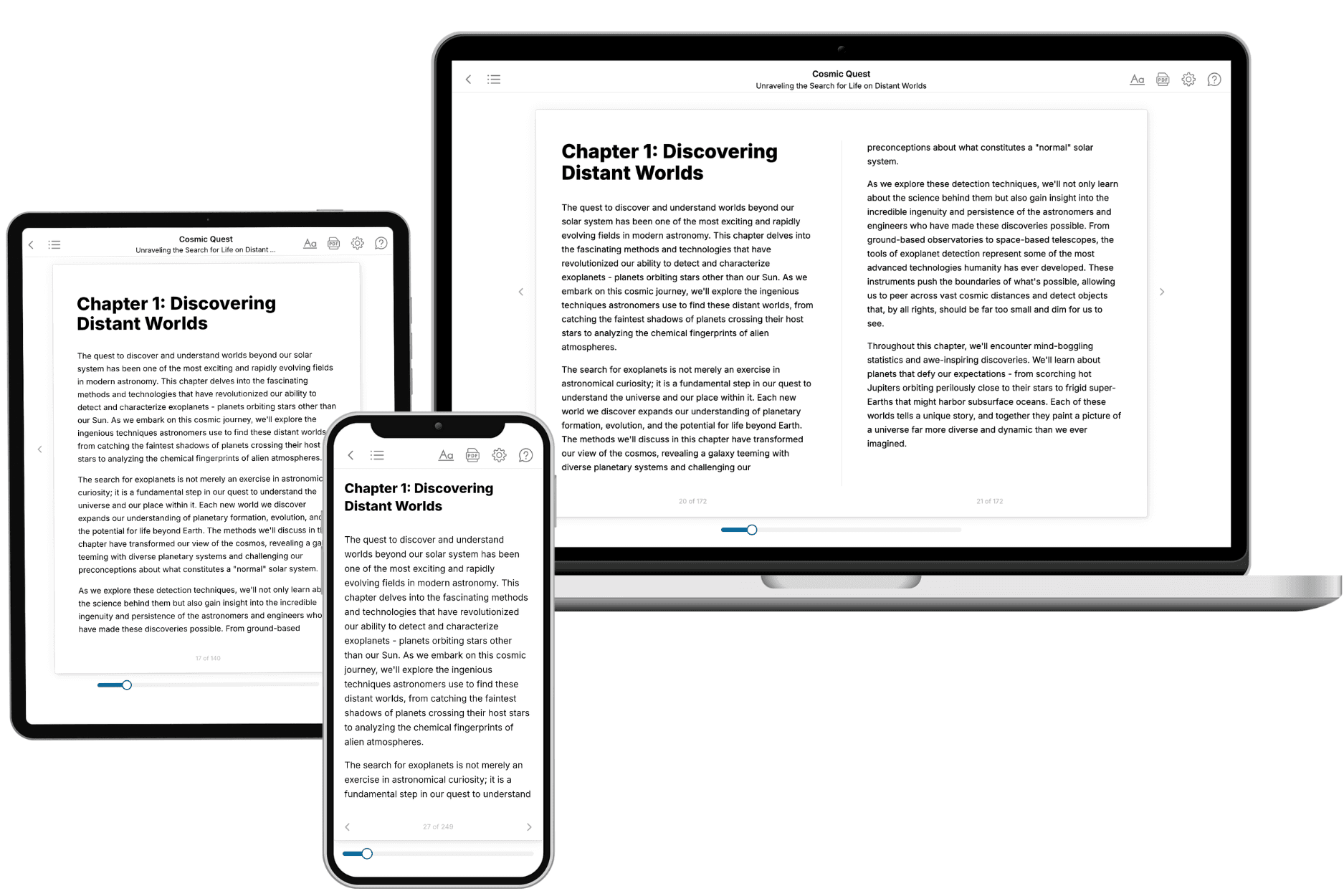
Your book is ready in 10 minutes. Read it online, download as EPUB or PDF, or send to Kindle.

Frequently asked questions
- What is TailoredRead?
TailoredRead creates complete, full-length nonfiction ebooks, written specifically for you. Tell us what you want to learn and why, and TailoredRead writes you a complete ebook on it, with charts, tables, and diagrams throughout. Read it online, on Kindle, or on any e-reader, or download it as a PDF or EPUB. Every book is written fresh the day you order it.
- How is the book tailored to me?
Before anything is written, you answer a few short questions about your goals, your background, and the topics you care about. Your book is then planned around your answers: written at your level, focused on your goals, and covering the topics you chose, instead of the one-size-fits-all book a store sells everyone.
- Will it read like generic AI content?
No. Your book isn't a chat transcript: it's planned chapter by chapter before a single word is written, told in a clear book voice, and explains ideas visually with charts, tables, and diagrams. After writing, every book goes through an editorial pass that polishes chapters so the book reads consistent from start to finish. Judge for yourself: browse thousands of sample books on our Explore Books page.
- How accurate is the content?
Our AI first checks whether your subject needs live research. Niche and fast-moving subjects are researched before writing, and the book plan and chapters are grounded in what it finds. After writing, every book goes through a quality pass that checks its facts and consistency, and researched books list their sources in a Notes section at the back.
- How long is the book?
You choose the length: Comprehensive (250-300 pages), Detailed (150-200 pages), Essential (70-100 pages), or Short (30-50 pages).
- Does the book include visuals?
Yes. Every book includes charts, tables, and diagrams: timelines, checklists, step-by-step guides, decision trees, comparison tables, matrices, and bar charts. A typical book includes dozens of these visual elements.
- Can I read it on Kindle? What formats can I download?
Yes. Every book can be read in our online reader or downloaded as a PDF or EPUB. The EPUB can be opened with Kindle, Apple Books, Kobo, and any e-reader. The Commercial and Author licenses also include an editable Word (DOCX) and Markdown download.
- How much does it cost?
About the price of a regular ebook. The exact price depends on your book's length and complexity, from $2 for the shortest books to $35 for the most comprehensive, and it's shown when you review your book, before you commit to anything. Each book is a one-time purchase, yours to keep, no subscription. Licenses that let you share, teach, or publish your book range from $35.99 to $49.99.
- Can I preview the book before purchasing?
Before you pay, you'll see what your book will cover: the title, a detailed description, the estimated length, and the complete chapter-by-chapter table of contents, so you know what you're getting before you decide. The full text itself is written after you purchase.
- How long does it take to create a book?
About 10 minutes. You can start reading the opening chapters while the rest is still being written.