Flipping the Script
Revolutionizing Language Teaching with the Flipped Classroom Approach
Are you tired of struggling to engage your language students in traditional classroom settings?
300 pages15 chaptersFeb 28, 2025Teaching
About this book
What if there was a way to maximize in-class time for interactive, communicative activities while ensuring students get the foundational knowledge they need? "Flipping the Script: Revolutionizing Language Teaching with the Flipped Classroom Approach" offers a fresh perspective on language education. This comprehensive guide walks you through the process of transforming your language classroom into a dynamic, student-centered learning environment. You'll discover how to leverage technology to deliver instructional content outside of class time, freeing up valuable face-to-face interactions for meaningful language practice and application. From creating engaging video lessons to designing interactive in-class activities, this book provides practical strategies to flip your classroom effectively. Backed by research and real-world examples, "Flipping the Script" equips you with the tools and confidence to reimagine your teaching methods. You'll learn how to foster greater student autonomy, cater to diverse learning styles, and create a more personalized learning experience for your language students.
Table of contents
- IntroductionUnderstanding the Flipped Classroom Concept, Benefits for Language Teaching, Book Overview and How to Use ItRead below
- Chapter 1: Foundations of the Flipped ClassroomTraditional vs. Flipped Classroom Models, Pedagogical Principles Behind Flipped Learning, Research and Evidence Supporting Flipped Classrooms, Aligning with Language Learning Theories
- Chapter 2: Planning Your Flipped Language ClassroomAnalyzing Your Current Curriculum, Identifying Opportunities to Flip, Setting Clear Learning Objectives, Developing a Timeline for Implementation
- Chapter 3: Creating Engaging Pre-Class ContentDesigning Effective Video Lessons, Developing Interactive Learning Materials, Curating Existing Online Resources, Ensuring Accessibility and Inclusivity
- Chapter 4: Leveraging Technology for Flipped LearningChoosing the Right Learning Management System, Video Creation and Editing Tools, Interactive Platforms for Language Practice, Mobile Learning Apps for Language Acquisition
- Chapter 5: Designing Effective In-Class ActivitiesCommunicative Language Tasks, Collaborative Language Projects, Problem-Solving and Critical Thinking Activities, Personalized Language Practice Sessions
- Chapter 6: Fostering Student Engagement and MotivationBuilding Learner Autonomy, Incorporating Gamification Techniques, Encouraging Peer Learning and Interaction, Integrating Cultural Elements for Motivation
- Chapter 7: Assessment and Feedback in the Flipped ClassroomImplementing Formative Assessment Strategies, Designing Performance-Based Assessments, Incorporating Peer and Self-Assessment, Effective Feedback Techniques for Language Learning
- Chapter 8: Differentiation and PersonalizationAddressing Different Learning Styles, Catering to Various Proficiency Levels, Creating Individualized Learning Pathways, Implementing Adaptive Learning Technologies
- Chapter 9: Managing the Flipped Language ClassroomEffective Time Management Strategies, Facilitating Positive Group Dynamics, Troubleshooting Common Challenges, Optimizing Classroom Layout for Interaction
- Chapter 10: The Changing Role of the Language TeacherTransitioning from Lecturer to Facilitator and Guide, Effective Scaffolding Techniques, Monitoring Student Progress and Intervening, Continuous Professional Development for Flipped Teaching
- Chapter 11: Preparing Students for Flipped LearningIntroducing the Flipped Classroom Concept, Developing Necessary Study Skills, Providing Technology Training and Support, Setting Clear Expectations and Goals
- Chapter 12: Involving Parents and GuardiansCommunicating the Flipped Approach, Strategies for Parent Support at Home, Addressing Common Concerns and Questions, Keeping Parents Updated on Student Progress
- Chapter 13: Measuring Success and Continuous ImprovementCollecting and Analyzing Performance Data, Gathering and Utilizing Student Feedback, Adjusting Your Approach Based on Results, Long-Term Planning and Scaling
- Chapter 14: Case Studies: Successful Flipped Language ClassroomsElementary School Language Program, Secondary School Language Department, University-Level Language Course, Adult Education Language Center
- Chapter 15: Future Trends in Flipped Language LearningArtificial Intelligence in Language Learning, Virtual and Augmented Reality Applications, Advancements in Personalized Learning, Global Collaboration and Cultural Exchange
- ConclusionKey Takeaways, Final Thoughts and Encouragement
- Glossary
- Additional Resources
Introduction
Welcome to "Flipping the Script: Revolutionizing Language Teaching with the Flipped Classroom Approach." As an educator or language teacher, you've likely encountered the challenges of engaging students, maximizing class time, and catering to diverse learning styles. The flipped classroom approach offers a innovative solution to these challenges, transforming the traditional language learning experience into a dynamic, student-centered environment. This introduction will provide you with a comprehensive overview of the flipped classroom concept, its benefits for language teaching, and how to effectively use this book to implement this revolutionary approach in your own classroom.
Understanding the Flipped Classroom Concept
The flipped classroom is an innovative pedagogical approach that inverts the traditional teaching model. In a conventional classroom setting, teachers typically spend most of the class time delivering lectures and explaining new concepts, while students are assigned homework to practice and apply these concepts independently. The flipped classroom turns this model on its head, leveraging technology to deliver instructional content outside of class time and transforming the classroom into a hub of interactive learning and application.
At its core, the flipped classroom approach is built on the premise that students can gain basic knowledge and understanding of new concepts through self-paced, technology-enabled learning outside the classroom. This shift allows for more meaningful, interactive, and personalized learning experiences during face-to-face class time. In a language learning context, this means that grammar explanations, vocabulary introductions, and cultural information can be delivered through pre-recorded videos, interactive online modules, or curated resources that students engage with before coming to class.
The origins of the flipped classroom can be traced back to the early 2000s, with educators like Jonathan Bergmann and Aaron Sams pioneering the approach in their high school chemistry classes[1]. However, the concept has gained significant traction in recent years across various disciplines, including language education. The widespread availability of technology and the increasing need for more engaging and effective teaching methods have contributed to the growing popularity of the flipped classroom approach.
In a flipped language classroom, you might create video lessons explaining grammar points or introducing new vocabulary, which students watch at home. During class time, you can then focus on interactive activities that reinforce language skills, such as role-playing exercises, group discussions, or problem-solving tasks in the target language. This approach allows for more personalized attention and immediate feedback, as you can circulate among students, addressing individual needs and challenges as they arise.
The flipped classroom model is grounded in several key principles of effective learning. First, it embraces the idea of active learning, where students are engaged in constructing knowledge rather than passively receiving information. Second, it recognizes the importance of differentiation, allowing students to progress at their own pace through the pre-class material. Third, it leverages the benefits of peer learning and collaboration, as in-class time can be used for group work and discussions. Finally, it aligns with the principles of mastery learning, enabling students to revisit and review content as needed to achieve proficiency.
It's important to note that the flipped classroom is not simply about recording lectures for students to watch at home. Rather, it's a comprehensive approach that requires careful planning and design of both the out-of-class and in-class components. The pre-class materials should be engaging, concise, and interactive, while the in-class activities should be designed to maximize student interaction, application of knowledge, and development of higher-order thinking skills.
As you delve deeper into this book, you'll discover how to effectively implement each aspect of the flipped classroom approach in your language teaching practice. From creating engaging video content to designing interactive in-class activities, you'll gain the tools and strategies needed to transform your language classroom into a dynamic learning environment that fosters student engagement, autonomy, and language proficiency.
Benefits for Language Teaching
The flipped classroom approach offers numerous benefits specifically tailored to language teaching and learning. As you consider implementing this innovative method in your own classroom, it's crucial to understand how it can significantly enhance the language learning experience for your students. Let's explore some of the key advantages that make the flipped classroom particularly well-suited for language education.
One of the primary benefits of the flipped classroom in language teaching is the increased opportunity for active language production and practice. In traditional language classrooms, a significant portion of class time is often devoted to explaining grammar rules, introducing vocabulary, or lecturing on cultural topics. While these elements are essential, they can limit the time available for students to actually use the language in meaningful contexts. By moving these instructional components outside the classroom, the flipped approach frees up valuable in-class time for communicative activities, role-plays, discussions, and other interactive tasks that promote language production and fluency.
Research has shown that increased opportunities for language production and interaction are crucial for language acquisition. A study by Sung (2015) found that students in a flipped English as a Foreign Language (EFL) classroom demonstrated significant improvements in speaking skills compared to those in a traditional classroom setting[2]. This improvement was attributed to the increased time for in-class speaking activities and the ability to review language concepts at their own pace before class.
Another significant advantage of the flipped classroom for language teaching is its ability to cater to diverse learning styles and paces. Language learners often have varying levels of proficiency, even within the same class. The flipped model allows students to engage with pre-class materials at their own speed, rewatching videos or revisiting explanations as needed. This self-paced learning can be particularly beneficial for students who may need more time to grasp complex grammar concepts or for those who want to challenge themselves with additional materials.
Moreover, the flipped classroom approach aligns well with the principles of differentiated instruction in language teaching. During in-class activities, you can more easily provide personalized support and guidance to students based on their individual needs. For example, while some students work on advanced conversation tasks, you can provide additional scaffolding to those who need more support in basic sentence construction. This level of individualized attention can be challenging to achieve in a traditional classroom setting where much of the time is spent on whole-class instruction.
The flipped classroom also enhances student engagement and motivation in language learning. By providing instructional content in multimedia formats (such as videos, interactive presentations, or podcasts), you can cater to different learning preferences and make the material more engaging. Students often find these digital resources more appealing and accessible than traditional textbooks. Additionally, the interactive nature of in-class activities can increase student motivation, as they have more opportunities to use the language in meaningful contexts and see immediate progress in their skills.
A study by Hung (2015) on the implementation of a flipped classroom in an English language course found that students reported higher levels of engagement and satisfaction compared to traditional instruction methods[3]. The researcher attributed this increased engagement to the interactive class activities and the ability to learn at their own pace outside of class.
Furthermore, the flipped classroom approach can significantly enhance the development of autonomous learning skills, which are crucial for long-term language proficiency. By taking responsibility for engaging with pre-class materials and coming prepared for in-class activities, students develop important self-regulation and time management skills. These skills are not only beneficial for their current language learning but also prepare them for lifelong language acquisition beyond the classroom.
The flipped model also allows for more authentic language input and cultural exposure. Through carefully curated videos, podcasts, or online resources, you can provide students with rich, authentic language input from native speakers and real-world contexts. This exposure to authentic materials can enhance students' cultural understanding and prepare them for real-world language use more effectively than textbook-based instruction alone.
Lastly, the flipped classroom approach can lead to improved learning outcomes in language proficiency. A meta-analysis of flipped learning in language education by Vitta and Al-Hoorie (2020) found a moderate positive effect on language learning outcomes across various studies[4]. The researchers noted that the flipped approach was particularly effective for developing productive skills (speaking and writing) and for promoting learner autonomy.
As you progress through this book, you'll discover practical strategies for harnessing these benefits in your own language classroom. From designing engaging pre-class materials to creating interactive in-class activities, you'll learn how to leverage the flipped classroom approach to create a more effective, engaging, and student-centered language learning environment.
Book Overview and How to Use It
"Flipping the Script: Revolutionizing Language Teaching with the Flipped Classroom Approach" is designed to be your comprehensive guide to implementing the flipped classroom model in your language teaching practice. This book is structured to provide you with both the theoretical foundations and practical strategies needed to successfully flip your language classroom. Whether you're new to the concept of flipped learning or looking to refine your existing flipped classroom approach, this book offers valuable insights and actionable advice to enhance your teaching and your students' language learning experience.
The book is organized into fifteen chapters, each focusing on a crucial aspect of the flipped classroom approach in language teaching. We begin with the foundations of the flipped classroom model, exploring its pedagogical principles and how they align with language learning theories. From there, we delve into the practical aspects of planning and implementing a flipped language classroom, including creating engaging pre-class content, leveraging technology, designing effective in-class activities, and managing the flipped classroom environment.
To help you navigate this book effectively and get the most out of its content, here are some suggestions on how to use it:
1. Sequential Reading: If you're new to the flipped classroom approach, it's recommended to read the book sequentially from start to finish. This will provide you with a comprehensive understanding of the flipped classroom model, starting from its theoretical foundations and progressing through practical implementation strategies. The chapters are designed to build upon each other, offering a logical progression from concept to practice.
2. Targeted Exploration: If you're already familiar with the basics of flipped learning and are looking to address specific aspects of your practice, feel free to jump to the chapters that are most relevant to your current needs. Each chapter is designed to stand alone while also connecting to the broader context of flipped language teaching. For example, if you're specifically interested in creating engaging pre-class content, you might start with Chapter 3: "Creating Engaging Pre-Class Content."
3. Reflective Practice: Throughout the book, you'll find reflection questions and practical exercises. Take the time to engage with these prompts, as they are designed to help you apply the concepts to your specific teaching context. Consider keeping a journal or notebook to record your thoughts, ideas, and plans as you work through the book. This reflective practice can be invaluable in translating the book's concepts into actionable steps for your classroom.
4. Implementation Planning: As you read, start thinking about how you can implement the flipped classroom approach in your own teaching context. Use the strategies and examples provided in the book as inspiration, but remember to adapt them to suit your students' needs and your teaching style. Consider creating an implementation plan, starting with small changes and gradually expanding your flipped classroom practices.
5. Resource Utilization: Take advantage of the additional resources provided throughout the book, including recommended tools, websites, and further reading suggestions. These resources can help deepen your understanding of specific topics and provide practical tools for implementation.
6. Collaborative Learning: If possible, consider reading and discussing this book with colleagues who are also interested in flipped learning. Sharing insights, challenges, and successes can enrich your learning experience and provide valuable peer support as you implement new strategies.
7. Ongoing Reference: Even after your initial read-through, keep this book as a reference guide. As you implement the flipped classroom approach, you may want to revisit certain chapters for refreshers or to explore new strategies as your practice evolves.
8. Case Study Analysis: Pay special attention to the case studies presented in Chapter 14. These real-world examples of successful flipped language classrooms can provide valuable insights and inspiration for your own implementation. Consider how the strategies used in these case studies might be adapted to your specific teaching context.
9. Future-Oriented Thinking: As you read Chapter 15 on future trends in flipped language learning, think about how you can stay adaptable and continue to innovate in your teaching practice. The field of education technology is rapidly evolving, and staying informed about emerging trends can help you continually enhance your flipped classroom approach.
Remember, implementing a flipped classroom approach is a journey, not a destination. It requires ongoing reflection, adjustment, and refinement. This book is designed to be your companion on this journey, providing guidance, inspiration, and practical strategies to help you transform your language teaching practice. As you progress through the book, you'll gain the knowledge and tools needed to create a more engaging, effective, and student-centered language learning environment.
By the end of this book, you'll have a comprehensive understanding of how to implement the flipped classroom approach in your language teaching practice. You'll be equipped with strategies for creating engaging pre-class content, designing interactive in-class activities, leveraging technology effectively, and addressing the unique challenges of flipped language learning. Most importantly, you'll be prepared to transform your classroom into a dynamic, student-centered environment that fosters language proficiency, learner autonomy, and engagement.
Notes
Introduction
- 1. J. Bergmann and A. Sams, Flip Your Classroom: Reach Every Student in Every Class Every Day, International Society for Technology in Education, 2012
- 2. K. Sung, "A case study on a flipped classroom in an EFL content course," Multimedia-Assisted Language Learning, 2015
- 3. H. T. Hung, "Flipping the classroom for English language learners to foster active learning," Computer Assisted Language Learning, 2015
- 4. J. P. Vitta and A. H. Al-Hoorie, The flipped classroom in second language learning: A meta-analysis, Language Teaching Research, 2020
This is the end of the free sample. The full book has 15 chapters.
Want this book written for you?
Tell us your goals and background, and get your own version of this book, tailored by AI to you.


Benefits of AI-tailored books
- Read one book, not ten:
- all the Teaching knowledge you need, gathered into a single book.
- Save days of learning:
- tell us your goals, choose your topics, and the whole book is built around them.
- Learn effortlessly:
- Teaching book written for your specific background and expertise.
- Understand at a glance:
- includes charts, tables, timelines, checklists, decision trees, and more.
- Stay current:
- written the day you order it, not years ago.
- Trust what you read:
- every book is checked for accuracy, with real research when your subject needs it.
Create your unique book in 3 steps
- 1. Select your focus
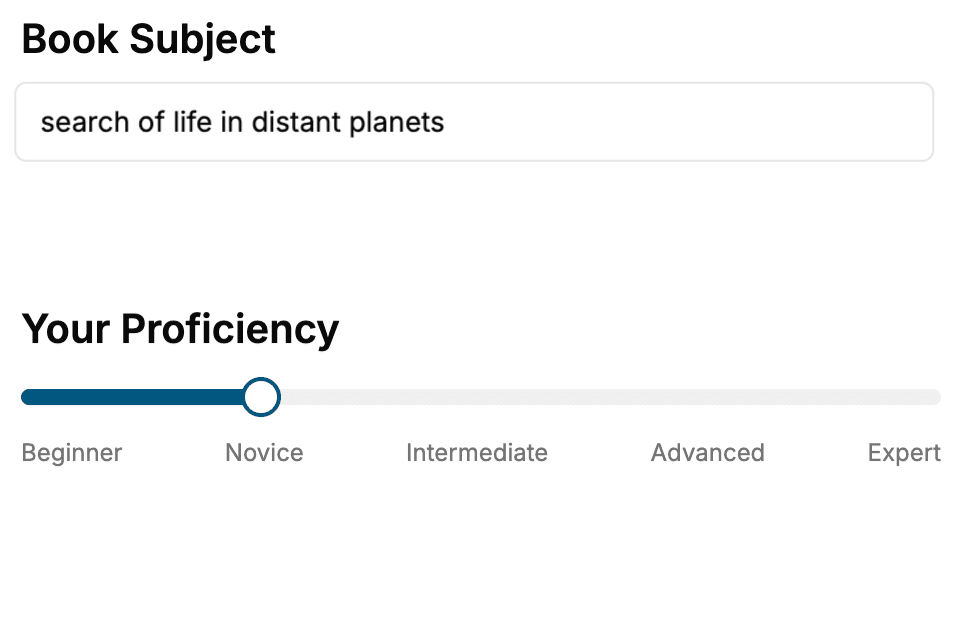
Select the focus of your Teaching book and share your background
- 2. Personalize your book
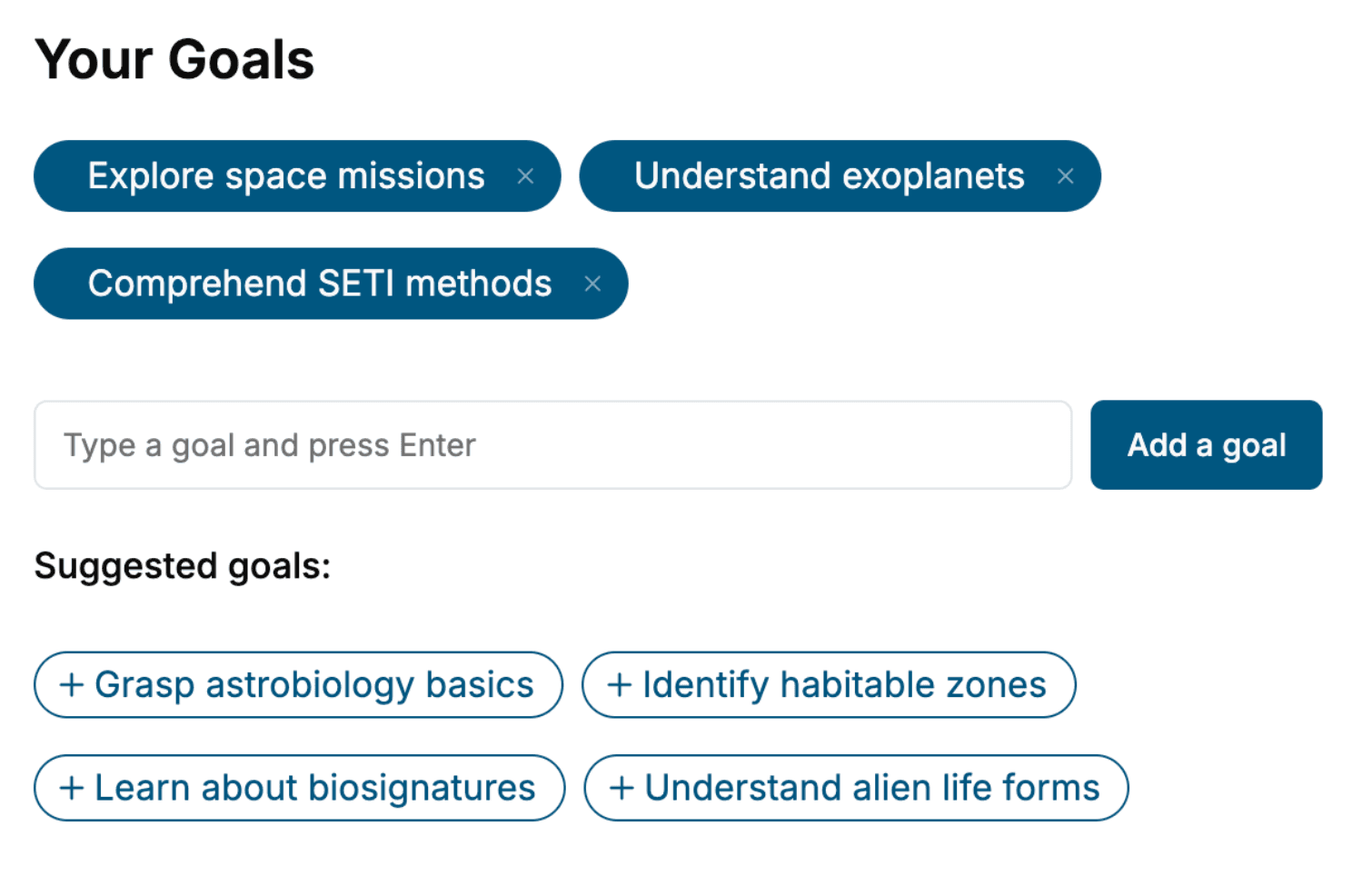
Specify your goals and choose sub-topics to include
- 3. Get your tailored book
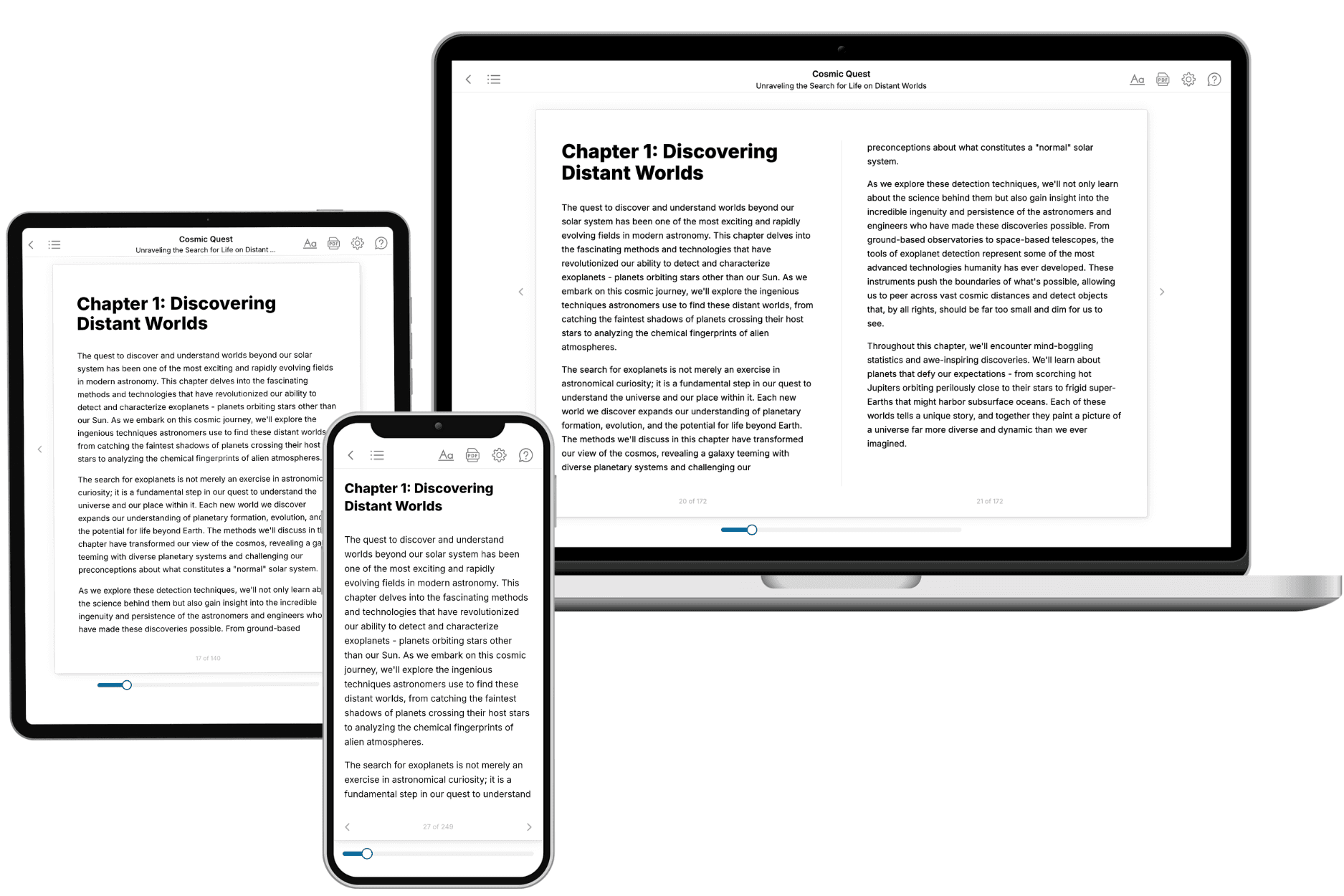
Your book is ready in 10 minutes. Read it online, download as EPUB or PDF, or send to Kindle.
Frequently asked questions
- What is TailoredRead?
TailoredRead creates complete, full-length nonfiction ebooks, written specifically for you. Tell us what you want to learn and why, and TailoredRead writes you a complete ebook on it, with charts, tables, and diagrams throughout. Read it online, on Kindle, or on any e-reader, or download it as a PDF or EPUB. Every book is written fresh the day you order it.
- How is the book tailored to me?
Before anything is written, you answer a few short questions about your goals, your background, and the topics you care about. Your book is then planned around your answers: written at your level, focused on your goals, and covering the topics you chose, instead of the one-size-fits-all book a store sells everyone.
- Will it read like generic AI content?
No. Your book isn't a chat transcript: it's planned chapter by chapter before a single word is written, told in a clear book voice, and explains ideas visually with charts, tables, and diagrams. After writing, every book goes through an editorial pass that polishes chapters so the book reads consistent from start to finish. Judge for yourself: browse thousands of sample books on our Explore Books page.
- How accurate is the content?
Our AI first checks whether your subject needs live research. Niche and fast-moving subjects are researched before writing, and the book plan and chapters are grounded in what it finds. After writing, every book goes through a quality pass that checks its facts and consistency, and researched books list their sources in a Notes section at the back.
- How long is the book?
You choose the length: Comprehensive (250-300 pages), Detailed (150-200 pages), Essential (70-100 pages), or Short (30-50 pages).
- Does the book include visuals?
Yes. Every book includes charts, tables, and diagrams: timelines, checklists, step-by-step guides, decision trees, comparison tables, matrices, and bar charts. A typical book includes dozens of these visual elements.
- Can I read it on Kindle? What formats can I download?
Yes. Every book can be read in our online reader or downloaded as a PDF or EPUB. The EPUB can be opened with Kindle, Apple Books, Kobo, and any e-reader. The Commercial and Author licenses also include an editable Word (DOCX) and Markdown download.
- How much does it cost?
About the price of a regular ebook. The exact price depends on your book's length and complexity, from $2 for the shortest books to $35 for the most comprehensive, and it's shown when you review your book, before you commit to anything. Each book is a one-time purchase, yours to keep, no subscription. Licenses that let you share, teach, or publish your book range from $35.99 to $49.99.
- Can I preview the book before purchasing?
Before you pay, you'll see what your book will cover: the title, a detailed description, the estimated length, and the complete chapter-by-chapter table of contents, so you know what you're getting before you decide. The full text itself is written after you purchase.
- How long does it take to create a book?
About 10 minutes. You can start reading the opening chapters while the rest is still being written.