Limnological Frontiers
Advanced Techniques for Freshwater Ecosystem Analysis
Dive deep into the intricate world of freshwater ecosystems with "Limnological Frontiers: Advanced Techniques for Freshwater Ecosystem Analysis." This comprehensive guide is tailored for the seasoned biologist ready to push the boundaries of lake research.
269 pages13 chaptersDec 4, 2024Environmental ScienceCreated by DrPaco
About this book
You'll explore cutting-edge methodologies for studying thermal stratification, benthic invertebrates, and the complex process of eutrophication. Uncover the secrets of hypolimnion anoxia and master the interpretation of diel oxygen patterns. The book delves into the intricacies of phosphorus cycling and its impact on aquatic ecosystems, while also providing advanced techniques for Secchi disk readings and aquatic macroinvertebrate analysis. From the molecular level to entire lake systems, "Limnological Frontiers" equips you with the knowledge to conduct groundbreaking research. You'll gain insights into the latest technologies and analytical approaches, enabling you to measure dissolved oxygen with unprecedented accuracy and study lake stratification in detail. The nutrient cycles and lake food webs are dissected with scientific precision, offering you a holistic understanding of these complex systems. Whether you're assessing water quality or exploring the frontiers of freshwater habitats, this book is your definitive guide to advancing the field of limnology. Prepare to transform your research and contribute to the cutting-edge science of freshwater ecosystem conservation and management.
Table of contents
- IntroductionOverview of Limnology, Structure of the Book, Importance of Advanced Lake Research, Holistic Ecosystem ApproachRead below
- Chapter 1: Thermal Stratification in LakesFundamentals of Lake Stratification, Seasonal Patterns and Mixing Regimes, Advanced Measurement Techniques, Ecological Impacts of Stratification
- Chapter 2: Benthic Invertebrates: Lake Bottom DwellersDiversity and Classification, Sampling Methods and Protocols, Ecological Roles and Interactions, Benthic Invertebrates as Bioindicators
- Chapter 3: The Eutrophication ProcessCauses and Mechanisms of Eutrophication, Trophic States and Lake Classification, Nutrient Loading and Algal Blooms, Management and Restoration Strategies
- Chapter 4: Hypolimnion Anoxia: Causes and ConsequencesDevelopment of Anoxic Conditions, Chemical Changes in Anoxic Waters, Biological Impacts of Anoxia, Management Approaches for Anoxia
- Chapter 5: Diel Oxygen Patterns in LakesThe Daily Oxygen Cycle, Methods for Continuous Oxygen Measurement, Estimating Productivity from Oxygen Data, Interpreting Diel Oxygen Patterns
- Chapter 6: Phosphorus Cycling in Lake EcosystemsSources and Forms of Phosphorus, Internal Loading Processes, Sediment-Water Column Interactions, Phosphorus Management Strategies
- Chapter 7: Advanced Secchi Disk TechniquesPrinciples of Secchi Depth Measurement, Advanced Protocols and Best Practices, Interpreting Secchi Disk Data, Long-term Trends in Water Clarity
- Chapter 8: Aquatic Macroinvertebrates: Beyond the BenthosDiverse Habitats and Adaptations, Advanced Collection Techniques, Using Taxonomic Keys for Identification, Community Structure Analysis
- Chapter 9: Dissolved Oxygen DynamicsFactors Affecting Oxygen Solubility, Cutting-edge Measurement Technologies, Analyzing Vertical Oxygen Profiles, Constructing Lake Oxygen Budgets
- Chapter 10: Advanced Lake Stratification StudiesDensity Gradients and Stability, Mixing Dynamics and Energy Budgets, Climate Change Impacts on Stratification, Modeling Approaches for Stratification
- Chapter 11: Nutrient Cycles in Freshwater EcosystemsThe Nitrogen Cycle in Lakes, Silica Cycling and Diatom Dynamics, Micronutrients and Their Roles, Ecological Stoichiometry in Lakes
- Chapter 12: Lake Food Web DynamicsTrophic Levels and Energy Flow, Food Web Modeling Techniques, Top-down vs. Bottom-up Control, Anthropogenic Alterations of Food Webs
- Chapter 13: Comprehensive Water Quality AssessmentPhysical Parameters and Their Measurement, Advanced Chemical Analysis Techniques, Biological Indicators of Water Quality, Integrated Water Quality Assessment, Emerging Contaminants and Their Detection
- ConclusionFuture Directions in Limnology, Addressing Current Research Challenges
- Glossary
- Further Reading
Introduction
Welcome to the cutting-edge world of limnology, where the intricate dynamics of freshwater ecosystems unfold before your eyes. As you embark on this journey through "Limnological Frontiers: Advanced Techniques for Freshwater Ecosystem Analysis," you are poised to delve into the most sophisticated methodologies and insights that modern lake research has to offer. This book is designed to elevate your understanding and equip you with the tools necessary to conduct groundbreaking research in the field of freshwater ecology.
The study of lakes and other freshwater bodies has never been more critical. As global environmental challenges mount, the need for advanced, comprehensive analyses of these vital ecosystems becomes increasingly urgent. Your role as a researcher in this field is pivotal, as the insights gained from limnological studies inform not only our scientific understanding but also crucial environmental policies and conservation strategies. This introduction will set the stage for the in-depth exploration that follows, providing you with a solid foundation upon which to build your advanced knowledge and skills.
Throughout this book, you will encounter a wealth of information that bridges the gap between theoretical concepts and practical application. From the molecular intricacies of nutrient cycling to the broad-scale patterns of lake stratification, each chapter is designed to challenge and expand your expertise. As we progress, you will find that the interconnectedness of various limnological processes becomes increasingly apparent, reinforcing the need for a holistic approach to freshwater ecosystem research.
Overview of Limnology
Limnology, the study of inland waters, stands at the intersection of numerous scientific disciplines, including biology, chemistry, physics, and geology. This multidisciplinary nature reflects the complexity of freshwater ecosystems and the diverse approaches required to understand them fully. As a field, limnology has evolved significantly since its inception in the late 19th century, with each decade bringing new technologies, methodologies, and paradigms that have reshaped our understanding of lakes and their ecosystems.
At its core, limnology seeks to unravel the intricate web of interactions that occur within freshwater bodies. These interactions span from the microscopic realm of algal physiology to the landscape-level processes that influence entire watersheds. The field encompasses the study of physical properties such as thermal stratification and light penetration, chemical aspects including nutrient cycling and dissolved oxygen dynamics, and biological components ranging from microbial communities to fish populations. Understanding these elements in isolation is valuable, but the true power of limnological research lies in synthesizing this knowledge to form a comprehensive picture of ecosystem function.
Modern limnology has expanded beyond traditional boundaries, incorporating advanced technologies and analytical techniques that have revolutionized data collection and interpretation. Remote sensing, for instance, now allows for the monitoring of lake conditions across vast spatial scales, while high-frequency sensors provide unprecedented temporal resolution in measuring key parameters. Molecular techniques have opened new avenues for exploring microbial ecology and genetic diversity within aquatic communities. These advancements have not only enhanced our ability to describe lake ecosystems but have also improved our capacity to predict and model their responses to environmental changes.
The importance of limnological research extends far beyond academic interest. Freshwater ecosystems are among the most vulnerable to anthropogenic pressures, including climate change, pollution, and habitat alteration. Lakes, in particular, serve as sentinels of environmental change, often reflecting broader ecological shifts in their watersheds and even global climate patterns. By studying these systems, limnologists provide crucial insights that inform water resource management, conservation efforts, and environmental policy-making. The health of freshwater ecosystems is inextricably linked to human well-being, underscoring the societal relevance of limnological research.
As you delve deeper into this book, you will encounter the frontiers of limnological science. These cutting-edge areas of research push the boundaries of our understanding and often challenge long-held assumptions about lake ecosystems. For example, recent studies have revealed the complex role of microbial communities in nutrient cycling, highlighting the need to reconsider traditional models of lake productivity. Similarly, advances in understanding the impacts of climate change on lake physics have led to new perspectives on the future of lake ecosystems worldwide.
One of the most exciting developments in modern limnology is the integration of long-term datasets with new analytical approaches. This synthesis allows for the detection of subtle, long-term trends that may not be apparent in short-term studies. For instance, analysis of multi-decadal data has revealed shifts in lake thermal structure and mixing patterns that correlate with climate change[1]. Such findings underscore the value of sustained monitoring efforts and the importance of preserving historical datasets.
As you progress through this overview and into the subsequent chapters, keep in mind that limnology is not just about understanding lakes as isolated entities. Increasingly, limnologists are adopting a landscape perspective, recognizing that lakes are intimately connected to their surrounding terrestrial environments. This approach, often termed "landscape limnology," considers how watershed characteristics, land use patterns, and even atmospheric deposition influence lake ecosystems. By embracing this broader view, researchers can better predict how changes in the landscape may impact freshwater resources and develop more effective management strategies.
The field of limnology continues to evolve, driven by technological innovations and emerging environmental challenges. As you engage with the advanced concepts and techniques presented in this book, you are joining a community of researchers at the forefront of understanding and protecting one of Earth's most precious resources: freshwater. The knowledge and skills you will gain are not just academically valuable; they are essential tools for addressing some of the most pressing environmental issues of our time.
With this foundation in place, you are now prepared to explore the specific topics that form the core of advanced limnological research. Each subsequent chapter will build upon this overview, providing you with the detailed knowledge and practical skills needed to conduct cutting-edge studies in freshwater ecology. As you proceed, remember that the true power of limnology lies in its integrative nature – the ability to connect disparate pieces of information into a coherent understanding of lake ecosystem function. This holistic perspective will be your guide as you navigate the complex and fascinating world of freshwater science.
Structure of the Book
"Limnological Frontiers: Advanced Techniques for Freshwater Ecosystem Analysis" is meticulously structured to provide you with a comprehensive and logical progression through the most advanced topics in limnology. The book is designed to build upon your existing knowledge, introducing increasingly complex concepts and methodologies as you advance through its chapters. This carefully crafted structure ensures that you can fully grasp each topic before moving on to more advanced material, allowing for a deep and thorough understanding of modern limnological research techniques.
The book begins with foundational chapters that set the stage for advanced study. Chapter 1, "Thermal Stratification in Lakes," delves into the physical processes that shape the vertical structure of lakes. This chapter is crucial as it provides the basis for understanding many of the chemical and biological processes discussed later in the book. You will explore the latest techniques for measuring and modeling thermal stratification, including the use of high-resolution temperature profilers and advanced numerical models. This knowledge is fundamental to comprehending how lakes respond to climate change and how stratification patterns influence ecosystem dynamics.
Following this, Chapter 2 focuses on "Benthic Invertebrates: Lake Bottom Dwellers." This chapter highlights the often-overlooked but critically important communities that inhabit lake sediments. You will learn advanced sampling techniques, taxonomic identification methods, and analytical approaches for using benthic invertebrates as bioindicators of lake health. The chapter also explores the role of these organisms in nutrient cycling and energy flow within lake ecosystems, providing a bottom-up perspective on lake ecology that complements later chapters on food web dynamics.
Chapters 3 and 4 address two interrelated processes that significantly impact lake ecosystems: eutrophication and hypolimnetic anoxia. "The Eutrophication Process" chapter provides an in-depth look at the causes, mechanisms, and consequences of nutrient enrichment in lakes. You will explore cutting-edge techniques for measuring nutrient loading, assessing trophic state, and modeling eutrophication processes. This is followed by "Hypolimnion Anoxia: Causes and Consequences," which examines the development of oxygen-depleted conditions in the deep waters of stratified lakes. These chapters together offer a comprehensive view of how nutrient dynamics and oxygen availability shape lake ecosystems.
The book then progresses to more specialized topics that represent the forefront of limnological research. Chapter 5, "Diel Oxygen Patterns in Lakes," introduces you to the complex daily cycles of oxygen production and consumption in lakes. You will learn how to use advanced sensor technologies to capture high-frequency oxygen data and how to interpret these patterns to estimate lake metabolism and productivity. This chapter bridges the gap between physical limnology and ecosystem energetics, providing a powerful tool for assessing lake health and function.
Chapters 6 and 7 focus on specific aspects of lake chemistry and physics that are critical to understanding ecosystem function. "Phosphorus Cycling in Lake Ecosystems" provides an in-depth exploration of one of the most important nutrients in freshwater systems. You will learn about advanced techniques for measuring different forms of phosphorus, modeling internal loading processes, and developing management strategies to control phosphorus inputs. "Advanced Secchi Disk Techniques" may seem like a simple topic, but this chapter reveals how this classic limnological tool can be used in sophisticated ways to assess water clarity, estimate primary productivity, and track long-term changes in lake ecosystems.
The latter half of the book delves into more integrative topics that require synthesizing knowledge from multiple domains of limnology. Chapter 8, "Aquatic Macroinvertebrates: Beyond the Benthos," expands on the earlier chapter on benthic invertebrates to include organisms inhabiting other lake zones. This chapter emphasizes the use of macroinvertebrates as indicators of overall ecosystem health and explores advanced techniques for community analysis and bioassessment.
Chapters 9 and 10 revisit fundamental limnological concepts with a focus on advanced measurement and modeling techniques. "Dissolved Oxygen Dynamics" builds on earlier chapters to provide a comprehensive view of oxygen cycling in lakes, including cutting-edge methods for measuring and modeling oxygen dynamics across spatial and temporal scales. "Advanced Lake Stratification Studies" returns to the theme of thermal structure but with a focus on how stratification patterns influence chemical and biological processes throughout the lake.
The final chapters of the book address ecosystem-level processes and integrative approaches to lake research. Chapter 11, "Nutrient Cycles in Freshwater Ecosystems," expands beyond phosphorus to consider the cycling of nitrogen, silica, and micronutrients in lakes. This chapter emphasizes the interconnectedness of nutrient cycles and their role in shaping lake productivity and community structure. Chapter 12, "Lake Food Web Dynamics," provides an advanced look at trophic interactions in lakes, including the use of stable isotope analysis and ecological network modeling to understand energy flow and community structure.
The book concludes with Chapter 13, "Comprehensive Water Quality Assessment," which brings together many of the concepts and techniques discussed throughout the book to provide a holistic approach to evaluating lake health. This chapter emphasizes the integration of physical, chemical, and biological indicators to develop a comprehensive understanding of water quality and ecosystem function.
Throughout the book, you will find that each chapter builds upon the knowledge presented in previous sections, creating a cohesive narrative that reflects the interconnected nature of lake ecosystems. Case studies, practical examples, and discussions of cutting-edge research are interwoven throughout the text, providing you with both theoretical knowledge and practical insights. By the end of the book, you will have gained a comprehensive understanding of advanced limnological techniques and be well-equipped to apply this knowledge to your own research and conservation efforts.
Importance of Advanced Lake Research
The significance of advanced lake research extends far beyond the boundaries of academic inquiry. As you delve deeper into the world of limnology, it becomes increasingly clear that the insights gained from sophisticated lake studies have profound implications for environmental management, policy-making, and global sustainability efforts. The importance of this research is underscored by the critical role that freshwater ecosystems play in maintaining biodiversity, supporting human livelihoods, and regulating global biogeochemical cycles.
One of the primary reasons for the importance of advanced lake research is its ability to provide early warnings of environmental change. Lakes are often described as sentinels of climate change, responding rapidly to alterations in temperature, precipitation patterns, and atmospheric composition[2]. By employing advanced techniques such as high-frequency monitoring and long-term data analysis, limnologists can detect subtle shifts in lake ecosystems that may indicate broader environmental trends. For example, changes in thermal stratification patterns or shifts in plankton community composition can serve as early indicators of climate-driven alterations to aquatic ecosystems. This early warning capacity is invaluable for informing proactive management strategies and adaptation policies.
Furthermore, advanced lake research plays a crucial role in understanding and mitigating the impacts of anthropogenic stressors on freshwater ecosystems. Eutrophication, for instance, remains one of the most pervasive threats to lake water quality worldwide. By utilizing sophisticated nutrient budgeting techniques, remote sensing technologies, and ecosystem modeling, researchers can better quantify nutrient inputs, predict algal bloom occurrences, and develop targeted management interventions. These advanced approaches enable more effective and efficient allocation of resources for lake restoration and protection efforts.
The importance of advanced lake research is also evident in its contributions to understanding global biogeochemical cycles. Lakes play a significant role in carbon cycling, acting as both sinks and sources of greenhouse gases. Recent studies using advanced techniques have revealed that lakes and reservoirs emit more methane than previously estimated, highlighting their importance in global climate models[3]. This research has implications not only for climate science but also for the development of strategies to mitigate greenhouse gas emissions from freshwater systems.
Advanced lake research is also critical for biodiversity conservation. Freshwater ecosystems are among the most threatened on Earth, with biodiversity loss occurring at alarming rates. By employing cutting-edge techniques such as environmental DNA (eDNA) analysis, advanced acoustic surveys, and high-resolution habitat mapping, limnologists can better assess and monitor aquatic biodiversity. This information is essential for identifying conservation priorities, designing effective protected areas, and evaluating the success of restoration efforts.
The importance of advanced lake research extends to human health and well-being. Many communities around the world rely on lakes for drinking water, food, and economic activities. Advanced limnological techniques allow for more accurate assessment of water quality, detection of emerging contaminants, and prediction of harmful algal blooms. This research directly informs public health policies, water treatment strategies, and fisheries management, contributing to the safety and sustainability of human interactions with lake ecosystems.
Moreover, advanced lake research plays a crucial role in addressing complex, multifaceted environmental challenges. For example, the study of invasive species in lake ecosystems requires a combination of genetic analysis, food web modeling, and remote sensing techniques. By integrating these advanced approaches, researchers can better understand the impacts of invasive species and develop more effective control strategies. Similarly, the assessment of multiple stressors on lake ecosystems, such as the combined effects of climate change, pollution, and land-use changes, necessitates sophisticated multivariate analyses and ecosystem modeling approaches.
The importance of advanced lake research is further emphasized by its role in informing adaptive management strategies. As environmental conditions continue to change rapidly, traditional management approaches based on historical data may become less effective. Advanced research techniques, such as real-time monitoring systems and predictive modeling, enable managers to respond more quickly and effectively to changing conditions. This adaptive approach is essential for maintaining the ecological integrity and ecosystem services provided by lakes in the face of ongoing environmental change.
Additionally, advanced lake research contributes significantly to our understanding of evolutionary and ecological processes. Lakes often serve as natural laboratories for studying speciation, adaptation, and community assembly. By employing advanced genetic and genomic techniques, researchers can unravel the evolutionary history of lake species and understand how they respond to environmental changes. This research not only advances our fundamental understanding of ecological and evolutionary processes but also informs conservation strategies aimed at preserving the unique biodiversity of lake ecosystems.
Finally, the importance of advanced lake research lies in its potential to inspire and inform interdisciplinary collaborations. The complex nature of lake ecosystems requires expertise from various fields, including ecology, hydrology, chemistry, physics, and social sciences. Advanced research projects often bring together diverse teams of scientists, fostering innovation and cross-pollination of ideas. These collaborations can lead to breakthrough discoveries and novel approaches to addressing environmental challenges.
As you progress through this book and delve into the advanced techniques and concepts of limnology, remember that your research has the potential to contribute significantly to our understanding and stewardship of these vital ecosystems. The knowledge and skills you gain will equip you to address some of the most pressing environmental challenges of our time, making your work as a limnologist not just academically rewarding but also critically important for the health of our planet and the well-being of future generations.
Holistic Ecosystem Approach
The holistic ecosystem approach stands as a cornerstone of modern limnology, representing a paradigm shift from reductionist methodologies to a more integrative understanding of lake systems. This approach recognizes that lakes are not isolated entities but rather complex, interconnected systems that are inextricably linked to their surrounding landscapes and the broader environment. By adopting a holistic perspective, limnologists can better comprehend the multifaceted interactions that shape lake ecosystems and develop more effective strategies for their management and conservation.
At its core, the holistic ecosystem approach in limnology emphasizes the interconnectedness of physical, chemical, and biological processes within lakes. This perspective acknowledges that changes in one aspect of the ecosystem can have far-reaching consequences throughout the system. For example, alterations in the thermal structure of a lake due to climate change can cascade through the ecosystem, affecting nutrient cycling, oxygen availability, and ultimately, the composition and dynamics of biological communities. By considering these complex interactions, researchers can develop more accurate models and predictions of lake ecosystem responses to environmental changes.
One of the key aspects of the holistic ecosystem approach is the integration of multiple spatial and temporal scales. Lakes are influenced by processes occurring at scales ranging from microscopic (e.g., microbial interactions) to landscape-level (e.g., watershed dynamics) and even global (e.g., climate patterns). Temporally, lake processes can vary from rapid diel cycles to long-term decadal trends. Advanced limnological research must consider these multiple scales to fully understand lake ecosystem function. For instance, the use of high-frequency sensors combined with long-term monitoring programs allows researchers to capture both short-term variability and long-term trends in lake conditions[4].
The holistic ecosystem approach also emphasizes the importance of considering lakes within the context of their watersheds and the broader landscape. This perspective, often termed "landscape limnology," recognizes that lakes are profoundly influenced by terrestrial processes and land use patterns in their catchments. Advanced research in this area combines traditional limnological techniques with landscape ecology approaches, remote sensing, and geographical information systems (GIS) to understand how watershed characteristics influence lake ecosystem structure and function. For example, studies have shown how changes in land use, such as deforestation or urbanization, can significantly alter nutrient inputs, sediment loads, and hydrological regimes in lakes, leading to cascading effects throughout the ecosystem.
Another crucial aspect of the holistic ecosystem approach is the integration of biotic and abiotic factors in understanding lake dynamics. While traditional limnology often focused on physical and chemical parameters, modern research recognizes the pivotal role that biological communities play in shaping lake ecosystems. This includes not only the visible components of the ecosystem, such as fish and aquatic plants, but also the often-overlooked microbial communities that drive many biogeochemical processes. Advanced techniques such as metagenomic analysis and environmental DNA (eDNA) sampling are now allowing researchers to gain unprecedented insights into the diversity and function of these microbial communities, revealing their critical role in nutrient cycling, carbon processing, and food web dynamics.
The holistic ecosystem approach also necessitates the consideration of human activities and their impacts on lake ecosystems. Anthropogenic influences, ranging from direct inputs of pollutants to broader effects of climate change, are now recognized as major drivers of change in freshwater systems. Advanced limnological research must therefore incorporate socio-ecological perspectives, considering how human activities and lake ecosystems interact and influence each other. This includes studying not only the impacts of human activities on lakes but also how changes in lake ecosystems affect human communities and economies that depend on these water bodies.
Implementing a holistic ecosystem approach in limnology often requires the development and use of advanced modeling techniques. Ecosystem models that integrate physical, chemical, and biological components of lakes are becoming increasingly sophisticated, allowing for more accurate predictions of lake responses to environmental changes. These models can incorporate data from multiple sources, including in-situ measurements, remote sensing, and experimental studies, to provide a comprehensive view of lake ecosystem dynamics. For example, advanced three-dimensional hydrodynamic models coupled with biogeochemical modules can simulate complex processes such as internal nutrient loading, algal bloom development, and food web interactions[5].
The holistic ecosystem approach also emphasizes the importance of long-term research and monitoring programs. While short-term studies can provide valuable insights into specific processes, long-term data are essential for understanding the full complexity of lake ecosystems, including their responses to gradual environmental changes and rare events. Advanced limnological research often involves the analysis of long-term datasets using sophisticated statistical techniques to detect subtle trends and patterns that may not be apparent in shorter-term studies. These long-term perspectives are crucial for informing management decisions and policy development, particularly in the context of global environmental change.
Furthermore, the holistic ecosystem approach in limnology recognizes the importance of biodiversity in maintaining ecosystem function and resilience. Advanced research in this area goes beyond simple species inventories to explore the functional roles of different organisms and how biodiversity contributes to ecosystem processes. This includes studying trophic interactions, food web dynamics, and the role of biodiversity in ecosystem stability and resilience to disturbances. Techniques such as stable isotope analysis, ecological network modeling, and trait-based approaches are providing new insights into the complex relationships between biodiversity and ecosystem function in lakes.
Adopting a holistic ecosystem approach also requires interdisciplinary collaboration and the integration of diverse expertise. Modern limnological research often involves teams of scientists from various disciplines, including ecologists, hydrologists, chemists, physicists, and increasingly, data scientists and modelers. This interdisciplinary approach allows for a more comprehensive understanding of lake ecosystems and can lead to innovative solutions to complex environmental challenges. For example, addressing the issue of harmful algal blooms requires expertise in areas ranging from nutrient biogeochemistry and microbial ecology to remote sensing and public health.
As you progress through this book and your research career, it is essential to keep this holistic ecosystem perspective in mind. While individual chapters may focus on specific aspects of lake ecosystems, the true power of advanced limnological research lies in the ability to integrate these diverse components into a comprehensive understanding of lake function. By adopting this approach, you will be better equipped to address the complex challenges facing freshwater ecosystems in the 21st century and to contribute meaningfully to their conservation and sustainable management.
Notes
Introduction
- 1. C. M. O'Reilly and others, "Rapid and highly variable warming of lake surface waters around the globe," Geophysical Research Letters, 2015
- 2. R. Adrian and others, "Lakes as sentinels of climate change," Limnology and Oceanography, 2009
- 3. T. DelSontro and others, "Global carbon dioxide and methane emissions from inland waters," Nature Geoscience, 2018
- 4. M. R. Hipsey and others, A system of metrics for the assessment and improvement of aquatic ecosystem models, Environmental Modelling & Software, 2019
- 5. M. A. Frassl and others, Ten years of lake modeling: Lessons learned, Environmental Modelling & Software, 2019
This is the end of the free sample. The full book has 13 chapters.
Want this book written for you?
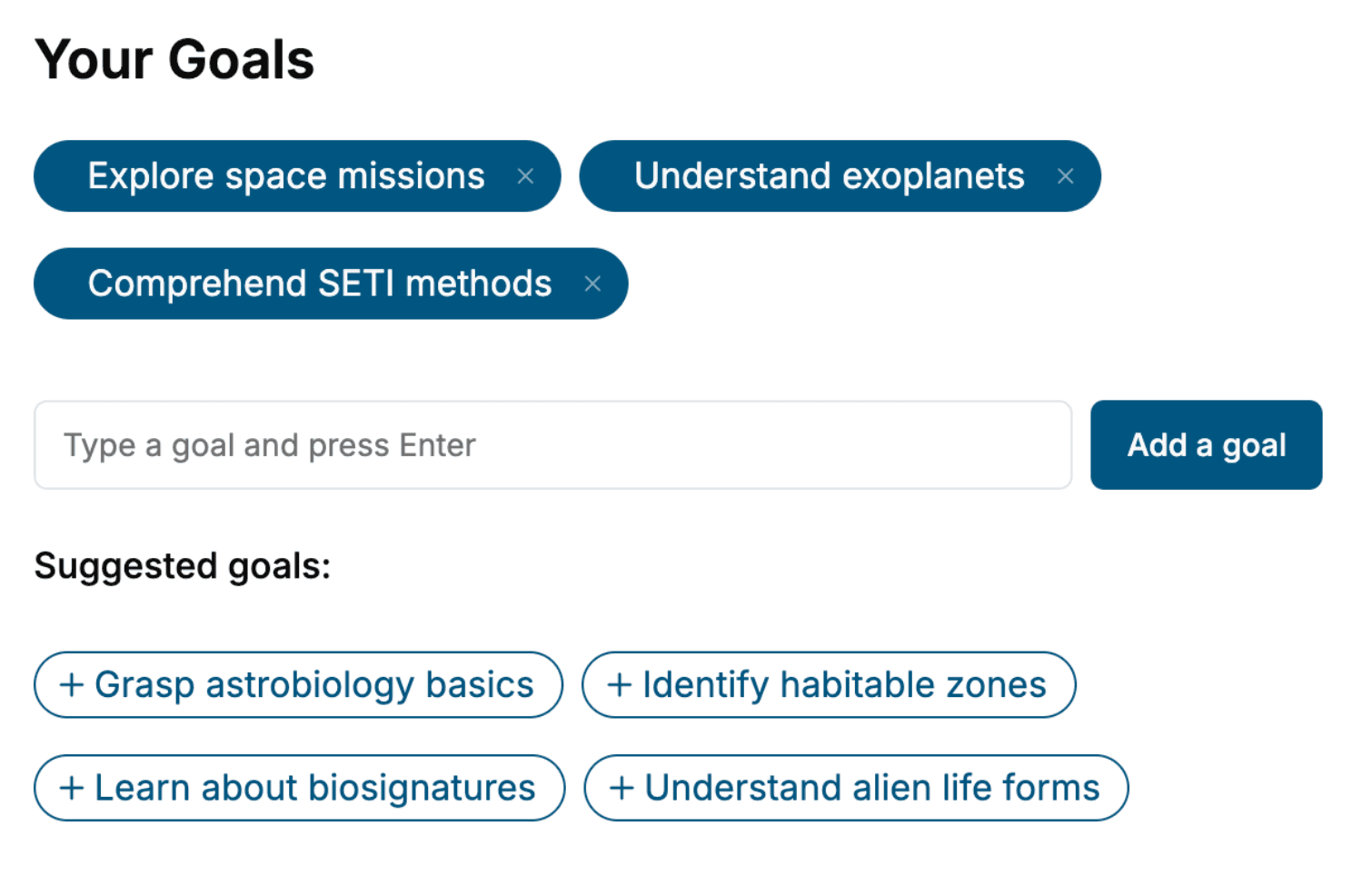
Tell us your goals and background, and get your own version of this book, tailored by AI to you.


Benefits of AI-tailored books
- Read one book, not ten:
- all the Environmental Science knowledge you need, gathered into a single book.
- Save days of learning:
- tell us your goals, choose your topics, and the whole book is built around them.
- Learn effortlessly:
- Environmental Science book written for your specific background and expertise.
- Understand at a glance:
- includes charts, tables, timelines, checklists, decision trees, and more.
- Stay current:
- written the day you order it, not years ago.
- Trust what you read:
- every book is checked for accuracy, with real research when your subject needs it.
Create your unique book in 3 steps
- 1. Select your focus
Select the focus of your Environmental Science book and share your background
- 2. Personalize your book
Specify your goals and choose sub-topics to include
- 3. Get your tailored book
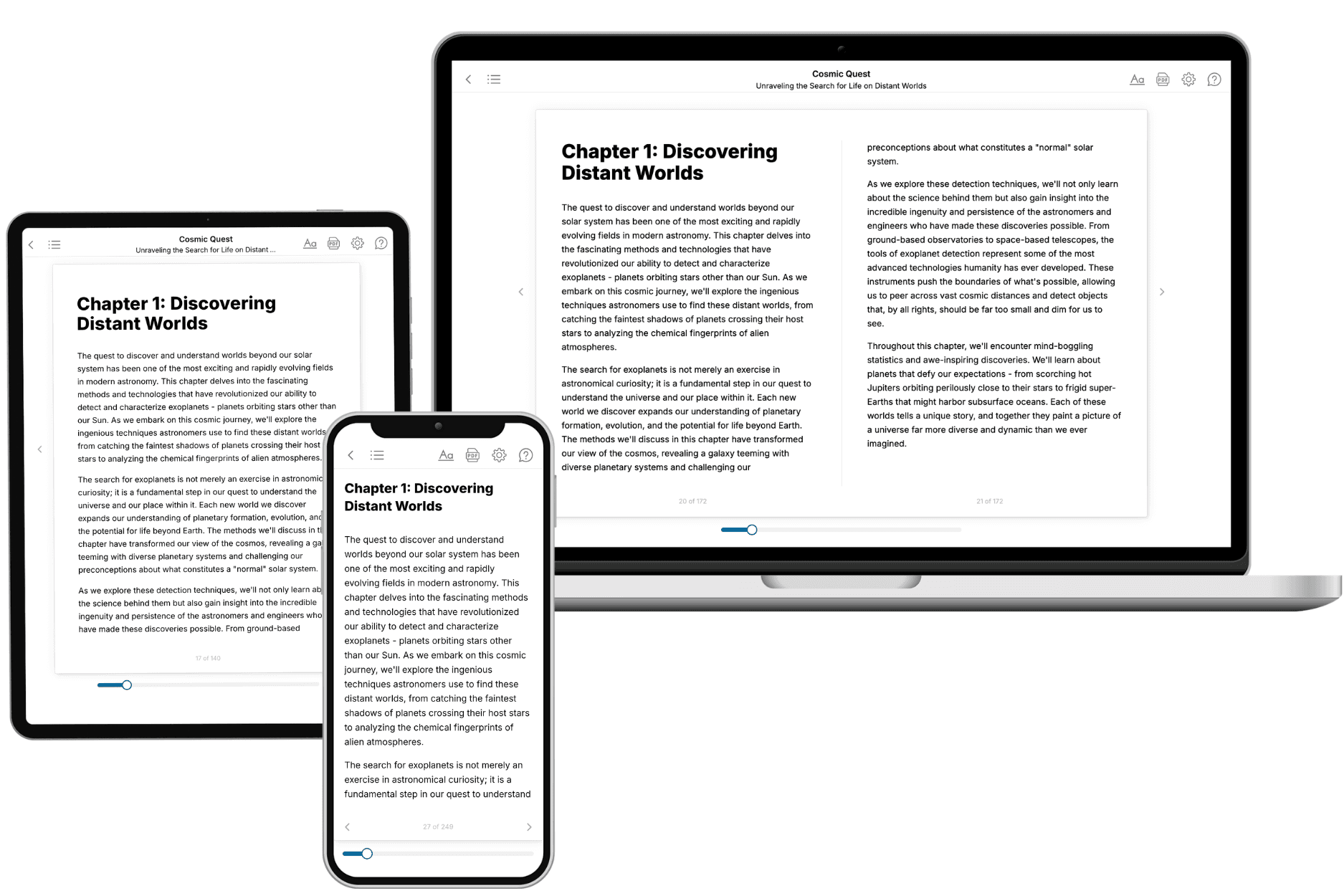
Your book is ready in 10 minutes. Read it online, download as EPUB or PDF, or send to Kindle.

Frequently asked questions
- What is TailoredRead?
TailoredRead creates complete, full-length nonfiction ebooks, written specifically for you. Tell us what you want to learn and why, and TailoredRead writes you a complete ebook on it, with charts, tables, and diagrams throughout. Read it online, on Kindle, or on any e-reader, or download it as a PDF or EPUB. Every book is written fresh the day you order it.
- How is the book tailored to me?
Before anything is written, you answer a few short questions about your goals, your background, and the topics you care about. Your book is then planned around your answers: written at your level, focused on your goals, and covering the topics you chose, instead of the one-size-fits-all book a store sells everyone.
- Will it read like generic AI content?
No. Your book isn't a chat transcript: it's planned chapter by chapter before a single word is written, told in a clear book voice, and explains ideas visually with charts, tables, and diagrams. After writing, every book goes through an editorial pass that polishes chapters so the book reads consistent from start to finish. Judge for yourself: browse thousands of sample books on our Explore Books page.
- How accurate is the content?
Our AI first checks whether your subject needs live research. Niche and fast-moving subjects are researched before writing, and the book plan and chapters are grounded in what it finds. After writing, every book goes through a quality pass that checks its facts and consistency, and researched books list their sources in a Notes section at the back.
- How long is the book?
You choose the length: Comprehensive (250-300 pages), Detailed (150-200 pages), Essential (70-100 pages), or Short (30-50 pages).
- Does the book include visuals?
Yes. Every book includes charts, tables, and diagrams: timelines, checklists, step-by-step guides, decision trees, comparison tables, matrices, and bar charts. A typical book includes dozens of these visual elements.
- Can I read it on Kindle? What formats can I download?
Yes. Every book can be read in our online reader or downloaded as a PDF or EPUB. The EPUB can be opened with Kindle, Apple Books, Kobo, and any e-reader. The Commercial and Author licenses also include an editable Word (DOCX) and Markdown download.
- How much does it cost?
About the price of a regular ebook. The exact price depends on your book's length and complexity, from $2 for the shortest books to $35 for the most comprehensive, and it's shown when you review your book, before you commit to anything. Each book is a one-time purchase, yours to keep, no subscription. Licenses that let you share, teach, or publish your book range from $35.99 to $49.99.
- Can I preview the book before purchasing?
Before you pay, you'll see what your book will cover: the title, a detailed description, the estimated length, and the complete chapter-by-chapter table of contents, so you know what you're getting before you decide. The full text itself is written after you purchase.
- How long does it take to create a book?
About 10 minutes. You can start reading the opening chapters while the rest is still being written.