Python's Memory Maestro
Mastering Garbage Collection for Efficient and Optimized Code
Elevate your Python programming skills to new heights by mastering the intricacies of garbage collection.
238 pages11 chaptersDec 30, 2024Memory Management
About this book
This book equips you with the knowledge and techniques to write highly efficient, memory-optimized code that stands out in the world of Python development. Delve into the inner workings of Python's memory management system and discover how to leverage garbage collection to your advantage. You'll gain a deep understanding of memory allocation, reference counting, and generational garbage collection, empowering you to craft programs that run faster and use resources more effectively. Through practical examples and real-world scenarios, you'll learn to identify and resolve memory leaks, optimize object lifecycle management, and fine-tune your applications for peak performance. By the end of this book, you'll possess the skills to write Python code that not only accomplishes its tasks but does so with remarkable efficiency and elegance.
Table of contents
- IntroductionThe Importance of Memory Management in Python, Book Overview and Learning Objectives, Python's Memory Model: A Brief Overview, The Role of Garbage Collection in PythonRead below
- Chapter 1: Fundamentals of Memory ManagementMemory Allocation in Python, Understanding Stack and Heap, Object Lifecycle in Python, Memory Fragmentation and Its Impact
- Chapter 2: Reference Counting in PythonBasics of Reference Counting, How Python Implements Reference Counting, Advantages of Reference Counting, Limitations and Challenges of Reference Counting
- Chapter 3: Generational Garbage CollectionThe Concept of Generational Garbage Collection, Python's Implementation of Generational GC, Understanding the Three Generations, Garbage Collection Thresholds and Triggers
- Chapter 4: Dealing with Circular ReferencesThe Problem of Circular References, Detecting Circular References, Strategies for Breaking Circular References, Using Weak References to Prevent Circular References
- Chapter 5: The gc Module: Manual Control Over Garbage CollectionOverview of the gc Module, Key Functions in the gc Module, Manually Triggering Garbage Collection, Tuning Garbage Collection Thresholds
- Chapter 6: Memory Profiling and DebuggingMemory Profiling Tools for Python, Identifying Memory Leaks, Measuring Object Size and Memory Usage, Techniques for Memory Usage Optimization
- Chapter 7: Optimizing Object Creation and DestructionImplementing Object Pools, The Flyweight Pattern in Python, Lazy Initialization Techniques, Caching Strategies for Performance
- Chapter 8: Immutable vs Mutable Objects: Impact on MemoryUnderstanding Immutable Objects, Working with Mutable Objects, Memory Efficiency: Immutable vs Mutable, Choosing the Right Object Type for Memory Optimization
- Chapter 9: Garbage Collection in Different Python ImplementationsGarbage Collection in CPython, Garbage Collection in PyPy, Garbage Collection in Jython, Garbage Collection in IronPython
- Chapter 10: Best Practices for Efficient Garbage CollectionStructuring Code for Efficient Garbage Collection, Effective Resource Management Techniques, Design Patterns for GC-Friendly Code, Performance Tuning Tips for Garbage Collection
- Chapter 11: The Future of Garbage Collection in PythonUpcoming Improvements in Python's GC, Alternative Garbage Collection Algorithms, Current Research in Garbage Collection, Future Challenges in Python Memory Management
- ConclusionKey Takeaways, Achieving Mastery in Python Garbage Collection
- Glossary
- Further Reading
Introduction
The Importance of Memory Management in Python
In the world of Python programming, memory management plays a crucial role in determining the efficiency, performance, and reliability of your applications. As an intermediate Python developer, you've likely encountered situations where your code's memory usage impacts its overall performance. Understanding and mastering memory management is not just a skill—it's a necessity for writing robust, scalable, and efficient Python applications.
Memory management in Python is largely handled automatically through its built-in garbage collection system. This automatic memory management is one of Python's most powerful features, allowing developers to focus on solving problems rather than manually allocating and deallocating memory. However, this convenience comes with a responsibility: to understand how Python manages memory under the hood, so you can write code that works harmoniously with its memory management system.
Efficient memory management is particularly important in Python due to several factors. First, Python's dynamic typing system, while flexible, can lead to increased memory usage if not handled carefully. Every object in Python carries type information and a reference count, which adds overhead compared to statically typed languages. Second, Python's ease of use in creating and manipulating data structures can sometimes lead to unintended memory bloat if developers are not mindful of how these structures grow and are managed in memory.
Moreover, as applications grow in complexity and scale, inefficient memory usage can lead to a host of problems. These include slower execution times, as the Python interpreter spends more time managing memory and less time executing your code. In extreme cases, poor memory management can lead to memory leaks or excessive memory consumption, potentially causing your application to crash or become unresponsive. In server environments or long-running applications, these issues can be particularly problematic, affecting system stability and user experience.
Understanding memory management is also crucial for optimizing performance in data-intensive applications. As a Python developer, you may often work with large datasets or complex data structures. Knowing how to efficiently create, manipulate, and dispose of these objects can significantly impact your application's speed and resource utilization. This knowledge becomes even more critical when working with limited resources, such as in embedded systems or when deploying applications to cloud environments where resource allocation directly impacts operational costs.
Furthermore, a solid grasp of memory management principles can help you write more maintainable and debuggable code. When you understand how Python allocates and manages memory, you're better equipped to identify and resolve issues related to memory usage. This knowledge is invaluable when profiling applications, optimizing performance bottlenecks, or troubleshooting memory-related bugs.
In the context of modern software development practices, where continuous integration and deployment are commonplace, efficient memory management can be a key differentiator. Applications that manage memory efficiently are more likely to perform consistently across different environments and scale effectively as demand increases. This reliability and scalability are crucial for maintaining high-quality user experiences and meeting service level agreements in production environments.
As you delve deeper into Python development, you'll find that many advanced techniques and best practices are rooted in a thorough understanding of memory management. Concepts like context managers, generators, and lazy evaluation are not just syntactic sugar—they are powerful tools for writing memory-efficient code. By mastering these concepts, you'll be able to write Python code that not only accomplishes its tasks but does so with elegance and efficiency.
Lastly, as the Python ecosystem continues to evolve, with new versions of the language and alternative implementations like PyPy gaining traction, understanding memory management becomes even more valuable. Different Python implementations may handle memory differently, and being aware of these differences can help you write more portable and efficient code. It also positions you to take advantage of performance improvements and new features related to memory management as they are introduced in future Python versions.
In conclusion, the importance of memory management in Python cannot be overstated. It's a fundamental aspect of the language that impacts every line of code you write. By investing time in understanding and mastering Python's memory management system, you're not just improving your current code—you're laying the foundation for writing better, faster, and more reliable Python applications throughout your career. As we proceed through this book, you'll gain the knowledge and tools to take full control of memory management in your Python projects, elevating your skills and the quality of your code to new heights.
Book Overview and Learning Objectives
"Python's Memory Maestro: Mastering Garbage Collection for Efficient and Optimized Code" is designed to take you on a comprehensive journey through the intricacies of Python's memory management system. This book is crafted specifically for intermediate Python developers like yourself, who are looking to deepen their understanding of garbage collection and memory optimization. By the end of this book, you'll have transformed from a proficient Python coder into a true memory management expert, capable of writing highly efficient and optimized Python applications.
The primary objective of this book is to equip you with a thorough understanding of how Python manages memory, with a particular focus on its garbage collection mechanisms. You'll learn not just the theory behind these concepts, but also how to apply this knowledge practically in your day-to-day coding tasks. This book aims to bridge the gap between theoretical knowledge and practical application, ensuring that you can immediately start implementing what you learn to improve your Python projects.
Throughout the chapters, we'll progressively build your knowledge, starting from the fundamentals and moving towards more advanced concepts. We'll begin by exploring the basics of memory management in Python, including how memory is allocated and the distinction between stack and heap memory. From there, we'll dive deep into Python's primary memory management mechanisms: reference counting and generational garbage collection. You'll gain insights into how these systems work under the hood and how they impact your code's performance.
A significant portion of the book is dedicated to practical scenarios and common challenges in memory management. You'll learn how to identify and resolve memory leaks, handle circular references, and optimize object creation and destruction. We'll explore the use of Python's gc module for manual control over garbage collection, providing you with the tools to fine-tune memory management in your applications. Additionally, you'll be introduced to memory profiling techniques and tools, enabling you to analyze and optimize your code's memory usage effectively.
One of the key learning objectives is to help you understand the impact of different coding practices on memory usage. We'll examine the memory implications of using mutable versus immutable objects, and how design patterns and coding structures can affect garbage collection efficiency. This knowledge will empower you to make informed decisions about data structures and coding patterns, balancing functionality with memory efficiency.
The book also aims to broaden your perspective by exploring garbage collection in different Python implementations. You'll learn how memory management varies across CPython, PyPy, Jython, and IronPython, giving you a comprehensive view of the Python ecosystem. This knowledge is particularly valuable if you work on cross-platform Python applications or are considering migrating between different Python implementations.
Practical application is a core focus of this book. Each chapter includes hands-on examples, code snippets, and exercises that allow you to apply the concepts you've learned. You'll work through real-world scenarios, optimizing actual code samples and solving memory-related challenges. These practical elements are designed to reinforce your learning and build your confidence in applying memory management techniques.
By the end of this book, you should be able to:
- Explain in detail how Python's memory management system works, including both reference counting and generational garbage collection.
- Identify and resolve common memory-related issues such as leaks and circular references.
- Use Python's gc module effectively to control garbage collection manually when needed.
- Profile and analyze your Python code's memory usage using various tools and techniques.
- Optimize object creation, destruction, and lifecycle management for improved memory efficiency.
- Make informed decisions about data structures and design patterns based on their memory implications.
- Understand and account for memory management differences across various Python implementations.
- Implement best practices for writing memory-efficient and garbage collection-friendly Python code.
- Anticipate and prepare for future developments in Python's memory management system.
The book concludes with a look at the future of garbage collection in Python, discussing upcoming improvements, alternative algorithms, and potential challenges. This forward-looking perspective will help you stay ahead of the curve in Python development and prepare for future changes in memory management techniques.
Throughout the book, we maintain a balance between depth of content and accessibility. Complex concepts are broken down and explained clearly, with plenty of examples and analogies to aid understanding. While we delve into technical details where necessary, the focus is always on practical application and real-world relevance.
Remember, mastering memory management in Python is not just about understanding theoretical concepts—it's about applying this knowledge to write better, faster, and more efficient code. As you progress through this book, you'll not only gain knowledge but also develop a new perspective on Python programming. You'll start to see opportunities for optimization and efficiency improvements in your existing code, and you'll approach new projects with a keen awareness of memory management considerations.
By the time you finish "Python's Memory Maestro," you'll have gained a comprehensive understanding of Python's memory management system and the skills to leverage this knowledge in your development work. You'll be well-equipped to write Python code that not only functions correctly but does so with optimal memory usage and performance. This expertise will set you apart as a Python developer and open up new possibilities in your programming career.
Python's Memory Model: A Brief Overview
Before diving deep into the intricacies of garbage collection, it's crucial to understand Python's memory model. This foundational knowledge will provide the context necessary to fully appreciate how Python manages memory and why certain garbage collection techniques are employed. Python's memory model is designed to be efficient and flexible, catering to the dynamic nature of the language while abstracting away many of the low-level details that programmers in languages like C or C++ need to manage manually.
At its core, Python's memory model revolves around objects. In Python, everything is an object, including numbers, strings, functions, and even classes. This object-centric approach is fundamental to understanding how Python allocates and manages memory. When you create a variable in Python, you're essentially creating a reference to an object stored in memory. This reference-based system is a key aspect of Python's memory model and plays a crucial role in how garbage collection operates.
Python's memory management can be broadly divided into two main components: the memory allocator and the memory manager. The memory allocator is responsible for interacting with the operating system to request and release memory. It handles the low-level details of memory allocation, ensuring that Python has the necessary memory resources to create and manipulate objects. The memory manager, on the other hand, is responsible for organizing and tracking the memory used by Python objects. It works in conjunction with the garbage collector to ensure efficient use of memory and to reclaim memory that is no longer needed.
One of the key features of Python's memory model is its use of a private heap space to store all Python objects and data structures. This private heap is managed internally by Python's memory manager. Unlike in some other languages, Python programmers don't have direct control over this heap space. Instead, the Python interpreter takes care of memory allocation and deallocation. This abstraction simplifies memory management for the programmer but also means that understanding how Python manages this heap space is crucial for writing efficient code.
Within the heap, Python organizes memory into smaller units. The smallest unit of memory in Python is called a "block." Blocks are grouped into larger units called "pools," and pools are further grouped into "arenas." This hierarchical organization allows Python to manage memory efficiently for objects of different sizes. Small objects (typically less than 512 bytes) are allocated using a fast, special-purpose allocator, while larger objects are allocated directly from the system's malloc.
Python's memory model also includes a concept called "memory interning." This is an optimization technique where certain immutable objects, like small integers and short strings, are cached and reused rather than being recreated each time they're needed. This not only saves memory but also improves performance by reducing the number of object creations and destructions. Understanding interning can help you write more memory-efficient code, especially when dealing with frequently used immutable objects.
Another important aspect of Python's memory model is how it handles variable assignment and object mutability. When you assign a variable in Python, you're creating a reference to an object, not copying the object itself. This reference-based system has implications for how memory is used and how garbage collection operates. For mutable objects, multiple variables can reference the same object, and changes to the object through one reference will be visible through all references. Immutable objects, on the other hand, cannot be changed after creation, which affects how they are handled in memory.
Python's memory model also includes a mechanism called the "small object allocator." This allocator is optimized for small objects that are frequently created and destroyed, such as integers and short strings. By using a specialized allocation strategy for these common object types, Python can significantly improve memory usage and performance. Understanding how the small object allocator works can help you make informed decisions about object creation and usage in your code.
The concept of memory fragmentation is also relevant to Python's memory model. As objects are created and destroyed, the memory heap can become fragmented, with small unused memory blocks scattered throughout. Python's memory manager and garbage collector work together to minimize fragmentation and its impact on performance. However, in long-running applications or those that create and destroy many objects, understanding and managing fragmentation can be crucial for maintaining optimal performance.
Python's memory model also includes provisions for thread-safe memory management. In multi-threaded Python applications, the Global Interpreter Lock (GIL) ensures that only one thread executes Python bytecode at a time. This has implications for memory management, as it simplifies certain aspects of memory allocation and deallocation but can also impact performance in CPU-bound multi-threaded applications. Understanding how the GIL interacts with memory management is important for developers working on multi-threaded Python applications.
Lastly, it's important to note that while Python's memory model provides a high level of abstraction, it doesn't completely isolate you from memory management concerns. Issues like memory leaks can still occur, particularly when dealing with resources not directly managed by Python (like file handles or network connections) or when creating circular references that the garbage collector can't resolve. Understanding Python's memory model helps you anticipate and avoid these issues, leading to more robust and efficient code.
In conclusion, Python's memory model is a sophisticated system designed to provide efficient and flexible memory management while abstracting away many of the complexities. It forms the foundation upon which Python's garbage collection mechanisms operate. As we delve deeper into garbage collection in the subsequent chapters, keep this overview in mind. The concepts of object references, the private heap, memory allocation strategies, and object mutability will all play crucial roles in understanding how Python manages memory and performs garbage collection. With this foundational knowledge, you'll be well-prepared to explore the intricacies of Python's garbage collection system and learn how to leverage it for optimal performance in your Python applications.
The Role of Garbage Collection in Python
Garbage collection plays a pivotal role in Python's memory management system, serving as the automatic mechanism that frees developers from the burden of manual memory management. Its primary function is to identify and reclaim memory that is no longer in use by the program, ensuring efficient use of system resources and preventing memory leaks. Understanding the role of garbage collection is crucial for writing efficient Python code and optimizing application performance.
At its core, Python's garbage collector is responsible for tracking objects in memory and determining when they are no longer needed. This process involves monitoring object references and identifying objects that have become unreachable—meaning there are no remaining references to them in the program. Once identified, these unreachable objects are safely removed from memory, freeing up resources for new objects. This automatic memory management is a key feature that sets Python apart from languages like C or C++, where memory management is largely the responsibility of the programmer.
Python's garbage collection system employs a hybrid approach, combining two main techniques: reference counting and generational garbage collection. Reference counting is the primary mechanism and operates continuously as the program runs. Each object in Python maintains a count of how many references point to it. When this count drops to zero, indicating that no part of the program is using the object, it is immediately deallocated. This method is efficient for most cases and allows for immediate reclamation of memory as soon as an object becomes unreachable.
However, reference counting alone is not sufficient to handle all scenarios, particularly circular references. This is where generational garbage collection comes into play. Generational garbage collection is a more comprehensive process that runs periodically to detect and clean up circular references and other complex memory usage patterns that reference counting can't handle. It operates on the principle that most objects in a program have a short lifespan, while a smaller subset of objects live for a longer time. By focusing more frequently on newer objects, the garbage collector can operate more efficiently.
The role of garbage collection extends beyond just freeing memory. It also helps in memory defragmentation. As objects are created and destroyed, memory can become fragmented, with small unused blocks scattered throughout the heap. The garbage collector helps in compacting memory, moving objects around to create larger contiguous free spaces. This process improves memory allocation efficiency for new objects and can lead to better overall performance.
Another crucial aspect of garbage collection in Python is its impact on program execution. While garbage collection is largely automatic and transparent to the programmer, it does consume CPU time and can cause brief pauses in program execution, especially during major collection cycles. Understanding this impact is important for developing high-performance applications, particularly those with real-time requirements or handling large amounts of data.
Python's garbage collector is designed to be flexible and configurable. Through the gc module, developers have the ability to interact with and fine-tune the garbage collection process. This includes the ability to manually trigger collection cycles, adjust collection thresholds, and even disable automatic garbage collection entirely for specific performance-critical sections of code. This level of control allows developers to optimize garbage collection behavior for their specific application needs.
The role of garbage collection becomes particularly significant in long-running applications or those dealing with large datasets. In these scenarios, efficient memory management is crucial for maintaining consistent performance and preventing memory-related crashes. The garbage collector helps in managing the memory footprint of such applications, ensuring they can run for extended periods without memory issues.
It's important to note that while garbage collection automates memory management, it doesn't absolve developers from considering memory usage in their code. Writing "garbage collection-friendly" code involves understanding how objects are created, used, and eventually become eligible for collection. This includes being mindful of creating unnecessary objects, managing large data structures efficiently, and avoiding unintended object retention.
The garbage collector also plays a role in resource management beyond just memory. While Python's garbage collector primarily deals with memory, it indirectly helps in managing other system resources. For instance, when an object with a __del__ method (finalizer) is garbage collected, it can trigger the release of other resources like file handles or network connections. Understanding this aspect of garbage collection is crucial for proper resource management in Python applications.
In multi-threaded Python applications, the role of garbage collection becomes more complex. Python's Global Interpreter Lock (GIL) ensures that garbage collection operations are thread-safe, but it can also impact the performance of multi-threaded applications. Understanding how garbage collection interacts with multi-threading is important for developers working on concurrent Python applications.
Lastly, the role of garbage collection in Python extends to influencing coding practices and design patterns. Awareness of how garbage collection works often leads to better code structure, more efficient object lifecycle management, and improved overall application design. It encourages practices like using context managers for resource handling, implementing proper cleanup methods, and being mindful of object relationships to avoid circular references.
In conclusion, garbage collection is a fundamental component of Python's memory management system, playing a crucial role in automating memory deallocation and ensuring efficient resource utilization. Its hybrid approach of reference counting and generational collection provides a robust system for handling a wide range of memory management scenarios. While largely automatic, understanding the role and behavior of garbage collection is essential for Python developers aiming to write efficient, scalable, and robust applications. As we delve deeper into the specifics of Python's garbage collection mechanisms in the following chapters, keep in mind this overarching role and its significance in the Python ecosystem. This understanding will form the foundation for mastering memory management and optimization in your Python projects.
This is the end of the free sample. The full book has 11 chapters.
Want this book written for you?
Tell us your goals and background, and get your own version of this book, tailored by AI to you.


Benefits of AI-tailored books
- Read one book, not ten:
- all the Memory Management knowledge you need, gathered into a single book.
- Save days of learning:
- tell us your goals, choose your topics, and the whole book is built around them.
- Learn effortlessly:
- Memory Management book written for your specific background and expertise.
- Understand at a glance:
- includes charts, tables, timelines, checklists, decision trees, and more.
- Stay current:
- written the day you order it, not years ago.
- Trust what you read:
- every book is checked for accuracy, with real research when your subject needs it.
Create your unique book in 3 steps
- 1. Select your focus
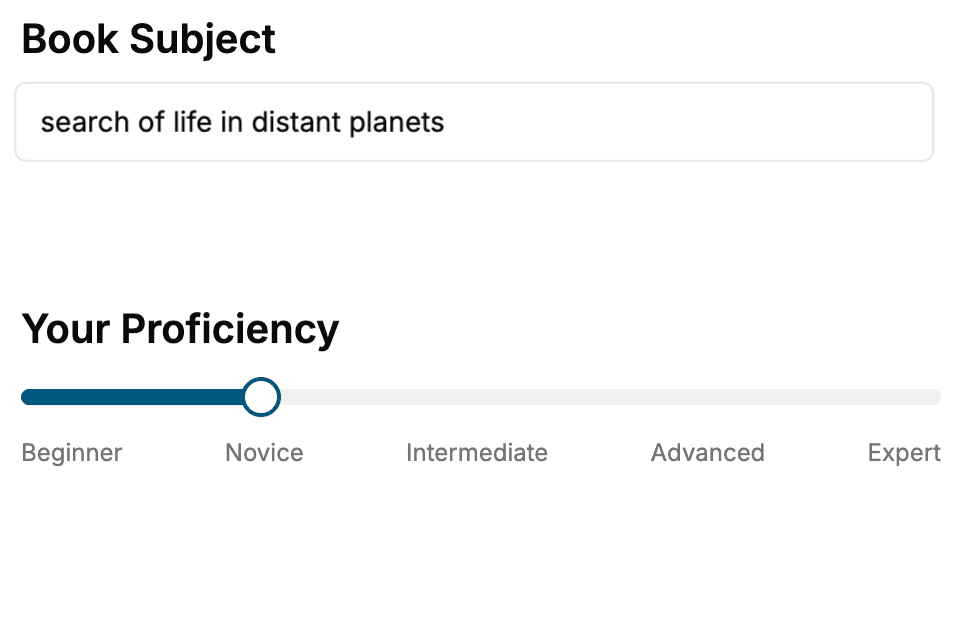
Select the focus of your Memory Management book and share your background
- 2. Personalize your book
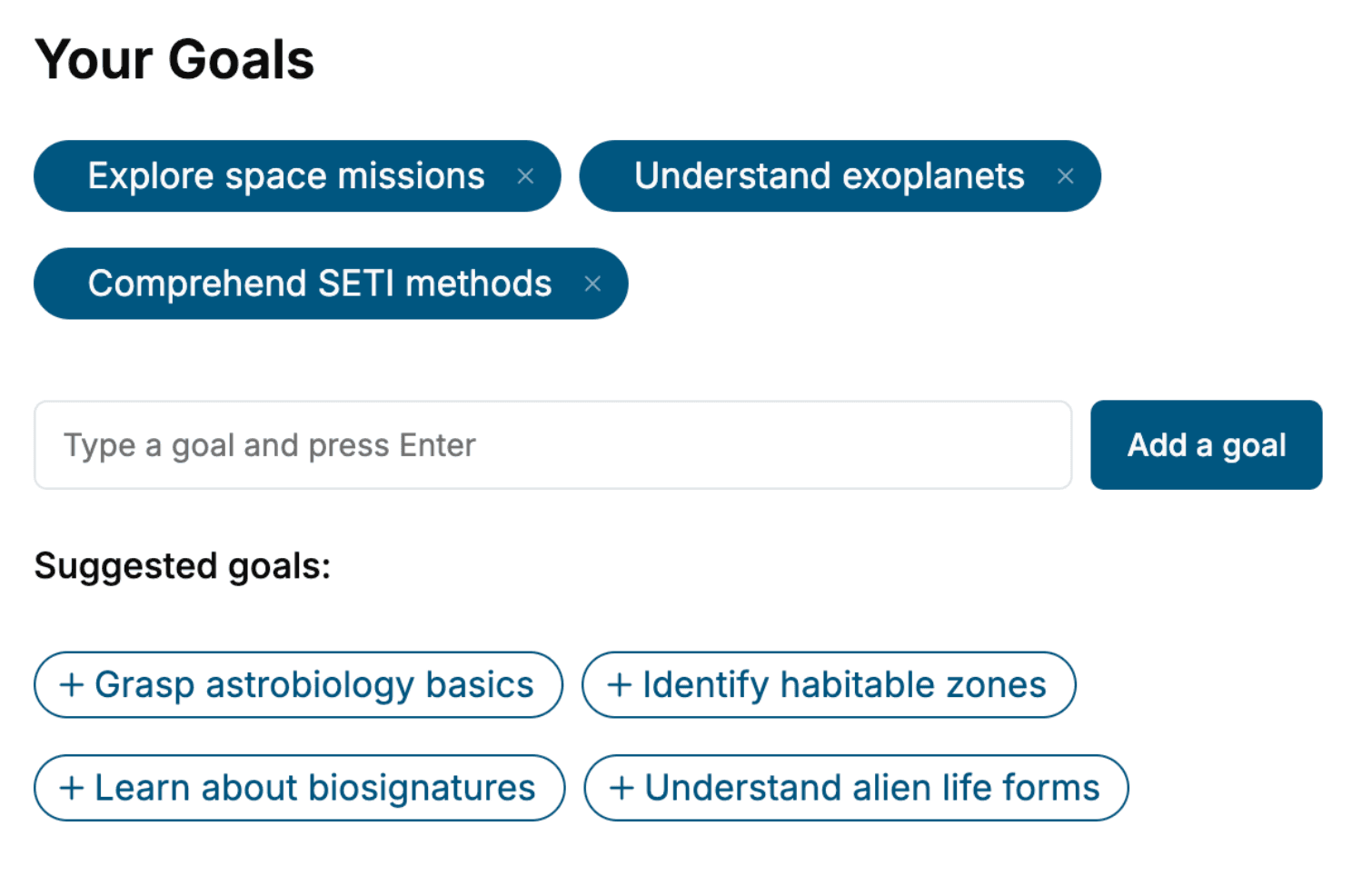
Specify your goals and choose sub-topics to include
- 3. Get your tailored book
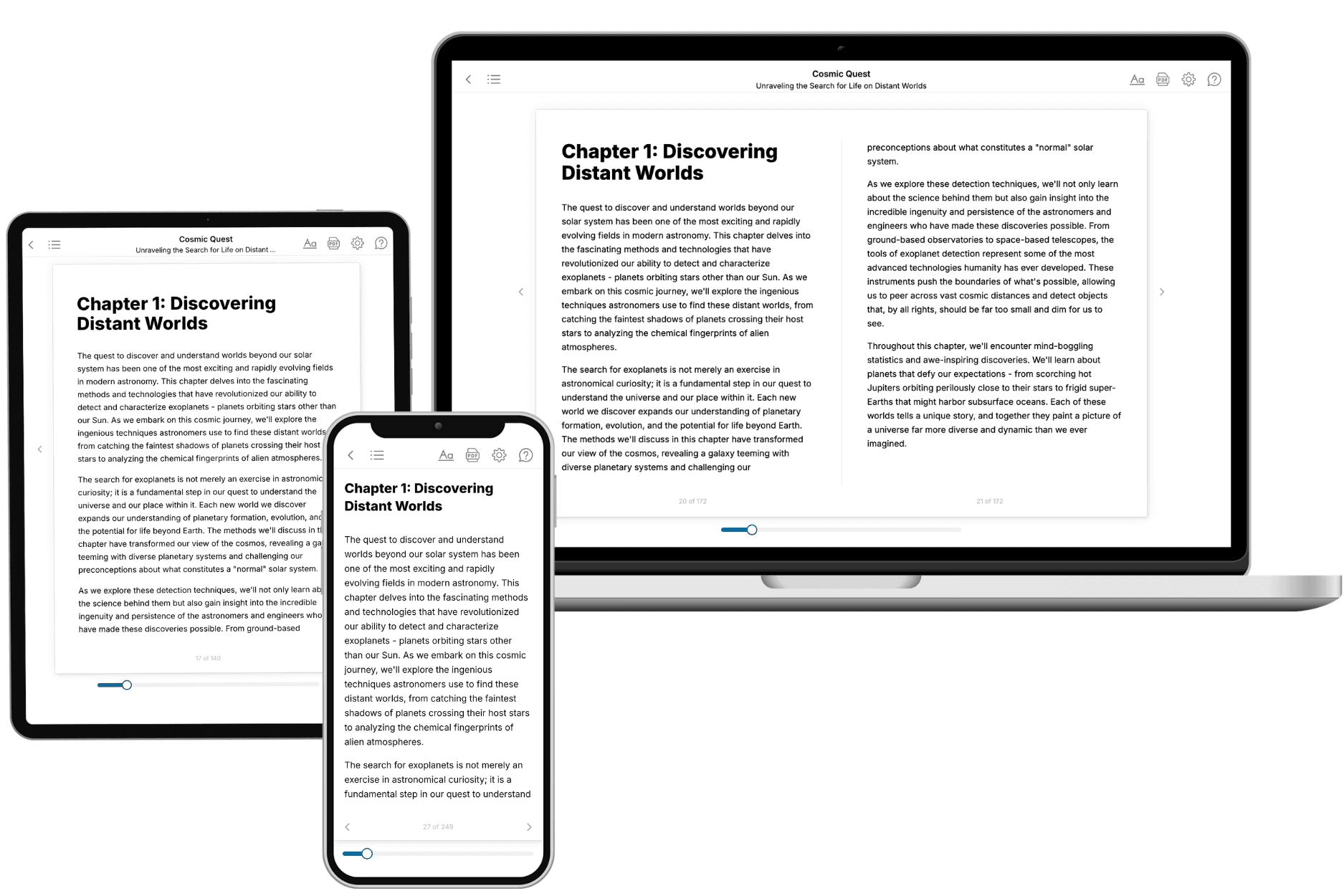
Your book is ready in 10 minutes. Read it online, download as EPUB or PDF, or send to Kindle.
Frequently asked questions
- What is TailoredRead?
TailoredRead creates complete, full-length nonfiction ebooks, written specifically for you. Tell us what you want to learn and why, and TailoredRead writes you a complete ebook on it, with charts, tables, and diagrams throughout. Read it online, on Kindle, or on any e-reader, or download it as a PDF or EPUB. Every book is written fresh the day you order it.
- How is the book tailored to me?
Before anything is written, you answer a few short questions about your goals, your background, and the topics you care about. Your book is then planned around your answers: written at your level, focused on your goals, and covering the topics you chose, instead of the one-size-fits-all book a store sells everyone.
- Will it read like generic AI content?
No. Your book isn't a chat transcript: it's planned chapter by chapter before a single word is written, told in a clear book voice, and explains ideas visually with charts, tables, and diagrams. After writing, every book goes through an editorial pass that polishes chapters so the book reads consistent from start to finish. Judge for yourself: browse thousands of sample books on our Explore Books page.
- How accurate is the content?
Our AI first checks whether your subject needs live research. Niche and fast-moving subjects are researched before writing, and the book plan and chapters are grounded in what it finds. After writing, every book goes through a quality pass that checks its facts and consistency, and researched books list their sources in a Notes section at the back.
- How long is the book?
You choose the length: Comprehensive (250-300 pages), Detailed (150-200 pages), Essential (70-100 pages), or Short (30-50 pages).
- Does the book include visuals?
Yes. Every book includes charts, tables, and diagrams: timelines, checklists, step-by-step guides, decision trees, comparison tables, matrices, and bar charts. A typical book includes dozens of these visual elements.
- Can I read it on Kindle? What formats can I download?
Yes. Every book can be read in our online reader or downloaded as a PDF or EPUB. The EPUB can be opened with Kindle, Apple Books, Kobo, and any e-reader. The Commercial and Author licenses also include an editable Word (DOCX) and Markdown download.
- How much does it cost?
About the price of a regular ebook. The exact price depends on your book's length and complexity, from $2 for the shortest books to $35 for the most comprehensive, and it's shown when you review your book, before you commit to anything. Each book is a one-time purchase, yours to keep, no subscription. Licenses that let you share, teach, or publish your book range from $35.99 to $49.99.
- Can I preview the book before purchasing?
Before you pay, you'll see what your book will cover: the title, a detailed description, the estimated length, and the complete chapter-by-chapter table of contents, so you know what you're getting before you decide. The full text itself is written after you purchase.
- How long does it take to create a book?
About 10 minutes. You can start reading the opening chapters while the rest is still being written.