The Relational Mind
Mastering Object Relations Theory in Clinical Practice
Navigating the complex world of human relationships and psychological development can be a daunting task for many clinicians and researchers.
269 pages13 chaptersJan 6, 2025Psychotherapy
About this book
"The Relational Mind: Mastering Object Relations Theory in Clinical Practice" offers a solution to this challenge. This comprehensive guide delves deep into the heart of Object Relations Theory, providing you with a solid foundation and practical tools to enhance your understanding of human psychology. Through clear explanations and real-world examples, you'll explore the intricate dynamics of early relationships and their impact on adult psychological functioning. You'll gain insights into how these relational patterns shape personality development, attachment styles, and interpersonal behaviors. This book bridges the gap between theory and practice, offering innovative techniques to apply Object Relations concepts in your clinical work. You'll learn how to identify and work with internalized object relations, understand transference and countertransference through this lens, and develop more effective therapeutic interventions.
Table of contents
- IntroductionThe Importance of Object Relations Theory in Clinical Psychology, Overview of the Book's Structure and Content, How to Use This Book in Your Clinical PracticeRead below
- Chapter 1: Foundations of Object Relations TheoryHistorical Context and Development, Key Concepts and Terminology, Major Theorists and Their Contributions, Comparison with Other Psychodynamic Theories
- Chapter 2: Early Psychological DevelopmentThe Infant-Caregiver Relationship, Separation-Individuation Process, Formation of Internal Objects, Development of the Self
- Chapter 3: Object Relations and Personality FormationInternalized Object Relations, Self and Object Representations, Defense Mechanisms in Object Relations, Levels of Personality Organization
- Chapter 4: Attachment Theory and Object RelationsAttachment Styles and Their Origins, Internal Working Models, Adult Attachment Patterns, Attachment and Psychopathology
- Chapter 5: Assessment in Object Relations TheoryThe Clinical Interview from an Object Relations Perspective, Projective Tests and Object Relations, Structured Assessment Instruments, Object Relations Case Formulation
- Chapter 6: Transference and CountertransferenceTypes of Transference, Countertransference Dynamics, Therapeutic Use of Transference and Countertransference, Identifying Relational Patterns in Therapy
- Chapter 7: The Therapeutic Relationship in Object Relations TherapyBuilding a Strong Therapeutic Alliance, Providing a Corrective Emotional Experience, Maintaining Therapeutic Boundaries and Frame, Rupture and Repair in the Therapeutic Relationship
- Chapter 8: Clinical Techniques in Object Relations TherapyInterpretation and Insight, Working Through, Containment and Holding, Promoting Mentalization
- Chapter 9: Object Relations and Psychological DisordersDepression from an Object Relations Perspective, Anxiety Disorders and Object Relations, Trauma and Dissociation, Eating Disorders and Body Image
- Chapter 10: Object Relations and Personality DisordersBorderline Personality Disorder, Narcissistic Personality Disorder, Schizoid Personality Disorder, Other Personality Disorders
- Chapter 11: Working with Splitting and Projective IdentificationUnderstanding the Splitting Mechanism, Projective Identification in Clinical Practice, Therapeutic Strategies for Splitting and Projection, Managing Countertransference Reactions
- Chapter 12: Object Relations in Group TherapyGroup Dynamics from an Object Relations Perspective, Transference and Countertransference in Groups, Therapeutic Factors in Object Relations Group Therapy, Techniques for Object Relations Group Therapy
- Chapter 13: Integrating Object Relations with Other Therapeutic ApproachesObject Relations and Cognitive-Behavioral Therapy, Object Relations and Humanistic Approaches, Object Relations and Systemic Therapy, Object Relations and Mindfulness-Based Interventions
- ConclusionFuture Directions in Object Relations Theory and Practice, Personal and Professional Growth as an Object Relations Therapist
- Glossary
- Further Reading
Introduction
Welcome to "The Relational Mind: Mastering Object Relations Theory in Clinical Practice." This comprehensive guide is designed to deepen your understanding of Object Relations Theory and enhance your ability to apply these concepts in your clinical work or research. As a psychology professional or advanced student with a moderate level of expertise in clinical psychology, you are about to embark on a journey that will significantly expand your theoretical knowledge and practical skills in this crucial area of psychodynamic theory.
Object Relations Theory stands as a cornerstone in the field of clinical psychology, offering profound insights into the human psyche and the intricate web of relationships that shape our lives. This theory posits that our early relationships, particularly with primary caregivers, play a pivotal role in shaping our psychological development and adult functioning. By understanding these early relational patterns and their internalized representations, we gain a powerful lens through which to view personality development, attachment styles, and interpersonal behaviors.
Throughout this book, you will explore the fundamental principles of Object Relations Theory, its historical development, and its contemporary applications in clinical practice. You will learn how to identify and work with internalized object relations, understand transference and countertransference through this theoretical framework, and develop more effective therapeutic interventions based on these insights. The goal is to provide you with a solid theoretical foundation and practical tools that you can immediately apply in your clinical work, enhancing your effectiveness as a therapist and deepening your understanding of your clients' psychological processes.
As we delve into the world of Object Relations Theory, we will explore its connections to other psychodynamic approaches, its integration with contemporary therapeutic modalities, and its application to a wide range of psychological disorders. From depression and anxiety to personality disorders and trauma, you will gain new perspectives on how relational patterns influence the development and maintenance of various psychological conditions.
This introduction will set the stage for your exploration of Object Relations Theory, providing an overview of its importance in clinical psychology, outlining the structure and content of the book, and offering guidance on how to effectively use this resource in your clinical practice. Let's begin this journey into the relational mind, where you will discover new ways of understanding and working with the complex tapestry of human relationships and psychological development.
The Importance of Object Relations Theory in Clinical Psychology
Object Relations Theory holds a central position in the landscape of clinical psychology, offering a profound and nuanced understanding of human psychological development and interpersonal functioning. Its importance lies not only in its theoretical richness but also in its practical applications in therapeutic settings. At its core, Object Relations Theory posits that our internal representations of relationships, formed in early childhood, significantly influence our personality development, self-concept, and patterns of relating to others throughout our lives. This fundamental premise has far-reaching implications for how we understand and treat a wide range of psychological issues.
One of the key reasons for the enduring importance of Object Relations Theory is its emphasis on the relational nature of human psychology. Unlike theories that focus primarily on intrapsychic processes or behavioral patterns, Object Relations Theory places relationships at the center of psychological development and functioning. This perspective aligns closely with the growing body of research in developmental psychology, neuroscience, and attachment theory, which consistently highlight the crucial role of early relationships in shaping brain development, emotional regulation, and social competence[1].
In clinical practice, Object Relations Theory provides a powerful framework for understanding and working with a wide range of psychological issues. It offers insights into the development of personality disorders, mood disorders, and relational difficulties, viewing these not as isolated symptoms but as manifestations of underlying relational patterns and internalized object relations. This perspective allows clinicians to move beyond surface-level symptoms to address the deeper, relational roots of psychological distress. For instance, when working with a client who presents with depression, an Object Relations approach might explore how early experiences of loss or emotional unavailability have shaped the client's internal working models of relationships and self, contributing to their current depressive symptoms.
Furthermore, Object Relations Theory has significantly influenced our understanding of the therapeutic relationship itself. Concepts such as transference and countertransference, viewed through the lens of Object Relations, become powerful tools for understanding and working with the complex dynamics that unfold between therapist and client. The therapeutic relationship is seen not just as a vehicle for delivering interventions, but as a crucial arena where the client's internalized relational patterns can be observed, understood, and potentially transformed. This perspective has profound implications for how therapists conceptualize and navigate the therapeutic process, emphasizing the importance of the relational dynamics in facilitating change.
Object Relations Theory also offers valuable insights into the development and maintenance of attachment patterns. By understanding how early relationships shape our internal representations of self and others, clinicians can better comprehend the origins of insecure attachment styles and their impact on adult relationships. This knowledge is invaluable in helping clients develop more secure attachment patterns and improve their ability to form and maintain healthy relationships. The theory's emphasis on the internalization of relational experiences provides a framework for understanding how past relationships continue to influence present behavior and emotional responses, even when the original relational context no longer exists.
In the realm of personality disorders, Object Relations Theory has been particularly influential. Disorders such as Borderline Personality Disorder and Narcissistic Personality Disorder are often conceptualized in terms of disturbed object relations and difficulties in integrating positive and negative aspects of self and others. This perspective has led to the development of effective therapeutic approaches, such as Transference-Focused Psychotherapy, which directly addresses these underlying relational patterns[2]. By focusing on the client's internalized object relations and how they manifest in the therapeutic relationship, clinicians can help clients develop more integrated and adaptive ways of relating to themselves and others.
The importance of Object Relations Theory extends beyond individual psychotherapy to family and group therapy contexts. In family therapy, understanding how each family member's internalized object relations influence family dynamics can provide valuable insights into patterns of conflict and communication. In group therapy settings, Object Relations Theory offers a framework for understanding group dynamics, transference reactions to the group as a whole, and the ways in which individual members' relational patterns play out in the group context.
Moreover, Object Relations Theory has shown remarkable flexibility in integrating with other therapeutic approaches. Its insights can be combined with cognitive-behavioral techniques, mindfulness practices, and systemic interventions to create comprehensive treatment approaches that address both intrapsychic and interpersonal aspects of psychological functioning. This integrative potential enhances its relevance in contemporary clinical practice, where eclectic and integrative approaches are increasingly valued.
In the field of developmental psychopathology, Object Relations Theory continues to provide valuable insights into the origins of psychological disorders. By emphasizing the role of early relational experiences in shaping psychological development, it offers a developmental perspective on psychopathology that complements and enriches other theoretical approaches. This developmental focus is particularly important in understanding the long-term impacts of early adversity, trauma, and attachment disruptions on psychological functioning.
Finally, the importance of Object Relations Theory in clinical psychology is underscored by its ongoing evolution and refinement. Contemporary researchers and clinicians continue to build upon and expand the foundational concepts of Object Relations Theory, integrating new findings from neuroscience, attachment research, and clinical studies. This ongoing development ensures that Object Relations Theory remains a vibrant and relevant framework for understanding human psychology and guiding clinical practice.
In conclusion, the importance of Object Relations Theory in clinical psychology lies in its comprehensive approach to understanding human psychological development and functioning, its practical applications in therapeutic settings, and its ability to integrate with and enhance other theoretical perspectives. As you delve deeper into this theory throughout the book, you will discover its profound implications for understanding your clients, guiding your clinical interventions, and deepening your overall approach to psychotherapy. Object Relations Theory offers not just a set of concepts, but a way of thinking about human psychology that can profoundly enrich your clinical practice and your understanding of the human mind.
Overview of the Book's Structure and Content
"The Relational Mind: Mastering Object Relations Theory in Clinical Practice" is structured to provide you with a comprehensive and practical understanding of Object Relations Theory and its applications in clinical settings. The book is organized into thirteen chapters, each focusing on a specific aspect of the theory or its clinical applications. This structure is designed to build your knowledge progressively, starting with foundational concepts and moving towards more advanced applications and integrations. Let's take a closer look at the content and structure of the book to help you navigate its chapters effectively.
The book begins with this introduction, which sets the stage for your exploration of Object Relations Theory. Following this, Chapter 1, "Foundations of Object Relations Theory," provides a solid grounding in the historical context, key concepts, and major theorists who have contributed to the development of Object Relations Theory. This chapter will help you understand how Object Relations Theory emerged and evolved within the broader context of psychodynamic thought. You'll be introduced to essential terminology and concepts that will form the basis for your understanding throughout the rest of the book.
Chapter 2, "Early Psychological Development," delves into the crucial early stages of human development from an Object Relations perspective. This chapter explores the infant-caregiver relationship, the separation-individuation process, and the formation of internal objects. Understanding these early developmental processes is essential for grasping how Object Relations Theory conceptualizes the origins of psychological structures and relational patterns. You'll gain insights into how early experiences shape the developing psyche and lay the groundwork for later psychological functioning.
In Chapter 3, "Object Relations and Personality Formation," you'll explore how internalized object relations contribute to the development of personality. This chapter covers topics such as self and object representations, defense mechanisms in Object Relations Theory, and levels of personality organization. These concepts are crucial for understanding how early relational experiences become internalized and influence adult personality functioning. You'll learn how to conceptualize personality structure and dynamics through an Object Relations lens.
Chapter 4, "Attachment Theory and Object Relations," bridges these two influential theories, highlighting their complementary nature and shared focus on early relationships. You'll explore attachment styles, internal working models, and how attachment patterns manifest in adult relationships. This chapter will help you understand the connections between attachment experiences and the development of object relations, providing a more comprehensive view of relational development.
The next section of the book focuses on clinical applications, beginning with Chapter 5, "Assessment in Object Relations Theory." This chapter covers various assessment methods, including the clinical interview from an Object Relations perspective, projective tests, and structured assessment instruments. You'll learn how to formulate cases using an Object Relations framework, providing a solid foundation for treatment planning and intervention.
Chapters 6 and 7 delve into the heart of Object Relations-informed therapy. Chapter 6, "Transference and Countertransference," explores these crucial psychodynamic concepts through an Object Relations lens. You'll learn about different types of transference, countertransference dynamics, and how to use these phenomena therapeutically. Chapter 7, "The Therapeutic Relationship in Object Relations Therapy," focuses on building and maintaining a strong therapeutic alliance, providing corrective emotional experiences, and navigating ruptures and repairs in the therapeutic relationship.
Chapter 8, "Clinical Techniques in Object Relations Therapy," provides practical guidance on specific interventions and techniques. You'll learn about interpretation, working through, containment, and promoting mentalization. This chapter bridges theory and practice, offering concrete strategies for applying Object Relations concepts in your clinical work.
The next three chapters apply Object Relations Theory to specific clinical presentations. Chapter 9, "Object Relations and Psychological Disorders," explores how Object Relations Theory conceptualizes and treats various disorders, including depression, anxiety, trauma, and eating disorders. Chapter 10, "Object Relations and Personality Disorders," focuses on the application of Object Relations Theory to understanding and treating personality disorders, with particular emphasis on Borderline, Narcissistic, and Schizoid Personality Disorders. Chapter 11, "Working with Splitting and Projective Identification," delves deeper into these specific defense mechanisms, which are particularly relevant in working with more severe personality disturbances.
Chapter 12, "Object Relations in Group Therapy," extends the application of Object Relations Theory to group settings. You'll learn how to understand group dynamics, transference, and countertransference in groups from an Object Relations perspective, and how to apply Object Relations techniques in group therapy contexts.
The final chapter, Chapter 13, "Integrating Object Relations with Other Therapeutic Approaches," explores how Object Relations Theory can be integrated with other therapeutic modalities, including cognitive-behavioral therapy, humanistic approaches, systemic therapy, and mindfulness-based interventions. This chapter reflects the contemporary trend towards integration in psychotherapy and will help you develop a more flexible and comprehensive therapeutic approach.
The book concludes with a section on future directions in Object Relations Theory and practice, as well as reflections on personal and professional growth as an Object Relations therapist. This final section encourages you to consider the ongoing evolution of the theory and your own development as a clinician.
Throughout the book, you'll find case examples, practical exercises, and reflection questions to help you apply the concepts to real-world clinical situations. Each chapter also includes a summary of key points and suggestions for further reading, allowing you to deepen your understanding of specific topics.
The book's structure is designed to be both comprehensive and practical, providing you with a thorough grounding in Object Relations Theory while also offering concrete guidance on how to apply these concepts in your clinical work. Whether you're new to Object Relations Theory or looking to deepen your existing knowledge, this book will serve as a valuable resource in your professional development as a clinician.
How to Use This Book in Your Clinical Practice
"The Relational Mind: Mastering Object Relations Theory in Clinical Practice" is designed to be a comprehensive resource that you can return to throughout your professional journey. To maximize the benefits of this book for your clinical practice, consider the following strategies for engaging with its content and applying its insights to your work with clients.
First and foremost, approach this book with an open and curious mindset. Object Relations Theory offers a unique perspective on human psychology and development, and some of its concepts may challenge or expand your existing understanding of clinical work. As you read, try to relate the theoretical concepts to your own experiences with clients. Reflect on how these ideas might shed new light on cases you've encountered or provide alternative ways of conceptualizing client issues. This reflective process will help you integrate the theory more deeply into your clinical thinking.
One effective way to engage with the material is to read the book in sequential order, as each chapter builds upon the concepts introduced in previous sections. However, if you have a specific area of interest or a pressing clinical question, feel free to focus on relevant chapters. The book is designed to allow for both comprehensive study and targeted exploration. As you read, make notes on concepts that resonate with you or ideas that you'd like to explore further in your practice. Consider keeping a journal to record your thoughts, questions, and insights as you progress through the book.
Pay particular attention to the case examples provided throughout the book. These vignettes illustrate how Object Relations concepts apply in real-world clinical situations. As you read these examples, try to imagine how you might approach similar cases in your own practice. Consider how the Object Relations perspective might offer new insights or intervention strategies that you hadn't previously considered. You might even want to revisit some of your own challenging cases and reflect on how an Object Relations approach could provide a fresh perspective.
The practical exercises and reflection questions included in each chapter are valuable tools for deepening your understanding and application of Object Relations Theory. Take the time to engage with these exercises fully. They are designed to help you bridge the gap between theory and practice, encouraging you to apply the concepts to your own clinical work. Consider discussing these exercises with colleagues or in supervision to gain additional perspectives and insights.
As you progress through the book, start incorporating Object Relations concepts into your case conceptualizations. Begin by selecting one or two key ideas that resonate with you and apply them to your understanding of your clients. For example, you might focus on identifying internalized object relations or exploring how early attachment experiences are influencing a client's current relational patterns. Gradually expand your use of Object Relations concepts as you become more comfortable with the theory.
The chapters on assessment and clinical techniques (Chapters 5 and 8) offer practical guidance for applying Object Relations Theory in your clinical work. Experiment with incorporating some of these assessment methods and interventions into your practice. Start slowly, perhaps by adding one new technique or perspective to your existing approach. Reflect on how these additions impact your therapeutic process and client outcomes.
Pay special attention to the chapters on transference and countertransference (Chapter 6) and the therapeutic relationship (Chapter 7). These concepts are central to Object Relations-informed therapy and can significantly enhance your clinical effectiveness. Practice observing transference reactions in your sessions and reflecting on your own countertransference responses. Use these insights to deepen your understanding of your clients and to guide your interventions.
The chapters on specific disorders and clinical presentations (Chapters 9, 10, and 11) can be particularly helpful when working with clients who present with these issues. Refer back to these chapters when you encounter relevant cases in your practice. Consider how the Object Relations perspective might complement or enhance your existing approach to these clinical presentations.
As you become more familiar with Object Relations Theory, explore ways to integrate it with other therapeutic approaches you use in your practice. Chapter 13 provides guidance on this integration process. Remember that integration should be thoughtful and intentional, always keeping the client's needs at the forefront. Reflect on how Object Relations concepts can enhance rather than replace your existing therapeutic skills.
Throughout your engagement with this book, maintain a stance of curiosity and openness to learning. Object Relations Theory is rich and complex, and your understanding will deepen over time. Don't be discouraged if some concepts feel challenging at first. Return to difficult sections as you gain more experience and clinical exposure – you may find that your understanding evolves with practice.
Consider forming a study group or discussion circle with colleagues who are also interested in Object Relations Theory. Regular discussions about the concepts and their applications can enhance your learning and provide valuable perspectives on how to implement these ideas in diverse clinical settings.
Finally, remember that becoming proficient in Object Relations Theory and its clinical applications is a journey. This book is a guide and a resource, but your own clinical experiences will be your most valuable teacher. As you apply these concepts in your practice, remain attentive to your clients' responses and the outcomes of your interventions. Be willing to adapt and refine your approach based on what you learn in the therapy room.
By actively engaging with the material in this book, reflecting on its applications to your clinical work, and gradually incorporating Object Relations concepts into your practice, you will develop a deeper, more nuanced understanding of human psychology and relationships. This enhanced perspective can significantly enrich your clinical effectiveness and provide new avenues for helping your clients achieve meaningful change and growth.
Notes
Introduction
This is the end of the free sample. The full book has 13 chapters.
Want this book written for you?
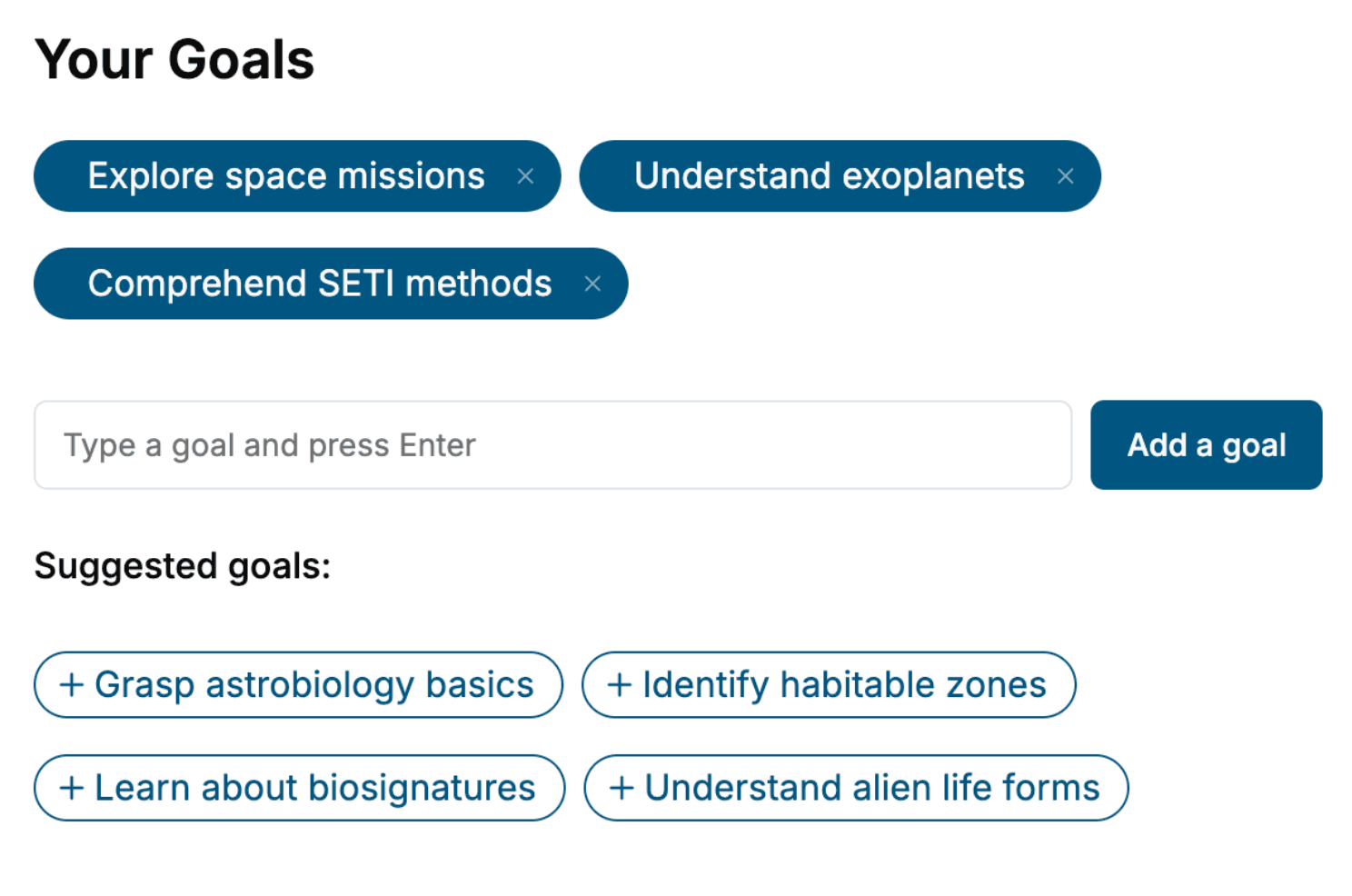
Tell us your goals and background, and get your own version of this book, tailored by AI to you.


Benefits of AI-tailored books
- Read one book, not ten:
- all the Psychotherapy knowledge you need, gathered into a single book.
- Save days of learning:
- tell us your goals, choose your topics, and the whole book is built around them.
- Learn effortlessly:
- Psychotherapy book written for your specific background and expertise.
- Understand at a glance:
- includes charts, tables, timelines, checklists, decision trees, and more.
- Stay current:
- written the day you order it, not years ago.
- Trust what you read:
- every book is checked for accuracy, with real research when your subject needs it.
Create your unique book in 3 steps
- 1. Select your focus
Select the focus of your Psychotherapy book and share your background
- 2. Personalize your book
Specify your goals and choose sub-topics to include
- 3. Get your tailored book
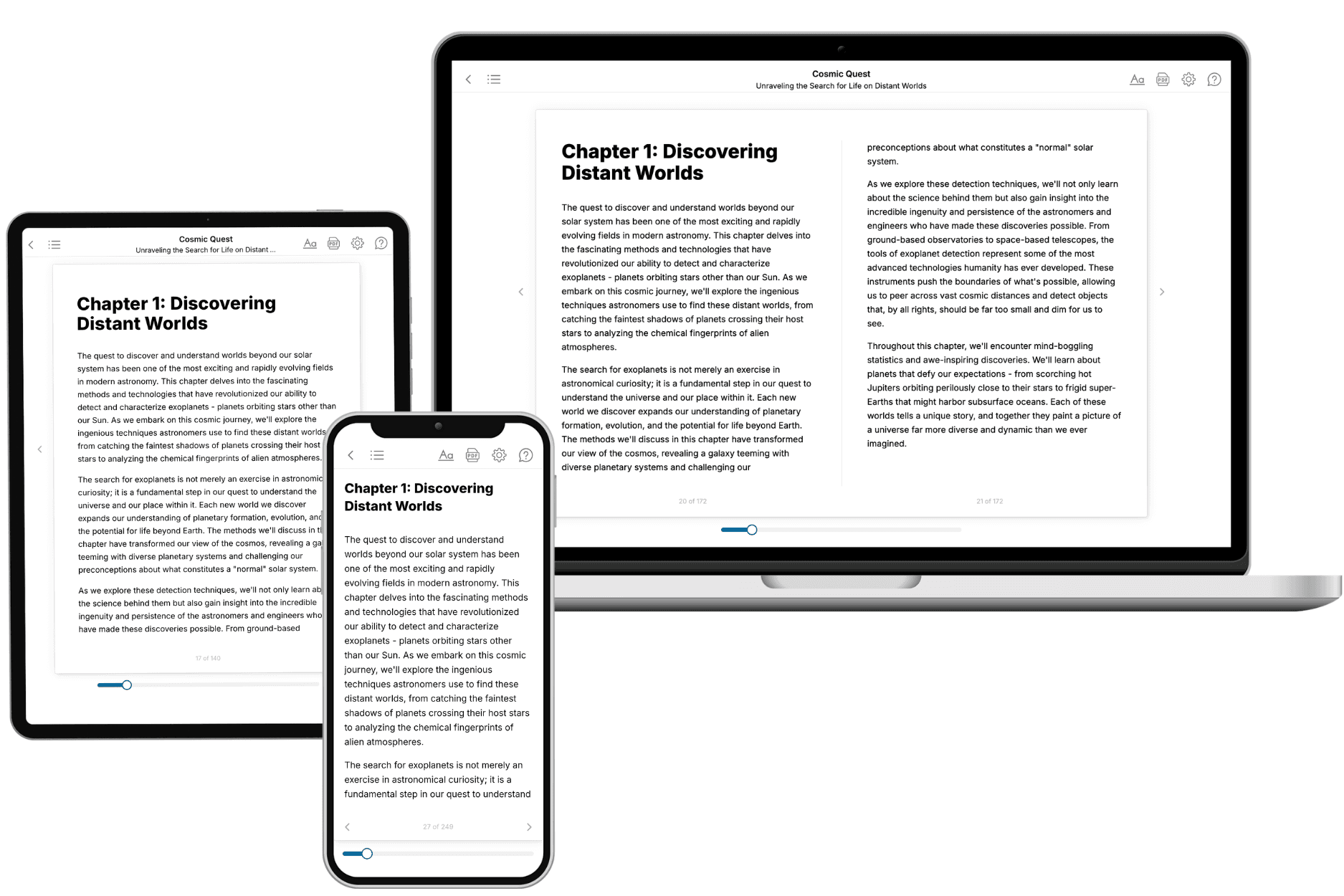
Your book is ready in 10 minutes. Read it online, download as EPUB or PDF, or send to Kindle.

Frequently asked questions
- What is TailoredRead?
TailoredRead creates complete, full-length nonfiction ebooks, written specifically for you. Tell us what you want to learn and why, and TailoredRead writes you a complete ebook on it, with charts, tables, and diagrams throughout. Read it online, on Kindle, or on any e-reader, or download it as a PDF or EPUB. Every book is written fresh the day you order it.
- How is the book tailored to me?
Before anything is written, you answer a few short questions about your goals, your background, and the topics you care about. Your book is then planned around your answers: written at your level, focused on your goals, and covering the topics you chose, instead of the one-size-fits-all book a store sells everyone.
- Will it read like generic AI content?
No. Your book isn't a chat transcript: it's planned chapter by chapter before a single word is written, told in a clear book voice, and explains ideas visually with charts, tables, and diagrams. After writing, every book goes through an editorial pass that polishes chapters so the book reads consistent from start to finish. Judge for yourself: browse thousands of sample books on our Explore Books page.
- How accurate is the content?
Our AI first checks whether your subject needs live research. Niche and fast-moving subjects are researched before writing, and the book plan and chapters are grounded in what it finds. After writing, every book goes through a quality pass that checks its facts and consistency, and researched books list their sources in a Notes section at the back.
- How long is the book?
You choose the length: Comprehensive (250-300 pages), Detailed (150-200 pages), Essential (70-100 pages), or Short (30-50 pages).
- Does the book include visuals?
Yes. Every book includes visual elements such as timelines, checklists, step-by-step guides, decision trees, comparison tables, and matrices, and many include bar charts. A typical book includes dozens of these visual elements.
- Can I read it on Kindle? What formats can I download?
Yes. Every book can be read in our online reader or downloaded as a PDF or EPUB. The EPUB can be opened with Kindle, Apple Books, Kobo, and any e-reader. The Commercial and Author licenses also include an editable Word (DOCX) and Markdown download.
- How much does it cost?
About the price of a regular ebook. The exact price depends on your book's length and complexity, from $2 for the shortest books to $35 for the most comprehensive, and it's shown when you review your book, before you commit to anything. Each book is a one-time purchase, yours to keep, no subscription. Licenses that let you share, teach, or publish your book range from $35.99 to $49.99.
- Can I preview the book before purchasing?
Before you pay, you'll see what your book will cover: the title, a detailed description, the estimated length, and the complete chapter-by-chapter table of contents, so you know what you're getting before you decide. The full text itself is written after you purchase.
- How long does it take to create a book?
About 10 minutes. You can start reading the opening chapters while the rest is still being written.