SOLID Foundations
Mastering Object-Oriented Design Principles for Cleaner, More Maintainable Code
Level up your software development skills by mastering the SOLID principles of object-oriented design.
253 pages13 chaptersJan 26, 2025Software Development
About this book
This comprehensive guide will equip you with the knowledge and practical techniques to create more robust, flexible, and maintainable code. You'll learn how to apply each principle effectively, avoiding common pitfalls and antipatterns that plague many software projects. Through clear explanations, real-world examples, and hands-on exercises, you'll discover how to implement Single Responsibility, Open-Closed, Liskov Substitution, Interface Segregation, and Dependency Inversion principles in your daily coding practices. By the end of this book, you'll have a solid grasp of these fundamental concepts and be able to apply them confidently in your projects. Whether you're working on small applications or large-scale systems, the insights and strategies presented in this book will help you write cleaner, more modular code that's easier to understand, test, and extend. Get ready to elevate your software design skills and become a more effective and efficient developer.
Table of contents
- IntroductionThe Importance of SOLID Principles in Software Design, Book Overview and How to Use It, Prerequisites and Target Audience, About the Code ExamplesRead below
- Chapter 1: Object-Oriented Programming FundamentalsKey OOP Concepts: Encapsulation, Inheritance, and Polymorphism, Classes and Objects, Interfaces and Abstract Classes, Composition and Aggregation
- Chapter 2: Introduction to Design PrinciplesThe Importance of Good Design, Overview of Design Patterns, Introduction to SOLID Principles, Benefits of Applying SOLID Principles
- Chapter 3: Single Responsibility Principle (SRP)Understanding the Single Responsibility Principle, Benefits of SRP, Implementing SRP in Your Code, Real-world Examples of SRP, Common SRP Violations and How to Fix Them
- Chapter 4: Open-Closed Principle (OCP)Understanding the Open-Closed Principle, Benefits of OCP, Implementing OCP in Your Code, Real-world Examples of OCP, Common OCP Violations and How to Fix Them
- Chapter 5: Liskov Substitution Principle (LSP)Understanding the Liskov Substitution Principle, Benefits of LSP, Implementing LSP in Your Code, Real-world Examples of LSP, Common LSP Violations and How to Fix Them
- Chapter 6: Interface Segregation Principle (ISP)Understanding the Interface Segregation Principle, Benefits of ISP, Implementing ISP in Your Code, Real-world Examples of ISP, Common ISP Violations and How to Fix Them
- Chapter 7: Dependency Inversion Principle (DIP)Understanding the Dependency Inversion Principle, Benefits of DIP, Implementing DIP in Your Code, Real-world Examples of DIP, Common DIP Violations and How to Fix Them
- Chapter 8: The Interplay of SOLID PrinciplesHow SOLID Principles Work Together, Balancing Different Principles in Real-world Scenarios, Understanding Trade-offs in Applying SOLID Principles, Refactoring Towards SOLID Design
- Chapter 9: SOLID Principles and Design PatternsSOLID in Creational Patterns, SOLID in Structural Patterns, SOLID in Behavioral Patterns, Combining Design Patterns and SOLID Principles
- Chapter 10: Testing and SOLID PrinciplesHow SOLID Principles Improve Testability, Unit Testing SOLID Code, Mocking and Dependency Injection in SOLID Design, Test-Driven Development and SOLID Principles
- Chapter 11: SOLID Principles in Software ArchitectureApplying SOLID to Layered Architecture, SOLID Principles in Microservices Architecture, SOLID in Modular Monoliths, SOLID Principles and Scalability
- Chapter 12: Refactoring to SOLID CodeIdentifying SOLID Principle Violations, Refactoring Techniques for Each SOLID Principle, Tools and IDE Support for SOLID Refactoring, Case Study: Refactoring a Non-SOLID Codebase
- Chapter 13: Putting SOLID into PracticeIncorporating SOLID Principles into Your Development Workflow, SOLID Principles in Code Reviews, Applying SOLID Principles to Legacy Code, Teaching and Promoting SOLID Principles in Your Team
- ConclusionRecap of SOLID Principles, Future Trends in Software Design, Continuous Learning and Improvement
- AppendixSOLID Principles Cheat Sheet, Recommended Resources for Further Learning
Introduction
Welcome to "SOLID Foundations: Mastering Object-Oriented Design Principles for Cleaner, More Maintainable Code." This book is your comprehensive guide to understanding and implementing the SOLID principles of object-oriented design. As a software developer with intermediate experience in object-oriented programming, you're about to embark on a journey that will significantly enhance your ability to create robust, flexible, and maintainable software systems.
In the ever-evolving world of software development, the ability to write clean, efficient, and scalable code is not just a valuable skill—it's a necessity. The SOLID principles, first introduced by Robert C. Martin (also known as Uncle Bob), have become fundamental guidelines in the realm of object-oriented software design. These principles are not mere theoretical concepts; they are practical tools that, when applied correctly, can dramatically improve the quality of your code and the overall architecture of your software systems.
Throughout this book, you'll delve deep into each of the five SOLID principles: Single Responsibility, Open-Closed, Liskov Substitution, Interface Segregation, and Dependency Inversion. You'll learn not only what these principles mean but also how to apply them effectively in your day-to-day coding practices. By mastering these principles, you'll be equipped to tackle complex programming challenges with confidence, create more modular and reusable code, and significantly reduce the headaches associated with maintaining and extending large codebases.
But this book isn't just about theory. It's designed to be a practical, hands-on guide that bridges the gap between abstract concepts and real-world application. You'll find numerous code examples, case studies, and exercises that will help you internalize these principles and apply them to your own projects. By the time you finish this book, you'll have a solid grasp of how to use SOLID principles to elevate your software design skills and become a more effective and efficient developer.
So, whether you're working on small applications or large-scale systems, the insights and strategies presented in this book will help you write cleaner, more modular code that's easier to understand, test, and extend. Get ready to transform your approach to software design and take your development skills to the next level. Let's begin our journey into the world of SOLID principles and discover how they can revolutionize your approach to object-oriented programming.
The Importance of SOLID Principles in Software Design
In the realm of software development, the SOLID principles stand as pillars of effective object-oriented design. These principles, when properly understood and applied, can significantly enhance the quality, maintainability, and scalability of your software projects. But why are these principles so crucial? To answer this question, we need to delve into the challenges that software developers face in creating robust and flexible systems, and how SOLID principles address these challenges.
At its core, software development is about managing complexity. As systems grow larger and more intricate, the potential for bugs, difficult maintenance, and resistance to change increases exponentially. This complexity is often the result of tightly coupled components, rigid structures that resist modification, and code that's difficult to understand and test. The SOLID principles provide a framework for mitigating these issues by promoting loose coupling, high cohesion, and clear separation of concerns.
Let's break down the importance of each principle:
- Single Responsibility Principle (SRP): This principle states that a class should have only one reason to change. By adhering to SRP, you create more focused, modular classes that are easier to understand, test, and maintain. It reduces the ripple effect of changes, making your codebase more stable and less prone to bugs.
- Open-Closed Principle (OCP): OCP advocates for software entities to be open for extension but closed for modification. This principle is crucial for creating systems that can evolve over time without requiring extensive rewrites. It promotes the use of abstractions and polymorphism, allowing you to add new functionality without altering existing code.
- Liskov Substitution Principle (LSP): LSP ensures that objects of a superclass can be replaced with objects of its subclasses without affecting the correctness of the program. This principle is fundamental for creating robust hierarchies and promoting the proper use of inheritance, leading to more reliable and predictable code behavior.
- Interface Segregation Principle (ISP): ISP suggests that it's better to have many smaller, specific interfaces rather than a few large, general-purpose ones. This principle helps in creating more flexible and decoupled systems, where classes only need to implement the methods that are relevant to them.
- Dependency Inversion Principle (DIP): DIP states that high-level modules should not depend on low-level modules; both should depend on abstractions. This principle is key to creating loosely coupled systems that are easier to modify, extend, and test. It's particularly important for implementing effective dependency injection and inversion of control containers.
The importance of these principles becomes even more apparent when considering the long-term implications of software design decisions. In many projects, the initial development phase is just a small fraction of the overall lifecycle. The majority of time and resources are often spent on maintenance, bug fixes, and adding new features. SOLID principles help in creating systems that are more resilient to change, easier to maintain, and more adaptable to evolving requirements.
Moreover, SOLID principles contribute significantly to code reusability. By promoting modularity and clear separation of concerns, these principles make it easier to identify and extract reusable components. This not only saves time in future development efforts but also leads to more consistent and reliable code across different parts of a system or even across multiple projects.
Another critical aspect of SOLID principles is their impact on testability. Code that adheres to SOLID principles is inherently more testable. The Single Responsibility Principle, for instance, results in smaller, more focused units that are easier to test in isolation. The Dependency Inversion Principle facilitates the use of mock objects and dependency injection, making it simpler to write comprehensive unit tests.
It's also worth noting that SOLID principles align well with other best practices in software development. They complement design patterns, support the principles of clean code, and facilitate agile development practices. For instance, the modularity and flexibility promoted by SOLID principles make it easier to refactor code, a crucial practice in agile methodologies.
However, it's important to understand that SOLID principles are not rigid rules but guidelines. Their application requires judgment and consideration of the specific context of your project. Overengineering in the name of adhering to these principles can lead to unnecessary complexity. The key is to find the right balance and apply these principles judiciously to create code that is both robust and pragmatic.
In conclusion, the importance of SOLID principles in software design cannot be overstated. They provide a framework for creating code that is more maintainable, flexible, and robust. By following these principles, you can significantly improve the quality of your software, reduce technical debt, and create systems that can stand the test of time. As you progress through this book, you'll gain a deeper understanding of each principle and learn how to apply them effectively in your own projects, ultimately becoming a more skilled and efficient software developer.
Book Overview and How to Use It
"SOLID Foundations" is designed to be your comprehensive guide to mastering the SOLID principles of object-oriented design. This book is structured to provide you with a deep understanding of each principle, along with practical knowledge on how to apply them in real-world scenarios. Whether you're looking to improve your existing codebase or starting a new project, this book will equip you with the tools and insights needed to create more robust, flexible, and maintainable software systems.
The book is organized into several key sections, each focusing on different aspects of SOLID principles and their application:
- Object-Oriented Programming Fundamentals: Before diving into SOLID principles, we'll review key OOP concepts to ensure you have a solid foundation.
- Introduction to Design Principles: This section provides an overview of software design principles and introduces the SOLID framework.
- Individual SOLID Principles: Each SOLID principle (SRP, OCP, LSP, ISP, DIP) is covered in-depth in its own chapter.
- Interplay of SOLID Principles: Learn how these principles work together and how to balance them in real-world scenarios.
- SOLID and Design Patterns: Explore how SOLID principles relate to and complement common design patterns.
- Testing and SOLID: Discover how SOLID principles improve testability and support best practices in software testing.
- SOLID in Software Architecture: See how SOLID principles apply at a larger scale in different architectural styles.
- Refactoring to SOLID: Learn techniques for identifying SOLID violations and refactoring existing code.
- Practical Application: Get guidance on incorporating SOLID principles into your development workflow and team practices.
To get the most out of this book, here are some recommendations on how to use it effectively:
- Sequential Reading: While each chapter can stand alone, the book is designed to build your knowledge progressively. It's recommended to read the chapters in order, especially if you're new to SOLID principles.
- Hands-On Practice: Don't just read—code! Each chapter includes practical examples and exercises. Implement these in your preferred programming language to reinforce your learning.
- Real-World Application: As you learn each principle, think about how it applies to your current or past projects. Try to identify instances where you could have applied these principles to improve your code.
- Code Along: The book contains numerous code examples. Type these out yourself rather than just reading them. This hands-on approach will help you internalize the concepts better.
- Revisit and Reflect: After completing a chapter, take some time to reflect on what you've learned. Try to explain the concepts in your own words or discuss them with a colleague.
- Use as a Reference: Once you've read through the book, keep it handy as a reference. You can revisit specific sections when you encounter related challenges in your work.
- Gradual Implementation: Don't try to apply all principles at once in your projects. Start with one principle at a time, master it, and then move on to the next.
- Engage with Examples: The book includes various case studies and real-world scenarios. Analyze these carefully and think about how you would approach similar situations in your work.
Remember, learning SOLID principles is not just about understanding theory—it's about changing how you think about software design. As you progress through the book, you'll find yourself naturally starting to consider these principles as you write code. This shift in mindset is the true goal of this book.
Each chapter concludes with a summary of key points and a set of reflection questions. Take the time to engage with these. They're designed to help you consolidate your learning and think critically about how to apply these principles in various scenarios.
The code examples in this book are primarily in Java, but the principles are language-agnostic. If you're more comfortable with another object-oriented language, feel free to translate the examples. In fact, doing so can be a valuable exercise in understanding how these principles apply across different programming languages.
Lastly, don't hesitate to revisit chapters or sections as needed. SOLID principles can be complex, and it's normal to need multiple passes to fully grasp certain concepts. The goal is not just to memorize these principles but to understand them deeply enough to apply them intuitively in your work.
By the end of this book, you should have a comprehensive understanding of SOLID principles and the ability to apply them effectively in your software development projects. Whether you're working on small applications or large-scale systems, the insights and strategies presented here will help you write cleaner, more modular code that's easier to understand, test, and extend. Let's embark on this journey to elevate your software design skills and become a more effective and efficient developer.
Prerequisites and Target Audience
"SOLID Foundations" is primarily aimed at software developers with intermediate experience in object-oriented programming who are looking to deepen their understanding of software design principles. While the book is designed to be accessible to a wide range of developers, having certain prerequisites will help you get the most out of this material.
Ideal readers of this book should have:
- Object-Oriented Programming Experience: A solid understanding of object-oriented programming concepts is crucial. You should be comfortable with concepts such as classes, objects, inheritance, and polymorphism.
- Programming Language Proficiency: While the principles discussed are language-agnostic, the examples in this book are primarily in Java. Familiarity with Java or a similar object-oriented language (like C#, C++, or Python) will be beneficial.
- Basic Software Design Knowledge: Some exposure to software design concepts and patterns will be helpful, though not strictly necessary. The book will cover these topics as needed.
- Professional Coding Experience: Ideally, you should have some experience working on real-world software projects. This background will help you appreciate the practical implications of the principles discussed.
- Familiarity with Version Control: Basic knowledge of version control systems (like Git) is assumed, as some discussions may reference branching and merging in the context of evolving code.
- Understanding of Software Testing: Basic familiarity with software testing concepts, particularly unit testing, will be helpful when we discuss how SOLID principles improve testability.
While these prerequisites are recommended, don't be discouraged if you don't meet all of them. The book is written to be accessible and includes explanations of fundamental concepts where necessary. If you're a motivated learner with a passion for improving your software design skills, you'll find value in this book regardless of your exact background.
This book is particularly suitable for:
- Mid-Level Developers: If you've been coding for a few years and are looking to take your skills to the next level, this book is perfect for you. It will help you transition from writing code that just works to designing robust, maintainable software systems.
- Senior Developers: Even if you're an experienced developer, you'll find value in the deep dive into SOLID principles and their practical applications. This book can help refine your existing knowledge and provide new perspectives on software design.
- Team Leads and Architects: If you're responsible for guiding the technical direction of projects or teams, this book will equip you with the knowledge to make informed design decisions and mentor others in best practices.
- Students and Academics: For those studying computer science or related fields, this book provides a bridge between academic concepts and industry practices in software design.
- Self-Taught Programmers: If you've learned programming on your own and want to formalize your understanding of software design principles, this book will provide a structured approach to leveling up your skills.
It's worth noting that while this book focuses on object-oriented design, the principles discussed have broader applications. Even if you work with other paradigms (like functional programming), you'll find valuable insights that can improve your overall approach to software design.
If you're a complete beginner to programming or object-oriented concepts, you might find some parts of this book challenging. In that case, it's recommended to first gain some foundational knowledge in object-oriented programming before diving into SOLID principles. There are many excellent resources available for learning OOP basics, and coming back to this book after gaining that foundation will make your learning experience much more rewarding.
For those who are already well-versed in SOLID principles, this book can still serve as a valuable reference and a source of deeper insights. The real-world examples, case studies, and discussions on applying these principles in various contexts can provide new perspectives and reinforce your existing knowledge.
Remember, the goal of this book is not just to teach you about SOLID principles, but to help you internalize them and apply them effectively in your day-to-day work. As such, the most important prerequisite is an open mind and a willingness to challenge your existing notions about software design.
Regardless of your exact background, if you're passionate about writing better code and creating more maintainable software systems, you'll find valuable insights in this book. The journey to mastering SOLID principles is ongoing, and this book is designed to be a companion on that journey, providing guidance and practical advice as you work to elevate your software design skills.
About the Code Examples
The code examples in this book play a crucial role in illustrating the practical application of SOLID principles. They are designed to bridge the gap between theoretical concepts and real-world implementation, providing you with concrete examples of how these principles can be applied in actual coding scenarios. Understanding how these examples are structured and how to make the most of them will significantly enhance your learning experience.
Here are some key points about the code examples in this book:
- Language Choice: The primary language used for code examples is Java. Java was chosen for its widespread use in enterprise software development and its clear syntax for demonstrating object-oriented concepts. However, the principles illustrated are language-agnostic and can be applied to any object-oriented programming language.
- Simplicity and Clarity: The examples are designed to be as simple and clear as possible while still effectively demonstrating the principle at hand. This means that some real-world complexities may be abstracted away to focus on the core concept being illustrated.
- Progressive Complexity: As you move through the book, you'll notice that the examples become more complex and nuanced. Early chapters feature straightforward examples to introduce basic concepts, while later chapters include more sophisticated scenarios that demonstrate how SOLID principles apply in more realistic situations.
- Before and After: Many examples are presented in a "before and after" format. You'll see code that violates a SOLID principle, followed by a refactored version that adheres to the principle. This approach helps you understand not just how to write SOLID code, but also how to identify and fix violations in existing code.
- Contextual Explanations: Each code example is accompanied by detailed explanations. These explanations break down the code, highlight key points, and discuss the rationale behind design decisions.
- Practical Scenarios: The examples are based on practical, real-world scenarios as much as possible. This helps you see how SOLID principles apply in situations you're likely to encounter in your own work.
To get the most out of these code examples, here are some recommendations:
- Active Reading: Don't just skim the code. Read it carefully, try to understand each line, and think about how it relates to the principle being discussed.
- Hands-On Practice: Type out the code examples yourself. This hands-on approach will help you internalize the concepts better than just reading them.
- Experimentation: After understanding an example, try modifying it. What happens if you change certain parts? How might you extend the example to cover additional scenarios?
- Language Translation: If you're more comfortable with a language other than Java, try translating the examples into your preferred language. This exercise can deepen your understanding and help you see how the principles apply across different language paradigms.
- Reflection: After each example, take a moment to reflect. How does this example relate to code you've written in the past? How might you apply this principle in your current projects?
- Incremental Learning: Don't try to master every example at once. Focus on understanding one principle thoroughly before moving on to the next.
It's important to note that while the examples demonstrate best practices, they are not the only way to implement SOLID principles. Software design often involves trade-offs, and the best solution can depend on the specific context of your project. The examples are meant to illustrate concepts and spark your thinking, not to be blindly copied.
Throughout the book, you'll encounter different types of code examples:
- Snippet Examples: Short code snippets that illustrate a specific point or concept.
- Class Diagrams: UML-style diagrams that show the relationships between classes and interfaces.
- Complete Class Examples: Full class implementations that demonstrate how SOLID principles affect the overall structure of a class or set of classes.
- Mini-Projects: Larger examples that span multiple classes and demonstrate how SOLID principles work together in a more complex system.
Each type of example serves a different purpose and helps reinforce the concepts in various ways. Pay attention to how these different formats are used to illustrate different aspects of SOLID principles.
The code examples in this book are also available in a GitHub repository. This allows you to easily access, run, and experiment with the code on your own machine. The repository includes additional resources, such as unit tests for the examples, which can further aid your understanding of how SOLID principles contribute to more testable code.
Remember, the goal of these examples is not just to show you how to write code that adheres to SOLID principles, but to help you develop an intuition for good software design. As you work through the examples, try to think beyond the specific code and consider the broader implications for software architecture and maintainability.
Lastly, don't be discouraged if some examples seem challenging at first. Learning to apply SOLID principles effectively is a skill that develops over time with practice and experience. Use these examples as a starting point for your own exploration and experimentation with SOLID principles in your coding projects.
This is the end of the free sample. The full book has 13 chapters.
Want this book written for you?
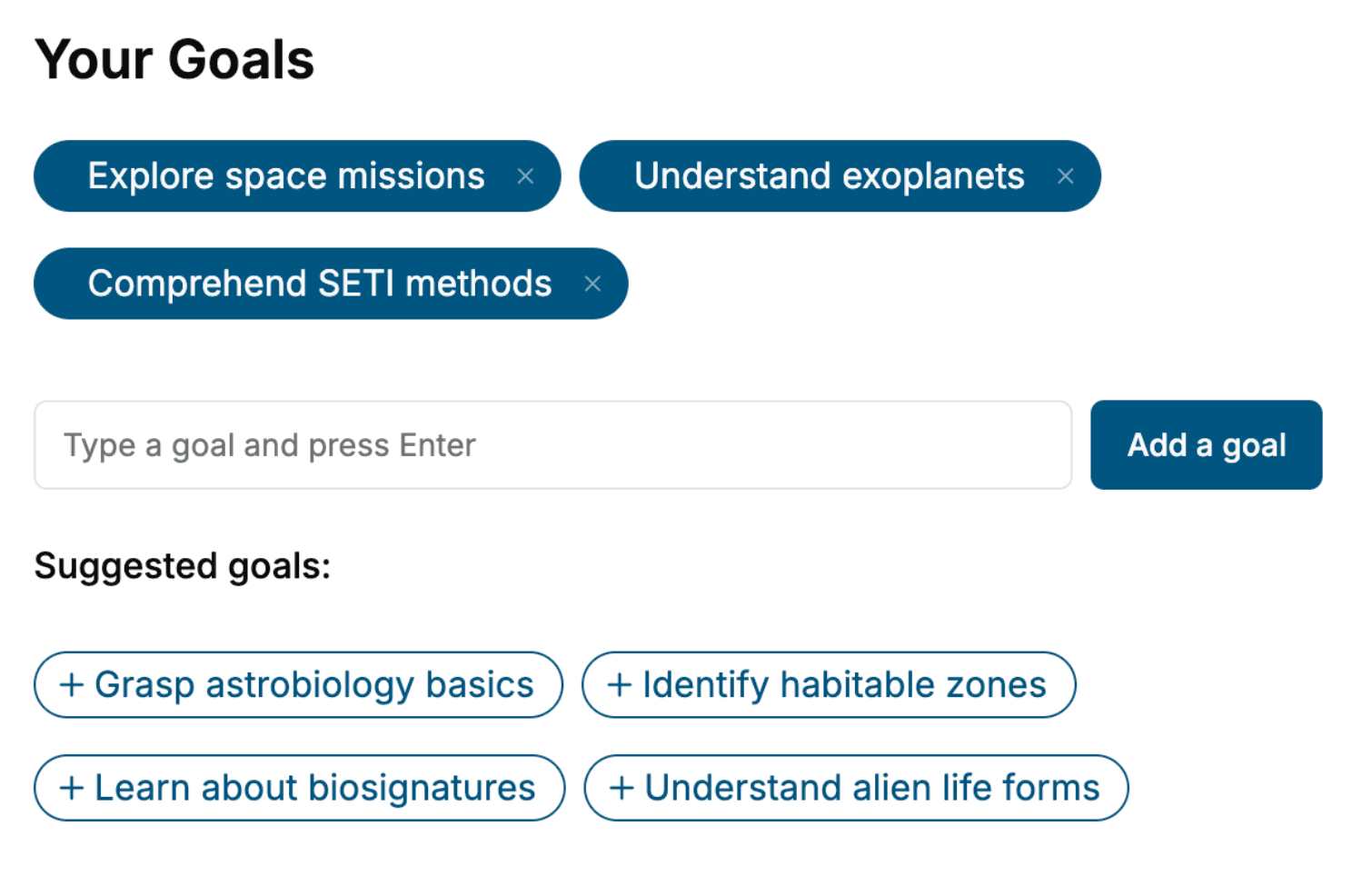
Tell us your goals and background, and get your own version of this book, tailored by AI to you.


Benefits of AI-tailored books
- Read one book, not ten:
- all the Software Development knowledge you need, gathered into a single book.
- Save days of learning:
- tell us your goals, choose your topics, and the whole book is built around them.
- Learn effortlessly:
- Software Development book written for your specific background and expertise.
- Understand at a glance:
- includes charts, tables, timelines, checklists, decision trees, and more.
- Stay current:
- written the day you order it, not years ago.
- Trust what you read:
- every book is checked for accuracy, with real research when your subject needs it.
Create your unique book in 3 steps
- 1. Select your focus
Select the focus of your Software Development book and share your background
- 2. Personalize your book
Specify your goals and choose sub-topics to include
- 3. Get your tailored book
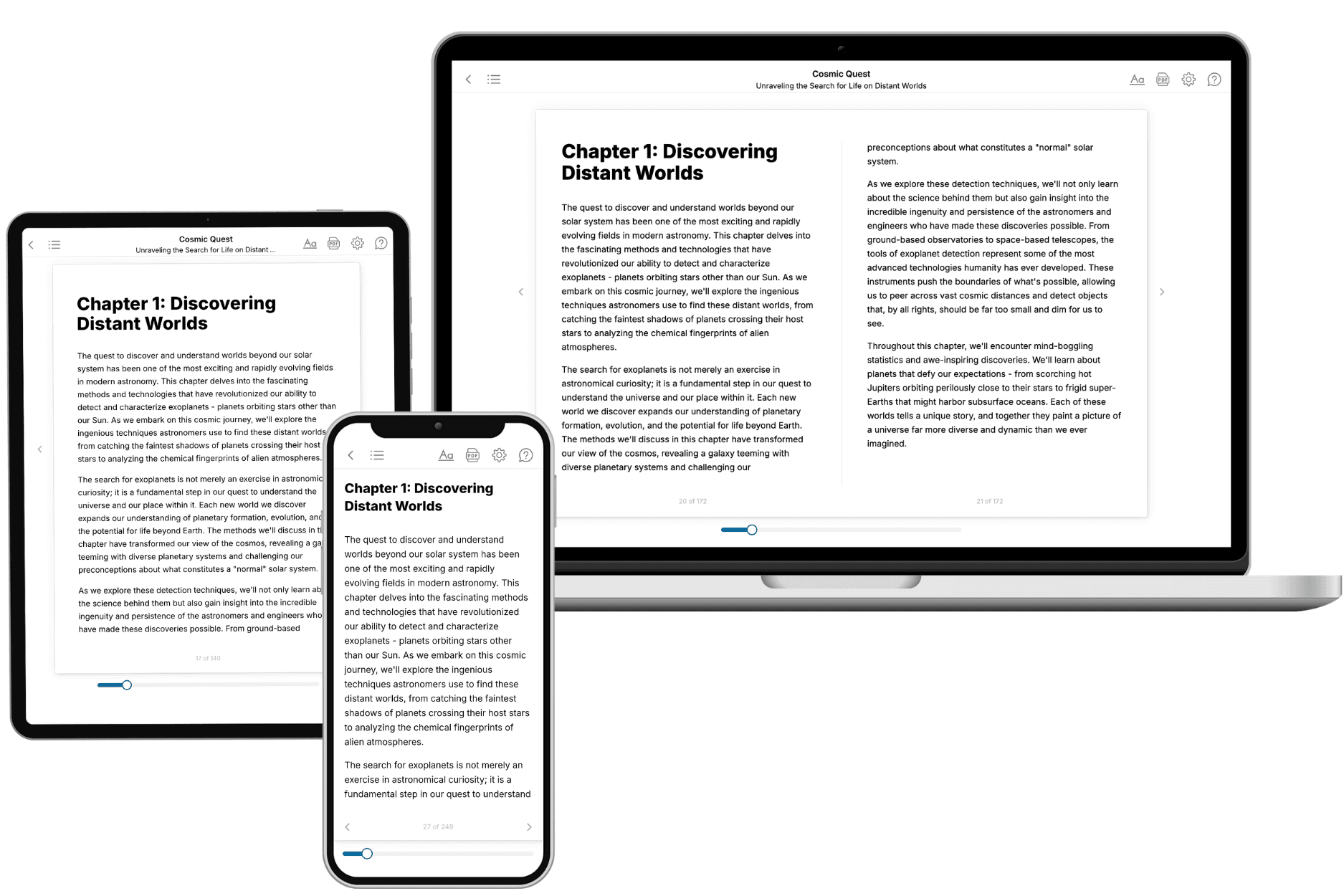
Your book is ready in 10 minutes. Read it online, download as EPUB or PDF, or send to Kindle.

Frequently asked questions
- What is TailoredRead?
TailoredRead creates complete, full-length nonfiction ebooks, written specifically for you. Tell us what you want to learn and why, and TailoredRead writes you a complete ebook on it, with charts, tables, and diagrams throughout. Read it online, on Kindle, or on any e-reader, or download it as a PDF or EPUB. Every book is written fresh the day you order it.
- How is the book tailored to me?
Before anything is written, you answer a few short questions about your goals, your background, and the topics you care about. Your book is then planned around your answers: written at your level, focused on your goals, and covering the topics you chose, instead of the one-size-fits-all book a store sells everyone.
- Will it read like generic AI content?
No. Your book isn't a chat transcript: it's planned chapter by chapter before a single word is written, told in a clear book voice, and explains ideas visually with charts, tables, and diagrams. After writing, every book goes through an editorial pass that polishes chapters so the book reads consistent from start to finish. Judge for yourself: browse thousands of sample books on our Explore Books page.
- How accurate is the content?
Our AI first checks whether your subject needs live research. Niche and fast-moving subjects are researched before writing, and the book plan and chapters are grounded in what it finds. After writing, every book goes through a quality pass that checks its facts and consistency, and researched books list their sources in a Notes section at the back.
- How long is the book?
You choose the length: Comprehensive (250-300 pages), Detailed (150-200 pages), Essential (70-100 pages), or Short (30-50 pages).
- Does the book include visuals?
Yes. Every book includes charts, tables, and diagrams: timelines, checklists, step-by-step guides, decision trees, comparison tables, matrices, and bar charts. A typical book includes dozens of these visual elements.
- Can I read it on Kindle? What formats can I download?
Yes. Every book can be read in our online reader or downloaded as a PDF or EPUB. The EPUB can be opened with Kindle, Apple Books, Kobo, and any e-reader. The Commercial and Author licenses also include an editable Word (DOCX) and Markdown download.
- How much does it cost?
About the price of a regular ebook. The exact price depends on your book's length and complexity, from $2 for the shortest books to $35 for the most comprehensive, and it's shown when you review your book, before you commit to anything. Each book is a one-time purchase, yours to keep, no subscription. Licenses that let you share, teach, or publish your book range from $35.99 to $49.99.
- Can I preview the book before purchasing?
Before you pay, you'll see what your book will cover: the title, a detailed description, the estimated length, and the complete chapter-by-chapter table of contents, so you know what you're getting before you decide. The full text itself is written after you purchase.
- How long does it take to create a book?
About 10 minutes. You can start reading the opening chapters while the rest is still being written.