Empire's Shadow
Unraveling the Complex Legacy of Colonialism and Imperialism in World History
Have you ever wondered how the world we live in today was shaped by the forces of colonialism and imperialism?
284 pages14 chaptersFeb 13, 2025World History
About this book
"Empire's Shadow" takes you on an eye-opening exploration of these powerful historical phenomena that have left an indelible mark on our global civilization. This book delves deep into the intricate web of political, economic, and cultural forces that drove empires to expand their reach across continents, forever altering the course of world history. You'll gain a nuanced understanding of how colonial powers reshaped societies, economies, and cultures around the world. From the Americas to Africa, Asia to Oceania, you'll discover the far-reaching consequences of imperial ambitions and the complex legacies they've left behind. "Empire's Shadow" doesn't shy away from the challenging questions. You'll explore the motivations behind colonial expansion, the resistance movements that arose in response, and the lasting impact on both colonized and colonizing nations. By the end of this journey, you'll have a deeper appreciation for the complexities of our interconnected world and the historical forces that continue to shape global relations today.
Table of contents
- Introduction: The Long Shadow of EmpireDefining Colonialism and Imperialism, Historical Context and Significance, Overview of the Book's JourneyRead below
- Chapter 1: The Roots of EmpireEarly Empires and Expansionism, The Age of Exploration, Mercantilism and the Quest for Resources, Technological Advances Enabling Expansion
- Chapter 2: Motivations Behind Colonial ExpansionEconomic Drivers of Colonialism, Political Ambitions and Power Dynamics, Cultural Superiority and 'Civilizing Missions', Religious Motivations and Missionary Work
- Chapter 3: The Rise of European EmpiresSpanish and Portuguese Empires, The British Empire, French Colonial Expansion, Dutch and Belgian Colonial Endeavors
- Chapter 4: Colonialism in the AmericasConquest of the Caribbean, North American Colonies, Latin American Colonial Experience, Impact on Indigenous Populations
- Chapter 5: The Scramble for AfricaThe Berlin Conference and Partition of Africa, Colonial Administration and Exploitation, African Resistance Movements, Long-term Consequences for African Nations
- Chapter 6: Colonialism in AsiaBritish Raj in India, Dutch East Indies, French Indochina, Imperialism and China
- Chapter 7: Colonization of the PacificAustralia and New Zealand, Polynesia and Micronesia, The Annexation of Hawaii
- Chapter 8: Colonial Economies and TradeResource Extraction and Exploitation, Plantation Economies and Labor, Global Trade Networks, Creation of Economic Disparities
- Chapter 9: Social and Cultural Impact of ColonialismCreation of Racial Hierarchies, Education and Language Policies, Religious Conversions and Conflicts, Cultural Assimilation and Resistance
- Chapter 10: Resistance and RebellionForms of Resistance, Major Anti-Colonial Rebellions, Intellectual and Cultural Resistance, The Emergence of Nationalism
- Chapter 11: World Wars and ColonialismWorld War I and the Colonies, The Interwar Period and Colonial Unrest, World War II and Colonial Troops, Post-War Shifts in Colonial Attitudes
- Chapter 12: The Process of DecolonizationIndependence Movements, Peaceful Transitions to Independence, Violent Struggles for Freedom, The Cold War's Influence on Decolonization
- Chapter 13: Neocolonialism and Modern ImperialismEconomic Dependence and Debt, Cultural Imperialism in the Modern World, Geopolitical Influence and Intervention, The Role of Multinational Corporations
- Chapter 14: The Legacy of Colonialism in the PresentGlobal Inequalities and Development Challenges, Migration Patterns and Diaspora Communities, Cultural Hybridity and Globalization, Efforts at Historical Reconciliation
- Conclusion: Reflecting on Empire's ShadowLessons Learned from Colonial History, Ongoing Challenges and Debates, Future Perspectives on Global Relations
- Glossary of Key Terms
- Suggestions for Further Reading
Introduction: The Long Shadow of Empire
The history of human civilization is inextricably intertwined with the rise and fall of empires, the expansion of colonial powers, and the far-reaching consequences of imperialism. These forces have shaped the world we inhabit today, influencing everything from global power dynamics and economic systems to cultural identities and social structures. As you embark on this journey through "Empire's Shadow," you'll uncover the complex tapestry of colonialism and imperialism, exploring their profound impact on world history and their enduring legacy in our modern era.
The story of colonialism and imperialism is not a simple tale of conquest and domination. It is a multifaceted narrative that spans centuries and continents, encompassing a wide range of motivations, methods, and outcomes. From the early explorations of European powers to the scramble for Africa, from the colonization of the Americas to the imperial ambitions in Asia and the Pacific, this book will guide you through the intricate web of historical events and processes that have left an indelible mark on our global civilization.
As we delve into this complex subject, it's crucial to approach it with an open mind and a willingness to confront uncomfortable truths. The legacy of colonialism and imperialism is often contentious and emotionally charged, touching on issues of power, exploitation, cultural identity, and historical injustice. By examining these topics with a balanced and nuanced perspective, you'll gain a deeper understanding of the forces that have shaped our world and the challenges we continue to face as a global community.
Throughout this book, you'll encounter a diverse array of historical figures, from ambitious explorers and ruthless conquerors to visionary leaders and courageous resisters. You'll learn about the economic systems that drove colonial expansion, the technological advancements that made it possible, and the ideological justifications that supported it. You'll also explore the various forms of resistance that emerged in response to colonial rule, from armed rebellions to intellectual and cultural movements.
As we navigate through this historical landscape, we'll also examine the lasting impact of colonialism and imperialism on modern societies. You'll discover how colonial legacies continue to influence contemporary global politics, economic relationships, and cultural dynamics. By understanding these historical processes, you'll be better equipped to comprehend current global inequalities, power structures, and ongoing debates about historical responsibility and reconciliation.
Defining Colonialism and Imperialism
Before we embark on our exploration of empire's shadow, it's essential to establish a clear understanding of the key terms that will guide our journey. Colonialism and imperialism are often used interchangeably, but they have distinct meanings and implications. By defining these terms, we'll create a solid foundation for our subsequent discussions and analyses.
Colonialism refers to the practice of acquiring full or partial political control over another country, occupying it with settlers, and exploiting it economically. This process typically involves the domination of an indigenous majority by a minority of foreign invaders. The colonizing power imposes its own political, economic, and cultural systems on the colonized territory, often with the aim of extracting resources and labor. Colonialism is characterized by the physical presence of settlers and the establishment of permanent colonies[1].
Imperialism, on the other hand, is a broader concept that encompasses the extension of a country's power and influence through diplomacy or military force. While colonialism always involves direct territorial control, imperialism can operate through indirect means, such as economic pressure, cultural influence, or political manipulation. Imperialism can be seen as the ideological or philosophical drive behind colonial expansion, often justified by notions of cultural or racial superiority[2].
It's important to note that these terms are not mutually exclusive. In fact, they often overlap and reinforce each other. Colonialism can be viewed as a specific manifestation of imperialist ambitions, while imperialism provides the ideological framework that supports and justifies colonial practices. Throughout history, we see examples of both direct colonial rule and more subtle forms of imperial influence, sometimes operating simultaneously within the same geopolitical context.
The relationship between colonialism and imperialism is further complicated by the concept of neocolonialism, which emerged in the post-World War II era. Neocolonialism refers to the continued economic and cultural influence exerted by former colonial powers over their former colonies, even after these territories have achieved political independence. This concept highlights the persistent nature of imperial relationships and the long-lasting impact of colonial structures on global power dynamics[3].
As we progress through this book, you'll encounter various manifestations of colonialism and imperialism across different historical periods and geographical regions. You'll see how these concepts evolved over time, adapting to changing global circumstances and technological advancements. By keeping these definitions in mind, you'll be better equipped to analyze the complex interplay between colonial practices and imperialist ideologies, and to understand their far-reaching consequences on both colonized and colonizing societies.
It's also crucial to recognize that the terms "colonialism" and "imperialism" are not merely academic concepts but carry significant emotional and political weight. For many people around the world, these terms evoke painful histories of exploitation, cultural suppression, and systemic inequality. As we explore these topics, it's important to approach them with sensitivity and an awareness of their ongoing relevance to contemporary global issues.
Throughout our journey, we'll examine how different scholars and historical figures have interpreted and applied these concepts. You'll encounter debates about the nature and extent of colonial influence, the motivations behind imperial expansion, and the long-term effects of these historical processes. By engaging with these diverse perspectives, you'll develop a nuanced understanding of colonialism and imperialism that goes beyond simple definitions and allows for a more comprehensive analysis of their role in shaping world history.
Historical Context and Significance
To fully grasp the impact of colonialism and imperialism on world history, it's crucial to situate these phenomena within their broader historical context. The era of European colonial expansion, which began in the late 15th century and continued well into the 20th century, represents a significant turning point in global history. This period saw unprecedented levels of intercontinental contact, exchange, and conflict, fundamentally altering the course of human civilization.
The roots of modern colonialism can be traced back to the Age of Exploration, a period marked by technological advancements in shipbuilding and navigation that enabled European powers to venture far beyond their familiar shores. The voyages of explorers like Christopher Columbus, Vasco da Gama, and Ferdinand Magellan opened up new trade routes and revealed vast territories previously unknown to Europeans. These discoveries set the stage for a dramatic expansion of European influence across the globe[4].
The initial phase of European expansion was driven primarily by economic motivations, particularly the search for new trade routes to Asia and the desire to access valuable resources such as spices, gold, and silver. However, as colonial empires began to take shape, the motivations for expansion grew more complex, encompassing political, religious, and cultural ambitions. The concept of the "civilizing mission" emerged, with European powers justifying their colonial endeavors as a means of bringing Christianity, "civilization," and "progress" to supposedly "backward" peoples[5].
The significance of colonialism and imperialism in world history cannot be overstated. These forces reshaped global power dynamics, creating a world order dominated by European nations and their offshoots. The colonial era saw the establishment of vast empires, such as the British Empire, which at its peak covered nearly a quarter of the Earth's land surface. These empires facilitated the transfer of people, ideas, technologies, and resources on an unprecedented scale, leading to profound changes in societies around the world.
One of the most significant impacts of colonialism was the creation of a global economic system centered on European needs and interests. Colonial powers extracted raw materials and labor from their colonies, fueling industrialization and economic growth in Europe while often stunting economic development in colonized regions. This system laid the foundation for many of the global economic inequalities that persist to this day[6].
Colonialism also had profound cultural and social impacts. Colonial policies often disrupted existing social structures, imposed new systems of governance, and introduced foreign languages and cultural practices. In many cases, colonial rule led to the suppression or transformation of indigenous cultures, creating complex issues of cultural identity that continue to resonate in postcolonial societies. The racial hierarchies and stereotypes that emerged during the colonial era have had long-lasting effects on social relations both within and between nations.
The era of colonialism coincided with and contributed to significant scientific and technological advancements. Colonial expansion both drove and was facilitated by developments in areas such as cartography, medicine, and transportation. The exchange of knowledge and biological materials between continents led to what historians call the "Columbian Exchange," which had far-reaching consequences for global ecology, agriculture, and human health[7].
It's important to note that the impact of colonialism was not uniform across all regions and societies. Different colonial powers employed varying strategies of rule, ranging from direct administration to indirect control through local elites. The responses of colonized peoples also varied widely, from accommodation and collaboration to active resistance and rebellion. These diverse experiences have contributed to the complex legacies of colonialism that we see in different parts of the world today.
The historical significance of colonialism and imperialism extends well beyond the formal colonial period. The process of decolonization, which gained momentum after World War II, led to the emergence of numerous new nation-states and reshaped global politics. However, the end of formal colonial rule did not erase the economic, political, and cultural structures established during the colonial era. Many scholars argue that forms of neocolonialism persist, with former colonial powers maintaining significant influence over their former colonies through economic ties, cultural hegemony, and geopolitical pressure.
Understanding the historical context and significance of colonialism and imperialism is crucial for several reasons. Firstly, it provides a framework for comprehending many of the global challenges we face today, from economic inequalities to ethnic conflicts and environmental issues. Secondly, it offers insights into the complex processes of cultural exchange, adaptation, and resistance that have shaped our diverse world. Finally, grappling with this history is essential for addressing ongoing debates about historical responsibility, reparations, and the decolonization of knowledge and institutions.
As we delve deeper into the specific aspects and consequences of colonialism and imperialism in the following chapters, keep in mind this broader historical context. The events and processes we'll explore are not isolated incidents but part of a larger narrative of global interconnection and transformation. By understanding this context, you'll be better equipped to analyze the complex legacies of colonialism and imperialism and their continuing relevance in our contemporary world.
Overview of the Book's Journey
"Empire's Shadow" is designed to take you on a comprehensive journey through the complex history and lasting impact of colonialism and imperialism. As you progress through the chapters, you'll gain a deeper understanding of how these forces have shaped our world and continue to influence global dynamics today. This overview will provide you with a roadmap of the book's structure, highlighting the key themes and topics you'll encounter along the way.
The book begins by exploring the roots of empire, tracing the early manifestations of expansionist ambitions and the factors that led to the Age of Exploration. You'll learn about the technological advancements and economic systems, such as mercantilism, that enabled and drove colonial expansion. This foundation will help you understand the context in which modern colonialism emerged and flourished.
Next, we'll delve into the motivations behind colonial expansion, examining the complex interplay of economic, political, cultural, and religious factors that propelled European powers to establish empires across the globe. This section will challenge simplistic narratives and reveal the multifaceted nature of colonial ambitions.
The book then takes a geographical approach, exploring the rise of European empires and their impact on different regions of the world. You'll learn about the Spanish and Portuguese empires, the British Empire, French colonial expansion, and the colonial endeavors of other European powers. This section will provide a comprehensive overview of how colonialism manifested in various parts of the world, from the Americas to Africa, Asia, and the Pacific.
As we examine these different colonial contexts, you'll gain insights into the diverse experiences of colonized peoples and the varying strategies employed by colonial powers. We'll explore topics such as the impact on indigenous populations, the establishment of plantation economies, and the creation of new social and racial hierarchies. This comparative approach will help you understand both the commonalities and the unique aspects of colonial experiences across different regions.
The book will also dedicate significant attention to the economic dimensions of colonialism and imperialism. You'll learn about resource extraction, the creation of global trade networks, and the long-term economic disparities that resulted from colonial policies. This economic analysis will provide crucial context for understanding contemporary global inequalities and development challenges.
We'll then turn our focus to the social and cultural impact of colonialism, examining how colonial rule affected education, language, religion, and cultural practices in colonized societies. This section will explore the complex processes of cultural assimilation, hybridization, and resistance that occurred under colonial rule.
Resistance to colonialism is a crucial theme that runs throughout the book. You'll learn about various forms of anti-colonial resistance, from armed rebellions to intellectual and cultural movements. We'll examine major anti-colonial struggles and the emergence of nationalist movements that eventually led to decolonization.
The book will also address the relationship between colonialism and major global events, such as the World Wars. You'll discover how these conflicts affected colonial relationships and contributed to the eventual unraveling of colonial empires. We'll explore the process of decolonization, examining both peaceful transitions to independence and violent struggles for freedom.
As we approach the contemporary era, the book will delve into the concept of neocolonialism and modern forms of imperialism. You'll learn about ongoing economic dependencies, cultural imperialism, and the role of multinational corporations in perpetuating unequal global relationships.
Finally, we'll examine the legacy of colonialism in the present day, exploring how colonial histories continue to shape global inequalities, migration patterns, cultural identities, and international relations. This section will also discuss efforts at historical reconciliation and ongoing debates about how to address the lasting impacts of colonialism.
Throughout this journey, you'll encounter a wide range of historical figures, from colonial administrators and explorers to resistance leaders and postcolonial thinkers. You'll also be introduced to key concepts and debates in the study of colonialism and imperialism, drawing on insights from various academic disciplines including history, anthropology, economics, and political science.
By the end of "Empire's Shadow," you'll have gained a nuanced and comprehensive understanding of how colonialism and imperialism have shaped our world. You'll be equipped with the knowledge to critically analyze contemporary global issues through the lens of colonial history and to engage in informed discussions about the ongoing legacies and challenges stemming from the colonial era.
As you embark on this intellectual journey, remember that the history of colonialism and imperialism is not just a story of the past, but a living legacy that continues to influence our present and future. The insights you gain from this book will provide you with valuable perspectives on current global dynamics and the ongoing process of grappling with the long shadow cast by empires of the past.
Notes
Introduction: The Long Shadow of Empire
- 1. Jürgen Osterhammel, Colonialism: A Theoretical Overview, Markus Wiener Publishers, 2005
- 2. Edward W. Said, Culture and Imperialism, Vintage Books, 1993
- 3. Kwame Nkrumah, Neo-Colonialism: The Last Stage of Imperialism, Thomas Nelson & Sons, Ltd, 1965
- 4. J. H. Parry, The Age of Reconnaissance, University of California Press, 1981
- 5. Alice L. Conklin, A Mission to Civilize, Stanford University Press, 1997
- 6. Walter Rodney, How Europe Underdeveloped Africa, Bogle-L'Ouverture Publications, 1972
- 7. Alfred W. Crosby, The Columbian Exchange, Greenwood Press, 1972
This is the end of the free sample. The full book has 14 chapters.
Want this book written for you?
Tell us your goals and background, and get your own version of this book, tailored by AI to you.


Benefits of AI-tailored books
- Read one book, not ten:
- all the World History knowledge you need, gathered into a single book.
- Save days of learning:
- tell us your goals, choose your topics, and the whole book is built around them.
- Learn effortlessly:
- World History book written for your specific background and expertise.
- Understand at a glance:
- includes charts, tables, timelines, checklists, decision trees, and more.
- Stay current:
- written the day you order it, not years ago.
- Trust what you read:
- every book is checked for accuracy, with real research when your subject needs it.
Create your unique book in 3 steps
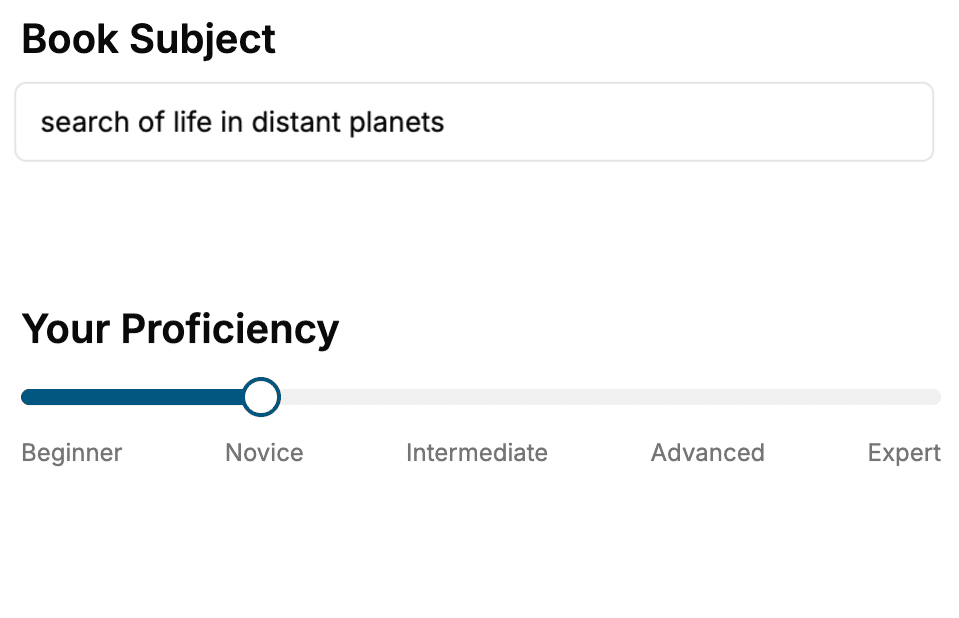
- 1. Select your focus
Select the focus of your World History book and share your background
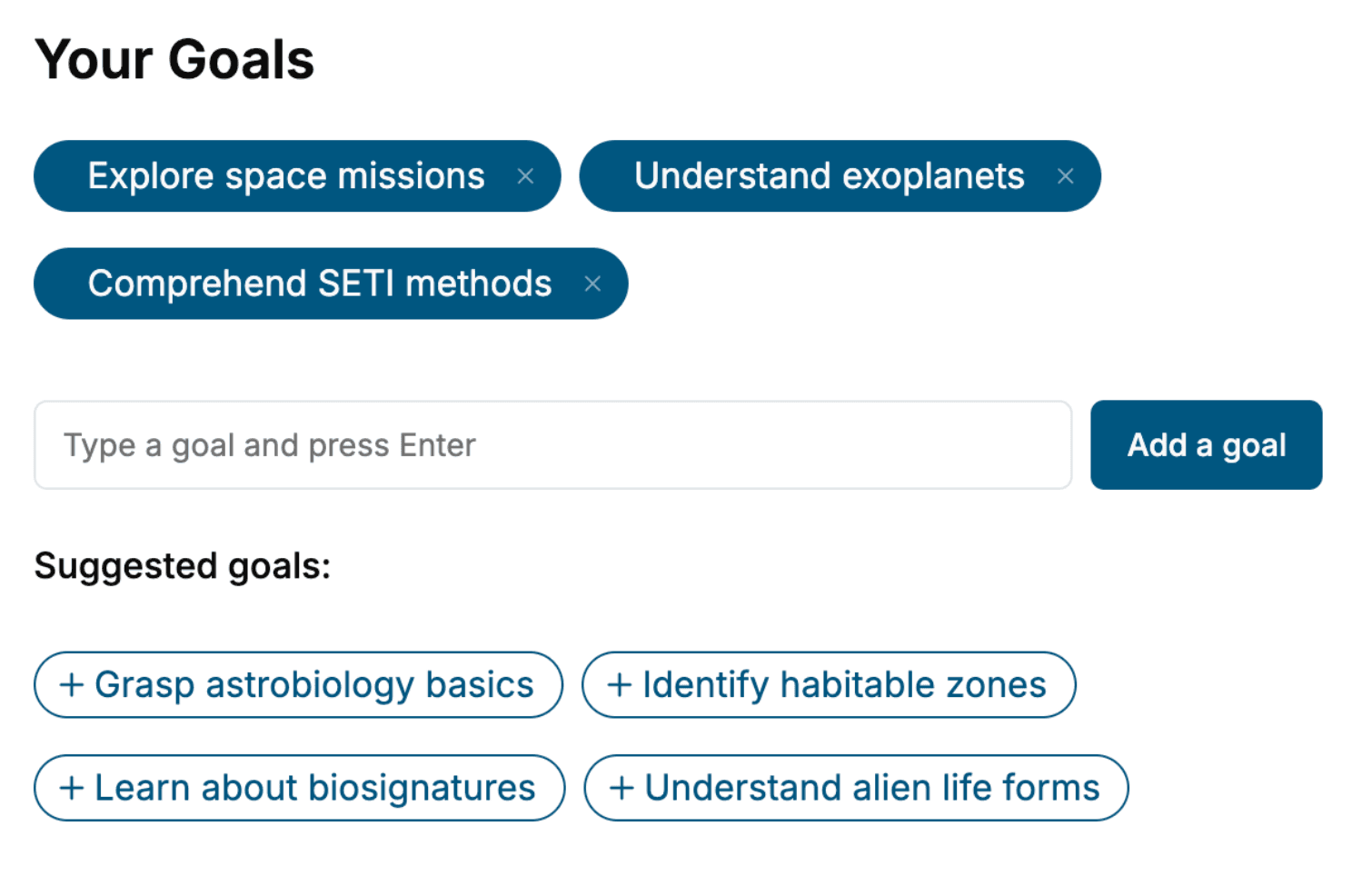
- 2. Personalize your book
Specify your goals and choose sub-topics to include
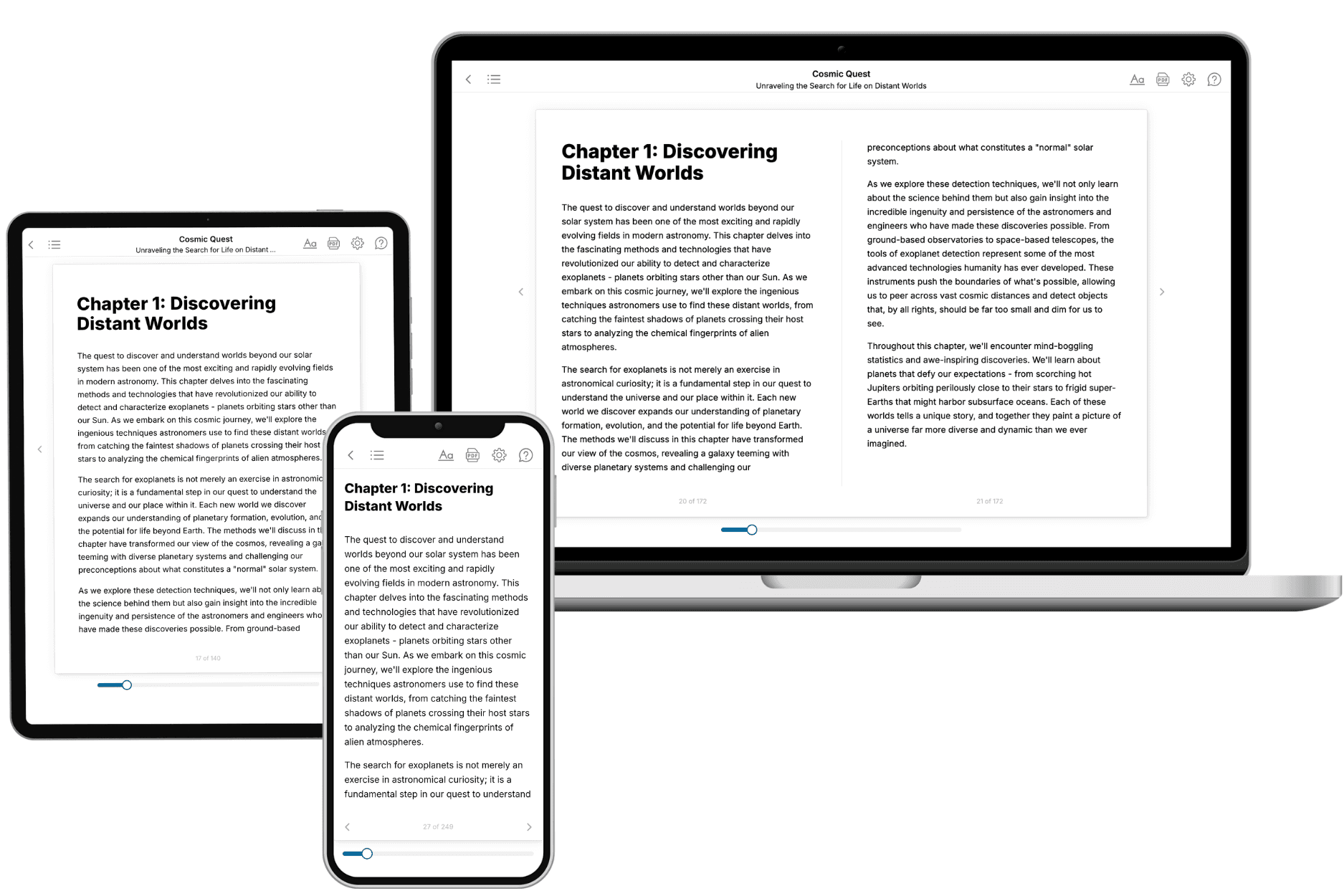
- 3. Get your tailored book
Your book is ready in 10 minutes. Read it online, download as EPUB or PDF, or send to Kindle.
Frequently asked questions
- What is TailoredRead?
TailoredRead creates complete, full-length nonfiction ebooks, written specifically for you. Tell us what you want to learn and why, and TailoredRead writes you a complete ebook on it, with charts, tables, and diagrams throughout. Read it online, on Kindle, or on any e-reader, or download it as a PDF or EPUB. Every book is written fresh the day you order it.
- How is the book tailored to me?
Before anything is written, you answer a few short questions about your goals, your background, and the topics you care about. Your book is then planned around your answers: written at your level, focused on your goals, and covering the topics you chose, instead of the one-size-fits-all book a store sells everyone.
- Will it read like generic AI content?
No. Your book isn't a chat transcript: it's planned chapter by chapter before a single word is written, told in a clear book voice, and explains ideas visually with charts, tables, and diagrams. After writing, every book goes through an editorial pass that polishes chapters so the book reads consistent from start to finish. Judge for yourself: browse thousands of sample books on our Explore Books page.
- How accurate is the content?
Our AI first checks whether your subject needs live research. Niche and fast-moving subjects are researched before writing, and the book plan and chapters are grounded in what it finds. After writing, every book goes through a quality pass that checks its facts and consistency, and researched books list their sources in a Notes section at the back.
- How long is the book?
You choose the length: Comprehensive (250-300 pages), Detailed (150-200 pages), Essential (70-100 pages), or Short (30-50 pages).
- Does the book include visuals?
Yes. Every book includes visual elements such as timelines, checklists, step-by-step guides, decision trees, comparison tables, and matrices, and many include bar charts. A typical book includes dozens of these visual elements.
- Can I read it on Kindle? What formats can I download?
Yes. Every book can be read in our online reader or downloaded as a PDF or EPUB. The EPUB can be opened with Kindle, Apple Books, Kobo, and any e-reader. The Commercial and Author licenses also include an editable Word (DOCX) and Markdown download.
- How much does it cost?
About the price of a regular ebook. The exact price depends on your book's length and complexity, from $2 for the shortest books to $35 for the most comprehensive, and it's shown when you review your book, before you commit to anything. Each book is a one-time purchase, yours to keep, no subscription. Licenses that let you share, teach, or publish your book range from $35.99 to $49.99.
- Can I preview the book before purchasing?
Before you pay, you'll see what your book will cover: the title, a detailed description, the estimated length, and the complete chapter-by-chapter table of contents, so you know what you're getting before you decide. The full text itself is written after you purchase.
- How long does it take to create a book?
About 10 minutes. You can start reading the opening chapters while the rest is still being written.