Embracing Autism
A Parent's Guide to Nurturing, Supporting, and Empowering Your Child
Discover a wealth of knowledge and practical strategies in "Embracing Autism: A Parent's Guide to Nurturing, Supporting, and Empowering Your Child." This comprehensive resource is tailored for parents navigating the unique journey of raising a child with autism.
315 pages16 chaptersEnglishNov 28, 2024AutismCreated by Chrysteil
About this book
Within these pages, you'll find expert guidance on managing challenging behaviors, enhancing your parent-child bond, and optimizing daily routines. Learn how to implement effective visual supports, boost emotional regulation, and improve executive functioning skills. Explore innovative approaches to strengthen family dynamics and develop coping strategies that work for both you and your child. From ABA techniques to communication skills, social development to life skills enhancement, this book covers a wide range of topics crucial for your child's growth and your family's well-being. Dive into chapters on sensory integration, social stories, autism-friendly home environments, and much more. You'll also find valuable information on available support systems, including autism support groups, occupational therapy, and social skills groups. "Embracing Autism" doesn't just focus on your child – it recognizes the importance of self-care for parents too. Discover strategies for managing stress, finding support networks, and maintaining your own well-being as you navigate this rewarding journey. Whether you're looking to understand autism and puberty, explore the benefits of creativity and mindfulness, or learn about the latest autism research, this book has you covered. Empower yourself with knowledge, gain confidence in your parenting approach, and unlock new possibilities for your child's future. "Embracing Autism" is more than just a guide – it's a companion on your path to creating a fulfilling, supportive, and joyful life for your family.
Table of contents
- IntroductionUnderstanding the Autism Spectrum, The Parent's Journey: Challenges and Triumphs, How to Use This BookRead below
- Chapter 1: Understanding AutismAutism Basics: Signs and Symptoms, The Neurodiversity Perspective, Common Myths and Facts, Recognizing and Nurturing Strengths
- Chapter 2: Enhancing CommunicationVerbal and Non-verbal Communication, Augmentative and Alternative Communication (AAC), Using Social Stories, The Role of Speech Therapy
- Chapter 3: Behavior Management StrategiesUnderstanding Applied Behavior Analysis (ABA), Positive Reinforcement Techniques, Addressing Challenging Behaviors, The Importance of Consistency
- Chapter 4: Sensory Processing and IntegrationUnderstanding Sensory Processing in Autism, Sensory Integration Strategies, Creating a Sensory Diet, The Role of Occupational Therapy
- Chapter 5: Structuring Daily RoutinesImplementing Visual Schedules, Managing Transitions, Creating Effective Morning Routines, Establishing Bedtime Routines
- Chapter 6: Emotional RegulationUnderstanding Emotions in Autism, Teaching Emotion Identification, Developing Coping Strategies, Introducing Mindfulness Techniques
- Chapter 7: Improving Executive FunctionUnderstanding Executive Function in Autism, Enhancing Organization Skills, Time Management Strategies, Developing Problem-Solving Skills
- Chapter 8: Building Social SkillsUnderstanding Social Challenges in Autism, Teaching Friendship Skills, Participating in Social Skills Groups, Facilitating Positive Peer Interactions
- Chapter 9: Navigating EducationUnderstanding and Advocating for IEPs, Effective Classroom Strategies, Supporting Homework and Learning at Home, Communicating Effectively with Educators
- Chapter 10: Creating an Autism-Friendly HomeSensory-Friendly Home Modifications, Organization and Structure at Home, Implementing Safety Measures, Creating Calming Spaces
- Chapter 11: Strengthening Family DynamicsSupporting Siblings, Improving Family Communication, Planning Inclusive Family Activities, Educating and Involving Extended Family
- Chapter 12: Self-Care for ParentsStress Management Techniques, Building a Support Network, Practicing Self-Compassion, Pursuing Personal Interests and Growth
- Chapter 13: Navigating Puberty and AdolescenceUnderstanding and Explaining Physical Changes, Teaching Hygiene and Self-Care, Developing Appropriate Social Boundaries, Supporting Identity Development
- Chapter 14: Exploring Creative TherapiesArt Therapy for Autism, The Power of Music Therapy, Dance and Movement Therapy, Drama Therapy and Role-Playing
- Chapter 15: Harnessing TechnologyBeneficial Educational Apps and Software, Assistive Technology for Communication, Managing Screen Time Effectively, Navigating Online Autism Communities
- Chapter 16: Encouraging Physical ActivitiesThe Benefits of Exercise for Autism, Exploring Adaptive Sports, Sensory-Friendly Physical Activities, Developing Motor Skills Through Play
- ConclusionReflecting on Your Journey, Looking Towards the Future
- ResourcesAutism Support Groups and Organizations, Recommended Reading
- Glossary
Introduction
Welcome to "Embracing Autism: A Parent's Guide to Nurturing, Supporting, and Empowering Your Child." This comprehensive resource is designed to provide you with the knowledge, strategies, and support you need as you navigate the unique and rewarding journey of raising a child with autism. Whether you're a parent who has recently received an autism diagnosis for your child or you've been on this path for some time, this book aims to offer valuable insights, practical advice, and a compassionate perspective on autism spectrum disorder (ASD).
Autism is a complex neurodevelopmental condition that affects individuals in diverse ways. As a parent, you may have experienced a range of emotions upon learning about your child's diagnosis - from confusion and concern to determination and hope. It's important to remember that while autism presents challenges, it also brings unique strengths and perspectives that can enrich your family's life in unexpected ways. This book is designed to help you understand, support, and celebrate your child's unique qualities while addressing the areas where they may need additional assistance.
Throughout this guide, you'll find a wealth of information on various aspects of autism, from communication strategies and behavior management techniques to sensory processing considerations and educational support. We'll explore ways to create an autism-friendly home environment, strengthen family dynamics, and take care of your own well-being as a parent. Each chapter is crafted to provide you with actionable advice, real-life examples, and evidence-based strategies that you can implement in your daily life.
As we embark on this journey together, it's crucial to approach the information with an open mind and a willingness to adapt. Every child with autism is unique, and what works for one family may not work for another. The strategies and insights shared in this book are meant to serve as a starting point, which you can tailor to your child's specific needs and your family's circumstances. Remember, you are the expert on your child, and your intuition and observations are invaluable in finding the best approaches for your family.
Understanding the Autism Spectrum
Autism Spectrum Disorder (ASD) is a neurodevelopmental condition characterized by differences in social communication, sensory processing, and patterns of behavior or interests. The term "spectrum" is crucial in understanding autism, as it reflects the wide range of abilities, challenges, and experiences of individuals with ASD. No two people with autism are exactly alike, and the manifestation of autism can vary significantly from one person to another.
At its core, autism affects how a person perceives and interacts with the world around them. Some individuals with autism may have difficulty with verbal communication, while others may be highly articulate but struggle with understanding social cues or nonverbal communication. Sensory sensitivities are common, with some individuals experiencing heightened reactions to certain sounds, textures, or lights, while others may seek out intense sensory experiences. Special interests or areas of intense focus are also characteristic of autism, often leading to deep knowledge and skills in particular subjects.
It's important to note that autism is not a disease or an illness that needs to be "cured." Instead, it's a different way of experiencing and interacting with the world. The neurodiversity movement, which has gained traction in recent years, emphasizes the value of neurological differences and advocates for acceptance and support rather than trying to change or "normalize" individuals with autism[1].
Understanding the autism spectrum involves recognizing both the challenges and the strengths associated with ASD. While individuals with autism may face difficulties in areas such as social interaction, communication, or adapting to change, they often possess remarkable abilities in other areas. These might include exceptional memory, attention to detail, pattern recognition, or creative thinking. By embracing a strengths-based approach, you can help your child develop their unique talents while providing support for areas of challenge.
The diagnosis of autism has evolved over time, and current diagnostic criteria are based on the DSM-5 (Diagnostic and Statistical Manual of Mental Disorders, 5th edition). The DSM-5 uses a single diagnosis of Autism Spectrum Disorder, which encompasses previously separate diagnoses such as Asperger's syndrome and Pervasive Developmental Disorder-Not Otherwise Specified (PDD-NOS). The diagnosis is based on two main criteria: persistent deficits in social communication and social interaction, and restricted, repetitive patterns of behavior, interests, or activities[2].
It's crucial to remember that an autism diagnosis is not a label that defines your child, but rather a tool to help understand their needs and access appropriate support. Early diagnosis and intervention can make a significant difference in a child's development and long-term outcomes. However, it's never too late to seek support and implement strategies to help your child thrive.
As you navigate the autism spectrum, you may encounter various terms and concepts related to autism. These might include "high-functioning" or "low-functioning" autism, terms that are increasingly being phased out due to their potentially misleading nature. Instead, it's more helpful to consider each individual's specific strengths and challenges across different areas of functioning. Similarly, you may hear about "autism levels" (Level 1, 2, or 3) which refer to the amount of support an individual needs, but these too should be viewed as general guidelines rather than rigid categories.
Understanding the autism spectrum also involves recognizing the potential for growth and development. While autism is a lifelong condition, individuals with ASD can and do make significant progress in areas of challenge with appropriate support and intervention. Your child's abilities and needs may change over time, and it's important to remain flexible and open to adjusting your approach as they grow and develop.
As we delve deeper into various aspects of autism throughout this book, keep in mind that the goal is not to change who your child is, but to support them in reaching their full potential and navigating a world that may not always be designed with their needs in mind. By understanding the autism spectrum, you're taking an important first step in advocating for your child and helping them thrive in their unique way.
The Parent's Journey: Challenges and Triumphs
Parenting a child with autism is a journey filled with unique challenges, unexpected joys, and profound personal growth. As you embark on this path, it's important to acknowledge that your experience as a parent may differ from what you initially expected. This journey often involves a process of adjustment, learning, and ultimately, a deep appreciation for the extraordinary individual your child is becoming.
One of the first challenges many parents face is coming to terms with the diagnosis. You may experience a range of emotions, including shock, denial, grief, anger, or relief. It's crucial to understand that these feelings are normal and valid. Allow yourself the time and space to process these emotions. Some parents describe this period as a grieving process - not for the child they have, but for the expectations and dreams they had envisioned. Remember, it's okay to feel overwhelmed, and seeking support during this time can be incredibly beneficial.
As you move forward, you'll likely encounter various challenges in your daily life. Communication difficulties can be particularly frustrating, especially if your child is non-verbal or has limited speech. You might find yourself struggling to understand your child's needs or to make yourself understood. Behavioral issues can also be challenging, particularly in public settings where others may not understand your child's unique needs. Sensory sensitivities might make seemingly simple activities, like going to a grocery store or attending a family gathering, complex undertakings that require careful planning and consideration.
Navigating the educational system and advocating for your child's needs can be another significant challenge. You may find yourself in the position of having to educate teachers, administrators, and even family members about autism and your child's specific requirements. This advocacy role, while sometimes daunting, can be incredibly empowering as you become an expert on your child's needs and rights.
The financial aspect of raising a child with autism can also be challenging. Therapies, specialized equipment, and educational resources can be costly, and navigating insurance coverage and government support systems can be complex and time-consuming. Many parents also face difficult decisions regarding work and caregiving responsibilities.
Despite these challenges, the journey of parenting a child with autism is also filled with moments of triumph and joy. You'll likely find yourself celebrating milestones and achievements that other parents might take for granted. The first time your child makes eye contact, says a new word, or masters a skill they've been working on can be incredibly rewarding experiences. These moments of progress, no matter how small they might seem to others, are testament to your child's determination and your dedication as a parent.
Many parents report that raising a child with autism has given them a new perspective on life. You may find yourself developing patience, resilience, and problem-solving skills you never knew you had. Your child's unique way of viewing the world can open your eyes to new ways of thinking and experiencing life. Many parents also describe a deepened sense of empathy and understanding for others facing challenges.
The journey of parenting a child with autism often leads to connections with other families in similar situations. Support groups, both online and in-person, can provide a sense of community and understanding that is invaluable. Sharing experiences, advice, and emotional support with others who truly understand your journey can be incredibly comforting and empowering.
It's important to recognize and celebrate your own growth and achievements as a parent. Learning to navigate therapies, becoming an expert in your child's needs, advocating for their rights, and continuously adapting to new challenges are all significant accomplishments. Your dedication and love are making a profound difference in your child's life.
Remember that this journey is a marathon, not a sprint. There will be challenging days, but there will also be days filled with joy, laughter, and pride in your child's accomplishments. It's crucial to practice self-care and seek support when you need it. Taking care of your own physical and emotional well-being is not selfish - it's necessary to ensure you have the energy and resilience to support your child effectively.
As you progress through this book, you'll find strategies and insights to help you navigate the challenges and maximize the joys of parenting a child with autism. Remember, every family's journey is unique, and what works best for your family may evolve over time. Be patient with yourself and your child, celebrate the small victories, and know that you are not alone on this journey.
How to Use This Book
"Embracing Autism: A Parent's Guide to Nurturing, Supporting, and Empowering Your Child" is designed to be a comprehensive resource that you can turn to at various stages of your journey. While you may be tempted to read it from cover to cover, it's important to understand that this book is meant to serve as an ongoing reference, providing support and guidance as different needs and challenges arise in your child's life and your family's experience.
The book is structured into chapters that cover different aspects of raising a child with autism, from understanding the basics of autism spectrum disorder to navigating specific challenges like communication, behavior management, and education. Each chapter is further divided into subsections that delve into more specific topics, allowing you to easily find information relevant to your current needs.
As you use this book, keep in mind that every child with autism is unique, and what works for one family may not work for another. The strategies and insights provided here are meant to be starting points that you can adapt and tailor to your child's specific needs and your family's circumstances. It's important to approach the information with an open mind and a willingness to experiment and adjust as needed.
Here are some suggestions for making the most of this resource:
- Start with the chapters that feel most relevant to your current situation. If you're new to autism, you might want to begin with the chapters on understanding autism and communication. If you're facing specific challenges, such as behavioral issues or sensory sensitivities, you can jump directly to those chapters.
- Keep a notebook or digital document to jot down ideas, strategies, or questions that arise as you read. This can help you track what you want to try and what works for your child.
- Use the book as a reference guide. You may find yourself returning to certain chapters as new challenges arise or as your child enters different developmental stages.
- Share relevant sections with family members, caregivers, or educators involved in your child's life. This can help ensure everyone is on the same page and using consistent strategies.
- Pay attention to the real-life examples and case studies provided throughout the book. These can offer valuable insights into how other families have applied various strategies and techniques.
- Take note of the resources mentioned in each chapter. These can provide additional support and information on specific topics.
Remember that implementing new strategies or making changes in your approach takes time and patience. Don't feel pressured to apply everything at once. Instead, choose one or two ideas to focus on at a time, giving yourself and your child time to adjust and see what works best.
Throughout the book, you'll find various features designed to enhance your understanding and provide practical support:
- Key Points: At the beginning of each chapter, you'll find a summary of the main ideas covered. This can help you quickly identify the most relevant information.
- Practical Tips: Look for boxes highlighting specific, actionable advice that you can implement in your daily life.
- Case Studies: Real-life examples illustrate how other families have applied various strategies and overcome challenges.
- Expert Insights: Quotes and advice from professionals in the field of autism provide additional perspectives and evidence-based information.
- Reflection Questions: At the end of each chapter, you'll find questions to help you process the information and consider how it applies to your situation.
- Resource Lists: Each chapter concludes with a list of additional resources, including books, websites, and organizations that can provide further support and information.
It's important to remember that while this book provides a wealth of information and strategies, it is not a substitute for professional medical advice, diagnosis, or treatment. Always consult with your child's healthcare providers, therapists, and educators when making decisions about your child's care and education.
As you progress through the book, you may find some strategies work well for your child, while others may not be as effective. This is entirely normal and expected. Feel free to adapt and modify the suggestions to better suit your child's unique needs and your family's dynamics. The goal is to find what works best for you and your child, not to follow a one-size-fits-all approach.
Lastly, remember that this book is not just about supporting your child - it's also about supporting you as a parent. The chapter on self-care for parents is particularly important, as taking care of your own well-being is crucial for being able to effectively support your child. Don't hesitate to revisit this chapter regularly and prioritize your own needs alongside those of your child.
By approaching this book as a flexible, ongoing resource, you can continue to draw support and inspiration from it as you navigate the rewarding journey of raising a child with autism. Remember, you are not alone on this path, and with the right tools and support, you can help your child thrive and reach their full potential.
This is the end of the free sample. The full book has 16 chapters.
Want this book written for you?
Tell us your goals and background, and get your own version of this book, tailored by AI to you.


Benefits of AI-tailored books
- Read one book, not ten:
- all the Autism knowledge you need, gathered into a single book.
- Save days of learning:
- tell us your goals, choose your topics, and the whole book is built around them.
- Learn effortlessly:
- Autism book written for your specific background and expertise.
- Understand at a glance:
- includes charts, tables, timelines, checklists, decision trees, and more.
- Stay current:
- written the day you order it, not years ago.
- Trust what you read:
- every book is checked for accuracy, with real research when your subject needs it.
Create your unique book in 3 steps
- 1. Select your focus
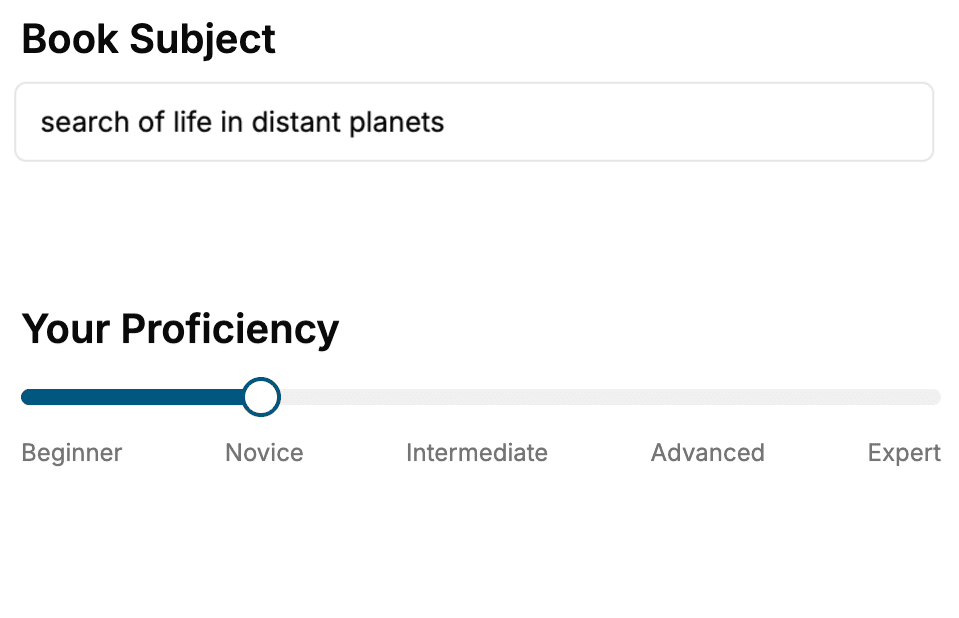
Select the focus of your Autism book and share your background
- 2. Personalize your book
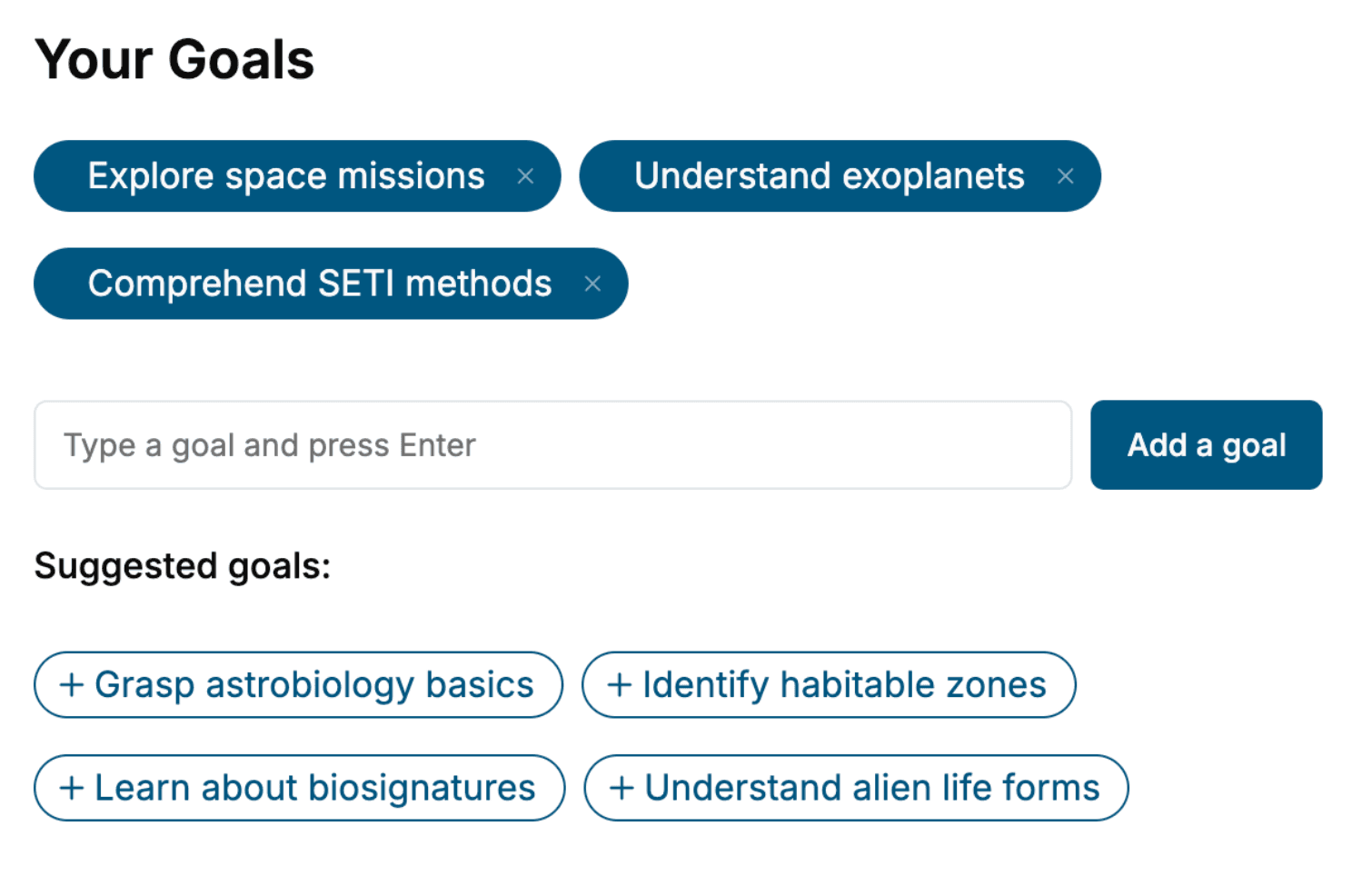
Specify your goals and choose sub-topics to include
- 3. Get your tailored book
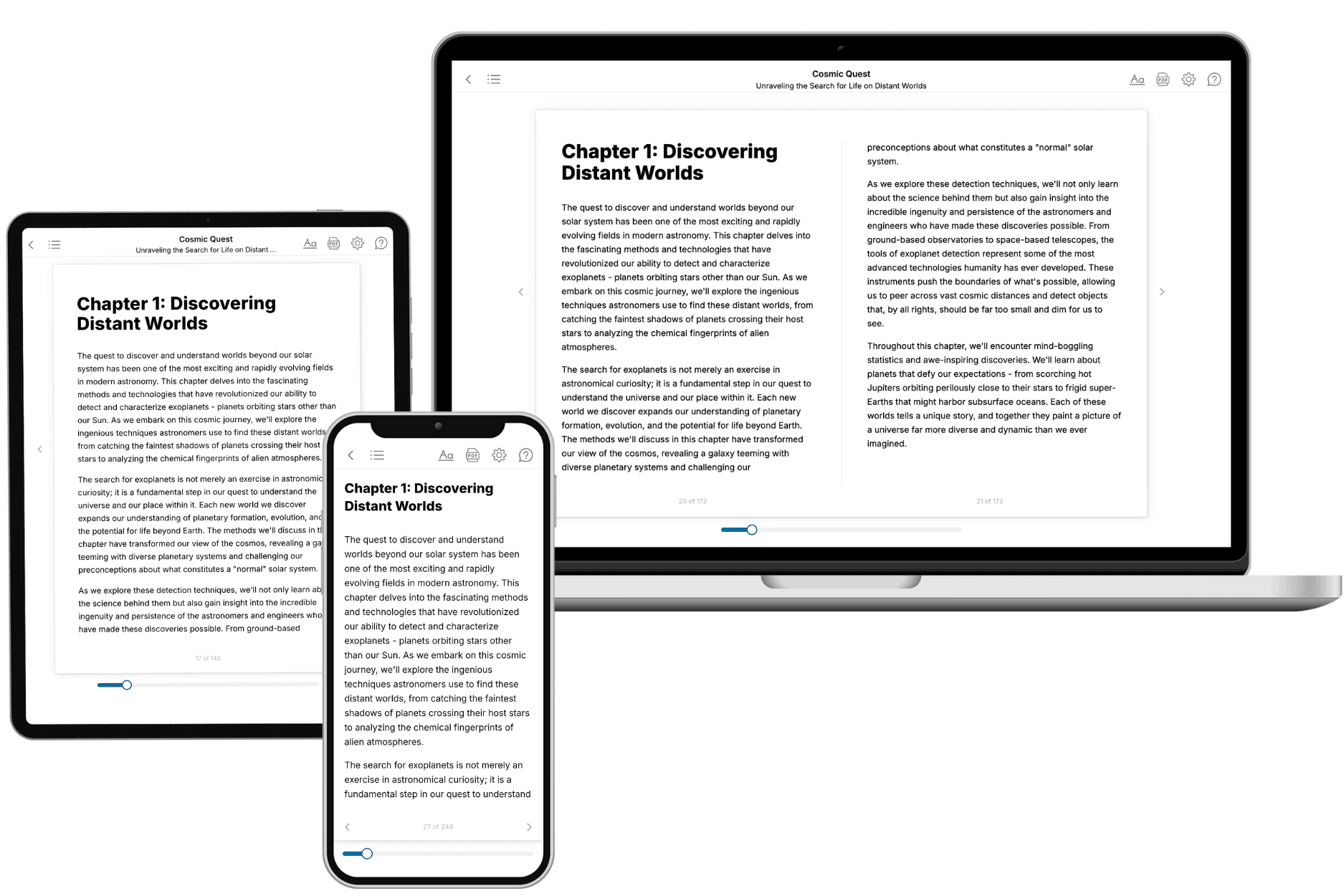
Your book is ready in 10 minutes. Read it online, download as EPUB or PDF, or send to Kindle.
Frequently asked questions
- What is TailoredRead?
TailoredRead creates complete, full-length nonfiction ebooks, written specifically for you. Tell us what you want to learn and why, and TailoredRead writes you a complete ebook on it, with charts, tables, and diagrams throughout. Read it online, on Kindle, or on any e-reader, or download it as a PDF or EPUB. Every book is written fresh the day you order it.
- How is the book tailored to me?
Before anything is written, you answer a few short questions about your goals, your background, and the topics you care about. Your book is then planned around your answers: written at your level, focused on your goals, and covering the topics you chose, instead of the one-size-fits-all book a store sells everyone.
- Will it read like generic AI content?
No. Your book isn't a chat transcript: it's planned chapter by chapter before a single word is written, told in a clear book voice, and explains ideas visually with charts, tables, and diagrams. After writing, every book goes through an editorial pass that polishes chapters so the book reads consistent from start to finish. Judge for yourself: browse thousands of sample books on our Explore Books page.
- How accurate is the content?
Our AI first checks whether your subject needs live research. Niche and fast-moving subjects are researched before writing, and the book plan and chapters are grounded in what it finds. After writing, every book goes through a quality pass that checks its facts and consistency, and researched books list their sources in a Notes section at the back.
- How long is the book?
You choose the length: Comprehensive (250-300 pages), Detailed (150-200 pages), Essential (70-100 pages), or Short (30-50 pages).
- Does the book include visuals?
Yes. Every book includes charts, tables, and diagrams: timelines, checklists, step-by-step guides, decision trees, comparison tables, matrices, and bar charts. A typical book includes dozens of these visual elements.
- Can I read it on Kindle? What formats can I download?
Yes. Every book can be read in our online reader or downloaded as a PDF or EPUB. The EPUB can be opened with Kindle, Apple Books, Kobo, and any e-reader. The Commercial and Author licenses also include an editable Word (DOCX) and Markdown download.
- How much does it cost?
About the price of a regular ebook. The exact price depends on your book's length and complexity, from $2 for the shortest books to $35 for the most comprehensive, and it's shown when you review your book, before you commit to anything. Each book is a one-time purchase, yours to keep, no subscription. Licenses that let you share, teach, or publish your book range from $35.99 to $49.99.
- Can I preview the book before purchasing?
Before you pay, you'll see what your book will cover: the title, a detailed description, the estimated length, and the complete chapter-by-chapter table of contents, so you know what you're getting before you decide. The full text itself is written after you purchase.
- How long does it take to create a book?
About 10 minutes. You can start reading the opening chapters while the rest is still being written.