Autism Books
Explore tailored Autism books created by our AI
Books readers created
7 Autism books, each written for the reader who ordered it. Read its introduction, then personalize it to get a book of your own.
Embracing Autism
A Parent's Guide to Nurturing, Supporting, and Empowering Your Child
Discover a wealth of knowledge and practical strategies in "Embracing Autism: A Parent's Guide to Nurturing, Supporting, and Empowering Your Child." This comprehensive resource is tailored for parents navigating the unique journey of raising a child with autism. Within these pages, you'll find expert guidance on managing challenging behaviors, enhancing your parent-child bond, and optimizing daily routines. Learn how to implement effective visual supports, boost emotional regulation, and improve executive functioning skills. Explore innovative approaches to strengthen family dynamics and develop coping strategies that work for both you and your child. From ABA techniques to communication skills, social development to life skills enhancement, this book covers a wide range of topics crucial for your child's growth and your family's well-being. Dive into chapters on sensory integration, social stories, autism-friendly home environments, and much more. You'll also find valuable information on available support systems, including autism support groups, occupational therapy, and social skills groups. "Embracing Autism" doesn't just focus on your child – it recognizes the importance of self-care for parents too. Discover strategies for managing stress, finding support networks, and maintaining your own well-being as you navigate this rewarding journey. Whether you're looking to understand autism and puberty, explore the benefits of creativity and mindfulness, or learn about the latest autism research, this book has you covered. Empower yourself with knowledge, gain confidence in your parenting approach, and unlock new possibilities for your child's future. "Embracing Autism" is more than just a guide – it's a companion on your path to creating a fulfilling, supportive, and joyful life for your family.
The Neurodivergent Mind
Understanding, Embracing, and Thriving with Neurological Differences
Step into a world where neurological differences are celebrated as natural variations of human experience rather than conditions to be fixed. This comprehensive guide takes you through the fascinating landscape of neurodiversity, revealing how different minds process information, experience the world, and contribute unique perspectives to our communities. You'll discover the science behind various neurotypes, from autism and ADHD to dyslexia and beyond, while learning to recognize and appreciate the strengths that come with each neurological profile. Through practical strategies and real-world applications, you'll develop the tools needed to create inclusive environments, whether in your home, workplace, or community. This book bridges the gap between understanding and action, providing you with concrete methods for supporting neurodivergent individuals while fostering a culture of acceptance and celebration. You'll explore sensory processing differences, communication variations, and executive function challenges, gaining insights that will transform how you view and interact with neurological diversity. By the end of your reading experience, you'll possess a deep appreciation for the neurodivergent mind and the confidence to advocate for inclusion, support authentic self-expression, and recognize the invaluable contributions that neurological differences bring to our world.
What if the behaviors and learning challenges you've observed weren't signs of laziness or defiance, but rather reflections of how someone's brain is wired differently? This comprehensive guide demystifies neurodevelopmental disorders through the lens of modern neuropsychology, exploring the fascinating science behind conditions like ADHD, autism spectrum disorder, dyslexia, and intellectual disabilities. You'll discover how brain development unfolds, why certain individuals process information differently, and how these differences manifest across childhood and adulthood. Rather than viewing these conditions as deficits alone, you'll learn to recognize the distinctive strengths and challenges associated with each disorder. This book equips you with practical knowledge about assessment methods, evidence-based interventions, and strategies for creating supportive environments. Whether you're a parent seeking answers, an educator wanting to better support your students, or a professional deepening your expertise, you'll gain actionable insights grounded in current neuroscience research that can meaningfully improve outcomes and quality of life.
Parenting a child with sensory processing differences can feel isolating and confusing. You notice your child reacts intensely to sounds, textures, or movements that don't seem to bother other kids. You wonder if something is wrong, or if you're simply not parenting effectively. The truth is neither—your child's nervous system processes sensory information differently, and understanding how is the first step toward meaningful support. This guide walks you through the science of sensory processing, helping you recognize the signs in your own child and understand why certain situations trigger distress. You'll discover practical, evidence-based strategies for creating calming environments, managing sensory meltdowns, and advocating for your child's needs at school and in social settings. Whether your child is hypersensitive to stimulation or seeks intense sensory input, you'll find actionable tools tailored to their unique profile. Most importantly, you'll learn to see your child's sensory differences not as deficits, but as part of their individual neurology—and discover how to help them thrive.
The Divergent Mind
Understanding Consciousness Beyond Neurotypical Frameworks
What if the way a divergent mind experiences the world isn't a malfunction to be corrected, but a fundamentally different mode of consciousness worth understanding on its own terms? This book bridges phenomenology and neuromedicine to explore how atypical minds—including those with autism, ADHD, dyslexia, and other neurodevelopmental variations—actually experience reality. Rather than viewing divergence through the lens of deficit, you'll discover how phenomenological analysis reveals the distinct intentional structures, perceptual patterns, and cognitive architectures that characterize these minds. Drawing on both clinical neuroscience and philosophical inquiry, this work examines the lived experience of divergent consciousness: how attention operates differently, how sensory information is processed and organized, and how meaning emerges through alternative cognitive pathways. You'll gain tools to understand your patients, yourself, or your own mind with greater depth and nuance, moving beyond diagnostic categories to appreciate the rich phenomenological reality of human consciousness in all its variations.
What if the way we understand developmental disabilities has been incomplete? Most discussions focus on deficits and limitations, but the intersection of developmental disabilities with mental health reveals a far more complex and hopeful picture. This comprehensive guide explores how developmental disabilities affect psychological functioning, mental health outcomes, and overall well-being. You'll discover the neurobiological foundations of conditions like autism spectrum disorder, intellectual disability, and ADHD, while learning how anxiety, depression, and other mental health challenges frequently accompany these diagnoses. The book provides practical frameworks for assessment, intervention, and support that honor both the challenges and strengths of individuals with developmental disabilities. Whether you're a parent seeking answers, a professional working in mental health or education, or someone navigating your own developmental disability, this guide offers evidence-based insights and actionable strategies to improve outcomes and foster genuine inclusion and well-being.
Many people struggle to understand why someone has difficulty expressing thoughts, understanding conversations, or mastering written language—and they don't realize these challenges often stem from language disorders, not laziness or low intelligence. This comprehensive guide demystifies language disorders by explaining how they develop, how they present across different contexts, and most importantly, what actually works to support affected individuals. You'll discover the neurological foundations of language processing, learn to recognize the subtle and obvious signs of language disorders in children and adults, and gain practical strategies for home, school, and workplace settings. Whether you're a parent noticing communication delays, an educator working with struggling students, a caregiver supporting someone with acquired language loss, or a professional seeking deeper understanding, this book provides evidence-based insights and actionable techniques. You'll explore assessment approaches, intervention strategies, technology solutions, and ways to build confidence in individuals with language disorders. By the end, you'll understand that language disorders aren't limitations to overcome—they're differences to understand and support.
Related books you may like:
Many ophthalmologists approach age-related macular degeneration management using standardized protocols that fail to account for the disease's remarkable heterogeneity and individual patient variation. This comprehensive guide bridges the gap between foundational AMD knowledge and advanced clinical practice by synthesizing the latest evidence on surgical techniques, pharmacological interventions, and diagnostic innovations. You'll master anti-VEGF injection optimization, learn to interpret multimodal imaging data for precise staging and prognosis, and develop personalized treatment algorithms that integrate genetic risk factors, biomarker monitoring, and combination therapy strategies. The book covers emerging technologies including adaptive optics imaging and complement system inhibition, while providing practical frameworks for managing complications, preventing subretinal fibrosis, and maximizing patient quality of life. Whether refining injection techniques, integrating new imaging modalities, or designing evidence-based clinical guidelines, this resource equips you with the knowledge and tools to advance your practice and improve outcomes for your AMD patients.
Imagine confidently identifying precise auricular points on your patients' ears and knowing exactly which anatomical landmarks correspond to their pain conditions. This comprehensive guide bridges the gap between anatomical knowledge and clinical practice, providing you with the practical skills needed to master auricular acupuncture. Drawing on your medical background, you'll learn the systematic mapping of ear point anatomy, develop proficiency in point sensitivity assessment, and implement evidence-based treatment protocols for both acute and chronic pain management. Each chapter builds your clinical competency through detailed anatomical descriptions, landmark identification techniques, and real-world application strategies. You'll understand the neurophysiological mechanisms underlying auricular acupuncture's effectiveness and gain the confidence to design individualized treatment plans. Whether you're treating acute injuries or managing chronic conditions, this book provides the anatomical precision and clinical frameworks necessary to deliver effective auricular acupuncture therapy and enhance your patient outcomes.
As a psychiatric nurse practitioner, you understand that ADHD extends far beyond childhood hyperactivity—yet many clinicians lack comprehensive frameworks for recognizing its complex manifestations across development and effectively integrating evidence-based interventions. This resource bridges that gap by providing clinically rigorous, practical guidance grounded in neuroscience and clinical evidence. You'll explore the neurobiological foundations of ADHD, master differential diagnosis across age groups, and implement multimodal treatment strategies that combine pharmacological management, behavioral interventions, and psychoeducational approaches. The book emphasizes neurodiversity-affirming care that reframes ADHD traits as neurological differences rather than deficits, helping your patients recognize inherent strengths like creativity and hyperfocus. Discover how to support families through psychoeducation, develop individualized coping strategies, and navigate the unique challenges of adult ADHD diagnosis and management. With practical assessment tools, treatment algorithms, and real-world clinical scenarios, this comprehensive guide enhances your ability to provide patient-centered, evidence-based care that improves outcomes and reduces stigma.
You'll gain a clear, science-based understanding of how ADHD actually works in your brain and why traditional productivity advice often fails you. This book moves beyond generic tips to explore the neurological reality of attention regulation, executive function, and dopamine sensitivity—and what that means for your daily life. You'll discover why you struggle with certain tasks while excelling at others, learn to recognize your personal ADHD patterns, and access practical strategies for managing time, emotions, relationships, and work. Whether you're newly diagnosed, self-aware but undiagnosed, or supporting someone with ADHD, you'll find evidence-based approaches to medication, therapy, lifestyle design, and environmental modifications. This isn't about "fixing" yourself—it's about understanding your brain's unique operating system and building a life that works with it, not against it. Packed with real-world examples and actionable frameworks, this guide helps you transform ADHD from a source of shame into a manageable aspect of who you are.
Imagine confidently integrating auricular acupuncture into your clinical practice with precision and evidence-based confidence. This comprehensive guide equips you with the anatomical knowledge, diagnostic skills, and practical protocols needed to master auricular point mapping and deliver superior patient outcomes. Designed specifically for physicians, this resource provides detailed visual maps of auricular points for pain management, stress relief, sleep disorders, smoking cessation, and obesity treatment. You'll learn systematic point location techniques, develop point sensitivity testing skills, and understand the neurophysiological mechanisms underlying auricular acupuncture's therapeutic effects. Whether you're treating chronic pain, managing stress-related conditions, or helping patients overcome addiction and weight management challenges, you'll discover evidence-based protocols that integrate seamlessly with your medical practice. The book includes practical guidance on needle-free auricular stimulation techniques, clinical diagnostic approaches, and strategies for patient selection and treatment monitoring. Master the specialized expertise that sets apart clinicians who achieve consistent, measurable results in auricular acupuncture practice.
Create an Autism Book Tailored to You
Create an AI-crafted book tailored to your goals, interests, and background






Benefits of AI-tailored books
- Read one book, not ten:
- all the Autism knowledge you need, gathered into a single book.
- Save days of learning:
- tell us your goals, choose your topics, and the whole book is built around them.
- Learn effortlessly:
- Autism book written for your specific background and expertise.
- Understand at a glance:
- includes charts, tables, timelines, checklists, decision trees, and more.
- Stay current:
- written the day you order it, not years ago.
- Trust what you read:
- every book is checked for accuracy, with real research when your subject needs it.
Create your unique book in 3 steps
- 1. Select your focus
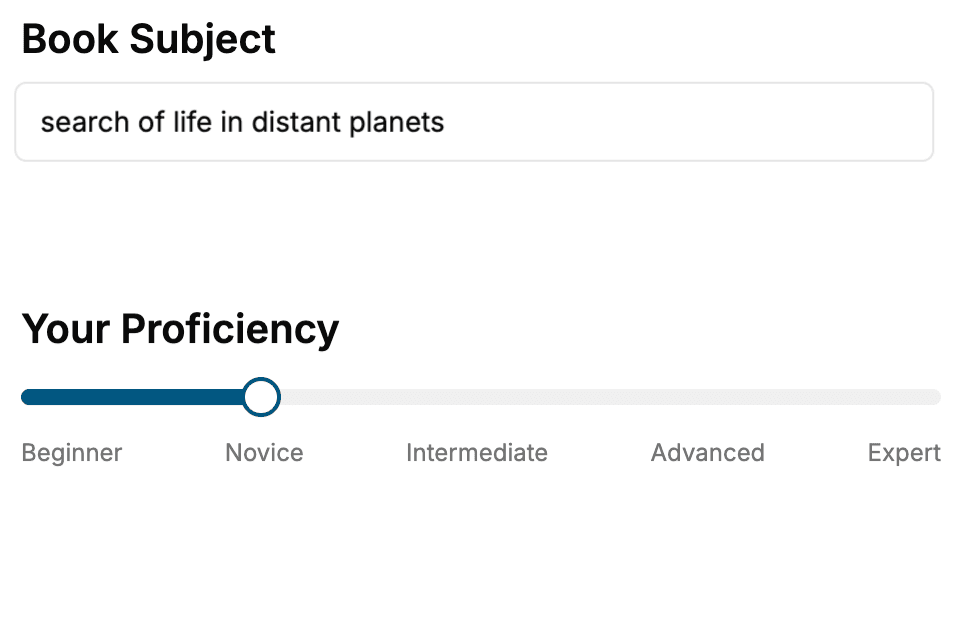
Select the focus of your Autism book and share your background
- 2. Personalize your book
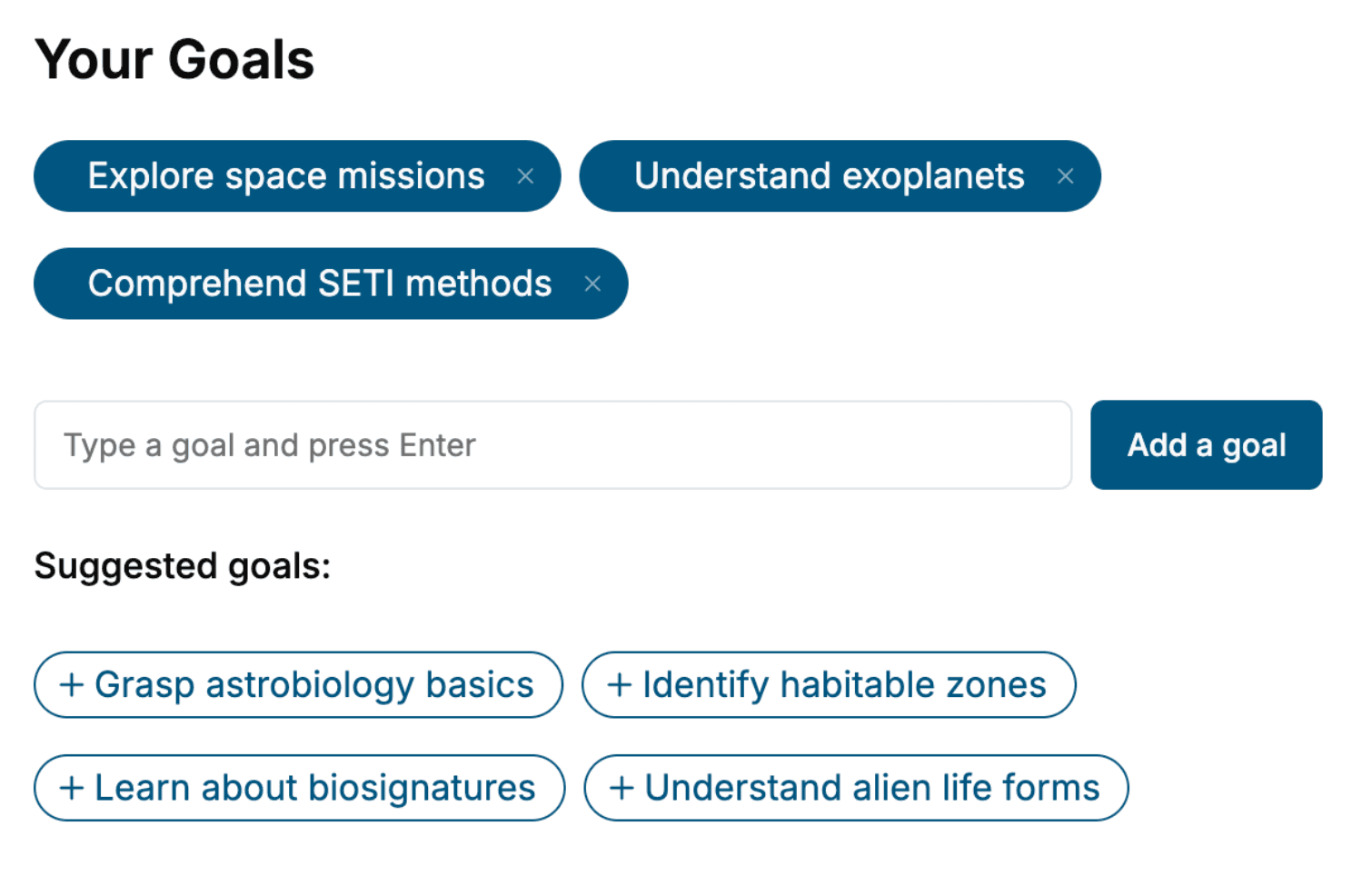
Specify your goals and choose sub-topics to include
- 3. Get your tailored book
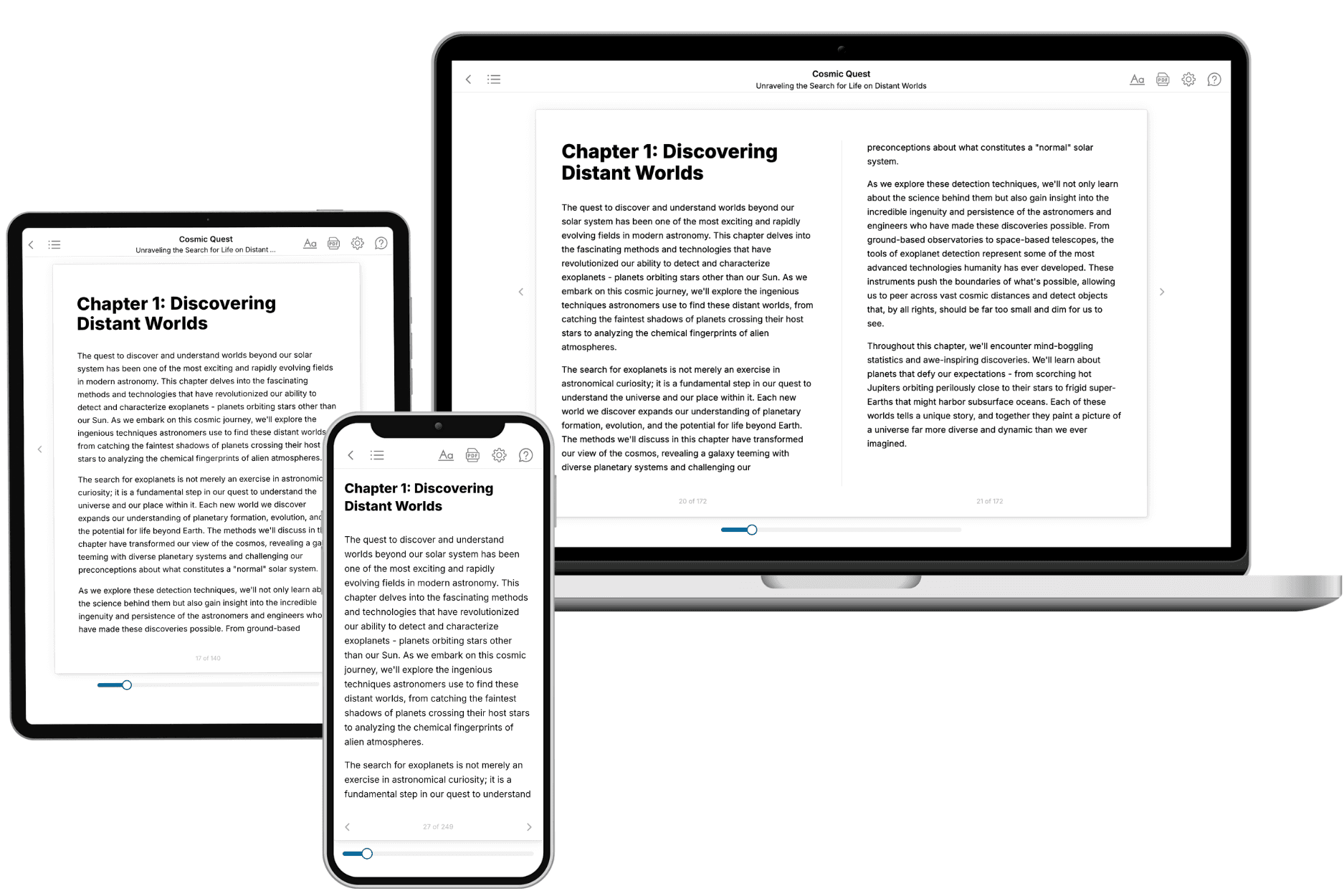
Your book is ready in 10 minutes. Read it online, download as EPUB or PDF, or send to Kindle.
Start from a template
Frequently asked questions
- What is TailoredRead?
TailoredRead creates complete, full-length nonfiction ebooks, written specifically for you. Tell us what you want to learn and why, and TailoredRead writes you a complete ebook on it, with charts, tables, and diagrams throughout. Read it online, on Kindle, or on any e-reader, or download it as a PDF or EPUB. Every book is written fresh the day you order it.
- How is the book tailored to me?
Before anything is written, you answer a few short questions about your goals, your background, and the topics you care about. Your book is then planned around your answers: written at your level, focused on your goals, and covering the topics you chose, instead of the one-size-fits-all book a store sells everyone.
- Will it read like generic AI content?
No. Your book isn't a chat transcript: it's planned chapter by chapter before a single word is written, told in a clear book voice, and explains ideas visually with charts, tables, and diagrams. After writing, every book goes through an editorial pass that polishes chapters so the book reads consistent from start to finish. Judge for yourself: browse thousands of sample books on our Explore Books page.
- How accurate is the content?
Our AI first checks whether your subject needs live research. Niche and fast-moving subjects are researched before writing, and the book plan and chapters are grounded in what it finds. After writing, every book goes through a quality pass that checks its facts and consistency, and researched books list their sources in a Notes section at the back.
- How long is the book?
You choose the length: Comprehensive (250-300 pages), Detailed (150-200 pages), Essential (70-100 pages), or Short (30-50 pages).
- Does the book include visuals?
Yes. Every book includes charts, tables, and diagrams: timelines, checklists, step-by-step guides, decision trees, comparison tables, matrices, and bar charts. A typical book includes dozens of these visual elements.
- Can I read it on Kindle? What formats can I download?
Yes. Every book can be read in our online reader or downloaded as a PDF or EPUB. The EPUB can be opened with Kindle, Apple Books, Kobo, and any e-reader. The Commercial and Author licenses also include an editable Word (DOCX) and Markdown download.
- How much does it cost?
About the price of a regular ebook. The exact price depends on your book's length and complexity, from $2 for the shortest books to $35 for the most comprehensive, and it's shown when you review your book, before you commit to anything. Each book is a one-time purchase, yours to keep, no subscription. Licenses that let you share, teach, or publish your book range from $35.99 to $49.99.
- Can I preview the book before purchasing?
Before you pay, you'll see what your book will cover: the title, a detailed description, the estimated length, and the complete chapter-by-chapter table of contents, so you know what you're getting before you decide. The full text itself is written after you purchase.
- How long does it take to create a book?
About 10 minutes. You can start reading the opening chapters while the rest is still being written.