The Neurodivergent Mind
Understanding, Embracing, and Thriving with Neurological Differences
Step into a world where neurological differences are celebrated as natural variations of human experience rather than conditions to be fixed.
300 pages15 chaptersSep 30, 2025Psychology
About this book
This comprehensive guide takes you through the fascinating landscape of neurodiversity, revealing how different minds process information, experience the world, and contribute unique perspectives to our communities. You'll discover the science behind various neurotypes, from autism and ADHD to dyslexia and beyond, while learning to recognize and appreciate the strengths that come with each neurological profile. Through practical strategies and real-world applications, you'll develop the tools needed to create inclusive environments, whether in your home, workplace, or community. This book bridges the gap between understanding and action, providing you with concrete methods for supporting neurodivergent individuals while fostering a culture of acceptance and celebration. You'll explore sensory processing differences, communication variations, and executive function challenges, gaining insights that will transform how you view and interact with neurological diversity. By the end of your reading experience, you'll possess a deep appreciation for the neurodivergent mind and the confidence to advocate for inclusion, support authentic self-expression, and recognize the invaluable contributions that neurological differences bring to our world.
Table of contents
- IntroductionRedefining Normal: The Neurodiversity Paradigm, Beyond Labels: Understanding Neurological Variation, A Strength-Based Approach to Neurological Differences, Your Journey Ahead: What This Book OffersRead below
- Chapter 1: Foundations of NeurodiversityThe History and Evolution of the Neurodiversity Movement, The Science Behind Brain Differences, Moving Beyond Binary: Spectrum Thinking, Cultural and Social Perspectives on Neurological Differences
- Chapter 2: The Neurotype LandscapeAutism Spectrum: Patterns and Variations, ADHD and Executive Function Differences, Learning Differences: Dyslexia, Dysgraphia, and Dyscalculia, Other Neurotypes: Tourette's, OCD, and Sensory Processing, Co-occurring Conditions and Complex Profiles
- Chapter 3: The Sensory World of Neurodivergent MindsUnderstanding Sensory Processing Differences, Hypersensitivity and Hyposensitivity Patterns, Sensory Seeking and Sensory Avoiding Behaviors, Creating Sensory-Friendly Environments
- Chapter 4: Communication and Connection Across NeurotypesDiverse Communication Styles and Preferences, Nonverbal Communication Variations, Social Interaction Patterns and Preferences, Building Bridges: Effective Cross-Neurotype Communication
- Chapter 5: Executive Function and OrganizationExecutive Function: The Brain's Management System, Planning, Prioritizing, and Time Management, Working Memory and Attention Regulation, Cognitive Flexibility and Adaptability, Practical Strategies for Executive Function Support
- Chapter 6: Emotional Regulation and Self-AwarenessEmotional Processing Differences Across Neurotypes, Interoception and Body Awareness, Understanding Meltdowns and Shutdowns, Developing Personal Regulation Strategies
- Chapter 7: Masking, Camouflaging, and AuthenticityUnderstanding Masking and Camouflaging Behaviors, The Costs and Benefits of Masking, The Unmasking Process: Reclaiming Authenticity, Supporting Authentic Self-Expression
- Chapter 8: Recognizing Strengths and TalentsIdentifying and Nurturing Neurotype-Specific Strengths, Special Interests and Passionate Pursuits, Cognitive Advantages and Unique Perspectives, Talent Development and Skill Building
- Chapter 9: Learning and Educational ApproachesLearning Style Differences Across Neurotypes, Inclusive Teaching Methods and Strategies, Accommodations and Modifications That Work, Alternative Educational Approaches and Settings
- Chapter 10: Workplace Inclusion and SuccessNeurodivergent Strengths in the Workplace, Workplace Accommodations and Environmental Design, Building Inclusive Team Dynamics, Career Development and Professional Growth
- Chapter 11: Relationships and Community BuildingFriendship Patterns and Social Connections, Family Dynamics and Neurodivergent Members, Romantic Relationships and Partnership, Finding Community and Belonging
- Chapter 12: Self-Advocacy and EmpowermentDeveloping Self-Advocacy Skills, Understanding and Communicating Your Needs, Setting Boundaries and Protecting Your Energy, Personal Empowerment Strategies
- Chapter 13: Supporting Neurodivergent IndividualsPrinciples of Effective Allyship, Supporting Neurodivergent Children and Teens, Supporting Neurodivergent Adults, Crisis Support and Emergency Strategies
- Chapter 14: Creating Inclusive Spaces and SystemsUniversal Design Principles for Inclusion, Implementing Organizational Change, Policy and Systemic Advocacy, Measuring and Maintaining Inclusive Practices
- Chapter 15: The Future of NeurodiversityEmerging Research and Understanding, Technology and Accessibility Innovations, Cultural Shifts and Social Progress, Preparing the Next Generation for Neurodiversity
- Conclusion
- Glossary
- Further Reading
Introduction
The human brain represents one of nature's most remarkable achievements, yet for decades, society has operated under the assumption that there exists a single "correct" way for minds to function. This narrow perspective has led to the marginalization of millions of individuals whose neurological wiring differs from what has been arbitrarily designated as "normal." The reality is far more complex and beautiful than this limited view suggests. Neurological diversity is not an aberration to be corrected but a fundamental aspect of human variation that enriches our communities, drives innovation, and offers unique perspectives that benefit everyone.
Consider the profound contributions made by individuals whose minds work differently from the majority. Temple Grandin revolutionized livestock handling through her autistic perspective on animal behavior. The hyperfocus abilities associated with ADHD have driven countless entrepreneurs to build groundbreaking companies. Dyslexic thinkers have excelled in fields requiring spatial reasoning and creative problem-solving. These achievements didn't happen despite neurological differences but because of them. When we shift our lens from deficit-based thinking to recognizing the inherent value of neurological variation, we begin to see the untapped potential that exists within neurodivergent minds.
This book challenges you to examine your assumptions about what constitutes "normal" brain function and invites you to explore a more inclusive understanding of human neurology. Whether you are a parent seeking to better support your neurodivergent child, an educator looking to create more inclusive classrooms, a workplace leader interested in harnessing diverse thinking styles, or a neurodivergent individual seeking greater self-understanding, this comprehensive guide will provide you with the knowledge and tools necessary to navigate and celebrate neurological differences. The journey ahead will transform not only how you view neurodiversity but also how you interact with the rich tapestry of human minds that surround you every day.
Redefining Normal: The Neurodiversity Paradigm
The concept of "normal" brain function has been shaped by statistical averages rather than an understanding of natural human variation. Traditional approaches to neurological differences have focused on identifying deficits and attempting to remediate them, often overlooking the strengths and unique capabilities that accompany different neurotypes. The neurodiversity paradigm represents a fundamental shift in thinking, proposing that neurological differences are natural variations of human brain development rather than disorders requiring correction. This perspective acknowledges that while some individuals may need support in certain areas, their different ways of processing information, experiencing the world, and solving problems contribute valuable perspectives to society.
The medical model has long dominated discussions about neurological differences, emphasizing pathology and dysfunction. While this approach has provided important insights into brain function and has helped many individuals access necessary support services, it has also perpetuated stigma and overlooked the positive aspects of neurological variation. The neurodiversity paradigm doesn't dismiss the real challenges that some neurodivergent individuals face, but it reframes these challenges within a broader context of human diversity. Just as we recognize that physical diversity is natural and valuable, the neurodiversity movement advocates for recognizing neurological diversity as an equally natural and valuable aspect of human variation.
Research in neuroscience has revealed that brain differences associated with conditions like autism, ADHD, dyslexia, and other neurotypes involve complex patterns of strengths and challenges. For example, studies have shown that autistic individuals often demonstrate enhanced pattern recognition abilities, superior attention to detail, and exceptional memory for specific types of information[1]. Similarly, individuals with ADHD frequently exhibit high levels of creativity, innovative thinking, and the ability to hyperfocus on areas of interest. These findings suggest that neurological differences involve trade-offs rather than simple deficits, with enhanced abilities in some areas potentially linked to challenges in others.
The implications of adopting a neurodiversity paradigm extend far beyond individual understanding to encompass educational systems, workplace practices, and social policies. When we recognize neurological differences as natural variations rather than deficits, we begin to design environments and systems that accommodate diverse ways of thinking and learning. This shift benefits not only neurodivergent individuals but also creates more flexible and innovative environments for everyone. Educational approaches that incorporate multiple learning styles, workplace designs that accommodate different sensory needs, and communication strategies that respect diverse interaction preferences all emerge from neurodiversity-informed thinking.
Embracing the neurodiversity paradigm requires examining and challenging deeply held assumptions about intelligence, capability, and success. Traditional measures of intelligence and achievement often fail to capture the full range of human cognitive abilities, particularly those that are more prevalent among neurodivergent individuals. Visual-spatial intelligence, pattern recognition, creative problem-solving, and systems thinking represent just a few examples of cognitive strengths that may be undervalued in conventional assessment approaches. By expanding our understanding of what constitutes intelligence and capability, we create space for recognizing and nurturing the diverse talents that exist across all neurotypes.
The transition from deficit-based to strength-based thinking doesn't mean ignoring the real challenges that neurodivergent individuals may face. Instead, it involves understanding these challenges within a broader context of environmental mismatch rather than inherent dysfunction. Many difficulties experienced by neurodivergent individuals stem from environments and systems designed exclusively for neurotypical ways of functioning. When we modify environments to be more inclusive and provide appropriate supports, many of these challenges can be significantly reduced. This environmental perspective shifts the focus from trying to "fix" individuals to creating more accommodating and inclusive systems.
The neurodiversity paradigm also emphasizes the importance of self-determination and authentic self-expression. Rather than encouraging neurodivergent individuals to mask or camouflage their natural ways of being, this approach supports them in developing strategies that allow them to function effectively while remaining true to their authentic selves. This might involve learning coping strategies for challenging situations while also advocating for environmental modifications that reduce the need for such strategies. The goal is not conformity but rather finding ways for individuals to thrive while honoring their neurological differences.
Understanding neurodiversity as a natural aspect of human variation has profound implications for how we approach support and intervention. Rather than focusing solely on remediation of perceived deficits, a neurodiversity-informed approach emphasizes building on existing strengths while providing targeted support for areas of challenge. This might involve developing organizational systems that work with an individual's natural thinking patterns, teaching communication strategies that honor different interaction styles, or creating sensory environments that support optimal functioning. The emphasis shifts from changing the individual to fit the environment to creating environments that accommodate diverse ways of being.
Beyond Labels: Understanding Neurological Variation
Diagnostic labels serve important functions in providing access to services, facilitating communication among professionals, and helping individuals understand their experiences. However, these labels can also create limitations when they become rigid categories that obscure the rich complexity of individual neurological profiles. Moving beyond labels doesn't mean abandoning them entirely but rather understanding them as starting points for exploration rather than definitive descriptions of a person's capabilities or limitations. Each individual represents a unique combination of strengths, challenges, preferences, and characteristics that cannot be fully captured by any single diagnostic category.
The reality of neurological variation is far more nuanced than traditional diagnostic categories suggest. Many individuals exhibit characteristics associated with multiple neurotypes, creating complex profiles that don't fit neatly into single diagnostic boxes. For example, a person might have traits associated with both autism and ADHD, or they might demonstrate some characteristics of dyslexia alongside exceptional mathematical abilities. These complex profiles are increasingly recognized as common rather than exceptional, highlighting the limitations of categorical thinking about neurological differences. Understanding this complexity helps us move toward more individualized approaches to support and accommodation.
The concept of neurological spectrums has gained recognition in recent years, acknowledging that traits associated with various neurotypes exist along continuums rather than as present-or-absent characteristics. The autism spectrum exemplifies this understanding, recognizing that autistic traits can manifest in countless different combinations and intensities. Similarly, ADHD symptoms exist along spectrums of severity and presentation, and learning differences can affect individuals in highly variable ways. This spectrum thinking encourages us to look beyond binary categories toward understanding the full range of human neurological variation.
Cultural and contextual factors significantly influence how neurological differences are perceived and experienced. What might be considered a disability in one environment could be viewed as a strength in another. For instance, the intense focus and attention to detail characteristic of many autistic individuals might be challenging in a noisy, socially demanding classroom but could be tremendous assets in research, quality control, or artistic pursuits. Similarly, the high energy and quick thinking associated with ADHD might be disruptive in traditional educational settings but could be valuable in dynamic, fast-paced work environments. Understanding these contextual factors helps us recognize that challenges often arise from environmental mismatches rather than inherent deficits.
The intersectionality of neurological differences with other aspects of identity adds another layer of complexity to understanding individual experiences. Gender, race, socioeconomic status, cultural background, and other identity factors all influence how neurological differences are perceived, diagnosed, and supported. Research has shown significant disparities in diagnosis rates across different demographic groups, with girls and individuals from minority backgrounds often being underdiagnosed or misdiagnosed[2]. These disparities highlight the importance of considering individual experiences within broader social and cultural contexts.
Moving beyond labels also involves recognizing the dynamic nature of neurological profiles. An individual's strengths, challenges, and support needs may change over time due to factors such as development, learning, environmental changes, and life experiences. A child who struggles significantly with executive function skills might develop effective coping strategies as they mature, while someone who functioned well in structured environments might face new challenges when transitioning to less predictable situations. This dynamic understanding encourages ongoing assessment and adjustment of support strategies rather than assuming that initial evaluations provide permanent blueprints for intervention.
The language we use to describe neurological differences profoundly impacts how they are perceived and experienced. Person-first language emphasizes the individual before the condition, while identity-first language recognizes neurological differences as integral aspects of identity. Both approaches have merit, and preferences often vary among individuals and communities. What matters most is respecting individual preferences and using language that promotes dignity and understanding. Moving beyond pathologizing language toward more neutral or strength-based terminology can help shift perceptions and reduce stigma associated with neurological differences.
Understanding neurological variation also requires recognizing the role of masking and camouflaging behaviors. Many neurodivergent individuals, particularly those who don't fit stereotypical presentations, develop sophisticated strategies for appearing more neurotypical in social and professional settings. While these strategies can be helpful for navigating certain situations, they can also obscure an individual's true support needs and contribute to delayed or missed diagnoses. Recognizing the prevalence and impact of masking behaviors helps us look beyond surface presentations to understand underlying neurological differences and their associated support needs.
The goal of moving beyond labels is not to eliminate recognition of neurological differences but to develop more sophisticated and individualized understanding of how these differences manifest in real-world contexts. This involves considering multiple factors including:
- Individual strengths and areas of challenge
- Environmental factors that support or hinder functioning
- Personal preferences and coping strategies
- Cultural and social contexts
- Developmental and life stage considerations
- Intersecting identity factors
A Strength-Based Approach to Neurological Differences
Traditional approaches to neurological differences have often focused primarily on identifying and addressing deficits, inadvertently overlooking the remarkable strengths and capabilities that frequently accompany different neurotypes. A strength-based approach represents a fundamental shift in perspective, beginning with the recognition and cultivation of existing abilities rather than focusing solely on areas of challenge. This approach doesn't ignore difficulties or support needs but places them within a broader context of individual capabilities and potential. Research consistently demonstrates that when interventions build upon existing strengths, individuals show greater engagement, improved outcomes, and enhanced self-esteem compared to deficit-focused approaches.
Each neurotype brings distinctive cognitive advantages that can be leveraged for personal success and societal contribution. Autistic individuals often demonstrate exceptional abilities in pattern recognition, systematic thinking, attention to detail, and memory for specific types of information. These strengths can translate into excellence in fields such as engineering, computer programming, research, quality assurance, and artistic pursuits requiring precision and focus. Many autistic individuals also possess strong moral reasoning abilities and a commitment to fairness and justice that can drive meaningful advocacy and social change efforts. Recognizing and nurturing these strengths creates pathways for success that honor neurological differences rather than attempting to suppress them.
Individuals with ADHD frequently exhibit remarkable creativity, innovative thinking, and the ability to see connections that others might miss. Their tendency toward divergent thinking can lead to breakthrough solutions and novel approaches to complex problems. The hyperfocus ability associated with ADHD, while sometimes challenging to control, can result in extraordinary productivity and achievement when directed toward areas of interest and passion. Many successful entrepreneurs, artists, and innovators credit their ADHD-related traits as contributing factors to their achievements. The high energy and enthusiasm characteristic of many individuals with ADHD can also inspire and motivate others, making them natural leaders and catalysts for change.
Learning differences such as dyslexia often co-occur with enhanced spatial reasoning abilities, creative thinking skills, and strong problem-solving capabilities. Many individuals with dyslexia excel in fields requiring three-dimensional thinking, such as architecture, engineering, art, and design. Their experience navigating learning challenges often develops resilience, determination, and creative problem-solving skills that serve them well throughout life. The different way that dyslexic brains process information can lead to unique insights and innovative approaches that benefit entire teams and organizations. Understanding these strengths helps shift the narrative from learning disability to learning difference, emphasizing capability rather than deficit.
A strength-based approach involves systematic identification and development of individual capabilities across multiple domains. This process begins with comprehensive strength assessment that goes beyond traditional academic or cognitive measures to include areas such as:
- Creative and artistic abilities
- Mechanical and technical skills
- Social and emotional intelligence
- Physical and kinesthetic strengths
- Leadership and communication capabilities
- Specialized knowledge and interests
Implementing strength-based approaches requires creating environments and opportunities that allow individuals to demonstrate and develop their capabilities. This might involve providing alternative ways to show knowledge and skills, offering choices in how tasks are completed, and creating projects that align with individual interests and strengths. In educational settings, this could mean allowing a student with strong visual-spatial skills to create diagrams or models instead of writing essays, or permitting a student with ADHD to present information through movement or hands-on demonstrations. In workplace contexts, it might involve matching individuals to roles that capitalize on their natural abilities while providing support for areas of challenge.
The development of strengths often requires explicit instruction and practice, just as addressing challenges does. Many neurodivergent individuals possess natural abilities that can be significantly enhanced through targeted skill development and practice opportunities. For example, an autistic individual with strong pattern recognition abilities might benefit from training in data analysis techniques, while someone with ADHD-related creativity might thrive with instruction in design thinking methodologies. Providing structured opportunities to develop and apply strengths helps individuals build confidence and competence while creating pathways for meaningful contribution.
Strength-based approaches also involve helping individuals understand and articulate their own capabilities. Many neurodivergent individuals, particularly those who have experienced years of deficit-focused interventions, may have difficulty recognizing their own strengths and abilities. Self-advocacy skills include the ability to identify and communicate personal strengths as well as support needs. Teaching individuals to recognize their capabilities, understand how their strengths can be applied in various contexts, and communicate effectively about their abilities empowers them to seek out opportunities that align with their neurological profiles.
The implementation of strength-based approaches benefits not only neurodivergent individuals but also the communities and organizations that embrace this perspective. Teams that include diverse neurotypes and capitalize on varied cognitive strengths consistently outperform homogeneous groups in problem-solving, innovation, and creative tasks[3]. Educational environments that honor diverse learning styles and capabilities create more engaging and effective learning experiences for all students. By focusing on what individuals can do rather than what they cannot do, we create more inclusive and productive environments that benefit everyone involved.
Your Journey Ahead: What This Book Offers
This comprehensive guide will take you on a transformative journey through the landscape of neurodiversity, providing you with both theoretical understanding and practical tools for supporting and celebrating neurological differences. Each chapter builds upon previous concepts while introducing new perspectives and strategies, creating a complete framework for understanding and working with neurodivergent minds. Whether you are seeking to better understand yourself, support a family member, create more inclusive environments, or advocate for systemic change, this book provides the knowledge and resources necessary to make meaningful progress toward your goals.
The early chapters establish foundational knowledge about neurodiversity, exploring the history and evolution of the movement, the science behind brain differences, and the various neurotypes that comprise the neurodivergent community. You'll gain insight into the biological and neurological factors that contribute to different ways of thinking and processing information, while also understanding the social and cultural contexts that shape how these differences are perceived and experienced. This foundation will help you develop a nuanced understanding of neurological variation that goes beyond stereotypes and misconceptions to embrace the full complexity of human neurodiversity.
The middle sections of the book delve into specific aspects of neurodivergent experience, including sensory processing differences, communication variations, executive function challenges, and emotional regulation patterns. Each of these areas receives detailed exploration, with practical strategies and real-world examples that illustrate how these differences manifest in daily life. You'll learn to recognize the signs of sensory overwhelm, understand different communication styles and preferences, and develop strategies for supporting executive function and emotional regulation. These chapters provide concrete tools that can be immediately applied in various settings, from homes and schools to workplaces and community organizations.
Special attention is given to the complex topics of masking and authenticity, areas that are crucial for understanding the neurodivergent experience but often overlooked in traditional approaches. You'll explore why many neurodivergent individuals develop masking behaviors, the costs and benefits of these strategies, and how to support authentic self-expression while still providing necessary skills for navigating various environments. This section includes guidance for recognizing when masking might be occurring, understanding its impact on mental health and well-being, and creating environments where authentic expression is valued and supported.
The book places significant emphasis on recognizing and developing strengths, moving beyond deficit-focused approaches to embrace the unique capabilities that different neurotypes bring to various contexts. You'll learn systematic approaches for identifying strengths, strategies for nurturing talent development, and methods for creating opportunities that allow neurodivergent individuals to showcase their abilities. This strength-based perspective permeates throughout the book, influencing how challenges are addressed and how support strategies are developed and implemented.
Practical applications receive extensive coverage across multiple life domains, including education, employment, relationships, and community participation. Each area is explored through a neurodiversity lens, with specific strategies for creating inclusive environments and supporting successful participation. You'll discover evidence-based approaches for educational accommodation, workplace inclusion strategies that benefit entire organizations, and methods for building meaningful relationships across neurotypes. These practical sections include case studies, implementation guides, and troubleshooting tips for common challenges that arise in real-world applications.
The final sections of the book focus on advocacy, empowerment, and systemic change, providing you with tools for creating broader impact beyond individual support. You'll learn about self-advocacy skills, effective allyship principles, and strategies for implementing organizational and policy changes that promote inclusion and accessibility. These chapters recognize that individual support, while important, must be accompanied by systemic changes that address the root causes of exclusion and discrimination. You'll gain practical skills for advocating at multiple levels, from individual accommodations to policy reform.
Throughout your journey with this book, you'll encounter numerous practical tools and resources designed to support implementation of the concepts and strategies presented. These include:
- Assessment frameworks for identifying strengths and support needs
- Environmental modification checklists for various settings
- Communication guides for cross-neurotype interactions
- Self-advocacy templates and scripts
- Implementation guides for organizational change
- Resource lists for ongoing learning and support
The approach taken throughout this book is intentionally inclusive and respectful, recognizing that neurodivergent individuals are the primary experts on their own experiences. The content draws heavily from first-person accounts, community wisdom, and participatory research approaches that center neurodivergent voices and perspectives. This ensures that the information presented is not only scientifically accurate but also authentic and relevant to the lived experiences of neurodivergent individuals and their families. By the end of your journey with this book, you will have gained not only knowledge and skills but also a deep appreciation for the richness and value that neurological diversity brings to our world.
Notes
Introduction
- 1. L. Mottron and others, "Enhanced perceptual functioning in autism," Journal of autism and developmental disorders, 2006
- 2. R. Loomes and others, "What is the male-to-female ratio in autism spectrum disorder?," A systematic review and meta-analysis. Journal of the American Academy of Child & Adolescent Psychiatry, 2017
- 3. R. D. Austin and G. P. Pisano, "Neurodiversity as a competitive advantage," Harvard Business Review, 2017
This is the end of the free sample. The full book has 15 chapters.
Want this book written for you?
Tell us your goals and background, and get your own version of this book, tailored by AI to you.


Benefits of AI-tailored books
- Read one book, not ten:
- all the Psychology knowledge you need, gathered into a single book.
- Save days of learning:
- tell us your goals, choose your topics, and the whole book is built around them.
- Learn effortlessly:
- Psychology book written for your specific background and expertise.
- Understand at a glance:
- includes charts, tables, timelines, checklists, decision trees, and more.
- Stay current:
- written the day you order it, not years ago.
- Trust what you read:
- every book is checked for accuracy, with real research when your subject needs it.
Create your unique book in 3 steps
- 1. Select your focus
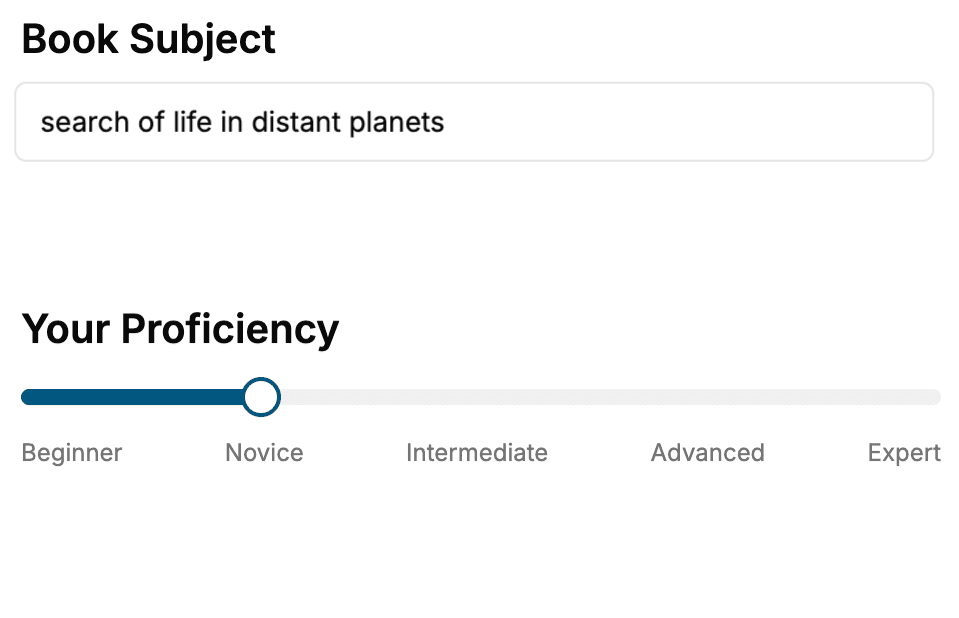
Select the focus of your Psychology book and share your background
- 2. Personalize your book
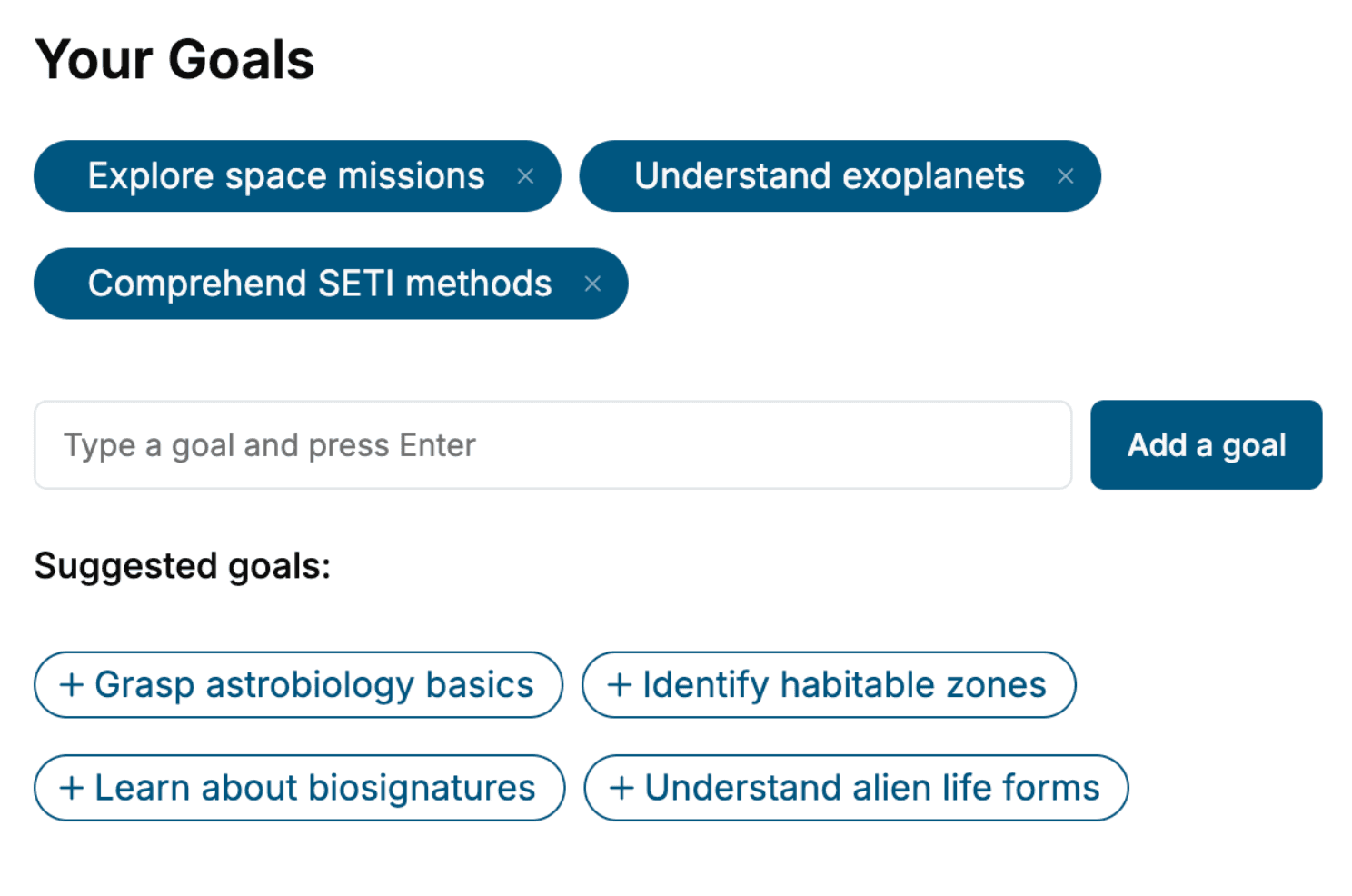
Specify your goals and choose sub-topics to include
- 3. Get your tailored book
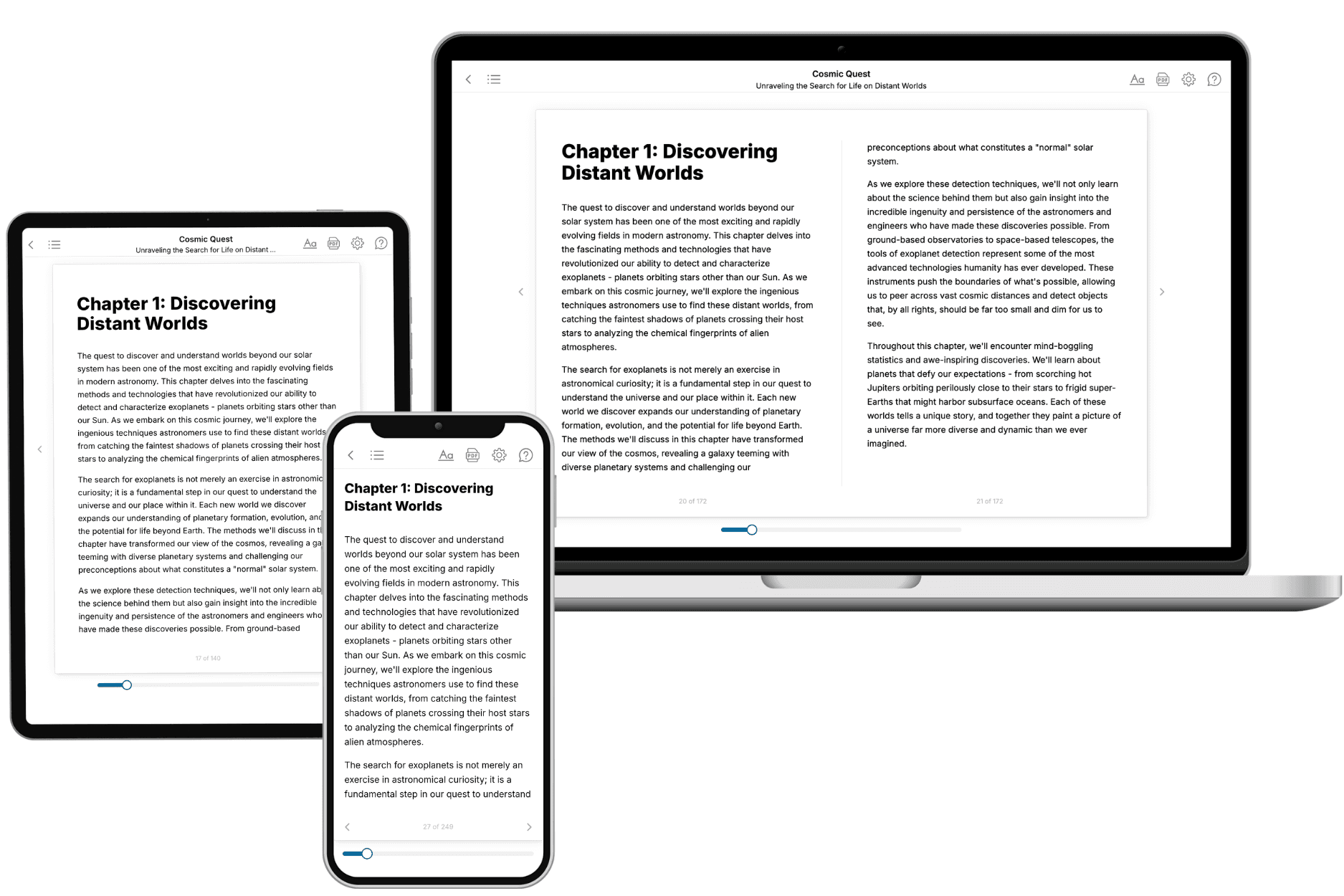
Your book is ready in 10 minutes. Read it online, download as EPUB or PDF, or send to Kindle.
Frequently asked questions
- What is TailoredRead?
TailoredRead creates complete, full-length nonfiction ebooks, written specifically for you. Tell us what you want to learn and why, and TailoredRead writes you a complete ebook on it, with charts, tables, and diagrams throughout. Read it online, on Kindle, or on any e-reader, or download it as a PDF or EPUB. Every book is written fresh the day you order it.
- How is the book tailored to me?
Before anything is written, you answer a few short questions about your goals, your background, and the topics you care about. Your book is then planned around your answers: written at your level, focused on your goals, and covering the topics you chose, instead of the one-size-fits-all book a store sells everyone.
- Will it read like generic AI content?
No. Your book isn't a chat transcript: it's planned chapter by chapter before a single word is written, told in a clear book voice, and explains ideas visually with charts, tables, and diagrams. After writing, every book goes through an editorial pass that polishes chapters so the book reads consistent from start to finish. Judge for yourself: browse thousands of sample books on our Explore Books page.
- How accurate is the content?
Our AI first checks whether your subject needs live research. Niche and fast-moving subjects are researched before writing, and the book plan and chapters are grounded in what it finds. After writing, every book goes through a quality pass that checks its facts and consistency, and researched books list their sources in a Notes section at the back.
- How long is the book?
You choose the length: Comprehensive (250-300 pages), Detailed (150-200 pages), Essential (70-100 pages), or Short (30-50 pages).
- Does the book include visuals?
Yes. Every book includes charts, tables, and diagrams: timelines, checklists, step-by-step guides, decision trees, comparison tables, matrices, and bar charts. A typical book includes dozens of these visual elements.
- Can I read it on Kindle? What formats can I download?
Yes. Every book can be read in our online reader or downloaded as a PDF or EPUB. The EPUB can be opened with Kindle, Apple Books, Kobo, and any e-reader. The Commercial and Author licenses also include an editable Word (DOCX) and Markdown download.
- How much does it cost?
About the price of a regular ebook. The exact price depends on your book's length and complexity, from $2 for the shortest books to $35 for the most comprehensive, and it's shown when you review your book, before you commit to anything. Each book is a one-time purchase, yours to keep, no subscription. Licenses that let you share, teach, or publish your book range from $35.99 to $49.99.
- Can I preview the book before purchasing?
Before you pay, you'll see what your book will cover: the title, a detailed description, the estimated length, and the complete chapter-by-chapter table of contents, so you know what you're getting before you decide. The full text itself is written after you purchase.
- How long does it take to create a book?
About 10 minutes. You can start reading the opening chapters while the rest is still being written.