Neuropsychology Books
Explore tailored Neuropsychology books created by our AI
Books readers created
26 Neuropsychology books, each written for the reader who ordered it. Read its introduction, then personalize it to get a book of your own.
The Neuropsychology Handbook
Understanding Brain-Based Disorders and Cognitive Dysfunction
Gain a deeper understanding of how brain dysfunction shapes behavior, cognition, and emotion. This comprehensive guide demystifies neuropsychological disorders by connecting brain science to real-world symptoms and challenges. You'll learn how different brain regions control specific functions, why certain injuries or diseases produce predictable patterns of cognitive change, and how modern assessment techniques identify these disorders. Whether you're exploring this field for professional development, personal understanding, or supporting someone affected by a neuropsychological condition, this book provides the knowledge you need. Discover the latest research on neuroplasticity and recovery, explore evidence-based interventions, and develop a practical framework for recognizing and understanding brain-based disorders. Written in clear, accessible language with real-world examples, this handbook bridges the gap between complex neuroscience and everyday understanding.
How confident are you that your neuropsychological interpretations accurately reflect the true cognitive abilities of your Spanish-speaking clients—rather than language barriers, cultural differences, or normative mismatches? This comprehensive guide addresses the critical gap between standard neuropsychological training and the specialized competencies required for valid assessment of Spanish-speaking and bilingual populations. Drawing on current research and forensic best practices, you'll master language dominance measurement, navigate Spanish normative databases with confidence, and understand how acculturation and bilingualism fundamentally alter cognitive performance. Learn to detect malingering in bilingual contexts, calibrate validity indicators appropriately, and conduct culturally-informed clinical interviews that elicit accurate diagnostic information. Whether you're evaluating cognitive decline, traumatic brain injury, or forensic cases, this book provides the evidence-based frameworks and practical protocols you need to enhance diagnostic accuracy, strengthen your forensic opinions, and ensure your Spanish-speaking clients receive assessments that truly reflect their neuropsychological status.
Face Blind
Understanding Prosopagnosia and How Your Brain Recognizes Faces
You walk into a room and see someone familiar, but their face is a blank slate. You've known them for years, yet you can't place them. This isn't forgetfulness—it's prosopagnosia, or face blindness, a neurological condition that disrupts how your brain processes faces. Whether you suspect you have it, know someone who does, or simply want to understand this fascinating perceptual phenomenon, this book cuts through the confusion. You'll discover how your brain's face-recognition systems work, why they sometimes fail, and what that reveals about perception itself. Learn the difference between developmental and acquired prosopagnosia, explore the surprising prevalence of this condition, and discover practical strategies that help people navigate social and professional life. Through real examples, psychological research, and accessible explanations, you'll understand that face blindness isn't a deficit in intelligence or memory—it's a unique way of processing visual information. This book combines neuroscience, psychology, and practical wisdom to help you make sense of facial recognition, whether you're experiencing it firsthand or understanding it from the outside.
The Divergent Mind
Understanding Consciousness Beyond Neurotypical Frameworks
What if the way a divergent mind experiences the world isn't a malfunction to be corrected, but a fundamentally different mode of consciousness worth understanding on its own terms? This book bridges phenomenology and neuromedicine to explore how atypical minds—including those with autism, ADHD, dyslexia, and other neurodevelopmental variations—actually experience reality. Rather than viewing divergence through the lens of deficit, you'll discover how phenomenological analysis reveals the distinct intentional structures, perceptual patterns, and cognitive architectures that characterize these minds. Drawing on both clinical neuroscience and philosophical inquiry, this work examines the lived experience of divergent consciousness: how attention operates differently, how sensory information is processed and organized, and how meaning emerges through alternative cognitive pathways. You'll gain tools to understand your patients, yourself, or your own mind with greater depth and nuance, moving beyond diagnostic categories to appreciate the rich phenomenological reality of human consciousness in all its variations.
The Neurodivergent Mind
Understanding, Embracing, and Thriving with Neurological Differences
Step into a world where neurological differences are celebrated as natural variations of human experience rather than conditions to be fixed. This comprehensive guide takes you through the fascinating landscape of neurodiversity, revealing how different minds process information, experience the world, and contribute unique perspectives to our communities. You'll discover the science behind various neurotypes, from autism and ADHD to dyslexia and beyond, while learning to recognize and appreciate the strengths that come with each neurological profile. Through practical strategies and real-world applications, you'll develop the tools needed to create inclusive environments, whether in your home, workplace, or community. This book bridges the gap between understanding and action, providing you with concrete methods for supporting neurodivergent individuals while fostering a culture of acceptance and celebration. You'll explore sensory processing differences, communication variations, and executive function challenges, gaining insights that will transform how you view and interact with neurological diversity. By the end of your reading experience, you'll possess a deep appreciation for the neurodivergent mind and the confidence to advocate for inclusion, support authentic self-expression, and recognize the invaluable contributions that neurological differences bring to our world.
Imagine confidently formulating complex HIE cases with precision, integrating cutting-edge neuroscience with rigorous forensic standards to generate defensible prognostic opinions. This comprehensive resource bridges the gap between clinical neuropsychology and forensic practice, providing board-certified professionals with advanced frameworks for understanding hypoxic ischemic encephalopathy in pediatric populations. You'll explore the intricate pathophysiology of hypoxic injury in developing brains, master evidence-based outcome prediction models, and learn to synthesize acute biomarkers with long-term neuropsychological assessment findings. The book addresses the unique vulnerabilities of the pediatric brain, the cascading mechanisms of ischemic injury, and the specific challenges of pediatric neuropsychological assessment in forensic contexts. You'll gain practical guidance on selecting appropriate assessment batteries, interpreting standardized outcome measures, and integrating medical-legal expert witness standards into your case formulation process. Whether you're strengthening your testimony, refining prognostic accuracy, or developing specialized case formulations, this resource provides the evidence-based foundation and practical tools necessary for advanced forensic neuropsychological practice with HIE cases.
Discover how your brain can create vivid scents that don't exist and why entire communities sometimes experience the same phantom odors simultaneously. This book explores the fascinating intersection of neuroscience, psychology, and collective behavior, examining olfactory hallucinations from multiple perspectives. You'll learn why the sense of smell is uniquely connected to emotion and memory, how suggestion and expectancy can trigger genuine sensory experiences, and what happens when individual hallucinations spread through groups as mass hysteria. Through real-world case studies, historical events, and scientific research, you'll understand the mechanisms behind phantom scents—from neurological misfirings to psychological factors like stress and trauma. Whether you're curious about the science of perception, interested in understanding mass psychology, or seeking to recognize these phenomena in your own life, this book provides practical insights and evidence-based explanations that bridge the gap between individual neurology and collective experience.
ADHD Unmasked
Understanding Your Brain, Reclaiming Your Life
You'll gain a clear, science-based understanding of how ADHD actually works in your brain and why traditional productivity advice often fails you. This book moves beyond generic tips to explore the neurological reality of attention regulation, executive function, and dopamine sensitivity—and what that means for your daily life. You'll discover why you struggle with certain tasks while excelling at others, learn to recognize your personal ADHD patterns, and access practical strategies for managing time, emotions, relationships, and work. Whether you're newly diagnosed, self-aware but undiagnosed, or supporting someone with ADHD, you'll find evidence-based approaches to medication, therapy, lifestyle design, and environmental modifications. This isn't about "fixing" yourself—it's about understanding your brain's unique operating system and building a life that works with it, not against it. Packed with real-world examples and actionable frameworks, this guide helps you transform ADHD from a source of shame into a manageable aspect of who you are.
Discover how your brain actively constructs the world you experience rather than simply recording it like a camera. This book reveals the fascinating science behind perception—why optical illusions fool you, how your attention shapes what you notice, and why two people can witness the same event yet remember it completely differently. You'll explore the mechanisms of sensory processing, learn how expectations and past experiences bias your perception, and understand why your brain sometimes sees things that aren't there. Through engaging explanations and real-world examples, you'll gain practical insights into how perceptual processes influence your decisions, relationships, and understanding of reality. Whether you're interested in psychology, neuroscience, or simply understanding yourself better, this book provides the knowledge to recognize your perceptual blind spots and appreciate the remarkable complexity of how you see the world.
What if the conflicts in your relationships, your career decisions, and even your political beliefs are all rooted in how your brain is wired? This book reveals the neuropsychological foundations of social behavior, showing you how brain structure and function directly shape the way you interact with others, make decisions, and navigate society. Rather than treating neuroscience and social behavior as separate domains, you'll discover how they're intimately connected. From the mirror neurons that enable empathy to the stress systems that drive conflict, from cognitive biases that influence judgment to the neurochemistry of trust and bonding, you'll gain practical insights into why people behave the way they do—including yourself. Whether you're interested in improving relationships, understanding mental health, or making sense of cultural patterns, this book provides the neuropsychological framework to see human behavior in a new light.
Advance your psychology research from competent to cutting-edge. This comprehensive guide bridges the gap between foundational psychology knowledge and the sophisticated methods driving contemporary discoveries. You'll master modern research design approaches—from mixed-methods and longitudinal studies to meta-analysis—while understanding how neuroscience breakthroughs are reshaping psychological science. Learn to integrate biopsychosocial models into your work, strengthen your quantitative analysis skills, and design dissertation proposals that reflect current scientific standards. Explore neuroplasticity mechanisms, cognitive neuroscience innovations, and behavioral genetics methods that reveal how biology, behavior, and environment interact. Whether you're developing your dissertation, seeking to understand neurotransmitter research, or aiming to apply recent findings to clinical practice, this book provides the strategic framework and practical tools to elevate your research impact and career trajectory in psychology.
Discover how your brain can create vivid taste sensations that don't actually exist—and why entire groups of people sometimes experience the same phantom flavors simultaneously. This book explores the fascinating world of gustatory hallucinations, revealing the psychological and neurological mechanisms behind false taste experiences. You'll learn how suggestion, emotion, and social influence can trick your sensory system, why mass hysteria involving taste occurs, and what distinguishes genuine hallucinations from other sensory phenomena. Through real-world case studies and scientific research, you'll understand the surprising ways your mind constructs reality and how collective psychology can create shared false experiences. Whether you're interested in neuroscience, psychology, or simply understanding the quirks of human perception, this book provides clear, evidence-based insights into one of the mind's most intriguing mysteries.
Most people don't realize that their thoughts, emotions, and behaviors are fundamentally rooted in biology. You might struggle to understand why you react the way you do, why certain situations trigger anxiety, or why motivation seems to come and go. The missing piece is understanding the biological systems driving these experiences. This book bridges the gap between abstract psychology and concrete neuroscience, revealing how your brain's structure, chemistry, and physiology shape every aspect of your mental life. You'll discover how neurotransmitters influence your mood, how hormones regulate your stress response, and why sleep and nutrition matter more than you think. Rather than treating psychology and biology as separate subjects, this book shows how they're inseparably linked. Whether you're curious about why you behave the way you do, interested in optimizing your mental health, or simply want to understand the science behind human nature, this guide provides the knowledge you need to make sense of yourself and others.
What if the behaviors and learning challenges you've observed weren't signs of laziness or defiance, but rather reflections of how someone's brain is wired differently? This comprehensive guide demystifies neurodevelopmental disorders through the lens of modern neuropsychology, exploring the fascinating science behind conditions like ADHD, autism spectrum disorder, dyslexia, and intellectual disabilities. You'll discover how brain development unfolds, why certain individuals process information differently, and how these differences manifest across childhood and adulthood. Rather than viewing these conditions as deficits alone, you'll learn to recognize the distinctive strengths and challenges associated with each disorder. This book equips you with practical knowledge about assessment methods, evidence-based interventions, and strategies for creating supportive environments. Whether you're a parent seeking answers, an educator wanting to better support your students, or a professional deepening your expertise, you'll gain actionable insights grounded in current neuroscience research that can meaningfully improve outcomes and quality of life.
What if the most powerful healing conversations your clients have never involve words at all? Therapeutic art journals bypass the limitations of talk therapy by engaging the brain's creative centers and accessing trauma stored beyond language. This practical guide equips you with evidence-based techniques to integrate art-making into your clinical sessions, grounded in neuroscience and attachment theory. You'll learn how to design trauma-informed prompts that honor client autonomy, implement containment strategies that keep sessions safe, and assess progress through visual documentation. Whether you're working with individual clients processing grief and attachment wounds or facilitating group art therapy, this book provides concrete frameworks for selecting materials, understanding symbolic meaning, and recognizing when art-based interventions support nervous system healing. Master the intersection of neurobiology and creativity to expand your therapeutic toolkit and help clients discover resilience through their own hands.
Discover how the human brain can create vivid sensations that feel absolutely real—even when nothing is actually touching your skin. This book takes you through the fascinating world of tactile hallucinations, exploring how individual perception becomes collective experience through mass hysteria and psychological contagion. You'll learn the neuroscience behind why your brain sometimes generates false sensory signals, the psychological conditions that trigger these experiences, and the social dynamics that can cause entire groups to share the same phantom sensations. Through historical case studies, contemporary examples, and scientific research, you'll understand how expectation shapes perception, how stress amplifies sensory distortions, and why these phenomena have captivated researchers for centuries. Whether you're interested in psychology, neuroscience, or simply understanding the mysterious ways our minds work, this book reveals the hidden mechanisms that blur the line between reality and perception.
Imagine yourself six months from now, demonstrating a level of skill and competence that surprises everyone around you—including yourself. You've moved from struggling with the fundamentals to executing with confidence and precision. This isn't luck or natural talent; it's the result of understanding how deliberate practice actually works. This book reveals the science-backed framework that separates those who improve dramatically from those who plateau. You'll discover how to leverage your brain's neuroplasticity, apply psychological principles to maintain motivation, and use neuro-linguistic programming techniques to accelerate learning. Rather than grinding through endless hours of unfocused practice, you'll learn to design practice sessions that target your specific weaknesses, incorporate effective feedback mechanisms, and align your mental state with your goals. Whether you're developing professional skills, mastering a sport, learning an instrument, or improving any domain of expertise, this guide provides the practical tools and psychological insights you need to transform effort into results. You'll understand why some practice sessions move you forward while others waste your time, and exactly how to structure your learning for maximum progress.
Many people believe that avoiding their fears is the best way to manage anxiety—but this approach actually makes anxiety worse over time. Exposure therapy challenges this misconception by demonstrating that facing fears in a controlled, gradual way is the most effective path to lasting relief. This comprehensive guide explains how exposure therapy works at both the psychological and neurological levels, making complex concepts accessible without oversimplifying. You'll learn why avoidance strengthens anxiety, how your brain's threat detection system can be retrained, and exactly how to implement exposure techniques safely and effectively. Whether you're struggling with specific phobias, social anxiety, panic attacks, PTSD, or OCD, this book provides practical frameworks, real-world examples, and step-by-step guidance for working with exposure therapy. You'll discover different exposure methods, how to prepare mentally and physically, how to measure progress, and how to maintain gains long-term. This is essential reading for anyone ready to move beyond anxiety and reclaim their life.
The challenge facing modern scholars is that evolutionary psychology research evolves faster than most practitioners can keep pace with. New discoveries about epigenetics, neuroevolution, and cultural evolution emerge constantly, yet integrating these findings into a coherent understanding of human behavior remains difficult. This book bridges that gap by synthesizing the latest 2024-2025 research developments in evolutionary psychology and translating them into actionable insights. You'll explore cutting-edge research on how genes and environment interact through epigenetic mechanisms, how brain structures evolved to enable both cooperation and competition, and how cultural evolution creates feedback loops with biological evolution. Each chapter connects theoretical frameworks to real-world social dynamics—from mating behavior and kinship to ingroup preferences and moral judgment. Whether you're teaching evolutionary psychology, conducting research, or simply seeking to deepen your understanding of human nature, this book provides the contemporary evidence base and analytical tools you need to engage with the field's most exciting developments.
What if the cognitive changes you're noticing in yourself or a loved one could be addressed before they progress further? Neurodegenerative diseases affect millions worldwide, yet many people lack clear understanding of what's happening in the brain, why symptoms emerge, and what can actually be done about it. This book cuts through the confusion with clear, evidence-based explanations of how these diseases develop and progress. You'll discover the psychological mechanisms underlying cognitive decline, learn which lifestyle factors genuinely protect brain health, and explore practical strategies for managing symptoms and supporting affected individuals. Whether you're concerned about your own cognitive future, supporting a family member, or working in a healthcare field, this guide provides the knowledge and tools you need to navigate neurodegenerative disease with confidence and compassion. Grounded in current neuroscience and psychology research, it balances scientific rigor with accessibility, offering both understanding and actionable guidance for living well despite neurological challenges.
The Bilingual Mind
Mastering Two Languages, Bridging Two Worlds
Many people believe that true bilingualism means speaking two languages with native-like perfection, leading to frustration and self-doubt when they struggle to express complex thoughts in their second language or find themselves mixing languages mid-conversation. This misconception prevents countless individuals from recognizing and developing their natural bilingual abilities. The reality is far more nuanced and encouraging. Bilingualism exists on a spectrum, and your unique linguistic profile—whether you learned languages simultaneously as a child, acquired a second language in school, or developed multilingual skills through life circumstances—has shaped your brain in remarkable ways. Your ability to navigate between languages, cultures, and contexts represents a sophisticated cognitive skill that deserves recognition and refinement. This comprehensive guide explores the fascinating world of bilingual communication, from the neurological advantages of speaking multiple languages to practical strategies for maintaining and improving your skills in both. You'll discover how to embrace code-switching as a natural part of bilingual expression, understand the deep connections between language and cultural identity, and develop confidence in your multilingual abilities. Whether you're seeking to strengthen your heritage language, improve your second language proficiency, or simply understand the bilingual experience better, this book provides the insights and tools you need to thrive as a speaker of multiple languages in our interconnected world.
This comprehensive guide takes you from intermediate hypnotherapy knowledge to clinical mastery. You'll discover the neuroscience behind trance deepening and learn proven strategies to guide clients into profound altered states where real therapeutic change becomes possible. Master the art of anchoring emotional resources—creating lasting neurological patterns that empower your clients to access confidence, calm, and resilience whenever they need it. Learn to design post-hypnotic suggestions with surgical precision, ensuring they trigger at exactly the right moment and produce the exact results your clients seek. Throughout this book, you'll explore Ericksonian methods that work with rather than against client resistance, integrate hypnosis seamlessly into your existing counseling practice, and develop the advanced skills that distinguish exceptional hypnotherapists from competent practitioners. Each technique is grounded in neurobiology and supported by clinical evidence, giving you the confidence to apply these methods with your most challenging cases.
Understanding Abnormal Psychology
From Theory to Real-World Application
What makes behavior "abnormal"—and who decides? This book moves beyond simplistic definitions to explore the complex reality of psychological disorders. You'll discover how abnormal psychology isn't about labeling people as "sick" or "broken," but rather understanding the biological, psychological, and social factors that contribute to human suffering and dysfunction. Through clear explanations of major disorder categories—from anxiety and depression to personality disorders and psychotic conditions—you'll gain insight into how these conditions develop, how they're diagnosed, and what evidence-based treatments actually work. Whether you're studying psychology, supporting someone with a mental health condition, or simply curious about the human mind, this book provides the knowledge to understand abnormal psychology with nuance and compassion. You'll learn to recognize the difference between normal stress and clinical disorder, understand why diagnosis matters, and appreciate the complexity of mental health in our modern world.
Impulse control disorders affect millions of people, creating cycles of regret, shame, and damaged relationships. This handbook guides you through understanding what's happening in your brain when impulses take over, why traditional willpower fails, and what actually works. You'll discover the neurobiological foundations of impulse control, learn to identify your personal triggers and warning signs, and gain access to proven strategies used by therapists and neuroscientists. Whether you struggle with compulsive behaviors, risky decisions, or emotional outbursts, this book provides a roadmap for reclaiming control. You'll explore cognitive-behavioral techniques, environmental design strategies, medication options, and lifestyle changes that address the root causes rather than just symptoms. Real-world examples and practical exercises help you apply these concepts immediately. This isn't about perfection—it's about understanding yourself better and building sustainable change through evidence-based approaches that actually fit your life.
Consciousness Unbound
Exploring Altered States and the Nature of Mind
Most of us experience consciousness in a narrow band of ordinary waking awareness, assuming this is the only "real" way the mind can function. But altered states of consciousness—whether induced through meditation, dreams, psychoactive substances, or neurological conditions—reveal something profound: our everyday perception is just one possible configuration of the mind. This book explores what altered states tell us about the fundamental nature of consciousness itself. You'll discover how these states challenge our assumptions about reality, perception, and the relationship between brain and mind. Rather than treating altered consciousness as merely abnormal or recreational, this exploration examines them as legitimate windows into how consciousness actually works. By understanding the philosophical implications of altered states, you'll gain deeper insight into your own mind, the nature of subjective experience, and what it means to be conscious at all.
Mind Mastery Blueprint
Personalized Pathways to Master Philosophy of Mind Concepts
The mind-body problem has puzzled philosophers and scientists for centuries: how does subjective experience arise from physical matter? With your background in rigorous analytical disciplines, you're positioned to engage deeply with this question, yet the fragmented landscape of competing theories—dualism, physicalism, emergentism, functionalism—can obscure rather than clarify. This book synthesizes philosophy of mind's most important frameworks, arguments, and contemporary neuroscience findings into a coherent, intellectually rigorous exploration. You'll examine consciousness theories from multiple angles, understand the hard problem and why it resists easy solutions, explore mental representation and qualia, and discover how philosophical analysis and empirical neuroscience inform each other. Rather than advocating for one position, this book equips you with the conceptual tools to evaluate competing views critically, recognize their strengths and limitations, and develop your own informed perspective on consciousness, mind, and the nature of subjective experience.
Related books you may like:
You're about to supercharge your animal advocacy efforts and nonprofit management skills with the power of AI. This groundbreaking guide is tailored specifically for leaders in the animal rights movement who are ready to harness cutting-edge technology to make a bigger impact. Discover how to leverage AI tools to streamline your operations, enhance your strategic planning, and amplify your advocacy campaigns. You'll learn practical techniques for automating administrative tasks, optimizing your workflow, and making data-driven decisions that will take your organization to the next level. From improving time management and task delegation to enhancing donor engagement and project tracking, this book offers a comprehensive roadmap for integrating AI into every aspect of your work. You'll gain insights into AI-driven research methods, problem-solving techniques, and productivity metrics that will revolutionize the way you approach animal advocacy.
Discover how air sign energy shapes your thinking, communication style, and approach to relationships. Whether you have a Gemini, Libra, or Aquarius placement in your birth chart, this guide reveals the intellectual and social gifts these signs bring—along with the blind spots worth understanding. You'll learn why air signs are natural communicators and idea-generators, how each sign expresses itself uniquely, and how your specific air sign placements influence your personality across different life areas. Through practical insights and real-world examples, you'll recognize air sign patterns in yourself and others, harness your natural strengths in connection and innovation, and navigate the challenges of overthinking and emotional detachment. Whether you're exploring your Sun, Moon, Rising, or other planetary placements, this book provides the clarity you need to work with your air sign energy authentically and effectively.
What if you could resolve years of trauma in just a handful of therapy sessions instead of months or years of traditional talk therapy? Accelerated Resolution Therapy (ART) offers a scientifically-grounded approach that harnesses your brain's natural healing capacity to process traumatic memories and emotional distress rapidly. This book demystifies how ART works at the neurological level, explains why it's so effective for conditions like PTSD, anxiety, and phobias, and explores how it differs from conventional therapeutic approaches. Whether you're a mental health professional considering adding ART to your practice, someone exploring treatment options for yourself or a loved one, or simply curious about innovative psychological interventions, this guide provides practical insights into one of the most promising developments in modern therapy. Discover how guided imagery and eye movement can facilitate profound emotional healing, what the research shows about its effectiveness, and whether ART might be the breakthrough approach you've been seeking.
The assumption that political parties are natural, inevitable, or even desirable features of democracy is surprisingly recent. For most of Western political history, the most sophisticated thinkers viewed organized factions as corrupting forces that distorted the pursuit of the common good. This book traces the genealogy of anti-party political thought from Plato's critique of democratic factionalism through contemporary populist movements, examining how philosophers, statesmen, and theorists have conceptualized the dangers of partisanship and imagined alternatives. You'll encounter Rousseau's vision of a general will transcending faction, the Federalist Papers' constitutional anxiety about party machinery, Tocqueville's ambivalent analysis of American partisanship, and the radical rejection of parties by socialist and anarchist movements. Rather than treating anti-party sentiment as mere nostalgia or populist demagoguery, this analysis reveals it as a coherent intellectual tradition grappling with enduring tensions between democratic participation and organized political competition. By understanding how different historical periods and ideological traditions have confronted the problem of faction, you gain critical perspective on contemporary debates about party reform, populism, and democratic alternatives.
Many people believe that behavior is determined either by our genetics or by direct rewards and punishments we experience. However, Albert Bandura's groundbreaking research revealed a more nuanced truth: we learn by watching others. This book explores the life and work of one of psychology's most influential figures and the revolutionary theory that transformed our understanding of human behavior. You'll discover how Bandura's concept of self-efficacy explains why some people persevere through challenges while others give up, how observational learning shapes everything from aggression to prosocial behavior, and why the environment, our thoughts, and our actions are constantly influencing each other. Whether you're an educator seeking to improve student outcomes, a professional interested in behavior change, or simply curious about the science of learning, this comprehensive guide illuminates the principles that govern human development and provides practical insights into how these theories apply to everyday life.
Create a Neuropsychology Book Tailored to You
Create an AI-crafted book tailored to your goals, interests, and background





Benefits of AI-tailored books
- Read one book, not ten:
- all the Neuropsychology knowledge you need, gathered into a single book.
- Save days of learning:
- tell us your goals, choose your topics, and the whole book is built around them.
- Learn effortlessly:
- Neuropsychology book written for your specific background and expertise.
- Understand at a glance:
- includes charts, tables, timelines, checklists, decision trees, and more.
- Stay current:
- written the day you order it, not years ago.
- Trust what you read:
- every book is checked for accuracy, with real research when your subject needs it.
Create your unique book in 3 steps
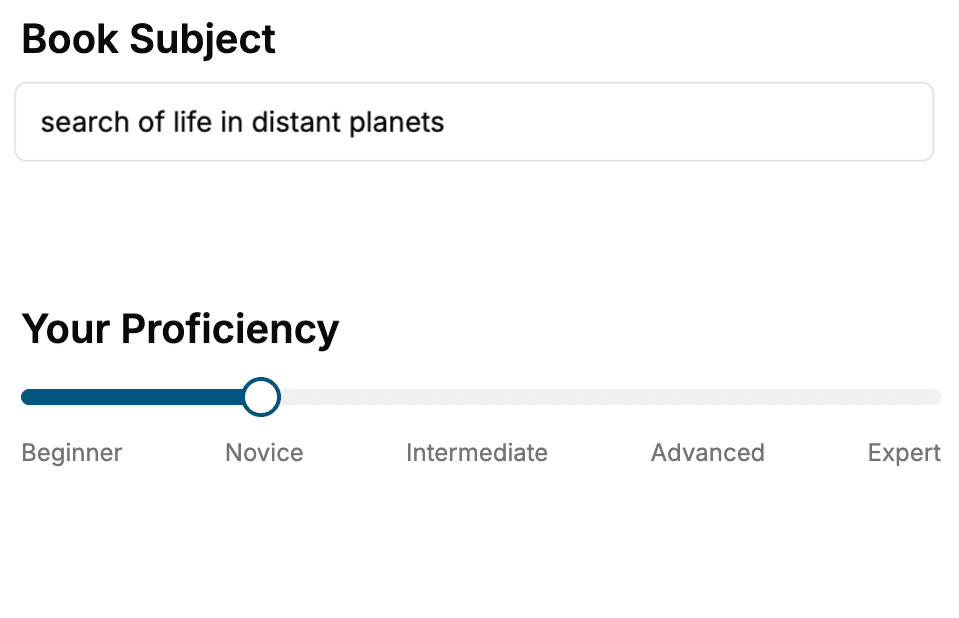
- 1. Select your focus
Select the focus of your Neuropsychology book and share your background
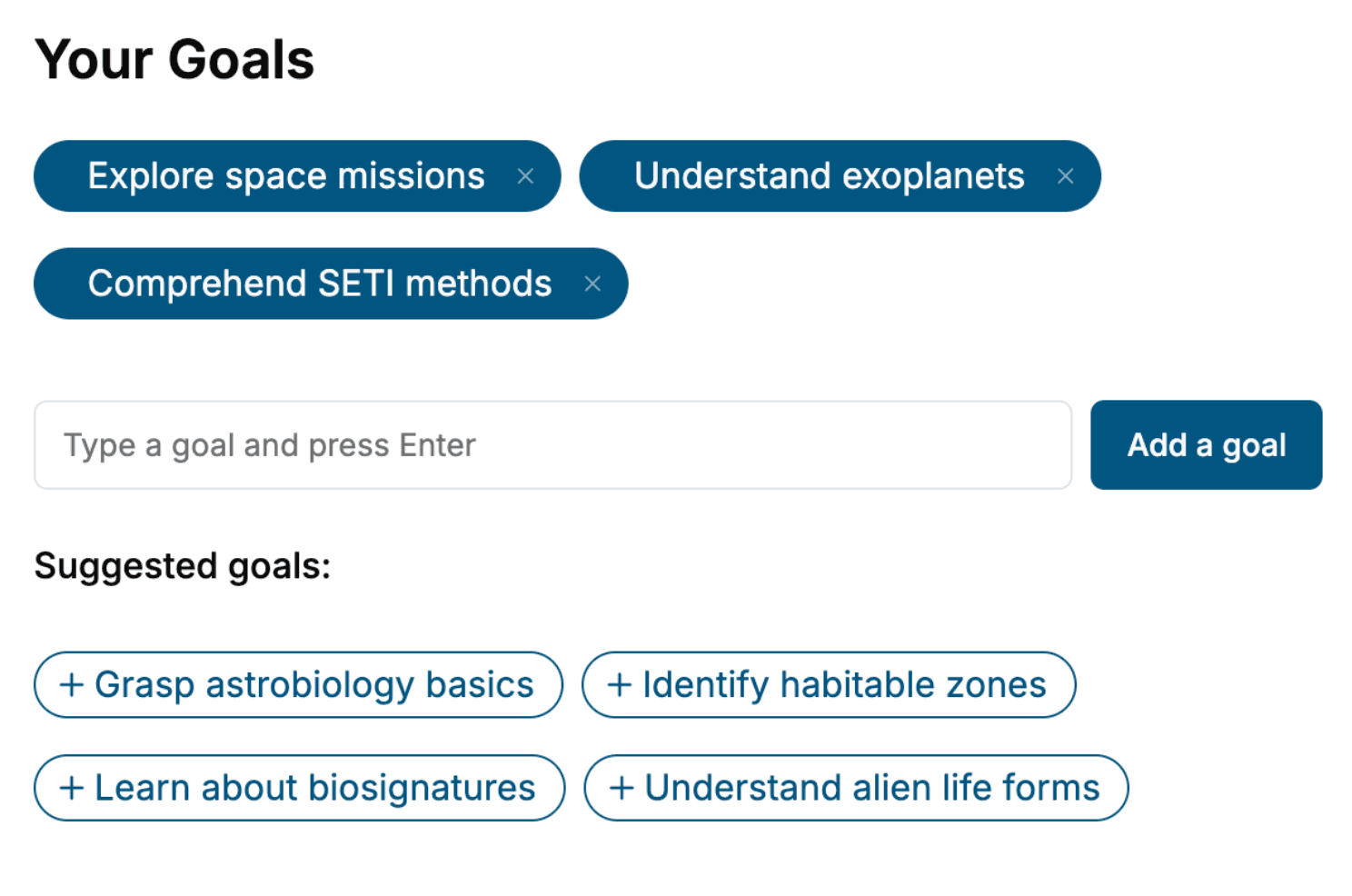
- 2. Personalize your book
Specify your goals and choose sub-topics to include
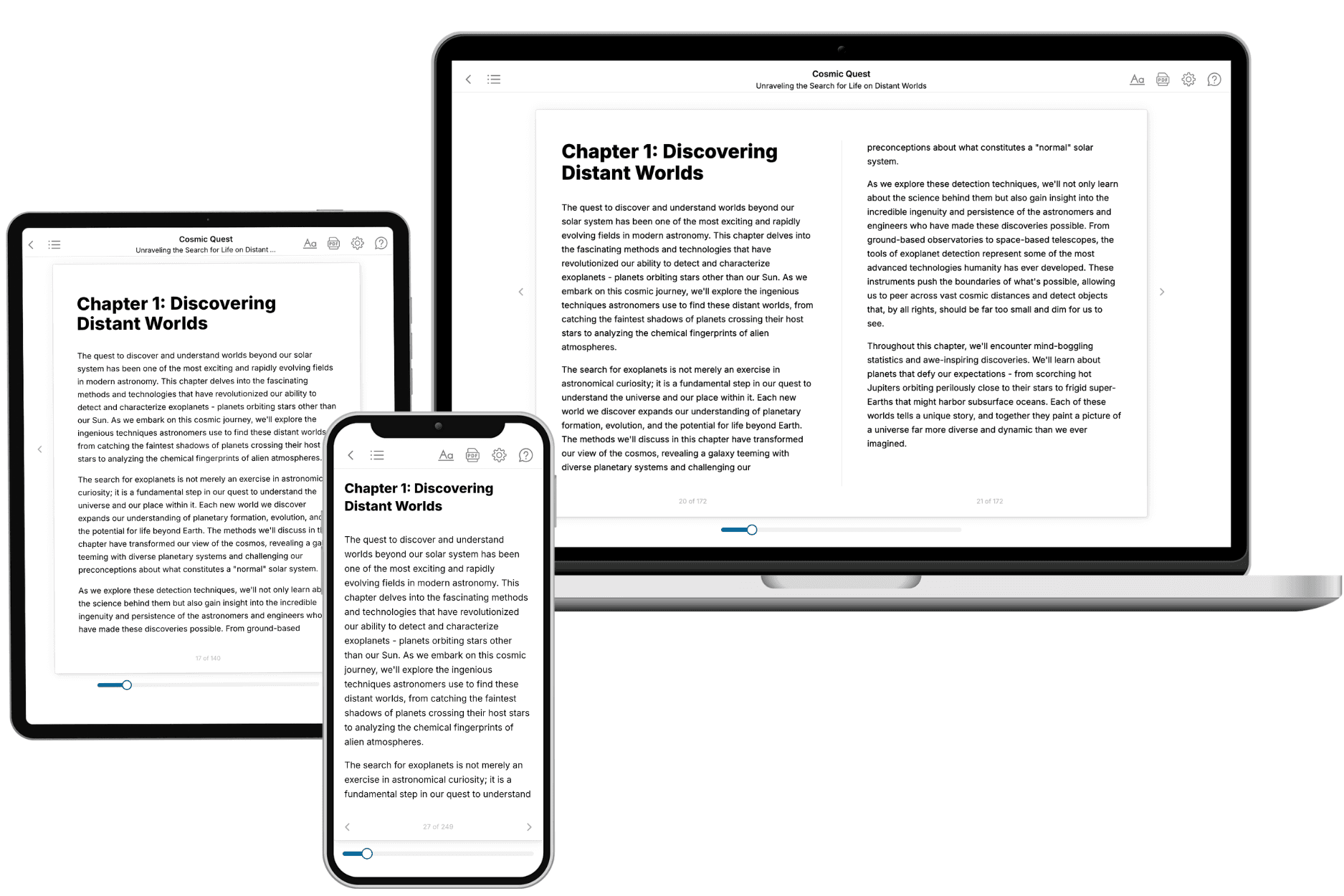
- 3. Get your tailored book
Your book is ready in 10 minutes. Read it online, download as EPUB or PDF, or send to Kindle.
Start from a template
Frequently asked questions
- What is TailoredRead?
TailoredRead creates complete, full-length nonfiction ebooks, written specifically for you. Tell us what you want to learn and why, and TailoredRead writes you a complete ebook on it, with charts, tables, and diagrams throughout. Read it online, on Kindle, or on any e-reader, or download it as a PDF or EPUB. Every book is written fresh the day you order it.
- How is the book tailored to me?
Before anything is written, you answer a few short questions about your goals, your background, and the topics you care about. Your book is then planned around your answers: written at your level, focused on your goals, and covering the topics you chose, instead of the one-size-fits-all book a store sells everyone.
- Will it read like generic AI content?
No. Your book isn't a chat transcript: it's planned chapter by chapter before a single word is written, told in a clear book voice, and explains ideas visually with charts, tables, and diagrams. After writing, every book goes through an editorial pass that polishes chapters so the book reads consistent from start to finish. Judge for yourself: browse thousands of sample books on our Explore Books page.
- How accurate is the content?
Our AI first checks whether your subject needs live research. Niche and fast-moving subjects are researched before writing, and the book plan and chapters are grounded in what it finds. After writing, every book goes through a quality pass that checks its facts and consistency, and researched books list their sources in a Notes section at the back.
- How long is the book?
You choose the length: Comprehensive (250-300 pages), Detailed (150-200 pages), Essential (70-100 pages), or Short (30-50 pages).
- Does the book include visuals?
Yes. Every book includes charts, tables, and diagrams: timelines, checklists, step-by-step guides, decision trees, comparison tables, matrices, and bar charts. A typical book includes dozens of these visual elements.
- Can I read it on Kindle? What formats can I download?
Yes. Every book can be read in our online reader or downloaded as a PDF or EPUB. The EPUB can be opened with Kindle, Apple Books, Kobo, and any e-reader. The Commercial and Author licenses also include an editable Word (DOCX) and Markdown download.
- How much does it cost?
About the price of a regular ebook. The exact price depends on your book's length and complexity, from $2 for the shortest books to $35 for the most comprehensive, and it's shown when you review your book, before you commit to anything. Each book is a one-time purchase, yours to keep, no subscription. Licenses that let you share, teach, or publish your book range from $35.99 to $49.99.
- Can I preview the book before purchasing?
Before you pay, you'll see what your book will cover: the title, a detailed description, the estimated length, and the complete chapter-by-chapter table of contents, so you know what you're getting before you decide. The full text itself is written after you purchase.
- How long does it take to create a book?
About 10 minutes. You can start reading the opening chapters while the rest is still being written.