The Phantom Scent
Understanding Olfactory Hallucinations and the Psychology of Collective Perception
Discover how your brain can create vivid scents that don't exist and why entire communities sometimes experience the same phantom odors simultaneously.
207 pages9 chaptersMar 28, 2026Psychology
About this book
This book explores the fascinating intersection of neuroscience, psychology, and collective behavior, examining olfactory hallucinations from multiple perspectives. You'll learn why the sense of smell is uniquely connected to emotion and memory, how suggestion and expectancy can trigger genuine sensory experiences, and what happens when individual hallucinations spread through groups as mass hysteria. Through real-world case studies, historical events, and scientific research, you'll understand the mechanisms behind phantom scents—from neurological misfirings to psychological factors like stress and trauma. Whether you're curious about the science of perception, interested in understanding mass psychology, or seeking to recognize these phenomena in your own life, this book provides practical insights and evidence-based explanations that bridge the gap between individual neurology and collective experience.
Table of contents
- IntroductionPhantom Scents Everywhere: Why This Matters, What You'll Learn in This Book, How to Use This BookRead below
- Chapter 1: The Basics of Olfactory HallucinationsDefining Olfactory Hallucinations, Hallucinations vs. Illusions: Understanding the Difference, How Common Are Olfactory Hallucinations?
- Chapter 2: The Neuroscience of SmellAnatomy of the Olfactory System, How Smell Reaches the Brain, The Limbic System: Why Smell Triggers Emotion, The Neurochemistry Behind Phantom Scents
- Chapter 3: Causes and Triggers of Olfactory HallucinationsNeurological Causes and Conditions, Psychological Factors and Mental Health, Medical Conditions Associated with Phantom Scents, Medications, Drugs, and Chemical Exposure
- Chapter 4: Individual Susceptibility and Risk FactorsPersonality Traits and Susceptibility, Stress, Trauma, and Olfactory Sensitivity, Age, Genetics, and Individual Differences
- Chapter 5: The Power of Suggestion and ExpectancyHow Expectancy Creates Perception, The Neuroscience of Suggestion, Nocebo Effects: When Belief Creates Symptoms, Priming and Selective Attention
- Chapter 6: Mass Hysteria and Collective Olfactory ExperiencesWhat Is Mass Hysteria?, Social Contagion: How Experiences Spread, Group Psychology and Collective Belief, Media Influence and Amplification
- Chapter 7: Historical Cases and Real-World ExamplesDancing Plagues and Medieval Phantom Scents, Modern Mass Hysteria Events, Analyzing Patterns Across Cases
- Chapter 8: Diagnosis and DifferentiationClinical Assessment and Diagnosis, Distinguishing Real Odors from Hallucinations, When to Seek Professional Help
- Chapter 9: Treatment and Management ApproachesMedical and Pharmacological Treatments, Psychological Therapies and Coping Strategies, Lifestyle Changes and Self-Management
- ConclusionKey Takeaways, The Future of Olfactory Research
- Glossary
- Further Reading and Resources
Introduction
Imagine walking into a room and catching a sharp whiff of something burning. You look around. Nothing is on fire. No one else seems alarmed. You sniff again, and the smell is still there, acrid and unmistakable. Then, just as suddenly as it arrived, it vanishes. What just happened? Was it a gas leak? A faulty wire somewhere in the walls? Or did your brain, for reasons entirely its own, simply invent that smell from scratch? This kind of experience is far more common than most people realize, and it sits at the heart of what this book is about.
Olfactory hallucinations, the experience of smelling something that has no physical source, occupy a strange and underexplored corner of human perception. They are not the stuff of science fiction or extreme psychiatric illness. They happen to ordinary people during ordinary moments: a whiff of a deceased loved one's perfume, the phantom smell of cigarette smoke in a smoke-free house, or the sudden, inexplicable scent of flowers in a sterile hospital corridor. These experiences feel completely real because, in a very meaningful neurological sense, they are real. The brain generates them using the same machinery it uses to process actual smells.
What makes olfactory hallucinations especially fascinating is that they don't always stay private. Under the right conditions, a single person's phantom scent can ripple outward through a group, a classroom, a factory floor, or an entire community. People begin reporting the same smell. Some feel sick. Others panic. Authorities are called. News cameras arrive. And yet, when investigators test the air, they find nothing. These collective episodes, often labeled mass hysteria or mass psychogenic illness, reveal something profound about how human perception is shaped not just by the physical world but by social context, shared belief, and the invisible pressure of group expectation.
This book was written to make sense of all of this. It draws on neuroscience, clinical psychology, social psychology, and the historical record to build a complete picture of phantom scents, from the individual neuron to the panicked crowd. The goal is not to dismiss these experiences as "all in your head" in a way that minimizes them. Rather, it is to show that the brain is the most sophisticated sensory organ we have, and that understanding how it can generate experiences without external input is one of the most illuminating things you can learn about human perception.
Phantom Scents Everywhere: Why This Matters
Olfactory hallucinations are more prevalent than most people expect. Research suggests that somewhere between 4% and 12% of the general population experiences them at some point in their lives, with some studies placing the figure even higher among older adults and people with certain medical conditions.[1] That means if you are sitting in a room with twenty people right now, statistically at least one or two of them has smelled something that wasn't there. Yet most people who have these experiences never mention them to a doctor, partly out of embarrassment and partly because they don't know there is a name for what happened.
The silence around olfactory hallucinations has real consequences. Because smell is so tightly linked to safety, phantom scents can trigger genuine fear responses. Someone who repeatedly smells smoke may become convinced their home has a hidden electrical problem. A person who smells gas might evacuate their house multiple times, only to have inspectors find nothing wrong. In clinical settings, unrecognized olfactory hallucinations have led to unnecessary and costly investigations, misdiagnoses, and significant distress for patients who feel they are not being believed.[2] Understanding what these experiences are, and what they are not, has direct practical value.
The stakes become even higher when phantom scents spread through groups. In 2011, a cluster of teenage girls in Le Roy, New York, began experiencing a range of neurological symptoms that baffled local physicians. While that case centered more on motor symptoms, it illustrated a pattern that has appeared repeatedly throughout history: one person's unexplained experience becomes the template for others. In workplace settings, a single employee who reports a strange smell can trigger a cascade of similar reports, leading to building evacuations, environmental testing, and significant economic disruption, all without any identifiable chemical source.[3] These events are not rare curiosities. They happen in schools, factories, offices, and communities around the world every year.
Understanding phantom scents also matters because of what they reveal about the nature of perception itself. Most people operate under the assumption that their senses give them a direct, accurate readout of the physical world. Olfactory hallucinations challenge that assumption in a very concrete way. They demonstrate that perception is always a construction, an interpretation built by the brain using incoming sensory data, prior experience, expectation, and emotional state. When the brain constructs a smell without any incoming data at all, it exposes the machinery of perception in a way that is both unsettling and deeply illuminating.
There is also a cultural dimension worth noting. Different societies interpret phantom scents in very different ways. In some traditions, smelling the perfume or tobacco of a deceased relative is understood as a spiritual visitation, a comforting sign rather than a medical symptom. In other contexts, the same experience might be interpreted as evidence of a gas leak, a haunting, or a sign of mental illness. These interpretive frameworks shape how people respond to the experience, whether they seek medical help, spiritual guidance, or simply dismiss it. A complete understanding of phantom scents requires taking these cultural layers seriously.
Finally, the topic matters because it sits at the intersection of several fields that rarely talk to each other as much as they should. Neurologists, psychiatrists, environmental health specialists, social psychologists, and historians all have pieces of this puzzle. This book attempts to bring those pieces together into a coherent picture, one that is accessible to anyone with a genuine curiosity about how the mind works and how individual experience becomes collective reality.
What You'll Learn in This Book
This book is organized to take you from the ground up. It begins with the biology of smell and works outward toward the social and cultural forces that shape how phantom scents spread and are interpreted. Each chapter builds on the last, but each is also designed to stand on its own if you want to jump to a topic that is particularly relevant to you. Here is a brief map of the terrain you will cover.
The first two chapters establish the foundation. Chapter 1 defines olfactory hallucinations precisely, distinguishes them from related phenomena like olfactory illusions and parosmia, and gives you a clear sense of how common they are across different populations. Chapter 2 dives into the neuroscience of smell, explaining how the olfactory system is wired differently from every other sense and why that unique wiring makes smell especially powerful in triggering emotion, memory, and, under certain conditions, hallucination. You will come away from these chapters with a solid understanding of why the brain is capable of generating phantom scents in the first place.
Chapters 3 and 4 shift focus to causes and individual differences. Chapter 3 surveys the full range of triggers for olfactory hallucinations, from neurological conditions like epilepsy and Parkinson's disease to psychological factors like anxiety and trauma, to medications and environmental chemical exposures. Chapter 4 examines why some people are more susceptible than others, looking at personality traits, stress levels, age, and genetic factors. These chapters are particularly useful if you are trying to understand a specific experience you or someone you know has had.
Chapters 5 and 6 move into the psychology of suggestion and collective experience. Chapter 5 explores how expectancy and suggestion can create genuine sensory experiences, drawing on research into placebo and nocebo effects, priming, and selective attention. This chapter may be the most surprising in the book, because the evidence shows that suggestion doesn't just change how you interpret a smell. It can actually change what you smell. Chapter 6 then scales this up to the group level, examining the mechanisms of mass hysteria, social contagion, and collective belief that allow phantom scents to spread through communities.
Chapter 7 grounds all of this in real history. It examines specific cases of collective olfactory events, from medieval episodes to modern workplace outbreaks, and analyzes the patterns that appear across them. You will see how the same psychological mechanisms play out across very different cultural and historical contexts, which is one of the strongest arguments for the universality of these phenomena. Chapters 8 and 9 then turn practical, covering how olfactory hallucinations are diagnosed, how to distinguish them from real odors, when to seek professional help, and what treatment and management options are available.
By the end of this book, you will have a working understanding of the following key ideas:
- Why olfactory hallucinations are genuine neurological events, not imagination or deception
- How the olfactory system's unique anatomy makes smell the most emotionally potent of the senses
- What conditions, substances, and psychological states can trigger phantom scents
- Why some individuals are more susceptible than others
- How suggestion and expectancy can create real sensory experiences
- How individual hallucinations can spread through groups as mass psychogenic illness
- How to recognize, contextualize, and respond to these experiences in real life
One thing this book will not do is reduce these experiences to a single explanation. Phantom scents are genuinely complex. A smell that appears during an epileptic aura has a different origin than one triggered by grief, which is different again from one that spreads through a school after a student reports a strange odor. Respecting that complexity is essential to understanding it. The goal here is not to flatten these experiences into a simple story but to give you the conceptual tools to think clearly about whichever version of the phenomenon you encounter.
Throughout the chapters, you will find concrete examples, case studies, and research findings that anchor the concepts in real-world situations. Where the science is settled, that will be clear. Where it is still evolving or contested, that will be clear too. Intellectual honesty about the limits of current knowledge is part of what makes this topic so interesting to explore.
How to Use This Book
This book is written for readers who already have some familiarity with psychology and want to go deeper into a specific and underexplored area of perceptual experience. You don't need a clinical background to follow the material, but you will find it most rewarding if you come with genuine curiosity and a willingness to question some assumptions about how reliable your senses actually are. The writing aims to be clear and direct without oversimplifying the science.
If you are reading this book from beginning to end, the chapters are sequenced to build understanding progressively. The neuroscience in Chapter 2 will make the causes in Chapter 3 easier to understand. The individual psychology in Chapters 4 and 5 will make the group dynamics in Chapter 6 more intuitive. The historical cases in Chapter 7 will feel richer once you have the theoretical framework from the earlier chapters. That said, each chapter is also written to be reasonably self-contained, so if you have a specific interest, jumping ahead is a perfectly reasonable approach.
If you are a clinician, educator, or researcher who has picked up this book for professional reasons, you will find the most directly applicable material in Chapters 3, 4, 8, and 9. These chapters deal with causes, risk factors, diagnosis, and treatment in the most detail. The historical and social psychology chapters (6 and 7) may also be useful if you work in settings where collective psychogenic events are a possibility, such as schools, factories, or other institutional environments.
If you are reading because you or someone close to you has experienced phantom scents, a few suggestions are worth keeping in mind. First, these experiences are far more common than the silence around them suggests. You are not alone, and the experience does not automatically indicate serious illness. Second, context matters enormously. A single, brief episode of smelling something unusual is very different from persistent, recurring phantom scents that interfere with daily life. Chapter 8 will help you think through when professional evaluation is warranted and what that process looks like. Third, resist the urge to self-diagnose based on any single chapter. The full picture is more nuanced than any one section can convey.
Throughout the book, key terms are introduced in bold when they first appear and are defined in context. A full glossary is available at the back of the book if you want a quick reference. Footnotes are used to point toward the research and sources that underpin specific claims, and a further reading section at the end provides resources for going deeper into any of the topics covered.
One practical suggestion: as you read, pay attention to your own reactions. You may find yourself becoming more aware of your own sense of smell, noticing moments when a scent seems to appear from nowhere or when a smell triggers an unexpectedly strong emotional response. These moments of self-observation are not distractions from the material. They are the material. The olfactory system is doing its work constantly, mostly below the level of conscious awareness. Part of what this book offers is a framework for noticing and understanding that work more clearly.
It is also worth approaching the chapters on mass hysteria and collective experience with an open mind. These topics can feel uncomfortable because they challenge the idea that we are always rational, independent perceivers of an objective world. The evidence, however, is clear and consistent: human perception is deeply social. What others around you believe, report, and react to shapes what you experience. That is not a weakness or a flaw. It is a feature of how social animals navigate a complex world together. Understanding it is the first step toward using that knowledge wisely.
Finally, a note on language. The term mass hysteria is used throughout this book because it is the most widely recognized label for the phenomenon in both popular and academic discourse. However, it is worth knowing that many researchers prefer the term mass psychogenic illness or mass sociogenic illness, partly because "hysteria" carries historical baggage related to gender bias in medicine. Where the distinction matters, it will be noted. The goal is always clarity over jargon, and precision over convenience.
The sense of smell is the only sense with a direct neural pathway to the brain's emotional and memory centers. That anatomical fact is not a footnote. It is the key to understanding almost everything in this book.
With that foundation in place, it is time to begin. The first stop is a clear definition of what olfactory hallucinations actually are, how they differ from related experiences, and just how many people are quietly living with them. The answers may surprise you.
Notes
Introduction
This is the end of the free sample. The full book has 9 chapters.
Want this book written for you?
Tell us your goals and background, and get your own version of this book, tailored by AI to you.


Benefits of AI-tailored books
- Read one book, not ten:
- all the Psychology knowledge you need, gathered into a single book.
- Save days of learning:
- tell us your goals, choose your topics, and the whole book is built around them.
- Learn effortlessly:
- Psychology book written for your specific background and expertise.
- Understand at a glance:
- includes charts, tables, timelines, checklists, decision trees, and more.
- Stay current:
- written the day you order it, not years ago.
- Trust what you read:
- every book is checked for accuracy, with real research when your subject needs it.
Create your unique book in 3 steps
- 1. Select your focus
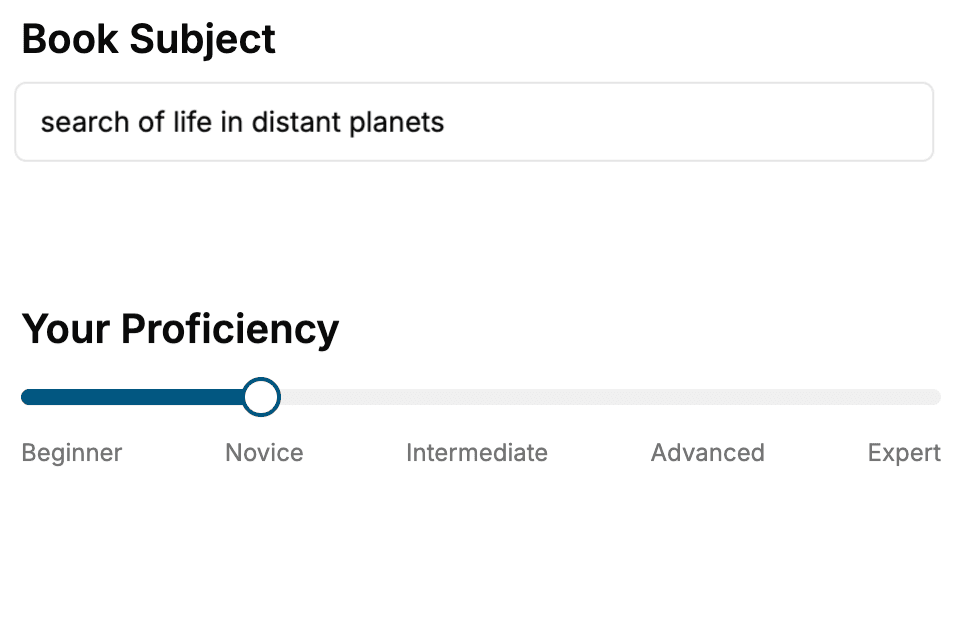
Select the focus of your Psychology book and share your background
- 2. Personalize your book
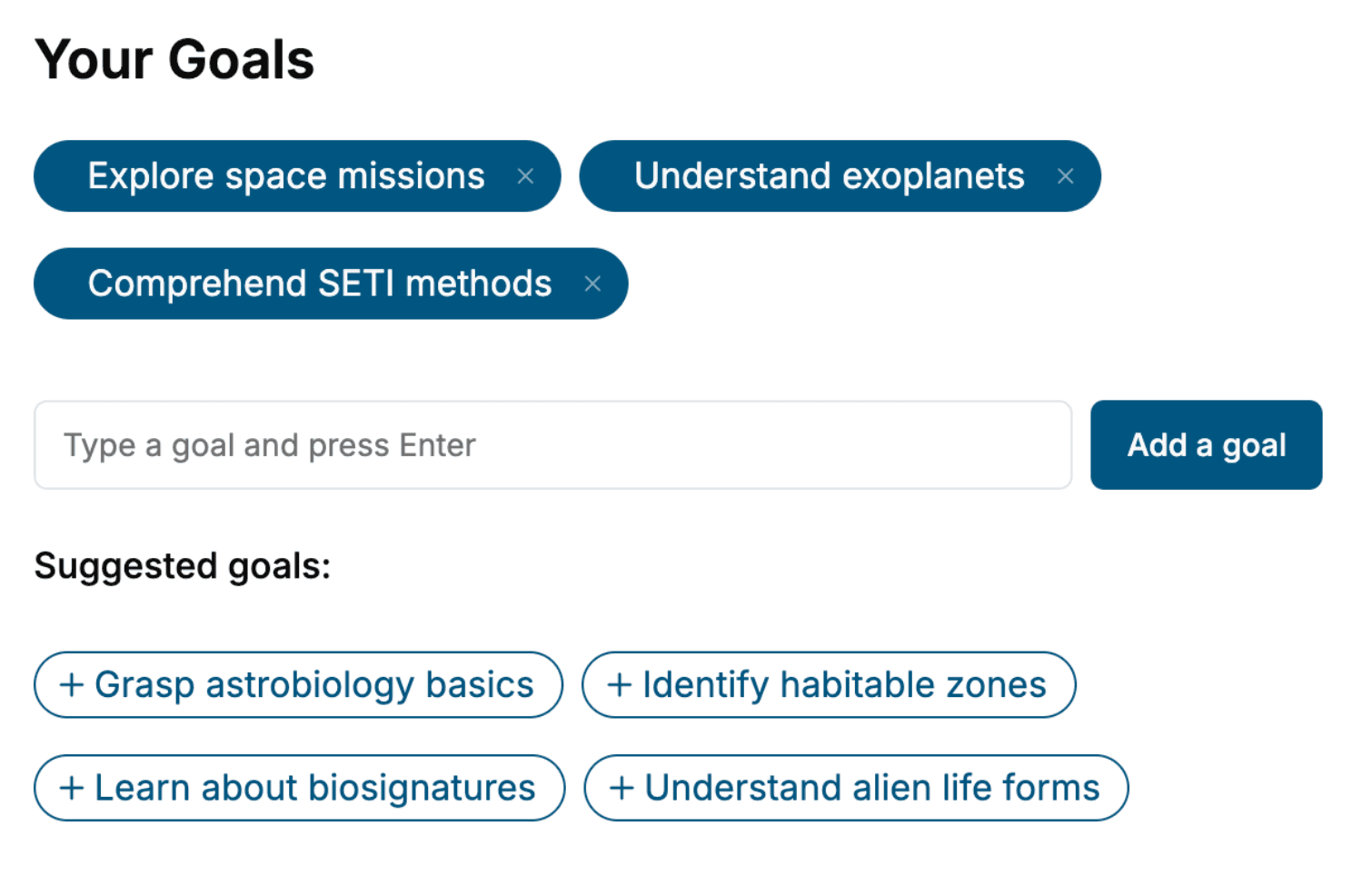
Specify your goals and choose sub-topics to include
- 3. Get your tailored book
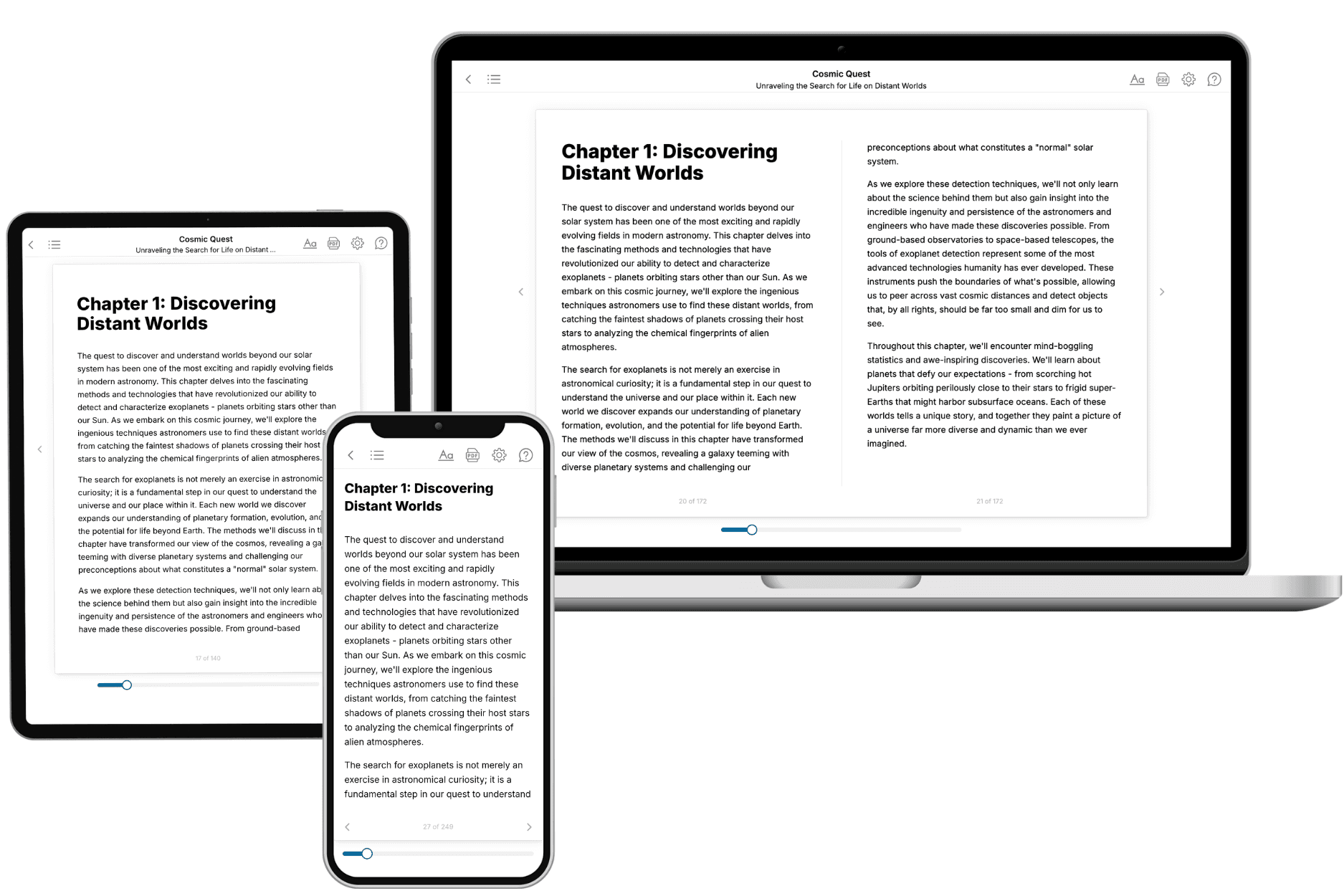
Your book is ready in 10 minutes. Read it online, download as EPUB or PDF, or send to Kindle.
Frequently asked questions
- What is TailoredRead?
TailoredRead creates complete, full-length nonfiction ebooks, written specifically for you. Tell us what you want to learn and why, and TailoredRead writes you a complete ebook on it, with charts, tables, and diagrams throughout. Read it online, on Kindle, or on any e-reader, or download it as a PDF or EPUB. Every book is written fresh the day you order it.
- How is the book tailored to me?
Before anything is written, you answer a few short questions about your goals, your background, and the topics you care about. Your book is then planned around your answers: written at your level, focused on your goals, and covering the topics you chose, instead of the one-size-fits-all book a store sells everyone.
- Will it read like generic AI content?
No. Your book isn't a chat transcript: it's planned chapter by chapter before a single word is written, told in a clear book voice, and explains ideas visually with charts, tables, and diagrams. After writing, every book goes through an editorial pass that polishes chapters so the book reads consistent from start to finish. Judge for yourself: browse thousands of sample books on our Explore Books page.
- How accurate is the content?
Our AI first checks whether your subject needs live research. Niche and fast-moving subjects are researched before writing, and the book plan and chapters are grounded in what it finds. After writing, every book goes through a quality pass that checks its facts and consistency, and researched books list their sources in a Notes section at the back.
- How long is the book?
You choose the length: Comprehensive (250-300 pages), Detailed (150-200 pages), Essential (70-100 pages), or Short (30-50 pages).
- Does the book include visuals?
Yes. Every book includes charts, tables, and diagrams: timelines, checklists, step-by-step guides, decision trees, comparison tables, matrices, and bar charts. A typical book includes dozens of these visual elements.
- Can I read it on Kindle? What formats can I download?
Yes. Every book can be read in our online reader or downloaded as a PDF or EPUB. The EPUB can be opened with Kindle, Apple Books, Kobo, and any e-reader. The Commercial and Author licenses also include an editable Word (DOCX) and Markdown download.
- How much does it cost?
About the price of a regular ebook. The exact price depends on your book's length and complexity, from $2 for the shortest books to $35 for the most comprehensive, and it's shown when you review your book, before you commit to anything. Each book is a one-time purchase, yours to keep, no subscription. Licenses that let you share, teach, or publish your book range from $35.99 to $49.99.
- Can I preview the book before purchasing?
Before you pay, you'll see what your book will cover: the title, a detailed description, the estimated length, and the complete chapter-by-chapter table of contents, so you know what you're getting before you decide. The full text itself is written after you purchase.
- How long does it take to create a book?
About 10 minutes. You can start reading the opening chapters while the rest is still being written.