Human Brain Books
Explore tailored Human Brain books created by our AI
Most people don't realize that their thoughts, emotions, and behaviors are fundamentally rooted in biology. You might struggle to understand why you react the way you do, why certain situations trigger anxiety, or why motivation seems to come and go. The missing piece is understanding the biological systems driving these experiences. This book bridges the gap between abstract psychology and concrete neuroscience, revealing how your brain's structure, chemistry, and physiology shape every aspect of your mental life. You'll discover how neurotransmitters influence your mood, how hormones regulate your stress response, and why sleep and nutrition matter more than you think. Rather than treating psychology and biology as separate subjects, this book shows how they're inseparably linked. Whether you're curious about why you behave the way you do, interested in optimizing your mental health, or simply want to understand the science behind human nature, this guide provides the knowledge you need to make sense of yourself and others.
The Lucid Dreamer's Handbook
Master the Art of Conscious Dreaming and Transform Your Sleep
You'll gain the ability to recognize when you're dreaming and take conscious control of your dream experiences. This handbook combines cutting-edge neuroscience with practical, step-by-step techniques you can implement tonight. Learn why some people naturally slip into lucid dreams while others struggle, and discover the specific methods that work for your unique sleep patterns. You'll explore reality checks that rewire your brain's pattern recognition, journaling practices that unlock dream recall, and induction techniques backed by sleep research. Beyond the mechanics, discover how lucid dreaming accelerates skill learning, solves creative problems, processes emotions, and transforms nightmares into empowering experiences. Whether you're a curious beginner or someone who's had occasional lucid dreams, this guide provides the framework to make conscious dreaming a regular part of your sleep life.
Discover how your brain actively constructs the world you experience rather than simply recording it like a camera. This book reveals the fascinating science behind perception—why optical illusions fool you, how your attention shapes what you notice, and why two people can witness the same event yet remember it completely differently. You'll explore the mechanisms of sensory processing, learn how expectations and past experiences bias your perception, and understand why your brain sometimes sees things that aren't there. Through engaging explanations and real-world examples, you'll gain practical insights into how perceptual processes influence your decisions, relationships, and understanding of reality. Whether you're interested in psychology, neuroscience, or simply understanding yourself better, this book provides the knowledge to recognize your perceptual blind spots and appreciate the remarkable complexity of how you see the world.
Discover how your brain can create vivid scents that don't exist and why entire communities sometimes experience the same phantom odors simultaneously. This book explores the fascinating intersection of neuroscience, psychology, and collective behavior, examining olfactory hallucinations from multiple perspectives. You'll learn why the sense of smell is uniquely connected to emotion and memory, how suggestion and expectancy can trigger genuine sensory experiences, and what happens when individual hallucinations spread through groups as mass hysteria. Through real-world case studies, historical events, and scientific research, you'll understand the mechanisms behind phantom scents—from neurological misfirings to psychological factors like stress and trauma. Whether you're curious about the science of perception, interested in understanding mass psychology, or seeking to recognize these phenomena in your own life, this book provides practical insights and evidence-based explanations that bridge the gap between individual neurology and collective experience.
What if the conflicts in your relationships, your career decisions, and even your political beliefs are all rooted in how your brain is wired? This book reveals the neuropsychological foundations of social behavior, showing you how brain structure and function directly shape the way you interact with others, make decisions, and navigate society. Rather than treating neuroscience and social behavior as separate domains, you'll discover how they're intimately connected. From the mirror neurons that enable empathy to the stress systems that drive conflict, from cognitive biases that influence judgment to the neurochemistry of trust and bonding, you'll gain practical insights into why people behave the way they do—including yourself. Whether you're interested in improving relationships, understanding mental health, or making sense of cultural patterns, this book provides the neuropsychological framework to see human behavior in a new light.
You'll discover exactly how sleep deprivation sabotages your ability to read situations accurately, make sound decisions, and solve problems effectively. This book reveals the specific cognitive mechanisms that fail when you're sleep-deprived—from attention and perception to memory and judgment—and explains why you often feel capable when you're actually performing at a deficit. You'll learn how fatigue creates predictable blind spots in your awareness, distorts your risk assessment, and undermines your problem-solving toolkit. More importantly, you'll gain practical strategies to protect your critical thinking abilities when sleep is unavoidable, including tactical napping, cognitive load management, and environmental design. Whether you're in high-stakes professions, managing complex responsibilities, or simply trying to perform at your best, understanding the sleep-cognition connection empowers you to make better choices about when to push forward and when to prioritize rest.
The challenge facing modern scholars is that evolutionary psychology research evolves faster than most practitioners can keep pace with. New discoveries about epigenetics, neuroevolution, and cultural evolution emerge constantly, yet integrating these findings into a coherent understanding of human behavior remains difficult. This book bridges that gap by synthesizing the latest 2024-2025 research developments in evolutionary psychology and translating them into actionable insights. You'll explore cutting-edge research on how genes and environment interact through epigenetic mechanisms, how brain structures evolved to enable both cooperation and competition, and how cultural evolution creates feedback loops with biological evolution. Each chapter connects theoretical frameworks to real-world social dynamics—from mating behavior and kinship to ingroup preferences and moral judgment. Whether you're teaching evolutionary psychology, conducting research, or simply seeking to deepen your understanding of human nature, this book provides the contemporary evidence base and analytical tools you need to engage with the field's most exciting developments.
The Neuropsychology Handbook
Understanding Brain-Based Disorders and Cognitive Dysfunction
Gain a deeper understanding of how brain dysfunction shapes behavior, cognition, and emotion. This comprehensive guide demystifies neuropsychological disorders by connecting brain science to real-world symptoms and challenges. You'll learn how different brain regions control specific functions, why certain injuries or diseases produce predictable patterns of cognitive change, and how modern assessment techniques identify these disorders. Whether you're exploring this field for professional development, personal understanding, or supporting someone affected by a neuropsychological condition, this book provides the knowledge you need. Discover the latest research on neuroplasticity and recovery, explore evidence-based interventions, and develop a practical framework for recognizing and understanding brain-based disorders. Written in clear, accessible language with real-world examples, this handbook bridges the gap between complex neuroscience and everyday understanding.
Most of us assume thinking happens exclusively in our heads—that the mind is separate from the body. But what if that's fundamentally wrong? Embodied cognition challenges this ancient assumption by demonstrating that your body isn't just a vessel for your brain; it's an integral part of how you think, understand, and make sense of the world. From the metaphors you use daily to the way you gesture while speaking, your physical experience shapes every thought you have. This book explores how movement, sensation, and bodily interaction form the foundation of human cognition. You'll discover why abstract thinking relies on concrete physical experiences, how emotions influence reasoning, and why your gestures aren't just communication—they're thinking in action. By understanding embodied cognition, you'll gain fresh insights into philosophy, psychology, and what it truly means to be human.
Mind Mastery Blueprint
Personalized Pathways to Master Philosophy of Mind Concepts
The mind-body problem has puzzled philosophers and scientists for centuries: how does subjective experience arise from physical matter? With your background in rigorous analytical disciplines, you're positioned to engage deeply with this question, yet the fragmented landscape of competing theories—dualism, physicalism, emergentism, functionalism—can obscure rather than clarify. This book synthesizes philosophy of mind's most important frameworks, arguments, and contemporary neuroscience findings into a coherent, intellectually rigorous exploration. You'll examine consciousness theories from multiple angles, understand the hard problem and why it resists easy solutions, explore mental representation and qualia, and discover how philosophical analysis and empirical neuroscience inform each other. Rather than advocating for one position, this book equips you with the conceptual tools to evaluate competing views critically, recognize their strengths and limitations, and develop your own informed perspective on consciousness, mind, and the nature of subjective experience.
The Developing Mind
Understanding How Cognitive Abilities Grow and Change Across the Lifespan
Many people struggle to understand why children think differently than adults, why teenagers make seemingly irrational decisions, or how their own thinking continues to evolve. Without a framework for understanding cognitive development, it's easy to misinterpret behavior, set unrealistic expectations, or miss opportunities to support growth at critical moments. This book demystifies how the human mind develops from birth through old age, revealing the fascinating stages of cognitive growth that shape who we become. You'll discover why infants learn through play, how children develop logical thinking, what drives adolescent brain changes, and how adult cognition continues to mature. By understanding these stages, you'll gain insight into behavior patterns, learning capabilities, and potential at each life phase. Whether you're a parent seeking to support your child's development, an educator designing effective instruction, or simply curious about how your own mind works, this book provides the knowledge to recognize developmental milestones, adapt your expectations, and foster growth at every stage of life.
Most people assume the mind is simply what the brain does—but philosophers have spent centuries discovering it's far more complicated than that. The relationship between your thoughts, feelings, and physical brain remains one of the deepest unsolved mysteries in human knowledge. This book explores the central questions of philosophy of mind: What is consciousness? How does the physical brain produce subjective experience? Are you the same person you were ten years ago? Can machines think? Rather than offering easy answers, this guide walks you through the major theories, historical developments, and contemporary debates that shape how we understand the mind. You'll encounter the arguments of influential philosophers, learn why certain problems have resisted solution for centuries, and discover how modern neuroscience and artificial intelligence are reshaping ancient philosophical questions. Whether you're curious about consciousness, interested in the foundations of psychology, or wondering about the nature of artificial intelligence, this book provides the conceptual tools to think clearly about the mind.
What if everything you thought you knew about how psychology became a science was incomplete? The story of psychology isn't just about famous theories or influential figures—it's about how humanity learned to study the mind itself using rigorous scientific methods. This book traces psychology's remarkable journey from ancient philosophical speculation through its emergence as an empirical discipline in the 19th century to its current integration with neuroscience and technology. You'll discover how early experimenters like Wilhelm Wundt created the first psychology laboratory, how behaviorists challenged introspection with observable evidence, and how cognitive scientists revolutionized our understanding of mental processes. By exploring the key discoveries, methodological breakthroughs, and theoretical debates that shaped the field, you'll gain deeper insight into why psychologists study what they study and how they know what they claim to know. This exploration reveals not just the history of a science, but the fascinating process of how scientific knowledge itself develops and evolves.
Related books you may like:
You're about to supercharge your animal advocacy efforts and nonprofit management skills with the power of AI. This groundbreaking guide is tailored specifically for leaders in the animal rights movement who are ready to harness cutting-edge technology to make a bigger impact. Discover how to leverage AI tools to streamline your operations, enhance your strategic planning, and amplify your advocacy campaigns. You'll learn practical techniques for automating administrative tasks, optimizing your workflow, and making data-driven decisions that will take your organization to the next level. From improving time management and task delegation to enhancing donor engagement and project tracking, this book offers a comprehensive roadmap for integrating AI into every aspect of your work. You'll gain insights into AI-driven research methods, problem-solving techniques, and productivity metrics that will revolutionize the way you approach animal advocacy.
Discover how air sign energy shapes your thinking, communication style, and approach to relationships. Whether you have a Gemini, Libra, or Aquarius placement in your birth chart, this guide reveals the intellectual and social gifts these signs bring—along with the blind spots worth understanding. You'll learn why air signs are natural communicators and idea-generators, how each sign expresses itself uniquely, and how your specific air sign placements influence your personality across different life areas. Through practical insights and real-world examples, you'll recognize air sign patterns in yourself and others, harness your natural strengths in connection and innovation, and navigate the challenges of overthinking and emotional detachment. Whether you're exploring your Sun, Moon, Rising, or other planetary placements, this book provides the clarity you need to work with your air sign energy authentically and effectively.
What if you could resolve years of trauma in just a handful of therapy sessions instead of months or years of traditional talk therapy? Accelerated Resolution Therapy (ART) offers a scientifically-grounded approach that harnesses your brain's natural healing capacity to process traumatic memories and emotional distress rapidly. This book demystifies how ART works at the neurological level, explains why it's so effective for conditions like PTSD, anxiety, and phobias, and explores how it differs from conventional therapeutic approaches. Whether you're a mental health professional considering adding ART to your practice, someone exploring treatment options for yourself or a loved one, or simply curious about innovative psychological interventions, this guide provides practical insights into one of the most promising developments in modern therapy. Discover how guided imagery and eye movement can facilitate profound emotional healing, what the research shows about its effectiveness, and whether ART might be the breakthrough approach you've been seeking.
The assumption that political parties are natural, inevitable, or even desirable features of democracy is surprisingly recent. For most of Western political history, the most sophisticated thinkers viewed organized factions as corrupting forces that distorted the pursuit of the common good. This book traces the genealogy of anti-party political thought from Plato's critique of democratic factionalism through contemporary populist movements, examining how philosophers, statesmen, and theorists have conceptualized the dangers of partisanship and imagined alternatives. You'll encounter Rousseau's vision of a general will transcending faction, the Federalist Papers' constitutional anxiety about party machinery, Tocqueville's ambivalent analysis of American partisanship, and the radical rejection of parties by socialist and anarchist movements. Rather than treating anti-party sentiment as mere nostalgia or populist demagoguery, this analysis reveals it as a coherent intellectual tradition grappling with enduring tensions between democratic participation and organized political competition. By understanding how different historical periods and ideological traditions have confronted the problem of faction, you gain critical perspective on contemporary debates about party reform, populism, and democratic alternatives.
Many people believe that behavior is determined either by our genetics or by direct rewards and punishments we experience. However, Albert Bandura's groundbreaking research revealed a more nuanced truth: we learn by watching others. This book explores the life and work of one of psychology's most influential figures and the revolutionary theory that transformed our understanding of human behavior. You'll discover how Bandura's concept of self-efficacy explains why some people persevere through challenges while others give up, how observational learning shapes everything from aggression to prosocial behavior, and why the environment, our thoughts, and our actions are constantly influencing each other. Whether you're an educator seeking to improve student outcomes, a professional interested in behavior change, or simply curious about the science of learning, this comprehensive guide illuminates the principles that govern human development and provides practical insights into how these theories apply to everyday life.
Create a Human Brain Book Tailored to You
Create an AI-crafted book tailored to your goals, interests, and background





Benefits of AI-tailored books
- Read one book, not ten:
- all the Human Brain knowledge you need, gathered into a single book.
- Save days of learning:
- tell us your goals, choose your topics, and the whole book is built around them.
- Learn effortlessly:
- Human Brain book written for your specific background and expertise.
- Understand at a glance:
- includes charts, tables, timelines, checklists, decision trees, and more.
- Stay current:
- written the day you order it, not years ago.
- Trust what you read:
- every book is checked for accuracy, with real research when your subject needs it.
Create your unique book in 3 steps
- 1. Select your focus
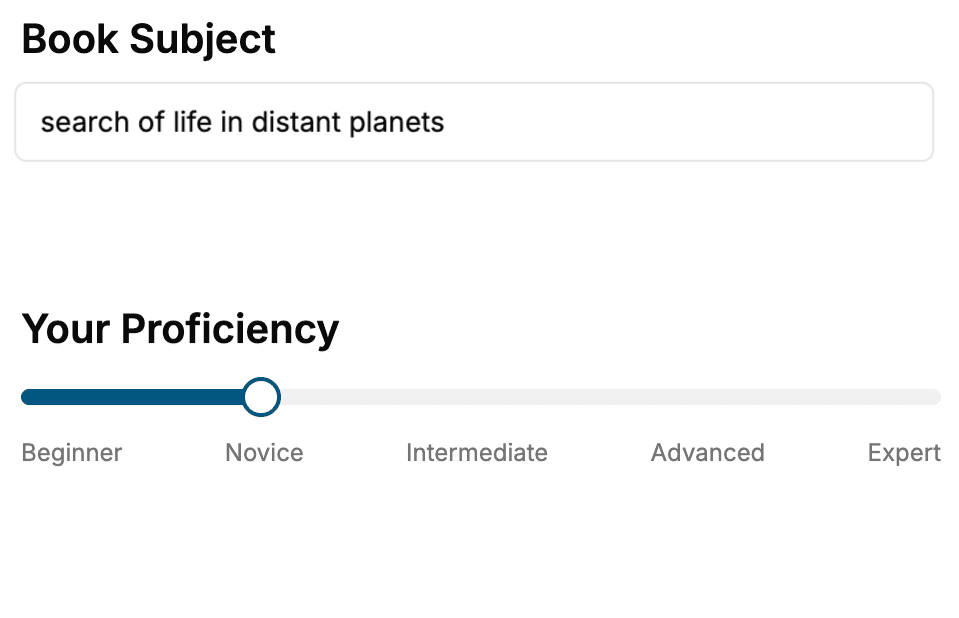
Select the focus of your Human Brain book and share your background
- 2. Personalize your book
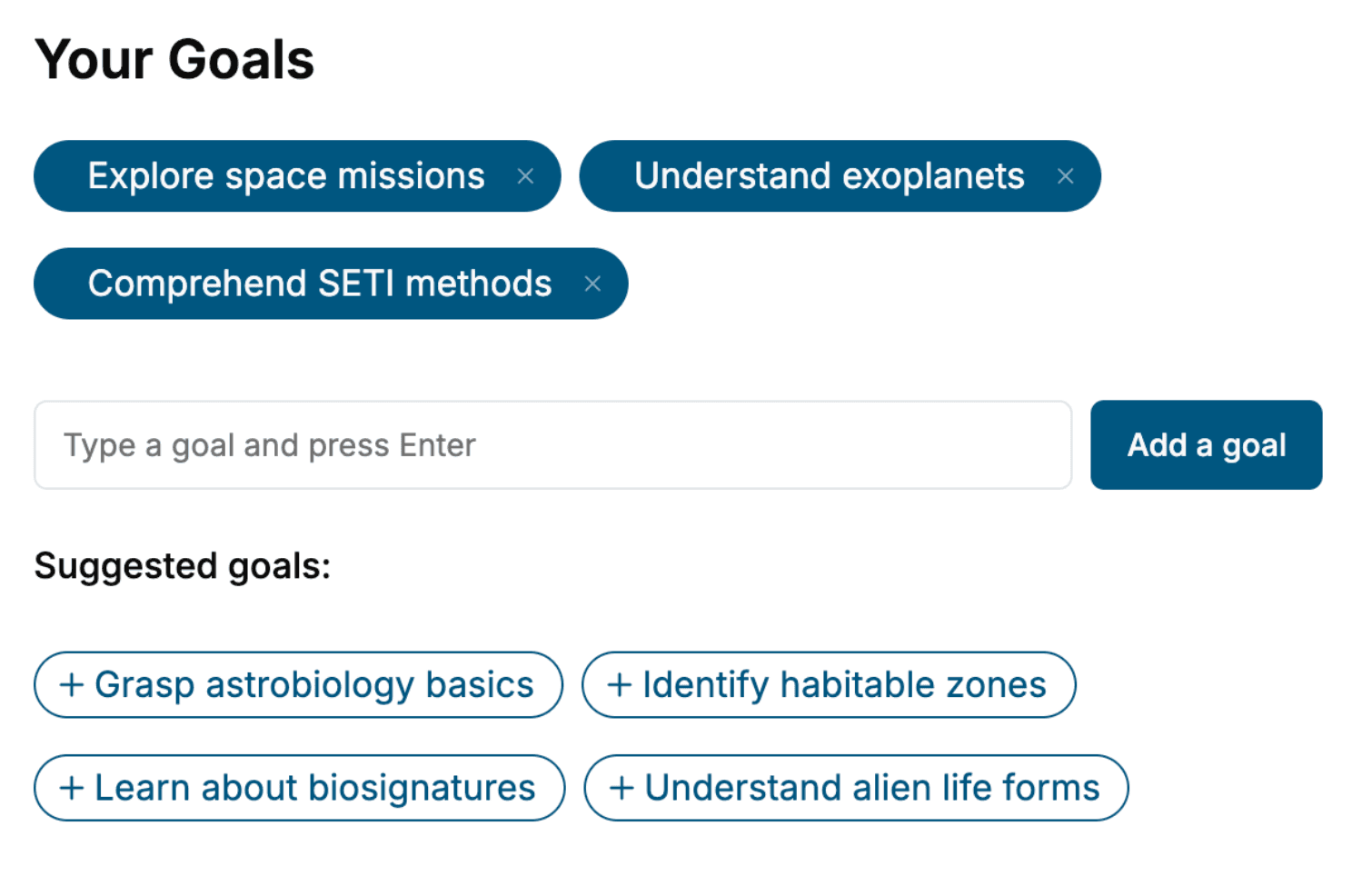
Specify your goals and choose sub-topics to include
- 3. Get your tailored book
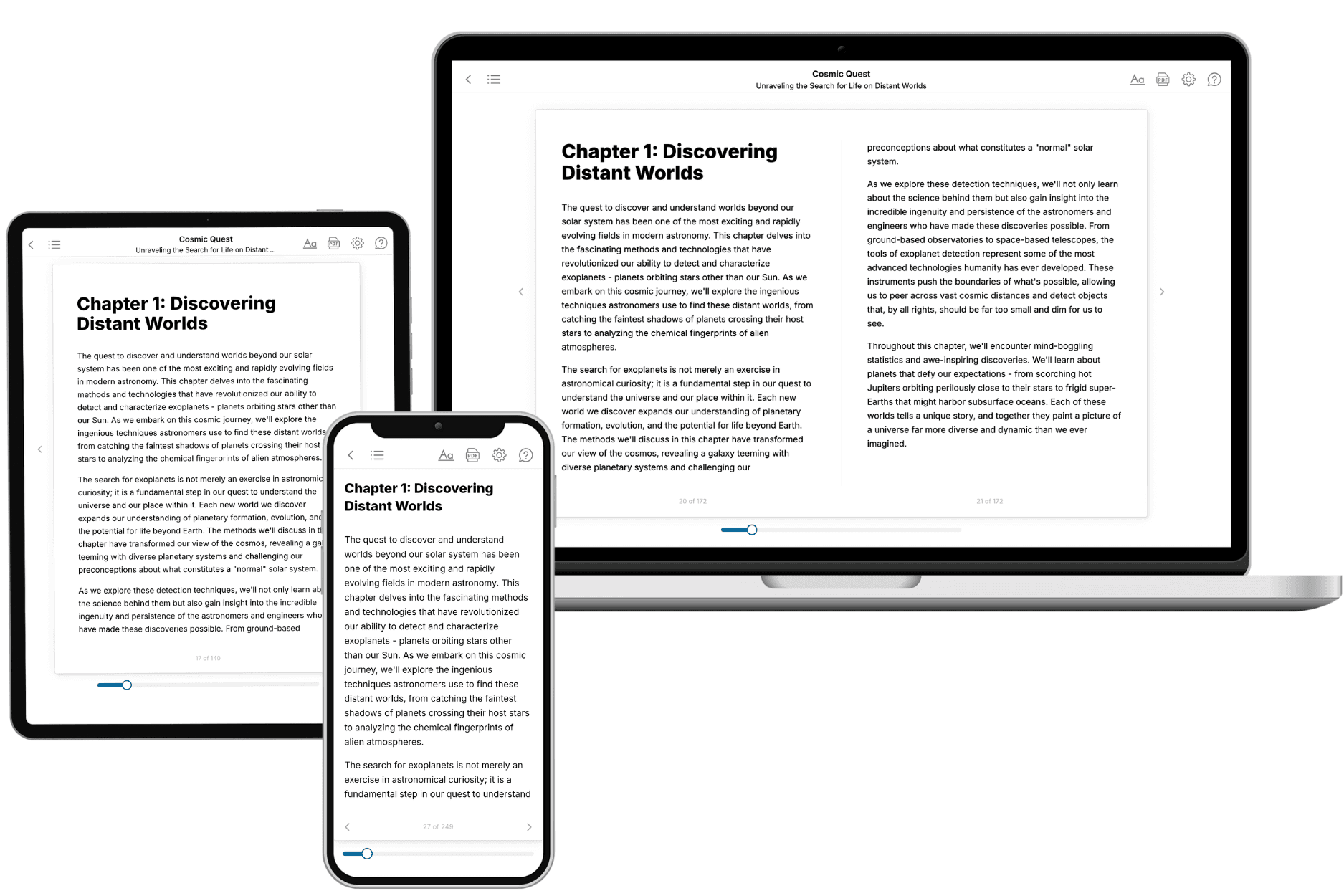
Your book is ready in 10 minutes. Read it online, download as EPUB or PDF, or send to Kindle.
Start from a template
Frequently asked questions
- What is TailoredRead?
TailoredRead creates complete, full-length nonfiction ebooks, written specifically for you. Tell us what you want to learn and why, and TailoredRead writes you a complete ebook on it, with charts, tables, and diagrams throughout. Read it online, on Kindle, or on any e-reader, or download it as a PDF or EPUB. Every book is written fresh the day you order it.
- How is the book tailored to me?
Before anything is written, you answer a few short questions about your goals, your background, and the topics you care about. Your book is then planned around your answers: written at your level, focused on your goals, and covering the topics you chose, instead of the one-size-fits-all book a store sells everyone.
- Will it read like generic AI content?
No. Your book isn't a chat transcript: it's planned chapter by chapter before a single word is written, told in a clear book voice, and explains ideas visually with charts, tables, and diagrams. After writing, every book goes through an editorial pass that polishes chapters so the book reads consistent from start to finish. Judge for yourself: browse thousands of sample books on our Explore Books page.
- How accurate is the content?
Our AI first checks whether your subject needs live research. Niche and fast-moving subjects are researched before writing, and the book plan and chapters are grounded in what it finds. After writing, every book goes through a quality pass that checks its facts and consistency, and researched books list their sources in a Notes section at the back.
- How long is the book?
You choose the length: Comprehensive (250-300 pages), Detailed (150-200 pages), Essential (70-100 pages), or Short (30-50 pages).
- Does the book include visuals?
Yes. Every book includes charts, tables, and diagrams: timelines, checklists, step-by-step guides, decision trees, comparison tables, matrices, and bar charts. A typical book includes dozens of these visual elements.
- Can I read it on Kindle? What formats can I download?
Yes. Every book can be read in our online reader or downloaded as a PDF or EPUB. The EPUB can be opened with Kindle, Apple Books, Kobo, and any e-reader. The Commercial and Author licenses also include an editable Word (DOCX) and Markdown download.
- How much does it cost?
About the price of a regular ebook. The exact price depends on your book's length and complexity, from $2 for the shortest books to $35 for the most comprehensive, and it's shown when you review your book, before you commit to anything. Each book is a one-time purchase, yours to keep, no subscription. Licenses that let you share, teach, or publish your book range from $35.99 to $49.99.
- Can I preview the book before purchasing?
Before you pay, you'll see what your book will cover: the title, a detailed description, the estimated length, and the complete chapter-by-chapter table of contents, so you know what you're getting before you decide. The full text itself is written after you purchase.
- How long does it take to create a book?
About 10 minutes. You can start reading the opening chapters while the rest is still being written.