Evolution Books
Explore tailored Evolution books created by our AI
Books readers created
37 Evolution books, each written for the reader who ordered it. Read its introduction, then personalize it to get a book of your own.
Discover how birds evolved from fearsome theropod dinosaurs into the most successful vertebrate group on Earth. This book traces the remarkable 150-million-year journey of avian evolution, revealing how anatomical innovations, behavioral adaptations, and environmental pressures shaped the incredible diversity of birds we see today. You'll explore the fossil evidence that proves birds are living dinosaurs, understand the revolutionary development of feathers and flight, and learn how birds survived mass extinction events to dominate modern ecosystems. From the earliest proto-birds to contemporary species, this comprehensive guide combines cutting-edge paleontology, molecular biology, and ornithology to explain how natural selection crafted everything from hummingbirds to eagles. Whether you're curious about your backyard songbirds or fascinated by prehistoric creatures, you'll gain deep insights into one of evolution's greatest success stories and understand why birds represent a living connection to the age of dinosaurs.
Darwin's Galápagos
A Traveler's Guide to Evolution's Greatest Laboratory
Discover how a five-week voyage transformed our understanding of life itself. This guide takes you beyond typical travel narratives to explore the Galápagos Islands as Darwin experienced them—as a living classroom of evolutionary principles. You'll learn how finch beaks, giant tortoises, and marine iguanas became the evidence that shaped modern biology, then visit the exact locations where these discoveries unfolded. Each chapter combines accessible explanations of evolutionary theory with practical travel information, helping you understand what you're seeing and why it matters. Whether you're planning a trip or simply fascinated by how life adapts and changes, this book reveals the profound connections between geography, biology, and the natural world. Walk in Darwin's footsteps while gaining the scientific literacy to truly appreciate one of Earth's most remarkable ecosystems.
Intertwined Evolution
Unraveling the Complex Web of Species Interactions
Discover the fascinating world of coevolution, where species shape each other's destinies in an intricate dance of adaptation. "Intertwined Evolution: Unraveling the Complex Web of Species Interactions" takes you on a captivating journey through the interconnected lives of organisms, revealing how their relationships drive evolutionary change. You'll explore real-world examples of coevolution, from the arms race between predators and prey to the delicate balance between plants and their pollinators. Through engaging narratives and clear explanations, you'll gain a deep understanding of the mechanisms that drive these evolutionary partnerships. By the end of this book, you'll have a newfound appreciation for the complexity of nature and the role coevolution plays in shaping the diversity of life on Earth. Whether you're a biology student, a nature enthusiast, or simply curious about the world around you, this book will forever change the way you view the intricate connections in our natural world.
Evolution Explained
How Life Changes, Adapts, and Thrives Through Natural Selection
Many people think evolution is just a theory about where humans came from, or that it's incompatible with their beliefs. In reality, evolution is one of the most powerful explanatory frameworks in all of science—and it's happening around you right now. This book cuts through the confusion and misconceptions to show you how evolution actually works. You'll discover why organisms look and behave the way they do, how new species emerge, and why understanding evolution matters for solving real-world problems like antibiotic resistance and disease. Through clear explanations, compelling examples, and the latest scientific evidence, you'll gain the knowledge to understand life's incredible diversity and the mechanisms that shaped it. Whether you're curious about your own origins or want to understand the science behind modern medicine and conservation, this book provides the foundation you need to think like an evolutionary biologist.
Parallel Paths
Unraveling the Mysteries of Convergent Evolution
Have you ever wondered why unrelated species sometimes develop strikingly similar traits? "Parallel Paths: Unraveling the Mysteries of Convergent Evolution" challenges your understanding of evolutionary processes and invites you to explore the fascinating world of convergent evolution. This captivating book delves into the intricacies of how different organisms, separated by vast distances and diverse environments, can evolve remarkably similar features. You'll discover the underlying mechanisms that drive this phenomenon and gain insights into its profound implications for our understanding of life on Earth. From the depths of the oceans to the highest mountain peaks, "Parallel Paths" takes you on a global tour of convergent evolution in action. You'll explore case studies of extraordinary adaptations, uncover the genetic and environmental factors at play, and learn how this knowledge is reshaping our view of the tree of life. Whether you're a biology student, a nature enthusiast, or simply curious about the wonders of evolution, this book will expand your horizons and deepen your appreciation for the complexity and beauty of the natural world.
Many people think evolution is just a theory with gaps and limitations, or that it contradicts religious belief. In reality, Darwin's theory of evolution is one of science's most robust and well-supported explanations for the diversity of life on Earth. This book explores how Darwin developed his revolutionary ideas, the evidence that supports evolution, and why it matters today. You'll discover how natural selection works, why evolution is central to modern biology, and how evolutionary thinking applies to real-world challenges like disease resistance and conservation. Whether you're curious about your own origins, want to understand the science behind evolution, or simply wish to engage more thoughtfully with one of history's most important ideas, this book provides the clarity and context you need to grasp evolution's true significance.
When Continents Collide
How Plate Tectonics Shaped the Evolution of Life on Earth
Discover how the restless movements of Earth's crust have orchestrated the grand drama of life's evolution over billions of years. This book reveals the profound connections between geology and biology that most of us never learned in school—how drifting continents have created and destroyed migration routes, how volcanic eruptions have triggered mass extinctions, and how the assembly and breakup of supercontinents have repeatedly reshaped the tree of life. You'll explore the breakup of Pangaea and understand why Australia has marsupials while Africa has elephants. You'll grasp how ice age cycles forced our ancestors to adapt or perish, and why sea level changes opened and closed the gates for species dispersal across the globe. Through clear explanations and compelling examples, you'll see Earth's geological history not as a static backdrop but as an active force that has guided evolution at every turn. Whether you're curious about mass extinctions, continental drift, or the deep-time connections between rocks and life, this book provides the framework to understand our planet's most fundamental processes and their biological consequences.
Picture yourself standing in a prehistoric forest 150 million years ago, watching a magnificent Sinosauropteryx stride through the undergrowth, its russet and white striped feathers catching the dappled sunlight. This isn't science fiction—it's the remarkable reality that paleontologists have uncovered through groundbreaking discoveries of feathered dinosaurs that have completely transformed our understanding of these ancient creatures. You'll discover how these extraordinary fossils bridge the gap between the scaly monsters of popular imagination and the vibrant, feathered beings that actually roamed our planet. From the first shocking discovery of Sinosauropteryx in China to the latest finds that reveal dinosaurs in full color, you'll explore how feathers evolved not for flight, but for warmth, communication, and spectacular displays that would rival any modern bird. Through vivid reconstructions based on cutting-edge science, you'll witness the daily lives of these feathered giants—from tiny Microraptor gliding between trees to massive Yutyrannus stalking prey through snowy landscapes. You'll understand how these discoveries prove that birds didn't evolve from dinosaurs, but rather that birds ARE dinosaurs, making every robin and eagle a living reminder of the Mesozoic Era. This book will forever change how you see both the ancient past and the natural world around you, revealing the incredible story of how simple filaments became complex feathers, how ground-dwelling predators took to the skies, and how the most successful group of vertebrates on Earth today carries the legacy of their feathered dinosaur ancestors.
Many people believe that evolution is simply about survival of the fittest, but the real story is far more nuanced and fascinating. Evolutionary genetics reveals how DNA itself is the engine of change, driving the incredible diversity of life on Earth. This book demystifies the complex relationship between genetics, evolution, and taxonomy—showing you how scientists use genetic evidence to understand how species are related, how they adapt to their environments, and how life has diversified over billions of years. Whether you're curious about why humans share genes with fruit flies, how new species emerge, or how scientists classify organisms based on their evolutionary history, you'll discover the molecular mechanisms that explain life's remarkable variety. By exploring real examples from nature and cutting-edge research, you'll gain a deeper appreciation for the genetic connections that bind all living things together and understand why evolutionary genetics is central to modern biology.
The challenge facing modern scholars is that evolutionary psychology research evolves faster than most practitioners can keep pace with. New discoveries about epigenetics, neuroevolution, and cultural evolution emerge constantly, yet integrating these findings into a coherent understanding of human behavior remains difficult. This book bridges that gap by synthesizing the latest 2024-2025 research developments in evolutionary psychology and translating them into actionable insights. You'll explore cutting-edge research on how genes and environment interact through epigenetic mechanisms, how brain structures evolved to enable both cooperation and competition, and how cultural evolution creates feedback loops with biological evolution. Each chapter connects theoretical frameworks to real-world social dynamics—from mating behavior and kinship to ingroup preferences and moral judgment. Whether you're teaching evolutionary psychology, conducting research, or simply seeking to deepen your understanding of human nature, this book provides the contemporary evidence base and analytical tools you need to engage with the field's most exciting developments.
Understanding how animals reproduce is fundamental to grasping how life persists and evolves. Yet the sheer diversity of reproductive strategies across the animal kingdom can feel overwhelming—from seahorses where males become pregnant to insects that reproduce without mating at all. This book cuts through that complexity by revealing the underlying principles that govern animal reproduction while celebrating the remarkable adaptations that make each strategy successful in its own context. You'll discover why some animals invest everything in a single offspring while others produce thousands, how hormones orchestrate the intricate dance of mating, and what drives the evolution of everything from elaborate courtship displays to competitive battles between males. Whether you're a student, educator, or simply curious about the natural world, this guide provides the knowledge to understand reproduction not as isolated facts, but as interconnected systems shaped by evolution, environment, and the fundamental drive to pass genes to the next generation.
Many people struggle to understand how animals reproduce because reproductive biology involves complex interactions between physiology, behavior, and evolution. This book demystifies animal reproduction by exploring the fundamental strategies that enable species to survive and thrive. You'll discover why some animals reproduce sexually while others use asexual methods, how hormones orchestrate mating behaviors, and why parental care varies so dramatically across species. From the elaborate courtship displays of birds to the synchronized spawning of coral, you'll see how evolution has shaped reproductive strategies to match each species' unique environment and lifestyle. This accessible guide connects reproductive biology to broader ecological and evolutionary principles, helping you understand not just how animals breed, but why they breed the way they do. Whether you're a student, educator, or curious naturalist, you'll gain practical knowledge about fertilization, development, mating systems, and the trade-offs animals face in balancing reproduction with survival.
The Last Dinosaurs
Understanding the Extinction Event That Changed Life on Earth
Discover how one of Earth's most dramatic events unfolded 66 million years ago and why it matters today. You'll move beyond popular misconceptions to understand the scientific evidence that reveals what really happened to the dinosaurs. This book synthesizes decades of paleontological research, geological data, and fossil discoveries to present a clear picture of the Cretaceous-Paleogene extinction. You'll explore the asteroid impact theory, examine the role of volcanic activity and climate change, and learn how scientists piece together evidence from rock layers and chemical signatures. Most importantly, you'll understand that dinosaurs didn't simply vanish—birds survived and thrived, carrying dinosaur DNA into the modern world. By the end, you'll grasp not just what happened to dinosaurs, but why extinction events shape the trajectory of life itself, offering insights into how ecosystems respond to catastrophic change.
The Parasite Paradox
Understanding the Hidden World of Parasites and Their Impact on Life
Imagine a world where invisible architects shape the behavior of their hosts, where microscopic invaders influence the fate of ecosystems, and where ancient survival strategies continue to drive evolution itself. This is the world of parasites—far more fascinating and consequential than most people realize. Rather than viewing parasites as mere disease-causing nuisances, this book reveals them as masterful survivors whose strategies illuminate fundamental principles of biology and ecology. You'll discover how parasites have shaped human history, influenced animal behavior, and maintained the delicate balance of natural ecosystems. Through engaging explanations and compelling examples, you'll explore the sophisticated mechanisms parasites use to evade immune systems, manipulate hosts, and ensure their survival. Whether you're interested in human health, evolutionary biology, or ecological dynamics, this book transforms your understanding of these remarkable organisms from fear-based misconceptions to genuine scientific appreciation. Gain the knowledge to recognize parasites' roles in your own life and in the natural world around you.
Master the intricate biological systems that have made sharks the ocean's most successful predators for over 400 million years. This comprehensive exploration reveals how every aspect of shark anatomy—from their cartilaginous skeletons to their extraordinary sensory organs—represents evolutionary perfection in action. You'll discover the remarkable adaptations that allow sharks to thrive in diverse marine environments, from the crushing depths of the abyss to tropical coral reefs. Through detailed analysis of skeletal structure, muscular systems, and specialized organs, you'll understand how these apex predators achieve their legendary hunting prowess and survival capabilities. Each anatomical system is examined through the lens of function and adaptation, showing how sharks have evolved solutions to challenges that continue to inspire modern biomimetic technology. From the hydrodynamic properties of shark skin to the sophisticated electroreception system that detects the faintest electrical signals, you'll gain insight into nature's most refined predatory design. Whether you're studying marine biology, teaching about ocean ecosystems, or simply fascinated by these magnificent creatures, this guide provides the scientific foundation to truly appreciate the anatomical mastery that defines the shark.
The Algorithm of Life
How Nature's Problem-Solving Strategy Powers Modern Computation
Master the elegant intersection where nature's evolutionary wisdom meets computational problem-solving. This book reveals how the principles that shaped life on Earth—natural selection, genetic variation, and adaptation—can be harnessed to solve complex optimization problems that traditional algorithms struggle with. You'll discover how evolutionary algorithms mimic biological processes to find solutions in fields ranging from engineering design to artificial intelligence. Through clear explanations grounded in evolutionary biology, you'll understand why these algorithms work, when to apply them, and how to implement them effectively. Each concept builds naturally from biological foundations to computational applications, making sophisticated techniques accessible without sacrificing depth. Whether you're optimizing neural networks, designing efficient systems, or tackling multi-objective problems, you'll gain practical frameworks for applying evolutionary computation. The book bridges theory and practice, showing you how mutation, crossover, and selection pressure translate into powerful problem-solving tools. You'll learn to recognize problems where evolutionary approaches excel and develop intuition for tuning algorithms to your specific challenges. By understanding evolution's computational power, you'll add a versatile and robust toolkit to your problem-solving arsenal.
The Anatomy of Life
Understanding How Animals Are Built and Why It Matters
Discover how the incredible diversity of animal life on Earth stems from variations on a fundamental anatomical blueprint. This guide takes you beyond memorizing bones and muscles to understand the deeper story: why animals are built the way they are. You'll explore how a whale's flipper, a bat's wing, and your own arm share the same basic structure—evidence of common ancestry written in bone and tissue. Learn how skeletal systems adapt for swimming, flying, and running; how digestive tracts reveal dietary secrets; and how nervous systems scale from simple nerve nets to complex brains. Each chapter builds your ability to read an animal's anatomy like a book, understanding its lifestyle, evolutionary history, and ecological role. Whether you're a biology student, nature enthusiast, or simply curious about the natural world, this book transforms how you see every creature you encounter.
The Animal Heart
Understanding Cardiovascular Systems Across the Animal Kingdom
Discover how hearts evolved from simple tubes to powerful pumps, and why a hummingbird's heart beats 1,200 times per minute while a whale's beats only 10. This exploration takes you through the remarkable diversity of cardiovascular systems across the animal kingdom, revealing the elegant solutions nature has engineered for moving blood, delivering oxygen, and sustaining life. You'll learn how fish gills work with their hearts, why some animals have blue blood, and how a giraffe's cardiovascular system prevents fainting when it lowers its head. By examining hearts and circulatory systems from invertebrates to mammals, you'll gain a deeper appreciation for the physiological principles that govern all animal life. Whether you're studying biology, pursuing a career in veterinary medicine, or simply curious about the natural world, this book illuminates the cardiovascular innovations that make the animal kingdom possible.
Fossil fragments and scattered bones often leave even experienced paleontologists puzzled. But with "Dinosaur Detective," you'll gain the skills to piece together the prehistoric puzzle with confidence. This comprehensive guide takes you on a journey through time, from the Triassic to the Cretaceous, unveiling the secrets hidden in rock and stone. Delve into the intricate world of dinosaur anatomy, from the tiniest theropod to the most massive sauropod. You'll learn to distinguish between species by examining tooth morphology, skeletal structures, and other key anatomical features. With each chapter, you'll build your expertise in identifying and classifying dinosaurs across all major groups: theropods, sauropodomorphs, ornithopods, ceratopsians, and ankylosaurs. But "Dinosaur Detective" doesn't stop at classification. You'll also master the art of fossil location identification, understanding the geological contexts that preserve these ancient remains. Through cutting-edge fossil imaging techniques, you'll see dinosaurs as you've never seen them before, revealing details that bring the past to life. Whether you're in the field or the lab, this book will be your indispensable companion, helping you unravel the mysteries of the Mesozoic era one fossil at a time. Get ready to sharpen your paleontological skills and make groundbreaking discoveries in the world of dinosaurs.
The Ephemeral Wings
Understanding the Life, Death, and Survival Strategies of Butterflies
Imagine observing a butterfly and truly understanding the intricate biological clock ticking within its delicate frame. Picture yourself recognizing why some species live mere days while others survive entire seasons, and comprehending the remarkable adaptations that allow these fragile creatures to navigate predators, weather, and the demands of reproduction. This book takes you deep into the science of butterfly longevity, exploring every stage from egg to final flight. You'll discover how temperature affects development rates, why migration can extend life tenfold, and what cellular mechanisms govern aging in these insects. Through clear explanations grounded in current research, you'll learn to recognize the survival strategies different species employ and understand how environmental pressures shape lifespan evolution. Whether you're observing butterflies in your garden or studying lepidopteran ecology, you'll gain a sophisticated understanding of the factors that determine how long butterflies live. You'll explore overwintering tactics, reproductive trade-offs, and the threats facing butterfly populations today. This knowledge will forever change how you view these ephemeral creatures and their place in our ecosystems.
What if the key to understanding animal behavior, disease resistance, and evolutionary success lies hidden in the double helix? Animal genetics isn't just an academic subject—it's the foundation for understanding why some species thrive while others struggle, how traits pass through generations, and how life itself adapts to changing environments. This book demystifies the science of heredity and genetic variation, showing you how DNA orchestrates everything from a butterfly's wing patterns to a wolf pack's hunting instincts. Whether you're curious about conservation efforts, interested in how selective breeding works, or want to grasp the mechanisms behind evolution, you'll discover how genetic principles shape the animal kingdom. Through clear explanations, real-world examples, and practical applications, you'll gain the knowledge to appreciate the genetic complexity underlying all animal life and understand why genetic diversity matters for species survival.
Triassic Dinosaurs
The First Rulers of the Mesozoic Era
Imagine stepping back 250 million years to witness the first dinosaurs emerging onto a world dominated by other reptiles. This book takes you on a scientific journey through the Triassic Period, revealing how dinosaurs originated, evolved, and gradually transformed from minor players into the dominant vertebrates of their world. You'll discover the remarkable diversity of early dinosaurs—from swift bipedal hunters to the first plant-eaters—and understand the anatomical innovations that made them uniquely successful. Through detailed exploration of fossil evidence, geological formations, and evolutionary biology, you'll gain insight into how these ancient creatures adapted to their environments and competed with other reptile groups. This comprehensive guide bridges the gap between popular dinosaur knowledge and serious paleontological science, making complex concepts accessible while maintaining scientific rigor. Whether you're a dinosaur enthusiast seeking deeper knowledge or a student of natural history, this book illuminates the critical first chapter of the dinosaur story.
Discover how comparing genomes across species unlocks profound insights into evolution, function, and disease. This book elevates your understanding from basic genomics to sophisticated comparative analysis, showing you how scientists decode the evolutionary story written in DNA. You'll learn the essential techniques for aligning sequences, identifying conserved genes, and mapping chromosomal changes that reveal how life diversified. Through real-world examples—from identifying disease genes in humans by studying model organisms to tracking pathogen evolution—you'll see how comparative genomics drives medical breakthroughs and biotechnology innovation. Whether you're studying evolutionary biology, pursuing a career in genomics, or simply curious about how we read the genetic code of life, this book provides the conceptual framework and practical knowledge to understand one of biology's most powerful tools. Master the methods, grasp the implications, and appreciate how comparing genomes transforms our understanding of life itself.
Water Spiders
The Remarkable Biology and Ecology of Aquatic Arachnids
Most people think spiders belong on land, in webs tucked into corners or hidden under leaves. But what happens when these eight-legged predators venture into water? You're about to discover a world where spiders have defied their terrestrial origins to master one of the most challenging environments on Earth. Water spiders represent some of nature's most ingenious problem-solvers. From the diving bell spider that builds underwater air chambers to fishing spiders that walk on water and hunt fish twice their size, these arachnids have evolved extraordinary adaptations that challenge everything you thought you knew about spider biology. This comprehensive guide takes you beneath the surface to explore the anatomy, behavior, ecology, and evolution of aquatic and semi-aquatic spiders. You'll learn how these creatures breathe underwater, hunt in three dimensions, and survive in an environment that should be lethal to air-breathing arthropods. Whether you're observing spiders in your local pond or simply fascinated by nature's innovations, you'll gain a deeper appreciation for these remarkable animals and their critical roles in freshwater ecosystems.
Words in Motion
How Language Evolved and Shaped Human Civilization
Discover how language emerged from our evolutionary past and became the defining feature of human civilization. This book traces the remarkable journey from pre-linguistic communication to the written word, revealing how each transformation reshaped human society, cognition, and culture. You'll explore the biological foundations of language, understand why different writing systems developed across cultures, and see how literacy fundamentally altered human memory and knowledge. Learn how language structure influences thought itself, why writing was as revolutionary as the internet, and how digital communication is reshaping language once again. Whether you're fascinated by linguistics, history, or human development, this exploration connects the dots between our evolutionary past and the way we communicate today, offering fresh insights into what makes us uniquely human.
The Complete Herpetology Guide
Understanding Reptiles and Amphibians in the Modern World
Elevate your understanding of one of Earth's most fascinating animal groups. This comprehensive guide takes you beyond basic reptile and amphibian facts to explore the cutting-edge science, ecological significance, and conservation challenges shaping modern herpetology. You'll discover how these cold-blooded creatures have evolved extraordinary adaptations, why their populations matter to ecosystem health, and what role you can play in their protection. From the molecular mechanisms of thermoregulation to the global amphibian crisis, from species identification techniques to emerging research methodologies, this book equips you with the knowledge and perspective needed to engage meaningfully with herpetological science. Whether you're a student, educator, wildlife enthusiast, or aspiring professional, you'll gain practical insights into field methods, conservation strategies, and the latest discoveries reshaping our understanding of reptiles and amphibians in a rapidly changing world.
Imagine standing on a volcanic ridge in the Galápagos, binoculars in hand, as a Flightless Cormorant emerges from the turquoise waters—a moment you've dreamed about for years. This guide transforms that dream into reality by providing everything you need to successfully spot and identify the archipelago's rarest bird species. You'll discover which islands host which endemic birds, learn the subtle field marks that distinguish similar species, and understand the ecological factors that determine where birds congregate. Whether you're tracking the elusive Mangrove Finch or hoping to photograph the iconic Galápagos Hawk, this comprehensive resource combines practical sighting strategies with fascinating natural history. Packed with detailed species profiles, seasonal timing guides, and insider tips from experienced birders, you'll approach your Galápagos adventure with confidence and knowledge that transforms casual observation into meaningful wildlife encounters.
The Advanced Birder's Guide
Mastering Avian Biology, Behavior, and Field Identification
You'll elevate your bird-watching expertise to new heights as you dive deep into the fascinating world of avian science. This comprehensive guide bridges the gap between casual observation and scientific understanding, providing you with the advanced knowledge needed to truly comprehend the birds you encounter. Discover the intricate relationships between bird anatomy and behavior, from the microscopic structure of feathers to the complex neural pathways that guide migration across continents. You'll explore cutting-edge research on avian intelligence, communication systems, and social structures that will forever change how you observe birds in the field. Whether you're tracking seasonal migrations, identifying subtle behavioral cues, or understanding the ecological roles birds play in their environments, this book provides the scientific foundation you need. You'll gain insights into breeding strategies, territorial behaviors, and survival adaptations that make each species unique. By the end of this journey through ornithology, you'll possess the analytical skills and comprehensive knowledge to appreciate birds not just as beautiful creatures, but as complex biological systems perfectly adapted to their environments. Your field observations will become more meaningful, your identifications more accurate, and your understanding of avian ecology more profound.
What if an insect could disappear underground for seventeen years, only to emerge in the millions on a single night? Cicadas represent one of nature's most extraordinary biological phenomena, yet most people know them only as the loud insects of summer. This book reveals the hidden complexity behind their remarkable life cycle—from the moment a tiny egg hatches on a tree branch to the dramatic underground years where nymphs patiently develop, and finally to the explosive emergence that transforms entire landscapes. You'll discover how cicadas navigate their environment, communicate through sophisticated acoustic signals, and maintain populations through strategies that have evolved over millions of years. Whether you're a nature enthusiast, student, or simply curious about the insects around you, this exploration of cicada biology will fundamentally change how you perceive these creatures and the natural world they inhabit.
Discover how your genes carry a hidden signature from your parents that determines which copies get turned on or off. This book takes you through the fascinating world of genomic imprinting—a biological phenomenon that challenges everything you thought you knew about inheritance. You'll learn how imprinting marks are established before birth, maintained throughout life, and what happens when these delicate molecular switches malfunction. Through clear explanations and real-world examples, you'll understand why some genetic diseases skip generations, how imprinting affects fetal growth and metabolism, and why identical twins can develop different diseases. Whether you're a student, researcher, or healthcare professional, this guide equips you with the knowledge to understand imprinting's role in development, disease susceptibility, and emerging treatments. Explore the cutting-edge science that's reshaping how we diagnose and treat genetic disorders.
The Secret Life of Flowers
Unraveling the Mysteries of Plant Reproduction
Pollen allergies got you down? Imagine if you could see beyond the sneezing and understand the fascinating world of flowering plant reproduction. In "The Secret Life of Flowers: Unraveling the Mysteries of Plant Reproduction," you'll discover the intricate and beautiful processes that have been perfected over millions of years of evolution. This book takes you on a microscopic journey through the hidden realms of plant biology. You'll explore the complex structures of flowers, uncover the ingenious strategies plants use to attract pollinators, and witness the miraculous moment of fertilization. From the development of seeds to the dispersal of new life, you'll gain a newfound appreciation for the wonders of nature that surround us every day. By the time you finish this book, you'll see your garden, local park, or even the weeds growing through sidewalk cracks in a whole new light. Get ready to be amazed by the secret world of flowering plants and the incredible ways they ensure the continuation of their species.
Venomous Wonders
Unraveling the Secrets of Spider Venom
Imagine holding the key to understanding one of nature's most fascinating and potent substances. In "Venomous Wonders: Unraveling the Secrets of Spider Venom," you'll dive into the intricate world of arachnids and their powerful chemical arsenal. This book takes you on a captivating journey through the realm of spider venom, from its evolutionary origins to its complex molecular structures. You'll discover how these eight-legged architects of nature use their venom not just for predation, but as a sophisticated tool for survival and communication. As you delve deeper, you'll explore the cutting-edge research that's unlocking the potential of spider venom in fields like neuroscience and pharmacology. Learn how scientists are harnessing these potent compounds to develop new treatments for conditions ranging from chronic pain to agricultural pest control. Whether you're a nature enthusiast, a budding scientist, or simply curious about the hidden wonders of the natural world, this book offers a compelling blend of accessible science and fascinating insights. Prepare to see spiders and their remarkable venom in a whole new light, and gain a deeper appreciation for the intricate balance of life on our planet.
The Living Machine
Understanding How Animals Work From the Inside Out
Discover how the bodies of animals—from tiny insects to massive whales—accomplish the extraordinary feat of staying alive. This book takes you inside the living machine, revealing the physiological systems that enable animals to breathe, move, sense their world, and reproduce. You'll explore how cells work together to create organs, how organs coordinate through nervous and chemical signals, and how different species have evolved ingenious solutions to universal survival challenges. Whether you're curious about how a hummingbird's heart beats 1,200 times per minute, why fish gills work differently than mammalian lungs, or how animals maintain their body temperature in extreme environments, you'll find clear explanations grounded in real examples. This accessible guide bridges the gap between basic biology and specialized knowledge, making animal physiology engaging and understandable for anyone who wants to appreciate the remarkable engineering of life itself.
Glowing Depths
Understanding Bioluminescence and Its Role in Ocean Ecosystems
What if the ocean's darkness held more secrets than we ever imagined? Beneath the surface of our planet's waters exists a hidden world of living light—a phenomenon so extraordinary that it challenges our understanding of life itself. This book explores bioluminescence not as a mere curiosity, but as a fundamental force shaping ocean ecosystems. You'll discover how organisms produce light through remarkable chemical reactions, why this ability evolved across thousands of species, and how bioluminescence drives survival, reproduction, and communication in the deep sea. From the mechanics of light production to the ecological networks it sustains, you'll gain insight into one of nature's most captivating adaptations. Whether you're fascinated by marine biology, interested in evolutionary innovation, or concerned about ocean conservation, this exploration reveals why bioluminescence matters—both for understanding our oceans and for the future of life beneath the waves.
Aquatic Spiders
Masters of Water and Web in Freshwater Ecosystems
Most people think spiders and water don't mix – that these eight-legged creatures are strictly land-dwellers who flee at the first sign of moisture. This couldn't be further from the truth. Across the globe, dozens of spider species have not only adapted to aquatic life but have become some of nature's most ingenious water-dwellers. From the diving bell spider that constructs an underwater air-filled home to the fishing spiders that walk on water with the grace of a ballet dancer, aquatic spiders represent some of evolution's most creative solutions to life's challenges. You'll discover how these remarkable arachnids breathe underwater, hunt in three-dimensional aquatic environments, and raise their young in conditions that would challenge even the most advanced human technology. This comprehensive guide takes you beneath the surface to explore the hidden world of aquatic spiders. You'll learn about their extraordinary adaptations, from specialized leg hairs that trap air bubbles to hunting techniques that exploit water's unique properties. Each chapter reveals new insights into their behavior, ecology, and the vital roles they play in freshwater ecosystems. Whether you're a nature enthusiast, student, or simply curious about the natural world, this book will forever change how you view both spiders and aquatic environments. Prepare to be amazed by creatures that have mastered both land and water in ways that continue to inspire scientists and engineers today.
Reading the Ground Beneath Your Feet
A Practical Path Into Rocks, Minerals, and Deep Time
Some of the most fascinating stories on Earth are written in stone, but they only become readable once you know the language. This book opens that language one concept at a time. You begin with the minerals that make up every rock, learning how to recognize them through luster, streak, and hardness, and how crystal structures explain the patterns you see. From there you move through the three great rock families, following the heat, pressure, and sediment that shape each one, and you learn to read the textures that reveal their origins. Along the way you explore the layered interior of the planet, the moving plates above it, and the processes that build mountains and open oceans. You also gain the tools to place events in order, from relative relationships and unconformities to radiometric dating, and to see how life's history is recorded within the same layers. The final chapters turn to field work, showing how geologic maps and field mapping techniques bring it all together. Written for curious readers with a technical mindset, this book builds understanding step by step, so every new idea connects to the one before it.
The Protein Factory
Understanding How Animals Build the Molecules of Life
Master the intricate world of protein synthesis and discover how animals create the essential molecules that power every aspect of life. This comprehensive guide takes you deep into the cellular machinery that transforms genetic blueprints into functional proteins, revealing the elegant processes that occur millions of times each second in every animal cell. You'll explore the sophisticated molecular mechanisms behind transcription and translation, understanding how ribosomes, transfer RNAs, and countless regulatory factors work together in perfect harmony. From the initial reading of DNA sequences to the final folding of complex protein structures, you'll gain insight into each critical step of this fundamental biological process. The book examines how different animal tissues adapt their protein synthesis machinery to meet specialized needs, from the rapid muscle protein production required for movement to the precise enzyme synthesis needed for digestion. You'll also discover how cells respond to stress and changing conditions by modifying their protein production patterns. Through clear explanations and practical examples, you'll develop a thorough understanding of quality control mechanisms, post-translational modifications, and the evolutionary significance of protein synthesis variations across animal species. This knowledge will enhance your appreciation for the remarkable complexity and efficiency of biological systems.
Related books you may like:
Discover how advanced functional materials are reshaping industries and enabling solutions to humanity's greatest challenges. This comprehensive guide takes you beyond basic materials science to explore the cutting-edge world of engineered materials designed to perform specific, transformative functions. You'll learn how scientists and engineers manipulate atomic structures and processing conditions to create materials that respond to stimuli, conduct electricity with unprecedented efficiency, or heal themselves. From smart polymers that change properties on demand to nanomaterials with revolutionary capabilities, this book reveals the principles behind these innovations and their practical applications in healthcare, energy, electronics, and aerospace. Whether you're advancing your career, developing new products, or simply fascinated by the materials shaping our future, you'll gain the knowledge to understand, evaluate, and potentially contribute to this rapidly evolving field.
Most chemical reactions should happen instantly, yet they don't. The culprit? Activation energy—the invisible barrier that keeps reactants locked in place until enough energy arrives to break them free. Without understanding this fundamental concept, enzyme kinetics remains a mystery, and the elegant mechanisms by which life accelerates reactions seem like magic. This book demystifies activation energy and enzyme kinetics through clear explanations, practical examples, and visual frameworks. You'll discover how enzymes perform their catalytic miracles by lowering activation energy, explore the mathematics of reaction rates through the Arrhenius equation and Michaelis-Menten kinetics, and learn how inhibition mechanisms control biological processes. Whether you're studying biochemistry, developing pharmaceuticals, or optimizing industrial processes, this guide equips you with both the conceptual understanding and quantitative tools needed to predict, analyze, and manipulate enzyme-catalyzed reactions with confidence.
Achieve reliable, reproducible separations of complex chemical mixtures using adsorption chromatography. This practical guide bridges the gap between theoretical principles and real-world laboratory application, providing you with the knowledge and skills to design effective separation strategies for your specific analytical needs. You'll explore the fundamental science of how compounds interact with adsorbent materials, learn to select optimal stationary and mobile phases, and master the practical techniques that ensure consistent results. Whether you're working with thin-layer chromatography, column chromatography, or HPLC systems, this book equips you with systematic approaches to troubleshooting common problems, optimizing separations, and interpreting data with confidence. Packed with practical examples, decision-making frameworks, and evidence-based strategies, you'll develop the expertise to tackle challenging separation problems and advance your analytical capabilities in pharmaceutical, environmental, or materials research.
Many assume adipose tissue is simply inert fat to be minimized or removed. In reality, it's a sophisticated, metabolically active organ with remarkable regenerative potential. This book reveals how adipose tissue engineering is revolutionizing medicine by creating functional tissue solutions for reconstruction, regeneration, and therapeutic applications. You'll discover the biological foundations of adipose tissue, learn how scientists harvest and cultivate adipose-derived stem cells, and explore cutting-edge engineering strategies that transform these cells into viable tissue constructs. From scaffold design and bioreactor optimization to vascularization techniques and clinical translation, this guide provides practical insights into the science and engineering behind adipose tissue regeneration. Whether you're a researcher, student, or healthcare professional, you'll gain actionable knowledge about the current state of the field, emerging technologies, and the real-world challenges of bringing engineered tissues from the laboratory to clinical practice.
In the rapidly evolving world of ultra-high-speed communications, the challenge of designing secure and efficient chips has never been more daunting. As a Principal Architect, you face the complex task of integrating cutting-edge VLSI techniques with robust cryptographic solutions. This book is your comprehensive guide to conquering these challenges. "Advanced VLSI Design" delves deep into the intricacies of modern chip architecture, offering you practical insights into overcoming CMOS scaling limitations, harnessing the power of 3D IC integration, and implementing state-of-the-art FinFET technology. You'll explore innovative approaches to low-power design and high-speed SerDes, crucial for next-generation communication systems. This book doesn't just stop at performance; it equips you with the knowledge to build security from the ground up. From hardware Trojan detection to side-channel analysis resistance, you'll learn how to create chips that are not only fast but also fortified against modern security threats. Dive into advanced topics like quantum-dot cellular automata and EUV lithography, positioning yourself at the forefront of VLSI innovation.
Create an Evolution Book Tailored to You
Create an AI-crafted book tailored to your goals, interests, and background






Benefits of AI-tailored books
- Read one book, not ten:
- all the Evolution knowledge you need, gathered into a single book.
- Save days of learning:
- tell us your goals, choose your topics, and the whole book is built around them.
- Learn effortlessly:
- Evolution book written for your specific background and expertise.
- Understand at a glance:
- includes charts, tables, timelines, checklists, decision trees, and more.
- Stay current:
- written the day you order it, not years ago.
- Trust what you read:
- every book is checked for accuracy, with real research when your subject needs it.
Create your unique book in 3 steps
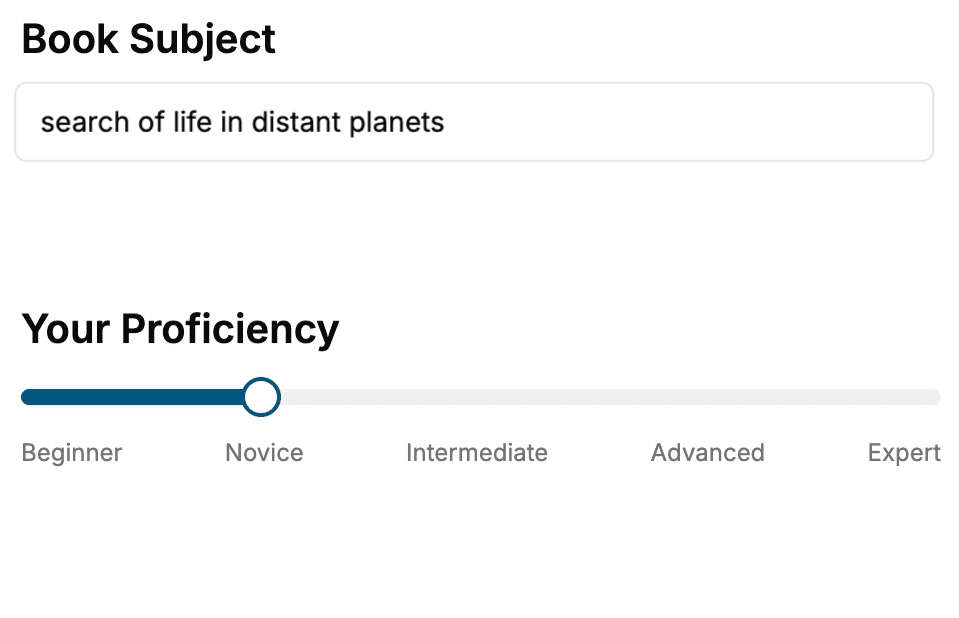
- 1. Select your focus
Select the focus of your Evolution book and share your background
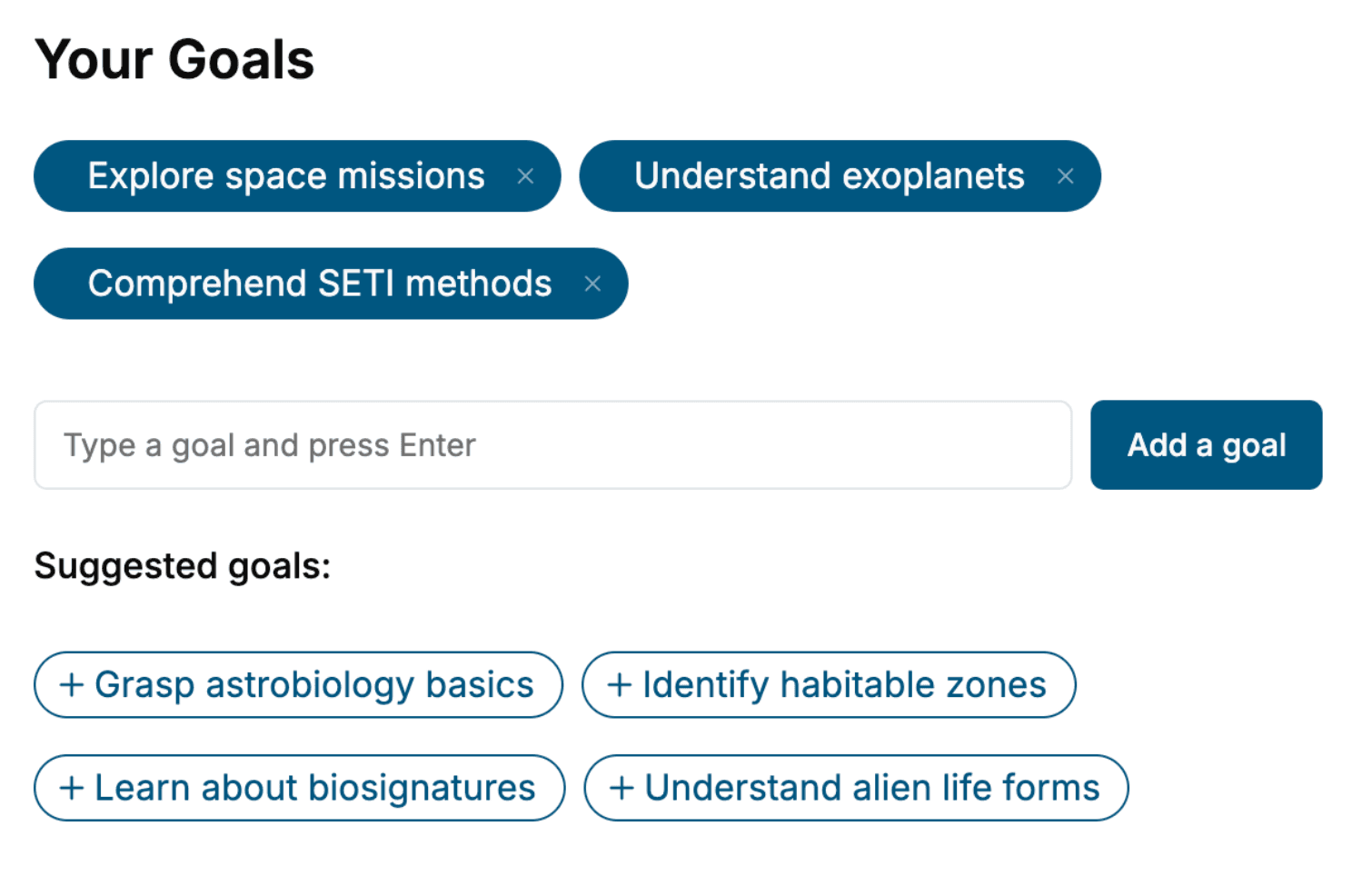
- 2. Personalize your book
Specify your goals and choose sub-topics to include
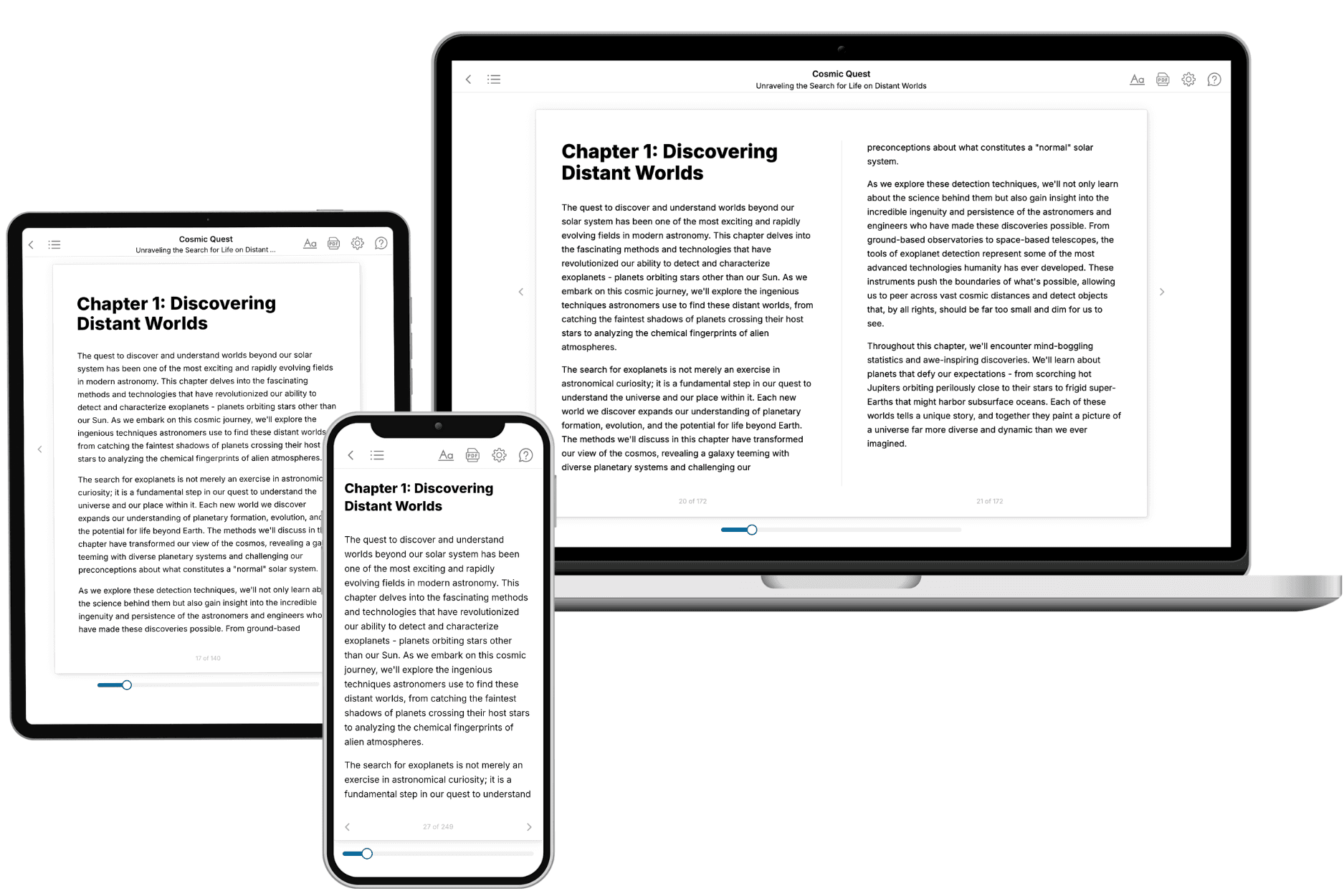
- 3. Get your tailored book
Your book is ready in 10 minutes. Read it online, download as EPUB or PDF, or send to Kindle.
Frequently asked questions
- What is TailoredRead?
TailoredRead creates complete, full-length nonfiction ebooks, written specifically for you. Tell us what you want to learn and why, and TailoredRead writes you a complete ebook on it, with charts, tables, and diagrams throughout. Read it online, on Kindle, or on any e-reader, or download it as a PDF or EPUB. Every book is written fresh the day you order it.
- How is the book tailored to me?
Before anything is written, you answer a few short questions about your goals, your background, and the topics you care about. Your book is then planned around your answers: written at your level, focused on your goals, and covering the topics you chose, instead of the one-size-fits-all book a store sells everyone.
- Will it read like generic AI content?
No. Your book isn't a chat transcript: it's planned chapter by chapter before a single word is written, told in a clear book voice, and explains ideas visually with charts, tables, and diagrams. After writing, every book goes through an editorial pass that polishes chapters so the book reads consistent from start to finish. Judge for yourself: browse thousands of sample books on our Explore Books page.
- How accurate is the content?
Our AI first checks whether your subject needs live research. Niche and fast-moving subjects are researched before writing, and the book plan and chapters are grounded in what it finds. After writing, every book goes through a quality pass that checks its facts and consistency, and researched books list their sources in a Notes section at the back.
- How long is the book?
You choose the length: Comprehensive (250-300 pages), Detailed (150-200 pages), Essential (70-100 pages), or Short (30-50 pages).
- Does the book include visuals?
Yes. Every book includes charts, tables, and diagrams: timelines, checklists, step-by-step guides, decision trees, comparison tables, matrices, and bar charts. A typical book includes dozens of these visual elements.
- Can I read it on Kindle? What formats can I download?
Yes. Every book can be read in our online reader or downloaded as a PDF or EPUB. The EPUB can be opened with Kindle, Apple Books, Kobo, and any e-reader. The Commercial and Author licenses also include an editable Word (DOCX) and Markdown download.
- How much does it cost?
About the price of a regular ebook. The exact price depends on your book's length and complexity, from $2 for the shortest books to $35 for the most comprehensive, and it's shown when you review your book, before you commit to anything. Each book is a one-time purchase, yours to keep, no subscription. Licenses that let you share, teach, or publish your book range from $35.99 to $49.99.
- Can I preview the book before purchasing?
Before you pay, you'll see what your book will cover: the title, a detailed description, the estimated length, and the complete chapter-by-chapter table of contents, so you know what you're getting before you decide. The full text itself is written after you purchase.
- How long does it take to create a book?
About 10 minutes. You can start reading the opening chapters while the rest is still being written.