Microbiology Books
Explore tailored Microbiology books created by our AI
What if the health of our planet depends entirely on organisms too small to see with the naked eye? Environmental microbiology reveals that microbes are far more than invisible threats—they are the architects of our living world. This book explores how bacteria, archaea, fungi, and other microorganisms drive the fundamental processes that make Earth habitable. You'll discover how microbial communities cycle nutrients through soil and water, transform pollutants into harmless compounds, and respond to environmental stress. By understanding these microscopic ecosystems, you'll gain insight into pressing environmental challenges and the biological solutions already working at the molecular level. Whether you're concerned about climate change, water quality, soil degradation, or sustainable development, this book demonstrates why microbiology is central to environmental science and how microbial knowledge can inform better decisions about our planet's future.
The Parasite Paradox
Understanding the Hidden World of Parasites and Their Impact on Life
Imagine a world where invisible architects shape the behavior of their hosts, where microscopic invaders influence the fate of ecosystems, and where ancient survival strategies continue to drive evolution itself. This is the world of parasites—far more fascinating and consequential than most people realize. Rather than viewing parasites as mere disease-causing nuisances, this book reveals them as masterful survivors whose strategies illuminate fundamental principles of biology and ecology. You'll discover how parasites have shaped human history, influenced animal behavior, and maintained the delicate balance of natural ecosystems. Through engaging explanations and compelling examples, you'll explore the sophisticated mechanisms parasites use to evade immune systems, manipulate hosts, and ensure their survival. Whether you're interested in human health, evolutionary biology, or ecological dynamics, this book transforms your understanding of these remarkable organisms from fear-based misconceptions to genuine scientific appreciation. Gain the knowledge to recognize parasites' roles in your own life and in the natural world around you.
Discover how the trillions of bacteria living in your gut shape your health in ways you never imagined. This comprehensive guide takes you from basic microbiome concepts to advanced understanding of how your digestive system actually works. You'll learn the intricate anatomy of your small intestine and large bowel, explore the fascinating diversity of bacterial communities, and understand exactly how nutrients get absorbed into your bloodstream. Discover the science behind bowel movements, the critical role your gut plays in immune function, and how inflammation develops at the microbial level. Explore the groundbreaking microbiome-brain axis and learn why your gut bacteria influence your mood and cognition. This book demystifies dysbiosis, explains how your microbiome changes with age, and provides evidence-based strategies for maintaining bacterial ecosystem stability. Whether you're interested in the mathematics of bacterial succession patterns, the biochemistry of short-chain fatty acids, or practical dietary approaches to wellness, you'll find rigorous science explained clearly and accessibly.
Living Soil
How Microbial Ecosystems Transform Waste Into Fertility and Sustainability
What if the solution to your municipality's waste management challenge also held the key to regenerating degraded soils and building sustainable agricultural systems? Soil microbes—invisible to the naked eye yet responsible for nearly every critical soil function—represent an untapped opportunity for waste transformation and environmental restoration. This book reveals how understanding microbial ecosystems enables you to convert organic waste streams into living soil amendments that enhance plant health, build soil fertility naturally, and advance genuine sustainability. You'll discover the science behind the soil food web, learn how bacterial-fungal partnerships drive nutrient cycling, and master practical techniques for optimizing microbial communities through composting, vermicomposting, and biochar application. Whether you're managing municipal waste, supporting agricultural sustainability, or building resilient soil systems, this guide provides the knowledge and frameworks to harness microbial ecosystems as your most powerful tool for environmental stewardship and resource recovery.
Imagine walking through a landscape once scarred by industrial contamination, now thriving with restored soil and clean water—a transformation made possible through the invisible work of microorganisms and plants. This book reveals how polycyclic aromatic hydrocarbons (PAHs), persistent pollutants from combustion and industrial processes, can be effectively neutralized using bioremediation strategies that work with nature rather than against it. You'll discover the science behind PAH contamination, explore the remarkable metabolic capabilities of microorganisms that can break down these toxic compounds, and learn practical approaches to designing and implementing bioremediation projects. From understanding microbial degradation pathways to optimizing environmental conditions for maximum remediation efficiency, this guide equips you with the knowledge to assess contaminated sites, select appropriate remediation strategies, and monitor progress toward environmental restoration. Whether you're an environmental professional, researcher, or student, you'll gain actionable insights into how biological systems can reclaim polluted environments and create sustainable solutions for a cleaner future.
Environmental Biotechnology
Harnessing Nature's Solutions for a Sustainable Future
Imagine a world where contaminated sites heal themselves, where waste becomes a resource, and where clean energy flows from biological processes rather than fossil fuels. This is the promise of environmental biotechnology—a field that harnesses the power of living organisms to solve humanity's most pressing environmental challenges. This book reveals how microorganisms, plants, and engineered biological systems are being deployed to clean polluted water, restore degraded soil, treat industrial waste, and generate renewable energy. You'll discover the science behind bioremediation, learn how wastewater treatment plants work at the microbial level, and explore cutting-edge applications in synthetic biology. Whether you're concerned about environmental degradation, curious about sustainable solutions, or seeking to understand the biotechnology revolution, this guide provides the knowledge and practical insights you need to grasp how nature's own mechanisms are being mobilized to create a cleaner, more sustainable future.
Embark on a captivating journey through 19th-century France and discover the extraordinary life of Louis Pasteur, a man whose groundbreaking work in microbiology revolutionized science and medicine. This book offers a vivid portrait of Pasteur's relentless pursuit of knowledge, from his humble beginnings to his rise as one of the most influential scientists in history. You'll explore Pasteur's pivotal discoveries, including the principles of vaccination, pasteurization, and the germ theory of disease. Delve into the social and political climate of France during this transformative era, and see how Pasteur's work intersected with the broader currents of European history. Through engaging narratives and insightful analysis, you'll gain a deeper appreciation for Pasteur's legacy and its lasting impact on public health, industry, and scientific inquiry. This book not only illuminates the life of a scientific genius but also provides a window into the birth of modern microbiology and its profound effects on society.
Many physicians assume astrobiology is purely theoretical—disconnected from clinical practice and grounded in speculation rather than science. In reality, astrobiology applies rigorous biochemistry, microbiology, and planetary science to answer one of humanity's most profound questions: Are we alone? This book bridges your medical expertise with cutting-edge astrobiology, revealing how extremophiles survive in Earth's harshest environments, how we detect biosignatures on distant exoplanets, and what the chemical building blocks of life tell us about its origins. You'll explore the habitable zone concept, understand why Mars and ocean worlds matter for human exploration, and learn how SETI scientists search for intelligent life. Written for physicians who want to grasp the science without oversimplification, this guide connects molecular biology, planetary atmospheres, and prebiotic chemistry into a coherent framework for understanding life's possibilities across the cosmos.
The Biopesticide Revolution
How Natural Pest Control Is Transforming Modern Agriculture
Many farmers believe that choosing between synthetic pesticides and crop loss is inevitable. However, biopesticides represent a third path—one that controls pests effectively while protecting soil health, beneficial insects, and long-term farm productivity. This comprehensive guide demystifies biopesticides by explaining how they work, which types suit different situations, and how to implement them successfully. You'll discover the science behind microbial agents, botanical extracts, and biochemical solutions, learn practical application techniques that maximize effectiveness, and understand how to integrate biopesticides into your existing pest management system. Whether you're managing a small organic operation or a large conventional farm transitioning toward sustainability, this book provides the knowledge and strategies you need to reduce chemical inputs while maintaining crop yields and profitability.
The Scottish Healer
Alexander Fleming's Journey from Farm Boy to Medical Revolutionary
You'll gain profound insights into one of history's most consequential scientific discoveries through the remarkable life of Alexander Fleming, the Scottish bacteriologist who revolutionized modern medicine. This comprehensive biography reveals how a humble farm boy from Ayrshire became the man whose accidental discovery of penicillin would save countless millions of lives. You'll explore Fleming's formative years in rural Scotland, understanding how his early experiences shaped the observational skills and methodical approach that would later prove crucial to his groundbreaking work. The narrative traces his educational journey, military service, and the pivotal moments that led him to bacteriology, providing context for the scientific environment that fostered his discoveries. You'll discover the true story behind the penicillin discovery—not merely a fortunate accident, but the result of a prepared mind recognizing the significance of an unexpected observation. The book examines the challenges Fleming faced in developing his findings, the initial skepticism from the scientific community, and the collaborative efforts that eventually brought penicillin to widespread medical use. Through detailed exploration of Fleming's character, you'll understand how his Scottish heritage, modest personality, and unwavering dedication to scientific truth guided him through international fame while remaining grounded in his roots. This biography illuminates not just a scientific breakthrough, but the human story of perseverance, curiosity, and the profound impact one individual can have on humanity's future.
The Art and Science of Sake Brewing
Master the Craft of Japan's Most Refined Spirit
Elevate your sake appreciation from casual enjoyment to genuine mastery. This comprehensive guide takes you inside the breweries and laboratories where Japan's most refined spirit comes to life. You'll discover how master brewers orchestrate the complex dance between koji mold, yeast, and rice to create beverages of extraordinary complexity and balance. Learn the science behind fermentation temperatures, enzyme activity, and the parallel fermentation process that makes sake unique among world beverages. Understand how water composition, rice polishing ratios, and ingredient selection shape flavor profiles. Explore the classification systems that decode sake labels and guide your selections. Whether you're interested in brewing your own sake, deepening your tasting skills, or simply understanding what makes premium sake exceptional, this book provides the knowledge and context to appreciate every nuance in your glass.
The Biogeochemical Earth
Understanding How Elements Cycle Through Rock, Water, and Life
Discover how the elements that make up rocks, water, and living organisms continuously cycle through Earth's interconnected systems. This book reveals the hidden chemistry and geology behind the natural processes that sustain all life on our planet. You'll learn how weathering breaks down mountains, how microorganisms transform nutrients in soil, how carbon moves between the atmosphere and oceans, and how human activities are disrupting these ancient cycles. By understanding biogeochemistry, you'll gain insight into pressing environmental challenges—from climate change to water pollution to soil degradation—and recognize your place within Earth's dynamic chemical systems. Whether you're a student, educator, environmental professional, or curious learner, this accessible yet rigorous exploration of biogeochemical processes will fundamentally change how you see the world beneath your feet and the air you breathe.
Related books you may like:
Many ophthalmologists approach age-related macular degeneration management using standardized protocols that fail to account for the disease's remarkable heterogeneity and individual patient variation. This comprehensive guide bridges the gap between foundational AMD knowledge and advanced clinical practice by synthesizing the latest evidence on surgical techniques, pharmacological interventions, and diagnostic innovations. You'll master anti-VEGF injection optimization, learn to interpret multimodal imaging data for precise staging and prognosis, and develop personalized treatment algorithms that integrate genetic risk factors, biomarker monitoring, and combination therapy strategies. The book covers emerging technologies including adaptive optics imaging and complement system inhibition, while providing practical frameworks for managing complications, preventing subretinal fibrosis, and maximizing patient quality of life. Whether refining injection techniques, integrating new imaging modalities, or designing evidence-based clinical guidelines, this resource equips you with the knowledge and tools to advance your practice and improve outcomes for your AMD patients.
Imagine confidently identifying precise auricular points on your patients' ears and knowing exactly which anatomical landmarks correspond to their pain conditions. This comprehensive guide bridges the gap between anatomical knowledge and clinical practice, providing you with the practical skills needed to master auricular acupuncture. Drawing on your medical background, you'll learn the systematic mapping of ear point anatomy, develop proficiency in point sensitivity assessment, and implement evidence-based treatment protocols for both acute and chronic pain management. Each chapter builds your clinical competency through detailed anatomical descriptions, landmark identification techniques, and real-world application strategies. You'll understand the neurophysiological mechanisms underlying auricular acupuncture's effectiveness and gain the confidence to design individualized treatment plans. Whether you're treating acute injuries or managing chronic conditions, this book provides the anatomical precision and clinical frameworks necessary to deliver effective auricular acupuncture therapy and enhance your patient outcomes.
As a psychiatric nurse practitioner, you understand that ADHD extends far beyond childhood hyperactivity—yet many clinicians lack comprehensive frameworks for recognizing its complex manifestations across development and effectively integrating evidence-based interventions. This resource bridges that gap by providing clinically rigorous, practical guidance grounded in neuroscience and clinical evidence. You'll explore the neurobiological foundations of ADHD, master differential diagnosis across age groups, and implement multimodal treatment strategies that combine pharmacological management, behavioral interventions, and psychoeducational approaches. The book emphasizes neurodiversity-affirming care that reframes ADHD traits as neurological differences rather than deficits, helping your patients recognize inherent strengths like creativity and hyperfocus. Discover how to support families through psychoeducation, develop individualized coping strategies, and navigate the unique challenges of adult ADHD diagnosis and management. With practical assessment tools, treatment algorithms, and real-world clinical scenarios, this comprehensive guide enhances your ability to provide patient-centered, evidence-based care that improves outcomes and reduces stigma.
You'll gain a clear, science-based understanding of how ADHD actually works in your brain and why traditional productivity advice often fails you. This book moves beyond generic tips to explore the neurological reality of attention regulation, executive function, and dopamine sensitivity—and what that means for your daily life. You'll discover why you struggle with certain tasks while excelling at others, learn to recognize your personal ADHD patterns, and access practical strategies for managing time, emotions, relationships, and work. Whether you're newly diagnosed, self-aware but undiagnosed, or supporting someone with ADHD, you'll find evidence-based approaches to medication, therapy, lifestyle design, and environmental modifications. This isn't about "fixing" yourself—it's about understanding your brain's unique operating system and building a life that works with it, not against it. Packed with real-world examples and actionable frameworks, this guide helps you transform ADHD from a source of shame into a manageable aspect of who you are.
Imagine confidently integrating auricular acupuncture into your clinical practice with precision and evidence-based confidence. This comprehensive guide equips you with the anatomical knowledge, diagnostic skills, and practical protocols needed to master auricular point mapping and deliver superior patient outcomes. Designed specifically for physicians, this resource provides detailed visual maps of auricular points for pain management, stress relief, sleep disorders, smoking cessation, and obesity treatment. You'll learn systematic point location techniques, develop point sensitivity testing skills, and understand the neurophysiological mechanisms underlying auricular acupuncture's therapeutic effects. Whether you're treating chronic pain, managing stress-related conditions, or helping patients overcome addiction and weight management challenges, you'll discover evidence-based protocols that integrate seamlessly with your medical practice. The book includes practical guidance on needle-free auricular stimulation techniques, clinical diagnostic approaches, and strategies for patient selection and treatment monitoring. Master the specialized expertise that sets apart clinicians who achieve consistent, measurable results in auricular acupuncture practice.
Create a Microbiology Book Tailored to You
Create an AI-crafted book tailored to your goals, interests, and background





Benefits of AI-tailored books
- Read one book, not ten:
- all the Microbiology knowledge you need, gathered into a single book.
- Save days of learning:
- tell us your goals, choose your topics, and the whole book is built around them.
- Learn effortlessly:
- Microbiology book written for your specific background and expertise.
- Understand at a glance:
- includes charts, tables, timelines, checklists, decision trees, and more.
- Stay current:
- written the day you order it, not years ago.
- Trust what you read:
- every book is checked for accuracy, with real research when your subject needs it.
Create your unique book in 3 steps
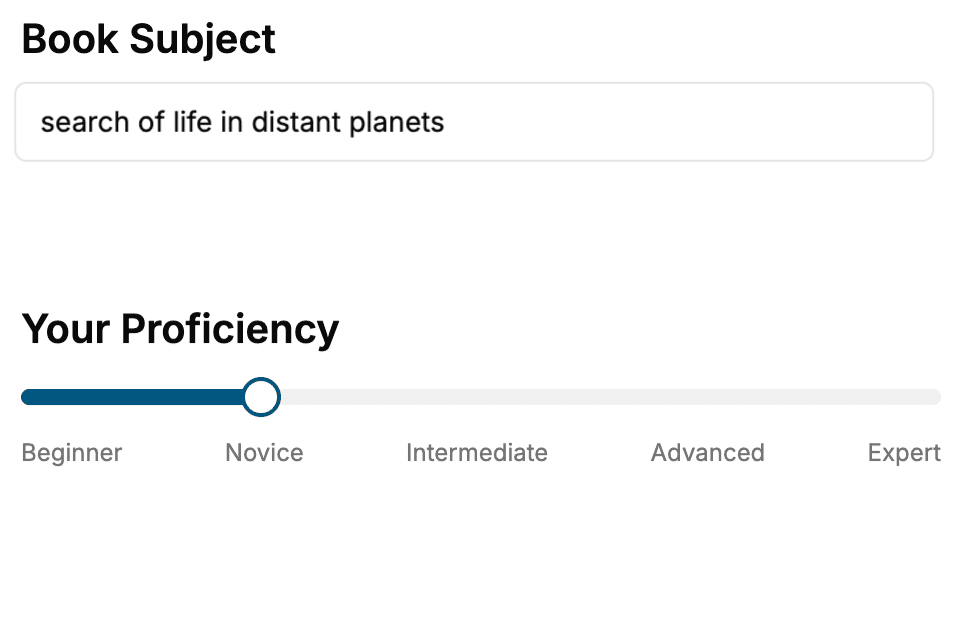
- 1. Select your focus
Select the focus of your Microbiology book and share your background
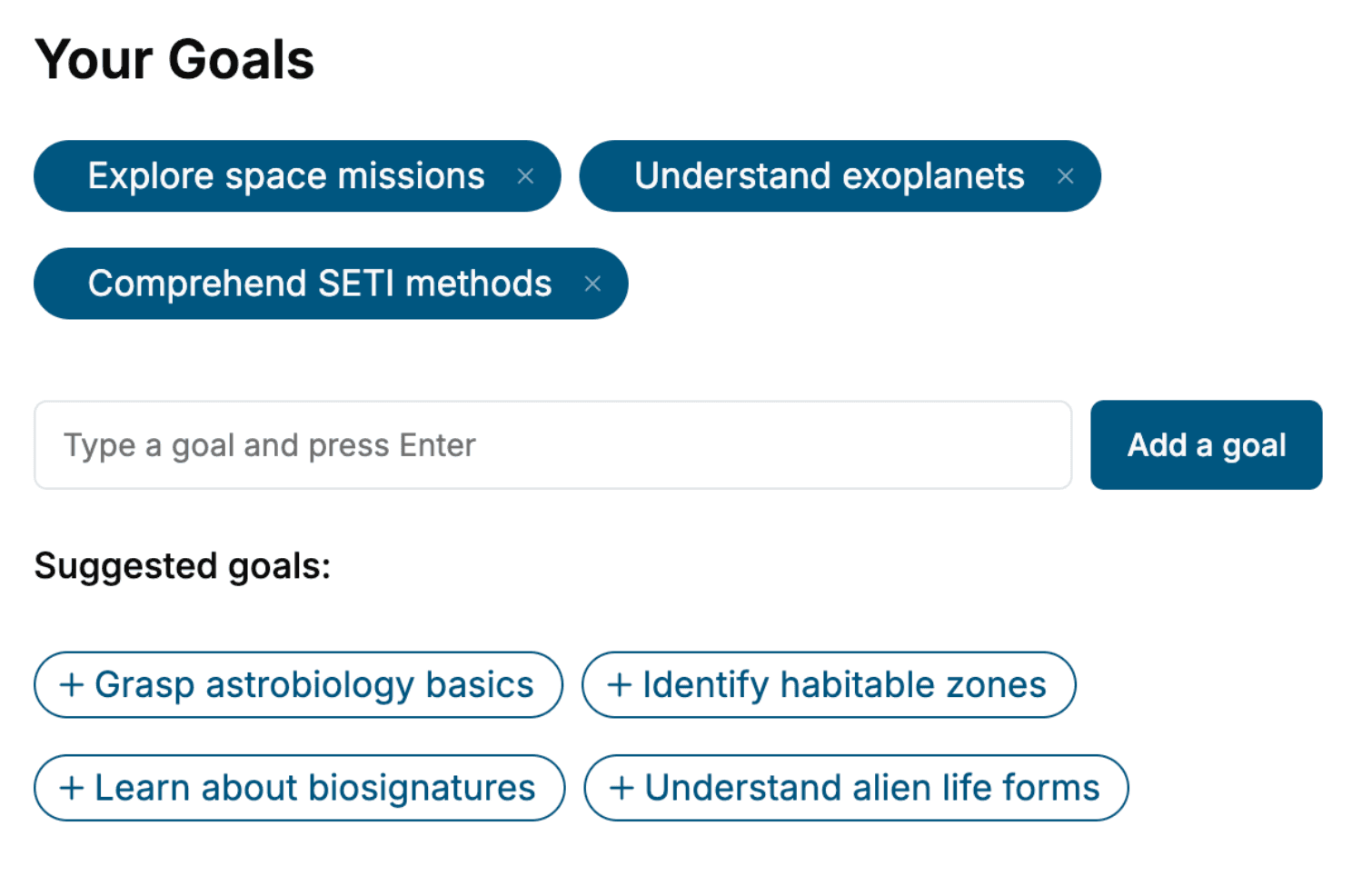
- 2. Personalize your book
Specify your goals and choose sub-topics to include
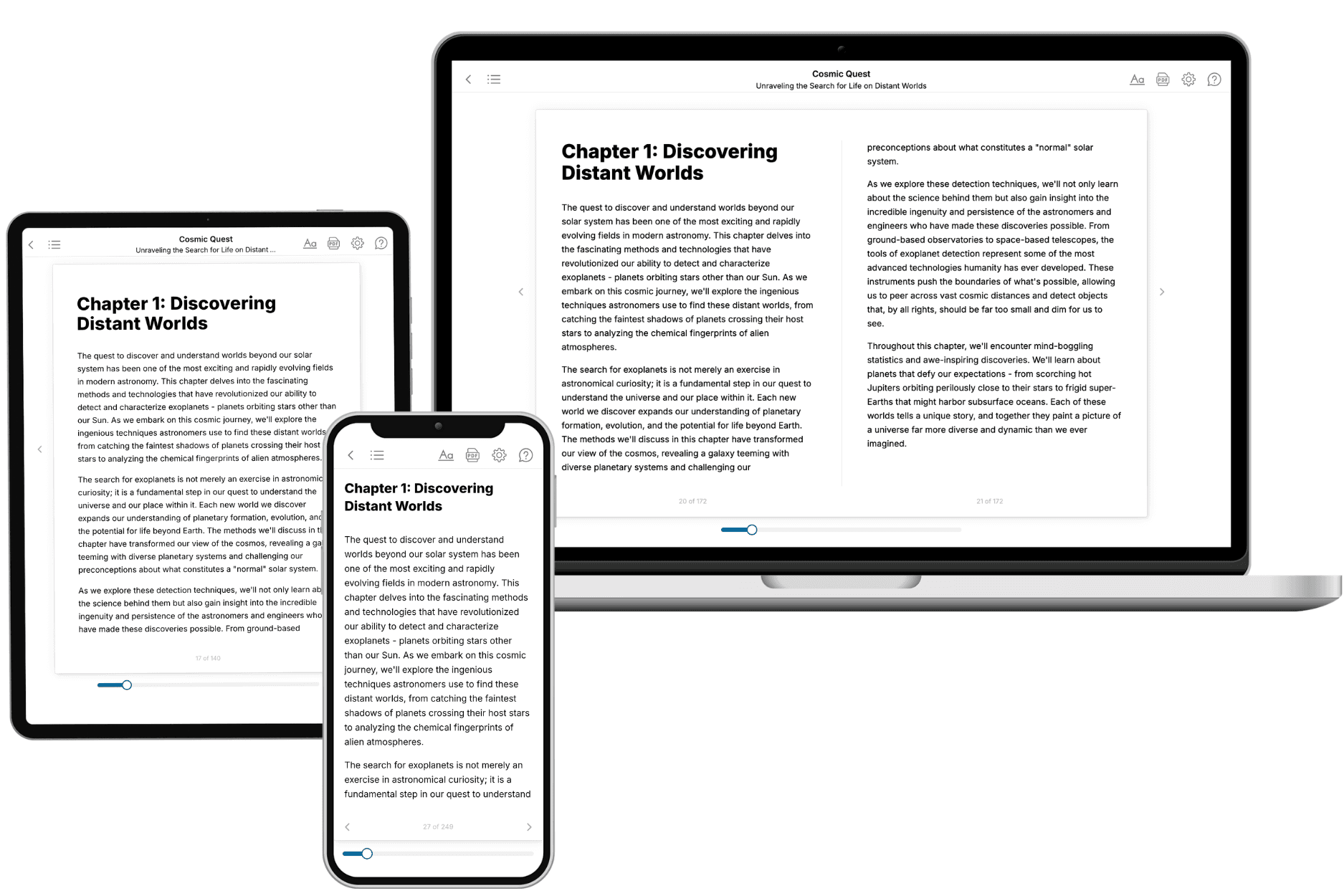
- 3. Get your tailored book
Your book is ready in 10 minutes. Read it online, download as EPUB or PDF, or send to Kindle.
Start from a template
Frequently asked questions
- What is TailoredRead?
TailoredRead creates complete, full-length nonfiction ebooks, written specifically for you. Tell us what you want to learn and why, and TailoredRead writes you a complete ebook on it, with charts, tables, and diagrams throughout. Read it online, on Kindle, or on any e-reader, or download it as a PDF or EPUB. Every book is written fresh the day you order it.
- How is the book tailored to me?
Before anything is written, you answer a few short questions about your goals, your background, and the topics you care about. Your book is then planned around your answers: written at your level, focused on your goals, and covering the topics you chose, instead of the one-size-fits-all book a store sells everyone.
- Will it read like generic AI content?
No. Your book isn't a chat transcript: it's planned chapter by chapter before a single word is written, told in a clear book voice, and explains ideas visually with charts, tables, and diagrams. After writing, every book goes through an editorial pass that polishes chapters so the book reads consistent from start to finish. Judge for yourself: browse thousands of sample books on our Explore Books page.
- How accurate is the content?
Our AI first checks whether your subject needs live research. Niche and fast-moving subjects are researched before writing, and the book plan and chapters are grounded in what it finds. After writing, every book goes through a quality pass that checks its facts and consistency, and researched books list their sources in a Notes section at the back.
- How long is the book?
You choose the length: Comprehensive (250-300 pages), Detailed (150-200 pages), Essential (70-100 pages), or Short (30-50 pages).
- Does the book include visuals?
Yes. Every book includes charts, tables, and diagrams: timelines, checklists, step-by-step guides, decision trees, comparison tables, matrices, and bar charts. A typical book includes dozens of these visual elements.
- Can I read it on Kindle? What formats can I download?
Yes. Every book can be read in our online reader or downloaded as a PDF or EPUB. The EPUB can be opened with Kindle, Apple Books, Kobo, and any e-reader. The Commercial and Author licenses also include an editable Word (DOCX) and Markdown download.
- How much does it cost?
About the price of a regular ebook. The exact price depends on your book's length and complexity, from $2 for the shortest books to $35 for the most comprehensive, and it's shown when you review your book, before you commit to anything. Each book is a one-time purchase, yours to keep, no subscription. Licenses that let you share, teach, or publish your book range from $35.99 to $49.99.
- Can I preview the book before purchasing?
Before you pay, you'll see what your book will cover: the title, a detailed description, the estimated length, and the complete chapter-by-chapter table of contents, so you know what you're getting before you decide. The full text itself is written after you purchase.
- How long does it take to create a book?
About 10 minutes. You can start reading the opening chapters while the rest is still being written.