Medicine History Books
Explore tailored Medicine History books created by our AI
Have you ever wondered how a single individual could change the course of medical history and save countless lives? Step into the world of 18th century Scotland and meet James Lind, a pioneering physician whose groundbreaking work laid the foundation for modern clinical research. This captivating biography takes you on a voyage through time, exploring Lind's life, his revolutionary experiments, and the lasting impact of his discoveries on naval health and beyond. From the bustling ports of Edinburgh to the treacherous seas of the British Royal Navy, you'll witness the challenges Lind faced and the ingenious solutions he devised. Discover how his meticulous approach to treating scurvy not only saved sailors but also paved the way for evidence-based medicine. Through vivid storytelling and historical context, you'll gain a deep appreciation for Lind's contributions to science and humanity. Prepare to be inspired by the story of a true Scottish hero whose legacy continues to shape medical practice today.
Embark on a captivating journey through 19th-century France and discover the extraordinary life of Louis Pasteur, a man whose groundbreaking work in microbiology revolutionized science and medicine. This book offers a vivid portrait of Pasteur's relentless pursuit of knowledge, from his humble beginnings to his rise as one of the most influential scientists in history. You'll explore Pasteur's pivotal discoveries, including the principles of vaccination, pasteurization, and the germ theory of disease. Delve into the social and political climate of France during this transformative era, and see how Pasteur's work intersected with the broader currents of European history. Through engaging narratives and insightful analysis, you'll gain a deeper appreciation for Pasteur's legacy and its lasting impact on public health, industry, and scientific inquiry. This book not only illuminates the life of a scientific genius but also provides a window into the birth of modern microbiology and its profound effects on society.
The Healing Journey
Unraveling the Tapestry of Medical History
Venture into the captivating world of medical history, where ancient wisdom meets modern science. The Healing Journey: Unraveling the Tapestry of Medical History takes you on an exhilarating exploration of humanity's quest to understand and heal the human body. From the mystical practices of early civilizations to the groundbreaking discoveries of the 21st century, this book weaves together the threads of medical knowledge that have shaped our understanding of health and disease. You'll witness the birth of revolutionary ideas, the triumphs over seemingly insurmountable challenges, and the relentless pursuit of knowledge that has driven medical progress. As you delve into the pages of this illuminating work, you'll gain a deeper appreciation for the intricate dance between scientific inquiry and medical practice. Discover how cultural beliefs, technological advancements, and serendipitous moments have all played crucial roles in the evolution of healthcare. By the end of this journey, you'll emerge with a rich understanding of how far we've come and the exciting possibilities that lie ahead in the ever-evolving field of medicine.
Many Canadians take their healthcare system for granted, assuming it has always existed as a public service. The reality is far more complex and fascinating. This book traces the remarkable journey of how Canada transformed healthcare from a privilege of the wealthy into a system based on the principle that medical care should be a right, not a commodity. You'll discover how colonial-era medicine gave way to private practice, how the economic devastation of the Depression forced new thinking, and how visionary leaders like Tommy Douglas proved that universal healthcare was possible. Through engaging historical narratives and clear explanations, you'll understand the key decisions, political battles, and social movements that created Medicare and shaped the system you know today. Whether you're curious about Canadian history, interested in how healthcare systems develop, or simply want to understand the roots of a national institution, this book reveals the human stories and pivotal moments behind one of Canada's greatest achievements.
The Scottish Healer
Alexander Fleming's Journey from Farm Boy to Medical Revolutionary
You'll gain profound insights into one of history's most consequential scientific discoveries through the remarkable life of Alexander Fleming, the Scottish bacteriologist who revolutionized modern medicine. This comprehensive biography reveals how a humble farm boy from Ayrshire became the man whose accidental discovery of penicillin would save countless millions of lives. You'll explore Fleming's formative years in rural Scotland, understanding how his early experiences shaped the observational skills and methodical approach that would later prove crucial to his groundbreaking work. The narrative traces his educational journey, military service, and the pivotal moments that led him to bacteriology, providing context for the scientific environment that fostered his discoveries. You'll discover the true story behind the penicillin discovery—not merely a fortunate accident, but the result of a prepared mind recognizing the significance of an unexpected observation. The book examines the challenges Fleming faced in developing his findings, the initial skepticism from the scientific community, and the collaborative efforts that eventually brought penicillin to widespread medical use. Through detailed exploration of Fleming's character, you'll understand how his Scottish heritage, modest personality, and unwavering dedication to scientific truth guided him through international fame while remaining grounded in his roots. This biography illuminates not just a scientific breakthrough, but the human story of perseverance, curiosity, and the profound impact one individual can have on humanity's future.
Navigate the profound transformation of medical ethics from its historical roots to today's care-centered approaches. This book traces bioethics' evolution through pivotal moments and moral crises that reshaped medicine's relationship with human dignity. You'll explore how the field moved beyond cure-focused paradigms to embrace comprehensive care that honors personhood, relationships, and justice. Discover how narrative medicine captures patient experiences that clinical data cannot, how care ethics theory challenges traditional frameworks, and how disability rights perspectives demand structural change in healthcare systems. Examine the philosophical foundations of moral status and personhood, investigate justice in healthcare access across global contexts, and understand bioethics' role in addressing systemic inequalities. This integrated exploration combines historical analysis with contemporary frameworks, offering you practical philosophical tools for navigating complex ethical dilemmas in clinical practice and healthcare policy. Whether addressing end-of-life decisions, resource allocation, or vulnerable populations, you'll gain deeper insight into the ethical principles that should guide modern medicine.
The Anverse of Mirror
Another History of Madness Narrated by the Persons
Discover how the voices of those labeled mad have been systematically silenced, reinterpreted, and erased from psychiatric history—and how centering patient narratives fundamentally transforms our understanding of mental illness. This book examines psychiatric history not through the lens of medical authority, but through the lived experiences, resistance, and agency of patients themselves. You'll explore how narrative bioethics and personalistic care frameworks offer ethical alternatives to traditional psychiatry, analyze the social construction of madness across historical periods, and understand how deinstitutionalization movements and neurodiversity frameworks challenge psychiatric epistemology. Through asylum memoirs, archival analysis, and first-person accounts, you'll examine the power dynamics that shaped institutional psychiatry, the resistance strategies employed by those confined, and the recovery narratives that reclaim agency. This book equips you with critical tools for analyzing psychiatric literature, understanding the genealogy of madness as a concept, and recognizing how cultural attitudes, classification systems, and institutional practices have continuously redefined what it means to be mad. Essential reading for students seeking to understand psychiatry's hidden histories and imagine more ethical futures.
The Black Death
How the Medieval World's Greatest Catastrophe Reshaped Civilization
Imagine understanding one of history's most pivotal moments—when a single pandemic killed half of Europe and forever changed the course of human civilization. The Black Death wasn't just a medical catastrophe; it was the catalyst that ended the Middle Ages and set the stage for the modern world you live in today. This book takes you deep into the 14th century to witness how the plague arrived on merchant ships, spread through bustling medieval cities, and overwhelmed every attempt to stop it. You'll discover why medieval medicine failed so catastrophically, how desperate populations turned to extreme religious practices, and why some communities survived while others perished. Beyond the death toll, you'll explore the pandemic's surprising aftermath: how labor shortages empowered peasants, how economic upheaval weakened feudalism, and how survivors rebuilt society with new ideas about work, faith, and human potential. Through careful analysis of primary sources and modern scholarship, you'll gain insight into the social, economic, religious, and cultural transformations that made the Black Death a true turning point in world history—and understand what this medieval catastrophe reveals about pandemics, societies, and human resilience across time.
Many medical students approach their surgical rotations feeling unprepared for the complexity of the operating room, the weight of surgical decision-making, and the ethical dilemmas that arise in patient care. This comprehensive guide bridges that gap by providing a structured introduction to surgical fundamentals grounded in both historical context and contemporary practice. You'll explore the evolution of surgery from 1900 to today, master the anatomical foundations essential for safe practice, and develop a deep understanding of surgical ethics and patient consent. The book then focuses on abdominal wall hernias—one of the most common surgical problems—examining their classification, pathophysiology, and the full spectrum of repair techniques from open surgery to advanced laparoscopic approaches. Throughout, you'll learn how surgeons think, make decisions under uncertainty, and prevent complications through systematic protocols. Whether you're preparing for your first surgical rotation or seeking to deepen your understanding of surgical principles, this book provides the knowledge and frameworks you need to approach surgery with confidence and competence.
The Elements of Discovery
How Chemistry Shaped Science, Industry, and Human Civilization
Chemistry's story is the story of human curiosity transformed into understanding. You'll journey through centuries of discovery, from ancient alchemists seeking to transmute lead into gold to modern chemists unlocking the secrets of molecular structure. This book traces how chemistry evolved from mystical speculation into rigorous science, revealing the brilliant minds and pivotal moments that changed everything. You'll discover how the periodic table brought order to chaos, how chemical reactions power our bodies and industries, and how laboratory breakthroughs led to medicines, plastics, and technologies that define modern life. Along the way, you'll encounter the unexpected failures that led to success, the fierce debates that advanced understanding, and the elegant simplicity underlying nature's complexity. Whether you're fascinated by how things work or curious about the scientific revolution that shaped our world, this exploration of chemistry's past illuminates why this science remains central to solving humanity's greatest challenges today.
Related books you may like:
Many ophthalmologists approach age-related macular degeneration management using standardized protocols that fail to account for the disease's remarkable heterogeneity and individual patient variation. This comprehensive guide bridges the gap between foundational AMD knowledge and advanced clinical practice by synthesizing the latest evidence on surgical techniques, pharmacological interventions, and diagnostic innovations. You'll master anti-VEGF injection optimization, learn to interpret multimodal imaging data for precise staging and prognosis, and develop personalized treatment algorithms that integrate genetic risk factors, biomarker monitoring, and combination therapy strategies. The book covers emerging technologies including adaptive optics imaging and complement system inhibition, while providing practical frameworks for managing complications, preventing subretinal fibrosis, and maximizing patient quality of life. Whether refining injection techniques, integrating new imaging modalities, or designing evidence-based clinical guidelines, this resource equips you with the knowledge and tools to advance your practice and improve outcomes for your AMD patients.
Imagine confidently identifying precise auricular points on your patients' ears and knowing exactly which anatomical landmarks correspond to their pain conditions. This comprehensive guide bridges the gap between anatomical knowledge and clinical practice, providing you with the practical skills needed to master auricular acupuncture. Drawing on your medical background, you'll learn the systematic mapping of ear point anatomy, develop proficiency in point sensitivity assessment, and implement evidence-based treatment protocols for both acute and chronic pain management. Each chapter builds your clinical competency through detailed anatomical descriptions, landmark identification techniques, and real-world application strategies. You'll understand the neurophysiological mechanisms underlying auricular acupuncture's effectiveness and gain the confidence to design individualized treatment plans. Whether you're treating acute injuries or managing chronic conditions, this book provides the anatomical precision and clinical frameworks necessary to deliver effective auricular acupuncture therapy and enhance your patient outcomes.
As a psychiatric nurse practitioner, you understand that ADHD extends far beyond childhood hyperactivity—yet many clinicians lack comprehensive frameworks for recognizing its complex manifestations across development and effectively integrating evidence-based interventions. This resource bridges that gap by providing clinically rigorous, practical guidance grounded in neuroscience and clinical evidence. You'll explore the neurobiological foundations of ADHD, master differential diagnosis across age groups, and implement multimodal treatment strategies that combine pharmacological management, behavioral interventions, and psychoeducational approaches. The book emphasizes neurodiversity-affirming care that reframes ADHD traits as neurological differences rather than deficits, helping your patients recognize inherent strengths like creativity and hyperfocus. Discover how to support families through psychoeducation, develop individualized coping strategies, and navigate the unique challenges of adult ADHD diagnosis and management. With practical assessment tools, treatment algorithms, and real-world clinical scenarios, this comprehensive guide enhances your ability to provide patient-centered, evidence-based care that improves outcomes and reduces stigma.
You'll gain a clear, science-based understanding of how ADHD actually works in your brain and why traditional productivity advice often fails you. This book moves beyond generic tips to explore the neurological reality of attention regulation, executive function, and dopamine sensitivity—and what that means for your daily life. You'll discover why you struggle with certain tasks while excelling at others, learn to recognize your personal ADHD patterns, and access practical strategies for managing time, emotions, relationships, and work. Whether you're newly diagnosed, self-aware but undiagnosed, or supporting someone with ADHD, you'll find evidence-based approaches to medication, therapy, lifestyle design, and environmental modifications. This isn't about "fixing" yourself—it's about understanding your brain's unique operating system and building a life that works with it, not against it. Packed with real-world examples and actionable frameworks, this guide helps you transform ADHD from a source of shame into a manageable aspect of who you are.
Imagine confidently integrating auricular acupuncture into your clinical practice with precision and evidence-based confidence. This comprehensive guide equips you with the anatomical knowledge, diagnostic skills, and practical protocols needed to master auricular point mapping and deliver superior patient outcomes. Designed specifically for physicians, this resource provides detailed visual maps of auricular points for pain management, stress relief, sleep disorders, smoking cessation, and obesity treatment. You'll learn systematic point location techniques, develop point sensitivity testing skills, and understand the neurophysiological mechanisms underlying auricular acupuncture's therapeutic effects. Whether you're treating chronic pain, managing stress-related conditions, or helping patients overcome addiction and weight management challenges, you'll discover evidence-based protocols that integrate seamlessly with your medical practice. The book includes practical guidance on needle-free auricular stimulation techniques, clinical diagnostic approaches, and strategies for patient selection and treatment monitoring. Master the specialized expertise that sets apart clinicians who achieve consistent, measurable results in auricular acupuncture practice.
Create a Medicine History Book Tailored to You
Create an AI-crafted book tailored to your goals, interests, and background




Benefits of AI-tailored books
- Read one book, not ten:
- all the Medicine History knowledge you need, gathered into a single book.
- Save days of learning:
- tell us your goals, choose your topics, and the whole book is built around them.
- Learn effortlessly:
- Medicine History book written for your specific background and expertise.
- Understand at a glance:
- includes charts, tables, timelines, checklists, decision trees, and more.
- Stay current:
- written the day you order it, not years ago.
- Trust what you read:
- every book is checked for accuracy, with real research when your subject needs it.
Create your unique book in 3 steps
- 1. Select your focus
Select the focus of your Medicine History book and share your background
- 2. Personalize your book
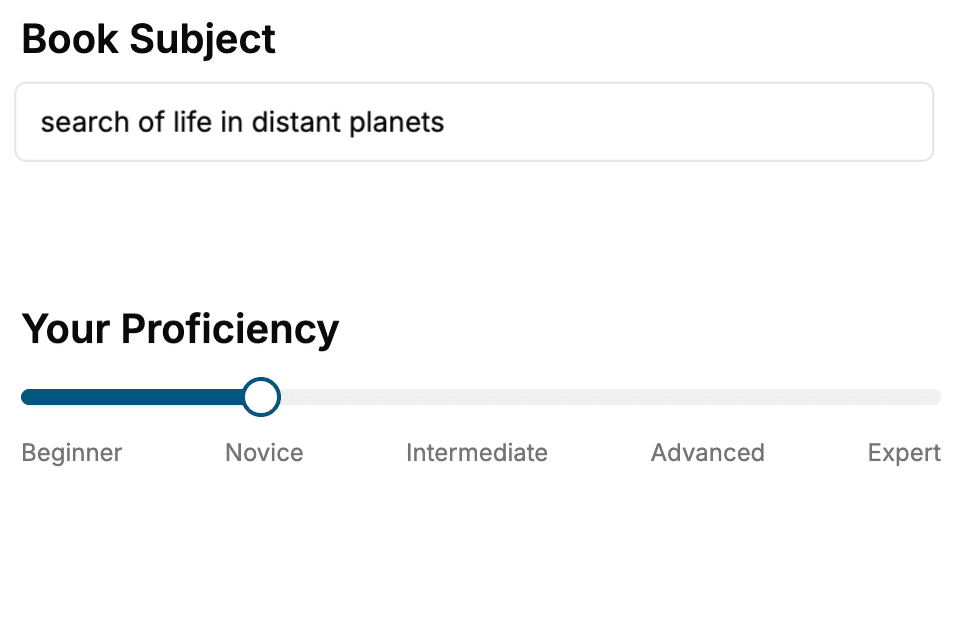
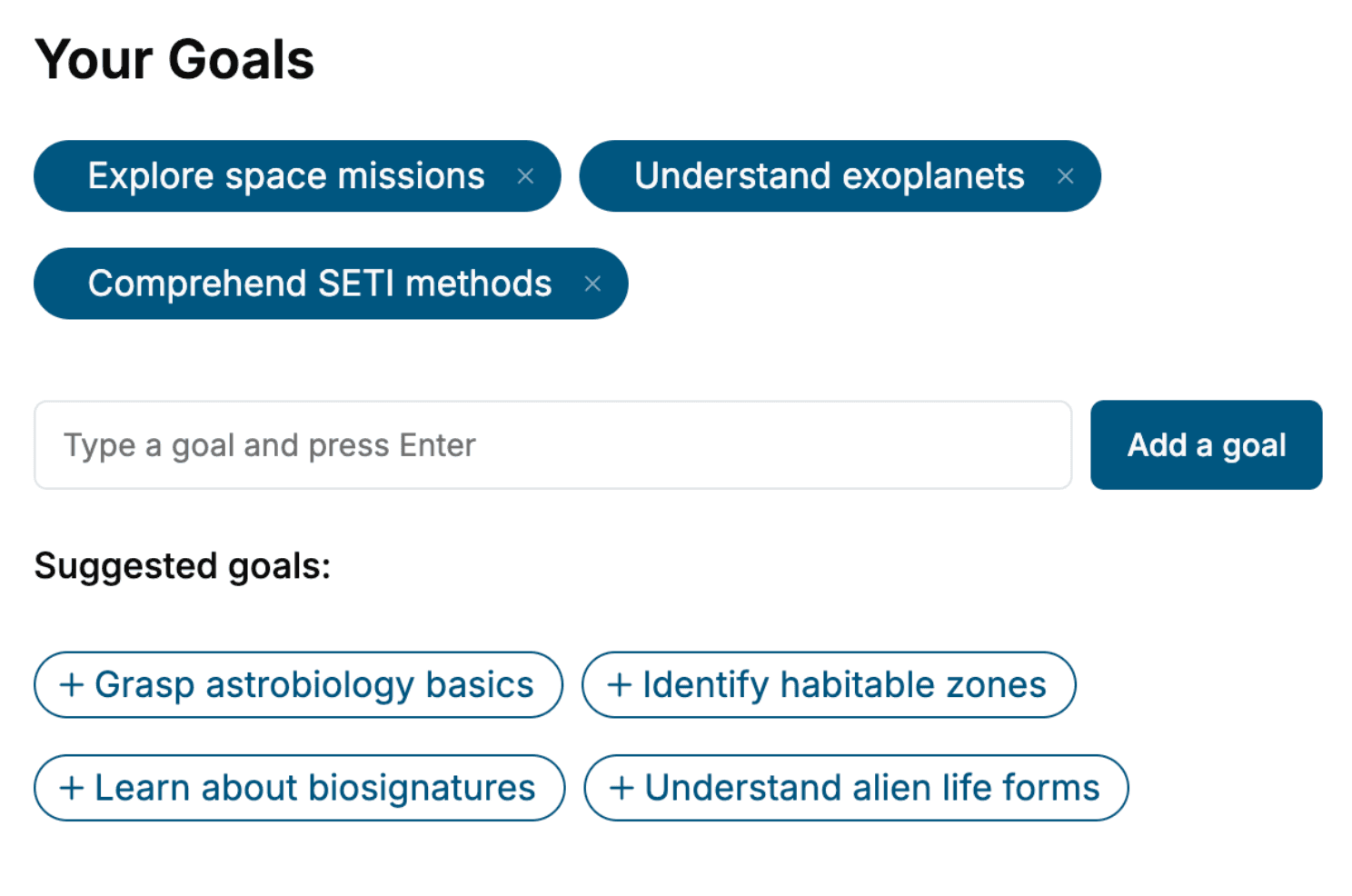
Specify your goals and choose sub-topics to include
- 3. Get your tailored book
Your book is ready in 10 minutes. Read it online, download as EPUB or PDF, or send to Kindle.
Start from a template
Frequently asked questions
- What is TailoredRead?
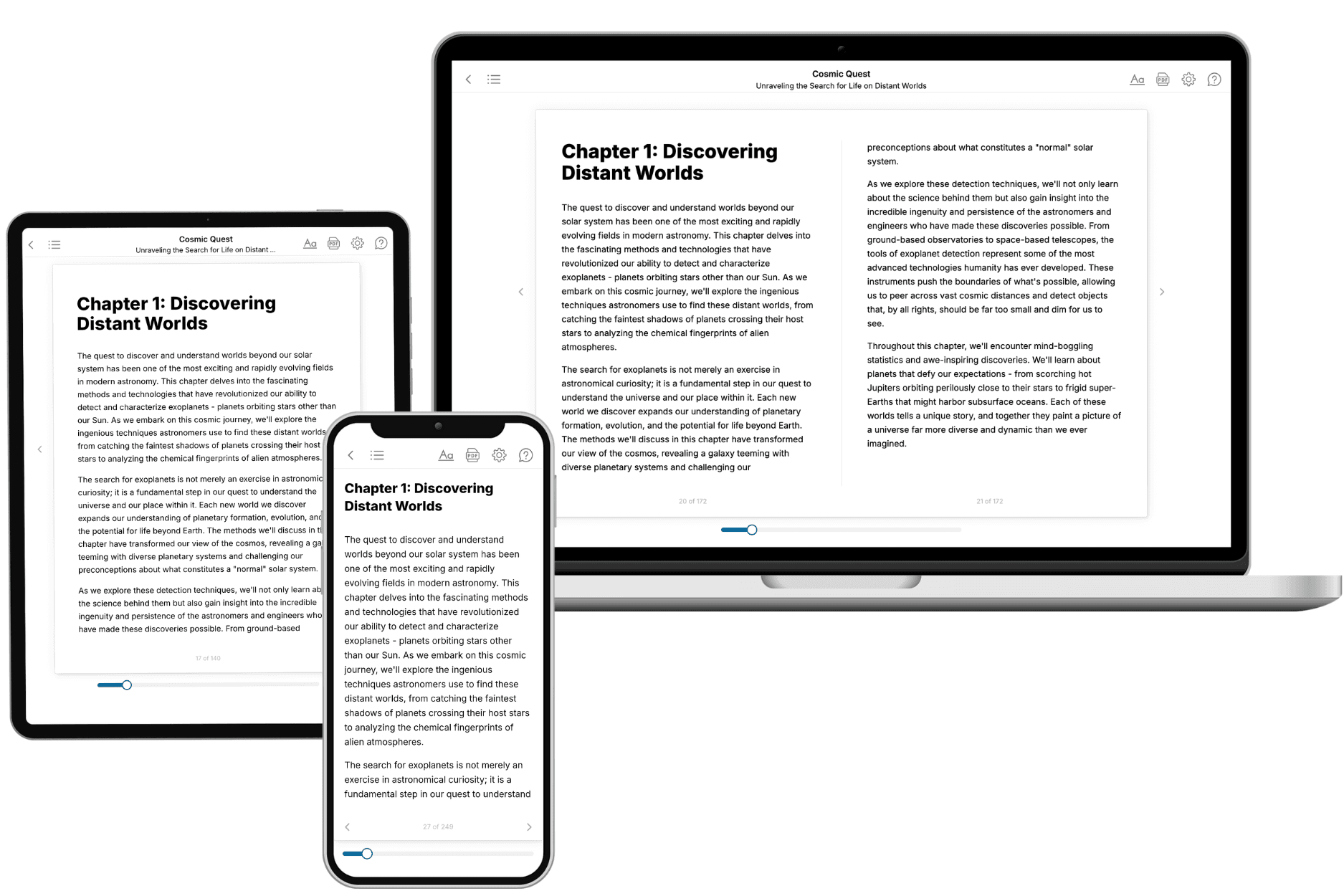
TailoredRead creates complete, full-length nonfiction ebooks, written specifically for you. Tell us what you want to learn and why, and TailoredRead writes you a complete ebook on it, with charts, tables, and diagrams throughout. Read it online, on Kindle, or on any e-reader, or download it as a PDF or EPUB. Every book is written fresh the day you order it.
- How is the book tailored to me?
Before anything is written, you answer a few short questions about your goals, your background, and the topics you care about. Your book is then planned around your answers: written at your level, focused on your goals, and covering the topics you chose, instead of the one-size-fits-all book a store sells everyone.
- Will it read like generic AI content?
No. Your book isn't a chat transcript: it's planned chapter by chapter before a single word is written, told in a clear book voice, and explains ideas visually with charts, tables, and diagrams. After writing, every book goes through an editorial pass that polishes chapters so the book reads consistent from start to finish. Judge for yourself: browse thousands of sample books on our Explore Books page.
- How accurate is the content?
Our AI first checks whether your subject needs live research. Niche and fast-moving subjects are researched before writing, and the book plan and chapters are grounded in what it finds. After writing, every book goes through a quality pass that checks its facts and consistency, and researched books list their sources in a Notes section at the back.
- How long is the book?
You choose the length: Comprehensive (250-300 pages), Detailed (150-200 pages), Essential (70-100 pages), or Short (30-50 pages).
- Does the book include visuals?
Yes. Every book includes charts, tables, and diagrams: timelines, checklists, step-by-step guides, decision trees, comparison tables, matrices, and bar charts. A typical book includes dozens of these visual elements.
- Can I read it on Kindle? What formats can I download?
Yes. Every book can be read in our online reader or downloaded as a PDF or EPUB. The EPUB can be opened with Kindle, Apple Books, Kobo, and any e-reader. The Commercial and Author licenses also include an editable Word (DOCX) and Markdown download.
- How much does it cost?
About the price of a regular ebook. The exact price depends on your book's length and complexity, from $2 for the shortest books to $35 for the most comprehensive, and it's shown when you review your book, before you commit to anything. Each book is a one-time purchase, yours to keep, no subscription. Licenses that let you share, teach, or publish your book range from $35.99 to $49.99.
- Can I preview the book before purchasing?
Before you pay, you'll see what your book will cover: the title, a detailed description, the estimated length, and the complete chapter-by-chapter table of contents, so you know what you're getting before you decide. The full text itself is written after you purchase.
- How long does it take to create a book?
About 10 minutes. You can start reading the opening chapters while the rest is still being written.