Medical History Books
Explore tailored Medical History books created by our AI
Have you ever wondered how a single individual could change the course of medical history and save countless lives? Step into the world of 18th century Scotland and meet James Lind, a pioneering physician whose groundbreaking work laid the foundation for modern clinical research. This captivating biography takes you on a voyage through time, exploring Lind's life, his revolutionary experiments, and the lasting impact of his discoveries on naval health and beyond. From the bustling ports of Edinburgh to the treacherous seas of the British Royal Navy, you'll witness the challenges Lind faced and the ingenious solutions he devised. Discover how his meticulous approach to treating scurvy not only saved sailors but also paved the way for evidence-based medicine. Through vivid storytelling and historical context, you'll gain a deep appreciation for Lind's contributions to science and humanity. Prepare to be inspired by the story of a true Scottish hero whose legacy continues to shape medical practice today.
How did we arrive at a moment where the voices of those labeled "mad" are finally being heard as essential to medical ethics and clinical practice? This book traces the remarkable evolution from psychiatric institutionalization through the emergence of narrative medicine and Mad-Studies, revealing how medical ethics transformed from paternalistic control to patient-centered collaboration. You'll explore the philosophical foundations of neurodiversity, examine how narrative bioethics bridges the gap between abstract ethical principles and lived human experience, and discover how divergent minds challenge our most fundamental assumptions about normalcy and care. By integrating comparative timelines of mental health recognition, bioethical frameworks, and the resistance movements that shaped contemporary practice, this work equips you with both historical understanding and practical methodologies. Whether you're developing Mad-Studies curricula, implementing narrative medicine in clinical settings, or advancing neurodiversity advocacy, you'll find rigorous philosophical analysis paired with actionable frameworks for transforming how medicine understands, honors, and ethically engages with the minds that diverge, resist, and persist.
The Double Crisis
How the 1918 Influenza Pandemic and World War I Reshaped the Modern World
The greatest challenge facing historians studying 1918 is understanding how two catastrophic events—World War I and the deadliest pandemic in human history—collided to create unprecedented global chaos. Most accounts treat these crises separately, missing the crucial ways they amplified each other's devastating effects. This comprehensive examination reveals how the influenza pandemic of 1918 was inextricably linked to the Great War, creating a perfect storm that killed more people than any conflict in human history. You'll discover how military camps became breeding grounds for the deadly virus, how troop movements spread the disease across continents in mere weeks, and how wartime censorship initially concealed the pandemic's true scope from the public. Through detailed analysis of military records, personal accounts, and government documents, you'll understand how flu outbreaks directly influenced major battles, altered military strategies, and ultimately affected the war's outcome. The book explores how this dual crisis overwhelmed governments, collapsed social systems, and accelerated political changes that would define the twentieth century. You'll gain insight into the human cost of these intersecting disasters, from the trenches of France to the home fronts of America, and understand why the lessons of 1918 remain critically relevant for comprehending how global crises can compound and reshape civilization itself.
The Islamic Golden Age
How Persian and Middle Eastern Scholars Shaped Civilization
Discover how the Islamic Golden Age transformed human civilization through groundbreaking advances in science, mathematics, medicine, and philosophy. This comprehensive exploration reveals the remarkable achievements of Persian and Middle Eastern scholars who preserved ancient knowledge, made revolutionary discoveries, and created intellectual frameworks that shaped our modern world. From the House of Wisdom's collaborative spirit to the mathematical innovations that enabled the Scientific Revolution, you'll understand how scholars like Al-Khwarizmi, Al-Razi, and Ibn Sina revolutionized human knowledge. Explore the political, cultural, and religious factors that enabled this flourishing, the contributions of women scholars often overlooked in history, and the complex reasons behind the era's decline. This book contextualizes the Islamic Golden Age within Iranian history and the broader Middle East, showing how interconnected trade routes, patronage systems, and cross-cultural exchange created an unprecedented environment for intellectual achievement. Perfect for history enthusiasts, students, and anyone seeking to understand the non-Western roots of modern science and civilization.
What if the psychiatric categories that define mental illness are not universal truths but rather products of colonial power structures and historical contingency? This book challenges the medical model's monopoly on understanding madness by excavating genealogies of divergence from Renaissance poetics through contemporary mad studies. Drawing on phenomenological analysis, literary interpretation, disability philosophy, and decolonial theory, it demonstrates how madness has been systematically pathologized while simultaneously functioning as a site of creative resistance and alternative consciousness. Through examination of asylum architectures, psychiatric medication phenomenology, and postcolonial narratives, the book reveals how lived experience and poetic expression produce epistemologies that medical rationality excludes. By integrating disability justice frameworks with mad epistemology, it offers pathways toward recognizing madness as intersticial consciousness—neither deficit nor cure, but a valid way of being and knowing. This work synthesizes ethics, history, literature, and philosophy to develop critical frameworks that center resistance, embodied knowledge, and the creative potential of divergent minds.
Many assume sexuality is a private, biological matter—something natural and unchanging across history. Foucault's groundbreaking work shatters this illusion, revealing that sexuality is fundamentally shaped by power, language, and historical forces. This book unpacks his revolutionary analysis, showing how modern institutions—medicine, law, psychiatry—don't simply repress sexuality but actively construct it through discourse. You'll discover how the "homosexual" as a category didn't exist before the nineteenth century, how confession became a tool of social control, and how power operates not just through prohibition but through the production of knowledge and desire. By tracing sexuality's history from ancient Greece through the modern era, you'll gain critical insight into how your own identity and desires are shaped by forces operating beneath conscious awareness. This exploration equips you to question taken-for-granted assumptions about sex, identity, and freedom in contemporary society.
Related books you may like:
Many ophthalmologists approach age-related macular degeneration management using standardized protocols that fail to account for the disease's remarkable heterogeneity and individual patient variation. This comprehensive guide bridges the gap between foundational AMD knowledge and advanced clinical practice by synthesizing the latest evidence on surgical techniques, pharmacological interventions, and diagnostic innovations. You'll master anti-VEGF injection optimization, learn to interpret multimodal imaging data for precise staging and prognosis, and develop personalized treatment algorithms that integrate genetic risk factors, biomarker monitoring, and combination therapy strategies. The book covers emerging technologies including adaptive optics imaging and complement system inhibition, while providing practical frameworks for managing complications, preventing subretinal fibrosis, and maximizing patient quality of life. Whether refining injection techniques, integrating new imaging modalities, or designing evidence-based clinical guidelines, this resource equips you with the knowledge and tools to advance your practice and improve outcomes for your AMD patients.
Imagine confidently identifying precise auricular points on your patients' ears and knowing exactly which anatomical landmarks correspond to their pain conditions. This comprehensive guide bridges the gap between anatomical knowledge and clinical practice, providing you with the practical skills needed to master auricular acupuncture. Drawing on your medical background, you'll learn the systematic mapping of ear point anatomy, develop proficiency in point sensitivity assessment, and implement evidence-based treatment protocols for both acute and chronic pain management. Each chapter builds your clinical competency through detailed anatomical descriptions, landmark identification techniques, and real-world application strategies. You'll understand the neurophysiological mechanisms underlying auricular acupuncture's effectiveness and gain the confidence to design individualized treatment plans. Whether you're treating acute injuries or managing chronic conditions, this book provides the anatomical precision and clinical frameworks necessary to deliver effective auricular acupuncture therapy and enhance your patient outcomes.
As a psychiatric nurse practitioner, you understand that ADHD extends far beyond childhood hyperactivity—yet many clinicians lack comprehensive frameworks for recognizing its complex manifestations across development and effectively integrating evidence-based interventions. This resource bridges that gap by providing clinically rigorous, practical guidance grounded in neuroscience and clinical evidence. You'll explore the neurobiological foundations of ADHD, master differential diagnosis across age groups, and implement multimodal treatment strategies that combine pharmacological management, behavioral interventions, and psychoeducational approaches. The book emphasizes neurodiversity-affirming care that reframes ADHD traits as neurological differences rather than deficits, helping your patients recognize inherent strengths like creativity and hyperfocus. Discover how to support families through psychoeducation, develop individualized coping strategies, and navigate the unique challenges of adult ADHD diagnosis and management. With practical assessment tools, treatment algorithms, and real-world clinical scenarios, this comprehensive guide enhances your ability to provide patient-centered, evidence-based care that improves outcomes and reduces stigma.
You'll gain a clear, science-based understanding of how ADHD actually works in your brain and why traditional productivity advice often fails you. This book moves beyond generic tips to explore the neurological reality of attention regulation, executive function, and dopamine sensitivity—and what that means for your daily life. You'll discover why you struggle with certain tasks while excelling at others, learn to recognize your personal ADHD patterns, and access practical strategies for managing time, emotions, relationships, and work. Whether you're newly diagnosed, self-aware but undiagnosed, or supporting someone with ADHD, you'll find evidence-based approaches to medication, therapy, lifestyle design, and environmental modifications. This isn't about "fixing" yourself—it's about understanding your brain's unique operating system and building a life that works with it, not against it. Packed with real-world examples and actionable frameworks, this guide helps you transform ADHD from a source of shame into a manageable aspect of who you are.
Imagine confidently integrating auricular acupuncture into your clinical practice with precision and evidence-based confidence. This comprehensive guide equips you with the anatomical knowledge, diagnostic skills, and practical protocols needed to master auricular point mapping and deliver superior patient outcomes. Designed specifically for physicians, this resource provides detailed visual maps of auricular points for pain management, stress relief, sleep disorders, smoking cessation, and obesity treatment. You'll learn systematic point location techniques, develop point sensitivity testing skills, and understand the neurophysiological mechanisms underlying auricular acupuncture's therapeutic effects. Whether you're treating chronic pain, managing stress-related conditions, or helping patients overcome addiction and weight management challenges, you'll discover evidence-based protocols that integrate seamlessly with your medical practice. The book includes practical guidance on needle-free auricular stimulation techniques, clinical diagnostic approaches, and strategies for patient selection and treatment monitoring. Master the specialized expertise that sets apart clinicians who achieve consistent, measurable results in auricular acupuncture practice.
Create a Medical History Book Tailored to You
Create an AI-crafted book tailored to your goals, interests, and background





Benefits of AI-tailored books
- Read one book, not ten:
- all the Medical History knowledge you need, gathered into a single book.
- Save days of learning:
- tell us your goals, choose your topics, and the whole book is built around them.
- Learn effortlessly:
- Medical History book written for your specific background and expertise.
- Understand at a glance:
- includes charts, tables, timelines, checklists, decision trees, and more.
- Stay current:
- written the day you order it, not years ago.
- Trust what you read:
- every book is checked for accuracy, with real research when your subject needs it.
Create your unique book in 3 steps
- 1. Select your focus
Select the focus of your Medical History book and share your background
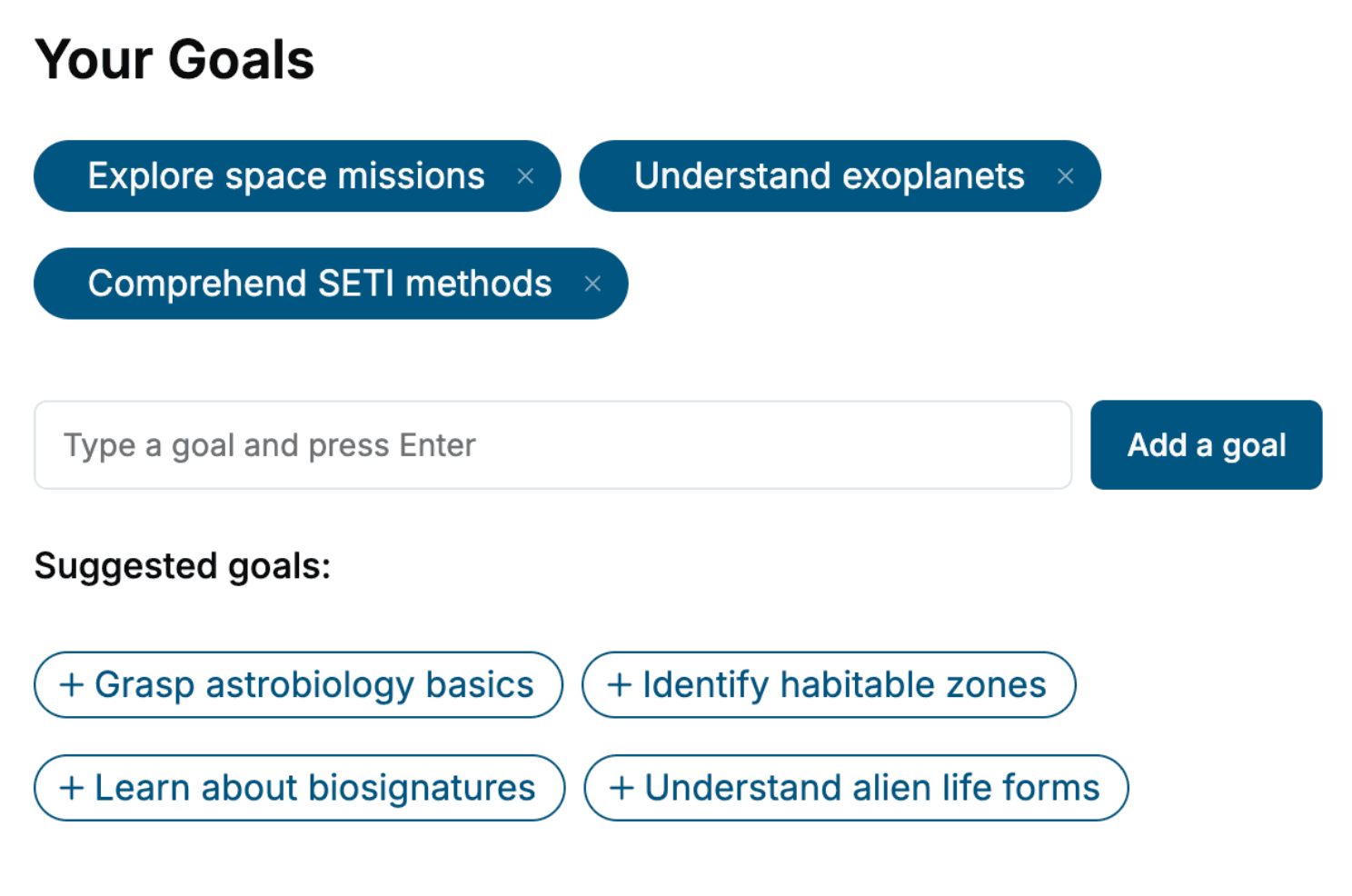
- 2. Personalize your book
Specify your goals and choose sub-topics to include
- 3. Get your tailored book
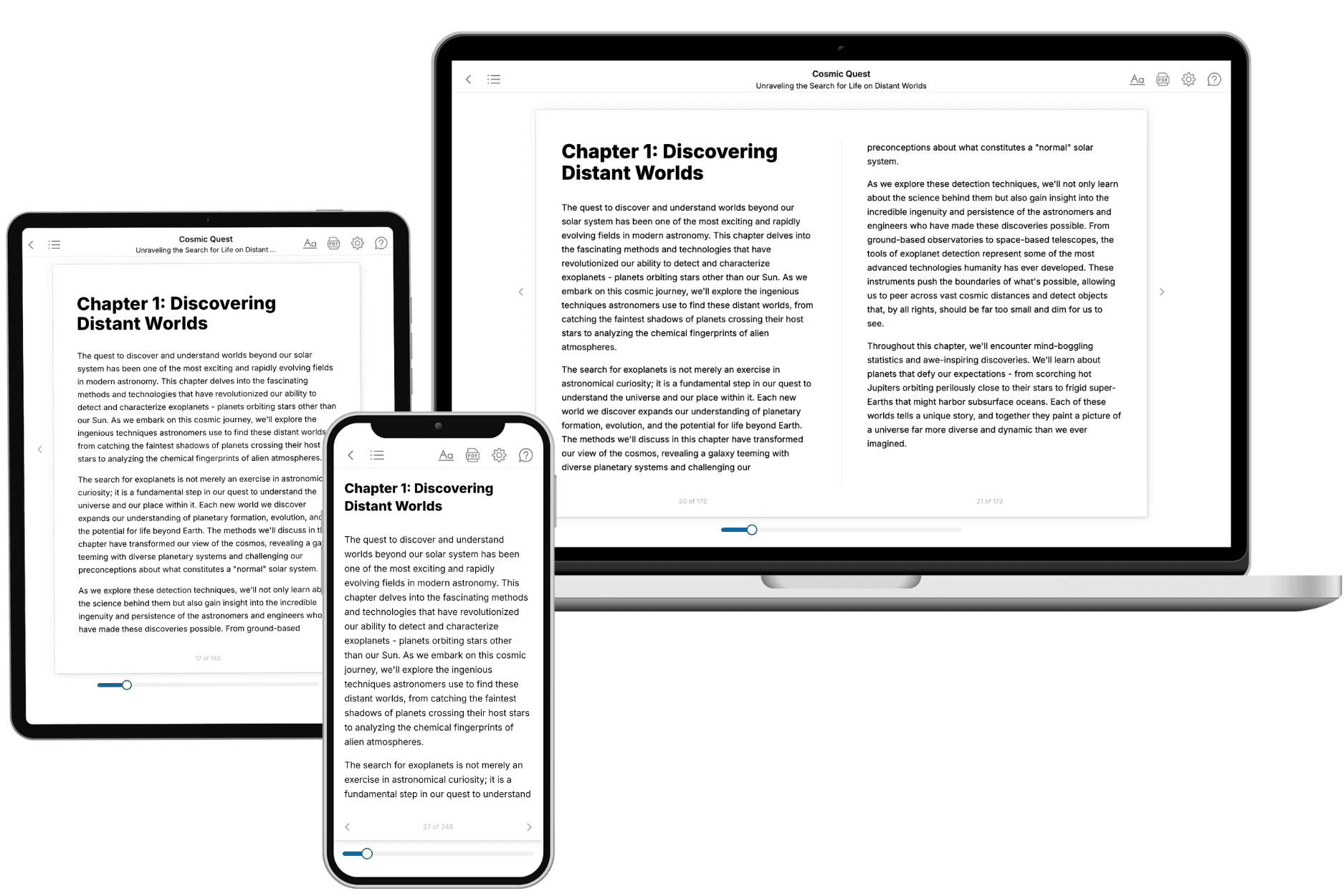
Your book is ready in 10 minutes. Read it online, download as EPUB or PDF, or send to Kindle.

Frequently asked questions
- What is TailoredRead?
TailoredRead creates complete, full-length nonfiction ebooks, written specifically for you. Tell us what you want to learn and why, and TailoredRead writes you a complete ebook on it, with charts, tables, and diagrams throughout. Read it online, on Kindle, or on any e-reader, or download it as a PDF or EPUB. Every book is written fresh the day you order it.
- How is the book tailored to me?
Before anything is written, you answer a few short questions about your goals, your background, and the topics you care about. Your book is then planned around your answers: written at your level, focused on your goals, and covering the topics you chose, instead of the one-size-fits-all book a store sells everyone.
- Will it read like generic AI content?
No. Your book isn't a chat transcript: it's planned chapter by chapter before a single word is written, told in a clear book voice, and explains ideas visually with charts, tables, and diagrams. After writing, every book goes through an editorial pass that polishes chapters so the book reads consistent from start to finish. Judge for yourself: browse thousands of sample books on our Explore Books page.
- How accurate is the content?
Our AI first checks whether your subject needs live research. Niche and fast-moving subjects are researched before writing, and the book plan and chapters are grounded in what it finds. After writing, every book goes through a quality pass that checks its facts and consistency, and researched books list their sources in a Notes section at the back.
- How long is the book?
You choose the length: Comprehensive (250-300 pages), Detailed (150-200 pages), Essential (70-100 pages), or Short (30-50 pages).
- Does the book include visuals?
Yes. Every book includes charts, tables, and diagrams: timelines, checklists, step-by-step guides, decision trees, comparison tables, matrices, and bar charts. A typical book includes dozens of these visual elements.
- Can I read it on Kindle? What formats can I download?
Yes. Every book can be read in our online reader or downloaded as a PDF or EPUB. The EPUB can be opened with Kindle, Apple Books, Kobo, and any e-reader. The Commercial and Author licenses also include an editable Word (DOCX) and Markdown download.
- How much does it cost?
About the price of a regular ebook. The exact price depends on your book's length and complexity, from $2 for the shortest books to $35 for the most comprehensive, and it's shown when you review your book, before you commit to anything. Each book is a one-time purchase, yours to keep, no subscription. Licenses that let you share, teach, or publish your book range from $35.99 to $49.99.
- Can I preview the book before purchasing?
Before you pay, you'll see what your book will cover: the title, a detailed description, the estimated length, and the complete chapter-by-chapter table of contents, so you know what you're getting before you decide. The full text itself is written after you purchase.
- How long does it take to create a book?
About 10 minutes. You can start reading the opening chapters while the rest is still being written.