Gastroenterology Books
Explore tailored Gastroenterology books created by our AI
Many pediatric gastroenterology trainees struggle to integrate complex diagnostic information, procedural skills, and evidence-based management into cohesive clinical decision-making. This comprehensive guide bridges the gap between foundational knowledge and expert practice by providing systematic frameworks for evaluating and managing the full spectrum of pediatric GI diseases. You'll develop mastery in diagnostic techniques including advanced endoscopy, learn to recognize subtle clinical presentations across inflammatory and functional disorders, and discover how to integrate nutritional assessment and growth monitoring into every patient encounter. The book addresses real clinical challenges: distinguishing celiac disease from functional disorders, managing hepatic encephalopathy in cirrhotic children, performing therapeutic endoscopy safely, and tailoring immunosuppressive therapy in inflammatory bowel disease. Through evidence-based protocols, clinical reasoning frameworks, and practical management algorithms, you'll enhance your diagnostic accuracy, improve patient outcomes, and build confidence in managing complex pediatric GI cases from routine presentations to life-threatening emergencies.
Diarrhea in toddlers can be alarming and exhausting for parents—the constant diaper changes, worry about dehydration, and uncertainty about what's normal can leave you feeling overwhelmed and unsure. This practical guide cuts through the confusion with clear, evidence-based strategies for managing diarrhea episodes and supporting your toddler's digestive health. You'll learn how to assess severity, maintain proper hydration, adjust your child's diet strategically, and recognize when professional help is needed. Discover the most common causes of toddler diarrhea, from viral infections to dietary sensitivities, and understand why most cases resolve naturally without medication. This handbook empowers you with the knowledge and confidence to handle diarrhea episodes calmly, protect your child from complications, and build healthy digestive habits that last a lifetime. Whether you're dealing with your first episode or seeking to prevent future occurrences, you'll find practical, actionable advice grounded in pediatric best practices.
Understanding how your digestive system works requires more than reading text—it demands visual engagement and hands-on exploration. Many learners struggle to retain complex anatomical details through passive study alone, missing the deeper connections between structures and their functions. This coloring book transforms your learning experience by combining detailed, scientifically accurate illustrations with interactive coloring activities that activate multiple learning pathways simultaneously. As you color each structure, you'll internalize the spatial relationships, layered organization, and functional connections within your gastrointestinal system. From the mouth to the colon, you'll explore every major organ and accessory structure, understanding not just where they are, but how they work together. Each illustration includes labeled anatomical features and accompanying explanations that deepen your comprehension. Whether you're a student preparing for exams, a healthcare professional seeking refresher knowledge, or an anatomy enthusiast, this book makes complex systems accessible and memorable through the proven power of visual learning and creative engagement.
Discover how the trillions of bacteria living in your gut shape your health in ways you never imagined. This comprehensive guide takes you from basic microbiome concepts to advanced understanding of how your digestive system actually works. You'll learn the intricate anatomy of your small intestine and large bowel, explore the fascinating diversity of bacterial communities, and understand exactly how nutrients get absorbed into your bloodstream. Discover the science behind bowel movements, the critical role your gut plays in immune function, and how inflammation develops at the microbial level. Explore the groundbreaking microbiome-brain axis and learn why your gut bacteria influence your mood and cognition. This book demystifies dysbiosis, explains how your microbiome changes with age, and provides evidence-based strategies for maintaining bacterial ecosystem stability. Whether you're interested in the mathematics of bacterial succession patterns, the biochemistry of short-chain fatty acids, or practical dietary approaches to wellness, you'll find rigorous science explained clearly and accessibly.
You'll develop a sophisticated understanding of how the human body maintains homeostasis through interconnected physiological systems. This book bridges the gap between basic anatomy and clinical application by explaining the mechanisms that drive cardiovascular function, renal filtration, hormonal regulation, and immune responses. Each system is presented with clear explanations of how components work together—from hemoglobin's oxygen-binding capacity to the renin-angiotensin system's blood pressure control. You'll learn why these mechanisms matter in nursing practice, how they respond to disease states like chronic kidney disease, and how to recognize when they're functioning optimally or failing. With practical examples connecting physiology to patient assessment and clinical decision-making, this book transforms abstract concepts into actionable knowledge you can apply at the bedside. Whether you're preparing for advanced certifications, managing complex patients, or simply seeking deeper clinical insight, you'll gain the physiological foundation that separates competent nursing from exceptional nursing.
Imagine mastering liver anatomy so thoroughly that you can visualize its structure, trace its blood flow, and understand its function with complete confidence. This interactive coloring book transforms how you learn about one of your body's most essential organs. Rather than passively reading dense anatomical descriptions, you'll actively engage with detailed, scientifically accurate illustrations that bring the liver's complexity to life. Each page guides you through a specific anatomical feature—from the liver's external lobes and ligaments to its intricate internal lobular architecture, from the dual blood supply system to the biliary pathways. As you color, you'll internalize spatial relationships, reinforce key structures, and build a comprehensive mental model of hepatic anatomy. Perfect for students, healthcare professionals, and curious learners, this book combines the proven benefits of visual learning with the cognitive advantages of hands-on activity. By the time you finish, you won't just know liver anatomy—you'll truly understand it.
Related books you may like:
Many ophthalmologists approach age-related macular degeneration management using standardized protocols that fail to account for the disease's remarkable heterogeneity and individual patient variation. This comprehensive guide bridges the gap between foundational AMD knowledge and advanced clinical practice by synthesizing the latest evidence on surgical techniques, pharmacological interventions, and diagnostic innovations. You'll master anti-VEGF injection optimization, learn to interpret multimodal imaging data for precise staging and prognosis, and develop personalized treatment algorithms that integrate genetic risk factors, biomarker monitoring, and combination therapy strategies. The book covers emerging technologies including adaptive optics imaging and complement system inhibition, while providing practical frameworks for managing complications, preventing subretinal fibrosis, and maximizing patient quality of life. Whether refining injection techniques, integrating new imaging modalities, or designing evidence-based clinical guidelines, this resource equips you with the knowledge and tools to advance your practice and improve outcomes for your AMD patients.
Imagine confidently identifying precise auricular points on your patients' ears and knowing exactly which anatomical landmarks correspond to their pain conditions. This comprehensive guide bridges the gap between anatomical knowledge and clinical practice, providing you with the practical skills needed to master auricular acupuncture. Drawing on your medical background, you'll learn the systematic mapping of ear point anatomy, develop proficiency in point sensitivity assessment, and implement evidence-based treatment protocols for both acute and chronic pain management. Each chapter builds your clinical competency through detailed anatomical descriptions, landmark identification techniques, and real-world application strategies. You'll understand the neurophysiological mechanisms underlying auricular acupuncture's effectiveness and gain the confidence to design individualized treatment plans. Whether you're treating acute injuries or managing chronic conditions, this book provides the anatomical precision and clinical frameworks necessary to deliver effective auricular acupuncture therapy and enhance your patient outcomes.
As a psychiatric nurse practitioner, you understand that ADHD extends far beyond childhood hyperactivity—yet many clinicians lack comprehensive frameworks for recognizing its complex manifestations across development and effectively integrating evidence-based interventions. This resource bridges that gap by providing clinically rigorous, practical guidance grounded in neuroscience and clinical evidence. You'll explore the neurobiological foundations of ADHD, master differential diagnosis across age groups, and implement multimodal treatment strategies that combine pharmacological management, behavioral interventions, and psychoeducational approaches. The book emphasizes neurodiversity-affirming care that reframes ADHD traits as neurological differences rather than deficits, helping your patients recognize inherent strengths like creativity and hyperfocus. Discover how to support families through psychoeducation, develop individualized coping strategies, and navigate the unique challenges of adult ADHD diagnosis and management. With practical assessment tools, treatment algorithms, and real-world clinical scenarios, this comprehensive guide enhances your ability to provide patient-centered, evidence-based care that improves outcomes and reduces stigma.
You'll gain a clear, science-based understanding of how ADHD actually works in your brain and why traditional productivity advice often fails you. This book moves beyond generic tips to explore the neurological reality of attention regulation, executive function, and dopamine sensitivity—and what that means for your daily life. You'll discover why you struggle with certain tasks while excelling at others, learn to recognize your personal ADHD patterns, and access practical strategies for managing time, emotions, relationships, and work. Whether you're newly diagnosed, self-aware but undiagnosed, or supporting someone with ADHD, you'll find evidence-based approaches to medication, therapy, lifestyle design, and environmental modifications. This isn't about "fixing" yourself—it's about understanding your brain's unique operating system and building a life that works with it, not against it. Packed with real-world examples and actionable frameworks, this guide helps you transform ADHD from a source of shame into a manageable aspect of who you are.
Imagine confidently integrating auricular acupuncture into your clinical practice with precision and evidence-based confidence. This comprehensive guide equips you with the anatomical knowledge, diagnostic skills, and practical protocols needed to master auricular point mapping and deliver superior patient outcomes. Designed specifically for physicians, this resource provides detailed visual maps of auricular points for pain management, stress relief, sleep disorders, smoking cessation, and obesity treatment. You'll learn systematic point location techniques, develop point sensitivity testing skills, and understand the neurophysiological mechanisms underlying auricular acupuncture's therapeutic effects. Whether you're treating chronic pain, managing stress-related conditions, or helping patients overcome addiction and weight management challenges, you'll discover evidence-based protocols that integrate seamlessly with your medical practice. The book includes practical guidance on needle-free auricular stimulation techniques, clinical diagnostic approaches, and strategies for patient selection and treatment monitoring. Master the specialized expertise that sets apart clinicians who achieve consistent, measurable results in auricular acupuncture practice.
Create a Gastroenterology Book Tailored to You
Create an AI-crafted book tailored to your goals, interests, and background






Benefits of AI-tailored books
- Read one book, not ten:
- all the Gastroenterology knowledge you need, gathered into a single book.
- Save days of learning:
- tell us your goals, choose your topics, and the whole book is built around them.
- Learn effortlessly:
- Gastroenterology book written for your specific background and expertise.
- Understand at a glance:
- includes charts, tables, timelines, checklists, decision trees, and more.
- Stay current:
- written the day you order it, not years ago.
- Trust what you read:
- every book is checked for accuracy, with real research when your subject needs it.
Create your unique book in 3 steps
- 1. Select your focus
Select the focus of your Gastroenterology book and share your background
- 2. Personalize your book
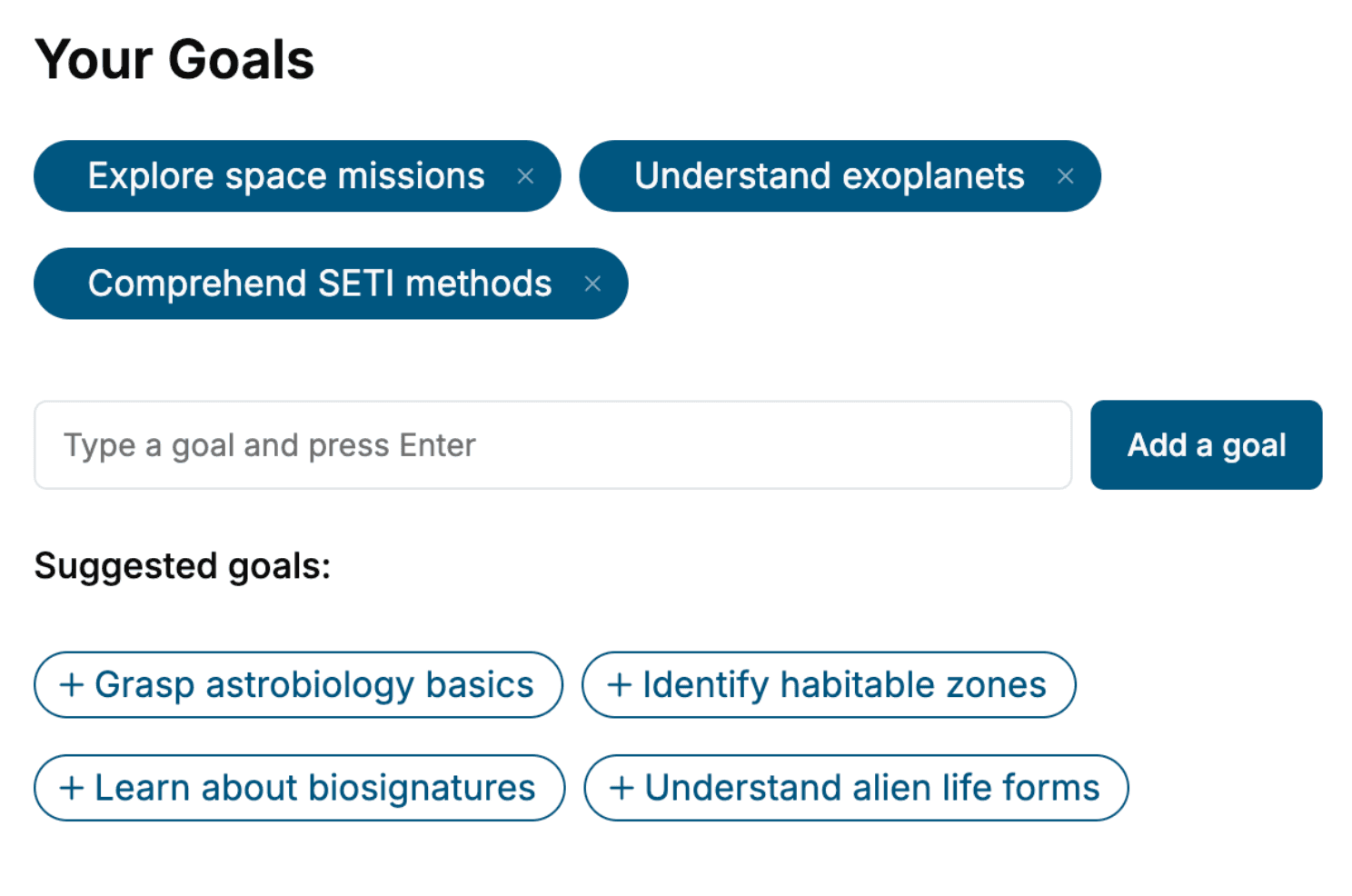
Specify your goals and choose sub-topics to include
- 3. Get your tailored book
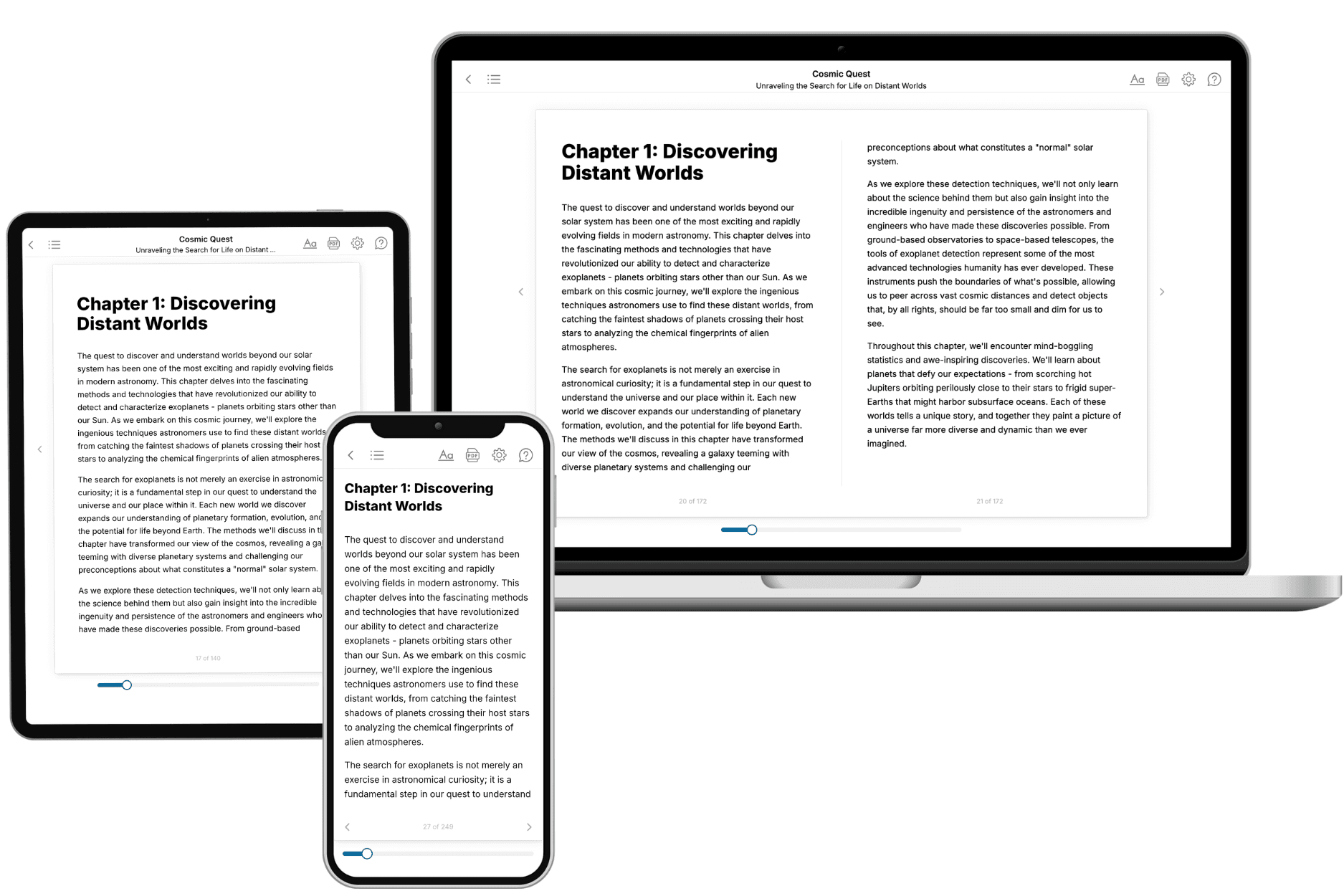
Your book is ready in 10 minutes. Read it online, download as EPUB or PDF, or send to Kindle.

Start from a template
Frequently asked questions
- What is TailoredRead?
TailoredRead creates complete, full-length nonfiction ebooks, written specifically for you. Tell us what you want to learn and why, and TailoredRead writes you a complete ebook on it, with charts, tables, and diagrams throughout. Read it online, on Kindle, or on any e-reader, or download it as a PDF or EPUB. Every book is written fresh the day you order it.
- How is the book tailored to me?
Before anything is written, you answer a few short questions about your goals, your background, and the topics you care about. Your book is then planned around your answers: written at your level, focused on your goals, and covering the topics you chose, instead of the one-size-fits-all book a store sells everyone.
- Will it read like generic AI content?
No. Your book isn't a chat transcript: it's planned chapter by chapter before a single word is written, told in a clear book voice, and explains ideas visually with charts, tables, and diagrams. After writing, every book goes through an editorial pass that polishes chapters so the book reads consistent from start to finish. Judge for yourself: browse thousands of sample books on our Explore Books page.
- How accurate is the content?
Our AI first checks whether your subject needs live research. Niche and fast-moving subjects are researched before writing, and the book plan and chapters are grounded in what it finds. After writing, every book goes through a quality pass that checks its facts and consistency, and researched books list their sources in a Notes section at the back.
- How long is the book?
You choose the length: Comprehensive (250-300 pages), Detailed (150-200 pages), Essential (70-100 pages), or Short (30-50 pages).
- Does the book include visuals?
Yes. Every book includes charts, tables, and diagrams: timelines, checklists, step-by-step guides, decision trees, comparison tables, matrices, and bar charts. A typical book includes dozens of these visual elements.
- Can I read it on Kindle? What formats can I download?
Yes. Every book can be read in our online reader or downloaded as a PDF or EPUB. The EPUB can be opened with Kindle, Apple Books, Kobo, and any e-reader. The Commercial and Author licenses also include an editable Word (DOCX) and Markdown download.
- How much does it cost?
About the price of a regular ebook. The exact price depends on your book's length and complexity, from $2 for the shortest books to $35 for the most comprehensive, and it's shown when you review your book, before you commit to anything. Each book is a one-time purchase, yours to keep, no subscription. Licenses that let you share, teach, or publish your book range from $35.99 to $49.99.
- Can I preview the book before purchasing?
Before you pay, you'll see what your book will cover: the title, a detailed description, the estimated length, and the complete chapter-by-chapter table of contents, so you know what you're getting before you decide. The full text itself is written after you purchase.
- How long does it take to create a book?
About 10 minutes. You can start reading the opening chapters while the rest is still being written.