Pediatric GI Mastery Blueprint
Complete Clinical Guide to Diagnosis, Management, and Advanced Care of Pediatric Gastrointestinal Diseases
Many pediatric gastroenterology trainees struggle to integrate complex diagnostic information, procedural skills, and evidence-based management into cohesive clinical decision-making.
238 pages12 chaptersMay 1, 2026Pediatric Medicine
About this book
This comprehensive guide bridges the gap between foundational knowledge and expert practice by providing systematic frameworks for evaluating and managing the full spectrum of pediatric GI diseases. You'll develop mastery in diagnostic techniques including advanced endoscopy, learn to recognize subtle clinical presentations across inflammatory and functional disorders, and discover how to integrate nutritional assessment and growth monitoring into every patient encounter. The book addresses real clinical challenges: distinguishing celiac disease from functional disorders, managing hepatic encephalopathy in cirrhotic children, performing therapeutic endoscopy safely, and tailoring immunosuppressive therapy in inflammatory bowel disease. Through evidence-based protocols, clinical reasoning frameworks, and practical management algorithms, you'll enhance your diagnostic accuracy, improve patient outcomes, and build confidence in managing complex pediatric GI cases from routine presentations to life-threatening emergencies.
Table of contents
- IntroductionWhy Pediatric GI Mastery Matters in Clinical Practice, How to Use This Blueprint for Maximum Clinical Impact, Building Your Clinical Reasoning FrameworkRead below
- Chapter 1: Foundational Assessment: History, Examination, and Clinical ReasoningTaking a Comprehensive Pediatric GI History, Systematic Physical Examination in Pediatric GI Disease, Developing Your Clinical Reasoning Framework
- Chapter 2: Growth Assessment and Nutritional EvaluationGrowth Monitoring and Interpretation in Pediatric GI Disease, Advanced Nutritional Assessment Methods, Micronutrient Deficiency Detection and Management
- Chapter 3: Diagnostic Techniques and Laboratory InterpretationEssential Laboratory Tests and Interpretation, Imaging Modalities in Pediatric GI Diagnosis, Improving Diagnostic Accuracy Through Systematic Approaches
- Chapter 4: Pediatric Endoscopy: Techniques and Therapeutic ApplicationsPediatric Endoscopy Fundamentals and Safety Protocols, Diagnostic Endoscopy Techniques and Tissue Sampling, Therapeutic Endoscopy Skills and Advanced Procedures
- Chapter 5: Inflammatory Bowel Disease: Crohn's Disease and Ulcerative ColitisPathophysiology and Diagnostic Criteria for Pediatric IBD, Evidence-Based Medical Management and Immunosuppression, Managing Complications and Optimizing Growth in IBD
- Chapter 6: Functional Gastrointestinal DisordersDiagnostic Criteria and Differential Diagnosis of Functional Disorders, Motility Disorder Diagnosis and Management, Reassurance-Based Management and Family-Centered Care
- Chapter 7: Esophageal Disorders and Gastroesophageal Reflux DiseaseGERD Pathophysiology and Diagnostic Approaches, Other Esophageal Disorders and Complications, Medical and Surgical Management of GERD
- Chapter 8: Food Allergy and Celiac DiseaseFood Allergy Immunology and Diagnostic Testing, Celiac Disease Pathophysiology and Diagnosis, Management Strategies and Nutritional Rehabilitation
- Chapter 9: Liver Disease and Hepatic ComplicationsLiver Disease Assessment and Diagnostic Evaluation, Hepatic Encephalopathy: Recognition and Management, Pediatric Liver Cirrhosis and Transplantation Considerations
- Chapter 10: Biliary Disorders and Pancreatic DiseaseBiliary Disorder Assessment and Diagnosis, Pediatric Pancreatitis Management and Complications, Pancreatic Insufficiency and Nutritional Support
- Chapter 11: Malabsorption, Short Bowel Syndrome, and Advanced Nutritional CareMalabsorption Syndrome Diagnosis and Etiology, Short Bowel Syndrome Management and Rehabilitation, Advanced Nutritional Assessment and Parenteral Nutrition
- Chapter 12: GI Emergencies and Acute PresentationsGI Emergency Protocols and Rapid Assessment, Managing Acute GI Bleeding and Perforation, Stabilization and Definitive Management of GI Emergencies
- ConclusionIntegrating Knowledge Into Clinical Practice, Continuing Your Journey Toward Pediatric GI Mastery
- Appendix: Clinical Reference ToolsDiagnostic Algorithms and Decision Trees, Evidence-Based Management Protocols, Growth and Nutritional Assessment Tools
Introduction
Pediatric gastroenterology sits at a unique intersection of developmental biology, immunology, nutrition science, and clinical medicine. A child presenting with chronic abdominal pain, poor weight gain, or bloody stools is not simply a small adult with a GI problem. The diagnostic possibilities, the physiological context, and the management priorities are fundamentally different at every stage of childhood. Recognizing those differences and acting on them with precision is what separates a competent clinician from a truly skilled one. That gap is exactly what this book is designed to close.
The field has evolved rapidly over the past two decades. Advances in endoscopic technology, a deeper understanding of the gut microbiome, refined diagnostic criteria for inflammatory and functional disorders, and increasingly sophisticated immunosuppressive regimens have transformed how pediatric GI disease is managed. Yet many trainees and early-career clinicians still find themselves relying on fragmented knowledge, pattern recognition built from limited case exposure, and protocols that were not designed with the pediatric patient in mind. The result is diagnostic delay, suboptimal management, and missed opportunities to intervene before complications develop.
This book was built around a single core premise: clinical mastery in pediatric gastroenterology is not about memorizing facts. It is about developing systematic frameworks that allow you to process complex, often ambiguous clinical information and arrive at sound decisions efficiently. Every chapter in this guide is structured to build that kind of thinking. You will find evidence-based protocols, practical clinical reasoning tools, and concrete examples drawn from the full spectrum of pediatric GI disease, from the most common functional complaints to the most challenging hepatic emergencies. The goal is not just to inform you but to change how you think at the bedside.
Before diving into the clinical content, this introduction lays the groundwork. It explains why mastery in this specialty matters so much for patient outcomes, how to navigate this book to get the most from it, and how to begin constructing the kind of clinical reasoning framework that will serve you throughout your career. These are not abstract concepts. They are practical tools you can start applying immediately, whether you are preparing for a complex case, reviewing a diagnostic workup, or reflecting on a clinical encounter that did not go as expected.
Why Pediatric GI Mastery Matters in Clinical Practice
Gastrointestinal complaints are among the most common reasons children are referred to specialist care. Abdominal pain alone accounts for roughly 2 to 4 percent of all pediatric outpatient visits, and a significant proportion of those cases eventually reach a gastroenterology service.[1] When you add chronic diarrhea, failure to thrive, rectal bleeding, dysphagia, and liver disease to that picture, the volume and variety of presentations become substantial. Developing genuine mastery in this field directly translates into better outcomes for a large and vulnerable patient population.
The stakes are particularly high in pediatric GI because many conditions, if missed or mismanaged early, carry consequences that extend well beyond childhood. Undiagnosed celiac disease leads to years of nutritional deficiency and impaired bone mineralization. Delayed diagnosis of Crohn's disease allows ongoing intestinal inflammation to compromise linear growth during critical developmental windows. Hepatic disease that progresses undetected can reach cirrhosis before clinical signs become obvious. In each of these scenarios, the clinician's ability to recognize subtle early presentations is not just academically important. It is the difference between a child who thrives and one who carries the burden of preventable complications into adulthood.
Diagnostic accuracy in pediatric GI is also complicated by the fact that children cannot always articulate their symptoms clearly. A toddler with eosinophilic esophagitis may present only with food refusal and irritability. A school-age child with functional abdominal pain may describe symptoms that overlap almost entirely with those of early inflammatory bowel disease. An adolescent with anorexia nervosa may present with weight loss and amenorrhea that initially looks like Crohn's disease. Navigating these overlapping presentations requires more than knowledge of individual conditions. It requires a structured approach to clinical reasoning that accounts for age-specific presentations, developmental context, and the full differential at every step.
Beyond diagnosis, management in pediatric GI demands a level of integration that is rarely required in adult medicine. Nutritional rehabilitation, growth monitoring, psychosocial support, family education, and immunosuppressive therapy must all be coordinated simultaneously. Consider a twelve-year-old with newly diagnosed Crohn's disease. The clinical team must address active inflammation, assess nutritional status and growth trajectory, evaluate bone density, screen for anxiety and depression, educate the family about long-term disease course, and initiate a biologic agent, all while keeping the child's developmental stage and school life in view. That kind of multidimensional management requires a framework, not just a protocol.
There is also a procedural dimension to this specialty that demands deliberate skill development. Pediatric endoscopy is technically distinct from adult endoscopy. Smaller luminal diameters, age-specific sedation requirements, different tissue fragility, and the need to adapt technique to a child's anatomy all require specific training and practice. Therapeutic procedures such as esophageal dilation, polypectomy, and hemostasis carry real risks in pediatric patients, and those risks are minimized only through systematic skill-building and a thorough understanding of when and how to intervene. This book addresses that procedural dimension directly, not as an afterthought but as a core component of clinical mastery.
Finally, the emotional and relational dimensions of pediatric GI practice matter enormously. Families of children with chronic GI disease often carry significant anxiety, guilt, and frustration. They have frequently navigated long diagnostic journeys before reaching a specialist. Building trust, communicating clearly, and involving families as genuine partners in care are not soft skills. They are clinical competencies that directly affect treatment adherence, follow-up rates, and long-term outcomes. Research consistently shows that family-centered care models improve both patient and family wellbeing in pediatric chronic disease management.[2] Mastery in this field means mastering that relational dimension too.
In short, pediatric GI mastery matters because the patients are young, the conditions are complex, the consequences of error are long-lasting, and the opportunity to make a profound positive difference is real. Every chapter in this book is written with that weight in mind.
How to Use This Blueprint for Maximum Clinical Impact
This book is designed as a working clinical reference, not a passive read. The most effective way to use it is to engage actively with the frameworks, apply the diagnostic algorithms to real cases, and return to specific chapters when clinical questions arise. Think of it less like a textbook and more like a structured mentorship program that you can access at any point in your training or practice.
The chapters are organized to build progressively. The early chapters on history-taking, physical examination, growth assessment, and laboratory interpretation establish the foundational skills that every subsequent chapter depends on. If you are early in your training, working through these chapters sequentially will give you a strong base. If you are more advanced, you may find it more useful to start with the disease-specific chapters and refer back to the foundational sections when you encounter a gap. Both approaches are valid, and the book is structured to support either path.
Each chapter follows a consistent structure designed to maximize clinical utility:
- Core concepts: The essential pathophysiology, diagnostic criteria, or procedural principles you need to understand before applying clinical tools.
- Practical frameworks: Step-by-step approaches to assessment, diagnosis, or management that you can apply directly in clinical encounters.
- Clinical examples: Concrete scenarios that illustrate how the frameworks work in practice, including common pitfalls and how to avoid them.
- Evidence base: Key studies and guidelines that support the recommendations, with footnotes for deeper reading.
One of the most effective ways to use this book is to pair it with your active clinical caseload. When you encounter a child with suspected inflammatory bowel disease, open Chapter 5 before or after the encounter and compare your clinical reasoning to the framework provided. When you are preparing for an endoscopy list, review Chapter 4 the evening before. When a family asks about the long-term implications of celiac disease, Chapter 8 will give you the evidence base to answer confidently. This kind of active, case-linked reading accelerates learning far more effectively than reading in isolation.
The appendix at the end of the book contains clinical reference tools including diagnostic algorithms, management protocols, and growth and nutritional assessment tools. These are designed for quick access during or between clinical encounters. Consider bookmarking those pages or keeping them accessible on a device you use at work. The algorithms are not meant to replace clinical judgment. They are meant to support it by ensuring that systematic steps are not skipped under time pressure.
For PhD candidates and researchers using this book alongside academic work, the evidence-based sections and footnotes provide a useful entry point into the primary literature. The book does not attempt to be a comprehensive systematic review of every topic, but it does highlight the landmark studies and current guidelines that shape clinical practice. Using those references as a starting point for deeper literature searches will strengthen both your clinical and academic work.
A practical suggestion: after reading each chapter, take five minutes to write down two or three clinical questions the chapter raised for you. These might be questions about a specific patient, a diagnostic uncertainty, or a management decision you have been unsure about. Then use those questions to guide your next clinical encounter or literature search. This reflective practice is one of the most reliable methods for converting reading into durable clinical skill.[3]
Finally, do not try to absorb everything at once. Pediatric gastroenterology is a broad and deep specialty. The goal of this book is not to make you an expert in a single reading. It is to give you a reliable framework and a trusted reference that you return to repeatedly as your clinical experience grows. Each time you come back to a chapter with more case exposure behind you, you will extract more from it. That is how clinical mastery actually develops.
Building Your Clinical Reasoning Framework
Clinical reasoning is the cognitive engine of good medicine. It is the process by which you take a collection of symptoms, signs, history details, and test results and transform them into a coherent diagnostic and management plan. In pediatric gastroenterology, where presentations are often nonspecific, age-dependent, and emotionally charged, the quality of your clinical reasoning framework has a direct and measurable impact on patient outcomes. Building that framework deliberately is one of the most important investments you can make as a trainee or early-career clinician.
Most clinicians reason using a combination of two cognitive strategies. The first is pattern recognition, sometimes called System 1 thinking, where a familiar cluster of features triggers an immediate diagnostic impression. The second is analytical reasoning, or System 2 thinking, where you systematically work through a differential diagnosis using explicit criteria and evidence.[4] Both strategies are necessary, and both have failure modes. Pattern recognition is fast but prone to premature closure. Analytical reasoning is thorough but slow and cognitively demanding. Expert clinicians learn to use both in combination, deploying pattern recognition as a starting point and analytical reasoning as a check.
In pediatric GI, premature closure is one of the most common and consequential reasoning errors. A child with recurrent abdominal pain is quickly labeled as having functional pain, and the workup stops before inflammatory or structural causes are adequately excluded. A teenager with weight loss and fatigue is assumed to have an eating disorder without a thorough GI evaluation. These errors are not failures of knowledge. They are failures of process. A structured clinical reasoning framework prevents them by building in explicit checkpoints that force you to consider the full differential before committing to a diagnosis.
A practical framework for pediatric GI clinical reasoning involves four sequential steps:
- Generate a broad differential early. Before anchoring on any single diagnosis, list at least three to five plausible explanations for the presenting complaint. In a child with chronic diarrhea, that list might include celiac disease, inflammatory bowel disease, infectious enteropathy, functional diarrhea, and carbohydrate malabsorption. Starting broad prevents premature closure.
- Identify discriminating features. For each item on your differential, ask what clinical features would make it more or less likely. Age of onset, symptom pattern, growth trajectory, family history, and associated extraintestinal features all carry discriminating value in pediatric GI. Use these features to rank your differential, not to eliminate possibilities prematurely.
- Select targeted investigations. Choose investigations that will meaningfully shift your diagnostic probabilities. Avoid reflexive panels that generate noise without clarity. In the chronic diarrhea example, a tissue transglutaminase IgA level and fecal calprotectin are high-yield first steps that efficiently distinguish inflammatory from non-inflammatory and immune-mediated from functional causes.
- Reassess after results. Treat every investigation result as an opportunity to update your differential, not just confirm your initial impression. If the fecal calprotectin is elevated but the celiac serology is negative, the differential shifts toward IBD or infectious causes, and the next steps change accordingly.
This four-step process sounds straightforward, but applying it consistently under clinical pressure requires practice. One useful technique is to verbalize your reasoning, either to a colleague, a trainee, or even in written notes. Articulating your differential and the evidence for and against each item forces a level of explicitness that silent reasoning often skips. Studies in medical education consistently show that clinicians who verbalize their reasoning make fewer diagnostic errors and catch their own mistakes more reliably.[5]
Another critical component of clinical reasoning in pediatric GI is integrating growth and nutritional data into every assessment. Growth faltering is not just a finding to note. It is a diagnostic signal that changes the urgency and direction of the workup. A child with abdominal pain and normal growth has a very different probability distribution of diagnoses than a child with the same pain and a six-month plateau in weight gain. Building the habit of reviewing growth charts before every GI consultation, not just when growth is the presenting complaint, is one of the highest-yield habits you can develop.
Clinical example: A nine-year-old girl presents with a six-month history of intermittent periumbilical pain and loose stools. Her growth chart shows a weight crossing from the 50th to the 25th percentile over the past year. Initial assessment by her primary care physician attributed the symptoms to functional abdominal pain. A systematic review of her growth data at the GI consultation prompted fecal calprotectin testing, which returned at 380 micrograms per gram. Subsequent ileocolonoscopy confirmed Crohn's disease involving the terminal ileum. The growth data was the key discriminating feature that shifted the clinical reasoning away from a functional diagnosis.
Cognitive biases are a real and underappreciated threat to clinical reasoning in this specialty. Anchoring bias occurs when you fix on an early piece of information and fail to update adequately as new data arrives. Availability bias leads you to overweight diagnoses that are memorable or recently encountered. Framing bias causes the way a referral is worded to unduly influence your diagnostic thinking before you have even seen the patient. Recognizing these biases by name is the first step toward counteracting them. Many experienced clinicians develop personal checklists or mental prompts that they use to deliberately challenge their initial impressions before finalizing a diagnostic plan.
The clinical reasoning framework introduced here is not a rigid algorithm. It is a flexible scaffold that you adapt to each patient encounter. As your case experience grows, pattern recognition will become faster and more reliable, and the analytical layer will become more efficient. But the scaffold remains valuable even for experienced clinicians, particularly in complex or atypical cases where intuition alone is insufficient. The chapters that follow will repeatedly return to this framework, applying it to specific disease categories and clinical scenarios so that it becomes second nature rather than a conscious effort.
One final point about clinical reasoning: it is a skill that improves with deliberate reflection, not just with experience. Seeing a hundred cases of functional abdominal pain does not automatically make you better at distinguishing it from organic disease unless you actively review your diagnostic accuracy, seek feedback on your reasoning, and analyze the cases where your initial impression was wrong. Building in regular self-reflection, whether through case review, morbidity and mortality discussions, or structured feedback from supervisors, is what converts clinical experience into genuine expertise. This book is designed to support that reflective process at every stage of your development.
Notes
Introduction
- 1. Chitkara DK, Rawat DJ, Talley NJ. The epidemiology of childhood recurrent abdominal pain in Western countries: a systematic review. Am J Gastroenterol. 2005;100(8):1868-1875.
- 2. Kuo DZ, Houtrow AJ, Arango P, et al. Family-centered care: current applications and future directions in pediatric health care. Matern Child Health J. 2012;16(2):297-305.
- 3. Mamede S, Schmidt HG. The structure of reflective practice in medicine. Med Educ. 2004;38(12):1302-1308.
- 4. Croskerry P. A universal model of diagnostic reasoning. Acad Med. 2009;84(8):1022-1028.
- 5. Bowen JL. Educational strategies to promote clinical diagnostic reasoning. N Engl J Med. 2006;355(21):2217-2225.
This is the end of the free sample. The full book has 12 chapters.
Want this book written for you?
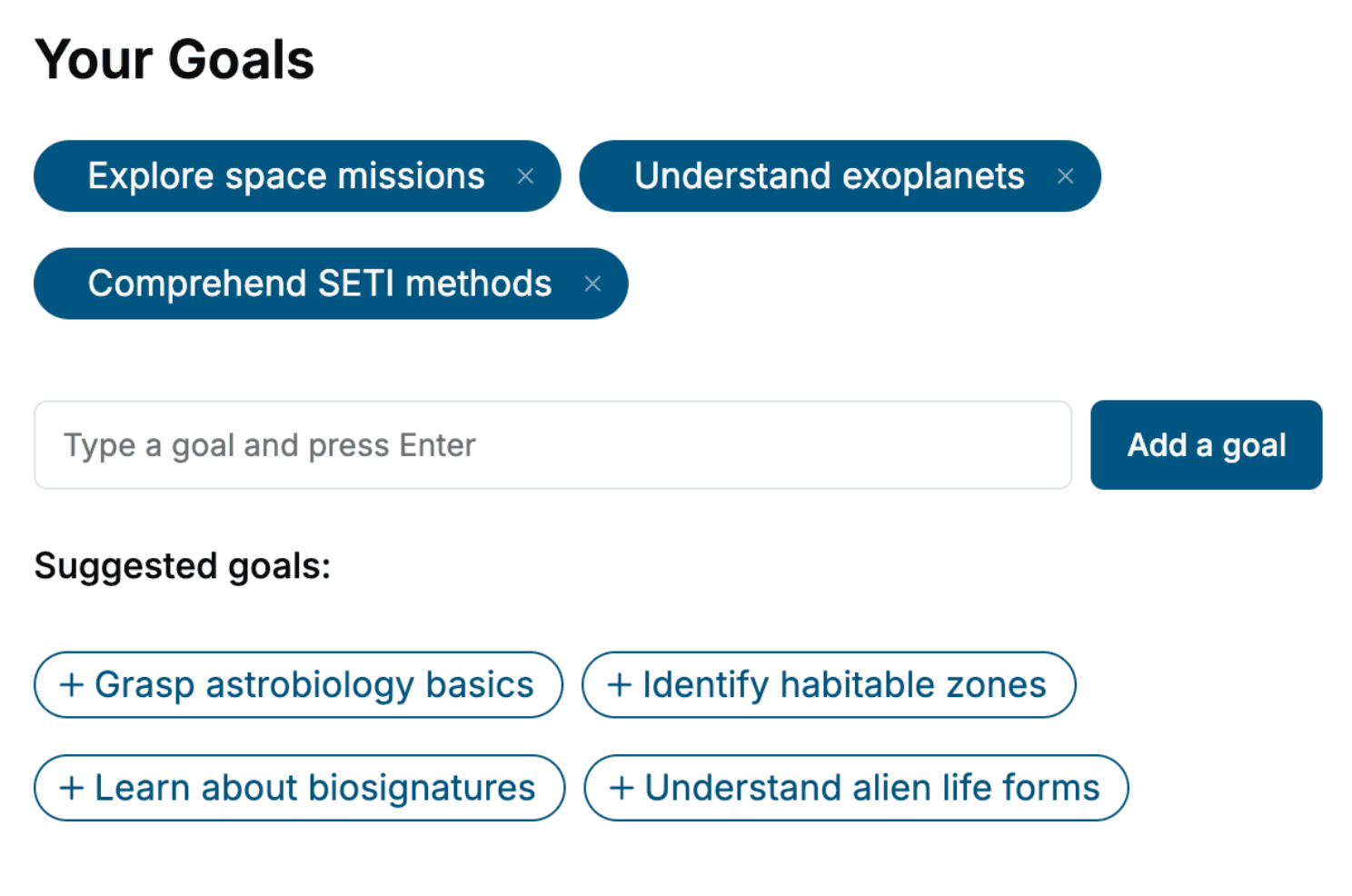
Tell us your goals and background, and get your own version of this book, tailored by AI to you.


Benefits of AI-tailored books
- Read one book, not ten:
- all the Pediatric Medicine knowledge you need, gathered into a single book.
- Save days of learning:
- tell us your goals, choose your topics, and the whole book is built around them.
- Learn effortlessly:
- Pediatric Medicine book written for your specific background and expertise.
- Understand at a glance:
- includes charts, tables, timelines, checklists, decision trees, and more.
- Stay current:
- written the day you order it, not years ago.
- Trust what you read:
- every book is checked for accuracy, with real research when your subject needs it.
Create your unique book in 3 steps
- 1. Select your focus
Select the focus of your Pediatric Medicine book and share your background
- 2. Personalize your book
Specify your goals and choose sub-topics to include
- 3. Get your tailored book
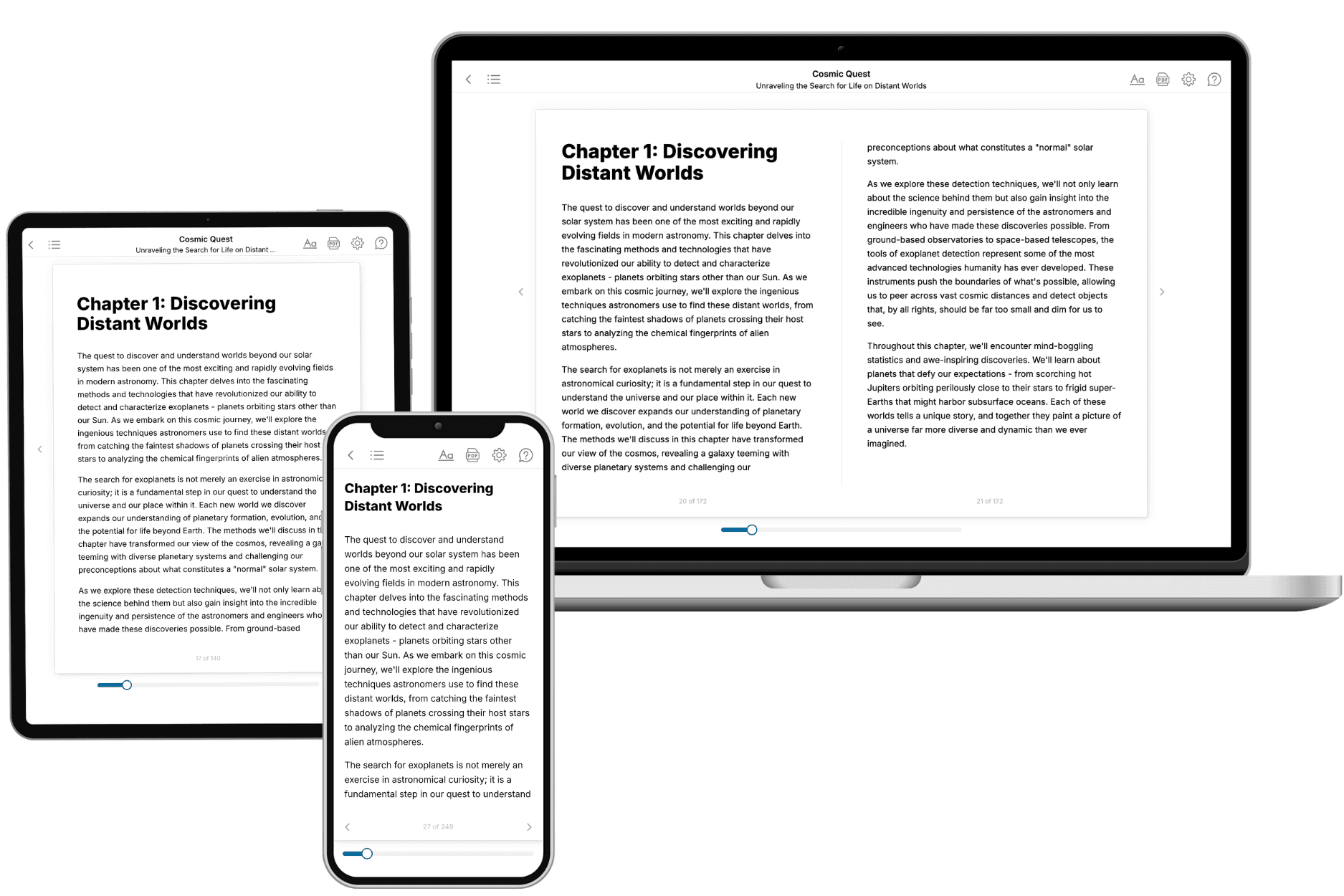
Your book is ready in 10 minutes. Read it online, download as EPUB or PDF, or send to Kindle.

Frequently asked questions
- What is TailoredRead?
TailoredRead creates complete, full-length nonfiction ebooks, written specifically for you. Tell us what you want to learn and why, and TailoredRead writes you a complete ebook on it, with charts, tables, and diagrams throughout. Read it online, on Kindle, or on any e-reader, or download it as a PDF or EPUB. Every book is written fresh the day you order it.
- How is the book tailored to me?
Before anything is written, you answer a few short questions about your goals, your background, and the topics you care about. Your book is then planned around your answers: written at your level, focused on your goals, and covering the topics you chose, instead of the one-size-fits-all book a store sells everyone.
- Will it read like generic AI content?
No. Your book isn't a chat transcript: it's planned chapter by chapter before a single word is written, told in a clear book voice, and explains ideas visually with charts, tables, and diagrams. After writing, every book goes through an editorial pass that polishes chapters so the book reads consistent from start to finish. Judge for yourself: browse thousands of sample books on our Explore Books page.
- How accurate is the content?
Our AI first checks whether your subject needs live research. Niche and fast-moving subjects are researched before writing, and the book plan and chapters are grounded in what it finds. After writing, every book goes through a quality pass that checks its facts and consistency, and researched books list their sources in a Notes section at the back.
- How long is the book?
You choose the length: Comprehensive (250-300 pages), Detailed (150-200 pages), Essential (70-100 pages), or Short (30-50 pages).
- Does the book include visuals?
Yes. Every book includes charts, tables, and diagrams: timelines, checklists, step-by-step guides, decision trees, comparison tables, matrices, and bar charts. A typical book includes dozens of these visual elements.
- Can I read it on Kindle? What formats can I download?
Yes. Every book can be read in our online reader or downloaded as a PDF or EPUB. The EPUB can be opened with Kindle, Apple Books, Kobo, and any e-reader. The Commercial and Author licenses also include an editable Word (DOCX) and Markdown download.
- How much does it cost?
About the price of a regular ebook. The exact price depends on your book's length and complexity, from $2 for the shortest books to $35 for the most comprehensive, and it's shown when you review your book, before you commit to anything. Each book is a one-time purchase, yours to keep, no subscription. Licenses that let you share, teach, or publish your book range from $35.99 to $49.99.
- Can I preview the book before purchasing?
Before you pay, you'll see what your book will cover: the title, a detailed description, the estimated length, and the complete chapter-by-chapter table of contents, so you know what you're getting before you decide. The full text itself is written after you purchase.
- How long does it take to create a book?
About 10 minutes. You can start reading the opening chapters while the rest is still being written.