The Toddler Diarrhea Handbook
A Parent's Guide to Understanding, Managing, and Preventing Common Digestive Issues
Diarrhea in toddlers can be alarming and exhausting for parents—the constant diaper changes, worry about dehydration, and uncertainty about what's normal can leave you feeling overwhelmed and unsure.
191 pages9 chaptersJul 14, 2026Pediatric Medicine
About this book
This practical guide cuts through the confusion with clear, evidence-based strategies for managing diarrhea episodes and supporting your toddler's digestive health. You'll learn how to assess severity, maintain proper hydration, adjust your child's diet strategically, and recognize when professional help is needed. Discover the most common causes of toddler diarrhea, from viral infections to dietary sensitivities, and understand why most cases resolve naturally without medication. This handbook empowers you with the knowledge and confidence to handle diarrhea episodes calmly, protect your child from complications, and build healthy digestive habits that last a lifetime. Whether you're dealing with your first episode or seeking to prevent future occurrences, you'll find practical, actionable advice grounded in pediatric best practices.
Table of contents
- IntroductionWhy Diarrhea Management Matters for Your Toddler, What You'll Learn in This Book, How to Use This HandbookRead below
- Chapter 1: Understanding Toddler DiarrheaWhat Is Diarrhea and Why It Happens, Normal Stools vs. Diarrhea: How to Tell the Difference, How Toddler Digestion Differs from Adults
- Chapter 2: Common Causes of Toddler DiarrheaViral Infections and Gastroenteritis, Bacterial and Parasitic Causes, Dietary Triggers and Food Sensitivities, Medication Side Effects and Antibiotic-Related Diarrhea
- Chapter 3: Assessing Severity and Recognizing Red FlagsMild, Moderate, and Severe Diarrhea, Signs of Dehydration: What to Watch For, When to Contact Your Healthcare Provider
- Chapter 4: Hydration: The Foundation of Diarrhea ManagementWhy Hydration Is Your Top Priority, Oral Rehydration Solutions and Best Practices, Overcoming Common Hydration Challenges
- Chapter 5: Nutrition During and After Diarrhea EpisodesWhat and When to Feed Your Toddler, Foods to Avoid During Diarrhea, Supporting Recovery with Proper Nutrition
- Chapter 6: Medical Treatments and When They're NeededOver-the-Counter Medications: Safety and Effectiveness, Antibiotics and Antivirals: When They Help and When They Don't, Probiotics and Digestive Supplements
- Chapter 7: Prevention: Building Healthy Digestive HabitsHygiene Practices That Prevent Infection, Food Safety and Handling for Toddlers, Supporting Long-Term Gut Health
- Chapter 8: Special Situations and ConsiderationsManaging Diarrhea in Daycare and Group Settings, Preventing and Managing Traveler's Diarrhea, When Diarrhea Becomes Chronic: Next Steps
- Chapter 9: Supporting Your Toddler EmotionallyUnderstanding Your Toddler's Anxiety and Discomfort, Comfort Strategies and Coping Techniques, Managing Your Own Stress and Staying Calm
- ConclusionKey Takeaways for Confident Parenting, Moving Forward with Confidence
- Quick Reference GuideSymptom Assessment Checklist, When to Seek Emergency Care, Additional Resources and Support
Introduction
It usually starts without warning. One morning your toddler wakes up with a soiled diaper, then another, then another. By midday you're on your fourth outfit change, the laundry pile is growing, and a quiet worry has settled in the back of your mind. Is this normal? Should you call the doctor? What should you feed them? What should you not feed them? If you've been there, you already know that toddler diarrhea is one of those parenting experiences that feels far more stressful than it probably needs to be, mostly because nobody hands you a clear, practical guide when it happens.
Diarrhea is one of the most common reasons parents bring toddlers to the doctor. According to the World Health Organization, diarrheal disease remains a leading cause of illness in young children globally, with children under five experiencing an average of three episodes per year.[1] In most cases in healthy toddlers living in high-income countries, these episodes are uncomfortable and messy but not dangerous. The real risk, as you'll learn throughout this book, is not the diarrhea itself but the dehydration that can follow if fluids aren't replaced quickly enough. Understanding that distinction alone can shift your entire approach from panic to calm, purposeful action.
This handbook was written to give you exactly that kind of clarity. It's grounded in current pediatric guidelines and evidence-based practice, but it's written in plain language because you don't need a medical degree to take excellent care of your child. You need clear information, practical steps, and the confidence to know when to handle something at home and when to pick up the phone. Whether you're in the middle of your toddler's first diarrhea episode or you're trying to understand why these episodes keep coming back, this book is designed to meet you where you are and give you the tools to move forward.
Throughout these pages, you'll find specific guidance on identifying causes, managing hydration, adjusting your toddler's diet, preventing future episodes, and recognizing the warning signs that require professional attention. Each chapter builds on the last, but the book is also designed so you can jump directly to the section most relevant to your situation right now. Think of it as a reference you'll return to again and again across your toddler's early years, not something you read once and set aside.
Why Diarrhea Management Matters for Your Toddler
Toddlers between the ages of one and four are in one of the most dynamic periods of physical development in their entire lives. Their digestive systems are still maturing, their immune systems are building up experience with new pathogens, and their diets are expanding rapidly from formula or breast milk to a wide variety of solid foods. All of this makes them particularly vulnerable to digestive disruptions, and it also means that when diarrhea strikes, the consequences can escalate more quickly than they would in an older child or adult.
The most serious consequence of diarrhea in toddlers is dehydration. A toddler's body contains a higher proportion of water relative to body weight than an adult's, and they lose fluids much faster during a diarrhea episode. A child who is losing fluids through frequent loose stools, especially if vomiting is also present, can become significantly dehydrated within hours. Mild dehydration causes irritability and reduced urination. Severe dehydration can lead to lethargy, sunken eyes, rapid breathing, and in extreme cases, organ stress. Knowing how to recognize and respond to dehydration is one of the most important skills this book will help you develop.
Beyond the immediate episode, poorly managed diarrhea can have longer-term effects on a toddler's health and development. Repeated or prolonged episodes can interfere with nutrient absorption at a time when your child's brain and body are growing rapidly. A toddler who isn't absorbing enough calories, protein, zinc, or iron during a period of frequent illness may experience temporary setbacks in growth and energy levels. This doesn't mean every diarrhea episode is a crisis, but it does mean that how you manage nutrition during and after an episode genuinely matters.
There's also a practical dimension that parents rarely talk about openly: the sheer exhaustion of managing diarrhea. The constant diaper changes, the disrupted sleep, the worry, the laundry, and the uncertainty about whether things are getting better or worse can wear you down quickly. When you're tired and anxious, it's harder to make clear decisions. Having a solid understanding of what's happening and what to do about it gives you a foundation of calm that benefits both you and your child. A calmer parent means a more settled toddler, and that matters more than most people realize.
It's also worth understanding that diarrhea management has changed significantly over the past few decades. Older approaches, like withholding food, giving only clear liquids for extended periods, or reaching for anti-diarrheal medications, are now known to be unhelpful or even harmful in young children. Current pediatric guidelines emphasize continuing age-appropriate feeding, using oral rehydration solutions rather than sports drinks or juice, and avoiding most over-the-counter anti-diarrheal medications in toddlers entirely.[2] This book reflects those updated recommendations so you can be confident that what you're doing is actually supported by evidence.
Finally, diarrhea management matters because prevention is genuinely possible. Many of the most common causes of toddler diarrhea, including rotavirus, norovirus, and bacterial infections from contaminated food, can be significantly reduced through specific hygiene practices, food safety habits, and in some cases, vaccination. Understanding the causes gives you real power to reduce how often your toddler gets sick in the first place. That's not a small thing when you're in the thick of toddlerhood and every illness feels like it sets the whole family back by a week.
Key point: Diarrhea in toddlers is common, usually self-limiting, and manageable at home in most cases. The goal isn't to eliminate every episode but to handle each one safely, confidently, and with the right tools.
What You'll Learn in This Book
This handbook covers the full arc of toddler diarrhea, from understanding what's happening in your child's digestive system to preventing future episodes and supporting their emotional wellbeing during illness. Each chapter is focused on a specific aspect of the topic, and together they give you a complete picture of how to handle diarrhea with confidence and competence.
In Chapter 1, you'll get a clear explanation of what diarrhea actually is, how it differs from normal toddler stools (which can vary quite a bit), and why toddler digestion works differently from adult digestion. This foundational knowledge helps you avoid unnecessary alarm when stools are simply loose, and it helps you recognize when something genuinely warrants attention.
In Chapter 2, you'll explore the most common causes of toddler diarrhea. These include viral infections like rotavirus and norovirus, bacterial causes like Salmonella and Campylobacter, dietary triggers such as excess fruit juice or food sensitivities, and antibiotic-related diarrhea. Understanding the likely cause of an episode helps you respond appropriately and set realistic expectations for how long it will last.
Chapter 3 focuses on assessing severity. You'll learn how to distinguish between mild, moderate, and severe diarrhea, how to spot the early and late signs of dehydration, and exactly when to contact your healthcare provider versus when to manage things at home. This chapter includes specific red flags that should prompt an immediate call or visit, so you never have to guess about whether something is serious.
Chapters 4 and 5 cover the two pillars of diarrhea management: hydration and nutrition. You'll learn why oral rehydration solutions work better than water or juice, how to encourage a reluctant toddler to drink, which foods support recovery, and which ones make diarrhea worse. These chapters are packed with practical, specific guidance you can apply immediately.
Chapter 6 addresses medical treatments, including which over-the-counter medications are safe for toddlers (and which are not), when antibiotics are actually needed, and what the current evidence says about probiotics. This chapter helps you have more informed conversations with your child's doctor and avoid treatments that are unlikely to help.
In Chapters 7 and 8, the focus shifts to prevention and special situations. You'll find detailed guidance on handwashing, food safety, gut health support, managing diarrhea in daycare settings, handling traveler's diarrhea, and understanding what to do when diarrhea becomes a recurring or chronic issue. Chapter 9 rounds out the book with strategies for supporting your toddler emotionally during illness and managing your own stress as a caregiver. The book closes with a quick-reference guide you can use during an active episode without having to read through full chapters.
Here's a summary of the core skills you'll develop by reading this book:
- Accurately assess whether your toddler's stools are within normal range or indicate diarrhea
- Identify the most likely cause of a diarrhea episode based on symptoms and context
- Recognize dehydration early and respond appropriately
- Use oral rehydration solutions correctly and encourage fluid intake in reluctant toddlers
- Adjust your toddler's diet during and after an episode to support recovery
- Know which medications help, which are harmful, and when to ask for a prescription
- Apply hygiene and food safety practices that genuinely reduce infection risk
- Support your toddler's emotional wellbeing and manage your own anxiety during illness
One thing this book will not do is replace your child's healthcare provider. There are situations where professional medical evaluation is essential, and this book will help you recognize those situations clearly. The goal is to make you a more informed, confident partner in your child's care, not to encourage you to manage everything independently. Good parenting and good medical care work together, and this handbook is designed to support both.
How to Use This Handbook
This book is designed to be useful in two different modes: as something you read through from start to finish when you have time, and as a quick reference you can turn to in the middle of an active episode. Both approaches are valid, and the structure of the book supports both. If you're currently dealing with a diarrhea episode right now, it's completely fine to skip straight to the chapters on hydration, nutrition, or assessing severity. You can come back to the foundational chapters later when things have settled down.
If you have the opportunity to read this book before an episode occurs, that's the ideal scenario. Parents who understand the basics of toddler diarrhea before it happens tend to respond more calmly and effectively when it does. Reading Chapters 1 through 3 in advance gives you a solid foundation. Chapters 4 and 5 on hydration and nutrition are worth reading carefully because they contain the most immediately actionable guidance. Chapter 3's section on red flags is particularly worth committing to memory, or at least bookmarking, so you can refer to it quickly when needed.
Throughout the book, you'll find several types of content designed to make the information easier to use in real situations. These include:
- Practical examples that illustrate how concepts apply in real parenting scenarios
- Checklists and frameworks you can use to assess your toddler's condition quickly
- Clear "when to call the doctor" guidance so you never have to second-guess yourself on that question
- Foods and fluids to give and avoid, presented in simple, scannable formats
- Footnotes and references for readers who want to explore the evidence behind specific recommendations
The Quick Reference Guide at the back of the book is specifically designed for use during an active episode. It condenses the most critical information into a format you can scan in under two minutes. If your toddler is sick right now and you don't have time to read full chapters, start there. It covers symptom assessment, dehydration warning signs, and guidance on when to seek emergency care.
A word about the medical information in this book: every recommendation here is based on current pediatric guidelines and published research, with sources cited throughout. However, every child is different, and general guidance cannot account for your toddler's specific medical history, any underlying conditions, or the particular details of their current illness. Always use this book as a complement to, not a replacement for, advice from your child's healthcare provider. When in doubt, call. No book can examine your child, and no parent should feel embarrassed for reaching out to a doctor with a concern about their toddler's health.
It's also worth noting that the recommendations in this book apply primarily to otherwise healthy toddlers between the ages of one and four. If your child has a chronic health condition, a compromised immune system, or a known digestive disorder, some of the general guidance here may not apply to them. In those cases, your child's specialist or pediatrician should be your primary source of guidance, and this book can serve as useful background reading to help you ask better questions during those conversations.
Finally, try to approach this material with a degree of perspective. Diarrhea is unpleasant, but it is also one of the most common and survivable childhood illnesses. Most episodes resolve on their own within a few days to two weeks. Most toddlers bounce back quickly. Most parents, once they've been through a few episodes, develop a calm, practical approach that serves their child well. You're already taking a positive step by seeking out reliable information. That instinct to learn and prepare is one of the most valuable things you can bring to parenting, and it will serve both you and your toddler well throughout the years ahead.
A note on terminology: Throughout this book, the terms "toddler" and "young child" refer to children between the ages of one and four. The term "healthcare provider" is used broadly to include pediatricians, family physicians, nurse practitioners, and other qualified medical professionals who care for young children. "Diarrhea" refers to stools that are looser and more frequent than normal for your child, a definition that will be explored in much more detail in Chapter 1.
The chapters ahead are organized to take you from understanding to action. Start wherever makes the most sense for your situation right now, and know that every section of this book was written with one goal in mind: to help you take the best possible care of your child during one of the more challenging, and more common, experiences of early parenthood. You've got this, and this handbook is here to help every step of the way.
This is the end of the free sample. The full book has 9 chapters.
Want this book written for you?
Tell us your goals and background, and get your own version of this book, tailored by AI to you.


Benefits of AI-tailored books
- Read one book, not ten:
- all the Pediatric Medicine knowledge you need, gathered into a single book.
- Save days of learning:
- tell us your goals, choose your topics, and the whole book is built around them.
- Learn effortlessly:
- Pediatric Medicine book written for your specific background and expertise.
- Understand at a glance:
- includes charts, tables, timelines, checklists, decision trees, and more.
- Stay current:
- written the day you order it, not years ago.
- Trust what you read:
- every book is checked for accuracy, with real research when your subject needs it.
Create your unique book in 3 steps
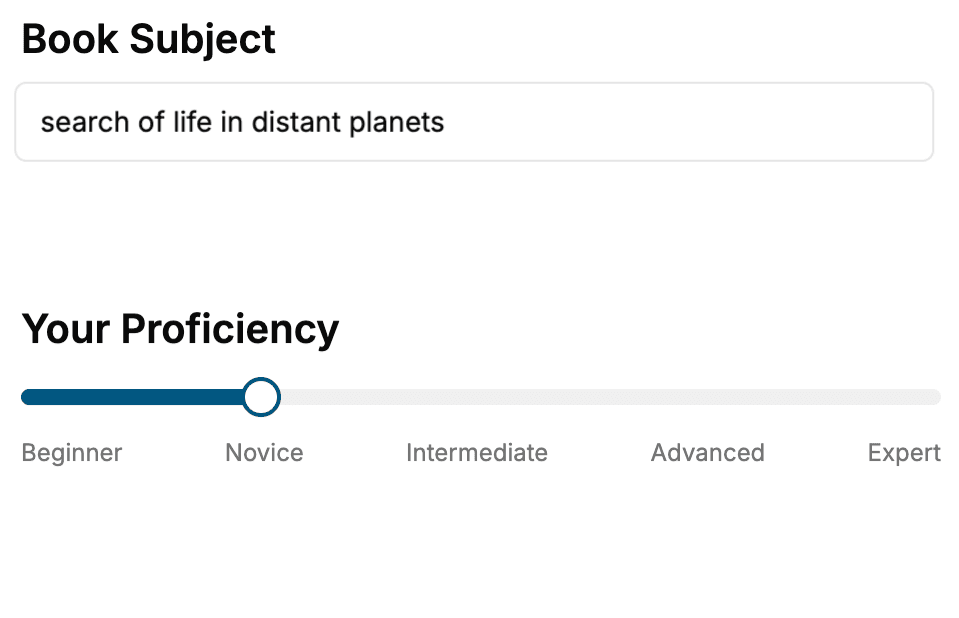
- 1. Select your focus
Select the focus of your Pediatric Medicine book and share your background
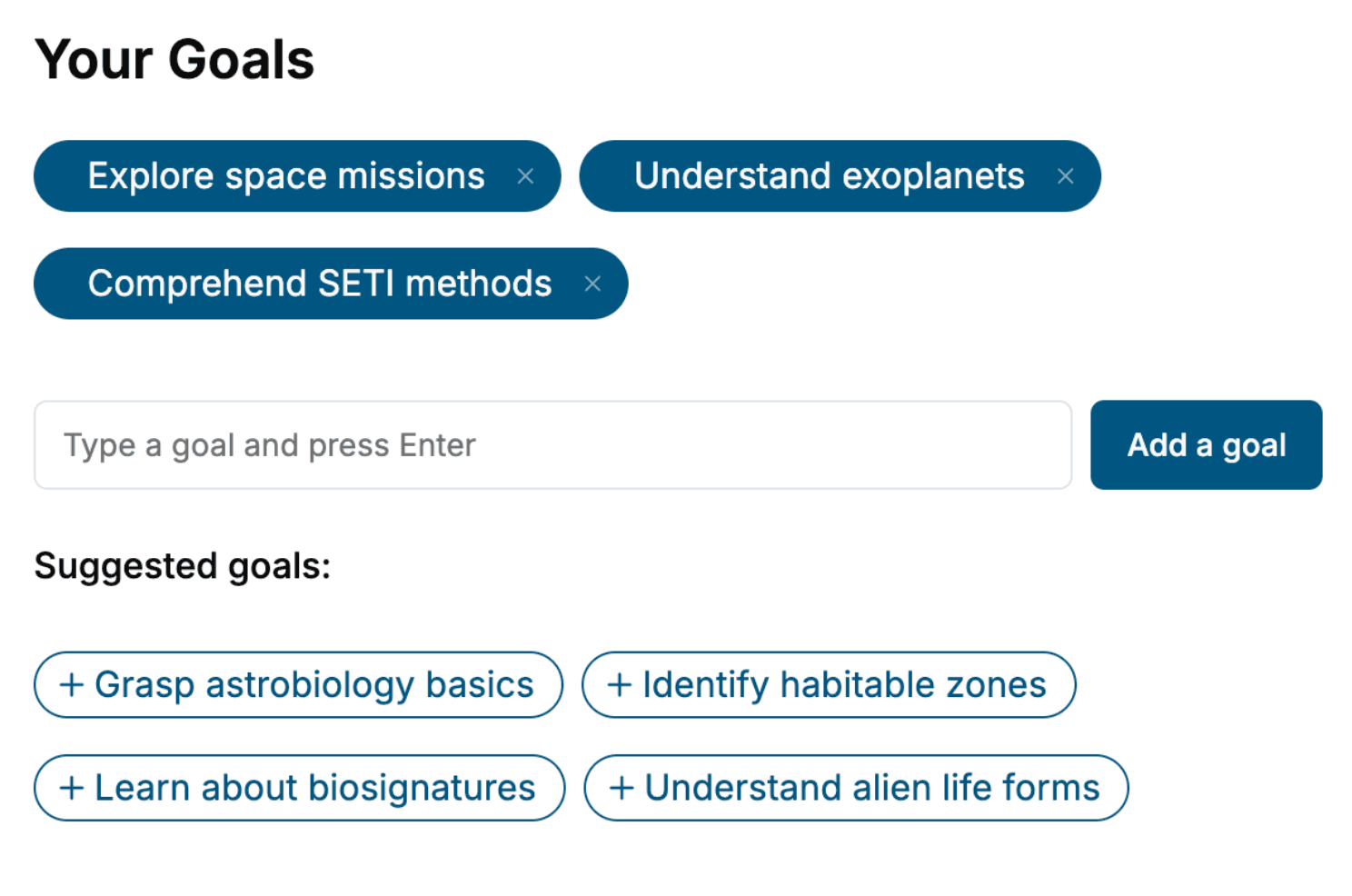
- 2. Personalize your book
Specify your goals and choose sub-topics to include
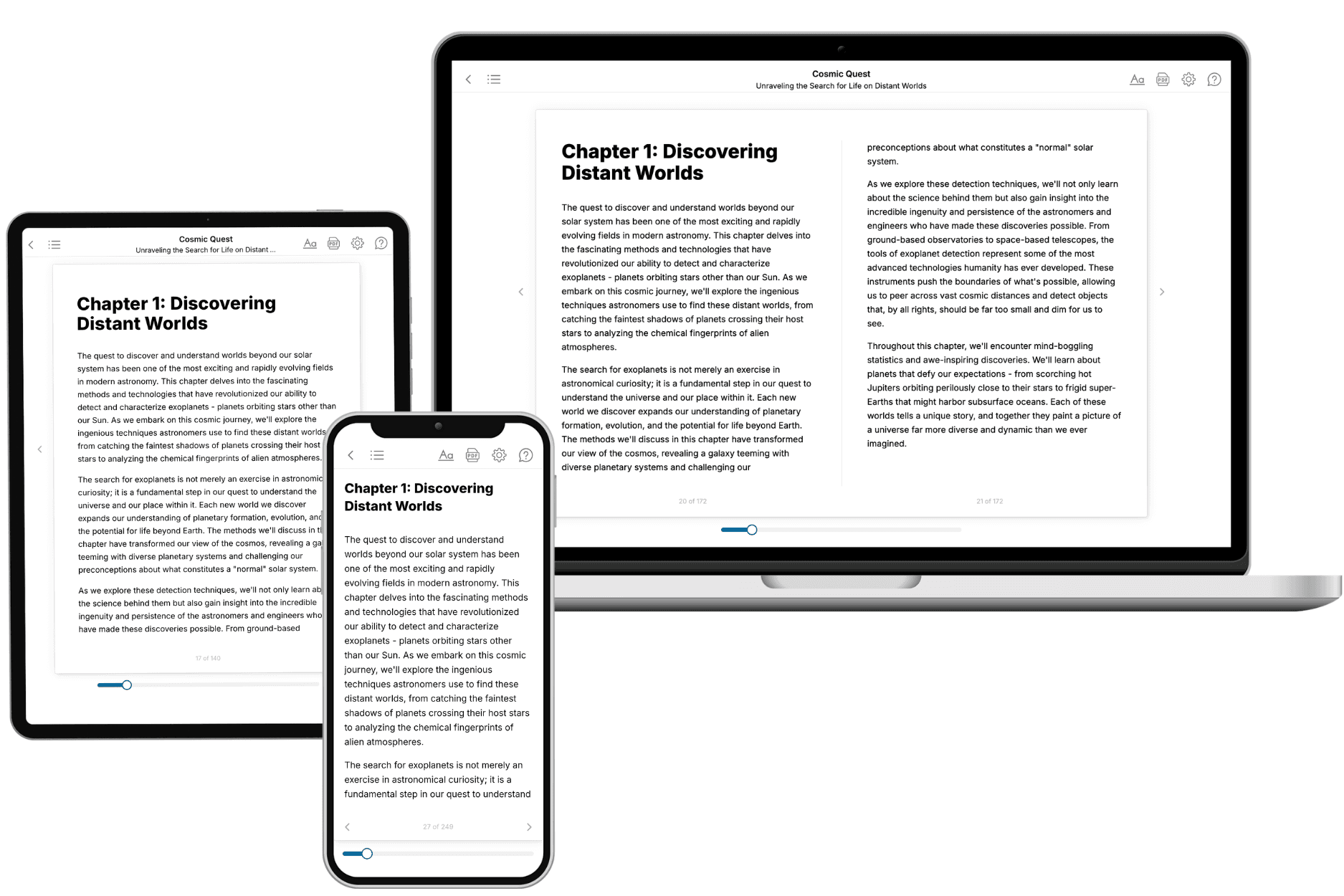
- 3. Get your tailored book
Your book is ready in 10 minutes. Read it online, download as EPUB or PDF, or send to Kindle.
Frequently asked questions
- What is TailoredRead?
TailoredRead creates complete, full-length nonfiction ebooks, written specifically for you. Tell us what you want to learn and why, and TailoredRead writes you a complete ebook on it, with charts, tables, and diagrams throughout. Read it online, on Kindle, or on any e-reader, or download it as a PDF or EPUB. Every book is written fresh the day you order it.
- How is the book tailored to me?
Before anything is written, you answer a few short questions about your goals, your background, and the topics you care about. Your book is then planned around your answers: written at your level, focused on your goals, and covering the topics you chose, instead of the one-size-fits-all book a store sells everyone.
- Will it read like generic AI content?
No. Your book isn't a chat transcript: it's planned chapter by chapter before a single word is written, told in a clear book voice, and explains ideas visually with charts, tables, and diagrams. After writing, every book goes through an editorial pass that polishes chapters so the book reads consistent from start to finish. Judge for yourself: browse thousands of sample books on our Explore Books page.
- How accurate is the content?
Our AI first checks whether your subject needs live research. Niche and fast-moving subjects are researched before writing, and the book plan and chapters are grounded in what it finds. After writing, every book goes through a quality pass that checks its facts and consistency, and researched books list their sources in a Notes section at the back.
- How long is the book?
You choose the length: Comprehensive (250-300 pages), Detailed (150-200 pages), Essential (70-100 pages), or Short (30-50 pages).
- Does the book include visuals?
Yes. Every book includes visual elements such as timelines, checklists, step-by-step guides, decision trees, comparison tables, and matrices, and many include bar charts. A typical book includes dozens of these visual elements.
- Can I read it on Kindle? What formats can I download?
Yes. Every book can be read in our online reader or downloaded as a PDF or EPUB. The EPUB can be opened with Kindle, Apple Books, Kobo, and any e-reader. The Commercial and Author licenses also include an editable Word (DOCX) and Markdown download.
- How much does it cost?
About the price of a regular ebook. The exact price depends on your book's length and complexity, from $2 for the shortest books to $35 for the most comprehensive, and it's shown when you review your book, before you commit to anything. Each book is a one-time purchase, yours to keep, no subscription. Licenses that let you share, teach, or publish your book range from $35.99 to $49.99.
- Can I preview the book before purchasing?
Before you pay, you'll see what your book will cover: the title, a detailed description, the estimated length, and the complete chapter-by-chapter table of contents, so you know what you're getting before you decide. The full text itself is written after you purchase.
- How long does it take to create a book?
About 10 minutes. You can start reading the opening chapters while the rest is still being written.