DNA Sequencing Books
Explore tailored DNA Sequencing books created by our AI
Books readers created
12 DNA Sequencing books, each written for the reader who ordered it. Read its introduction, then personalize it to get a book of your own.
What if the most fundamental process in all living cells operated on principles completely different from how you might imagine? DNA replication isn't simply about making copies—it's about orchestrating one of nature's most complex molecular dances. This book reveals how cells faithfully duplicate billions of nucleotides with stunning accuracy, exploring the intricate machinery that unwinds DNA, synthesizes new strands, and corrects errors in real time. You'll discover why evolution designed two different synthesis pathways for the same DNA molecule, how proofreading mechanisms catch mistakes before they become mutations, and why understanding replication is essential for grasping everything from cell division to genetic disease. Whether you're a student seeking deeper comprehension, a professional in biology or medicine, or simply someone fascinated by how life perpetuates itself, this book translates cutting-edge molecular biology into clear, engaging explanations that connect abstract concepts to tangible cellular reality.
Discover how comparing genomes across species unlocks profound insights into evolution, function, and disease. This book elevates your understanding from basic genomics to sophisticated comparative analysis, showing you how scientists decode the evolutionary story written in DNA. You'll learn the essential techniques for aligning sequences, identifying conserved genes, and mapping chromosomal changes that reveal how life diversified. Through real-world examples—from identifying disease genes in humans by studying model organisms to tracking pathogen evolution—you'll see how comparative genomics drives medical breakthroughs and biotechnology innovation. Whether you're studying evolutionary biology, pursuing a career in genomics, or simply curious about how we read the genetic code of life, this book provides the conceptual framework and practical knowledge to understand one of biology's most powerful tools. Master the methods, grasp the implications, and appreciate how comparing genomes transforms our understanding of life itself.
Genome Annotation Essentials
From Raw Sequences to Functional Insights
Master the critical skill of transforming raw genomic sequences into actionable biological knowledge. This comprehensive guide takes you from understanding basic annotation concepts to implementing sophisticated annotation pipelines in real-world research. You'll learn how computational tools identify genes and regulatory elements, discover why manual curation remains irreplaceable, and explore how comparative genomics validates your findings. Through practical examples and clear explanations, you'll gain the expertise to evaluate annotation quality, troubleshoot common challenges, and stay current with emerging technologies. Whether you're analyzing a newly sequenced genome or refining existing annotations, this book equips you with the knowledge and strategies to extract maximum biological insight from genomic data. Perfect for researchers, bioinformaticians, and students ready to move beyond sequence databases into genuine genomic interpretation.
What if the key to understanding animal behavior, disease resistance, and evolutionary success lies hidden in the double helix? Animal genetics isn't just an academic subject—it's the foundation for understanding why some species thrive while others struggle, how traits pass through generations, and how life itself adapts to changing environments. This book demystifies the science of heredity and genetic variation, showing you how DNA orchestrates everything from a butterfly's wing patterns to a wolf pack's hunting instincts. Whether you're curious about conservation efforts, interested in how selective breeding works, or want to grasp the mechanisms behind evolution, you'll discover how genetic principles shape the animal kingdom. Through clear explanations, real-world examples, and practical applications, you'll gain the knowledge to appreciate the genetic complexity underlying all animal life and understand why genetic diversity matters for species survival.
The Genetic Code Unlocked
Hands-On Experiments in Biotechnology and Genetic Engineering
Master the fundamentals of genetic engineering through hands-on experimentation and clear scientific explanation. This book guides you through the essential techniques and concepts that form the foundation of modern biotechnology, from DNA extraction to gene editing. You'll learn how to design and conduct meaningful experiments in your own lab space, understand the molecular mechanisms behind genetic modification, and explore real-world applications that are transforming medicine and agriculture. Each chapter combines theoretical knowledge with practical protocols, troubleshooting tips, and safety guidelines. Whether you're preparing for advanced studies, pursuing a career in biotechnology, or simply curious about how genetic engineering works, you'll gain the confidence and competence to engage with this rapidly evolving field. Discover how cutting-edge techniques like CRISPR are making genetic engineering more accessible than ever before.
Many people believe that evolution is simply about survival of the fittest, but the real story is far more nuanced and fascinating. Evolutionary genetics reveals how DNA itself is the engine of change, driving the incredible diversity of life on Earth. This book demystifies the complex relationship between genetics, evolution, and taxonomy—showing you how scientists use genetic evidence to understand how species are related, how they adapt to their environments, and how life has diversified over billions of years. Whether you're curious about why humans share genes with fruit flies, how new species emerge, or how scientists classify organisms based on their evolutionary history, you'll discover the molecular mechanisms that explain life's remarkable variety. By exploring real examples from nature and cutting-edge research, you'll gain a deeper appreciation for the genetic connections that bind all living things together and understand why evolutionary genetics is central to modern biology.
Imagine confidently interpreting your patient's genomic test results, knowing exactly which genetic variants matter clinically and how to translate that knowledge into personalized treatment plans. Picture yourself explaining complex inheritance patterns to families with clarity, stratifying genetic risk with precision, and selecting medications based on your patient's unique pharmacogenetic profile. This comprehensive guide bridges the gap between genetics theory and clinical practice. You'll master DNA structure and gene function, understand how inheritance patterns shape disease risk, and learn to navigate the molecular mechanisms controlling gene expression. Discover how next-generation sequencing works, interpret variant classifications using established guidelines, and apply CRISPR's therapeutic potential responsibly. Explore epigenetic regulation, pharmacogenomics in patient care, and population genetics principles that inform precision medicine. Whether you're evaluating a patient with a family history of genetic disease, ordering genomic testing, or implementing personalized treatment strategies, this book provides the knowledge and frameworks you need to practice genetics-informed medicine with confidence and competence.
Zinc Finger Nucleases
Precision Gene Editing Tools for the Modern Biologist
Gene editing has revolutionized biology, yet choosing the right tool for your research or therapeutic goals remains challenging. Zinc finger nucleases represent a powerful yet often misunderstood approach to precision genome modification. This book cuts through the complexity to explain how ZFNs work at the molecular level, why their modular design makes them uniquely programmable, and how to evaluate whether they're the right choice for your project. You'll discover the practical considerations that separate successful ZFN applications from failed attempts—from designing specific DNA-binding domains to managing off-target effects and optimizing cellular delivery. Whether you're developing a therapeutic intervention, improving crop traits, or advancing fundamental research, this guide provides the knowledge and frameworks you need to harness ZFN technology effectively. Learn from real-world applications, understand the science behind the engineering, and gain confidence in making informed decisions about gene editing strategies.
Epigenetic Modifications
How Chemical Changes Control Gene Expression Without Altering DNA
Imagine understanding the hidden switches that control which genes turn on and off in your cells—without any change to your DNA itself. Epigenetic modifications are the chemical mechanisms that regulate gene expression, determining whether genes are active or silenced. This book explores the fascinating world of epigenetics at the molecular level, revealing how DNA methylation, histone modifications, and chromatin remodeling work together to control cellular behavior. You'll discover how these chemical changes respond to your environment, diet, and lifestyle, and why they matter for health and disease. From understanding how cells differentiate during development to exploring how cancer cells silence tumor suppressors, you'll gain insight into one of biology's most important regulatory systems. Whether you're a student, researcher, or curious learner, this guide demystifies the chemistry behind epigenetic control and shows why these reversible modifications represent a frontier in medicine and personalized health.
Imagine confidently tackling complex biological datasets with the right computational tools at your fingertips. This book bridges the gap between theoretical computer science and practical bioinformatics, giving you the algorithmic foundation needed to analyze genomic sequences, predict protein structures, and extract meaningful insights from biological data. You'll explore how numerical algorithms power modern bioinformatics—from sequence alignment and phylogenetic analysis to machine learning applications in genomics. Each concept is grounded in real-world applications, showing you not just the "how" but the "why" behind computational approaches to biological problems. Whether you're analyzing DNA sequences, comparing genomes, or building predictive models for disease, this book provides the practical knowledge and algorithmic understanding to work efficiently with biological data. You'll learn to evaluate algorithm performance, optimize computational workflows, and make informed decisions about which techniques best suit your research questions. Master the computational methods that drive modern biological discovery.
The Molecular Code
Understanding How Cells Transform DNA Instructions into Living Proteins
Your cells are performing an extraordinary feat right now: converting the static information stored in your DNA into the dynamic proteins that power every aspect of life. This process—transcription and translation—represents one of biology's most elegant and essential mechanisms, yet it remains mysterious to many who want to understand life at the molecular level. This book guides you through the intricate choreography of molecular events that transform genetic code into functional proteins. You'll discover how RNA polymerase reads DNA sequences, how messenger RNA carries instructions across the cell, and how ribosomes decode these messages to assemble amino acids in precise order. Along the way, you'll explore the regulatory mechanisms that control gene expression, the molecular machinery that ensures accuracy, and the consequences when these processes go awry. Whether you're strengthening your foundation in biochemistry, preparing for advanced studies, or simply fascinated by the molecular basis of life, this book provides clear explanations, practical insights, and a deeper appreciation for the remarkable precision of cellular machinery.
Many people think molecular biotechnology is purely about genetics or laboratory techniques, but the real power lies in understanding molecular structure. Your ability to grasp how atoms bond together, how proteins fold, and how molecules interact determines whether you can truly understand—and innovate in—biotechnology. This book bridges the gap between structural chemistry and biotechnology by showing you exactly how molecular architecture drives biological function. You'll discover why certain drug molecules bind to specific proteins, how genetic engineers modify DNA at the molecular level, and how structural knowledge enables the development of new therapies and industrial applications. Whether you're pursuing a career in biotech, studying for advanced coursework, or simply curious about how modern medicine works at the molecular level, this guide provides the conceptual foundation and practical insights you need to understand the field with confidence and clarity.
Related books you may like:
Discover how advanced functional materials are reshaping industries and enabling solutions to humanity's greatest challenges. This comprehensive guide takes you beyond basic materials science to explore the cutting-edge world of engineered materials designed to perform specific, transformative functions. You'll learn how scientists and engineers manipulate atomic structures and processing conditions to create materials that respond to stimuli, conduct electricity with unprecedented efficiency, or heal themselves. From smart polymers that change properties on demand to nanomaterials with revolutionary capabilities, this book reveals the principles behind these innovations and their practical applications in healthcare, energy, electronics, and aerospace. Whether you're advancing your career, developing new products, or simply fascinated by the materials shaping our future, you'll gain the knowledge to understand, evaluate, and potentially contribute to this rapidly evolving field.
Most chemical reactions should happen instantly, yet they don't. The culprit? Activation energy—the invisible barrier that keeps reactants locked in place until enough energy arrives to break them free. Without understanding this fundamental concept, enzyme kinetics remains a mystery, and the elegant mechanisms by which life accelerates reactions seem like magic. This book demystifies activation energy and enzyme kinetics through clear explanations, practical examples, and visual frameworks. You'll discover how enzymes perform their catalytic miracles by lowering activation energy, explore the mathematics of reaction rates through the Arrhenius equation and Michaelis-Menten kinetics, and learn how inhibition mechanisms control biological processes. Whether you're studying biochemistry, developing pharmaceuticals, or optimizing industrial processes, this guide equips you with both the conceptual understanding and quantitative tools needed to predict, analyze, and manipulate enzyme-catalyzed reactions with confidence.
Achieve reliable, reproducible separations of complex chemical mixtures using adsorption chromatography. This practical guide bridges the gap between theoretical principles and real-world laboratory application, providing you with the knowledge and skills to design effective separation strategies for your specific analytical needs. You'll explore the fundamental science of how compounds interact with adsorbent materials, learn to select optimal stationary and mobile phases, and master the practical techniques that ensure consistent results. Whether you're working with thin-layer chromatography, column chromatography, or HPLC systems, this book equips you with systematic approaches to troubleshooting common problems, optimizing separations, and interpreting data with confidence. Packed with practical examples, decision-making frameworks, and evidence-based strategies, you'll develop the expertise to tackle challenging separation problems and advance your analytical capabilities in pharmaceutical, environmental, or materials research.
Many assume adipose tissue is simply inert fat to be minimized or removed. In reality, it's a sophisticated, metabolically active organ with remarkable regenerative potential. This book reveals how adipose tissue engineering is revolutionizing medicine by creating functional tissue solutions for reconstruction, regeneration, and therapeutic applications. You'll discover the biological foundations of adipose tissue, learn how scientists harvest and cultivate adipose-derived stem cells, and explore cutting-edge engineering strategies that transform these cells into viable tissue constructs. From scaffold design and bioreactor optimization to vascularization techniques and clinical translation, this guide provides practical insights into the science and engineering behind adipose tissue regeneration. Whether you're a researcher, student, or healthcare professional, you'll gain actionable knowledge about the current state of the field, emerging technologies, and the real-world challenges of bringing engineered tissues from the laboratory to clinical practice.
In the rapidly evolving world of ultra-high-speed communications, the challenge of designing secure and efficient chips has never been more daunting. As a Principal Architect, you face the complex task of integrating cutting-edge VLSI techniques with robust cryptographic solutions. This book is your comprehensive guide to conquering these challenges. "Advanced VLSI Design" delves deep into the intricacies of modern chip architecture, offering you practical insights into overcoming CMOS scaling limitations, harnessing the power of 3D IC integration, and implementing state-of-the-art FinFET technology. You'll explore innovative approaches to low-power design and high-speed SerDes, crucial for next-generation communication systems. This book doesn't just stop at performance; it equips you with the knowledge to build security from the ground up. From hardware Trojan detection to side-channel analysis resistance, you'll learn how to create chips that are not only fast but also fortified against modern security threats. Dive into advanced topics like quantum-dot cellular automata and EUV lithography, positioning yourself at the forefront of VLSI innovation.
Create a DNA Sequencing Book Tailored to You
Create an AI-crafted book tailored to your goals, interests, and background





Benefits of AI-tailored books
- Read one book, not ten:
- all the DNA Sequencing knowledge you need, gathered into a single book.
- Save days of learning:
- tell us your goals, choose your topics, and the whole book is built around them.
- Learn effortlessly:
- DNA Sequencing book written for your specific background and expertise.
- Understand at a glance:
- includes charts, tables, timelines, checklists, decision trees, and more.
- Stay current:
- written the day you order it, not years ago.
- Trust what you read:
- every book is checked for accuracy, with real research when your subject needs it.
Create your unique book in 3 steps
- 1. Select your focus
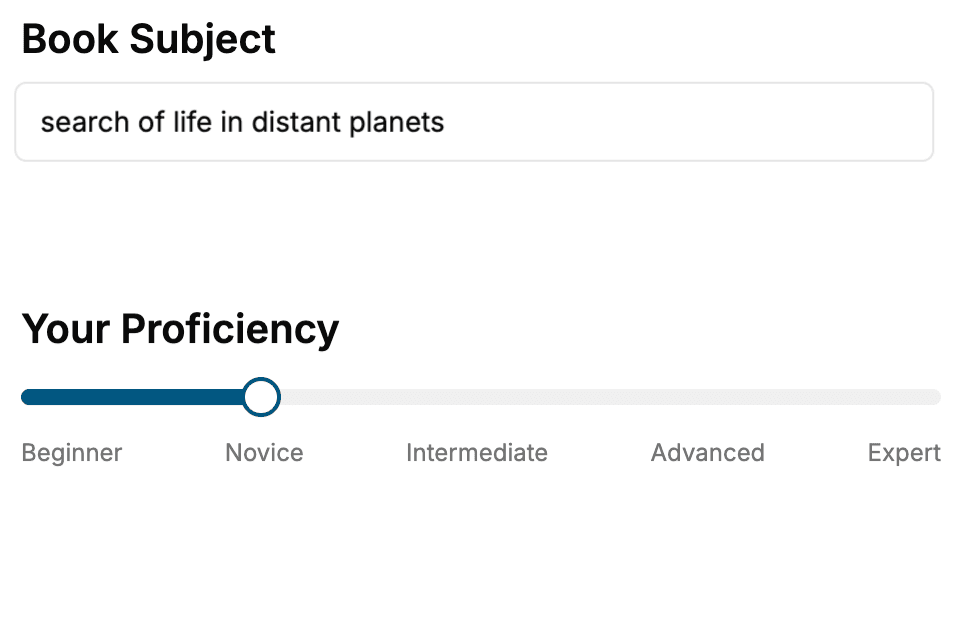
Select the focus of your DNA Sequencing book and share your background
- 2. Personalize your book
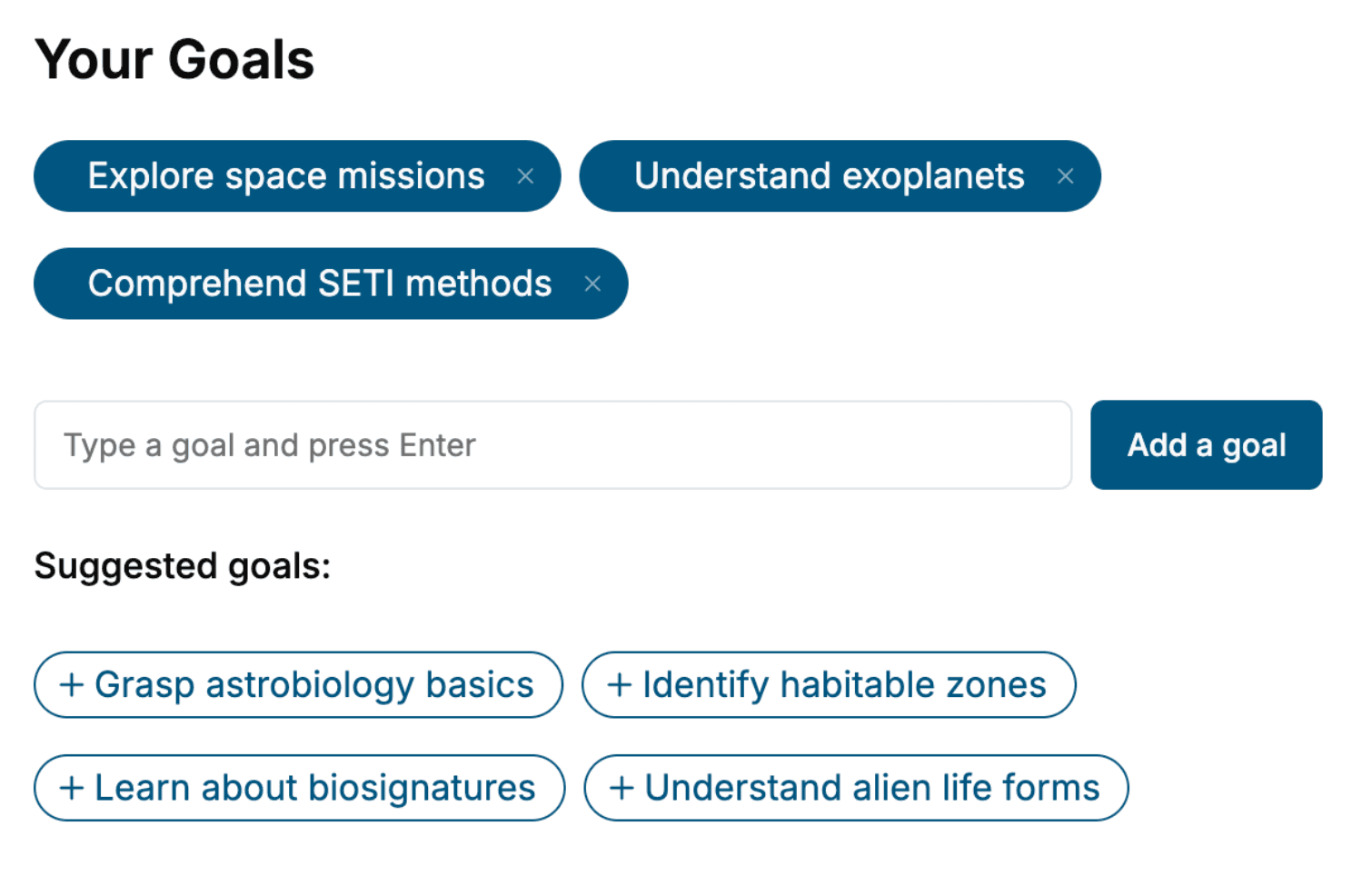
Specify your goals and choose sub-topics to include
- 3. Get your tailored book
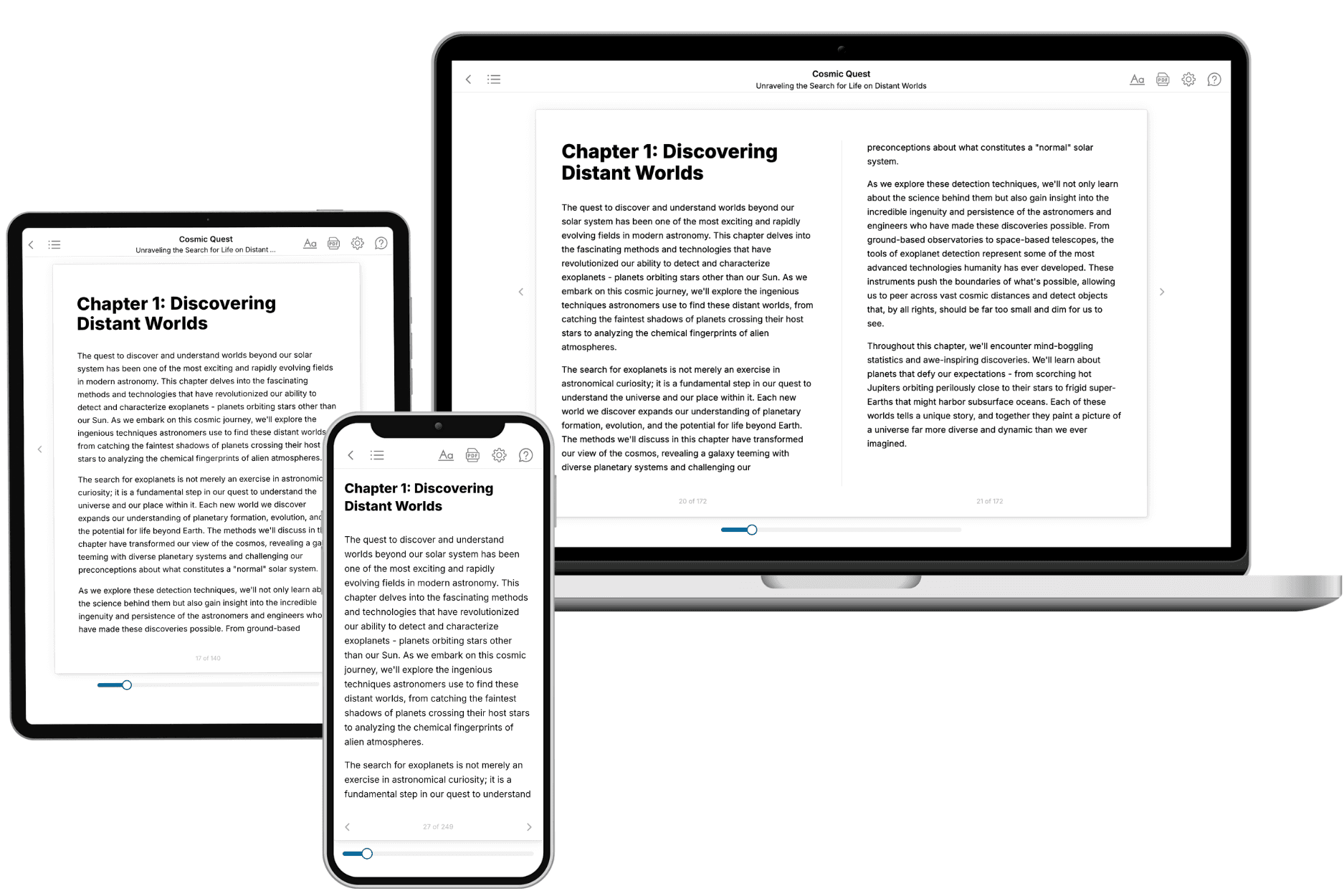
Your book is ready in 10 minutes. Read it online, download as EPUB or PDF, or send to Kindle.
Start from a template
Frequently asked questions
- What is TailoredRead?
TailoredRead creates complete, full-length nonfiction ebooks, written specifically for you. Tell us what you want to learn and why, and TailoredRead writes you a complete ebook on it, with charts, tables, and diagrams throughout. Read it online, on Kindle, or on any e-reader, or download it as a PDF or EPUB. Every book is written fresh the day you order it.
- How is the book tailored to me?
Before anything is written, you answer a few short questions about your goals, your background, and the topics you care about. Your book is then planned around your answers: written at your level, focused on your goals, and covering the topics you chose, instead of the one-size-fits-all book a store sells everyone.
- Will it read like generic AI content?
No. Your book isn't a chat transcript: it's planned chapter by chapter before a single word is written, told in a clear book voice, and explains ideas visually with charts, tables, and diagrams. After writing, every book goes through an editorial pass that polishes chapters so the book reads consistent from start to finish. Judge for yourself: browse thousands of sample books on our Explore Books page.
- How accurate is the content?
Our AI first checks whether your subject needs live research. Niche and fast-moving subjects are researched before writing, and the book plan and chapters are grounded in what it finds. After writing, every book goes through a quality pass that checks its facts and consistency, and researched books list their sources in a Notes section at the back.
- How long is the book?
You choose the length: Comprehensive (250-300 pages), Detailed (150-200 pages), Essential (70-100 pages), or Short (30-50 pages).
- Does the book include visuals?
Yes. Every book includes charts, tables, and diagrams: timelines, checklists, step-by-step guides, decision trees, comparison tables, matrices, and bar charts. A typical book includes dozens of these visual elements.
- Can I read it on Kindle? What formats can I download?
Yes. Every book can be read in our online reader or downloaded as a PDF or EPUB. The EPUB can be opened with Kindle, Apple Books, Kobo, and any e-reader. The Commercial and Author licenses also include an editable Word (DOCX) and Markdown download.
- How much does it cost?
About the price of a regular ebook. The exact price depends on your book's length and complexity, from $2 for the shortest books to $35 for the most comprehensive, and it's shown when you review your book, before you commit to anything. Each book is a one-time purchase, yours to keep, no subscription. Licenses that let you share, teach, or publish your book range from $35.99 to $49.99.
- Can I preview the book before purchasing?
Before you pay, you'll see what your book will cover: the title, a detailed description, the estimated length, and the complete chapter-by-chapter table of contents, so you know what you're getting before you decide. The full text itself is written after you purchase.
- How long does it take to create a book?
About 10 minutes. You can start reading the opening chapters while the rest is still being written.