Molecular Biotechnology Essentials
Understanding Structural Chemistry and Biological Systems at the Molecular Level
Many people think molecular biotechnology is purely about genetics or laboratory techniques, but the real power lies in understanding molecular structure.
207 pages9 chaptersJan 10, 2026Biotechnology
About this book
Your ability to grasp how atoms bond together, how proteins fold, and how molecules interact determines whether you can truly understand—and innovate in—biotechnology. This book bridges the gap between structural chemistry and biotechnology by showing you exactly how molecular architecture drives biological function. You'll discover why certain drug molecules bind to specific proteins, how genetic engineers modify DNA at the molecular level, and how structural knowledge enables the development of new therapies and industrial applications. Whether you're pursuing a career in biotech, studying for advanced coursework, or simply curious about how modern medicine works at the molecular level, this guide provides the conceptual foundation and practical insights you need to understand the field with confidence and clarity.
Table of contents
- IntroductionWhy Molecular Structure Matters in Biotechnology, What You'll Learn in This Book, How to Use This GuideRead below
- Chapter 1: Foundations of Structural ChemistryAtomic Structure and Electron Configuration, Chemical Bonding: Covalent, Ionic, and Hydrogen Bonds, Molecular Geometry and Three-Dimensional Shape
- Chapter 2: Biomolecules: Building Blocks of LifeCarbohydrates: Structure and Function, Lipids: Membranes and Energy Storage, Nucleotides and Nucleic Acids, Amino Acids and Protein Building Blocks
- Chapter 3: Protein Structure and FunctionPrimary Structure: Amino Acid Sequences, Secondary Structure: Alpha Helices and Beta Sheets, Tertiary and Quaternary Structures, Protein Folding and Misfolding Diseases
- Chapter 4: DNA Structure and Genetic InformationThe DNA Double Helix: Structure and Stability, Base Pairing and Complementarity, DNA Packaging and Chromatin Organization
- Chapter 5: Molecular Interactions and RecognitionEnzyme-Substrate Interactions and Catalysis, Receptor-Ligand Binding and Specificity, Protein-Protein Interactions and Signaling
- Chapter 6: Structural Analysis and CharacterizationX-Ray Crystallography and Structure Determination, NMR Spectroscopy and Molecular Dynamics, Cryo-Electron Microscopy and Advanced Techniques, Computational Modeling and Molecular Simulation
- Chapter 7: Genetic Engineering at the Molecular LevelDNA Manipulation and Restriction Enzymes, Recombinant DNA Technology and Cloning, CRISPR and Modern Gene Editing
- Chapter 8: Drug Design and Molecular TherapeuticsStructure-Based Drug Design, Drug-Target Interactions and Binding Affinity, Protein Therapeutics and Antibodies, Gene Therapy and Molecular Medicine
- Chapter 9: Industrial Biotechnology ApplicationsEnzyme Engineering and Optimization, Biofuels and Bioproduct Manufacturing, Synthetic Biology and Metabolic Engineering
- ConclusionIntegrating Structural Chemistry and Biotechnology, Future Directions in Molecular Biotechnology
- Glossary
- Further Reading and Resources
Introduction
Biotechnology has transformed modern medicine, agriculture, and industry in ways that would have seemed impossible just decades ago. Yet beneath every breakthrough—from life-saving cancer therapies to genetically modified crops to industrial enzymes that clean your laundry—lies a fundamental truth that often gets overlooked: molecular structure determines biological function. Understanding how atoms bond together, how molecules fold into precise three-dimensional shapes, and how these structures interact with each other isn't just academic knowledge. It's the foundation that makes biotechnology possible. Without grasping these structural principles, you're left memorizing facts without understanding the underlying logic that drives biological systems and biotechnological innovations.
Many people approach biotechnology from the perspective of techniques and applications—learning about PCR, CRISPR, or drug development as isolated procedures. This approach creates gaps in understanding that become apparent when you encounter new technologies or try to troubleshoot problems. When you understand molecular structure, however, everything connects. You can predict how a protein will behave based on its amino acid sequence, understand why certain drugs work while others fail, and grasp how genetic engineers manipulate DNA at the molecular level. This structural perspective transforms biotechnology from a collection of disconnected facts into a coherent system where each piece logically follows from fundamental chemical principles.
This book bridges the gap between structural chemistry and biotechnology by showing you exactly how molecular architecture drives biological function and enables practical applications. You'll build a foundation in chemical bonding and molecular geometry, then apply these concepts to understand proteins, DNA, and other biomolecules. From there, you'll explore how structural knowledge enables genetic engineering, drug design, and industrial biotechnology. Whether you're a student preparing for advanced coursework, a professional transitioning into biotech, or simply someone curious about how modern medicine works at the molecular level, this guide provides the conceptual framework and practical insights you need to understand the field with confidence and clarity.
The approach here differs from traditional textbooks in several important ways. Rather than overwhelming you with exhaustive detail about every molecule and mechanism, this book focuses on the core structural principles that matter most for understanding biotechnology. Each concept connects directly to real-world applications, showing you not just what happens at the molecular level, but why it matters for practical biotechnology. You'll find concrete examples throughout—specific drugs and how they bind to their targets, actual genetic engineering techniques and the molecular changes they create, real industrial enzymes and how their structures enable specific functions. This practical focus ensures that your learning translates directly into deeper understanding of biotechnological innovations.
Why Molecular Structure Matters in Biotechnology
The relationship between molecular structure and biological function represents one of the most powerful concepts in modern science. Every biological process—from DNA replication to enzyme catalysis to drug action—depends on molecules recognizing and interacting with each other through precise structural complementarity. Consider how antibodies work: these Y-shaped proteins contain binding sites with specific three-dimensional shapes that match the contours of their target molecules like a key fitting a lock. Change the structure of either the antibody or its target by even a few atoms, and the interaction fails. This principle of structure-function relationship underlies all of biotechnology, making structural understanding essential rather than optional.
When biotechnologists design new therapies or engineer organisms, they're fundamentally manipulating molecular structures to achieve desired functions. Take the development of protease inhibitors for HIV treatment as a concrete example. Scientists used X-ray crystallography to determine the three-dimensional structure of the HIV protease enzyme, revealing a pocket where the enzyme binds and cuts viral proteins. Armed with this structural information, researchers designed small molecules that fit precisely into this pocket, blocking the enzyme's activity and preventing viral replication[1]. Without understanding molecular structure, this rational drug design approach would be impossible—researchers would be left testing random compounds hoping for lucky hits.
Structural knowledge also explains why certain biotechnological approaches work while others fail. Consider gene therapy, where scientists attempt to deliver functional genes to patients with genetic diseases. Early attempts using viral vectors sometimes failed because the viral proteins triggered immune responses. Understanding the molecular structure of these viral proteins allowed researchers to identify which structural features the immune system recognized, then engineer modified viruses with altered surface structures that evade detection while still delivering their genetic cargo. This structural problem-solving approach has become standard across biotechnology, from developing more stable protein therapeutics to engineering enzymes that function in harsh industrial conditions.
The importance of structure extends beyond individual molecules to how they organize into larger assemblies and systems. Cell membranes, for instance, form because lipid molecules have a specific structural architecture—hydrophobic tails and hydrophilic heads—that causes them to spontaneously arrange into bilayers in aqueous environments. This structural self-assembly creates the barriers that define cells and organelles. Similarly, DNA doesn't exist as isolated double helices but packages into complex chromatin structures that regulate which genes can be accessed and expressed. Understanding these higher-order structures helps biotechnologists design better gene delivery systems, develop drugs that target specific cellular compartments, and engineer synthetic biological systems that function reliably.
Perhaps most importantly, structural understanding enables you to think mechanistically about biological systems rather than just memorizing facts. When you encounter a new enzyme, protein, or biotechnological application, you can ask productive questions:
- What structural features enable this molecule to perform its function?
- How do changes in structure affect activity or stability?
- What molecular interactions hold this structure together?
- How might we modify this structure to improve or alter its function?
The molecular structure perspective also reveals connections between seemingly different areas of biotechnology. The same principles of molecular recognition that govern enzyme-substrate interactions also explain how CRISPR systems recognize specific DNA sequences, how receptors on cell surfaces detect signaling molecules, and how chromatography columns separate proteins based on structural properties. Once you understand these fundamental structural principles, you can apply them across diverse biotechnological contexts. This transferable knowledge makes you more adaptable as the field evolves and new technologies emerge, because you understand the underlying logic rather than just specific techniques.
Modern biotechnology increasingly relies on computational tools that model and predict molecular structures and interactions. Artificial intelligence systems can now predict protein structures from amino acid sequences with remarkable accuracy, and molecular dynamics simulations can show how proteins move and interact over time. These tools are revolutionizing drug discovery, protein engineering, and synthetic biology. However, using these tools effectively requires understanding what molecular structures mean and how to interpret structural information. Without this foundation, computational predictions remain abstract data rather than actionable insights. Your ability to think structurally determines whether you can leverage these powerful technologies effectively.
The practical impact of structural understanding becomes clear when you examine biotechnology failures and how they were solved. Many early protein therapeutics failed because they aggregated or degraded too quickly in the body. Structural analysis revealed that certain amino acid sequences on the protein surface caused these problems. By identifying these structural liabilities and engineering proteins with modified surface structures, biotechnologists developed more stable therapeutics that remain active longer in patients. Similarly, early gene editing tools often cut DNA at unintended sites, causing dangerous off-target effects. Understanding the molecular structure of these tools and how they recognize DNA sequences enabled researchers to engineer more specific variants that dramatically reduced off-target cutting. These examples illustrate how structural knowledge directly translates into safer, more effective biotechnologies.
What You'll Learn in This Book
This book follows a carefully structured progression that builds your understanding from fundamental chemical principles through to advanced biotechnological applications. You'll start with the foundations of structural chemistry—atomic structure, chemical bonding, and molecular geometry—establishing the basic principles that govern how molecules form and behave. These concepts might seem elementary if you have chemistry background, but they're presented specifically in the context of biological molecules and biotechnology applications. You'll see immediately how electron configuration determines bonding patterns in amino acids, how molecular geometry affects protein folding, and how hydrogen bonding stabilizes DNA structure. This foundation ensures that later concepts build on solid understanding rather than memorized facts.
From these foundations, you'll progress to understanding biomolecules—the structural building blocks of life. You'll explore carbohydrates, lipids, nucleotides, and amino acids not just as isolated molecules but as components that assemble into larger functional structures. For each biomolecule class, you'll learn:
- The chemical structure and bonding patterns that define the molecule
- How structural features determine physical and chemical properties
- How these molecules assemble into larger biological structures
- Why specific structural features matter for biotechnological applications
- Real examples of how biotechnologists exploit or modify these structures
The book then dedicates substantial attention to protein structure and function, reflecting proteins' central role in biotechnology. You'll work through the four levels of protein structure—primary, secondary, tertiary, and quaternary—understanding how amino acid sequences determine three-dimensional shapes and how these shapes enable specific functions. You'll explore protein folding in detail, including how molecular chaperones assist folding, what happens when proteins misfold, and how diseases like Alzheimer's and Parkinson's result from protein misfolding. This section includes concrete examples like hemoglobin's quaternary structure enabling cooperative oxygen binding, and how single amino acid changes in sickle cell disease alter protein structure and cause disease. These examples illustrate the direct connection between molecular structure and biological outcomes.
DNA structure receives similarly thorough treatment, moving beyond the familiar double helix to explore how DNA's molecular architecture enables genetic information storage and transmission. You'll understand why the antiparallel orientation of DNA strands matters for replication, how base stacking interactions stabilize the double helix, and how DNA packaging into chromatin affects gene expression. This structural foundation then connects directly to genetic engineering applications—you'll see how restriction enzymes recognize specific DNA sequences based on structural features, how CRISPR systems use RNA-DNA base pairing to target specific genes, and how understanding DNA structure enables techniques like PCR and DNA sequencing. The progression from structure to application makes genetic engineering techniques logical rather than mysterious.
A dedicated section on molecular interactions and recognition explores how molecules find and bind to each other with exquisite specificity. You'll examine enzyme-substrate interactions in detail, understanding how active site structure determines substrate specificity and catalytic mechanism. Receptor-ligand binding receives similar attention, showing how cell surface receptors recognize specific signaling molecules and how this recognition triggers cellular responses. These concepts directly enable understanding of drug action—you'll see how drugs work by mimicking or blocking natural molecular interactions, and why small structural changes in a drug molecule can dramatically affect its activity and side effects. Real examples include how beta-blockers bind to adrenaline receptors and how statins inhibit cholesterol synthesis enzymes.
The book then shifts to structural analysis techniques, giving you insight into how scientists actually determine molecular structures and study molecular interactions. You'll learn the principles behind X-ray crystallography, NMR spectroscopy, and cryo-electron microscopy—not to become an expert in these techniques, but to understand what information they provide and how to interpret structural data. This section also covers computational modeling and molecular dynamics simulations, showing how computers predict structures and simulate molecular behavior. Understanding these tools is increasingly important as biotechnology becomes more computational, and this section ensures you can critically evaluate structural studies and use structural databases effectively.
The final sections apply all this structural knowledge to major biotechnology applications. Genetic engineering is explored at the molecular level, showing exactly how techniques like restriction enzyme cloning, recombinant DNA technology, and CRISPR gene editing work structurally. You'll understand not just the procedures but the molecular mechanisms—how Cas9 protein recognizes and cuts specific DNA sequences, how DNA ligase joins DNA fragments, how selection markers work at the molecular level. Drug design receives extensive coverage, including structure-based drug design approaches, how scientists optimize drug-target interactions, and how protein therapeutics like antibodies are engineered for improved properties. Industrial biotechnology applications round out the book, showing how enzyme engineering, metabolic engineering, and synthetic biology all depend on structural understanding.
Throughout the book, you'll encounter specific examples and case studies that illustrate concepts in action. These aren't generic examples but detailed looks at real biotechnologies:
How Herceptin antibody was engineered to bind specifically to HER2 receptors on breast cancer cells, including the structural modifications that made it suitable for human therapy
How industrial enzymes like subtilisin were engineered for improved stability in laundry detergents, including specific amino acid substitutions and their structural effects
These concrete examples ensure that abstract structural concepts connect to tangible biotechnological outcomes.How insulin production was revolutionized by recombinant DNA technology, including the molecular details of how bacteria were engineered to produce human insulin
By the end of this book, you'll have developed a comprehensive structural framework for understanding biotechnology. You'll be able to look at a protein sequence and predict structural features, understand how genetic modifications will affect molecular function, evaluate drug design strategies based on structural principles, and critically assess new biotechnologies by analyzing their molecular mechanisms. This structural literacy will serve you whether you're pursuing research, working in biotech industry, studying for advanced degrees, or simply seeking deeper understanding of how modern biotechnology works. The goal isn't to make you memorize structures but to develop your ability to think structurally about biological systems and biotechnological applications.
How to Use This Guide
This book is designed for active learning rather than passive reading. Each chapter builds on previous concepts, so working through the material sequentially will give you the strongest foundation. However, the structure also allows you to focus on specific topics if you already have background in certain areas. If you're comfortable with basic chemistry, you might move quickly through Chapter 1 on structural chemistry foundations, spending more time on the biomolecule chapters where these principles apply to biological systems. Conversely, if you're primarily interested in applications like drug design or genetic engineering, you can skim the foundational chapters initially, then return to them when you need deeper understanding of underlying principles. The key is ensuring you understand the structural concepts before moving to applications that depend on them.
As you read, pay special attention to the examples and case studies. These aren't decorative additions but essential components of learning. When you encounter an example, take time to work through it carefully:
- Identify the specific structural features being discussed
- Consider how these structural features relate to the function or application
- Think about what would happen if the structure were different
- Connect the example to broader principles discussed in the chapter
- Look for patterns that appear across different examples
The book includes numerous molecular structures and diagrams. Don't skip over these visual representations—they're often more informative than text descriptions alone. When you encounter a molecular structure, take time to examine it carefully. Look at how atoms connect, identify functional groups, notice three-dimensional arrangements, and consider how the structure relates to the function being discussed. If you have access to molecular visualization software like PyMOL or Jmol, looking up structures in the Protein Data Bank and rotating them in three dimensions can dramatically enhance your understanding. Many structures discussed in this book are freely available in structural databases, and exploring them interactively reinforces concepts in ways that static images cannot.
Each chapter concludes with key concepts that summarize the most important points. Use these summaries as checkpoints to assess your understanding. If any concept in the summary seems unclear, return to that section and review it before proceeding. These summaries also serve as useful reference points when you need to quickly recall information later. Consider creating your own summary notes as well, rephrasing concepts in your own words and adding examples that particularly resonated with you. This active summarization process strengthens retention and helps you identify gaps in understanding while you can still address them.
The book assumes you have foundational chemistry knowledge—basic understanding of atoms, molecules, chemical bonds, and chemical reactions. If you find the chemistry concepts challenging, don't hesitate to consult introductory chemistry resources to fill gaps. The glossary at the end of the book defines key terms, but it's not a substitute for understanding fundamental chemistry. Conversely, if you have strong chemistry background, you'll find that this book shows you how to apply that knowledge to biological systems and biotechnology in ways that chemistry courses typically don't cover. The focus here is always on connecting structural principles to biological function and practical applications.
Consider supplementing your reading with external resources that reinforce concepts through different modalities. Online resources can be particularly valuable:
- Protein Data Bank (PDB): Explore actual molecular structures discussed in the book
- RCSB PDB educational resources: Interactive tutorials on protein structure and function
- Molecular visualization tools: Software for viewing and manipulating 3D structures
- Scientific literature: Original research papers on biotechnologies discussed in the book
- Online courses: Video lectures that demonstrate concepts visually
If you're using this book for a course or professional development, consider forming a study group to discuss concepts and work through examples together. Explaining structural concepts to others is one of the most effective ways to solidify your own understanding. When you can articulate why a particular structural feature matters or how a molecular interaction works, you've moved beyond surface-level memorization to genuine comprehension. Study groups also allow you to encounter different perspectives and examples that can illuminate concepts in new ways. Even if you're learning independently, online forums and communities focused on biotechnology and structural biology can provide similar benefits.
As you progress through the book, actively connect new concepts to previous material. Biotechnology is highly interconnected—the same structural principles appear repeatedly in different contexts. For instance, hydrogen bonding stabilizes both protein secondary structure and DNA base pairing. Molecular recognition principles govern both enzyme-substrate interactions and antibody-antigen binding. When you notice these connections, you're developing the integrated understanding that characterizes expert knowledge. Consider creating concept maps or diagrams that show relationships between different topics, helping you see the big picture rather than isolated facts.
Finally, remember that understanding molecular structure and biotechnology is a gradual process. Don't expect to master every concept on first reading. Some ideas will require multiple exposures and time to fully appreciate. If you find a section particularly challenging, mark it and return after completing subsequent chapters—often later material provides context that makes earlier concepts clearer. The goal is building lasting understanding that you can apply flexibly, not racing through content. Take the time you need to develop genuine comprehension, and you'll find that the investment pays dividends as you encounter increasingly sophisticated biotechnological concepts and applications. Your patience and persistence in building this structural foundation will enable you to understand and contribute to one of the most exciting and impactful fields in modern science.
Notes
Introduction
- 1. A. Wlodawer and J. Vondrasek, "Inhibitors of HIV-1 protease," Annual Review of Biophysics and Biomolecular Structure, 1998
This is the end of the free sample. The full book has 9 chapters.
Want this book written for you?
Tell us your goals and background, and get your own version of this book, tailored by AI to you.


Benefits of AI-tailored books
- Read one book, not ten:
- all the Biotechnology knowledge you need, gathered into a single book.
- Save days of learning:
- tell us your goals, choose your topics, and the whole book is built around them.
- Learn effortlessly:
- Biotechnology book written for your specific background and expertise.
- Understand at a glance:
- includes charts, tables, timelines, checklists, decision trees, and more.
- Stay current:
- written the day you order it, not years ago.
- Trust what you read:
- every book is checked for accuracy, with real research when your subject needs it.
Create your unique book in 3 steps
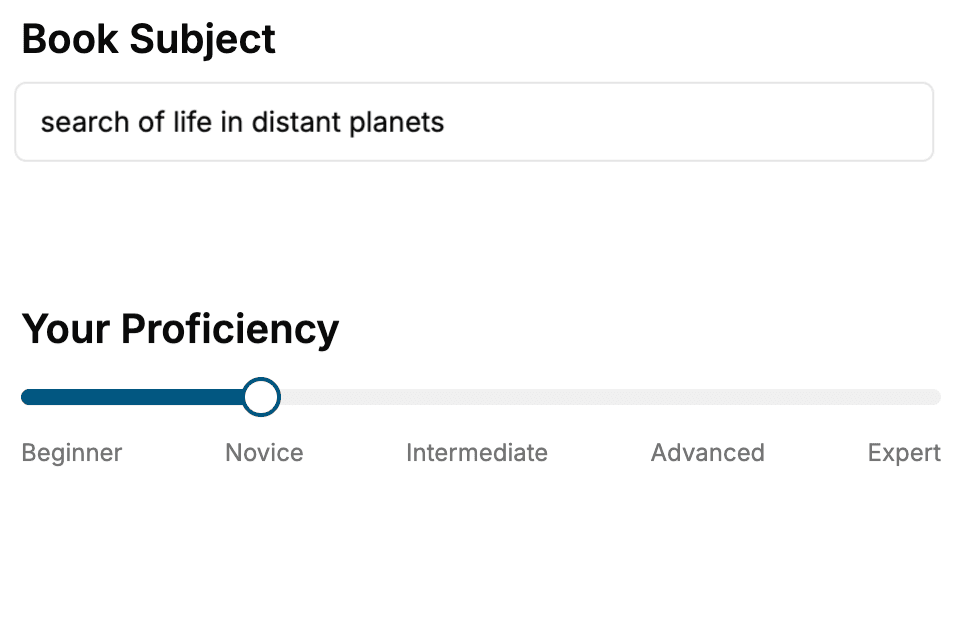
- 1. Select your focus
Select the focus of your Biotechnology book and share your background
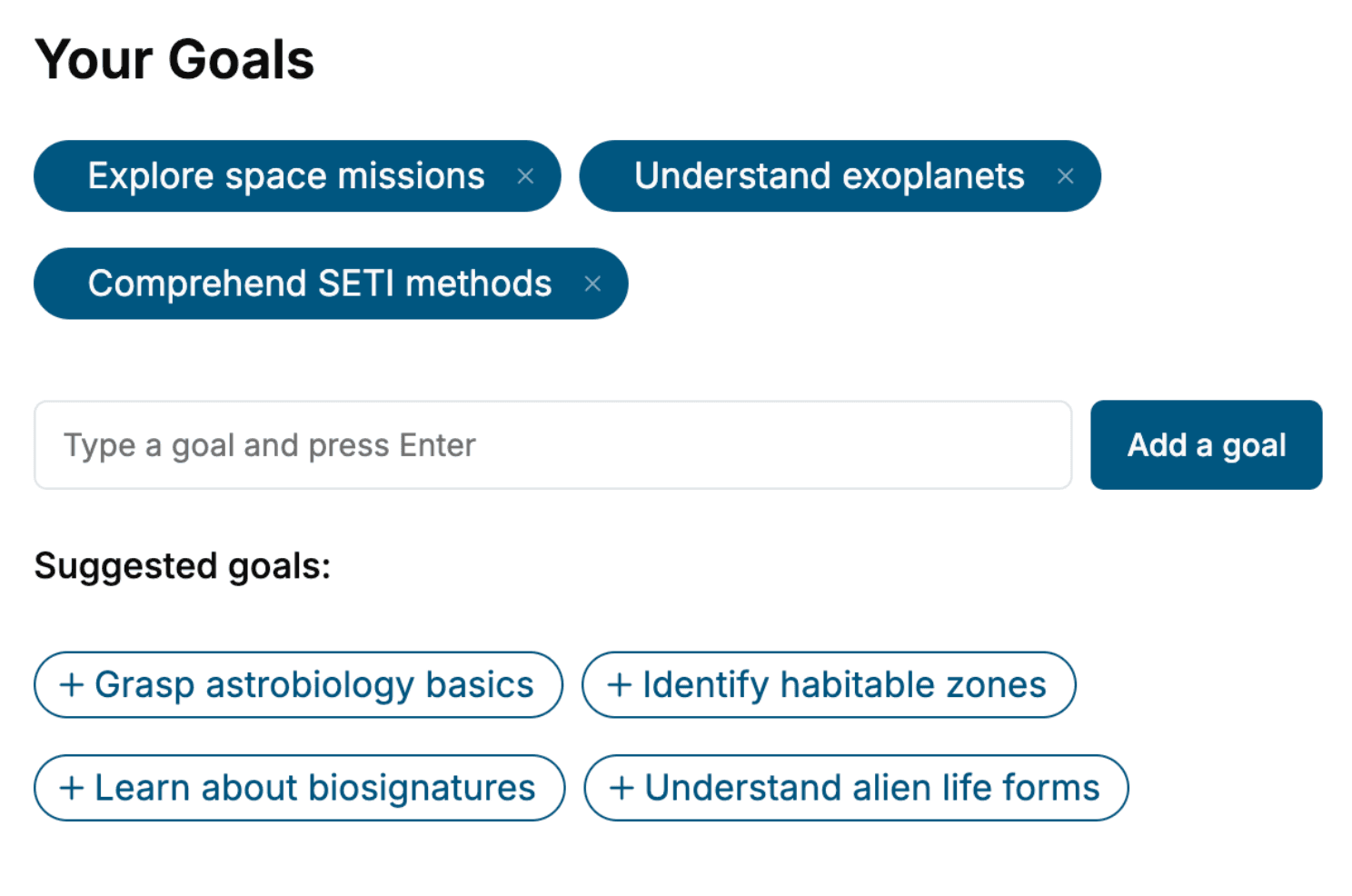
- 2. Personalize your book
Specify your goals and choose sub-topics to include
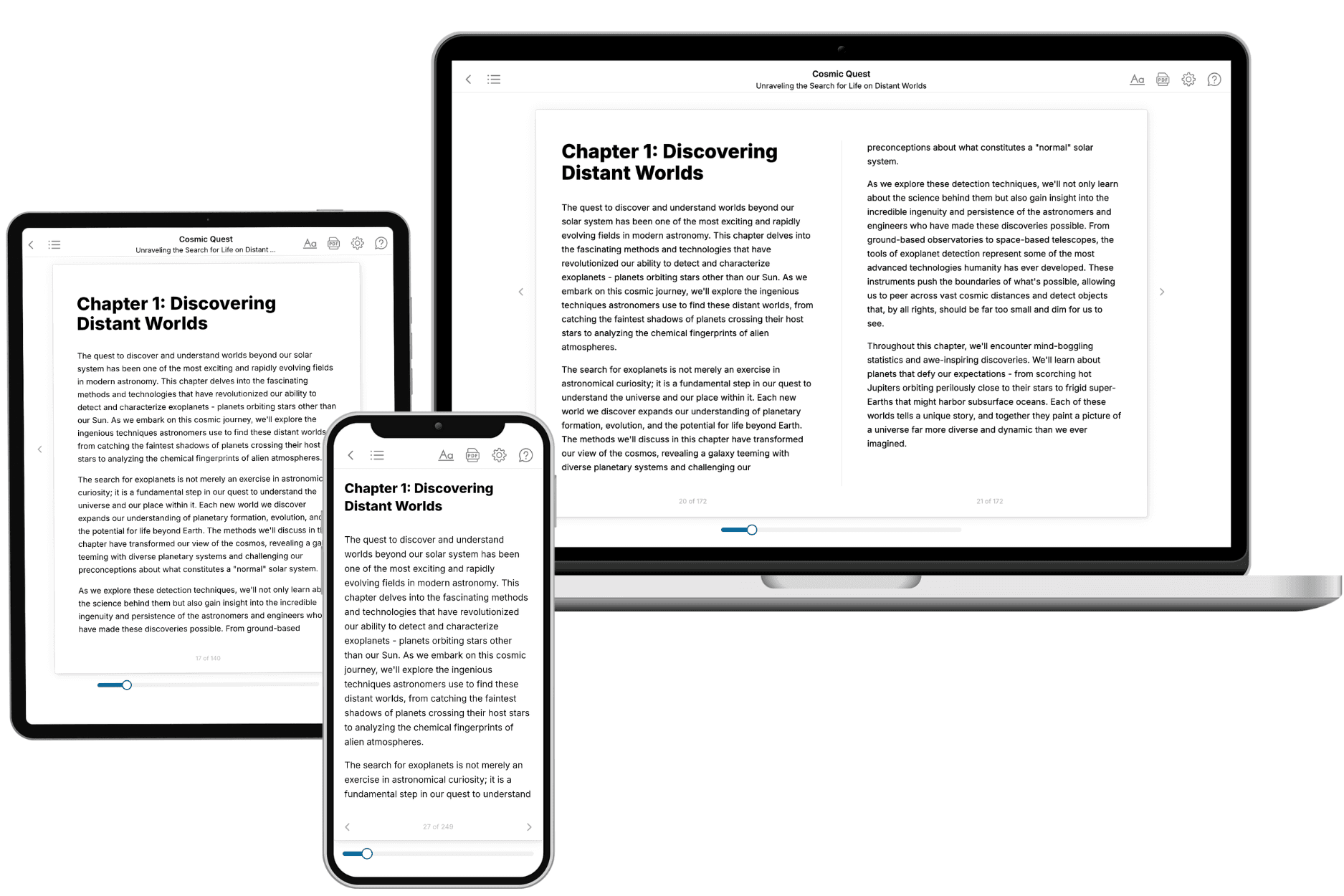
- 3. Get your tailored book
Your book is ready in 10 minutes. Read it online, download as EPUB or PDF, or send to Kindle.
Frequently asked questions
- What is TailoredRead?
TailoredRead creates complete, full-length nonfiction ebooks, written specifically for you. Tell us what you want to learn and why, and TailoredRead writes you a complete ebook on it, with charts, tables, and diagrams throughout. Read it online, on Kindle, or on any e-reader, or download it as a PDF or EPUB. Every book is written fresh the day you order it.
- How is the book tailored to me?
Before anything is written, you answer a few short questions about your goals, your background, and the topics you care about. Your book is then planned around your answers: written at your level, focused on your goals, and covering the topics you chose, instead of the one-size-fits-all book a store sells everyone.
- Will it read like generic AI content?
No. Your book isn't a chat transcript: it's planned chapter by chapter before a single word is written, told in a clear book voice, and explains ideas visually with charts, tables, and diagrams. After writing, every book goes through an editorial pass that polishes chapters so the book reads consistent from start to finish. Judge for yourself: browse thousands of sample books on our Explore Books page.
- How accurate is the content?
Our AI first checks whether your subject needs live research. Niche and fast-moving subjects are researched before writing, and the book plan and chapters are grounded in what it finds. After writing, every book goes through a quality pass that checks its facts and consistency, and researched books list their sources in a Notes section at the back.
- How long is the book?
You choose the length: Comprehensive (250-300 pages), Detailed (150-200 pages), Essential (70-100 pages), or Short (30-50 pages).
- Does the book include visuals?
Yes. Every book includes charts, tables, and diagrams: timelines, checklists, step-by-step guides, decision trees, comparison tables, matrices, and bar charts. A typical book includes dozens of these visual elements.
- Can I read it on Kindle? What formats can I download?
Yes. Every book can be read in our online reader or downloaded as a PDF or EPUB. The EPUB can be opened with Kindle, Apple Books, Kobo, and any e-reader. The Commercial and Author licenses also include an editable Word (DOCX) and Markdown download.
- How much does it cost?
About the price of a regular ebook. The exact price depends on your book's length and complexity, from $2 for the shortest books to $35 for the most comprehensive, and it's shown when you review your book, before you commit to anything. Each book is a one-time purchase, yours to keep, no subscription. Licenses that let you share, teach, or publish your book range from $35.99 to $49.99.
- Can I preview the book before purchasing?
Before you pay, you'll see what your book will cover: the title, a detailed description, the estimated length, and the complete chapter-by-chapter table of contents, so you know what you're getting before you decide. The full text itself is written after you purchase.
- How long does it take to create a book?
About 10 minutes. You can start reading the opening chapters while the rest is still being written.