The Adventure Filmmaker's Handbook
Master the Art of Capturing Epic Stories in the World's Most Challenging Environments
You've mastered the art of capturing stunning still images in wild places.
207 pages10 chaptersDec 25, 2025Video Production
About this book
Now it's time to bring those moments to life through motion. This guide walks you through the complete process of transitioning from adventure photography to adventure filmmaking, starting with understanding how video storytelling differs fundamentally from still photography. You'll learn to plan productions that work within the constraints of remote locations, select and master the right equipment for unpredictable environments, and capture footage that translates into compelling narratives. Discover how to prioritize audio quality, manage risk in challenging terrain, and build editing skills that transform raw footage into professional films. Whether you're documenting climbing expeditions, backcountry skiing, wildlife encounters, or exploration journeys, this handbook provides the practical knowledge and creative frameworks you need to produce adventure films that captivate audiences and do justice to the extraordinary places you visit.
Table of contents
- IntroductionWhy Adventure Filmmaking Matters, The Transition from Still Photography to Video, What You'll Learn in This HandbookRead below
- Chapter 1: Understanding Adventure FilmmakingHow Video Storytelling Differs from Still Photography, Building Narrative Structure in Adventure Films, The Visual Language of Motion
- Chapter 2: Pre-Production PlanningDeveloping Your Film Concept, Scouting and Assessing Adventure Locations, Creating Detailed Shot Lists and Storyboards
- Chapter 3: Essential Gear and EquipmentChoosing the Right Camera for Adventure Work, Lenses, Stabilization, and Support Systems, Building a Versatile and Portable Filmmaking Kit
- Chapter 4: Audio: The Overlooked EssentialWhy Audio Quality Defines Professional Films, Selecting and Using Microphones in the Field, Recording Techniques for Challenging Environments
- Chapter 5: Capturing Footage in the FieldEssential Camera Techniques and Movement, Managing Exposure and Color in Variable Conditions, Capturing Authentic Moments and Reactions
- Chapter 6: Safety and Risk ManagementIntegrating Safety into Production Planning, Protecting Gear in Extreme Conditions, Managing Team Wellbeing During Expeditions
- Chapter 7: Post-Production FundamentalsEstablishing an Efficient Editing Workflow, Pacing, Rhythm, and Narrative Flow, Color Grading and Visual Consistency
- Chapter 8: Sound Design and MusicCreating Immersive Sound Design, Selecting and Licensing Music for Adventure Films, Mixing and Mastering Your Audio
- Chapter 9: Advanced Techniques and Creative EffectsUsing Slow Motion and Time-Lapse Effectively, Transitions, Effects, and Visual Storytelling, Incorporating Drone Footage and Aerial Perspectives
- Chapter 10: Distribution and Sharing Your WorkExporting for Different Platforms and Audiences, Choosing the Right Platforms for Your Films, Building an Audience and Growing Your Presence
- ConclusionThe Journey of Continuous Learning, Your Next Steps as an Adventure Filmmaker
- Appendix: Quick Reference GuidesAdventure Filmmaking Equipment Checklist, Pre-Production Planning Checklist, Recommended Resources and Further Learning
Introduction
You've spent years perfecting your craft as an adventure photographer. You understand light, composition, and timing. You've hauled camera gear up mountains, waited hours for the perfect moment, and captured images that tell stories of wild places and human determination. But lately, you've noticed something: your still images, no matter how stunning, can only capture a fraction of what you experience in the field. The sound of wind howling across a ridge, the rhythm of a climber's breathing, the way light shifts across a landscape over minutes rather than milliseconds—these elements remain locked outside the frame of your photographs. This is where adventure filmmaking enters the picture, offering you a new dimension to express the full sensory experience of the environments you love.
The transition from still photography to filmmaking represents one of the most natural progressions for adventure photographers, yet it's also one of the most challenging. Your existing skills provide an excellent foundation: you already understand exposure, composition, and how to work in unpredictable conditions. However, filmmaking introduces entirely new considerations that go far beyond simply pressing record instead of the shutter button. Motion, pacing, audio, narrative structure, and temporal flow all become critical elements that don't exist in still photography. The technical demands multiply as well—you're no longer capturing single moments but continuous sequences that must work together cohesively. Equipment considerations shift dramatically when you need to think about stabilization, audio capture, and battery life measured in minutes rather than thousands of frames.
This handbook exists to bridge that gap between your current expertise and the skills you need to create compelling adventure films. It's designed specifically for photographers like you who already have a strong visual foundation but need practical guidance on the unique challenges of capturing motion in remote, challenging environments. You won't find generic filmmaking theory here that applies to controlled studio environments. Instead, every technique, every piece of advice, and every framework presented in these pages has been tested in the field—in conditions where you can't simply reshoot, where weather changes by the minute, and where the weight of every piece of gear matters. This is adventure filmmaking for people who understand that the mountain, the river, or the wilderness doesn't care about your production schedule.
The adventure filmmaking landscape has transformed dramatically in recent years. Technology that once required massive budgets and crews is now accessible to individual creators. Cameras that fit in your palm can capture cinema-quality footage. Stabilization systems that once cost tens of thousands of dollars now weigh less than a liter of water. Distribution platforms allow you to share your work with global audiences without traditional gatekeepers. This democratization of filmmaking technology means that your vision, your access to remarkable locations, and your storytelling ability matter more than ever before. The barrier to entry has never been lower, but the bar for quality has never been higher. Audiences have become sophisticated consumers of adventure content, and they can immediately distinguish between footage that simply documents an activity and films that transport them into an experience.
Why Adventure Filmmaking Matters
Adventure filmmaking serves a purpose that extends far beyond personal creative expression or building a social media following. At its core, it documents human experiences in environments that most people will never visit, creating a visual record of places, cultures, and ecosystems that may change or disappear entirely within our lifetimes. When you film a remote mountain range, a pristine river system, or an indigenous community's traditional practices, you're creating more than entertainment—you're building an archive of the world as it exists right now. This documentation carries inherent value for future generations who will want to understand what these places looked like before climate change, development, or other forces altered them irrevocably. Your films become historical documents whether you intend them to or not.
Beyond documentation, adventure films have a unique power to inspire action and change perspectives. A well-crafted film can motivate someone who has never left their city to care deeply about protecting a wilderness area thousands of miles away. It can challenge assumptions about what's possible for human achievement or endurance. Consider the impact of films like Free Solo, which brought rock climbing into mainstream consciousness, or 180° South, which connected adventure with environmental activism. These films didn't just show impressive athletic feats—they created emotional connections between audiences and places, between viewers and ideas about risk, purpose, and environmental stewardship. Your films have the potential to shift how people think about the natural world and their relationship to it.
From a practical standpoint, adventure filmmaking skills have become increasingly valuable in professional contexts. Outdoor brands, tourism boards, conservation organizations, and media companies constantly seek creators who can produce compelling content in challenging environments. The ability to plan and execute a film production in remote locations, manage risk effectively, and deliver professional-quality results sets you apart in a crowded market. These skills translate directly into career opportunities that didn't exist a decade ago. Content creators who can handle both the creative and logistical challenges of adventure filmmaking find themselves in high demand, often able to fund their expeditions through brand partnerships, grants, or direct commissions.
Adventure filmmaking also pushes you to engage more deeply with the environments and communities you visit. When you're shooting a film rather than grabbing quick photos, you spend more time in each location. You notice details you would have missed. You build relationships with local people who become characters in your story rather than subjects in a frame. This deeper engagement often leads to more meaningful experiences and more authentic storytelling. You move from being a visitor passing through to someone who genuinely understands the place you're documenting. This shift in perspective enriches not just your films but your entire approach to adventure and travel.
The storytelling possibilities in adventure filmmaking far exceed what's achievable with still photography alone. You can show progression and change over time—a storm rolling in, a climber working through a difficult sequence, the gradual transformation of light during golden hour. You can use sound to create atmosphere and emotion in ways that photographs simply cannot. The crack of ice, the roar of whitewater, the silence of a snow-covered forest—these auditory elements become integral parts of your story. You can reveal character through movement, gesture, and speech rather than relying solely on a single frozen expression. These additional dimensions allow you to craft narratives with depth and complexity that engage audiences on multiple sensory levels simultaneously.
Finally, adventure filmmaking matters because it represents the evolution of how we share and consume stories about wild places. Younger audiences increasingly prefer video content over still images, and platforms have evolved to prioritize motion over static content. This isn't about chasing trends—it's about meeting your audience where they are and using the most effective medium for the stories you want to tell. Some moments demand the singular power of a perfectly composed photograph. Others require the immersive experience that only film can provide. By mastering both mediums, you gain the flexibility to choose the right tool for each story, each moment, and each message you want to convey.
The impact of adventure filmmaking extends into education and awareness in ways that complement but differ from photography. A three-minute film about a conservation issue can convey complex information through narration, interviews, and visual sequences that would require dozens of photographs and extensive captions to communicate. You can show cause and effect, demonstrate processes, and build arguments visually. Educational institutions, nonprofits, and advocacy groups increasingly rely on short-form documentary content to communicate their messages effectively. Your skills as an adventure filmmaker position you to contribute meaningfully to causes you care about, using your creative abilities to support conservation efforts, cultural preservation, or social initiatives in the outdoor space.
The Transition from Still Photography to Video
The shift from capturing still images to recording motion requires a fundamental reorientation of how you think about your craft. In photography, you're hunting for decisive moments—single frames that encapsulate an entire story or emotion. You can wait indefinitely for that perfect moment, and once you capture it, your work is essentially complete aside from post-processing. Filmmaking operates on entirely different principles. You're no longer looking for individual moments but for sequences that flow together. A single beautiful shot means nothing if it doesn't connect coherently with what comes before and after it. This shift from moment-based thinking to sequence-based thinking represents perhaps the biggest mental adjustment you'll make in your transition to filmmaking.
Your existing photography skills provide significant advantages as you move into video work. Your understanding of composition translates directly—the rule of thirds, leading lines, and visual balance remain important in every frame of your footage. Your experience reading light and managing exposure in challenging conditions gives you a head start over filmmakers who learned their craft in controlled environments. Your ability to anticipate action and position yourself effectively comes from years of practice that applies equally to video. However, you'll need to expand these skills to account for motion within the frame and camera movement itself. A composition that works beautifully as a still image might feel static and lifeless as a video clip. Learning to incorporate movement—either of your subjects or your camera—becomes essential to creating engaging footage.
Technical considerations multiply when you transition to filmmaking. In photography, you typically worry about a single exposure for each image. In video, you're capturing 24, 30, or even 60 frames every second, and exposure must remain consistent across all of them unless you're deliberately creating an effect. White balance becomes more critical because color shifts that might be acceptable or even interesting in a still image become jarring when they occur mid-clip. Focus takes on new complexity—you need to maintain sharp focus on moving subjects or execute smooth focus pulls between subjects at different distances. These technical demands require both more sophisticated equipment and more refined technique than still photography typically demands.
Audio represents perhaps the most significant new skill set you'll need to develop. As a photographer, you've never had to think about sound. In filmmaking, audio quality often determines whether your work feels professional or amateurish more than any visual element. Poor audio can ruin otherwise spectacular footage, while good audio can elevate mediocre visuals into compelling content. You'll need to learn about different microphone types, recording levels, wind protection, and how to capture clean dialogue in noisy environments. This entire dimension of production simply doesn't exist in photography, and many photographers transitioning to video underestimate how much time and attention audio requires. The learning curve for audio can feel steep, but mastering it is non-negotiable for creating professional adventure films.
The workflow differences between photography and filmmaking extend far beyond the capture phase. In photography, you might shoot hundreds or thousands of images during a trip, then spend hours culling and editing your favorites. The ratio of captured content to final output might be 100:1 or higher. In filmmaking, you're dealing with vastly more data—a single day of shooting can generate hundreds of gigabytes of footage. Your editing process becomes more complex and time-consuming. You're not just selecting the best frames but assembling sequences, adjusting pacing, mixing audio, color grading across multiple clips, and ensuring smooth transitions. A project that would take a few hours to edit as a photo essay might require days or weeks to complete as a film. Understanding and planning for this expanded workflow is essential before you commit to your first serious video project.
Storytelling structure differs fundamentally between the two mediums. A photo essay can present images in almost any order, allowing viewers to absorb them at their own pace and create their own narrative connections. Films demand linear structure with clear beginnings, middles, and ends. You need to think about narrative arc, pacing, and how to build tension and release it. The concept of story beats—key moments that advance your narrative—becomes central to your planning and shooting. You can't simply collect beautiful shots and hope they'll assemble into a coherent story in post-production. You need to shoot with a specific narrative structure in mind, ensuring you capture the establishing shots, action sequences, transitions, and emotional moments that your story requires. This narrative discipline represents a significant departure from the more intuitive, reactive approach that works well in adventure photography.
Equipment considerations shift dramatically when you move from stills to motion. Your photography kit might consist of a camera body, a few lenses, and some accessories, all fitting comfortably in a single backpack. A comparable filmmaking kit includes not just a camera and lenses but also stabilization systems, audio recording equipment, extra batteries (video drains them much faster), higher-capacity memory cards, and potentially lighting equipment. The weight and bulk of a proper filmmaking kit can easily double or triple what you're accustomed to carrying. In adventure environments where every ounce matters, this creates difficult decisions about what to bring and what to leave behind. You'll need to develop new strategies for kit selection, weight management, and determining which pieces of equipment are truly essential for each specific project.
Perhaps most importantly, the time investment required for filmmaking far exceeds what photography demands. Capturing a strong photograph might take seconds once you're in position. Capturing a usable video clip of the same subject might require multiple takes, different angles, and several minutes of footage to give yourself editing options. A photography session that would take an hour might expand to half a day when shooting video. This time factor has significant implications for adventure filmmaking, where weather windows are limited, subjects may be engaged in time-sensitive activities, and daylight hours constrain your shooting schedule. Learning to work efficiently, plan your shots carefully, and maximize the value of every minute of shooting time becomes critical to success in the field.
What You'll Learn in This Handbook
This handbook is structured to take you through the complete adventure filmmaking process, from initial concept to final distribution. Each chapter builds on the previous ones, creating a comprehensive framework for producing professional-quality adventure films. You'll start by understanding the fundamental differences between video and photo storytelling, then move through pre-production planning, equipment selection, field techniques, and post-production workflows. The progression is intentional—you need to understand storytelling principles before you can plan effectively, and you need to plan effectively before you can select the right equipment. By following this structure, you'll develop a systematic approach to adventure filmmaking that ensures you're prepared for the unique challenges of working in remote, unpredictable environments.
The early chapters focus on conceptual and planning skills that many filmmakers overlook in their rush to start shooting. You'll learn how to develop strong film concepts that go beyond simply documenting an adventure. You'll discover techniques for location scouting that account for both visual potential and logistical challenges. You'll master the art of creating detailed shot lists that ensure you capture all the footage you need while remaining flexible enough to adapt to changing conditions. These pre-production skills often determine whether a project succeeds or fails long before you ever press record. By investing time in thorough planning, you'll arrive in the field with clear objectives, realistic expectations, and contingency plans for when things inevitably don't go as expected.
The middle chapters dive deep into the technical and practical aspects of capturing footage in challenging environments. You'll learn specific camera techniques for creating dynamic, engaging shots that go beyond static tripod work. You'll discover how to manage exposure and color in variable lighting conditions, from harsh midday sun to the dim light of dawn and dusk. You'll explore audio recording techniques that work in windy, wet, or otherwise hostile conditions. These chapters provide actionable, field-tested advice rather than generic theory. Each technique is presented with specific examples of when and how to use it, common mistakes to avoid, and troubleshooting tips for when things go wrong. You'll also learn critical safety protocols for protecting both your team and your equipment in extreme conditions.
Post-production receives extensive coverage because this is where your raw footage transforms into a finished film. You'll establish efficient editing workflows that help you manage large amounts of footage without becoming overwhelmed. You'll learn pacing and rhythm techniques that keep audiences engaged from the first frame to the last. You'll discover color grading approaches that create visual consistency and enhance the mood of your story. The chapters on sound design and music selection will teach you how to create immersive audio experiences that complement your visuals. These post-production skills are often where amateur filmmakers struggle most, and mastering them will elevate your work from simple documentation to compelling storytelling.
Advanced techniques covered in later chapters will expand your creative toolkit beyond basic shooting and editing. You'll learn when and how to use slow motion effectively to emphasize action or create emotional impact. You'll discover time-lapse techniques for showing environmental changes or the passage of time. You'll explore how to incorporate drone footage strategically rather than simply including aerial shots because you can. These advanced techniques should enhance your storytelling rather than distract from it, and you'll learn the principles for making those creative decisions effectively. The goal is to give you a full range of tools while helping you understand when each tool is appropriate for your specific story and situation.
Throughout the handbook, you'll find practical frameworks and checklists that you can reference during your own projects. These include equipment checklists for different types of adventures, shot list templates, pre-production planning guides, and post-production workflows. These resources are designed to be immediately actionable—you can literally print them out and take them into the field or use them as starting points for your own customized systems. The appendix provides additional quick-reference materials, recommended resources for continued learning, and guidance on where to find the tools and information you need as you develop your skills further.
Each chapter includes specific, concrete examples drawn from real adventure filmmaking scenarios. Rather than abstract theory, you'll see how these principles apply in actual situations: filming a climbing sequence in changing light, capturing authentic reactions during a challenging moment, managing audio during a windstorm, or editing a sequence to build tension before a key moment. These examples help bridge the gap between understanding a concept intellectually and knowing how to apply it practically in the field. You'll also find guidance on common mistakes and how to avoid them, based on the hard-won experience of filmmakers who have learned these lessons the difficult way.
The final chapters address the often-overlooked aspects of distribution and audience building. Creating a great film means nothing if no one sees it. You'll learn how to export your films for different platforms, each with its own technical requirements and audience expectations. You'll discover strategies for choosing the right distribution channels for your specific content and goals. You'll explore approaches to building an audience and growing your presence as an adventure filmmaker. These business and marketing aspects of filmmaking are just as important as the creative and technical skills, particularly if you hope to turn your passion for adventure filmmaking into a sustainable career or funding source for future expeditions.
By the time you complete this handbook, you'll have a comprehensive understanding of the entire adventure filmmaking process. More importantly, you'll have practical skills and frameworks you can apply immediately to your own projects. You won't be an expert overnight—mastery comes only through practice and experience—but you'll have the foundation you need to start producing professional-quality adventure films. You'll understand not just what to do but why you're doing it, giving you the knowledge to make informed creative decisions rather than simply following formulas. You'll be prepared for the unique challenges of working in remote environments where you can't control conditions and can't easily reshoot. Most importantly, you'll have the tools to tell the stories that matter to you in the most compelling way possible, sharing your adventures and the remarkable places you visit with audiences who will never experience them firsthand.
This is the end of the free sample. The full book has 10 chapters.
Want this book written for you?
Tell us your goals and background, and get your own version of this book, tailored by AI to you.


Benefits of AI-tailored books
- Read one book, not ten:
- all the Video Production knowledge you need, gathered into a single book.
- Save days of learning:
- tell us your goals, choose your topics, and the whole book is built around them.
- Learn effortlessly:
- Video Production book written for your specific background and expertise.
- Understand at a glance:
- includes charts, tables, timelines, checklists, decision trees, and more.
- Stay current:
- written the day you order it, not years ago.
- Trust what you read:
- every book is checked for accuracy, with real research when your subject needs it.
Create your unique book in 3 steps
- 1. Select your focus
Select the focus of your Video Production book and share your background
- 2. Personalize your book
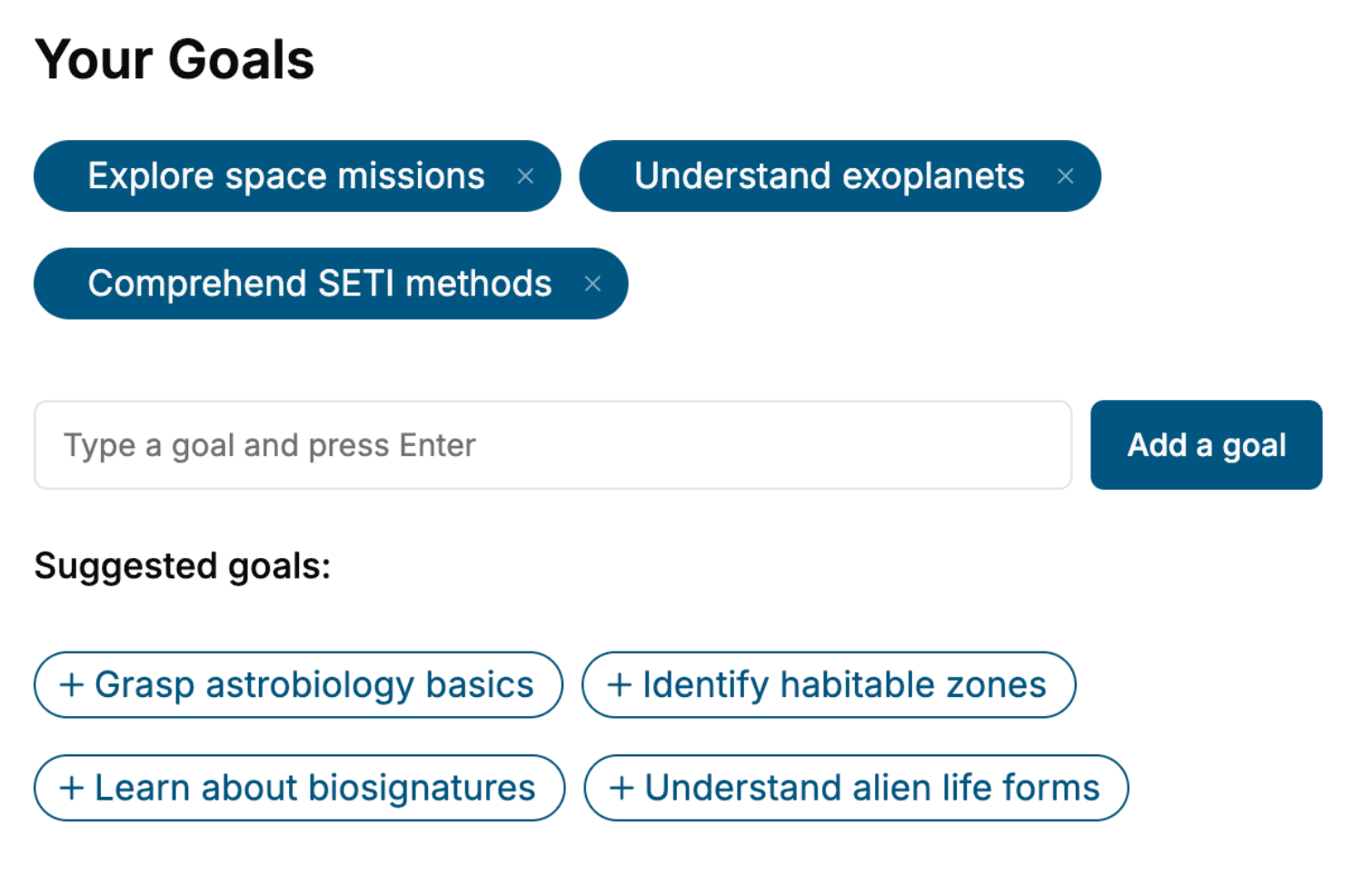
Specify your goals and choose sub-topics to include
- 3. Get your tailored book
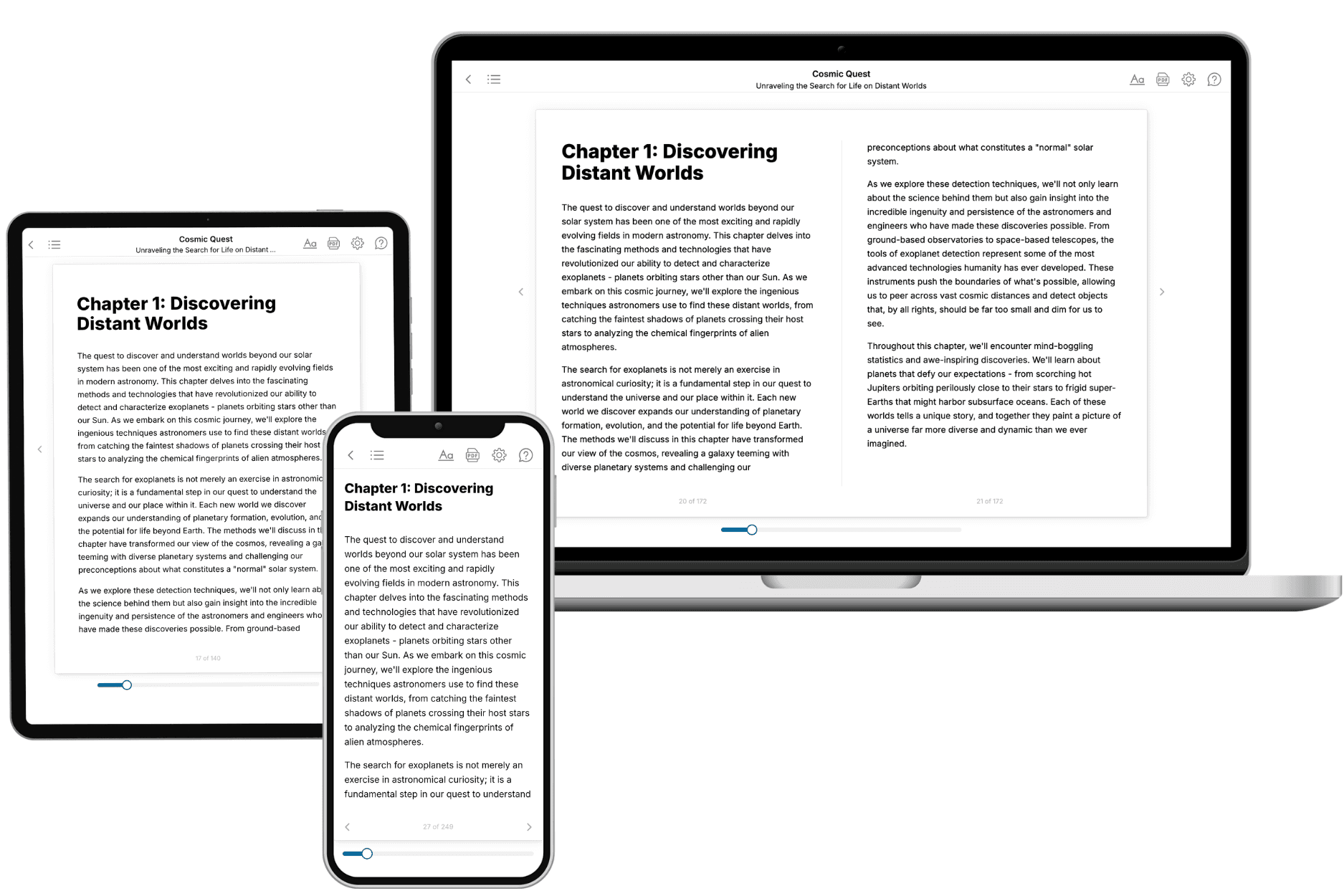
Your book is ready in 10 minutes. Read it online, download as EPUB or PDF, or send to Kindle.

Frequently asked questions
- What is TailoredRead?
TailoredRead creates complete, full-length nonfiction ebooks, written specifically for you. Tell us what you want to learn and why, and TailoredRead writes you a complete ebook on it, with charts, tables, and diagrams throughout. Read it online, on Kindle, or on any e-reader, or download it as a PDF or EPUB. Every book is written fresh the day you order it.
- How is the book tailored to me?
Before anything is written, you answer a few short questions about your goals, your background, and the topics you care about. Your book is then planned around your answers: written at your level, focused on your goals, and covering the topics you chose, instead of the one-size-fits-all book a store sells everyone.
- Will it read like generic AI content?
No. Your book isn't a chat transcript: it's planned chapter by chapter before a single word is written, told in a clear book voice, and explains ideas visually with charts, tables, and diagrams. After writing, every book goes through an editorial pass that polishes chapters so the book reads consistent from start to finish. Judge for yourself: browse thousands of sample books on our Explore Books page.
- How accurate is the content?
Our AI first checks whether your subject needs live research. Niche and fast-moving subjects are researched before writing, and the book plan and chapters are grounded in what it finds. After writing, every book goes through a quality pass that checks its facts and consistency, and researched books list their sources in a Notes section at the back.
- How long is the book?
You choose the length: Comprehensive (250-300 pages), Detailed (150-200 pages), Essential (70-100 pages), or Short (30-50 pages).
- Does the book include visuals?
Yes. Every book includes visual elements such as timelines, checklists, step-by-step guides, decision trees, comparison tables, and matrices, and many include bar charts. A typical book includes dozens of these visual elements.
- Can I read it on Kindle? What formats can I download?
Yes. Every book can be read in our online reader or downloaded as a PDF or EPUB. The EPUB can be opened with Kindle, Apple Books, Kobo, and any e-reader. The Commercial and Author licenses also include an editable Word (DOCX) and Markdown download.
- How much does it cost?
About the price of a regular ebook. The exact price depends on your book's length and complexity, from $2 for the shortest books to $35 for the most comprehensive, and it's shown when you review your book, before you commit to anything. Each book is a one-time purchase, yours to keep, no subscription. Licenses that let you share, teach, or publish your book range from $35.99 to $49.99.
- Can I preview the book before purchasing?
Before you pay, you'll see what your book will cover: the title, a detailed description, the estimated length, and the complete chapter-by-chapter table of contents, so you know what you're getting before you decide. The full text itself is written after you purchase.
- How long does it take to create a book?
About 10 minutes. You can start reading the opening chapters while the rest is still being written.