The AI-Powered Home
Navigating the Future of Smart Living with Generative AI
In "The AI-Powered Home: Navigating the Future of Smart Living with Generative AI," readers are taken on a comprehensive journey through the cutting-edge world of artificial intelligence and its transformative impact on smart homes.
269 pages13 chaptersEnglishOct 27, 2024Smart Home and AssistantsCreated by Amy
About this book
This authoritative guide, written for AI professionals and enthusiasts alike, delves deep into the latest generative AI tools and their applications in creating more intelligent, efficient, and personalized living spaces. From AI-driven energy optimization to natural language interfaces, this book covers a wide range of topics crucial for understanding the future of smart homes. Readers will gain insights into AI-enhanced automation, the role of AI in home healthcare, and the integration of AI with smart grids. The author also explores the nuances of AI personalization, smart home AI training, and the emerging field of emotional AI in domestic settings. Whether you're an AI consultant looking to stay ahead of the curve, a tech-savvy homeowner interested in the latest innovations, or a professional seeking to design cutting-edge IoT workshops, this book provides the knowledge and tools needed to navigate the exciting intersection of AI and smart home technology. Prepare to unlock the full potential of your smart home and gain a competitive edge in the rapidly evolving field of AI-powered living.
Table of contents
- IntroductionThe AI Revolution in Smart Homes, Book Overview and Objectives, Your Journey Through AI-Powered LivingRead below
- Chapter 1: Foundations of Generative AI in Smart HomesUnderstanding Generative AI, The Evolution of Smart Homes, The Convergence of AI and Smart Home Technology, Key AI Technologies Driving Smart Home Innovation
- Chapter 2: AI-Driven Energy OptimizationAI-Powered Energy Consumption Analysis, Predictive Energy Management Systems, Smart Appliance Coordination for Efficiency, AI in Renewable Energy Integration
- Chapter 3: Natural Language User InterfacesAdvancements in Voice Recognition Technology, Multilingual Support and Real-time Translation, Context-Aware Conversational Interactions, Designing Intuitive Voice User Interfaces
- Chapter 4: AI Personalization in Smart HomesUser Behavior Analysis and Pattern Recognition, Creating Adaptive Living Environments, AI-Powered Personalized Recommendations, Managing Personalization in Multi-User Households
- Chapter 5: AI-Enhanced Home AutomationPredictive Maintenance for Home Systems, Intelligent Scheduling and Task Automation, Adaptive Security and Access Control, Complex Scenario-Based Automation
- Chapter 6: AI in Home HealthcareAI-Powered Health Monitoring Systems, Enhancing Assisted Living with AI, AI for Wellness and Lifestyle Optimization, Intelligent Emergency Response Systems
- Chapter 7: AI-Enabled Smart GridsIntegrating Smart Homes with Smart Grids, AI-Driven Demand Response Management, Peer-to-Peer Energy Trading with AI, Enhancing Grid Resilience through AI
- Chapter 8: Smart Home AI Training and LearningContinuous Learning Algorithms for Smart Homes, Federated Learning in Distributed Smart Home Systems, Transfer Learning for Rapid Adaptation, Incorporating User Feedback in AI Training
- Chapter 9: Emotional AI in Smart HomesEmotion Recognition Technologies, Creating Mood-Responsive Home Environments, AI for Emotional Well-being and Stress Reduction, Ethical Considerations in Emotional AI
- Chapter 10: Integrating IoT Devices with AI SystemsEnsuring Device Interoperability, Data Fusion from Multiple IoT Sources, Edge Computing in Smart Home AI, Designing Scalable AI-IoT Architectures
- Chapter 11: Privacy and Security in AI-Powered HomesAI-Enhanced Data Protection Strategies, Privacy-Preserving AI Techniques, Secure Communication Protocols for Smart Homes, Balancing AI Capabilities with User Control
- Chapter 12: Future Trends and PredictionsEmerging AI Technologies for Smart Homes, The Future of AI-Human Symbiosis in Homes, Integration of Smart Homes into Smart Cities, Societal Impact of AI-Powered Living
- Chapter 13: Designing Effective IoT Workshops for Smart HomesPlanning and Structuring IoT Workshops, Developing Hands-on AI-IoT Activities, Incorporating Real-world Case Studies, Strategies for Participant Engagement
- ConclusionKey Takeaways, Future Outlook for AI in Smart Homes
- Glossary
- Further Reading
Introduction
Welcome to "The AI-Powered Home: Navigating the Future of Smart Living with Generative AI." As we stand on the cusp of a technological revolution, the convergence of artificial intelligence and smart home technology is reshaping the very fabric of our daily lives. This book serves as your comprehensive guide to understanding, implementing, and optimizing the incredible potential of AI in our homes. Whether you're an AI professional seeking to expand your knowledge, a tech enthusiast eager to embrace the latest innovations, or a forward-thinking homeowner looking to create a more intelligent living space, this book will equip you with the insights and tools needed to navigate the exciting world of AI-powered smart homes.
The concept of smart homes has evolved dramatically over the past decade. What began as simple automated systems for controlling lights and thermostats has blossomed into a sophisticated ecosystem of interconnected devices and AI-driven solutions. Today's smart homes are capable of learning our preferences, anticipating our needs, and adapting to our lifestyles in ways that were once the realm of science fiction. As we delve into the pages of this book, we'll explore how generative AI is taking these capabilities to new heights, offering unprecedented levels of personalization, efficiency, and convenience.
Throughout this journey, we'll examine the core technologies driving this revolution, from natural language processing and machine learning to computer vision and predictive analytics. We'll investigate how these technologies are being applied to various aspects of home life, from energy management and security to healthcare and entertainment. Moreover, we'll look beyond the individual home to consider how AI-powered smart homes fit into the broader context of smart cities and sustainable living.
As we navigate this exciting landscape, it's crucial to approach the topic with both enthusiasm and critical thinking. While the potential benefits of AI in smart homes are immense, we must also consider the challenges and ethical implications that come with increased automation and data collection in our most private spaces. This book aims to provide a balanced perspective, highlighting both the opportunities and the responsibilities that come with embracing AI technology in our homes.
In the following chapters, we'll embark on a comprehensive exploration of AI-powered smart homes. We'll start by laying the groundwork with foundational concepts and technologies, then dive deep into specific applications and future trends. Along the way, we'll examine real-world case studies, discuss practical implementation strategies, and consider the broader societal impact of these technologies. By the end of this book, you'll have a robust understanding of how generative AI is transforming smart homes and be well-equipped to harness its power in your professional endeavors or personal living space.
So, let's begin our journey into the future of smart living, where AI and human intelligence combine to create homes that are not just smart, but truly intelligent, responsive, and attuned to our needs and desires. Welcome to the world of AI-powered homes – a world of endless possibilities and unprecedented comfort, efficiency, and innovation.
The AI Revolution in Smart Homes
The integration of artificial intelligence into smart home technology marks a pivotal moment in the evolution of domestic living. This revolution is not merely about adding more gadgets or automating simple tasks; it represents a fundamental shift in how we interact with our living spaces and how our homes interact with us. At the heart of this transformation lies generative AI, a subset of artificial intelligence that can create, learn, and adapt in ways that were previously unimaginable.
Generative AI, powered by advanced machine learning algorithms and neural networks, is capable of producing new content, ideas, and solutions based on vast amounts of data and complex patterns. In the context of smart homes, this translates to systems that can not only react to our commands but anticipate our needs, learn from our behaviors, and even generate creative solutions to enhance our living experience. This leap forward is akin to the difference between a home that simply follows pre-programmed routines and one that thinks and evolves alongside its inhabitants.
One of the most significant aspects of this AI revolution is the move towards truly personalized living environments. Traditional smart home systems often relied on rigid rules and schedules set by users. In contrast, AI-powered homes use sophisticated algorithms to analyze patterns in our behavior, preferences, and even physiological responses. This enables the home to adapt in real-time, creating an environment that is constantly optimized for comfort, efficiency, and well-being. For instance, an AI system might adjust lighting and temperature based not just on the time of day, but on your current activity, mood, and even health status[1].
Another key aspect of the AI revolution in smart homes is the enhancement of natural, intuitive interactions. Advanced natural language processing and computer vision technologies are making it possible for us to communicate with our homes in increasingly natural ways. Voice assistants are evolving from simple command-response systems to sophisticated conversational interfaces that can understand context, remember previous interactions, and even pick up on emotional cues. Similarly, computer vision systems can recognize individuals, interpret gestures, and understand complex scenes, enabling more seamless and context-aware interactions with our living spaces.
The AI revolution is also driving unprecedented levels of energy efficiency and sustainability in smart homes. Machine learning algorithms can analyze energy consumption patterns, weather data, and user behavior to optimize heating, cooling, and electricity usage in ways that go far beyond traditional programmable thermostats. These systems can predict energy needs, integrate with smart grids, and even manage energy storage and generation from renewable sources, potentially turning homes into net-positive energy contributors to the grid[2].
Furthermore, AI is revolutionizing home security and safety. Advanced AI algorithms can distinguish between normal and suspicious activities, identify potential hazards before they become serious problems, and coordinate complex responses to emergencies. For example, an AI-powered security system might not only detect an intruder but also analyze their behavior, predict their likely path through the house, and coordinate with smart locks and lighting systems to guide inhabitants to safety while hindering the intruder's progress.
The health and wellness aspects of smart homes are also being transformed by AI. From AI-powered air quality management systems that can detect and neutralize pollutants to smart mirrors that can perform health assessments, the potential for AI to contribute to our physical and mental well-being at home is enormous. Emotional AI technologies are even beginning to enable homes to recognize and respond to the emotional states of their inhabitants, potentially offering support for mental health and stress management.
As we delve deeper into this AI revolution, it's important to recognize that we're not just talking about isolated smart devices or standalone AI assistants. The true power of AI in smart homes lies in its ability to create a cohesive, interconnected ecosystem where all elements work together seamlessly. This holistic approach allows for more sophisticated decision-making, better resource allocation, and a more intuitive, responsive living environment.
However, with great power comes great responsibility. The AI revolution in smart homes also brings challenges and considerations that we must address. Privacy and data security are paramount concerns, as AI systems require vast amounts of personal data to function effectively. There are also questions about the potential for AI systems to be hacked or manipulated, and the implications of relying too heavily on automated systems in our most intimate spaces. As we explore the exciting possibilities of AI-powered homes, we must also grapple with these challenges and work towards solutions that balance innovation with privacy, security, and user autonomy.
In conclusion, the AI revolution in smart homes represents a paradigm shift in how we conceive of and interact with our living spaces. It promises to make our homes more efficient, comfortable, and attuned to our needs than ever before. As we stand on the brink of this new era, it's crucial that we approach it with both excitement and thoughtful consideration, ready to embrace the benefits while also addressing the challenges. The chapters that follow will delve deeper into each aspect of this revolution, providing you with the knowledge and insights needed to navigate and shape the future of AI-powered smart living.
Book Overview and Objectives
"The AI-Powered Home: Navigating the Future of Smart Living with Generative AI" is designed to be your comprehensive guide to understanding, implementing, and optimizing AI technologies in smart home environments. This book aims to bridge the gap between theoretical concepts and practical applications, providing you with both the foundational knowledge and the actionable insights needed to navigate this rapidly evolving field. Whether you're an AI professional looking to expand your expertise into the smart home domain, a technology enthusiast eager to embrace cutting-edge innovations, or a homeowner seeking to create a more intelligent living space, this book has been crafted to meet your needs and exceed your expectations.
The primary objective of this book is to equip you with a deep understanding of how generative AI is revolutionizing smart home technology. We'll explore the core principles of AI and machine learning, examine their specific applications in home environments, and investigate the latest trends and future possibilities. By the end of this journey, you'll have a comprehensive grasp of the technologies, challenges, and opportunities that define the AI-powered smart home landscape.
Throughout the book, we've structured the content to provide a logical progression from foundational concepts to advanced applications. We begin by laying the groundwork with an exploration of the basic principles of generative AI and its role in smart home technology. From there, we delve into specific areas where AI is making significant impacts, such as energy optimization, natural language interfaces, personalization, and automation. Each chapter is designed to build upon the previous ones, creating a cohesive narrative that enhances your understanding as you progress through the book.
One of the key objectives of this book is to provide practical, actionable knowledge. To this end, we've included numerous case studies, real-world examples, and hands-on strategies throughout the text. These elements are designed to bridge the gap between theory and practice, helping you understand not just the "what" and "why" of AI in smart homes, but also the "how." Whether you're looking to implement AI solutions in your own home or develop innovative products for the smart home market, you'll find concrete guidance and inspiration in these pages.
Another crucial objective is to foster critical thinking about the implications of AI in our most private spaces. While we celebrate the incredible potential of these technologies, we also examine the challenges and ethical considerations they raise. Throughout the book, we'll discuss issues of privacy, security, user autonomy, and the societal impact of AI-powered homes. Our goal is to provide a balanced perspective that encourages responsible innovation and thoughtful implementation of AI technologies.
For AI professionals and consultants, this book aims to provide the specialized knowledge needed to excel in the smart home sector. We'll explore the unique challenges and opportunities presented by domestic environments, discuss strategies for integrating AI with IoT devices, and examine best practices for designing user-friendly AI interfaces. You'll gain insights into the latest research, emerging technologies, and market trends, positioning you to offer valuable expertise to clients or employers in this rapidly growing field.
For technology enthusiasts and homeowners, our objective is to demystify AI and smart home technologies, making them accessible and understandable. We'll provide clear explanations of complex concepts, offer practical advice for implementing AI solutions in your own home, and help you make informed decisions about which technologies to adopt. By the end of the book, you'll be well-equipped to harness the power of AI to create a more comfortable, efficient, and personalized living space.
Educators and students in fields related to AI, IoT, or smart home technologies will find this book to be a valuable resource. We've structured the content to provide a comprehensive overview of the field, making it suitable as a textbook or supplementary reading for relevant courses. The inclusion of case studies, discussion topics, and future trend analysis makes it an excellent tool for stimulating classroom discussions and inspiring research projects.
Innovation is at the heart of this book, and one of our key objectives is to inspire new ideas and approaches in the field of AI-powered smart homes. Throughout the text, we'll highlight emerging technologies, discuss potential future developments, and explore creative applications of AI in domestic settings. Our hope is that this book will spark your imagination and encourage you to push the boundaries of what's possible in smart home technology.
To ensure that the knowledge gained from this book remains relevant in a rapidly evolving field, we've included strategies for staying up-to-date with the latest developments. We'll discuss key resources, research institutions, and industry leaders to follow, as well as provide guidance on how to evaluate new technologies and trends as they emerge. This will help you continue your learning journey long after you've finished reading the book.
Finally, we recognize that the true power of AI in smart homes lies not just in individual technologies, but in their integration into a cohesive, intelligent ecosystem. Throughout the book, we'll emphasize the importance of holistic thinking and systems integration. Our objective is to help you develop a comprehensive understanding of how various AI technologies can work together to create truly intelligent living spaces that enhance our daily lives in meaningful ways.
In summary, "The AI-Powered Home" is designed to be your definitive guide to the exciting world of AI in smart home technology. Through a combination of in-depth analysis, practical examples, and forward-thinking insights, we aim to empower you with the knowledge and skills needed to navigate, implement, and innovate in this rapidly evolving field. Whether you're looking to advance your career, optimize your living space, or simply understand the technologies that are shaping the future of home life, this book will serve as your trusted companion on the journey into the world of AI-powered smart living.
Your Journey Through AI-Powered Living
As we embark on this exploration of AI-powered smart homes, it's important to understand the journey that lies ahead. This book is designed to take you on a comprehensive tour through the landscape of AI in domestic environments, from the foundational concepts to the cutting-edge applications that are shaping the future of how we live. Your journey through these pages will be both informative and transformative, providing you with the knowledge and insights needed to fully grasp and engage with the AI revolution in smart homes.
We begin our journey by laying a solid foundation in Chapter 1, "Foundations of Generative AI in Smart Homes." Here, we'll delve into the core principles of generative AI, exploring how it differs from traditional AI approaches and why it's particularly well-suited for smart home applications. We'll trace the evolution of smart home technology, from simple automated systems to the sophisticated, AI-driven ecosystems of today. This chapter will equip you with the fundamental knowledge needed to understand the more complex concepts and applications we'll explore later in the book.
As we move into Chapter 2, "AI-Driven Energy Optimization," you'll discover how AI is revolutionizing home energy management. We'll explore advanced algorithms that analyze energy consumption patterns, predict future needs, and optimize usage in real-time. You'll learn about the integration of AI with smart grids and renewable energy sources, and how these technologies are paving the way for more sustainable, efficient homes. This chapter will be particularly valuable for those interested in reducing their carbon footprint and energy costs through intelligent home systems.
Chapter 3, "Natural Language User Interfaces," will immerse you in the world of AI-powered communication with your home. We'll examine the latest advancements in natural language processing and voice recognition technologies, exploring how they're enabling more intuitive, conversational interactions with smart home systems. You'll gain insights into the design principles behind effective voice user interfaces and learn about the challenges and opportunities in creating multilingual, context-aware systems.
In Chapter 4, "AI Personalization in Smart Homes," we'll delve into one of the most exciting aspects of AI-powered living: the ability of homes to adapt and respond to individual preferences and behaviors. You'll learn about sophisticated user modeling techniques, explore how AI systems can create personalized environments, and consider the implications of multi-user households. This chapter will help you envision a future where your home truly understands and anticipates your needs.
As we progress to Chapter 5, "AI-Enhanced Home Automation," you'll discover how AI is taking home automation to new levels of sophistication. We'll explore predictive maintenance systems, intelligent scheduling algorithms, and adaptive security measures. You'll learn about complex, scenario-based automation that goes far beyond simple routines, enabling homes to respond intelligently to a wide range of situations and contexts.
Chapter 6, "AI in Home Healthcare," will open your eyes to the potential of AI to transform our homes into proactive health and wellness environments. We'll examine AI-powered health monitoring systems, explore how AI can enhance assisted living for elderly or disabled individuals, and discuss the role of AI in promoting overall wellness and lifestyle optimization. This chapter will be particularly relevant for those interested in the intersection of healthcare and smart home technology.
In Chapter 7, "AI-Enabled Smart Grids," we'll zoom out to consider how AI-powered homes fit into the broader energy landscape. You'll learn about the integration of smart homes with smart grids, explore AI-driven demand response management, and consider the potential for peer-to-peer energy trading. This chapter will provide valuable insights for those interested in the future of energy distribution and management.
Chapter 8, "Smart Home AI Training and Learning," will take you behind the scenes of AI systems, exploring how they learn and improve over time. We'll delve into continuous learning algorithms, federated learning techniques, and the role of user feedback in AI training. This chapter will be particularly valuable for AI professionals and those interested in the technical aspects of smart home systems.
In Chapter 9, "Emotional AI in Smart Homes," we'll venture into one of the most cutting-edge areas of AI research. You'll learn about emotion recognition technologies, explore the concept of mood-responsive environments, and consider the potential for AI to support emotional well-being. We'll also discuss the ethical considerations surrounding emotional AI, encouraging critical thinking about its implementation in home environments.
Chapter 10, "Integrating IoT Devices with AI Systems," will focus on the practical aspects of creating cohesive smart home ecosystems. We'll explore strategies for ensuring device interoperability, discuss data fusion techniques, and examine the role of edge computing in smart home AI. This chapter will provide valuable insights for those looking to implement or optimize AI-powered smart home systems.
As we near the end of our journey, Chapter 11, "Privacy and Security in AI-Powered Homes," will address one of the most critical aspects of smart home technology. We'll explore AI-enhanced data protection strategies, examine privacy-preserving AI techniques, and discuss the balance between AI capabilities and user control. This chapter is essential reading for anyone concerned about the privacy and security implications of AI in domestic settings.
In Chapter 12, "Future Trends and Predictions," we'll look ahead to the exciting possibilities on the horizon. We'll explore emerging AI technologies, consider the future of AI-human symbiosis in homes, and examine the potential integration of smart homes into smart cities. This chapter will inspire you to think creatively about the future of AI-powered living and its broader societal impact.
Finally, Chapter 13, "Designing Effective IoT Workshops for Smart Homes," will provide practical guidance for those looking to share their knowledge and skills with others. We'll explore strategies for planning and structuring workshops, developing hands-on activities, and incorporating real-world case studies. This chapter will be particularly valuable for educators, trainers, and consultants in the smart home field.
Throughout this journey, you'll encounter numerous case studies, practical examples, and thought-provoking discussions that will deepen your understanding and inspire new ideas. By the time you reach the conclusion, you'll have gained a comprehensive understanding of AI-powered smart homes, from the underlying technologies to the broader implications for our lives and society.
Remember, this book is not just a passive reading experience. We encourage you to engage actively with the material, reflect on how the concepts apply to your own experiences or professional goals, and consider how you might contribute to the ongoing evolution of smart home technology. Your journey through AI-powered living doesn't end with the last page of this book – it's just the beginning of an exciting exploration into the future of smart living.
Notes
Introduction
- 1. D. Marikyan and others, A systematic review of the smart home literature: A user perspective, Technological Forecasting and Social Change, 2019
- 2. B. Zhou and others, Smart home energy management systems: Concept, configurations, and scheduling strategies, Renewable and Sustainable Energy Reviews, 2016
This is the end of the free sample. The full book has 13 chapters.
Want this book written for you?
Tell us your goals and background, and get your own version of this book, tailored by AI to you.


Benefits of AI-tailored books
- Read one book, not ten:
- all the Smart Home and Assistants knowledge you need, gathered into a single book.
- Save days of learning:
- tell us your goals, choose your topics, and the whole book is built around them.
- Learn effortlessly:
- Smart Home and Assistants book written for your specific background and expertise.
- Understand at a glance:
- includes charts, tables, timelines, checklists, decision trees, and more.
- Stay current:
- written the day you order it, not years ago.
- Trust what you read:
- every book is checked for accuracy, with real research when your subject needs it.
Create your unique book in 3 steps
- 1. Select your focus
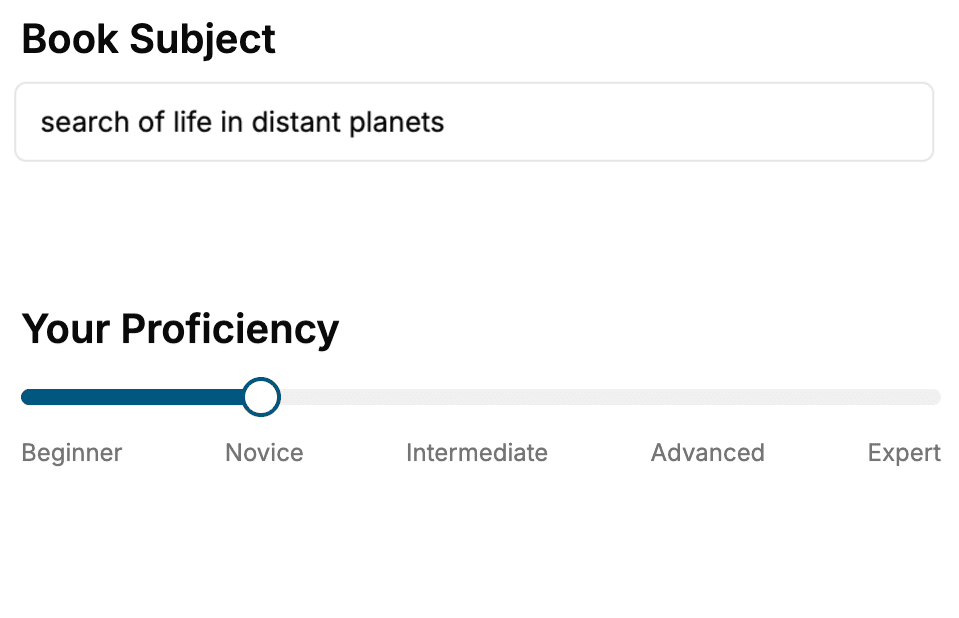
Select the focus of your Smart Home and Assistants book and share your background
- 2. Personalize your book
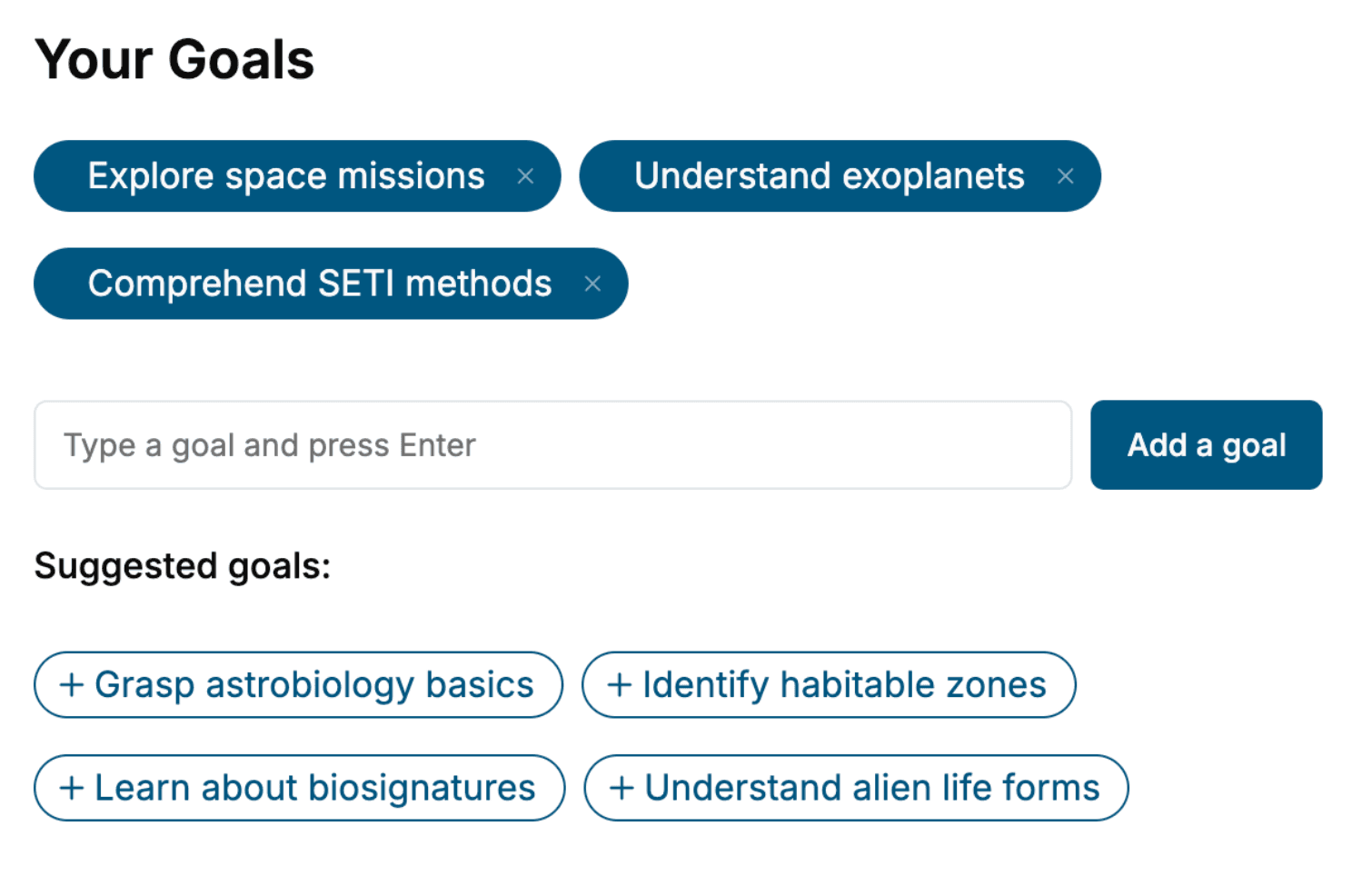
Specify your goals and choose sub-topics to include
- 3. Get your tailored book
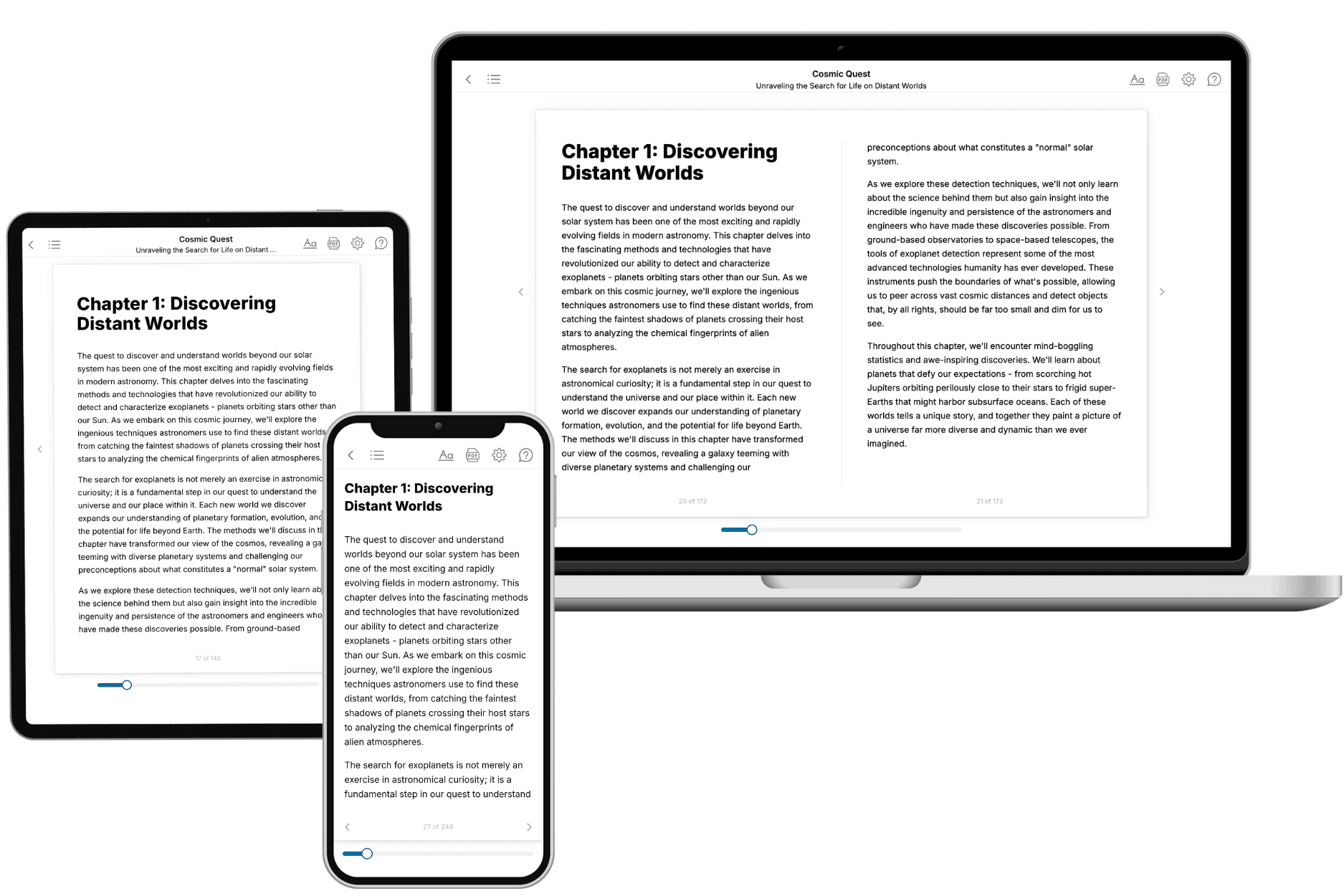
Your book is ready in 10 minutes. Read it online, download as EPUB or PDF, or send to Kindle.
Frequently asked questions
- What is TailoredRead?
TailoredRead creates complete, full-length nonfiction ebooks, written specifically for you. Tell us what you want to learn and why, and TailoredRead writes you a complete ebook on it, with charts, tables, and diagrams throughout. Read it online, on Kindle, or on any e-reader, or download it as a PDF or EPUB. Every book is written fresh the day you order it.
- How is the book tailored to me?
Before anything is written, you answer a few short questions about your goals, your background, and the topics you care about. Your book is then planned around your answers: written at your level, focused on your goals, and covering the topics you chose, instead of the one-size-fits-all book a store sells everyone.
- Will it read like generic AI content?
No. Your book isn't a chat transcript: it's planned chapter by chapter before a single word is written, told in a clear book voice, and explains ideas visually with charts, tables, and diagrams. After writing, every book goes through an editorial pass that polishes chapters so the book reads consistent from start to finish. Judge for yourself: browse thousands of sample books on our Explore Books page.
- How accurate is the content?
Our AI first checks whether your subject needs live research. Niche and fast-moving subjects are researched before writing, and the book plan and chapters are grounded in what it finds. After writing, every book goes through a quality pass that checks its facts and consistency, and researched books list their sources in a Notes section at the back.
- How long is the book?
You choose the length: Comprehensive (250-300 pages), Detailed (150-200 pages), Essential (70-100 pages), or Short (30-50 pages).
- Does the book include visuals?
Yes. Every book includes charts, tables, and diagrams: timelines, checklists, step-by-step guides, decision trees, comparison tables, matrices, and bar charts. A typical book includes dozens of these visual elements.
- Can I read it on Kindle? What formats can I download?
Yes. Every book can be read in our online reader or downloaded as a PDF or EPUB. The EPUB can be opened with Kindle, Apple Books, Kobo, and any e-reader. The Commercial and Author licenses also include an editable Word (DOCX) and Markdown download.
- How much does it cost?
About the price of a regular ebook. The exact price depends on your book's length and complexity, from $2 for the shortest books to $35 for the most comprehensive, and it's shown when you review your book, before you commit to anything. Each book is a one-time purchase, yours to keep, no subscription. Licenses that let you share, teach, or publish your book range from $35.99 to $49.99.
- Can I preview the book before purchasing?
Before you pay, you'll see what your book will cover: the title, a detailed description, the estimated length, and the complete chapter-by-chapter table of contents, so you know what you're getting before you decide. The full text itself is written after you purchase.
- How long does it take to create a book?
About 10 minutes. You can start reading the opening chapters while the rest is still being written.