Amending the Constitution
A History and Guide to Amendment Campaigns
Constitutional amendments represent the ultimate expression of democratic will—yet most Americans have little understanding of how they actually happen.
191 pages9 chaptersFeb 15, 2026Constitutional Law
About this book
The path from idea to ratified amendment is deliberately arduous, requiring supermajority support in Congress and approval from three-fourths of state legislatures. This creates a paradox: amendments are rare precisely because they're meant to be, yet understanding how they succeed—and why most fail—reveals essential truths about American politics, coalition-building, and social change. This guide walks you through the complete amendment process, from proposal mechanisms to state ratification procedures, while analyzing the political strategies that have driven successful campaigns and the missteps that have derailed others. You'll examine historical amendment timelines, study failed attempts to understand what went wrong, and learn the grassroots mobilization tactics, advocacy strategies, and coalition-building approaches that actually move the needle on constitutional change. Whether you're interested in understanding past amendments or evaluating modern proposals, this book provides the analytical framework and practical knowledge to comprehend how America's highest law gets changed.
Table of contents
- IntroductionWhy Constitutional Amendments Matter, The Rarity of Constitutional Change, What You'll Learn in This BookRead below
- Chapter 1: The Constitutional Amendment ProcessAmendment Proposal Mechanisms, Proposal Thresholds and Requirements, Congressional Amendment Procedures
- Chapter 2: The Ratification ProcessRatification Threshold Requirements, State Legislature Amendment Voting, State Convention Ratification Process
- Chapter 3: Historical Amendment CampaignsHistorical Amendment Timelines, Anatomy of Successful Amendment Campaigns, Failed Amendment Campaign Analysis
- Chapter 4: Building Winning CoalitionsPolitical Coalition Building Tactics, Bipartisan Amendment Coalition Building, Amendment Compromise Negotiations
- Chapter 5: Grassroots Mobilization and OrganizingGrassroots Petition Organizing, Grassroots Mobilization Networks, Community Engagement Strategies
- Chapter 6: Advocacy Campaign StrategiesAmendment Messaging Techniques, Public Opinion Shift Campaigns, Media Strategy and Communications
- Chapter 7: Lobbying and Legislative AdvocacyLobbying and Amendment Advocacy, Building Legislative Relationships, State-Level Advocacy Strategies
- Chapter 8: Understanding Opposition and ResistanceAmendment Opposition Strategies, How Amendments Get Defeated, Anticipating and Countering Opposition
- Chapter 9: Modern Amendment Proposals and ChallengesModern Amendment Proposals, Challenges in a Polarized Era, The Future of Constitutional Amendment
- ConclusionKey Takeaways for Amendment Advocates, Moving Forward with Amendment Knowledge
- Further Reading and Resources
Introduction
The United States Constitution stands as one of the world's oldest written national constitutions still in active use. Yet for all its enduring influence, this foundational document was never intended to remain static. The framers who gathered in Philadelphia in 1787 understood that future generations would face challenges they could not anticipate and would need mechanisms to adapt the Constitution to changing circumstances. They embedded within Article V a process for constitutional amendment—a deliberately difficult pathway that balances the need for stability with the possibility of fundamental change. This tension between permanence and adaptability defines the American constitutional experience and shapes every attempt to alter the nation's highest law.
Understanding how constitutional amendments actually happen requires moving beyond civics textbook summaries to examine the complex interplay of legal procedures, political strategy, coalition-building, and social movements. The formal requirements—two-thirds approval in both houses of Congress and ratification by three-fourths of state legislatures—represent only the surface of a much deeper process. Beneath these constitutional thresholds lies a world of grassroots organizing, legislative lobbying, public opinion campaigns, compromise negotiations, and strategic timing. Successful amendment campaigns navigate both the formal legal landscape and the informal political terrain, building coalitions that cross partisan divides and sustaining momentum over years or even decades.
This book provides a comprehensive guide to constitutional amendment campaigns, examining both the procedural mechanics and the political strategies that determine success or failure. You'll explore historical amendment timelines to understand how long these campaigns actually take, analyze successful movements to identify winning strategies, and study failed attempts to learn what pitfalls to avoid. Whether you're a civic advocate considering an amendment campaign, a student of constitutional law seeking deeper understanding, or simply a politically engaged citizen wanting to comprehend how America's fundamental law changes, this guide offers the analytical framework and practical knowledge you need. The path to constitutional amendment is arduous by design, but understanding that path is the first step toward navigating it effectively.
Why Constitutional Amendments Matter
Constitutional amendments occupy a unique position in American law and politics. Unlike ordinary legislation, which Congress can pass with simple majorities and future Congresses can repeal, constitutional amendments alter the fundamental framework of government itself. They establish rights that cannot be easily stripped away, create governmental structures that shape how power flows through the political system, and set boundaries that constrain what government can and cannot do. When the Thirteenth Amendment abolished slavery in 1865, it didn't merely change federal policy—it fundamentally redefined the relationship between individuals and government, establishing a constitutional floor beneath which no state could fall. This permanence and supremacy make amendments the most powerful tool for social and political change in the American system.
The impact of constitutional amendments extends far beyond their immediate legal effects. Amendments shape national identity and collective values in ways that ordinary laws cannot. Consider the First Amendment's protection of free speech, religion, press, and assembly. These aren't just legal provisions—they've become core elements of American self-understanding, invoked in countless contexts from courtrooms to classrooms to public debates. The Nineteenth Amendment's guarantee of women's suffrage didn't merely change voting procedures; it transformed American democracy and signaled a fundamental shift in how the nation understood citizenship and equality. Amendments become part of the constitutional fabric, woven into how Americans understand their rights, their government, and themselves.
Constitutional amendments also serve as focal points for broader social movements and political organizing. The campaigns to pass amendments often mobilize millions of people, create lasting organizational infrastructure, and shift public opinion on fundamental questions. The movement for the Eighteenth Amendment (Prohibition) built a powerful coalition that reshaped American politics for decades, even though the amendment itself was eventually repealed. The failed Equal Rights Amendment campaign of the 1970s and 1980s, despite not achieving ratification, energized the women's movement and contributed to significant legal and social changes regarding gender equality. Amendment campaigns become vehicles for political education, coalition-building, and movement development that extend far beyond the specific constitutional text being proposed.
Understanding amendments matters because they represent the ultimate expression of popular sovereignty in the American system. While courts interpret the Constitution and elected officials govern within its framework, only the people—acting through their representatives in Congress and state legislatures—can fundamentally alter that framework. This makes amendment campaigns a crucial arena for democratic participation and civic engagement. When you understand how amendments work, you gain insight into:
- How fundamental rights get established and protected at the constitutional level
- Why certain political issues become constitutional questions rather than policy debates
- How social movements translate popular demands into lasting legal change
- What makes some reform efforts succeed while others fail despite widespread support
- How the balance of power between federal and state governments gets negotiated and renegotiated
The stakes of constitutional amendments extend to questions of political legitimacy and governmental authority. When government acts within constitutional bounds, it exercises legitimate authority. When it oversteps constitutional limits, it acts illegitimately—at least in theory. Amendments redraw these boundaries, expanding or constraining governmental power in ways that affect every subsequent political decision. The Sixteenth Amendment, authorizing federal income tax, fundamentally expanded federal fiscal capacity and enabled the modern administrative state. The Twenty-Second Amendment, limiting presidents to two terms, constrained executive power and altered the dynamics of presidential politics. These aren't merely technical adjustments—they're fundamental choices about how power should be distributed and exercised in American democracy.
Constitutional amendments also matter because they're extraordinarily difficult to achieve, which makes understanding the process essential for anyone seeking to change the Constitution. The high barriers to amendment mean that successful campaigns must be exceptionally well-organized, strategically sophisticated, and politically astute. Studying how amendments happen reveals crucial lessons about coalition-building, political strategy, and social change that apply far beyond constitutional law. The skills and knowledge required to mount a successful amendment campaign—building diverse coalitions, sustaining momentum over long timeframes, crafting persuasive messages, navigating complex legislative procedures, and adapting to changing political conditions—are valuable for anyone engaged in advocacy or organizing work, regardless of whether they're actually pursuing a constitutional amendment.
Finally, amendments matter because they force Americans to confront fundamental questions about their political system and values. Should the Constitution protect certain rights explicitly, or leave them to legislative discretion? Should governmental structures be fixed in constitutional text, or remain flexible for future adaptation? How should the balance between majority rule and minority rights be struck? These questions don't have easy answers, and amendment debates bring them into sharp focus. By examining amendment campaigns—both successful and failed—you engage with the deepest questions of American constitutional democracy and develop a more sophisticated understanding of how the political system actually works, not just how civics textbooks say it should work.
The Rarity of Constitutional Change
The United States Constitution has been amended only twenty-seven times since its ratification in 1788—and ten of those amendments (the Bill of Rights) came in a single package in 1791. This means that in the subsequent 230-plus years, Americans have successfully amended their Constitution just seventeen times. To put this in perspective, the average state constitution has been amended dozens or even hundreds of times over similar periods. Alabama's constitution, adopted in 1901, has been amended over 900 times[1]. This stark contrast highlights a crucial reality: the federal Constitution is extraordinarily difficult to change, and this difficulty is not accidental but intentional.
The framers deliberately designed Article V to make amendments challenging. They wanted a constitution that would provide stability and continuity, not one that could be altered with every shift in political winds. James Madison argued in Federalist No. 43 that the amendment process should be neither too easy nor too difficult—it should allow for necessary changes while preventing hasty alterations based on temporary passions. The supermajority requirements they established—two-thirds of both houses of Congress and three-fourths of state legislatures—ensure that only amendments with broad, sustained, geographically diverse support can succeed. This creates a system where constitutional change requires not just majority support but overwhelming consensus across different regions, political factions, and levels of government.
The rarity of amendments reflects several structural features of the American political system. First, the multiple veto points in the amendment process mean that determined minorities can block changes even when majorities support them. Just thirteen states—representing a small fraction of the national population if they're the least populous states—can prevent ratification. Second, the federal structure gives state legislatures enormous power over constitutional change, creating a conservative bias since state legislators may resist amendments that shift power to the federal government. Third, the requirement for supermajorities in Congress means that amendments need bipartisan support in an era of increasing partisan polarization, making consensus extraordinarily difficult to achieve.
Historical patterns reveal just how rare successful amendments are. Consider these statistics:
- Over 11,000 amendment proposals have been introduced in Congress since 1789
- Only 33 amendments have received the required two-thirds vote in both houses
- Of those 33, only 27 have been ratified by three-fourths of states
- The most recent amendment (the Twenty-Seventh, regarding congressional pay) took 203 years from proposal to ratification
- No amendment has been ratified since 1992, making this the longest period without constitutional change since the 1790s
The difficulty of amending the Constitution has significant implications for American politics and law. It means that many issues that might be resolved through constitutional amendment in other countries must be addressed through other means in the United States—through legislation, executive action, or judicial interpretation. This has made the Supreme Court particularly powerful, since constitutional interpretation by courts becomes the primary mechanism for constitutional adaptation when formal amendment is impractical. It also means that when amendments do succeed, they typically address issues of such fundamental importance and command such broad support that they represent genuine national consensus rather than narrow partisan victories.
The rarity of amendments also affects political strategy and movement-building. Advocates for constitutional change must think in terms of decades, not election cycles. They must build coalitions broad enough to overcome multiple veto points and sustain momentum through changing political conditions. This requires different skills and strategies than ordinary legislative campaigns. Consider the women's suffrage movement, which took over seventy years from the Seneca Falls Convention in 1848 to ratification of the Nineteenth Amendment in 1920. Or the campaign for the Twenty-Sixth Amendment (lowering the voting age to eighteen), which succeeded in just three months in 1971—but only after decades of groundwork and in the unique political context of the Vietnam War. Understanding this rarity helps set realistic expectations and informs strategic planning for anyone considering an amendment campaign.
Yet the rarity of amendments shouldn't be mistaken for impossibility. While most amendment proposals fail, some do succeed—and understanding what distinguishes successful campaigns from failed ones is crucial. Successful amendments typically share certain characteristics: they address widely recognized problems, command broad bipartisan support, align with existing social and political trends rather than trying to reverse them, and benefit from favorable political timing. The difficulty of amendment also means that when campaigns do succeed, they often reflect genuine shifts in national values and priorities. The amendments that have passed represent some of the most significant changes in American history—abolishing slavery, extending voting rights, restructuring governmental powers, and protecting fundamental liberties.
The constitutional amendment process embodies a fundamental tension in democratic theory: the tension between majority rule and constitutional stability, between popular sovereignty and limited government, between the will of current generations and the wisdom of past ones. The rarity of amendments reflects the framers' choice to prioritize stability and consensus over flexibility and majority rule. Whether this balance is appropriate remains a subject of ongoing debate. Some scholars argue that the amendment process is too difficult, making the Constitution too rigid and forcing too much adaptation through judicial interpretation. Others contend that the high barriers to amendment appropriately protect fundamental rights and governmental structures from temporary political passions. Understanding this debate and its implications is essential for anyone seeking to comprehend American constitutional democracy.
What You'll Learn in This Book
This book provides a comprehensive guide to constitutional amendment campaigns, combining procedural knowledge with strategic insight. You'll gain a thorough understanding of the formal amendment process—how amendments are proposed, what thresholds they must meet, how congressional procedures work, and how state ratification unfolds. But you'll also go deeper, examining the political dynamics, strategic choices, and organizational tactics that determine whether amendment campaigns succeed or fail. The goal is to equip you with both the technical knowledge and the practical wisdom needed to understand, evaluate, and potentially participate in constitutional amendment efforts.
The first section of the book focuses on constitutional fundamentals and procedures. You'll explore the two methods for proposing amendments—congressional proposal and constitutional convention—and understand why one has been used exclusively while the other remains theoretical. You'll learn the specific thresholds and requirements at each stage, from initial proposal through final ratification. You'll examine congressional amendment procedures in detail, understanding how amendments move through committees, reach the floor, and achieve the required two-thirds vote. This procedural knowledge provides the foundation for everything else, since effective advocacy requires understanding exactly what hurdles an amendment must clear and what procedural tools are available at each stage.
The book then turns to the ratification process, which is where most amendments that pass Congress ultimately fail. You'll learn how state legislatures consider amendments, what procedures they follow, and what factors influence their decisions. You'll understand the alternative ratification method through state conventions, used only once (for the Twenty-First Amendment repealing Prohibition), and why this method might be strategically preferable in certain circumstances. You'll also examine the question of ratification deadlines, time limits, and whether states can rescind prior ratifications—technical questions with significant strategic implications. This section provides crucial insight into state-level politics and the importance of understanding individual state legislative dynamics.
Historical analysis forms a major component of the book. You'll examine the timeline and campaign strategies behind successful amendments, from the Bill of Rights through the most recent ratification in 1992. Each successful amendment offers lessons about coalition-building, messaging, timing, and political strategy. You'll analyze specific campaigns in depth:
- The Reconstruction Amendments (Thirteenth, Fourteenth, Fifteenth) and how they were passed in the unique political context following the Civil War
- The Progressive Era amendments (Sixteenth through Nineteenth) and the reform coalition that drove multiple constitutional changes
- The Prohibition and Repeal amendments (Eighteenth and Twenty-First) and what they reveal about the limits of constitutional social engineering
- The modern amendments addressing governmental structure and voting rights
Equally important are the failed amendment campaigns. You'll study prominent proposals that came close but ultimately fell short—the Equal Rights Amendment, the Balanced Budget Amendment, the District of Columbia Voting Rights Amendment, and others. These failures are often more instructive than successes, revealing what doesn't work and what pitfalls to avoid. You'll learn why the ERA, despite passing Congress with overwhelming support and initially rapid state ratifications, ultimately failed to achieve the required three-fourths threshold. You'll understand how opposition movements mobilize, what arguments prove effective against amendments, and how political conditions can shift during the ratification period. This analysis of failure provides crucial lessons for anyone planning an amendment campaign.
The book's middle chapters focus on practical campaign strategies and tactics. You'll learn coalition-building techniques, understanding how successful campaigns bring together diverse groups with different motivations around a common constitutional goal. You'll explore bipartisan coalition-building in an era of partisan polarization, examining how amendment campaigns can transcend party lines and what compromises might be necessary to build broad support. You'll study grassroots mobilization strategies, from petition drives to community organizing to digital advocacy. You'll learn messaging techniques that have proven effective in shifting public opinion on constitutional questions, and you'll understand how to craft arguments that resonate across different constituencies and political perspectives.
Legislative advocacy and lobbying receive detailed attention. You'll learn how to build relationships with legislators, how to make effective arguments for constitutional change, and how to navigate the complex dynamics of state legislatures where ratification battles are won or lost. You'll understand the role of interest groups, advocacy organizations, and professional lobbyists in amendment campaigns. You'll learn how to identify potential allies and opponents, how to track legislative progress, and how to apply pressure at crucial moments. This practical knowledge is essential for anyone who wants to move beyond understanding amendments to actually advocating for them.
The book also addresses opposition and resistance. You'll learn how opponents of amendments organize, what strategies they employ, and how to anticipate and counter their arguments. Understanding opposition is crucial because successful amendment campaigns must overcome determined resistance from those who benefit from the constitutional status quo or who genuinely believe the proposed change would be harmful. You'll examine specific opposition campaigns, understanding what made them effective and how proponents might have responded differently. This section helps you think strategically about the full political landscape, not just your own coalition but also the forces arrayed against constitutional change.
The final chapters examine modern amendment proposals and contemporary challenges. You'll survey current amendment proposals across the political spectrum, from campaign finance reform to term limits to balanced budget requirements to voting rights protections. You'll understand the unique challenges facing amendment campaigns in the current era of partisan polarization, geographic sorting, and institutional gridlock. You'll consider whether the amendment process itself needs reform and what alternatives might exist for constitutional adaptation when formal amendment proves impossible. This forward-looking analysis helps you apply historical lessons to contemporary circumstances and think critically about the future of constitutional change in America.
Throughout the book, you'll find practical frameworks and analytical tools that you can apply to any amendment proposal. These include:
- A checklist for assessing amendment feasibility based on political conditions, coalition potential, and timing
- A framework for analyzing state-by-state ratification prospects and identifying persuadable states
- Templates for effective amendment messaging that appeals across partisan and ideological divides
- Guidelines for building and maintaining diverse coalitions over extended timeframes
- Strategies for sustaining momentum during the long ratification period
- Methods for tracking and responding to opposition campaigns
By the end of this book, you'll possess a comprehensive understanding of constitutional amendment campaigns that combines historical knowledge, procedural expertise, strategic insight, and practical skills. You'll be able to evaluate any amendment proposal with a sophisticated understanding of its prospects and challenges. You'll understand what successful campaigns have in common and what mistakes to avoid. Whether you're considering launching an amendment campaign, evaluating a current proposal, or simply seeking to understand this crucial aspect of American constitutional democracy, you'll have the knowledge and analytical framework you need. The path to constitutional amendment is difficult, but it's not mysterious—and understanding that path is the first step toward navigating it effectively or evaluating those who attempt to do so.
Notes
Introduction
- 1. Alabama Department of Archives and History. The Alabama Constitution has been amended 977 times as of 2022, making it the longest constitution in the world.
This is the end of the free sample. The full book has 9 chapters.
Want this book written for you?
Tell us your goals and background, and get your own version of this book, tailored by AI to you.


Benefits of AI-tailored books
- Read one book, not ten:
- all the Constitutional Law knowledge you need, gathered into a single book.
- Save days of learning:
- tell us your goals, choose your topics, and the whole book is built around them.
- Learn effortlessly:
- Constitutional Law book written for your specific background and expertise.
- Understand at a glance:
- includes charts, tables, timelines, checklists, decision trees, and more.
- Stay current:
- written the day you order it, not years ago.
- Trust what you read:
- every book is checked for accuracy, with real research when your subject needs it.
Create your unique book in 3 steps
- 1. Select your focus
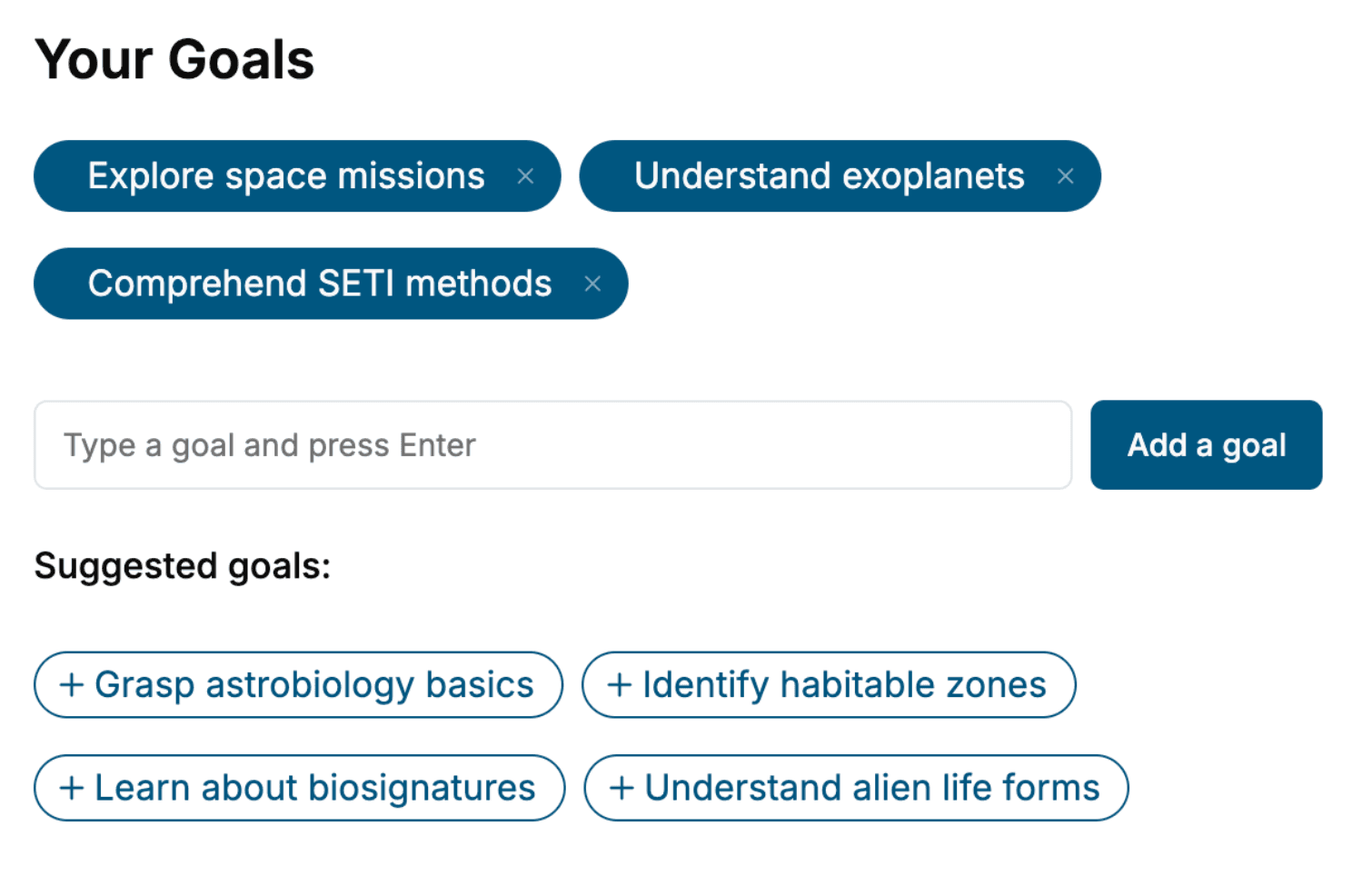
Select the focus of your Constitutional Law book and share your background
- 2. Personalize your book
Specify your goals and choose sub-topics to include
- 3. Get your tailored book
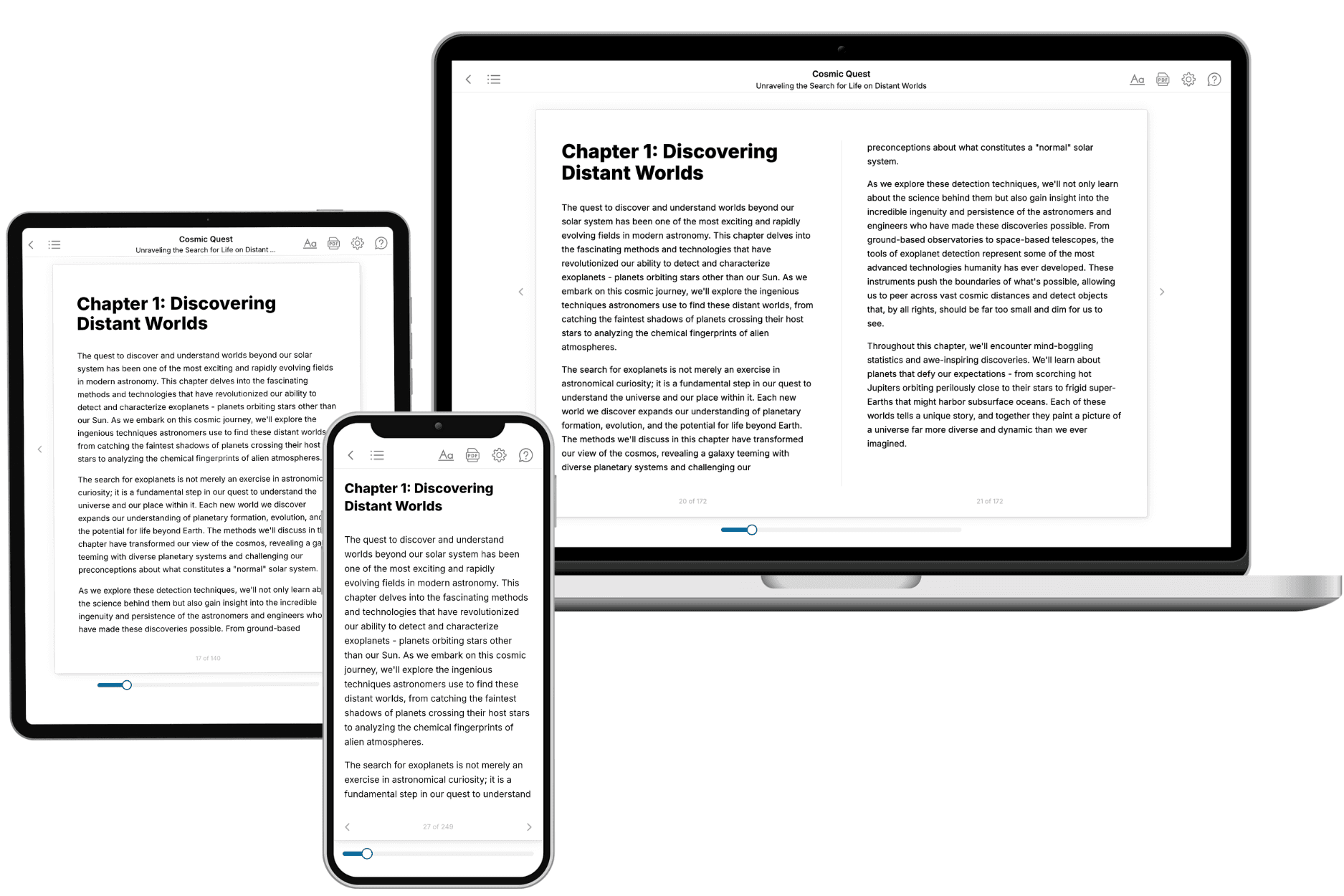
Your book is ready in 10 minutes. Read it online, download as EPUB or PDF, or send to Kindle.

Frequently asked questions
- What is TailoredRead?
TailoredRead creates complete, full-length nonfiction ebooks, written specifically for you. Tell us what you want to learn and why, and TailoredRead writes you a complete ebook on it, with charts, tables, and diagrams throughout. Read it online, on Kindle, or on any e-reader, or download it as a PDF or EPUB. Every book is written fresh the day you order it.
- How is the book tailored to me?
Before anything is written, you answer a few short questions about your goals, your background, and the topics you care about. Your book is then planned around your answers: written at your level, focused on your goals, and covering the topics you chose, instead of the one-size-fits-all book a store sells everyone.
- Will it read like generic AI content?
No. Your book isn't a chat transcript: it's planned chapter by chapter before a single word is written, told in a clear book voice, and explains ideas visually with charts, tables, and diagrams. After writing, every book goes through an editorial pass that polishes chapters so the book reads consistent from start to finish. Judge for yourself: browse thousands of sample books on our Explore Books page.
- How accurate is the content?
Our AI first checks whether your subject needs live research. Niche and fast-moving subjects are researched before writing, and the book plan and chapters are grounded in what it finds. After writing, every book goes through a quality pass that checks its facts and consistency, and researched books list their sources in a Notes section at the back.
- How long is the book?
You choose the length: Comprehensive (250-300 pages), Detailed (150-200 pages), Essential (70-100 pages), or Short (30-50 pages).
- Does the book include visuals?
Yes. Every book includes charts, tables, and diagrams: timelines, checklists, step-by-step guides, decision trees, comparison tables, matrices, and bar charts. A typical book includes dozens of these visual elements.
- Can I read it on Kindle? What formats can I download?
Yes. Every book can be read in our online reader or downloaded as a PDF or EPUB. The EPUB can be opened with Kindle, Apple Books, Kobo, and any e-reader. The Commercial and Author licenses also include an editable Word (DOCX) and Markdown download.
- How much does it cost?
About the price of a regular ebook. The exact price depends on your book's length and complexity, from $2 for the shortest books to $35 for the most comprehensive, and it's shown when you review your book, before you commit to anything. Each book is a one-time purchase, yours to keep, no subscription. Licenses that let you share, teach, or publish your book range from $35.99 to $49.99.
- Can I preview the book before purchasing?
Before you pay, you'll see what your book will cover: the title, a detailed description, the estimated length, and the complete chapter-by-chapter table of contents, so you know what you're getting before you decide. The full text itself is written after you purchase.
- How long does it take to create a book?
About 10 minutes. You can start reading the opening chapters while the rest is still being written.