The Analytical Chemistry Quality Handbook
Master Quality Control and Assurance in the Laboratory
Inconsistent analytical results undermine decision-making, waste resources, and can have serious consequences in pharmaceutical, environmental, and industrial settings.
222 pages10 chaptersJan 29, 2026Analytical Chemistry
About this book
Many analytical chemists understand the basics of their techniques but struggle to implement comprehensive quality systems that ensure every result is trustworthy. This handbook bridges that gap by providing a practical, systematic approach to quality control and assurance in analytical chemistry. You'll learn how to design and implement quality systems that catch errors before they happen, establish statistical monitoring that reveals problems early, and create documentation practices that demonstrate your results are defensible. The book covers method validation, calibration strategies, proficiency testing, and the regulatory frameworks that govern analytical work. Whether you're managing a laboratory, training technicians, or improving your own analytical practice, this guide offers concrete strategies, real-world examples, and actionable frameworks you can implement immediately to elevate the reliability and credibility of your analytical work.
Table of contents
- IntroductionWhy Quality Matters in Analytical Chemistry, Quality Control vs. Quality Assurance: Understanding the Difference, How to Use This HandbookRead below
- Chapter 1: Foundations of Quality SystemsCore Principles of Quality Management, Industry Standards and Regulatory Frameworks, Building a Quality-First Laboratory Culture
- Chapter 2: Method Validation and VerificationUnderstanding Method Validation, Key Validation Parameters: Accuracy, Precision, and Linearity, Verification Protocols for Established Methods, Documenting Validation Results
- Chapter 3: Calibration and StandardizationCalibration Fundamentals and Traceability, Developing Effective Calibration Strategies, Selecting and Managing Reference Standards, Maintaining Calibration Over Time
- Chapter 4: Statistical Process ControlStatistical Foundations for Quality Monitoring, Control Charts: Detecting Trends and Shifts, Interpreting Data and Taking Corrective Action, Process Capability Analysis
- Chapter 5: Quality Control Testing and MonitoringDesigning and Using Quality Control Samples, Blanks, Standards, and Duplicates in Daily Practice, Setting and Monitoring Acceptance Criteria, Troubleshooting When QC Fails
- Chapter 6: Proficiency Testing and External AuditsParticipating in Proficiency Testing Programs, Interpreting and Acting on Proficiency Results, Preparing for and Responding to External Audits
- Chapter 7: Documentation and Record KeepingBuilding Effective Documentation Systems, Writing and Maintaining Standard Operating Procedures, Ensuring Data Integrity and Traceability, Record Retention and Archival Practices
- Chapter 8: Instrument Maintenance and PerformancePreventive Maintenance Programs, Performance Qualification and Monitoring, Diagnosing and Resolving Instrument Issues
- Chapter 9: Uncertainty and Error AnalysisUnderstanding Measurement Uncertainty, Identifying and Quantifying Error Sources, Building and Using Uncertainty Budgets, Reporting Results with Confidence Intervals
- Chapter 10: Regulatory Compliance and Quality SystemsNavigating the Regulatory Landscape, ISO/IEC 17025 and Laboratory Accreditation, Implementing Compliance in Your Laboratory
- ConclusionIntegrating Quality Systems into Your Practice, Continuous Improvement and Excellence
- Glossary of Key Terms
- Further Reading and Resources
Introduction
Every analytical result tells a story, but not every story is true. In laboratories around the world, decisions with significant consequences rest on the reliability of analytical data. A pharmaceutical company releases a batch of medication based on purity testing. An environmental agency determines whether a water source is safe for consumption. A forensic laboratory provides evidence that influences legal proceedings. When analytical results are wrong, the consequences cascade through systems that depend on accurate information. Quality control and quality assurance exist to ensure that the stories your data tells are accurate, reproducible, and defensible.
The challenge facing many analytical chemistry professionals is not a lack of technical skill or sophisticated instrumentation. Modern laboratories have access to remarkable analytical capabilities that would have seemed impossible just decades ago. The real challenge lies in building systematic approaches that ensure every result meets rigorous quality standards. Without structured quality systems, even the most skilled analyst using the most advanced equipment can produce unreliable data. Random errors, systematic biases, instrument drift, contamination, and human mistakes can all compromise results in ways that may not be immediately obvious.
This handbook provides a comprehensive, practical framework for implementing quality control and quality assurance systems in analytical chemistry laboratories. Whether you work in pharmaceutical analysis, environmental testing, food safety, clinical diagnostics, or industrial quality control, the principles and practices covered here will help you establish confidence in your analytical work. The focus throughout is on actionable strategies you can implement immediately, supported by real-world examples and grounded in regulatory standards and industry best practices. Quality is not an abstract ideal but a concrete set of practices that, when implemented systematically, transform the reliability and credibility of analytical work.
The distinction between knowing how to perform an analytical technique and knowing how to ensure that technique consistently produces reliable results is fundamental. Many analytical chemists can operate a gas chromatograph, atomic absorption spectrometer, or high-performance liquid chromatography system with technical proficiency. Fewer can design validation protocols that demonstrate method suitability, implement statistical process control that detects problems before they compromise results, or build documentation systems that provide complete traceability. This handbook bridges that gap by focusing not just on analytical techniques themselves but on the quality infrastructure that surrounds and supports them.
Why Quality Matters in Analytical Chemistry
The consequences of poor quality in analytical chemistry extend far beyond the laboratory. Consider a pharmaceutical manufacturer that releases a product batch based on flawed analytical results showing acceptable impurity levels. If those results were compromised by inadequate calibration or undetected instrument drift, patients may receive medication that fails to meet safety standards. The manufacturer faces regulatory action, product recalls, legal liability, and reputational damage. The root cause traces back to quality failures in the analytical laboratory. This scenario is not hypothetical—regulatory agencies regularly document such failures, and the pharmaceutical industry invests heavily in quality systems specifically to prevent them.
Environmental laboratories face equally serious consequences when quality systems fail. A laboratory testing drinking water for contaminants provides data that directly affects public health decisions. If analytical results incorrectly indicate that lead levels are below regulatory limits when they actually exceed safe thresholds, communities may consume contaminated water while authorities remain unaware of the danger. Conversely, false positive results can trigger unnecessary remediation efforts, wasting resources and causing unwarranted public alarm. The 2014 Flint water crisis demonstrated how analytical and quality failures can contribute to public health disasters, with long-lasting consequences for affected communities.
Quality matters because analytical chemistry serves as the foundation for critical decisions across numerous domains. In forensic science, analytical results can determine whether evidence is admissible in court and may influence verdicts in criminal cases. In food safety, analytical testing protects consumers from contamination, adulteration, and mislabeling. In clinical diagnostics, test results guide medical treatment decisions that directly affect patient outcomes. In each of these contexts, the reliability of analytical data is not merely a technical concern but an ethical imperative. Laboratories have a responsibility to ensure their results are trustworthy.
The economic dimensions of quality are substantial. Poor quality analytical work generates costs through multiple mechanisms. Failed batches require retesting and may need to be discarded entirely. Regulatory non-compliance leads to fines, production delays, and potential facility shutdowns. Customer complaints and loss of confidence damage business relationships. Investigation of quality failures consumes significant time and resources. A study by the American Society for Quality estimated that poor quality costs organizations between 15-20% of their total revenue[1]. In contrast, investing in robust quality systems generates returns by preventing these costs, improving efficiency, and building reputation.
Quality systems also protect laboratory personnel and organizations from legal and regulatory consequences. Regulatory agencies such as the FDA, EPA, and their international equivalents have authority to inspect laboratories, review data, and take enforcement action when quality standards are not met. Laboratories operating under ISO/IEC 17025 accreditation face regular audits that assess compliance with quality requirements. In legal contexts, analytical data may be challenged, and laboratories must be able to demonstrate that results were generated using validated methods, properly calibrated instruments, and appropriate quality controls. Without documented quality systems, defending analytical results becomes difficult or impossible.
Beyond compliance and risk management, quality systems enable scientific progress and innovation. When analytical methods are properly validated and quality-controlled, results become reproducible across different laboratories, analysts, and time periods. This reproducibility is essential for building scientific knowledge, as it allows researchers to build on previous work with confidence. Quality systems also facilitate method transfer between laboratories and support collaborative research efforts. In industrial settings, robust quality systems enable process optimization by ensuring that analytical data accurately reflects process performance rather than measurement artifacts.
The competitive advantage provided by strong quality systems should not be underestimated. Laboratories with demonstrated quality capabilities attract more clients, command premium pricing, and build long-term relationships based on trust. Accreditation to recognized standards such as ISO/IEC 17025 serves as a market differentiator, signaling to customers that a laboratory meets internationally recognized quality benchmarks. In regulated industries, strong quality systems reduce the risk of regulatory delays and facilitate faster product approvals. Organizations that view quality as a strategic asset rather than a compliance burden position themselves for sustained success.
Quality Control vs. Quality Assurance: Understanding the Difference
The terms quality control and quality assurance are often used interchangeably, but they represent fundamentally different approaches to ensuring quality. Understanding this distinction is essential for building effective quality systems. Quality control (QC) is reactive and detection-oriented—it involves testing and monitoring to identify problems after they occur. Quality assurance (QA) is proactive and prevention-oriented—it involves designing systems and processes that prevent problems from occurring in the first place. Both are necessary, and effective quality systems integrate QC and QA in complementary ways.
Quality control encompasses the specific testing activities and monitoring procedures that verify analytical results meet acceptance criteria. QC activities include running calibration standards, analyzing blank samples, testing duplicate samples to assess precision, and using control charts to monitor ongoing performance. When you analyze a quality control sample and compare the result to established limits, you are performing quality control. QC answers the question: Are the results we are generating right now acceptable?
If QC samples fail acceptance criteria, the laboratory knows there is a problem and can take corrective action before releasing results.
Consider a practical example of quality control in action. An environmental laboratory analyzing water samples for mercury content includes a certified reference material (CRM) with a known mercury concentration in each analytical batch. After analyzing the CRM, the laboratory compares the measured value to the certified value. If the result falls within acceptable limits (typically ±10-20% of the certified value), the batch passes QC and sample results can be reported. If the CRM result falls outside acceptable limits, the batch fails QC, and the laboratory must investigate the cause, take corrective action, and reanalyze the samples. This QC procedure detects problems but does not prevent them from occurring.
Quality assurance takes a broader, more systematic approach focused on preventing problems. QA encompasses the policies, procedures, training programs, documentation systems, and management practices that create an environment where quality is built into every aspect of laboratory operations. QA activities include writing and maintaining standard operating procedures, validating analytical methods before routine use, training personnel and documenting their competency, maintaining instruments according to preventive maintenance schedules, and conducting internal audits to verify compliance with procedures. QA answers the question: Are we doing everything necessary to ensure our results will be reliable?
The relationship between QC and QA can be understood through a simple analogy. Imagine a manufacturing process producing widgets. Quality control involves inspecting finished widgets and rejecting those that do not meet specifications. This approach catches defective products but does not prevent them from being produced in the first place. Quality assurance involves designing the manufacturing process to minimize defects, training operators properly, maintaining equipment, and monitoring process parameters. When QA is effective, fewer defective widgets are produced, reducing the burden on QC inspection. The same principle applies in analytical chemistry—strong QA systems reduce the frequency of QC failures.
The practical implications of this distinction are significant for laboratory operations. A laboratory that relies primarily on QC without adequate QA will experience frequent failures, requiring repeated analysis, investigation, and corrective action. This reactive approach is inefficient, costly, and stressful for laboratory personnel. In contrast, a laboratory that invests in robust QA systems experiences fewer QC failures because problems are prevented rather than detected after the fact. The laboratory operates more smoothly, produces results more efficiently, and builds confidence among clients and stakeholders. The goal is not to eliminate QC—it remains essential as a verification mechanism—but to reduce the frequency of QC failures through effective QA.
Different quality system components fall clearly into QC or QA categories, though some activities bridge both domains:
- Quality Control activities: Analyzing calibration standards, running blank samples, testing duplicate samples, analyzing certified reference materials, monitoring control charts, verifying instrument performance before use, checking reagent quality
- Quality Assurance activities: Validating analytical methods, writing standard operating procedures, training personnel, maintaining equipment according to schedules, conducting internal audits, participating in proficiency testing programs, managing document control systems, investigating root causes of failures
- Bridging activities: Reviewing and approving data (uses QC results but is part of QA oversight), trending QC data over time (uses QC information to improve QA systems), corrective and preventive action programs (respond to QC failures but aim to prevent recurrence)
Regulatory frameworks and standards reflect this QC/QA distinction. ISO/IEC 17025, the international standard for testing and calibration laboratories, includes requirements for both quality control (Section 7.7, "Ensuring the validity of results") and quality assurance (throughout the management system requirements in Section 8). The FDA's Good Laboratory Practice (GLP) regulations similarly address both QC testing requirements and broader QA oversight functions. Understanding how these frameworks integrate QC and QA helps laboratories implement compliant quality systems that are both effective and efficient.
The organizational structure of quality systems often reflects the QC/QA distinction. Many laboratories designate specific personnel as quality assurance officers or quality managers, with responsibility for overseeing the entire quality system, conducting audits, managing documentation, and ensuring compliance with standards. These QA personnel are typically independent from routine analytical operations, providing objective oversight. Meanwhile, bench-level analysts perform QC activities as part of their daily analytical work. This separation of responsibilities helps ensure that quality oversight is independent and that QC procedures are actually followed rather than bypassed under production pressure.
How to Use This Handbook
This handbook is structured to provide both comprehensive coverage of quality systems and practical guidance you can implement immediately. The chapters progress logically from foundational concepts through specific technical topics to integrated quality management systems. However, the book is also designed to serve as a reference resource, allowing you to focus on specific topics relevant to your immediate needs. Each chapter stands alone sufficiently that you can read them in any order, though reading sequentially provides the most complete understanding of how different quality system components integrate.
The book is organized into ten main chapters, each addressing a critical component of quality systems in analytical chemistry:
- Chapter 1: Foundations of Quality Systems establishes core principles, introduces regulatory frameworks and industry standards, and discusses how to build a quality-focused laboratory culture
- Chapter 2: Method Validation and Verification covers how to demonstrate that analytical methods are suitable for their intended purpose and produce reliable results
- Chapter 3: Calibration and Standardization addresses how to establish and maintain the measurement traceability that underpins all quantitative analytical work
- Chapter 4: Statistical Process Control introduces statistical tools for monitoring analytical performance and detecting problems early
- Chapter 5: Quality Control Testing and Monitoring provides practical guidance on implementing daily QC procedures and responding when QC fails
- Chapter 6: Proficiency Testing and External Audits explains how to participate in external quality assessment programs and prepare for regulatory inspections
- Chapter 7: Documentation and Record Keeping covers how to build documentation systems that ensure traceability and support regulatory compliance
- Chapter 8: Instrument Maintenance and Performance addresses how to keep analytical instruments operating reliably through preventive maintenance and performance monitoring
- Chapter 9: Uncertainty and Error Analysis explains how to quantify and report the uncertainty associated with analytical results
- Chapter 10: Regulatory Compliance and Quality Systems provides guidance on navigating regulatory requirements and implementing formal quality management systems
Each chapter follows a consistent structure designed to maximize practical value. Chapters begin with clear explanations of fundamental concepts, ensuring you understand the underlying principles before moving to implementation details. Theoretical content is always connected to practical applications through specific examples drawn from real laboratory situations. Where appropriate, chapters include step-by-step procedures, decision frameworks, and troubleshooting guidance. Throughout the book, you will find concrete examples that illustrate how quality principles apply in different analytical contexts, from pharmaceutical testing to environmental monitoring to food safety analysis.
The handbook assumes you have foundational knowledge of analytical chemistry techniques and instrumentation. You should be familiar with common analytical methods such as chromatography, spectroscopy, and wet chemistry techniques. You do not need advanced statistical training—the book explains statistical concepts in accessible terms and focuses on practical application rather than mathematical theory. If you are new to quality systems, reading the book sequentially from beginning to end will provide a comprehensive education. If you already have quality system experience, you can use the book as a reference, focusing on chapters that address specific challenges you face in your laboratory.
Several features throughout the book enhance its practical utility. Key terms are highlighted when first introduced and defined in context, with a comprehensive glossary at the end for quick reference. Footnotes provide citations to regulatory documents, standards, and research literature, allowing you to explore topics in greater depth. Examples are set apart visually to make them easy to identify and reference. Lists and structured formats break down complex information into digestible components. The goal throughout is to make the content accessible and immediately applicable to your work.
Different readers will approach this handbook with different needs and objectives:
- Laboratory managers and supervisors will find guidance on designing and implementing comprehensive quality systems, managing quality resources, and building quality culture within their teams
- Quality assurance personnel will find detailed coverage of QA functions including auditing, documentation management, method validation, and regulatory compliance
- Bench-level analysts will find practical guidance on performing QC activities, interpreting QC results, troubleshooting problems, and understanding how their daily work fits into broader quality systems
- Method development scientists will find comprehensive coverage of validation requirements and strategies for demonstrating method suitability
- Consultants and trainers will find a structured framework for teaching quality concepts and helping laboratories improve their quality systems
To maximize the value you derive from this handbook, consider approaching it actively rather than passively. As you read each chapter, think about how the concepts apply to your specific laboratory situation. Identify gaps between current practices and recommended approaches. Make notes about changes you could implement. Discuss concepts with colleagues and supervisors. Quality improvement is not a solitary activity but a collaborative effort that requires engagement from everyone in the laboratory. Use this handbook as a catalyst for conversations about how your laboratory can enhance its quality systems.
The handbook also serves as a foundation for developing laboratory-specific quality documentation. Many of the frameworks, procedures, and checklists presented here can be adapted to create standard operating procedures, training materials, and quality manuals tailored to your laboratory's specific needs. Rather than starting from scratch, you can use the guidance provided here as a template, modifying it to reflect your analytical methods, instrumentation, regulatory requirements, and organizational context. This approach saves time and ensures your documentation reflects established best practices.
Quality systems are not static—they require continuous evaluation and improvement. As you implement the practices described in this handbook, you will discover what works well in your specific context and what requires adjustment. Regulatory requirements evolve, new analytical technologies emerge, and organizational needs change. Return to this handbook periodically to refresh your understanding, explore topics in greater depth, and identify opportunities for further improvement. Quality excellence is not a destination but an ongoing journey of learning, adaptation, and refinement.
Finally, remember that quality systems exist to serve a purpose: ensuring that analytical results are reliable, reproducible, and fit for their intended use. Quality requirements can sometimes feel burdensome, particularly when facing production pressures or resource constraints. However, the alternative—producing unreliable results—carries far greater costs and risks. The practices described in this handbook represent the collective wisdom of the analytical chemistry community, distilled from decades of experience and formalized in regulatory requirements and international standards. By implementing these practices systematically, you protect your laboratory, your organization, and ultimately the people who depend on the accuracy of your analytical work. Quality is not an obstacle to productivity but the foundation that makes meaningful productivity possible.
Notes
Introduction
- 1. American Society for Quality, Cost of Quality, Quality Press, 2016
This is the end of the free sample. The full book has 10 chapters.
Want this book written for you?
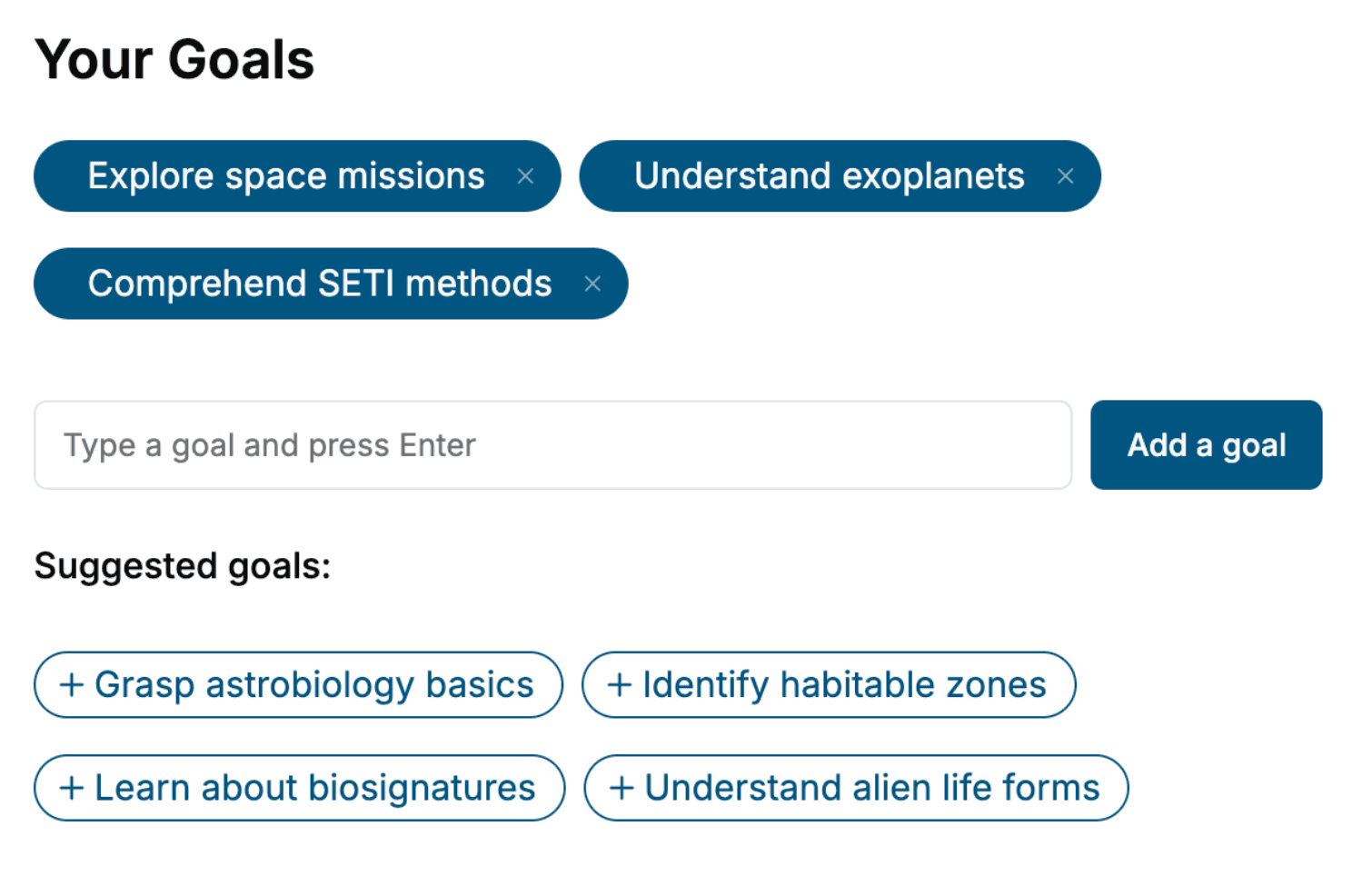
Tell us your goals and background, and get your own version of this book, tailored by AI to you.


Benefits of AI-tailored books
- Read one book, not ten:
- all the Analytical Chemistry knowledge you need, gathered into a single book.
- Save days of learning:
- tell us your goals, choose your topics, and the whole book is built around them.
- Learn effortlessly:
- Analytical Chemistry book written for your specific background and expertise.
- Understand at a glance:
- includes charts, tables, timelines, checklists, decision trees, and more.
- Stay current:
- written the day you order it, not years ago.
- Trust what you read:
- every book is checked for accuracy, with real research when your subject needs it.
Create your unique book in 3 steps
- 1. Select your focus
Select the focus of your Analytical Chemistry book and share your background
- 2. Personalize your book
Specify your goals and choose sub-topics to include
- 3. Get your tailored book
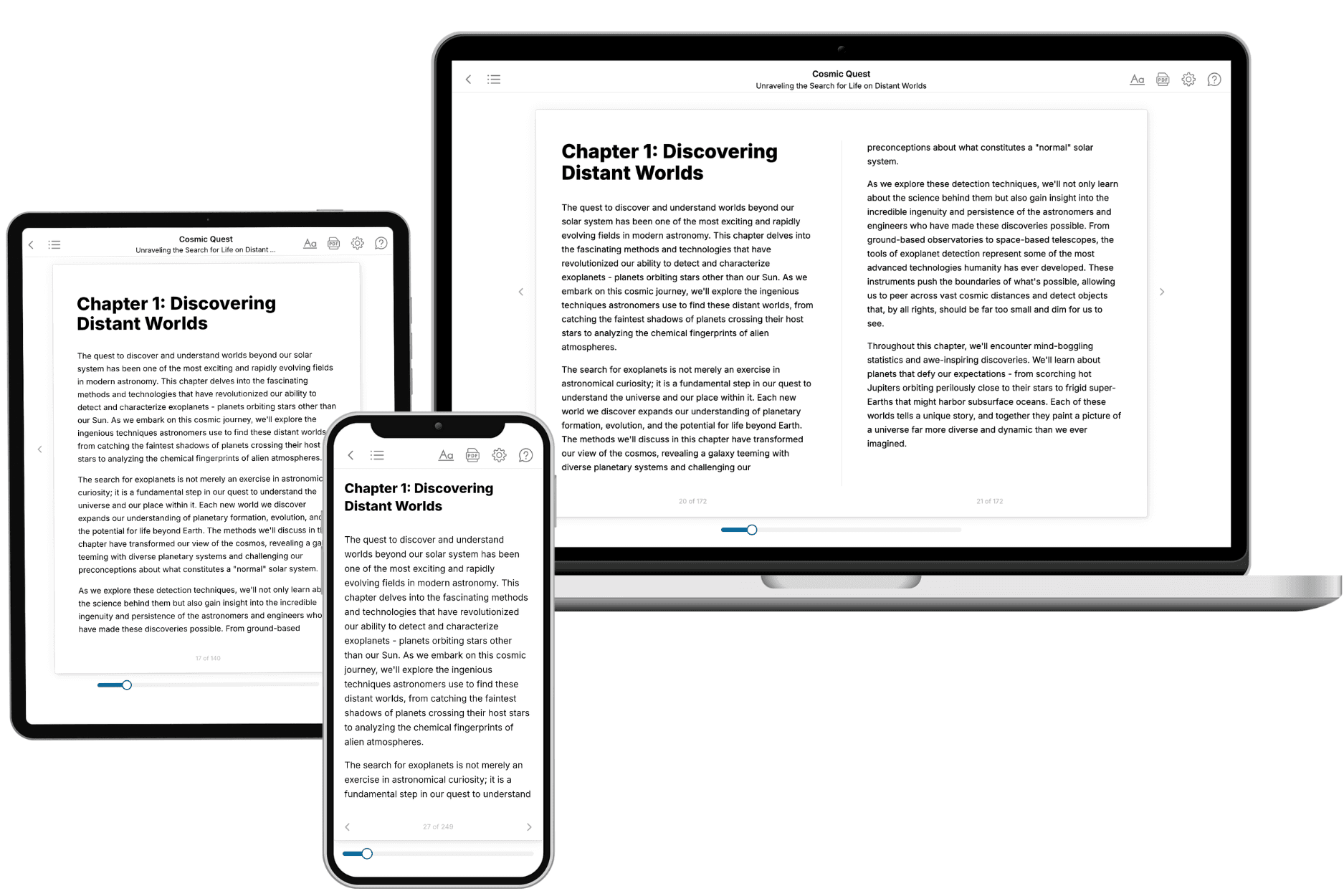
Your book is ready in 10 minutes. Read it online, download as EPUB or PDF, or send to Kindle.

Frequently asked questions
- What is TailoredRead?
TailoredRead creates complete, full-length nonfiction ebooks, written specifically for you. Tell us what you want to learn and why, and TailoredRead writes you a complete ebook on it, with charts, tables, and diagrams throughout. Read it online, on Kindle, or on any e-reader, or download it as a PDF or EPUB. Every book is written fresh the day you order it.
- How is the book tailored to me?
Before anything is written, you answer a few short questions about your goals, your background, and the topics you care about. Your book is then planned around your answers: written at your level, focused on your goals, and covering the topics you chose, instead of the one-size-fits-all book a store sells everyone.
- Will it read like generic AI content?
No. Your book isn't a chat transcript: it's planned chapter by chapter before a single word is written, told in a clear book voice, and explains ideas visually with charts, tables, and diagrams. After writing, every book goes through an editorial pass that polishes chapters so the book reads consistent from start to finish. Judge for yourself: browse thousands of sample books on our Explore Books page.
- How accurate is the content?
Our AI first checks whether your subject needs live research. Niche and fast-moving subjects are researched before writing, and the book plan and chapters are grounded in what it finds. After writing, every book goes through a quality pass that checks its facts and consistency, and researched books list their sources in a Notes section at the back.
- How long is the book?
You choose the length: Comprehensive (250-300 pages), Detailed (150-200 pages), Essential (70-100 pages), or Short (30-50 pages).
- Does the book include visuals?
Yes. Every book includes charts, tables, and diagrams: timelines, checklists, step-by-step guides, decision trees, comparison tables, matrices, and bar charts. A typical book includes dozens of these visual elements.
- Can I read it on Kindle? What formats can I download?
Yes. Every book can be read in our online reader or downloaded as a PDF or EPUB. The EPUB can be opened with Kindle, Apple Books, Kobo, and any e-reader. The Commercial and Author licenses also include an editable Word (DOCX) and Markdown download.
- How much does it cost?
About the price of a regular ebook. The exact price depends on your book's length and complexity, from $2 for the shortest books to $35 for the most comprehensive, and it's shown when you review your book, before you commit to anything. Each book is a one-time purchase, yours to keep, no subscription. Licenses that let you share, teach, or publish your book range from $35.99 to $49.99.
- Can I preview the book before purchasing?
Before you pay, you'll see what your book will cover: the title, a detailed description, the estimated length, and the complete chapter-by-chapter table of contents, so you know what you're getting before you decide. The full text itself is written after you purchase.
- How long does it take to create a book?
About 10 minutes. You can start reading the opening chapters while the rest is still being written.