Art Deco Elegance
A Coloring Journey Through Geometric Beauty and Architectural Splendor
Many coloring enthusiasts struggle to find books that combine artistic relaxation with genuine educational value, leaving them feeling like they're simply filling in spaces rather than truly learning.
222 pages10 chaptersNov 4, 2025Architecture Coloring
About this book
Art Deco Elegance bridges this gap by offering meticulously detailed architectural illustrations paired with rich historical context and design principles. As you color each page, you'll discover how Art Deco architects revolutionized urban landscapes through geometric innovation and luxurious simplicity. This book teaches you to recognize the distinctive visual language of the movement—from sunburst patterns to stepped facades—while developing your coloring technique and color theory understanding. Each illustration is carefully selected from iconic buildings and design elements, allowing you to explore the movement's global influence. By the time you complete this book, you'll have gained both a sophisticated understanding of Art Deco architecture and the meditative satisfaction of creating something beautiful with your own hands.
Table of contents
- IntroductionWhy Art Deco Matters Today, The Power of Coloring for Learning and Relaxation, How to Use This Book, Choosing Your Coloring MaterialsRead below
- Chapter 1: The Birth of Art Deco: A Design RevolutionThe 1920s: Optimism and Modernity, Influences: From Cubism to Ancient Civilizations, The 1925 Exposition: Defining the Movement
- Chapter 2: Geometric Language: The Visual Vocabulary of Art DecoEssential Geometric Forms and Patterns, The Iconic Sunburst and Radiating Patterns, Symmetry and Balance in Design, Stepped Forms and Vertical Emphasis
- Chapter 3: Materials and Luxury: The Aesthetic of ElegancePrecious Materials and Finishes, Art Deco Color Palettes and Their Meanings, Strategic Ornamentation and Detail
- Chapter 4: Architectural Elements: Facades, Entrances, and DetailsDesigning Striking Facades, Grand Entrances and Decorative Portals, Windows, Doors, and Geometric Divisions, Cornices, Trim, and Decorative Crowning
- Chapter 5: Global Expressions: Art Deco Around the WorldAmerican Skyscrapers and Urban Landmarks, European Refinement and Adaptation, Art Deco in Asia, South America, and Beyond
- Chapter 6: Coloring Techniques for Architectural PrecisionLayering and Shading for Depth, Creating Color Harmony and Contrast, Highlighting Details and Creating Dimension, Special Effects and Advanced Techniques
- Chapter 7: Iconic Buildings: Masterpieces to ColorThe Chrysler Building: Geometric Triumph, Theatre Palaces and Entertainment Venues, Residential Gems and Apartment Buildings
- Chapter 8: Decorative Motifs: Nature Meets GeometryStylized Floral and Botanical Elements, Geometric Animal Forms and Representations, Abstract Patterns and Tessellations, Cultural Symbols and Artistic References
- Chapter 9: The Coloring Pages: A Visual JourneyBeginner-Friendly Designs, Intermediate Complexity Illustrations, Advanced Masterpiece Designs
- Chapter 10: Art Deco's Legacy: From Past to PresentPreservation and Restoration Efforts, Contemporary Design and Modern Interpretations, Collecting and Appreciating Art Deco Today
- Conclusion: Your Art Deco Journey ContinuesReflecting on What You've Learned, Exploring Art Deco in Your Community
- Glossary of Art Deco Terms
- Further Reading and Resources
Introduction
Welcome to a journey through one of the most visually striking and culturally significant design movements of the twentieth century. Art Deco emerged during a transformative period in human history, when the world was rebuilding after the devastation of World War I and embracing new technologies, materials, and ways of thinking about beauty. This coloring book offers you more than just beautiful images to fill with color—it provides a gateway into understanding how architecture can express optimism, celebrate progress, and democratize elegance. As you work through these pages, you'll discover that each geometric pattern, each stepped facade, and each sunburst motif tells a story about a society that dared to imagine a future where beauty and functionality could coexist in everyday spaces.
The Art Deco movement represents a fascinating paradox: it looked simultaneously backward to ancient civilizations and forward to a machine age future. Architects and designers drew inspiration from Egyptian pyramids, Aztec temples, and Greek geometry while embracing chrome, glass, and reinforced concrete. This unique combination created a visual language that remains instantly recognizable nearly a century later. When you see a building with bold vertical lines, geometric ornamentation, and symmetrical composition, you're likely looking at Art Deco architecture. This book will train your eye to recognize these elements and understand the principles behind them, transforming how you perceive the built environment around you.
Coloring offers a unique pathway to learning that engages both your analytical and creative faculties. Unlike passive observation, the act of choosing colors and carefully filling intricate patterns requires you to study each line, understand spatial relationships, and make aesthetic decisions. This active engagement creates deeper neural connections and more lasting memories than simply reading about architectural history. Throughout this book, you'll find that the meditative practice of coloring becomes a form of visual education, where your hands teach your mind about proportion, balance, and design principles. Whether you're an experienced colorist seeking new challenges or someone discovering the therapeutic benefits of this practice for the first time, these Art Deco illustrations offer rich opportunities for both relaxation and learning.
Why Art Deco Matters Today
Art Deco architecture continues to captivate contemporary audiences because it represents a moment when design became truly democratic and accessible. Before this movement, elaborate ornamentation and architectural beauty were largely reserved for palaces, cathedrals, and the homes of the wealthy. Art Deco changed this paradigm by bringing geometric elegance to apartment buildings, office towers, movie theaters, and even gas stations. The movement's designers believed that everyone deserved to experience beauty in their daily lives, not just the privileged few. This philosophy transformed urban landscapes across the globe, creating cities where ordinary people could work in stunning skyscrapers, watch films in palatial theaters, and live in buildings adorned with thoughtful decorative details.
The visual language of Art Deco speaks to fundamental human aesthetic preferences that transcend cultural boundaries and historical periods. Research in environmental psychology suggests that humans respond positively to symmetry, geometric order, and the balance between ornamentation and simplicity—precisely the qualities that define Art Deco design[1]. When you encounter an Art Deco building, your brain processes its stepped forms and radiating patterns as both orderly and dynamic, creating a sense of visual satisfaction. This explains why Art Deco buildings often become beloved landmarks in their communities, protected by preservation societies and celebrated in popular culture. Understanding these design principles helps you appreciate why certain buildings make you feel a particular way and how architecture shapes human experience.
In our current era of rapid technological change and environmental challenges, Art Deco offers valuable lessons about sustainable design and adaptive reuse. Many Art Deco buildings have proven remarkably durable and adaptable, serving new purposes while maintaining their architectural integrity. The movement's emphasis on quality materials, thoughtful craftsmanship, and timeless geometric forms created structures that have aged gracefully rather than becoming dated. As contemporary architects and urban planners grapple with questions about building for longevity and creating human-centered spaces, they increasingly look to Art Deco precedents. By studying these buildings through coloring and analysis, you're engaging with design principles that remain relevant to current architectural conversations.
The global reach of Art Deco demonstrates how design movements can adapt to local contexts while maintaining core principles. From the pastel-colored hotels of Miami Beach to the tropical interpretations in Mumbai, from the streamlined skyscrapers of New York to the elegant cinemas of London, Art Deco took on regional characteristics while remaining recognizable. This adaptability offers important insights for our interconnected world, showing how aesthetic ideas can travel across cultures without erasing local identity. As you color buildings from different continents and contexts, you'll notice both the unifying geometric vocabulary and the distinctive regional variations that make each example unique.
Art Deco's celebration of technological progress and industrial materials provides a historical perspective on our relationship with innovation. The movement emerged during a period of rapid technological advancement—radio, aviation, automobiles, and electrification were transforming daily life. Rather than viewing these changes with anxiety, Art Deco designers embraced them enthusiastically, incorporating machine-age imagery and industrial materials into their work. Chrome, aluminum, and glass became decorative elements rather than purely functional components. This optimistic approach to technology offers an interesting contrast to contemporary debates about digital transformation and artificial intelligence, reminding us that societies have successfully navigated technological disruption before by finding ways to humanize and beautify new innovations.
The preservation and restoration of Art Deco buildings has become a significant cultural movement, connecting communities to their architectural heritage. Cities around the world have established Art Deco societies, walking tours, and annual festivals celebrating these structures. Miami Beach's Art Deco Historic District, for example, attracts millions of visitors annually and has spurred economic revitalization while preserving architectural character[2]. By learning to recognize and appreciate Art Deco design through this coloring book, you become part of this preservation conversation. You'll develop the visual literacy to identify threatened buildings in your own community and understand why they're worth protecting for future generations.
Finally, Art Deco matters because it represents a moment of genuine stylistic innovation rather than revival. Unlike many architectural movements that looked primarily to historical precedents, Art Deco synthesized influences from multiple sources—ancient civilizations, modern art movements, industrial design, and exotic cultures—into something genuinely new. This creative synthesis offers inspiration for contemporary designers and artists seeking to develop original visual languages. As you color these geometric patterns and architectural forms, consider how the designers who created them were solving the same creative challenge you face: how to take diverse influences and combine them into something coherent, beautiful, and distinctly your own.
The Power of Coloring for Learning and Relaxation
Coloring engages your brain in ways that create both immediate relaxation and long-term learning benefits. When you focus on staying within lines and choosing harmonious colors, your mind enters a state similar to meditation, where anxious thoughts recede and present-moment awareness increases. Neuroscience research indicates that this focused, repetitive activity activates the prefrontal cortex while quieting the amygdala, effectively reducing stress responses and promoting calm[3]. Unlike passive relaxation activities like watching television, coloring provides a sense of accomplishment and creative agency. You're not just consuming content—you're actively creating something beautiful with your own aesthetic choices and manual skill.
The architectural focus of this coloring book adds an educational dimension that enhances the cognitive benefits of the practice. As you color each building element, you're unconsciously learning about spatial relationships, structural logic, and design principles. Your brain processes how windows align vertically, how decorative elements create rhythm across a facade, and how geometric patterns build from simple shapes into complex compositions. This visual-spatial learning happens naturally through the act of coloring, without the effort required by traditional study methods. When you later encounter Art Deco buildings in person or in photographs, you'll find that your hands have taught your eyes to see architectural details you would have previously overlooked.
Coloring detailed architectural illustrations develops fine motor skills and hand-eye coordination while building patience and attention to detail. The intricate geometric patterns characteristic of Art Deco design require careful, deliberate coloring that strengthens the neural pathways connecting visual perception to manual control. This practice has benefits that extend beyond the coloring book—improved fine motor control, enhanced ability to focus on detailed tasks, and increased tolerance for activities requiring sustained concentration. For many people, the challenge of coloring complex patterns provides a satisfying sense of mastery and accomplishment that builds confidence in their creative abilities.
The color choices you make while working through this book offer opportunities to explore color theory in a practical, low-stakes environment. Art Deco architecture employed distinctive color palettes that you can either replicate historically or reimagine with contemporary sensibilities. You might choose to color a building in the authentic palette of black, gold, and cream that characterized many 1920s interiors, or you might experiment with unexpected combinations that create new moods and effects. Each approach teaches you something different about how colors interact, how contrast creates visual interest, and how palette choices affect emotional response. These lessons transfer to other creative endeavors and enhance your general aesthetic awareness.
Coloring provides a valuable counterbalance to the screen-dominated activities that fill most modern lives. The tactile experience of holding coloring tools, the physical connection between hand movement and visual result, and the absence of notifications or digital distractions create a fundamentally different cognitive experience than digital entertainment. This analog practice gives your eyes a break from screen glare, your mind a respite from information overload, and your body an opportunity for the kind of focused, embodied activity that humans evolved to find satisfying. Many people report that establishing a regular coloring practice improves their sleep quality, reduces digital anxiety, and creates a healthy boundary between work and leisure time.
The social dimensions of coloring add another layer of benefit for many practitioners. Coloring groups and communities—both online and in-person—provide opportunities to share techniques, display finished work, and connect with others who appreciate detailed artistic practice. When you complete a particularly challenging Art Deco illustration, sharing it with others who understand the skill and patience required creates meaningful social connection. These communities often exchange information about materials, techniques, and architectural history, turning individual practice into collective learning. Even if you prefer to color alone, knowing that others are engaged in the same practice creates a sense of participation in a broader creative movement.
Finally, coloring architectural illustrations creates a permanent record of your creative journey and developing skills. Unlike many hobbies that produce ephemeral results, each completed page becomes a tangible artifact you can display, gift, or preserve in a portfolio. Looking back at earlier pages as you progress through the book allows you to see your improving technique, evolving color preferences, and growing confidence with complex patterns. This visible progress provides motivation to continue and creates a satisfying sense of accumulating mastery. Some colorists frame their favorite completed pages as artwork, transforming their practice into home decoration that carries personal meaning and demonstrates their dedication to developing a creative skill.
How to Use This Book
This book is designed to be both a learning resource and a creative playground, allowing you to engage with it in whatever way best serves your interests and goals. You can work through the chapters sequentially, building your understanding of Art Deco principles progressively, or you can jump directly to illustrations that catch your eye and read the contextual information as your curiosity leads you. There's no wrong approach—some people prefer structured learning that moves from simple to complex, while others thrive on following their immediate interests. The book's organization supports both approaches, with each chapter providing historical context, design analysis, and practical coloring guidance that stands alone while also contributing to a comprehensive understanding of the movement.
Before you begin coloring each illustration, take time to study the image carefully and read the accompanying text. Notice the geometric patterns, the symmetrical arrangements, and the architectural details that make each design distinctive. This preliminary observation phase enhances both your coloring experience and your learning outcomes. Consider these questions as you examine each illustration:
- What geometric shapes form the foundation of this design?
- Where do you see symmetry, and where does the design break symmetry for visual interest?
- How do vertical and horizontal elements balance each other?
- Which details would you emphasize with color contrast, and which would you unify with similar tones?
- What mood or atmosphere do you want to create with your color choices?
The book progresses from foundational concepts to specific applications, but each chapter contains illustrations suitable for various skill levels. Early chapters introduce the historical context and basic design principles of Art Deco, while later chapters explore specific building types, decorative motifs, and advanced coloring techniques. Within each chapter, you'll find a mix of simpler designs with larger areas and more complex illustrations with intricate details. If you're new to detailed coloring, start with the simpler designs to build confidence and develop your technique before tackling the most complex patterns. If you're an experienced colorist, you might challenge yourself with the intricate designs first, then use simpler illustrations to experiment with new color combinations or techniques.
Consider creating a color palette plan before you begin each illustration, especially for the more complex designs. Art Deco architecture often employed limited color palettes with strong contrasts, and planning your approach helps ensure visual coherence across the entire image. You might sketch your color plan on a separate piece of paper, testing combinations and noting which colors you'll use for different architectural elements. This planning phase prevents the frustration of realizing midway through that your color choices aren't working together as you'd hoped. However, don't let planning become a barrier to starting—sometimes the best discoveries come from intuitive color choices made in the moment.
Use the educational content throughout the book to inform your coloring decisions and deepen your appreciation for what you're creating. When a text section explains that Art Deco designers often used gold to highlight important architectural features, you might choose metallic gold pencils or markers for those elements in your illustration. When you learn that certain buildings employed contrasting materials like dark granite and light limestone, you can replicate that effect with your color choices. This integration of learning and practice creates a richer experience than either activity would provide alone. You're not just coloring—you're making informed aesthetic decisions based on historical understanding and design principles.
Don't feel obligated to complete every illustration or to color them in perfect detail. This book serves your creative needs, not the other way around. Some images might inspire you to spend hours on meticulous detail work, while others might serve as quick, relaxing exercises. Some pages might become experiments where you try new techniques or color combinations without worrying about the final result. This flexibility prevents the practice from becoming a source of stress or obligation. If you start an illustration and find it's not engaging you, move on to something else. You can always return to it later with fresh eyes and renewed interest.
Consider keeping a coloring journal alongside this book where you record your observations, experiments, and progress. Note which color combinations you found most successful, which techniques worked well for different effects, and which architectural elements you found most interesting. Document the materials you used for each illustration and how they performed. Record questions that arise as you work, then research the answers to deepen your understanding. This reflective practice transforms casual coloring into a more intentional learning journey and creates a valuable reference for future projects. Your journal becomes a personalized guide to your developing skills and evolving aesthetic preferences.
Finally, remember that there are no mistakes in creative coloring—only opportunities to learn and adapt. If you choose a color that doesn't work as you expected, you can often layer other colors over it to modify the effect, or you can embrace the unexpected result as part of your unique interpretation. Art Deco designers themselves often experimented with unconventional combinations and surprising contrasts. Your creative choices, even when they diverge from historical accuracy or conventional aesthetics, are valid expressions of your personal vision. The goal is not to perfectly replicate historical color schemes but to engage meaningfully with Art Deco design principles while developing your own artistic voice.
Choosing Your Coloring Materials
The materials you choose significantly affect both your coloring experience and the final appearance of your work. Colored pencils offer the most control and versatility for architectural illustrations, allowing you to create subtle gradations, precise details, and layered effects that enhance the three-dimensional quality of buildings. High-quality colored pencils with soft, pigment-rich cores produce more vibrant colors with less pressure, reducing hand fatigue during extended coloring sessions. Brands like Prismacolor, Faber-Castell Polychromos, and Caran d'Ache Luminance are popular among serious colorists, though many excellent mid-range options exist. Start with a set of 24-48 colors that includes a range of neutrals, earth tones, and both warm and cool versions of primary and secondary colors.
Fine-tipped markers provide bold, even color coverage that works particularly well for Art Deco's characteristic flat planes and geometric patterns. Alcohol-based markers like Copic, Prismacolor Premier, or Ohuhu blend smoothly and don't warp paper as much as water-based markers. However, they do bleed through most papers, so you'll need to place a protective sheet behind the page you're coloring. Water-based markers like Tombow Dual Brush Pens offer easier cleanup and less odor while still providing good color saturation. The key advantage of markers is their ability to fill large areas quickly with uniform color, creating the sleek, polished look characteristic of Art Deco design. Their main limitation is less control for subtle shading and gradation compared to colored pencils.
Gel pens and metallic markers deserve special consideration for Art Deco illustrations because they can replicate the movement's signature use of luxurious materials. Gold, silver, bronze, and copper metallic pens add authentic glamour to decorative details, mimicking the brass, chrome, and gilt that adorned actual Art Deco buildings. White gel pens create highlights and light reflections that enhance the dimensional quality of your coloring. These specialty tools work best as accent elements rather than primary coloring media—use them to emphasize important architectural features, add finishing touches to completed areas, or create special effects like the gleam of polished metal or the sparkle of glass. A small collection of metallic and white pens significantly expands your creative possibilities without requiring major investment.
The paper quality in your coloring book affects how different materials perform and how much you can layer and blend colors. Thicker paper (at least 90-100 gsm) handles multiple layers of colored pencil better and resists warping from markers. Smooth paper allows for even marker coverage and precise pencil work, while slightly textured paper can add visual interest and helps colored pencils grip the surface. If you plan to use markers extensively, consider placing a barrier sheet behind each page to prevent bleed-through from affecting the illustration on the reverse side. Some colorists carefully remove pages from the book before coloring them, which eliminates bleed-through concerns and makes it easier to display or frame finished work.
Building a versatile coloring toolkit doesn't require purchasing everything at once. Start with basic materials and expand your collection as you discover what works best for your style and preferences. A recommended starter kit might include:
- A set of 24-36 colored pencils in a range of colors including multiple neutrals
- A colorless blender pencil for smoothing and blending colored pencil work
- A set of 12-24 fine-tipped markers in basic colors
- Three metallic gel pens (gold, silver, and copper)
- One white gel pen for highlights
- A good pencil sharpener designed for colored pencils
- A kneaded eraser for lifting colored pencil if needed
Experiment with combining different materials to achieve effects that single media can't produce alone. You might use markers to establish base colors quickly, then add depth and detail with colored pencils. Metallic pens can accent areas you've already colored with pencils or markers, adding dimension and luxury. White gel pens create highlights over darker colors, making architectural elements appear to catch light. This mixed-media approach mirrors how Art Deco designers themselves combined different materials—stone, metal, glass, and terra cotta—to create visual interest and textural variety. Your material choices become part of your creative interpretation, not just technical tools.
Proper care and storage of your coloring materials extends their life and maintains their performance. Store colored pencils horizontally or tip-up to prevent the cores from breaking inside the wood casing. Keep marker caps tightly closed when not in use to prevent drying. Store gel pens horizontally and shake them before use if the ink has settled. Keep all materials away from extreme temperatures and direct sunlight, which can affect pigment quality. A simple pencil case, art supply box, or even a repurposed container keeps your materials organized and protected. Taking a few minutes to organize your supplies before each coloring session makes the experience more enjoyable and helps you focus on the creative work rather than searching for the right color.
Finally, remember that expensive materials don't automatically produce better results—skill, patience, and thoughtful color choices matter more than premium brands. Many accomplished colorists create stunning work with student-grade materials, while beginners sometimes struggle with professional supplies. Start with materials that fit your budget and upgrade gradually as your skills develop and you discover which tools you reach for most often. The best materials are the ones you'll actually use regularly, not the ones that sit unused because they feel too precious to experiment with. Art Deco's democratic spirit—bringing beauty to everyday life—applies equally to your coloring practice. Use materials that make the process enjoyable and accessible rather than intimidating or financially stressful.
Notes
Introduction
- 1. Arthur E. Stamps, Psychology and the Aesthetics of the Built Environment, Kluwer Academic Publishers, 2000
- 2. Barbara Baer Capitman, Deco Delights: Preserving Miami Beach Architecture, E.Dutton, 1988
- 3. Nancy A. Curry and Tim Kasser, "Can Coloring Mandalas Reduce Anxiety?," Art Therapy: Journal of the American Art Therapy Association, 2005
This is the end of the free sample. The full book has 10 chapters.
Want this book written for you?
Tell us your goals and background, and get your own version of this book, tailored by AI to you.


Benefits of AI-tailored books
- Read one book, not ten:
- all the Architecture Coloring knowledge you need, gathered into a single book.
- Save days of learning:
- tell us your goals, choose your topics, and the whole book is built around them.
- Learn effortlessly:
- Architecture Coloring book written for your specific background and expertise.
- Understand at a glance:
- includes charts, tables, timelines, checklists, decision trees, and more.
- Stay current:
- written the day you order it, not years ago.
- Trust what you read:
- every book is checked for accuracy, with real research when your subject needs it.
Create your unique book in 3 steps
- 1. Select your focus
Select the focus of your Architecture Coloring book and share your background
- 2. Personalize your book
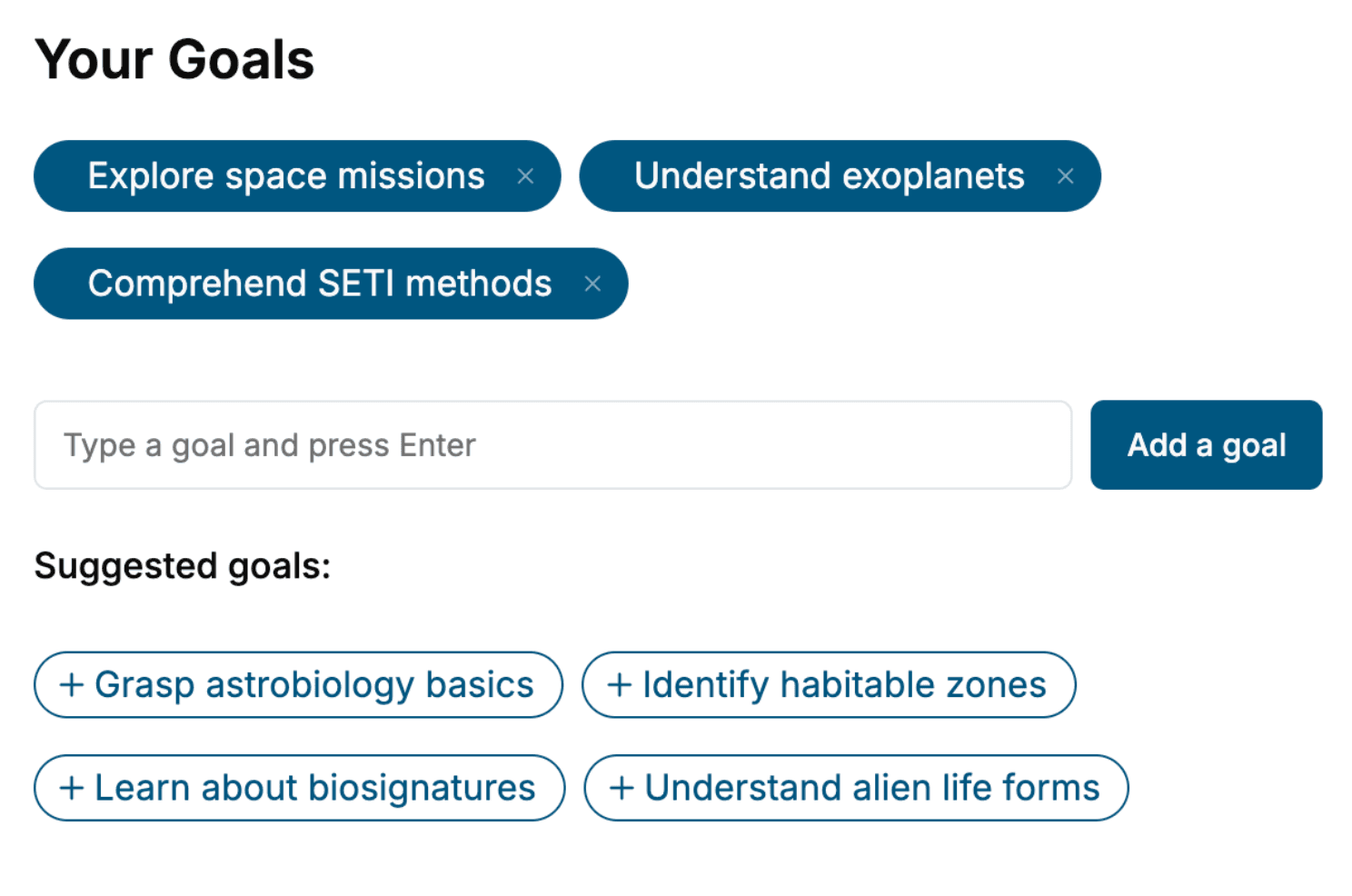
Specify your goals and choose sub-topics to include
- 3. Get your tailored book
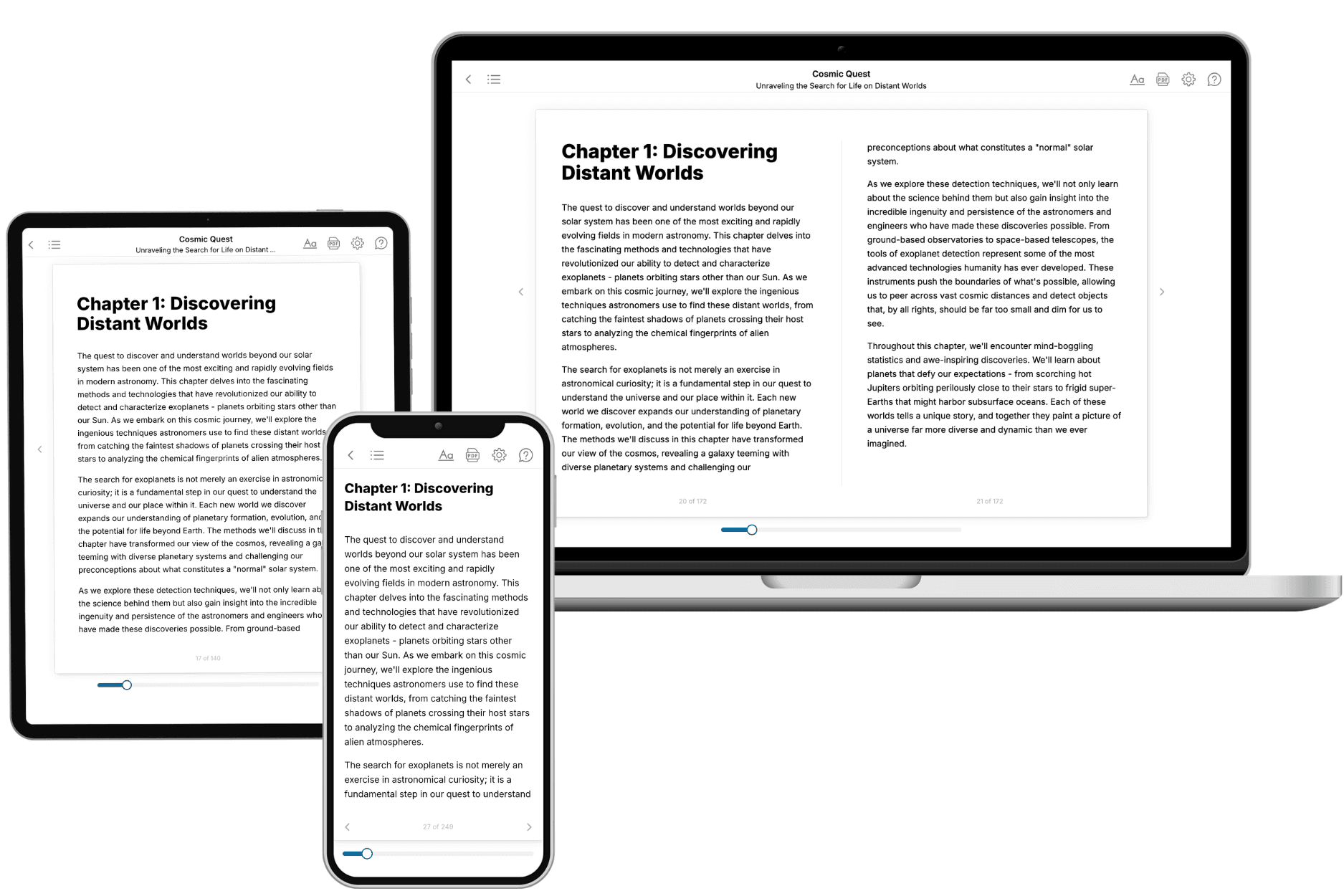
Your book is ready in 10 minutes. Read it online, download as EPUB or PDF, or send to Kindle.

Frequently asked questions
- What is TailoredRead?
TailoredRead creates complete, full-length nonfiction ebooks, written specifically for you. Tell us what you want to learn and why, and TailoredRead writes you a complete ebook on it, with charts, tables, and diagrams throughout. Read it online, on Kindle, or on any e-reader, or download it as a PDF or EPUB. Every book is written fresh the day you order it.
- How is the book tailored to me?
Before anything is written, you answer a few short questions about your goals, your background, and the topics you care about. Your book is then planned around your answers: written at your level, focused on your goals, and covering the topics you chose, instead of the one-size-fits-all book a store sells everyone.
- Will it read like generic AI content?
No. Your book isn't a chat transcript: it's planned chapter by chapter before a single word is written, told in a clear book voice, and explains ideas visually with charts, tables, and diagrams. After writing, every book goes through an editorial pass that polishes chapters so the book reads consistent from start to finish. Judge for yourself: browse thousands of sample books on our Explore Books page.
- How accurate is the content?
Our AI first checks whether your subject needs live research. Niche and fast-moving subjects are researched before writing, and the book plan and chapters are grounded in what it finds. After writing, every book goes through a quality pass that checks its facts and consistency, and researched books list their sources in a Notes section at the back.
- How long is the book?
You choose the length: Comprehensive (250-300 pages), Detailed (150-200 pages), Essential (70-100 pages), or Short (30-50 pages).
- Does the book include visuals?
Yes. Every book includes charts, tables, and diagrams: timelines, checklists, step-by-step guides, decision trees, comparison tables, matrices, and bar charts. A typical book includes dozens of these visual elements.
- Can I read it on Kindle? What formats can I download?
Yes. Every book can be read in our online reader or downloaded as a PDF or EPUB. The EPUB can be opened with Kindle, Apple Books, Kobo, and any e-reader. The Commercial and Author licenses also include an editable Word (DOCX) and Markdown download.
- How much does it cost?
About the price of a regular ebook. The exact price depends on your book's length and complexity, from $2 for the shortest books to $35 for the most comprehensive, and it's shown when you review your book, before you commit to anything. Each book is a one-time purchase, yours to keep, no subscription. Licenses that let you share, teach, or publish your book range from $35.99 to $49.99.
- Can I preview the book before purchasing?
Before you pay, you'll see what your book will cover: the title, a detailed description, the estimated length, and the complete chapter-by-chapter table of contents, so you know what you're getting before you decide. The full text itself is written after you purchase.
- How long does it take to create a book?
About 10 minutes. You can start reading the opening chapters while the rest is still being written.