The Art of Jamaican Curry Chicken
Master the Techniques, Flavors, and Cultural Heritage of Jamaica's Most Beloved Dish
You've tasted Jamaican curry chicken at restaurants and gatherings, captivated by its complex layers of spice, heat, and aromatic depth.
253 pages12 chaptersOct 22, 2025Jamaican Cooking
About this book
But when you try to recreate it at home, something falls short—the flavors seem flat, the chicken lacks tenderness, or the sauce doesn't achieve that perfect consistency. The problem isn't your cooking skills; it's understanding the nuanced techniques and cultural knowledge that transform simple ingredients into an extraordinary dish. This comprehensive guide takes you beyond basic recipes into the heart of Jamaican curry chicken mastery. You'll discover how to select and blend the right curry powders, master marination techniques that ensure tender and flavorful meat, and build layers of flavor through proper browning and simmering. Learn the cultural heritage behind this beloved dish, understand why certain ingredients are non-negotiable, and develop the intuition to adjust flavors confidently. Whether you're cooking for family dinners or entertaining guests, you'll gain the knowledge and techniques to create authentic, restaurant-quality Jamaican curry chicken that honors tradition while fitting your kitchen and lifestyle. With detailed explanations, practical tips, and cultural insights, you'll finally achieve the rich, aromatic results you've been seeking.
Table of contents
- IntroductionWhy Curry Chicken Holds a Special Place in Jamaican Cuisine, What You'll Learn in This Book, How to Use This Guide for Maximum SuccessRead below
- Chapter 1: The Cultural Roots of Jamaican Curry ChickenThe Indian Indentured Workers and Curry's Arrival, How Jamaica Made Curry Its Own, Regional Variations Across the Island, Curry Chicken in Contemporary Jamaican Culture
- Chapter 2: Essential Ingredients and Where to Find ThemUnderstanding Jamaican Curry Powder Versus Other Varieties, Fresh Aromatics: Scallions, Thyme, and Garlic, The Role of Scotch Bonnet Peppers, Where to Source Authentic Ingredients
- Chapter 3: Mastering Curry Powder Selection and CreationEvaluating Commercial Jamaican Curry Powder Brands, Creating Your Own Custom Curry Blend, Toasting and Blooming Techniques for Maximum Flavor
- Chapter 4: Selecting and Preparing the ChickenChoosing the Right Cuts for Curry Chicken, Traditional Jamaican Chicken Cleaning and Preparation, Portioning Techniques for Even Cooking
- Chapter 5: The Science and Art of MarinationHow Marination Transforms Chicken, Optimal Marination Time and Temperature, Dry Rubs Versus Wet Marinades, Techniques for Deep Flavor Penetration
- Chapter 6: Fundamental Cooking TechniquesThe Importance of Properly Browning the Chicken, Building the Aromatic Base, Managing Liquids and Achieving Perfect Consistency, Simmering Times and Temperature Control
- Chapter 7: Layering Flavors for Depth and ComplexityUnderstanding the Stages of Flavor Development, Balancing Heat, Sweetness, and Savory Notes, Finishing Touches That Elevate the Dish
- Chapter 8: Equipment and Tools for SuccessTraditional Jamaican Cooking Equipment, Modern Kitchen Alternatives and Adaptations, Using Pressure Cookers and Slow Cookers
- Chapter 9: The Master Recipe and VariationsThe Classic Jamaican Curry Chicken Recipe, Step-by-Step Execution Guide, Popular Variations and Adaptations, Modifications for Different Dietary Needs
- Chapter 10: Troubleshooting Common ProblemsSolving Flavor Problems: Too Bland, Too Spicy, or Bitter, Addressing Texture Issues: Dry, Tough, or Rubbery Chicken, Fixing Sauce Consistency Problems
- Chapter 11: Traditional Accompaniments and Side DishesPerfect Rice and Peas, Roti, Festival, and Other Bread Options, Complementary Vegetable Sides and Salads, Creating a Complete Jamaican Meal Experience
- Chapter 12: Scaling, Storage, and Meal PlanningBatch Cooking and Scaling Recipes, Proper Storage and Reheating Techniques, Incorporating Curry Chicken into Weekly Meal Planning
- ConclusionYour Path to Curry Chicken Mastery, Continuing Your Jamaican Cooking Exploration
- Glossary of Jamaican Cooking Terms
- Further Reading and Resources
Introduction
The aroma of Jamaican curry chicken is unmistakable. When it fills a kitchen, it carries with it the warmth of Caribbean sunshine, the complexity of centuries-old culinary traditions, and the promise of a meal that satisfies on every level. Perhaps you've experienced this dish at a Jamaican restaurant, at a friend's home, or during travels to the island itself. The rich, golden sauce clinging to tender chicken pieces, the perfect balance of heat and aromatic spices, the way each bite seems to reveal new layers of flavor—this is what draws people to curry chicken time and again. Yet when you attempt to recreate this magic in your own kitchen, the results often disappoint. The flavors fall flat, the chicken turns out dry or tough, or the sauce lacks that distinctive depth you remember. This frustration is common, but it doesn't reflect a lack of cooking ability.
The challenge with mastering Jamaican curry chicken lies not in following a recipe, but in understanding the why behind each step. This dish represents a unique fusion of culinary traditions—Indian spice techniques meeting African cooking methods on Caribbean soil. Each element serves a specific purpose in building the final flavor profile. The curry powder isn't just seasoning; it's the foundation that must be properly bloomed to release its full potential. The marination process isn't merely about adding flavor; it's a chemical transformation that tenderizes the meat and allows spices to penetrate deeply. The browning step isn't optional; it creates the complex, caramelized notes that distinguish exceptional curry chicken from mediocre versions. Without understanding these principles, you're left guessing, adjusting randomly, and hoping for the best.
This book exists to bridge that gap between following instructions and truly mastering the craft. You'll learn not just what to do, but why each technique matters and how to adjust when things don't go according to plan. You'll discover the cultural context that shaped this beloved dish, understand how to select and source authentic ingredients, and develop the intuition that separates confident cooks from those who nervously follow recipes word-for-word. Whether you're cooking for a weeknight family dinner or preparing a feast for guests, you'll gain the knowledge to create curry chicken that honors Jamaican culinary traditions while fitting seamlessly into your own kitchen and lifestyle. The journey from competent home cook to curry chicken master begins with understanding where this remarkable dish came from and why it matters so deeply to Jamaican culture.
Why Curry Chicken Holds a Special Place in Jamaican Cuisine
Jamaican curry chicken occupies a unique position in the island's culinary landscape—it's simultaneously everyday comfort food and celebration fare, humble enough for a Tuesday dinner yet special enough for Sunday gatherings. This dual nature reflects the dish's deep integration into Jamaican life across all social and economic levels. Unlike some national dishes that remain primarily restaurant fare or special occasion foods, curry chicken appears regularly on Jamaican tables, in lunch boxes, at street food stalls, and at formal events. This ubiquity speaks to its versatility, affordability, and universal appeal. The dish adapts to whatever the occasion demands: quick and simple for busy weeknights, or elaborate and refined when time permits more careful preparation.
The significance of curry chicken extends beyond mere popularity into the realm of cultural identity. When Jamaicans abroad crave a taste of home, curry chicken ranks among the first dishes they seek to recreate or find at Caribbean restaurants. The specific flavor profile—distinct from Indian, Thai, or other curry traditions—immediately signals Jamaican
to those familiar with the cuisine. This distinctiveness comes from the particular blend of spices used, the cooking techniques employed, and the supporting cast of ingredients like scallions, thyme, and Scotch bonnet peppers. These elements combine to create something that cannot be replicated by simply adding curry powder to chicken. The result is unmistakably Jamaican, carrying with it memories of family kitchens, community gatherings, and the island itself.
The dish also represents Jamaica's remarkable ability to absorb and transform external influences into something uniquely its own. Curry arrived with Indian indentured laborers in the 19th century, but Jamaicans didn't simply adopt Indian curry recipes. Instead, they adapted the concept to local ingredients, tastes, and cooking methods. African culinary techniques influenced the preparation methods, while Caribbean ingredients like Scotch bonnet peppers and local herbs transformed the flavor profile entirely. This cultural synthesis—taking something foreign and making it authentically Jamaican—mirrors the broader story of Jamaican culture itself. The result is a dish that honors its origins while standing completely on its own merits.
From a practical standpoint, curry chicken's enduring popularity stems from its forgiving nature and flexibility. The dish works with various chicken cuts, from economical leg quarters to premium breast meat. It scales easily from feeding two people to serving a crowd of twenty. Leftovers often taste even better the next day as flavors continue to meld and deepen. The dish pairs beautifully with numerous sides—rice and peas, white rice, roti, festival, boiled provisions, or simple steamed vegetables. This adaptability means curry chicken fits into diverse meal planning scenarios, dietary preferences, and budget constraints. It's equally at home as a quick weeknight meal or as the centerpiece of an elaborate Sunday dinner.
The communal aspect of curry chicken also contributes to its cultural significance. Preparing the dish often involves multiple family members—someone cleaning and cutting the chicken, another preparing the marinade, someone else handling the aromatics. The cooking process fills the home with enticing aromas that build anticipation and draw people to the kitchen. When served, curry chicken naturally encourages sharing and conversation as people pass dishes, compare preferences for heat levels, and debate the merits of different preparation methods. These social dimensions transform a simple meal into an experience that strengthens family bonds and community connections. Understanding this cultural context enriches your appreciation of the dish and informs your approach to mastering it.
For home cooks outside Jamaica, mastering curry chicken offers a gateway into broader Caribbean culinary traditions. The techniques you'll learn—proper spice blooming, building layered flavors, balancing heat and aromatics—apply to numerous other Jamaican dishes. The ingredients you'll source for curry chicken stock your pantry for exploring curried goat, stewed oxtail, jerk preparations, and countless other recipes. More importantly, you'll develop an intuitive understanding of how Jamaican flavors work together, enabling you to cook with confidence rather than rigid adherence to recipes. This foundational knowledge transforms you from someone who can follow a curry chicken recipe into someone who truly understands Jamaican cooking principles.
The emotional connection people develop with curry chicken shouldn't be underestimated. For many Jamaicans and those with Caribbean heritage, the dish carries powerful associations with childhood, family, and home. The smell of curry powder blooming in hot oil can instantly transport someone back to their grandmother's kitchen or a cherished family gathering. When you master this dish, you're not just learning to cook chicken with spices—you're learning to recreate experiences, preserve traditions, and share something meaningful with others. This emotional dimension elevates curry chicken from mere sustenance to something that nourishes the soul as well as the body. Approaching the dish with this understanding and respect will deepen your connection to the cooking process and improve your results.
What You'll Learn in This Book
This book takes a comprehensive approach to curry chicken mastery, beginning with cultural and historical context before progressing through ingredient selection, technique development, and practical application. You'll start by exploring the fascinating history of how curry arrived in Jamaica and evolved into the distinctive dish you know today. This historical foundation isn't merely academic—understanding the cultural roots helps you appreciate why certain ingredients and techniques are non-negotiable while others offer flexibility. You'll learn about the Indian indentured workers who brought curry traditions to the Caribbean, how African cooking methods influenced preparation techniques, and how Jamaican ingredients transformed the dish into something entirely new. This context informs every subsequent chapter and deepens your connection to the cooking process.
The ingredient chapters provide detailed guidance on selecting, sourcing, and preparing every component that goes into exceptional curry chicken. You'll learn to evaluate commercial curry powder brands, understanding what distinguishes Jamaican curry powder from Indian or other varieties. The book explains how to create custom curry blends tailored to your taste preferences, including which spices to include, in what proportions, and how to toast and grind them for maximum flavor. You'll discover the critical role of fresh aromatics—scallions, thyme, garlic, and ginger—and how to prepare them for optimal flavor release. The section on Scotch bonnet peppers explains not just their heat level but their distinctive fruity flavor notes and how to use them safely while achieving the right balance of heat.
Technique chapters form the heart of the book, breaking down each stage of curry chicken preparation into understandable, actionable steps. You'll learn proper chicken selection and preparation, including traditional Jamaican cleaning methods and how to portion chicken for even cooking. The marination chapter explains the science behind how spices and acids transform chicken texture and flavor, with specific guidance on timing, temperature, and technique. You'll master the crucial browning step that develops deep, complex flavors through the Maillard reaction. The book covers building aromatic bases, managing cooking liquids, controlling temperature during simmering, and achieving the perfect sauce consistency. Each technique is explained with both the how and the why, enabling you to adapt confidently when circumstances require adjustments.
The master recipe chapter brings everything together in a detailed, step-by-step guide to creating classic Jamaican curry chicken. Rather than simply listing ingredients and instructions, this chapter walks you through the entire process with explanations at each stage. You'll understand what to look for as the dish cooks—visual cues, aromatic changes, texture transformations—that indicate proper progression. The chapter includes timing guidance, temperature recommendations, and checkpoints to ensure you're on track. Beyond the classic recipe, you'll find variations that accommodate different preferences, dietary needs, and available ingredients. These variations aren't random substitutions but thoughtful adaptations that maintain the dish's essential character while offering flexibility.
Practical chapters address the real-world challenges of incorporating curry chicken into your regular cooking routine. The troubleshooting section helps you diagnose and fix common problems:
- Flavor issues: Solutions for curry chicken that's too bland, too spicy, bitter, or lacking depth
- Texture problems: Fixes for dry, tough, rubbery, or unevenly cooked chicken
- Sauce consistency: Techniques for thickening thin sauces or thinning overly thick ones
- Timing challenges: Adjustments when you need to speed up or slow down cooking
The accompaniments chapter ensures you can create complete, authentic Jamaican meals around your curry chicken. You'll learn to prepare perfect rice and peas with the right texture and flavor balance. The book covers traditional bread options like roti and festival, explaining their role in the meal and how to make or source them. You'll discover complementary vegetable sides and salads that balance the richness of curry chicken while adding nutritional variety and visual appeal. This chapter helps you think beyond the main dish to create cohesive meals that honor Jamaican culinary traditions while satisfying modern nutritional awareness and diverse palates.
The final practical chapters address scaling, storage, and meal planning—essential skills for busy home cooks. You'll learn how to scale recipes up for entertaining or down for smaller households while maintaining proper flavor balance and cooking times. The storage section covers proper cooling, refrigeration, and freezing techniques that preserve quality and food safety. You'll discover the best methods for reheating curry chicken so it tastes freshly made rather than like leftovers. The meal planning guidance helps you incorporate curry chicken into weekly routines efficiently, including make-ahead strategies, component preparation, and time-saving techniques that don't compromise quality. These practical skills ensure that mastering curry chicken enhances rather than complicates your cooking life.
Throughout the book, you'll find specific examples, case studies, and scenarios that illustrate concepts concretely. Rather than vague advice to cook until done,
you'll get precise descriptions of what properly browned chicken looks like, how the sauce should coat a spoon when it reaches the right consistency, and what aromatic changes signal that spices have bloomed sufficiently. The book includes frameworks and checklists you can reference while cooking, troubleshooting guides for when things go wrong, and comparison charts that help you make informed decisions about ingredients and techniques. This practical, example-rich approach ensures you can apply the knowledge immediately and build skills progressively with each cooking session.
How to Use This Guide for Maximum Success
This book is designed to be both a comprehensive learning resource and a practical kitchen reference, but how you use it depends on your current skill level, available time, and learning preferences. If you're new to Jamaican cooking or curry chicken specifically, the most effective approach is to read through the entire book once before attempting to cook. This initial read-through builds a mental framework of how all the elements fit together—the cultural context, ingredient relationships, technique sequences, and flavor development stages. You'll understand why certain steps matter and how they connect to subsequent stages. This foundational knowledge prevents the common mistake of focusing narrowly on recipe steps without grasping the underlying principles. After this overview, return to the master recipe chapter and cook through it completely, referencing technique chapters as needed for detailed guidance on specific steps.
For experienced cooks familiar with Jamaican cuisine who want to refine their curry chicken specifically, a more targeted approach works well. Start with the curry powder and marination chapters, as these often represent the biggest opportunity for improvement even among skilled cooks. Many experienced cooks underestimate the importance of proper spice blooming or cut marination time short, significantly impacting final results. Next, focus on the flavor layering and technique chapters to identify any gaps in your current approach. You might discover that you've been skipping the browning step or not building your aromatic base properly. Finally, review the troubleshooting chapter to diagnose any recurring issues you've experienced. This focused approach allows you to enhance your existing skills without covering ground you've already mastered.
The book's structure supports multiple usage patterns beyond linear reading. Each chapter stands alone sufficiently that you can reference specific topics as questions arise. Keep the book accessible in your kitchen so you can quickly consult it when you need guidance on a particular technique or encounter a problem. The troubleshooting chapter is specifically designed for mid-cooking consultation when something isn't progressing as expected. The ingredient chapters serve as ongoing references when shopping or evaluating new products. The accompaniments chapter helps with meal planning when you want to create complete Jamaican dinners. This reference-style usage becomes increasingly valuable as you cook curry chicken repeatedly and encounter different scenarios, ingredients, or challenges.
To maximize learning and skill development, approach curry chicken mastery as a progressive journey rather than a single achievement. Your first attempt should focus on executing the basic recipe competently—proper marination, adequate browning, correct simmering time, and appropriate seasoning. Don't worry about perfection; concentrate on completing each major stage successfully. For your second attempt, focus on one specific area for improvement based on your first experience. Perhaps you'll work on achieving better browning, or you'll pay closer attention to sauce consistency, or you'll experiment with heat levels. This focused improvement approach builds skills systematically without overwhelming you with too many variables at once. By your fifth or sixth attempt, you'll have developed the intuition and confidence to adjust on the fly and adapt to different circumstances.
Create a personal learning system to accelerate your progress and build lasting skills. Consider these practical strategies:
- Keep cooking notes: Record what you did, what worked, what didn't, and what you'll change next time
- Take photos: Visual documentation of browning levels, sauce consistency, and final presentation helps you recognize proper stages
- Mark up the book: Highlight passages that resonate, add margin notes about your experiences, flag pages you reference frequently
- Track ingredient sources: Note where you found quality curry powder, Scotch bonnets, or other key ingredients
- Collect feedback: Ask family or friends to describe what they taste, helping you calibrate your palate and identify areas for refinement
The book includes various learning aids designed to support different learning styles and practical needs. Blockquotes highlight important principles, examples, or cautionary notes that deserve special attention. Lists break down complex processes into manageable steps or organize related information for easy scanning. Code-style formatting identifies specific measurements, temperatures, or technical terms that require precision. Footnotes provide sources for research-based claims or direct you to additional resources for deeper exploration. Use these formatting elements as navigation aids—when you're looking for a specific piece of information, scan for lists or highlighted text rather than reading every paragraph. This efficient navigation becomes especially valuable when you're consulting the book while actively cooking.
Consider your kitchen setup and ingredient access when planning your curry chicken journey. If you lack access to Jamaican curry powder or Scotch bonnet peppers, read the ingredient chapters carefully to understand substitution options and their impact on final flavor. If your kitchen equipment differs from traditional Jamaican cookware, review the equipment chapter to understand how to adapt techniques to your available tools. If you're cooking at high altitude or in a particularly humid or dry climate, you may need to adjust cooking times or liquid quantities—the technique chapters explain the principles behind timing and liquid management so you can make informed adjustments. Understanding these contextual factors before you start cooking prevents frustration and sets realistic expectations.
Finally, approach this book with patience and realistic expectations. Mastering curry chicken is a journey, not a destination. Your first attempt probably won't match the best curry chicken you've ever tasted—and that's perfectly normal. Each cooking session builds skills, refines your palate, and deepens your understanding. Some techniques, like achieving perfect browning or balancing spice levels, require practice to master. Some ingredients, like Scotch bonnet peppers, take time to learn to handle confidently. Some flavor nuances only become apparent after you've cooked the dish multiple times and developed reference points for comparison. Embrace this learning process rather than expecting immediate perfection. The satisfaction of progressively improving your curry chicken and eventually achieving restaurant-quality results at home makes the journey worthwhile. This book provides the knowledge and guidance; your practice and persistence provide the mastery.
This is the end of the free sample. The full book has 12 chapters.
Want this book written for you?
Tell us your goals and background, and get your own version of this book, tailored by AI to you.


Benefits of AI-tailored books
- Read one book, not ten:
- all the Jamaican Cooking knowledge you need, gathered into a single book.
- Save days of learning:
- tell us your goals, choose your topics, and the whole book is built around them.
- Learn effortlessly:
- Jamaican Cooking book written for your specific background and expertise.
- Understand at a glance:
- includes charts, tables, timelines, checklists, decision trees, and more.
- Stay current:
- written the day you order it, not years ago.
- Trust what you read:
- every book is checked for accuracy, with real research when your subject needs it.
Create your unique book in 3 steps
- 1. Select your focus
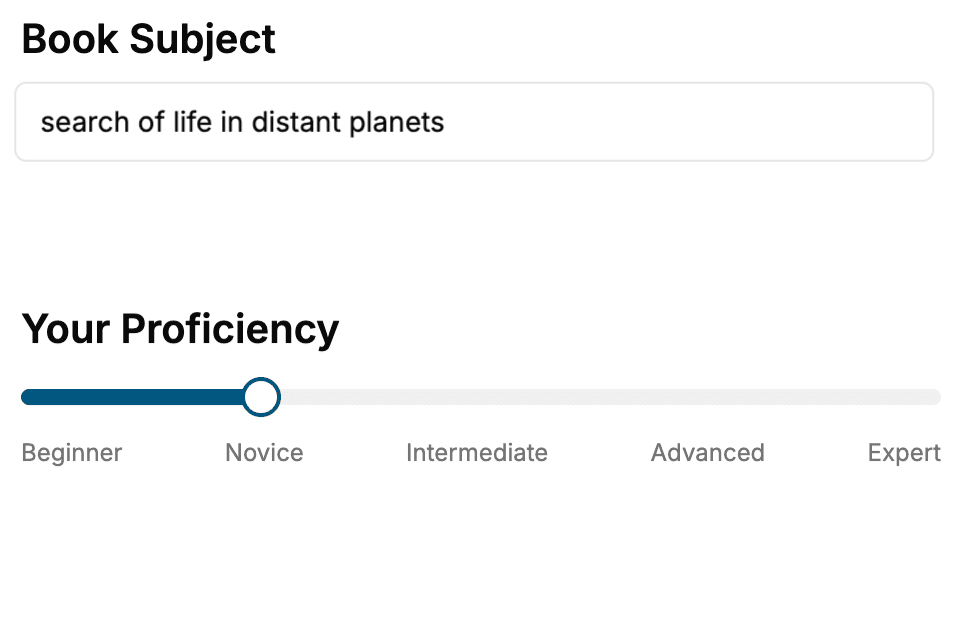
Select the focus of your Jamaican Cooking book and share your background
- 2. Personalize your book
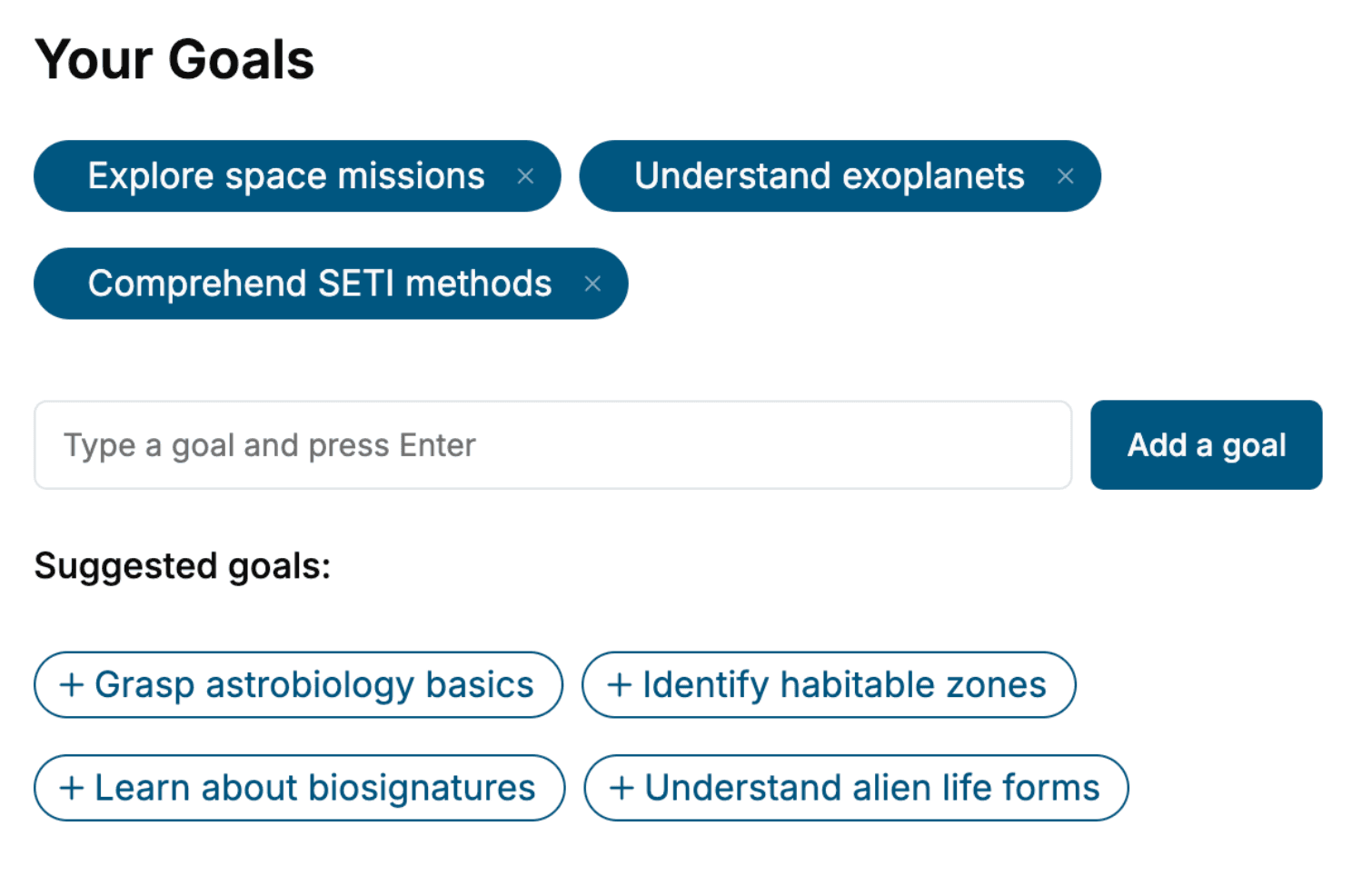
Specify your goals and choose sub-topics to include
- 3. Get your tailored book
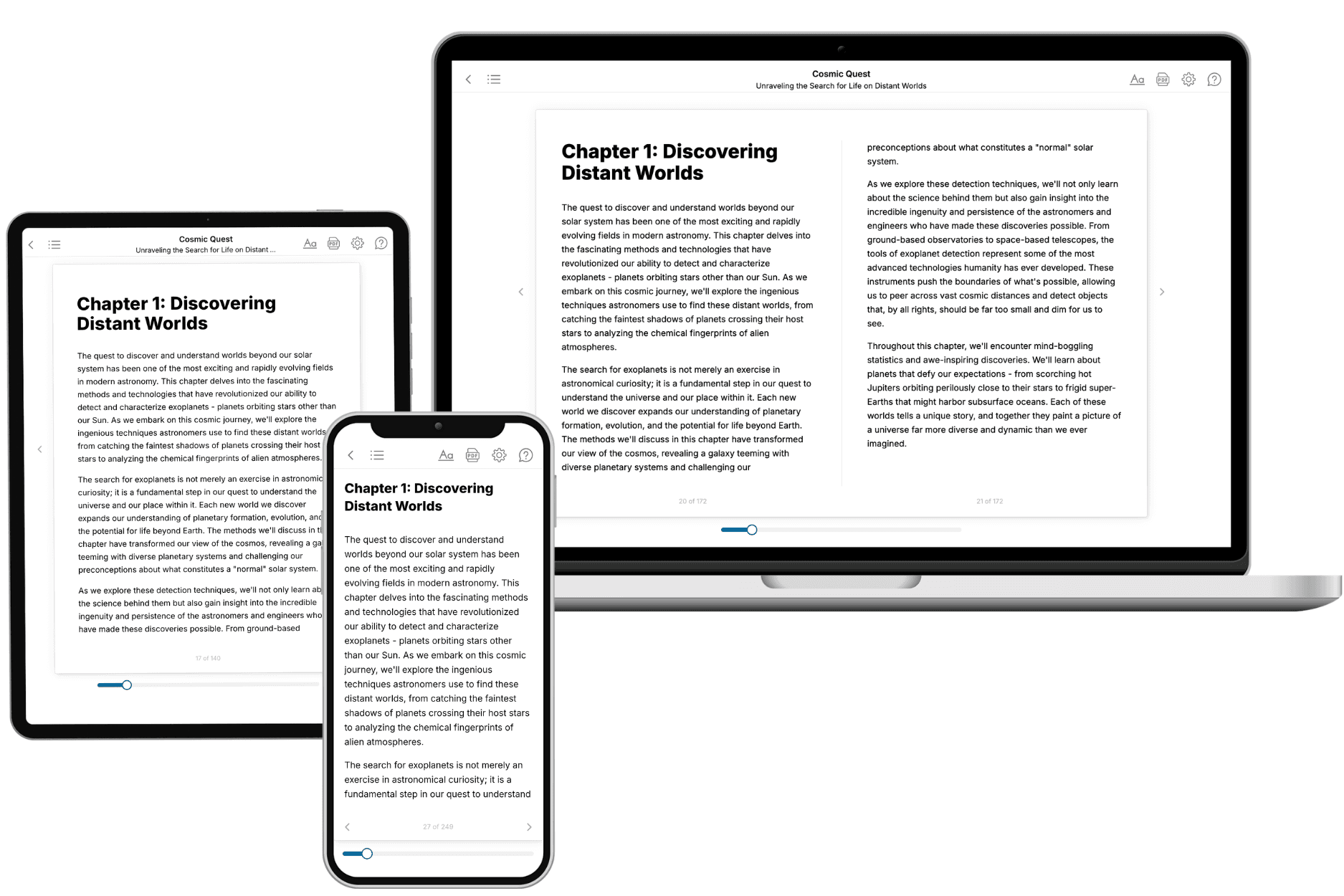
Your book is ready in 10 minutes. Read it online, download as EPUB or PDF, or send to Kindle.
Frequently asked questions
- What is TailoredRead?
TailoredRead creates complete, full-length nonfiction ebooks, written specifically for you. Tell us what you want to learn and why, and TailoredRead writes you a complete ebook on it, with charts, tables, and diagrams throughout. Read it online, on Kindle, or on any e-reader, or download it as a PDF or EPUB. Every book is written fresh the day you order it.
- How is the book tailored to me?
Before anything is written, you answer a few short questions about your goals, your background, and the topics you care about. Your book is then planned around your answers: written at your level, focused on your goals, and covering the topics you chose, instead of the one-size-fits-all book a store sells everyone.
- Will it read like generic AI content?
No. Your book isn't a chat transcript: it's planned chapter by chapter before a single word is written, told in a clear book voice, and explains ideas visually with charts, tables, and diagrams. After writing, every book goes through an editorial pass that polishes chapters so the book reads consistent from start to finish. Judge for yourself: browse thousands of sample books on our Explore Books page.
- How accurate is the content?
Our AI first checks whether your subject needs live research. Niche and fast-moving subjects are researched before writing, and the book plan and chapters are grounded in what it finds. After writing, every book goes through a quality pass that checks its facts and consistency, and researched books list their sources in a Notes section at the back.
- How long is the book?
You choose the length: Comprehensive (250-300 pages), Detailed (150-200 pages), Essential (70-100 pages), or Short (30-50 pages).
- Does the book include visuals?
Yes. Every book includes visual elements such as timelines, checklists, step-by-step guides, decision trees, comparison tables, and matrices, and many include bar charts. A typical book includes dozens of these visual elements.
- Can I read it on Kindle? What formats can I download?
Yes. Every book can be read in our online reader or downloaded as a PDF or EPUB. The EPUB can be opened with Kindle, Apple Books, Kobo, and any e-reader. The Commercial and Author licenses also include an editable Word (DOCX) and Markdown download.
- How much does it cost?
About the price of a regular ebook. The exact price depends on your book's length and complexity, from $2 for the shortest books to $35 for the most comprehensive, and it's shown when you review your book, before you commit to anything. Each book is a one-time purchase, yours to keep, no subscription. Licenses that let you share, teach, or publish your book range from $35.99 to $49.99.
- Can I preview the book before purchasing?
Before you pay, you'll see what your book will cover: the title, a detailed description, the estimated length, and the complete chapter-by-chapter table of contents, so you know what you're getting before you decide. The full text itself is written after you purchase.
- How long does it take to create a book?
About 10 minutes. You can start reading the opening chapters while the rest is still being written.