The Art of Political Communication
Master the Strategies That Shape Public Opinion and Political Outcomes
Want to understand how political messages actually work and why some campaigns succeed while others fail?
222 pages10 chaptersJun 14, 2026Politics
About this book
This book reveals the strategic principles behind effective political communication—from candidate positioning and message development to media strategy and digital engagement. You'll discover how successful politicians craft narratives that resonate with voters, how media channels shape political perception, and how to critically evaluate the political messages you encounter daily. Whether you're interested in campaigns, policy advocacy, or simply becoming a more informed citizen, this guide provides practical insights into the communication strategies that drive political outcomes. Learn the frameworks professionals use, understand the psychology behind persuasion, and develop the critical thinking skills to navigate today's complex political landscape.
Table of contents
- IntroductionWhy Political Communication Matters, What You'll Learn in This Book, How to Use This GuideRead below
- Chapter 1: Foundations of Political CommunicationDefining Political Communication, How Political Communication Has Evolved, Key Players and Stakeholders
- Chapter 2: Understanding Your AudienceVoter Psychology and Decision-Making, Demographic and Psychographic Segmentation, Values, Beliefs, and What Persuades People, How Different Audiences Consume Information
- Chapter 3: Crafting Effective Political MessagesMessage Development Strategy, Framing and Narrative Construction, Positioning and Differentiation, Testing and Refining Your Messages
- Chapter 4: Media Strategy and ChannelsTraditional Media: Television, Radio, and Print, Earned Media and News Coverage Strategy, Paid Media and Political Advertising, Integrated Media Planning and Execution
- Chapter 5: Digital and Social Media CommunicationUnderstanding Major Social Media Platforms, Digital Campaign Strategy and Tactics, Influencers and Grassroots Mobilization, Data Analytics and Audience Targeting
- Chapter 6: Candidate and Leader CommunicationPersonal Branding and Image Management, Public Speaking and Debate Strategy, Crisis Communication and Damage Control
- Chapter 7: Campaign Communication StrategyCampaign Planning and Timeline, Opposition Research and Counter-Messaging, Voter Contact and Mobilization, Get Out the Vote Strategies
- Chapter 8: Persuasion and Influence TechniquesCore Principles of Persuasion, Emotional and Rational Appeals, Building Credibility and Trust, Cognitive Biases and Decision Shortcuts
- Chapter 9: Ethics and Responsibility in Political CommunicationEthical Frameworks and Standards, Misinformation, Disinformation, and Fact-Checking, Legal and Regulatory Landscape, Responsible Communication Practices
- Chapter 10: Evaluating and Analyzing Political MessagesCritical Thinking Framework for Political Claims, Identifying Bias and Manipulation Tactics, Media Literacy and Source Evaluation, Analyzing Campaign Messaging and Strategy
- ConclusionKey Takeaways, The Future of Political Communication, Your Role in Democratic Discourse
- Glossary of Terms
- Further Reading and Resources
Introduction
Every political speech you've ever heard, every campaign slogan that stuck in your head, every news headline that made you feel something strong — none of that happened by accident. Behind each of those moments was a deliberate set of choices about words, timing, tone, and audience. Political communication is one of the most powerful forces shaping modern society, and yet most people encounter it every day without fully understanding how it works. That gap between exposure and understanding is exactly what this book is designed to close.
Think about the 2008 U.S. presidential campaign. Barack Obama's team didn't just run on policy positions. They built a communication strategy around a single, resonant word: hope. That word was paired with a visual identity, a grassroots digital organizing model, and a consistent narrative about change. The result wasn't just a winning campaign — it was a masterclass in how political messaging, when executed with discipline and clarity, can move millions of people to act. Understanding why that worked is far more valuable than simply admiring that it did.
This book approaches political communication as a strategic discipline. It has identifiable principles, tested frameworks, and real-world techniques that professionals use every day in campaigns, policy advocacy, government communications, and public affairs. Whether you're studying political science, working in communications, or simply trying to make sense of the political messages flooding your social media feed, the frameworks in these pages will give you a clearer lens for understanding what's really happening when politicians and campaigns speak to the public.
One important note before diving in: understanding how political communication works is not the same as endorsing any particular political position or party. This book is deliberately nonpartisan. Examples are drawn from across the political spectrum, from different countries and different eras, because the underlying principles of communication apply regardless of ideology. The goal is analytical clarity, not political persuasion. By the end, you should be better equipped to evaluate political messages on your own terms, with sharper critical thinking and a deeper appreciation for the craft involved.
Why Political Communication Matters
Political communication isn't just something that happens during election season. It's a constant, ongoing process that shapes how governments make decisions, how citizens form opinions, and how societies define their shared values. Every press conference, policy announcement, protest sign, and campaign advertisement is part of a larger conversation about power, priorities, and the kind of world we want to live in. Understanding that conversation gives you a meaningful advantage as a citizen, a professional, or a student of public life.
The stakes are genuinely high. Research consistently shows that how a policy is communicated can matter as much as the policy itself. A 2012 study published in the American Journal of Political Science found that framing the same healthcare policy in different ways produced dramatically different levels of public support, even when the underlying policy details were identical.[1] The words chosen to describe a policy aren't just packaging — they actively shape how people think about the issue itself. That's a remarkable amount of power concentrated in the act of communication.
Consider two ways of describing the same government program. Calling it a death tax
versus an estate tax
produces measurably different public reactions, even though both phrases refer to the same policy.[2] The first phrase triggers emotional associations with loss and unfairness. The second sounds bureaucratic and neutral. This isn't a trivial difference. It's the difference between a policy that generates public outrage and one that passes without much controversy. Political communicators understand this dynamic deeply, and they use it deliberately.
Beyond elections and policy debates, political communication shapes the broader information environment that citizens navigate every day. The rise of social media has accelerated the speed at which political messages travel, while also fragmenting audiences into smaller, more ideologically homogeneous groups. This creates both opportunities and risks. Messages can reach targeted audiences with unprecedented precision, but misinformation can spread just as quickly as accurate information. Understanding how this ecosystem works is essential for anyone trying to participate meaningfully in democratic life.
Political communication also matters because it's deeply connected to trust. When citizens trust their political leaders and institutions, democratic systems function more effectively. When that trust erodes, political dysfunction tends to follow. The way politicians communicate — whether they're transparent, consistent, and honest, or evasive, contradictory, and misleading — has a direct impact on institutional trust over time. This is why credibility and authenticity aren't just nice-to-have qualities in political communication. They're foundational to the health of democratic governance.
Finally, political communication matters because it's something you can learn to do better. Whether you're advocating for a cause, running for local office, working in public affairs, or simply trying to have more productive conversations about politics with people who disagree with you, the principles in this book are directly applicable. Communication is a skill, and like any skill, it improves with understanding and practice. The more clearly you understand how political messages are constructed and why they work, the more effectively you can both craft and critically evaluate them.
Political language is designed to make lies sound truthful and murder respectable, and to give an appearance of solidity to pure wind. — George Orwell, Politics and the English Language (1946)
Orwell's warning, written nearly eighty years ago, remains strikingly relevant. But the answer to manipulative political language isn't cynicism or disengagement. It's a deeper understanding of how communication works, so you can tell the difference between genuine persuasion and empty rhetoric. That's precisely what this book is designed to help you develop.
What You'll Learn in This Book
This book is organized to take you from foundational concepts to advanced strategies, building your understanding layer by layer. Each chapter focuses on a distinct dimension of political communication, from the psychology of voters to the mechanics of digital campaigns. Together, they form a comprehensive picture of how political messaging actually works in practice, not just in theory.
Here's a brief overview of what each part of the book covers:
- Foundations of Political Communication (Chapter 1): Defines the field, traces its historical evolution from ancient rhetoric to modern media, and introduces the key players involved in shaping political messages.
- Understanding Your Audience (Chapter 2): Explores voter psychology, demographic and psychographic segmentation, and the values and beliefs that drive political persuasion.
- Crafting Effective Political Messages (Chapter 3): Covers message development strategy, framing, narrative construction, and how to test and refine messages for maximum impact.
- Media Strategy and Channels (Chapter 4): Examines traditional media, earned media, paid advertising, and how to build an integrated media plan.
- Digital and Social Media Communication (Chapter 5): Analyzes major social platforms, digital campaign tactics, influencer dynamics, and data-driven audience targeting.
- Candidate and Leader Communication (Chapter 6): Focuses on personal branding, public speaking, debate strategy, and crisis communication.
- Campaign Communication Strategy (Chapter 7): Walks through campaign planning, opposition research, voter contact, and get-out-the-vote strategies.
- Persuasion and Influence Techniques (Chapter 8): Examines the core principles of persuasion, emotional and rational appeals, trust-building, and cognitive biases.
- Ethics and Responsibility (Chapter 9): Addresses ethical frameworks, misinformation, legal regulations, and responsible communication practices.
- Evaluating and Analyzing Political Messages (Chapter 10): Provides a critical thinking framework for assessing political claims, identifying bias, and developing media literacy skills.
One of the central themes running through every chapter is the relationship between strategy and authenticity. There's a common misconception that political communication is fundamentally about spin and manipulation — that it's all about making things look better than they are. The reality is more nuanced. The most effective political communicators succeed not by deceiving their audiences, but by genuinely understanding them and speaking to their real concerns in clear, compelling ways. Manipulation tends to backfire over time, while authentic communication builds the kind of durable trust that sustains political careers and movements.
Another recurring theme is the importance of context. A message that works brilliantly in one media environment may fall completely flat in another. A framing that resonates with one demographic group may alienate another. Political communication is never one-size-fits-all, and the chapters ahead will give you the tools to think contextually about how, where, and to whom messages are delivered. This contextual thinking is one of the most valuable skills you can develop as a student of political communication.
You'll also develop a stronger ability to evaluate political messages critically. Each chapter includes analysis of real-world examples, drawn from campaigns and political events across different countries and political traditions. These examples aren't presented to endorse any particular political position. They're used to illustrate how specific communication techniques work in practice, so you can recognize them when you encounter them in the wild. By the end of the book, you should be able to watch a political speech or read a campaign advertisement and quickly identify the strategic choices being made, the audience being targeted, and the psychological levers being pulled.
The book also pays serious attention to the digital transformation of political communication. Social media, data analytics, micro-targeting, and viral content have fundamentally changed how campaigns operate and how citizens engage with politics. These aren't just new tools layered on top of old strategies. They represent a genuine shift in the logic of political communication, with new opportunities and new risks. Chapter 5 goes deep on this transformation, but digital dynamics appear throughout the book because they now touch every aspect of political messaging.
Finally, the book addresses ethics directly and seriously. Political communication operates within ethical and legal boundaries that matter enormously for democratic health. Chapter 9 examines these boundaries in detail, covering everything from campaign finance regulations to the challenge of misinformation. But ethical considerations aren't confined to a single chapter. Questions about honesty, fairness, and responsibility appear throughout the book, because they're inseparable from any serious discussion of how political communication should work in a democratic society.
How to Use This Guide
This book is designed to be useful in multiple ways, depending on your background and goals. If you're new to the study of political communication, reading the chapters in order will give you the most coherent learning experience. Each chapter builds on concepts introduced earlier, so the sequential approach helps you develop a layered understanding of the field. If you already have some background in politics or communications, you may find it more useful to jump directly to the chapters most relevant to your current interests or work.
For students taking courses in political science, communications, or public affairs, this book works well as a primary or supplementary text. Each chapter is structured to support both independent reading and classroom discussion. The real-world examples throughout the book are designed to spark analytical thinking, and the frameworks introduced in each chapter can serve as starting points for research papers, case studies, or practical projects. The glossary at the back of the book provides quick reference definitions for key terms introduced throughout the text.
For professionals working in campaigns, public affairs, advocacy, or government communications, the most immediately practical chapters are likely 3 (message development), 5 (digital strategy), 7 (campaign communication), and 10 (evaluating political messages). These chapters are dense with frameworks and techniques that translate directly into professional practice. That said, the foundational chapters on audience psychology and persuasion principles are worth reading carefully, because they explain why the practical techniques work, not just how to execute them.
For civic-minded citizens who want to become more informed and critical consumers of political communication, the most valuable chapters are probably 2 (understanding audiences), 8 (persuasion techniques), 9 (ethics and responsibility), and 10 (evaluating political messages). These chapters will give you a much sharper eye for the strategies being used when politicians and campaigns communicate with you. They'll help you ask better questions, spot manipulation more quickly, and form more independent judgments about the political messages you encounter every day.
Throughout the book, you'll find several recurring features designed to make the content more concrete and actionable:
- Real-world examples: Specific campaigns, speeches, and political events are analyzed to illustrate how concepts work in practice.
- Frameworks and models: Structured approaches to message development, audience analysis, and strategic planning that you can apply directly.
- Key terms: Important concepts are introduced in bold and defined clearly when they first appear, with full definitions available in the glossary.
- Critical questions: Each chapter raises questions designed to push your thinking beyond the surface level of political communication.
- Footnotes and citations: Research findings and source materials are cited throughout, so you can dig deeper into any topic that interests you.
A word about the examples used in this book. Political communication examples are drawn from real campaigns, real politicians, and real political events. In every case, the goal is analytical, not partisan. When a campaign strategy is described as effective, that's a judgment about its communication mechanics, not an endorsement of the candidate or party involved. When a communication approach is described as problematic, that's a judgment about its ethical or strategic dimensions, not a political attack. Maintaining that analytical distance is essential for learning from examples across the political spectrum.
It's also worth noting what this book is not. It's not a campaign management manual, a political science textbook in the traditional academic sense, or a guide to winning elections. It's a guide to understanding political communication as a discipline — the principles, strategies, and dynamics that shape how political messages are crafted, delivered, and received. That understanding is valuable whether you're inside a campaign or watching one from the outside, whether you're a practitioner or a citizen trying to make sense of a complex political landscape.
The most important thing you can bring to this book is genuine curiosity. Political communication is a rich, complex field that sits at the intersection of psychology, media studies, rhetoric, political science, and ethics. The more questions you ask as you read, the more you'll get out of it. Why did that campaign choose that particular framing? What audience was that advertisement designed to reach? What psychological principle is that speech technique exploiting? Asking those questions consistently, and using the frameworks in this book to answer them, is how you develop real expertise in understanding political communication.
By the time you finish this book, the political messages you encounter every day should look fundamentally different to you. Not because the messages will have changed, but because you'll have developed the analytical tools to see them clearly. You'll understand the strategic choices behind them, the psychological principles they're built on, and the ethical standards they should be held to. That kind of informed, critical engagement with political communication is exactly what healthy democratic participation looks like, and it's the most important outcome this book is designed to produce.
This is the end of the free sample. The full book has 10 chapters.
Want this book written for you?
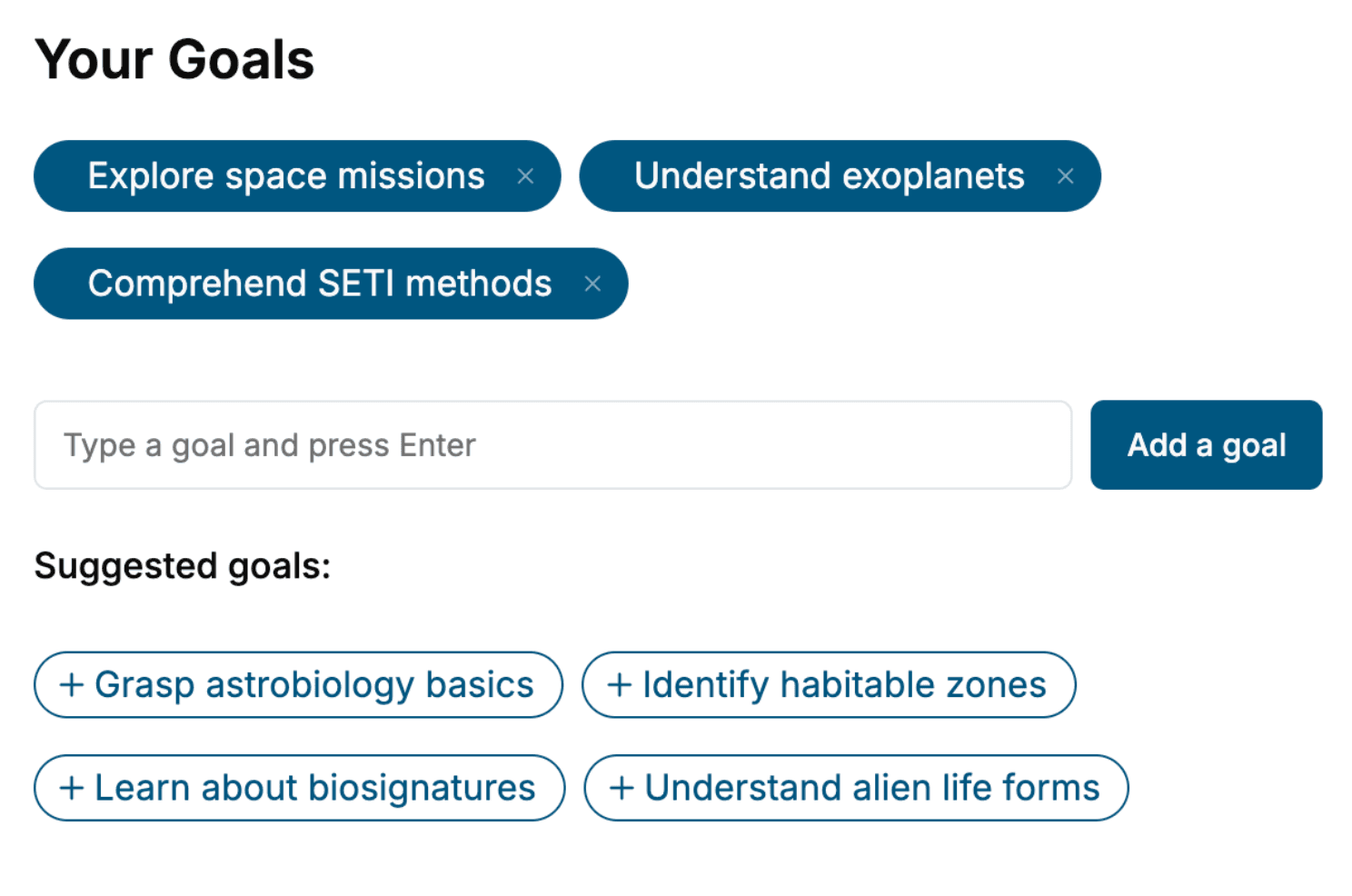
Tell us your goals and background, and get your own version of this book, tailored by AI to you.


Benefits of AI-tailored books
- Read one book, not ten:
- all the Politics knowledge you need, gathered into a single book.
- Save days of learning:
- tell us your goals, choose your topics, and the whole book is built around them.
- Learn effortlessly:
- Politics book written for your specific background and expertise.
- Understand at a glance:
- includes charts, tables, timelines, checklists, decision trees, and more.
- Stay current:
- written the day you order it, not years ago.
- Trust what you read:
- every book is checked for accuracy, with real research when your subject needs it.
Create your unique book in 3 steps
- 1. Select your focus
Select the focus of your Politics book and share your background
- 2. Personalize your book
Specify your goals and choose sub-topics to include
- 3. Get your tailored book
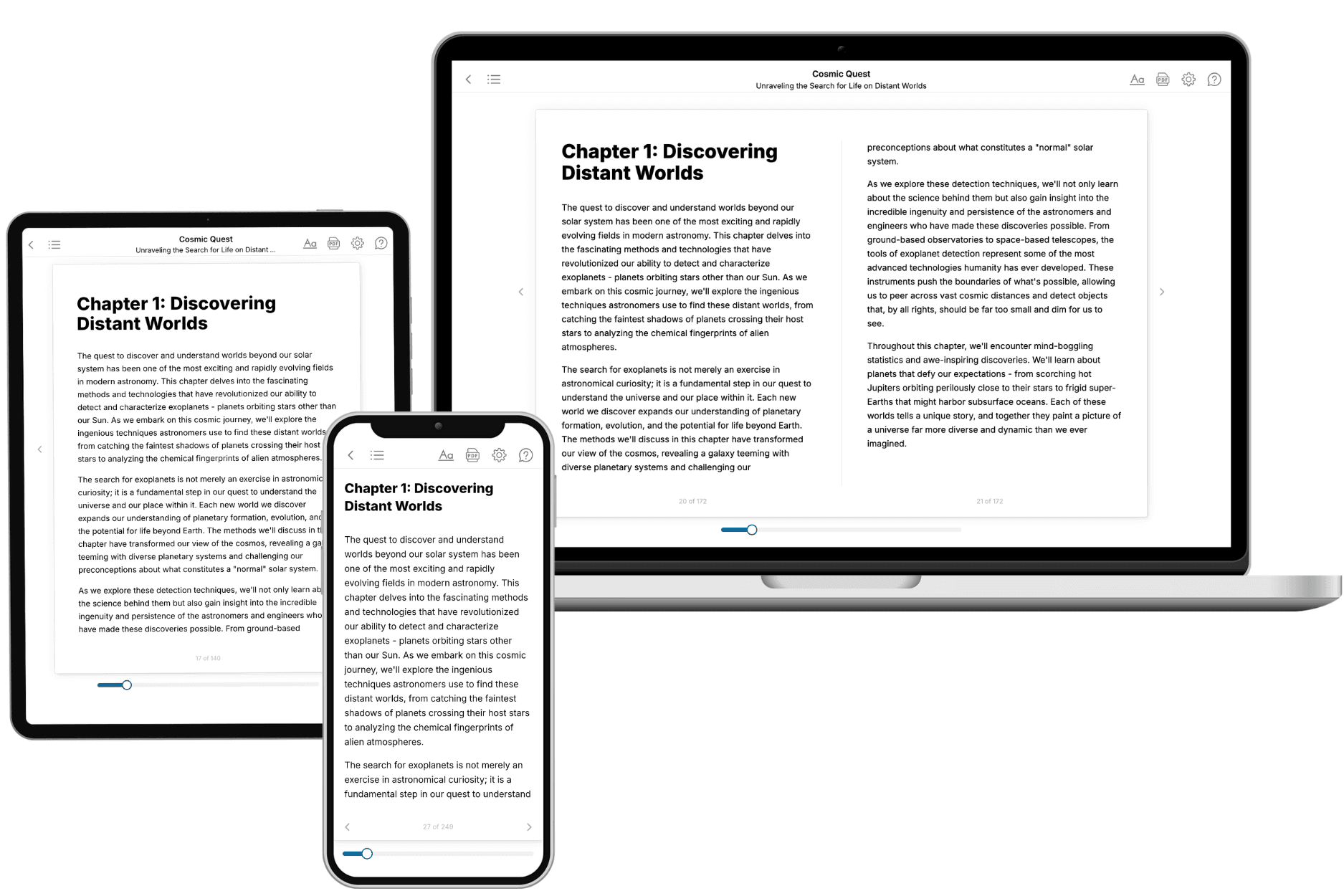
Your book is ready in 10 minutes. Read it online, download as EPUB or PDF, or send to Kindle.

Frequently asked questions
- What is TailoredRead?
TailoredRead creates complete, full-length nonfiction ebooks, written specifically for you. Tell us what you want to learn and why, and TailoredRead writes you a complete ebook on it, with charts, tables, and diagrams throughout. Read it online, on Kindle, or on any e-reader, or download it as a PDF or EPUB. Every book is written fresh the day you order it.
- How is the book tailored to me?
Before anything is written, you answer a few short questions about your goals, your background, and the topics you care about. Your book is then planned around your answers: written at your level, focused on your goals, and covering the topics you chose, instead of the one-size-fits-all book a store sells everyone.
- Will it read like generic AI content?
No. Your book isn't a chat transcript: it's planned chapter by chapter before a single word is written, told in a clear book voice, and explains ideas visually with charts, tables, and diagrams. After writing, every book goes through an editorial pass that polishes chapters so the book reads consistent from start to finish. Judge for yourself: browse thousands of sample books on our Explore Books page.
- How accurate is the content?
Our AI first checks whether your subject needs live research. Niche and fast-moving subjects are researched before writing, and the book plan and chapters are grounded in what it finds. After writing, every book goes through a quality pass that checks its facts and consistency, and researched books list their sources in a Notes section at the back.
- How long is the book?
You choose the length: Comprehensive (250-300 pages), Detailed (150-200 pages), Essential (70-100 pages), or Short (30-50 pages).
- Does the book include visuals?
Yes. Every book includes charts, tables, and diagrams: timelines, checklists, step-by-step guides, decision trees, comparison tables, matrices, and bar charts. A typical book includes dozens of these visual elements.
- Can I read it on Kindle? What formats can I download?
Yes. Every book can be read in our online reader or downloaded as a PDF or EPUB. The EPUB can be opened with Kindle, Apple Books, Kobo, and any e-reader. The Commercial and Author licenses also include an editable Word (DOCX) and Markdown download.
- How much does it cost?
About the price of a regular ebook. The exact price depends on your book's length and complexity, from $2 for the shortest books to $35 for the most comprehensive, and it's shown when you review your book, before you commit to anything. Each book is a one-time purchase, yours to keep, no subscription. Licenses that let you share, teach, or publish your book range from $35.99 to $49.99.
- Can I preview the book before purchasing?
Before you pay, you'll see what your book will cover: the title, a detailed description, the estimated length, and the complete chapter-by-chapter table of contents, so you know what you're getting before you decide. The full text itself is written after you purchase.
- How long does it take to create a book?
About 10 minutes. You can start reading the opening chapters while the rest is still being written.