The Athlete's Mental Edge
A Sport Psychologist's Guide to Mastering the Mental Game
You're about to dive into the fascinating world of sports psychology, where the power of the mind meets the thrill of athletic performance.
160 pages6 chaptersMar 4, 2025Sports PsychologyCreated by Glen
About this book
In "The Athlete's Mental Edge," you'll discover cutting-edge strategies and techniques that will revolutionize your approach to working with athletes. This comprehensive guide takes you through the essential components of mental training in sports. You'll learn how to help athletes develop unshakeable mental toughness, maintain razor-sharp focus under pressure, and harness the power of positive self-talk. The book delves deep into cognitive restructuring techniques, equipping you with the tools to reshape limiting beliefs and cultivate a champion's mindset. As you progress through the chapters, you'll master the art of stress management and emotional control, enabling athletes to perform at their peak when it matters most. You'll explore innovative relaxation methods and confidence-boosting exercises that can be tailored to various sports and individual athlete needs. By the end of this journey, you'll have a robust toolkit of practical strategies to elevate your athletes' mental game and unlock their full potential on and off the field.
Table of contents
- IntroductionThe Importance of the Mental Game in Sports, The Role of the Sport Psychologist, Overview of the Book's ContentsRead below
- Chapter 1: Developing Mental ToughnessDefining Mental Toughness in Sports, Assessing an Athlete's Mental Toughness, Building Resilience and Perseverance, Practical Exercises for Enhancing Mental Toughness
- Chapter 2: Mastering Emotional ControlUnderstanding the Impact of Emotions on Performance, Identifying Emotional Triggers in Athletes, Techniques for Regulating Emotions During Competition, Maintaining Composure Under Pressure
- Chapter 3: Effective Stress Management StrategiesThe Physiology of Stress in Athletes, Cognitive Techniques for Managing Stress, Developing Pre-Performance Routines, Post-Competition Recovery Strategies
- Chapter 4: Enhancing Focus and ConcentrationUnderstanding Attention Control in Sports, Implementing Mindfulness in Sports, Strategies for Managing Distractions, Focus-Enhancing Drills and Exercises
- Chapter 5: Boosting Athlete ConfidenceUnderstanding Self-Efficacy in Sports, Developing Positive Self-Talk Strategies, Visualization and Mental Imagery Techniques, Creating Confidence-Boosting Routines
- Chapter 6: Mastering Relaxation MethodsProgressive Muscle Relaxation Techniques, Effective Breathing Exercises for Athletes, Meditation and Its Application in Sports, Introduction to Biofeedback Training
- Conclusion
- Appendix
- Glossary
Introduction
Welcome to "The Athlete's Mental Edge: A Sport Psychologist's Guide to Mastering the Mental Game." This comprehensive guide is designed to equip you with the knowledge and tools necessary to elevate your practice as a sport psychologist and make a profound impact on the athletes you work with. As you embark on this journey through the intricate landscape of sports psychology, you'll discover cutting-edge strategies and techniques that will revolutionize your approach to mental training in sports.
In the world of competitive sports, the difference between victory and defeat often lies not in physical prowess alone, but in the strength of an athlete's mind. The mental aspect of sports performance has long been recognized as a critical factor in achieving success at the highest levels of competition. As a sport psychologist, your role in harnessing and developing this mental edge is invaluable. This book will serve as your roadmap to understanding, assessing, and enhancing the psychological aspects of athletic performance, enabling you to guide athletes towards reaching their full potential.
Throughout this book, you'll explore a wide range of topics essential to sports psychology, from developing mental toughness and emotional control to mastering stress management and focus techniques. You'll learn how to boost athlete confidence, implement effective relaxation methods, and tailor mental strategies to individual athletes and specific sports. By the end of this journey, you'll have a robust toolkit of practical strategies to elevate your athletes' mental game and unlock their full potential on and off the field.
As we delve into the chapters ahead, remember that the techniques and insights shared here are grounded in scientific research and real-world application. You'll find a blend of theoretical knowledge and practical exercises, case studies, and examples that will help you translate concepts into actionable strategies for your practice. Whether you're working with amateur athletes or elite professionals, the principles and methods outlined in this book will empower you to make a significant difference in their performance and overall well-being.
Now, let's begin our exploration of the athlete's mental edge by examining the fundamental aspects of sports psychology and your role as a sport psychologist in shaping the mental game of athletes.
The Importance of the Mental Game in Sports
The mental game in sports is a crucial component that often distinguishes elite athletes from their peers. While physical skills and technical proficiency are undoubtedly important, it is the psychological aspect that frequently determines success in high-pressure situations. The mental game encompasses a wide range of factors, including focus, confidence, emotional control, resilience, and the ability to perform under pressure. Understanding and developing these mental skills is essential for athletes who aim to consistently perform at their peak.
Research has consistently shown that mental factors play a significant role in athletic performance. A study by Williams and Krane (2015) found that Olympic athletes attributed 50-90% of their success to mental factors[1]. This striking statistic underscores the critical importance of psychological preparation in sports. The mental game influences every aspect of an athlete's performance, from pre-competition preparation to in-game decision-making and post-competition recovery.
One of the key reasons why the mental game is so crucial is its impact on an athlete's ability to handle pressure. In high-stakes competitions, even the most physically gifted athletes can falter if they lack mental fortitude. The ability to maintain focus, manage anxiety, and perform under pressure is often what separates champions from contenders. For instance, a study by Gould and Maynard (2009) found that Olympic champions consistently demonstrated superior mental skills compared to non-medalists, particularly in areas such as self-confidence, anxiety control, and mental preparation[2].
The mental game also plays a crucial role in an athlete's ability to bounce back from setbacks and maintain motivation over the long term. Resilience, or the ability to recover from failures and adversity, is a key mental skill that can make or break an athlete's career. A study by Fletcher and Sarkar (2012) on Olympic champions found that psychological resilience was a common factor among these elite performers, enabling them to withstand the pressures of top-level competition and consistently perform at their best[3].
Furthermore, the mental game extends beyond competition performance. It influences an athlete's training habits, lifestyle choices, and overall approach to their sport. Athletes with strong mental skills are more likely to maintain consistent training regimens, adhere to proper nutrition and recovery practices, and make decisions that benefit their long-term athletic development. This holistic impact of mental skills on an athlete's life and career underscores the importance of developing a comprehensive approach to mental training.
The significance of the mental game is also evident in its ability to compensate for physical or technical deficiencies. While physical skills are undoubtedly important, strong mental skills can often help athletes overcome physical limitations or technical errors. For example, an athlete with exceptional focus and composure may be able to execute a difficult technique under pressure, even if they are not the most technically proficient in their sport. This compensatory effect of mental skills further emphasizes their importance in athletic performance.
Moreover, the mental game is crucial in team sports, where group dynamics and collective psychology play a significant role. Team cohesion, leadership, and the ability to perform under collective pressure are all aspects of the mental game that can significantly impact team performance. A study by Carron et al. (2002) found a strong positive relationship between team cohesion and team success across various sports[4]. This highlights the importance of addressing mental aspects not just at the individual level, but also at the team level.
As you progress through this book, you'll gain a deeper understanding of these various aspects of the mental game and learn strategies to develop and enhance them in your athletes. By recognizing the paramount importance of the mental game in sports, you'll be better equipped to guide athletes towards achieving their full potential and reaching new heights in their performance.
The Role of the Sport Psychologist
As a sport psychologist, your role is multifaceted and crucial in the development and success of athletes. You serve as a guide, mentor, and facilitator in the complex journey of mental skill development and psychological well-being in sports. Your primary objective is to help athletes optimize their mental approach to training and competition, enabling them to consistently perform at their best and achieve their goals. This role encompasses a wide range of responsibilities and requires a diverse skill set to effectively support athletes across various sports and competitive levels.
One of the fundamental aspects of your role is assessment and evaluation. You must be adept at identifying an athlete's psychological strengths and weaknesses, understanding their unique mental challenges, and assessing their overall psychological readiness for competition. This involves utilizing a variety of assessment tools, including standardized psychological tests, interviews, and observational techniques. For instance, the Sport Psychology Profiling (SPP) approach, developed by Butler and Hardy (1992), is a widely used method for assessing an athlete's psychological skills and needs[5]. By conducting thorough assessments, you can create tailored intervention strategies that address the specific needs of each athlete.
Another critical aspect of your role is the development and implementation of mental training programs. Based on your assessments, you'll design comprehensive mental skills training programs that may include techniques such as goal-setting, visualization, self-talk modification, and relaxation training. These programs should be tailored to the individual athlete's needs and the specific demands of their sport. For example, a study by Sheard and Golby (2006) found that a seven-week psychological skills training program significantly improved performance in competitive swimmers[6]. Your role is to not only design these programs but also to guide athletes through their implementation, providing support and adjusting strategies as needed.
As a sport psychologist, you also play a crucial role in helping athletes manage stress and anxiety. Competitive sports often involve high-pressure situations that can significantly impact an athlete's performance. Your expertise in stress management techniques, such as cognitive restructuring and arousal regulation, can help athletes maintain composure and perform optimally under pressure. A meta-analysis by Rumbold et al. (2012) found that psychological interventions were effective in reducing competitive anxiety in athletes[7]. By teaching these techniques and helping athletes apply them in real-world competitive situations, you can significantly enhance their ability to handle pressure.
Your role extends beyond individual work with athletes to include collaboration with coaches, team managers, and other support staff. You serve as a valuable resource in helping coaches understand the psychological aspects of athlete development and performance. This may involve educating coaches on mental skills training, providing insights on team dynamics, or offering guidance on how to create a psychologically supportive training environment. A study by Sharp and Hodge (2011) highlighted the importance of effective coach-sport psychologist relationships in enhancing athlete performance[8]. By fostering strong collaborative relationships, you can ensure a more holistic and integrated approach to athlete development.
Another crucial aspect of your role is addressing mental health issues in athletes. While your primary focus is on performance enhancement, you must also be prepared to recognize signs of mental health concerns such as depression, anxiety disorders, or eating disorders. A study by Rice et al. (2016) found that elite athletes may be at increased risk for certain mental health issues[9]. Your role includes providing initial support and referring athletes to appropriate mental health professionals when necessary, ensuring that both their performance and overall well-being are addressed.
As a sport psychologist, you also play a vital role in helping athletes navigate transitions and challenges in their careers. This may include assisting with injury recovery, managing performance slumps, or preparing for retirement from competitive sports. Each of these transitions presents unique psychological challenges that can significantly impact an athlete's performance and well-being. Your expertise in areas such as goal-setting, identity development, and coping strategies can be invaluable in helping athletes successfully navigate these transitions.
Finally, your role as a sport psychologist involves staying current with the latest research and developments in the field. Sports psychology is a rapidly evolving discipline, with new techniques and insights emerging regularly. By continually updating your knowledge and skills, you can ensure that you're providing the most effective and up-to-date support to your athletes. This commitment to ongoing learning and professional development is crucial in maintaining your effectiveness as a sport psychologist.
As you progress through this book, you'll gain deeper insights into these various aspects of your role and learn strategies to enhance your effectiveness in each area. By understanding and embracing the multifaceted nature of your role as a sport psychologist, you'll be better equipped to make a significant positive impact on the athletes you work with, helping them achieve their full potential both in their sport and in their personal development.
Overview of the Book's Contents
"The Athlete's Mental Edge: A Sport Psychologist's Guide to Mastering the Mental Game" is structured to provide you with a comprehensive understanding of the key components of sports psychology and equip you with practical strategies to enhance your work with athletes. Each chapter focuses on a specific aspect of mental training, building upon the previous chapters to create a holistic approach to developing an athlete's mental edge. This overview will give you a clear picture of what to expect from each chapter and how the book will guide you through the process of mastering the mental game in sports.
Chapter 1, "Developing Mental Toughness," lays the foundation for the entire book by exploring the concept of mental toughness in sports. This chapter begins by defining mental toughness and its importance in athletic performance. You'll learn how to assess an athlete's current level of mental toughness using various psychological tools and techniques. The chapter then delves into strategies for building resilience and perseverance, two key components of mental toughness. You'll discover practical exercises and interventions designed to enhance mental toughness in athletes across different sports and competitive levels. By the end of this chapter, you'll have a solid understanding of how to develop and strengthen this crucial psychological skill in your athletes.
Chapter 2, "Mastering Emotional Control," focuses on the critical skill of managing emotions in the high-pressure world of competitive sports. This chapter begins by exploring the impact of emotions on athletic performance, drawing on research from sports psychology and neuroscience. You'll learn how to help athletes identify their emotional triggers and develop strategies for regulating their emotions during competition. The chapter covers techniques for maintaining composure under pressure, including cognitive-behavioral strategies and mindfulness-based approaches. You'll also discover how to help athletes harness positive emotions to enhance their performance while effectively managing potentially disruptive negative emotions.
Chapter 3, "Effective Stress Management Strategies," addresses one of the most common challenges faced by athletes at all levels: managing stress and anxiety. This chapter starts by examining the physiology of stress in athletes, helping you understand the biological underpinnings of the stress response. You'll learn about cognitive techniques for managing stress, including cognitive restructuring and rational emotive behavior therapy (REBT) approaches. The chapter also covers the development of pre-performance routines to help athletes manage pre-competition anxiety and achieve an optimal state of arousal. Additionally, you'll explore post-competition recovery strategies to help athletes manage stress and prevent burnout over the long term.
Chapter 4, "Enhancing Focus and Concentration," delves into the crucial mental skills of attention control and concentration. This chapter begins by exploring the concept of attention control in sports and its impact on performance. You'll learn about implementing mindfulness techniques in sports training and competition, drawing on the growing body of research supporting mindfulness-based interventions in athletics. The chapter also covers strategies for managing distractions, both internal and external, that can derail an athlete's focus. You'll discover a range of focus-enhancing drills and exercises that you can implement with your athletes to improve their ability to concentrate under various conditions.
Chapter 5, "Boosting Athlete Confidence," addresses the vital role of self-confidence in athletic performance. This chapter starts by examining the concept of self-efficacy in sports and its relationship to performance outcomes. You'll learn techniques for developing positive self-talk strategies, helping athletes cultivate an inner dialogue that supports their performance goals. The chapter also covers visualization and mental imagery techniques, providing you with tools to help athletes build confidence through mental rehearsal. Additionally, you'll explore methods for creating confidence-boosting routines that athletes can use before and during competition to maintain a positive and confident mindset.
Chapter 6, "Mastering Relaxation Methods," focuses on techniques to help athletes achieve optimal levels of physical and mental relaxation. This chapter begins with an exploration of progressive muscle relaxation techniques, providing step-by-step guidance on how to teach and implement this effective relaxation method. You'll learn about various breathing exercises specifically designed for athletes, which can be used to manage arousal levels and promote relaxation. The chapter also covers the application of meditation in sports, including different meditation techniques and their potential benefits for athletes. Finally, you'll be introduced to biofeedback training, a cutting-edge technique that can help athletes gain greater awareness and control over their physiological responses.
Throughout the book, you'll find case studies, practical exercises, and real-world examples that illustrate how to apply these concepts and techniques in your work with athletes. Each chapter builds upon the previous ones, creating a comprehensive framework for developing an athlete's mental edge. By the end of the book, you'll have a robust toolkit of strategies and interventions to enhance every aspect of an athlete's mental game.
The book concludes with a chapter that ties together all the concepts and techniques covered, providing guidance on how to integrate these various aspects of mental training into a cohesive and effective approach. This final chapter will help you synthesize the knowledge you've gained and apply it holistically in your practice as a sport psychologist.
As you progress through "The Athlete's Mental Edge," you'll not only deepen your understanding of sports psychology but also enhance your ability to make a significant impact on the athletes you work with. Whether you're dealing with amateur athletes striving to improve their performance or elite competitors aiming for Olympic gold, the insights and strategies in this book will equip you to guide them towards mastering the mental game and achieving their full potential.
Notes
Introduction
- 1. J. M. Williams and V. Krane, Applied sport psychology, McGraw-Hill Education, 2015
- 2. D. Gould and I. Maynard, "Psychological preparation for the Olympic Games," Journal of Sports Sciences, 2009
- 3. D. Fletcher and M. Sarkar, "A grounded theory of psychological resilience in Olympic champions," Psychology of Sport and Exercise, 2012
- 4. A. V. Carron and others, "Cohesion and performance in sport," Journal of Sport and Exercise Psychology, 2002
- 5. R. J. Butler and L. Hardy, "The performance profile," The Sport Psychologist, 1992
- 6. M. Sheard and J. Golby, "Effect of a psychological skills training program on swimming performance and positive psychological development," International Journal of Sport and Exercise Psychology, 2006
- 7. J. L. Rumbold and others, "A systematic review of stress management interventions with sport performers," Sport, Exercise, and Performance Psychology, 2012
- 8. L. A. Sharp and K. Hodge, "Sport psychology consulting effectiveness," Journal of Applied Sport Psychology, 2011
- 9. S. M. Rice and others, "The mental health of elite athletes," Sports Medicine, 2016
This is the end of the free sample. The full book has 6 chapters.
Want this book written for you?
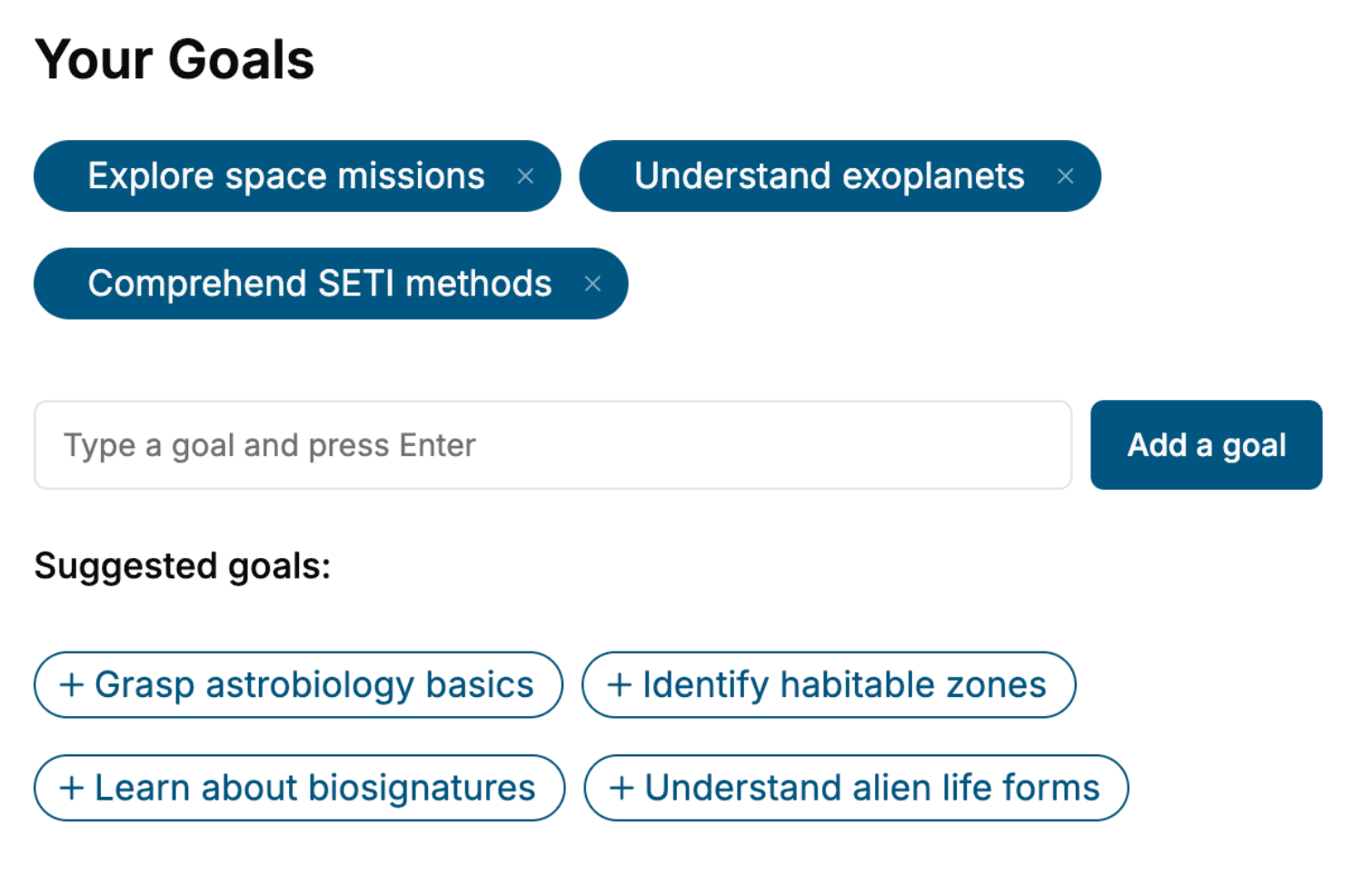
Tell us your goals and background, and get your own version of this book, tailored by AI to you.


Benefits of AI-tailored books
- Read one book, not ten:
- all the Sports Psychology knowledge you need, gathered into a single book.
- Save days of learning:
- tell us your goals, choose your topics, and the whole book is built around them.
- Learn effortlessly:
- Sports Psychology book written for your specific background and expertise.
- Understand at a glance:
- includes charts, tables, timelines, checklists, decision trees, and more.
- Stay current:
- written the day you order it, not years ago.
- Trust what you read:
- every book is checked for accuracy, with real research when your subject needs it.
Create your unique book in 3 steps
- 1. Select your focus
Select the focus of your Sports Psychology book and share your background
- 2. Personalize your book
Specify your goals and choose sub-topics to include
- 3. Get your tailored book
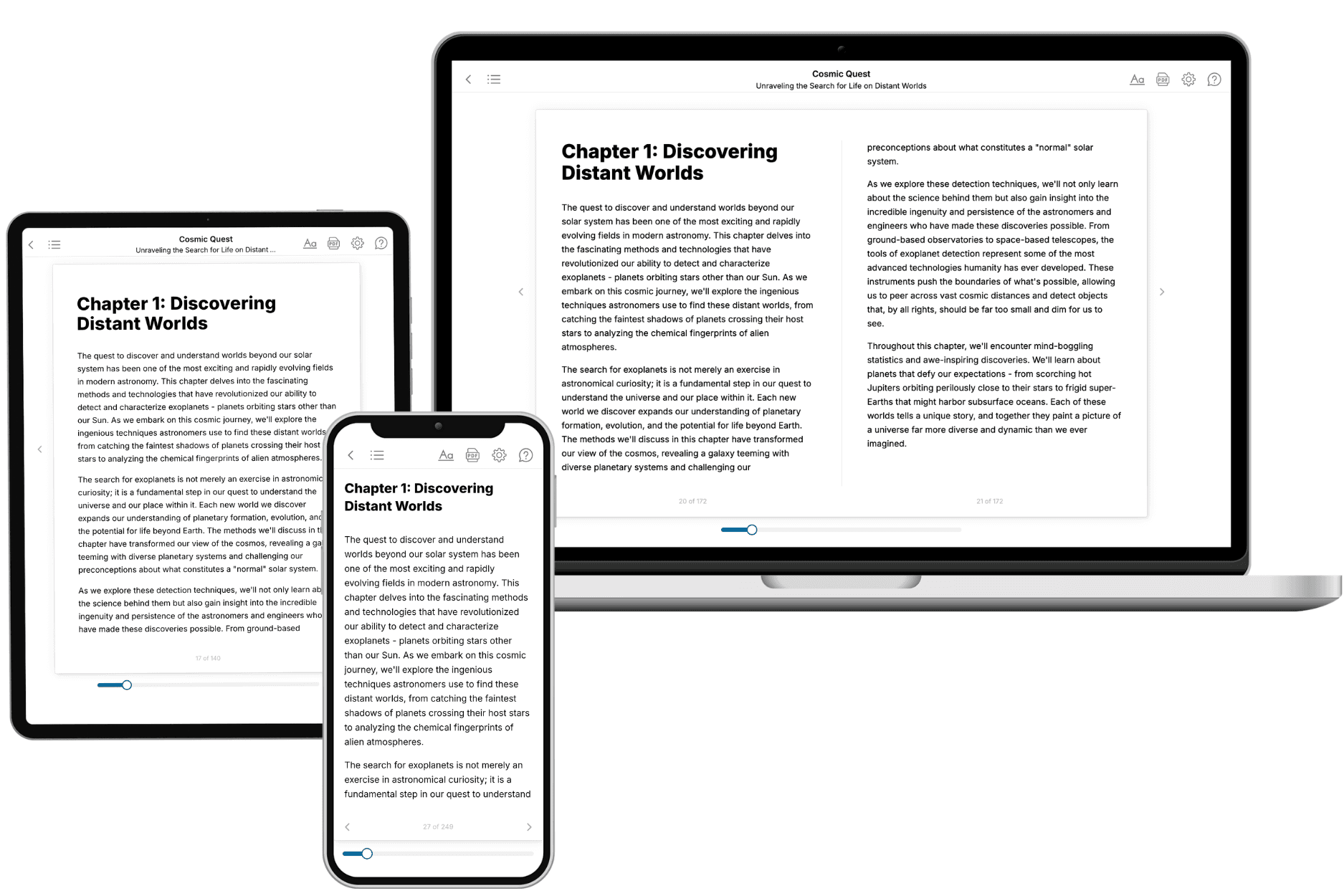
Your book is ready in 10 minutes. Read it online, download as EPUB or PDF, or send to Kindle.

Frequently asked questions
- What is TailoredRead?
TailoredRead creates complete, full-length nonfiction ebooks, written specifically for you. Tell us what you want to learn and why, and TailoredRead writes you a complete ebook on it, with charts, tables, and diagrams throughout. Read it online, on Kindle, or on any e-reader, or download it as a PDF or EPUB. Every book is written fresh the day you order it.
- How is the book tailored to me?
Before anything is written, you answer a few short questions about your goals, your background, and the topics you care about. Your book is then planned around your answers: written at your level, focused on your goals, and covering the topics you chose, instead of the one-size-fits-all book a store sells everyone.
- Will it read like generic AI content?
No. Your book isn't a chat transcript: it's planned chapter by chapter before a single word is written, told in a clear book voice, and explains ideas visually with charts, tables, and diagrams. After writing, every book goes through an editorial pass that polishes chapters so the book reads consistent from start to finish. Judge for yourself: browse thousands of sample books on our Explore Books page.
- How accurate is the content?
Our AI first checks whether your subject needs live research. Niche and fast-moving subjects are researched before writing, and the book plan and chapters are grounded in what it finds. After writing, every book goes through a quality pass that checks its facts and consistency, and researched books list their sources in a Notes section at the back.
- How long is the book?
You choose the length: Comprehensive (250-300 pages), Detailed (150-200 pages), Essential (70-100 pages), or Short (30-50 pages).
- Does the book include visuals?
Yes. Every book includes visual elements such as timelines, checklists, step-by-step guides, decision trees, comparison tables, and matrices, and many include bar charts. A typical book includes dozens of these visual elements.
- Can I read it on Kindle? What formats can I download?
Yes. Every book can be read in our online reader or downloaded as a PDF or EPUB. The EPUB can be opened with Kindle, Apple Books, Kobo, and any e-reader. The Commercial and Author licenses also include an editable Word (DOCX) and Markdown download.
- How much does it cost?
About the price of a regular ebook. The exact price depends on your book's length and complexity, from $2 for the shortest books to $35 for the most comprehensive, and it's shown when you review your book, before you commit to anything. Each book is a one-time purchase, yours to keep, no subscription. Licenses that let you share, teach, or publish your book range from $35.99 to $49.99.
- Can I preview the book before purchasing?
Before you pay, you'll see what your book will cover: the title, a detailed description, the estimated length, and the complete chapter-by-chapter table of contents, so you know what you're getting before you decide. The full text itself is written after you purchase.
- How long does it take to create a book?
About 10 minutes. You can start reading the opening chapters while the rest is still being written.