Austin's Food Truck Feast
Your Ultimate Guide to Rolling Culinary Delights in the Heart of Texas
Think food trucks are just greasy spoons on wheels?
269 pages13 chaptersFeb 21, 2025Food Guide
About this book
Think again. Austin's food truck scene is a culinary powerhouse, offering everything from gourmet tacos to artisanal ice cream. But with hundreds of options scattered across the city, finding the true gems can be overwhelming. "Austin's Food Truck Feast" is your passport to the city's most mouthwatering mobile eateries. You'll discover secret locations, signature dishes, and the stories behind the chefs who are redefining street food. From breakfast tacos that'll jumpstart your day to late-night bites that satisfy your midnight cravings, this guide covers it all. Packed with insider tips, flavor profiles, and curated food truck trails, this book ensures you'll never waste a meal on mediocre street food again. Whether you're a local looking to expand your culinary horizons or a visitor wanting to taste the essence of Austin, "Austin's Food Truck Feast" is your key to unlocking a world of flavors on four wheels.
Table of contents
- Introduction: The Food Truck Revolution in AustinAustin's Evolving Culinary Scene, The Rise of Food Truck Culture, What to Expect from This Guide, How to Use This BookRead below
- Chapter 1: The History of Food Trucks in AustinThe Early Days of Street Food, The Modern Food Truck Evolution, Cultural Impact on Austin's Dining Scene, Notable Pioneers and Game-Changers
- Chapter 2: Diverse Cuisines on WheelsTex-Mex and Taco Trucks, BBQ on the Go, Asian Fusion Delights, Vegetarian and Vegan Options, Global Cuisines: From Mediterranean to South American
- Chapter 3: Food Truck Hotspots by NeighborhoodDowntown Austin, East Austin's Eclectic Eats, South Congress (SoCo) Delights, North Austin Gems, University Area Quick Bites
- Chapter 4: Breakfast and Brunch TrucksBreakfast Taco Trucks, Coffee and Pastry Trucks, Healthy Start Options, Weekend Brunch Specialties
- Chapter 5: Lunchtime FavoritesQuick Bites for Busy Days, Gourmet Sandwiches and Wraps, Fresh Salads and Bowls, Comfort Food Classics
- Chapter 6: Dinner Delights and Evening EatsDate Night Food Truck Spots, Family-Friendly Dinner Options, Late-Night Cravings Satisfied, Food Trucks at Bars and Breweries
- Chapter 7: Sweet Treats and Dessert TrucksArtisanal Ice Cream and Gelato, Mobile Bakeries and Pastry Shops, Unique Dessert Concepts, Healthier Sweet Options
- Chapter 8: Seasonal Specialties and Limited-Time OfferingsSummer Cool-Down Treats, Fall Harvest Flavors, Holiday Season Specials, Spring Fresh Menu Items
- Chapter 9: Curated Food Truck TrailsThe Ultimate Taco Truck Tour, Around the World in Austin Food Trucks, Plant-Based Perfection Trail, Sweet Tooth Satisfaction Crawl, Local Favorites and Hidden Gems
- Chapter 10: Food Truck Events and FestivalsAnnual Food Truck Festivals, Pop-Up Events and Collaborations, Food Trucks at Music Festivals, Community Gatherings and Markets
- Chapter 11: Behind the Wheel: Chef Stories and InspirationsFrom Local Kitchens to Food Trucks, International Influences and Fusion Concepts, Chefs Focusing on Sustainability, Success Stories: From Truck to Brick-and-Mortar
- Chapter 12: The Art of Ingredients: Sourcing and SustainabilityPartnerships with Local Farms, Seasonal Menu Adaptations, Unique and Artisanal Ingredients, Eco-Friendly Practices in Food Trucks
- Chapter 13: Food Truck Dining: Tips and EtiquetteHow to Order Like a Pro, Payment Methods and Tipping, Dealing with Wait Times and Lines, Seating and Eating Arrangements, Using Social Media to Track Trucks
- Conclusion: Embracing Austin's Food Truck Culture
- Glossary of Food Truck Terms
- Resources and Further Reading
Introduction: The Food Truck Revolution in Austin
Welcome to the vibrant and ever-evolving world of Austin's food truck scene. As you embark on this culinary journey through the streets of Texas's capital, prepare to have your taste buds tantalized and your perceptions of street food forever changed. Austin has long been known for its eclectic mix of cultures, music, and art, but in recent years, it has also emerged as a powerhouse in the culinary world, with food trucks leading the charge in innovation and diversity. This introduction will set the stage for your exploration of Austin's rolling feast, providing context, history, and a roadmap for the delicious adventures that await you.
The food truck revolution in Austin is not just a trend; it's a movement that has fundamentally altered the city's culinary landscape. These mobile kitchens have become incubators for culinary creativity, launching pads for aspiring chefs, and beloved fixtures in neighborhoods across the city. They offer a unique blend of convenience, quality, and community that has resonated deeply with both locals and visitors alike. As you delve into this guide, you'll discover that Austin's food trucks are more than just quick meal options – they're a vital part of the city's cultural fabric, reflecting its spirit of innovation, entrepreneurship, and laid-back charm.
Throughout this book, you'll be introduced to the diverse array of cuisines available on four wheels, from traditional Tex-Mex and barbecue to international flavors and fusion concepts that defy categorization. You'll learn about the passionate chefs and entrepreneurs behind these mobile eateries, many of whom have turned their food trucks into successful brick-and-mortar restaurants. You'll also gain insights into the best ways to navigate the food truck scene, from understanding schedules and locations to mastering the art of ordering and dining al fresco.
Whether you're a longtime Austin resident looking to expand your culinary horizons or a visitor eager to taste the essence of the city, this guide is designed to be your companion in exploring the best that Austin's food trucks have to offer. So buckle up, bring your appetite, and get ready to embark on a mouthwatering journey through the streets of Austin. The food truck feast awaits!
Austin's Evolving Culinary Scene
Austin's culinary landscape has undergone a remarkable transformation over the past few decades, evolving from a city known primarily for its Tex-Mex and barbecue to a diverse gastronomic destination that rivals major food cities across the globe. This evolution is a testament to the city's dynamic population growth, cultural diversity, and entrepreneurial spirit. The food truck phenomenon has played a pivotal role in this transformation, serving as a catalyst for culinary innovation and providing a platform for chefs to experiment with new concepts and flavors.
The roots of Austin's culinary scene can be traced back to its rich Texan heritage, with influences from Mexican, German, and Czech immigrants who settled in the region. Traditional dishes like smoked brisket, breakfast tacos, and chicken fried steak have long been staples of the local diet. However, as Austin began to grow and attract residents from across the country and around the world, the demand for diverse culinary offerings grew alongside it. This influx of new perspectives and palates created fertile ground for culinary experimentation and fusion.
In the early 2000s, Austin's food scene began to gain national attention, with innovative chefs opening restaurants that showcased local ingredients and creative techniques. This period saw the rise of farm-to-table concepts, artisanal producers, and a renewed focus on sustainability in food production. As the city's reputation as a food destination grew, it attracted more talented chefs and food entrepreneurs, further fueling the culinary renaissance.
The emergence of food trucks in Austin coincided with this broader culinary evolution, offering a low-cost entry point for aspiring chefs and restaurateurs to test their concepts. The flexibility and mobility of food trucks allowed for rapid experimentation and adaptation, enabling chefs to respond quickly to changing tastes and trends. This agility has been particularly valuable in a city known for its tech-savvy, social media-driven population, where word of mouth can quickly turn a hidden gem into a local sensation.
Today, Austin's culinary scene is characterized by its diversity, creativity, and commitment to quality. From high-end restaurants helmed by James Beard Award-winning chefs to humble food trucks serving up innovative street food, the city offers a wide range of dining experiences. The food truck scene, in particular, has become a microcosm of this culinary diversity, with mobile eateries offering everything from authentic international cuisines to avant-garde fusion concepts.
One of the most significant impacts of food trucks on Austin's culinary landscape has been the democratization of gourmet food. By offering high-quality, chef-driven cuisine at accessible price points, food trucks have made innovative and diverse food options available to a broader audience. This has raised the bar for food quality across the city and fostered a culture of culinary exploration among Austin's residents and visitors.
The success of many food trucks has also led to a unique phenomenon in Austin's restaurant scene: the "truck-to-table" trajectory. Numerous popular food trucks have parlayed their success into brick-and-mortar establishments, bringing their innovative concepts to a wider audience while maintaining the creative spirit that made them popular in the first place. This trend has further blurred the lines between "street food" and "fine dining," contributing to Austin's reputation as a city where culinary excellence can be found in unexpected places.
Austin's evolving culinary scene has also embraced sustainability and local sourcing, with many food trucks and restaurants prioritizing partnerships with local farms and producers. This focus on local ingredients not only ensures freshness and quality but also supports the regional economy and reduces the environmental impact of food transportation. Many food trucks have become known for their seasonal menus, adapting their offerings based on what's available from local suppliers.
The city's culinary evolution has not been without challenges. As Austin has grown and property values have increased, some long-standing eateries and food truck parks have been displaced. However, the resilience and adaptability of the food truck community have allowed it to navigate these changes, with new locations and concepts continually emerging to meet the demand for diverse and innovative dining options.
As you explore Austin's food truck scene, you'll be participating in the latest chapter of the city's culinary evolution. Each truck you visit, each dish you taste, is part of a larger story of creativity, diversity, and community that continues to shape Austin's identity as a food lover's paradise. The following chapters will guide you through this vibrant landscape, helping you discover the flavors, people, and places that make Austin's food truck scene truly unique.
The Rise of Food Truck Culture
The rise of food truck culture in Austin is a phenomenon that has transformed not only the city's culinary landscape but also its social fabric. What began as a practical solution for mobile food vending has evolved into a cultural movement that embodies Austin's spirit of creativity, community, and casual sophistication. This section explores the factors that have contributed to the explosive growth of food trucks in Austin and the impact this growth has had on the city's culture and economy.
The origins of Austin's modern food truck scene can be traced back to the early 2000s, coinciding with a national trend towards mobile eateries. However, Austin's unique characteristics – its vibrant music scene, tech-savvy population, and reputation for embracing the unconventional – created the perfect environment for food trucks to thrive. The city's relaxed regulatory environment and available urban spaces also played a crucial role in facilitating the growth of food truck businesses.
One of the key factors in the rise of food truck culture in Austin has been the lower barrier to entry compared to traditional restaurants. Aspiring chefs and entrepreneurs found that starting a food truck required significantly less capital investment than opening a brick-and-mortar establishment. This accessibility allowed for greater diversity in both the types of cuisine offered and the backgrounds of the people entering the food industry. As a result, Austin's food truck scene became a melting pot of culinary traditions, innovative concepts, and personal stories.
The flexibility and mobility of food trucks have also contributed to their popularity. Food trucks can easily relocate to follow customer demand, whether it's setting up near office complexes during lunch hours, at music festivals, or in residential neighborhoods for dinner service. This adaptability has allowed food truck operators to build loyal customer bases across different parts of the city and to participate in various events and gatherings, further integrating them into Austin's cultural fabric.
Social media has played a crucial role in the growth of food truck culture in Austin. Platforms like Twitter, Instagram, and Facebook have enabled food truck operators to communicate directly with their customers, announcing locations, special menu items, and promotions in real-time. This direct connection has fostered a sense of community and engagement between food trucks and their patrons. Food bloggers and influencers have also contributed to the popularity of food trucks, sharing their discoveries and recommendations with wide audiences and helping to create buzz around new and innovative concepts.
The rise of food truck culture has had a significant impact on Austin's social dynamics. Food truck parks and gatherings have become popular community spaces, offering not just meals but also opportunities for social interaction. These spaces often feature outdoor seating, live music, and a casual atmosphere that encourages lingering and socializing. This aspect of food truck culture aligns perfectly with Austin's laid-back lifestyle and love for outdoor activities.
Food trucks have also become an integral part of Austin's event scene. From music festivals like South by Southwest (SXSW) to local farmers' markets and community gatherings, food trucks are often featured prominently, offering diverse dining options and adding to the festive atmosphere. This integration has further cemented the role of food trucks in Austin's cultural identity.
The success of food trucks has led to the emergence of food truck parks – dedicated spaces where multiple trucks can gather, often accompanied by amenities like seating areas, restrooms, and sometimes bars or entertainment venues. These parks have become destinations in their own right, offering a variety of cuisines in one location and creating a unique dining experience that combines the quality of restaurant food with the casual atmosphere of outdoor eating.
Austin's food truck culture has also had a significant economic impact on the city. Beyond providing employment opportunities and supporting local suppliers, food trucks have become tourist attractions in their own right, drawing visitors eager to experience Austin's renowned street food scene. This tourism boost has ripple effects throughout the local economy, benefiting hotels, shops, and other businesses.
The rise of food trucks has not been without challenges. Issues such as regulations, competition for prime locations, and the need to stand out in an increasingly crowded market have tested the resilience of food truck operators. However, these challenges have also spurred innovation, leading to creative solutions in menu design, marketing, and customer service.
As food truck culture has matured in Austin, it has begun to influence the broader restaurant industry. Many successful food trucks have expanded into brick-and-mortar locations, bringing their innovative concepts and loyal customer bases with them. Conversely, some established restaurants have launched food trucks as a way to expand their reach or test new menu items. This cross-pollination between mobile and fixed eateries has further blurred the lines between different segments of the food industry, contributing to Austin's reputation as a city where culinary innovation can come from anywhere.
Looking to the future, food truck culture in Austin shows no signs of slowing down. As the city continues to grow and evolve, food trucks are likely to remain an important part of its culinary and cultural landscape. The adaptability and creativity that have defined Austin's food truck scene will undoubtedly continue to drive innovation, ensuring that there will always be new flavors and experiences for food lovers to discover on the streets of Austin.
What to Expect from This Guide
"Austin's Food Truck Feast" is designed to be your comprehensive companion in exploring the vibrant and diverse world of food trucks in Texas's capital city. This guide goes beyond mere listings of popular trucks; it's a deep dive into the culture, history, and culinary innovation that make Austin's food truck scene truly unique. As you navigate through the pages of this book, you'll find a wealth of information, insider tips, and curated experiences that will enhance your food truck adventures in Austin.
In the chapters that follow, you'll be taken on a journey through the evolution of Austin's food truck culture, from its humble beginnings to its current status as a cornerstone of the city's culinary identity. You'll learn about the pioneers who paved the way for today's thriving scene and the contemporary innovators who continue to push the boundaries of what's possible in mobile cuisine. This historical context will give you a deeper appreciation for the food you'll be enjoying and the stories behind each truck.
One of the key features of this guide is its comprehensive exploration of the diverse cuisines available from Austin's food trucks. You'll find detailed sections covering everything from classic Tex-Mex and barbecue to international flavors and innovative fusion concepts. Each cuisine type is explored in depth, with recommendations for standout trucks and signature dishes. Whether you're craving authentic street tacos, gourmet vegan fare, or cutting-edge culinary creations, this guide will point you in the right direction.
Understanding that location is key when it comes to food trucks, this book provides detailed information on food truck hotspots throughout Austin. You'll find neighborhood-by-neighborhood breakdowns of where to find the best trucks, including popular food truck parks, regular gathering spots, and hidden gems off the beaten path. This geographic approach will help you plan your food truck adventures efficiently, whether you're exploring a specific area of the city or looking for the perfect spot to grab a quick bite.
Recognizing that timing can be everything when it comes to mobile eateries, the guide includes sections dedicated to different meal times and occasions. You'll find recommendations for the best breakfast tacos to start your day, lunchtime favorites for a midday break, dinner options for a casual night out, and late-night spots to satisfy those after-hours cravings. There's also a special focus on dessert trucks, ensuring that your sweet tooth is never neglected.
For those looking to dive deep into Austin's food truck scene, the book offers curated food truck trails. These carefully designed itineraries take you on themed journeys through the city, allowing you to sample a variety of trucks united by a common thread – be it a specific cuisine, a neighborhood focus, or a culinary concept. These trails are perfect for food enthusiasts looking to make a day (or night) of their food truck exploration.
Understanding that food trucks are often at the heart of Austin's events and festivals, this guide includes a comprehensive section on seasonal specialties and food truck-centric events. You'll learn about annual festivals that showcase the city's mobile eateries, as well as how food trucks integrate into Austin's famous music and cultural events. This information will help you plan your visits to coincide with some of the most exciting times in Austin's culinary calendar.
Beyond just telling you where to eat, this guide aims to enrich your understanding of the food truck culture. You'll find profiles of notable chefs and entrepreneurs who have made their mark on Austin's food truck scene, offering insights into their inspirations, challenges, and successes. These stories add depth to your dining experiences, allowing you to appreciate not just the food, but the passion and creativity behind it.
For those interested in the culinary aspects, the guide delves into the art of ingredients and sourcing. You'll learn about the relationships between food trucks and local farms, the emphasis on seasonal and sustainable ingredients, and the unique flavors that define Austin's mobile cuisine. This information will give you a greater appreciation for the quality and thoughtfulness that goes into the food you're enjoying.
Practical advice is also a key component of this guide. You'll find tips on food truck etiquette, how to navigate busy service times, and the best ways to stay informed about truck locations and special offerings. There's also guidance on using social media to enhance your food truck experiences, from following your favorite trucks to discovering new ones.
Finally, the book includes a comprehensive glossary of food truck terms and a resource section for further exploration. These tools will help you speak the language of Austin's food truck scene and provide avenues for continuing your culinary adventures beyond the pages of this guide.
"Austin's Food Truck Feast" is more than just a guidebook; it's an invitation to immerse yourself in one of the most exciting aspects of Austin's culinary culture. Whether you're a first-time visitor or a long-time resident, this guide will open your eyes to new flavors, introduce you to passionate food creators, and help you navigate the ever-changing landscape of Austin's food truck scene. Get ready to embark on a delicious journey through the streets of Austin – your next great meal on wheels awaits!
How to Use This Book
"Austin's Food Truck Feast" is designed to be a flexible and user-friendly guide that caters to various reading styles and exploration preferences. Whether you're planning a detailed food truck tour of Austin or simply looking for a quick recommendation for your next meal, this book has you covered. Here's a comprehensive guide on how to make the most of this book and tailor it to your specific needs and interests.
For those who prefer a structured approach, consider reading the book from cover to cover. This method will provide you with a comprehensive understanding of Austin's food truck scene, from its history and evolution to the current landscape and future trends. You'll gain insights into the various cuisines, neighborhoods, and cultural aspects that make Austin's food truck culture unique. This approach is particularly beneficial if you're new to Austin or planning an extended stay, as it will equip you with a broad knowledge base for your culinary explorations.
If you're more interested in specific aspects of Austin's food truck scene, feel free to jump directly to the chapters that align with your interests. The table of contents is designed to help you quickly locate information on particular cuisines, neighborhoods, or types of dining experiences. For example, if you're particularly interested in breakfast options, you can go straight to the chapter on breakfast and brunch trucks. This targeted approach allows you to customize your reading experience based on your preferences or immediate needs.
The neighborhood guides are particularly useful for planning food truck adventures in specific areas of Austin. If you're staying in or exploring a particular part of the city, refer to the relevant neighborhood section to discover the best food trucks in that area. These sections include not only truck recommendations but also information on local attractions and amenities, helping you to plan a well-rounded outing that combines great food with sightseeing.
For those looking to embark on themed culinary journeys, the curated food truck trails offer pre-planned itineraries that take you through various aspects of Austin's food truck scene. These trails are designed to provide a diverse sampling of trucks united by a common theme, such as cuisine type or culinary concept. You can follow these trails exactly as outlined or use them as inspiration to create your own customized food truck tour.
The seasonal specialties and events sections are valuable resources for timing your food truck explorations. If you're visiting Austin during a specific time of year, consult these sections to learn about seasonal offerings and food truck-centric events happening during your stay. This information can help you plan your visit to coincide with exciting culinary happenings and ensure you don't miss out on limited-time specialties.
For quick reference, the glossary of food truck terms at the back of the book is an invaluable tool. If you encounter unfamiliar terminology while reading about a truck or cuisine, flip to this section for clear, concise definitions. This feature will help you navigate menus and food descriptions with confidence, enhancing your overall food truck experience.
The resources section at the end of the book is designed to extend your exploration beyond these pages. It includes recommendations for food blogs, social media accounts, and apps that can help you stay up-to-date on Austin's ever-changing food truck scene. Use these resources to complement the information in the book and keep your finger on the pulse of new trucks, menu changes, and special events.
Throughout the book, you'll find practical tips and insider advice boxed off in special sections. These nuggets of information cover everything from ordering etiquette to parking tips near popular food truck spots. Pay special attention to these sections, as they contain valuable insights that can enhance your food truck experiences and help you navigate Austin's scene like a local.
The profiles of food truck owners and chefs scattered throughout the book offer a deeper look into the personalities behind your favorite mobile eateries. Reading these can enrich your dining experiences by providing context and stories behind the food you're enjoying. Consider reading a profile before visiting a particular truck to gain a greater appreciation for the passion and creativity that goes into each dish.
For those who are visually oriented, the book includes maps and photographs to complement the text. Use the maps to plan your routes and locate food trucks in relation to other points of interest in the city. The photographs can help you identify trucks and signature dishes, as well as give you a sense of the atmosphere at various food truck locations.
Finally, remember that this book is meant to be a starting point for your Austin food truck adventures, not a definitive endpoint. Use it as a guide, but don't be afraid to venture off the beaten path, try new trucks that may have opened since publication, or revisit old favorites. The joy of Austin's food truck scene lies in its constant evolution and the spirit of discovery it encourages.
Whether you're a meticulous planner or a spontaneous explorer, "Austin's Food Truck Feast" is designed to adapt to your style of culinary adventure. Use it as a comprehensive guide, a quick reference, or a source of inspiration. The most important thing is to get out there, explore, and enjoy the incredible diversity and flavors that Austin's food trucks have to offer. Happy eating!
This is the end of the free sample. The full book has 13 chapters.
Want this book written for you?
Tell us your goals and background, and get your own version of this book, tailored by AI to you.


Benefits of AI-tailored books
- Read one book, not ten:
- all the Food Guide knowledge you need, gathered into a single book.
- Save days of learning:
- tell us your goals, choose your topics, and the whole book is built around them.
- Learn effortlessly:
- Food Guide book written for your specific background and expertise.
- Understand at a glance:
- includes charts, tables, timelines, checklists, decision trees, and more.
- Stay current:
- written the day you order it, not years ago.
- Trust what you read:
- every book is checked for accuracy, with real research when your subject needs it.
Create your unique book in 3 steps
- 1. Select your focus
Select the focus of your Food Guide book and share your background
- 2. Personalize your book
Specify your goals and choose sub-topics to include
- 3. Get your tailored book
Your book is ready in 10 minutes. Read it online, download as EPUB or PDF, or send to Kindle.


Frequently asked questions
- What is TailoredRead?
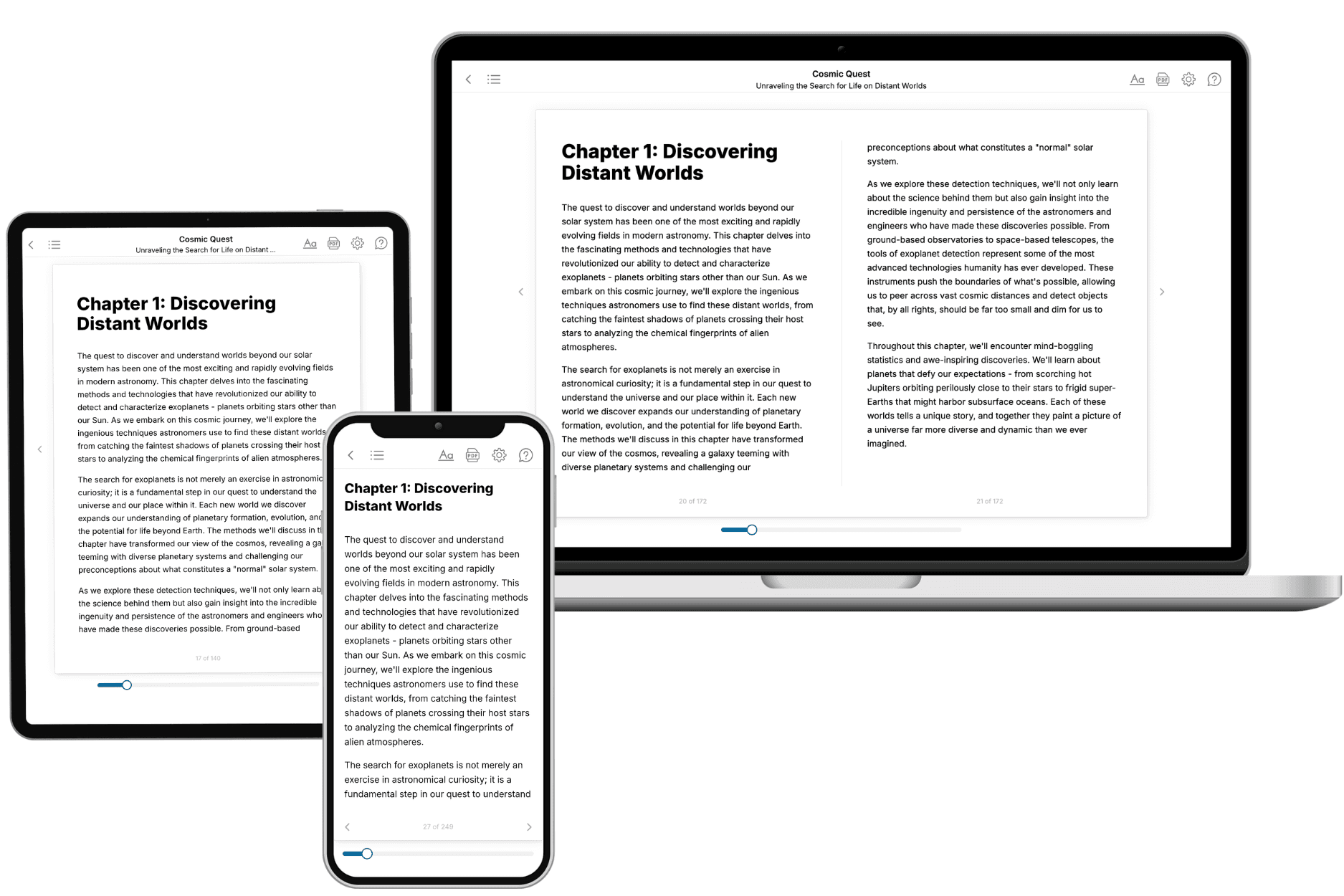
TailoredRead creates complete, full-length nonfiction ebooks, written specifically for you. Tell us what you want to learn and why, and TailoredRead writes you a complete ebook on it, with charts, tables, and diagrams throughout. Read it online, on Kindle, or on any e-reader, or download it as a PDF or EPUB. Every book is written fresh the day you order it.
- How is the book tailored to me?
Before anything is written, you answer a few short questions about your goals, your background, and the topics you care about. Your book is then planned around your answers: written at your level, focused on your goals, and covering the topics you chose, instead of the one-size-fits-all book a store sells everyone.
- Will it read like generic AI content?
No. Your book isn't a chat transcript: it's planned chapter by chapter before a single word is written, told in a clear book voice, and explains ideas visually with charts, tables, and diagrams. After writing, every book goes through an editorial pass that polishes chapters so the book reads consistent from start to finish. Judge for yourself: browse thousands of sample books on our Explore Books page.
- How accurate is the content?
Our AI first checks whether your subject needs live research. Niche and fast-moving subjects are researched before writing, and the book plan and chapters are grounded in what it finds. After writing, every book goes through a quality pass that checks its facts and consistency, and researched books list their sources in a Notes section at the back.
- How long is the book?
You choose the length: Comprehensive (250-300 pages), Detailed (150-200 pages), Essential (70-100 pages), or Short (30-50 pages).
- Does the book include visuals?
Yes. Every book includes visual elements such as timelines, checklists, step-by-step guides, decision trees, comparison tables, and matrices, and many include bar charts. A typical book includes dozens of these visual elements.
- Can I read it on Kindle? What formats can I download?
Yes. Every book can be read in our online reader or downloaded as a PDF or EPUB. The EPUB can be opened with Kindle, Apple Books, Kobo, and any e-reader. The Commercial and Author licenses also include an editable Word (DOCX) and Markdown download.
- How much does it cost?
About the price of a regular ebook. The exact price depends on your book's length and complexity, from $2 for the shortest books to $35 for the most comprehensive, and it's shown when you review your book, before you commit to anything. Each book is a one-time purchase, yours to keep, no subscription. Licenses that let you share, teach, or publish your book range from $35.99 to $49.99.
- Can I preview the book before purchasing?
Before you pay, you'll see what your book will cover: the title, a detailed description, the estimated length, and the complete chapter-by-chapter table of contents, so you know what you're getting before you decide. The full text itself is written after you purchase.
- How long does it take to create a book?
About 10 minutes. You can start reading the opening chapters while the rest is still being written.