The Australian Olympic Spirit
Stories of Excellence, Perseverance, and National Pride from Down Under
Many people assume Olympic success is simply about natural talent and hard work.
176 pages8 chaptersEnglishJan 25, 2026Olympic Games
About this book
But the real story of Australian Olympians is far more complex and compelling. From humble beginnings to the world's greatest sporting stage, Australian athletes have carved out an extraordinary legacy that extends far beyond medal counts. This book explores the remarkable journeys of Australian Olympians across different eras, sports, and backgrounds. You'll discover how these athletes overcame geographic isolation, funding challenges, and intense competition to achieve world-class excellence. Through their stories, you'll gain insight into the mental toughness, strategic planning, and personal sacrifices required to compete at the highest level. Whether you're interested in sports history, Australian culture, or the psychology of peak performance, this book reveals what it truly takes to become an Olympic champion and why these athletes continue to inspire millions around the world.
Table of contents
- IntroductionWhy Australian Olympians Matter, What Makes Them Special, How to Use This BookRead below
- Chapter 1: The Foundation: Australia's Olympic HistoryEarly Olympic Participation and First Medals, Building a Sporting Culture, Evolution of Australian Excellence
- Chapter 2: The Path to the Podium: Training and PreparationTalent Identification and Development, Coaching Excellence and Innovation, Modern Training Methods and Technology, Mental Preparation and Psychological Resilience
- Chapter 3: Overcoming Adversity: Challenges and TriumphsGeographic Isolation and Distance, Funding, Resources, and Support Systems, Injury, Setback, and Comeback Stories, Personal Struggles and Life Balance
- Chapter 4: Champions Across Disciplines: Diverse Pathways to SuccessSwimming: Australia's Olympic Powerhouse, Track and Field: Speed, Strength, and Endurance, Team Sports Excellence and Collective Achievement, Emerging Sports and New Frontiers
- Chapter 5: Cultural Identity and RepresentationMulticultural Australia on the Olympic Stage, Indigenous Athletes and Their Contributions, Women in Australian Olympics: Breaking Barriers, National Pride and Australian Identity
- Chapter 6: The Psychology of Peak PerformanceMental Toughness and Competitive Edge, Handling Pressure and High-Stakes Competition, Motivation, Drive, and Long-Term Commitment
- Chapter 7: Life After the Olympics: Legacy and ImpactTransition to Civilian Life, Inspiring Future Generations, Lasting Cultural Impact and National Legacy, Continued Excellence Beyond Competition
- Chapter 8: Lessons from Australian Olympians: Applying Excellence to Your LifeGoal-Setting Strategies and Long-Term Planning, Building Resilience and Overcoming Obstacles, Pursuing Excellence in Your Own Endeavors
- ConclusionThe Australian Olympic Legacy, Looking Forward: The Future of Australian Olympians
- Further Reading and Resources
Introduction
When you think about Olympic champions, what comes to mind? Perhaps it's the image of an athlete standing on the podium, gold medal gleaming, national anthem playing. Maybe it's the final seconds of a race, the roar of the crowd, or the tears of joy after years of sacrifice. These moments capture our imagination and inspire us. But behind every Olympic triumph lies a far more complex and compelling story—one of relentless dedication, strategic planning, mental fortitude, and often, extraordinary adversity overcome. For Australian Olympians, these stories carry additional layers of meaning that reflect not just individual achievement, but the character of an entire nation.
Australia has consistently defied expectations on the Olympic stage. With a population that has never exceeded 27 million people, this island nation has produced Olympic results that rival countries many times its size. At the Sydney 2000 Olympics, Australia finished fourth on the medal table, ahead of nations with populations ten times larger. This pattern of punching above its weight has continued across multiple Olympic Games, spanning summer and winter competitions, individual and team sports, traditional powerhouse events and emerging disciplines. The question isn't whether Australian athletes succeed at the Olympics—it's how they manage to do so with such remarkable consistency, and what we can learn from their journeys.
This book takes you beyond the medal counts and record times to explore the human stories behind Australian Olympic excellence. You'll discover athletes who trained in backyard pools and became world champions, runners who overcame career-threatening injuries to claim gold, and teams that transformed Australian sporting culture. You'll learn about the institutional frameworks, coaching innovations, and cultural factors that enable a geographically isolated nation to compete at the highest level. Most importantly, you'll find universal lessons about pursuing excellence, overcoming obstacles, and achieving goals that once seemed impossible. These aren't just sports stories—they're blueprints for human achievement that apply far beyond the athletic arena.
Why Australian Olympians Matter
Australian Olympians occupy a unique position in both sporting history and national culture. Their achievements matter for reasons that extend well beyond athletic performance. Understanding why these athletes are significant helps frame the stories you'll encounter throughout this book and reveals deeper truths about excellence, identity, and human potential. The impact of Australian Olympic success ripples through society in ways that continue to shape the nation decades after medals are won.
First, Australian Olympians demonstrate what's possible when talent meets opportunity and determination. Consider the statistical improbability of Australia's Olympic success. At the 2021 Tokyo Olympics, Australia won 46 medals with a population of approximately 25 million people. This translates to roughly 1.84 medals per million people—a rate that significantly exceeds larger nations like the United States (1.13 medals per million) and China (0.26 medals per million)[1]. These numbers tell a story of systematic excellence rather than random success. They suggest that Australia has developed approaches to talent identification, athlete development, and competitive preparation that other nations study and attempt to replicate.
Second, these athletes serve as powerful cultural ambassadors who shape how Australia is perceived globally. When Cathy Freeman lit the Olympic cauldron at the Sydney 2000 Olympics and then won gold in the 400 meters, she didn't just achieve personal glory. She presented to the world an image of modern, multicultural Australia that embraced its Indigenous heritage. Similarly, when the Australian women's swimming team dominated their events, or when cyclists like Anna Meares battled back from devastating injuries to win gold, they communicated messages about Australian character—resilience, determination, and competitive spirit. These moments create lasting impressions that influence international perceptions of Australian identity and values.
Third, Australian Olympians provide tangible proof that geographic isolation and relatively small population need not limit achievement. This lesson resonates far beyond sports. Australia faces unique challenges that could easily become excuses for underperformance:
- Distance from major training centers and competition venues in Europe and North America
- Smaller talent pool compared to populous nations
- Higher costs for international competition and training camps
- Time zone differences that complicate scheduling and preparation
- Limited domestic competition in some sports due to population constraints
Fourth, the stories of Australian Olympians inspire future generations in measurable ways. Research on the Olympic effect
shows that hosting the Olympics or achieving significant Olympic success correlates with increased youth participation in sports[2]. After Australia's success at the Sydney 2000 Olympics, youth sports participation increased significantly across multiple disciplines. Swimming clubs reported waiting lists, athletics programs expanded, and government investment in sports infrastructure grew. These athletes become role models whose influence extends into schools, communities, and family conversations about what young Australians might achieve.
Fifth, Australian Olympic success has driven innovation in sports science, coaching methodology, and athlete support systems. The Australian Institute of Sport (AIS), established in 1981, pioneered approaches to talent identification and athlete development that have been adopted worldwide. Australian sports scientists have contributed breakthrough research in areas ranging from biomechanics to nutrition to psychological preparation. When Australian swimmers began using full-body suits and underwater cameras for technique analysis in the 1990s, they set trends that transformed competitive swimming globally. These innovations benefit not just elite athletes but also recreational participants and people pursuing excellence in non-sporting fields.
Sixth, these athletes embody values that resonate deeply within Australian culture—the concept of the fair go,
the celebration of the underdog, and the belief that hard work can overcome disadvantage. Many Australian Olympic champions come from modest backgrounds. They trained in public facilities, balanced athletic pursuits with education or work, and succeeded without the extensive private coaching or elite academies available in some other nations. Their stories reinforce cultural narratives about egalitarianism and meritocracy that are central to Australian identity. When these athletes succeed, they validate the belief that talent and determination matter more than privilege or circumstance.
Finally, Australian Olympians matter because they provide case studies in human excellence that offer practical lessons for anyone pursuing ambitious goals. The mental strategies that helped swimmer Ian Thorpe manage pressure can help business professionals handle high-stakes presentations. The goal-setting frameworks that guided cyclist Anna Meares through her comeback can structure career development plans. The resilience that enabled runner Cathy Freeman to perform under intense scrutiny can inform approaches to managing stress and expectations. These aren't abstract theories—they're proven methodologies tested under the most demanding conditions imaginable. By studying how Australian Olympians achieve and sustain excellence, you gain access to practical wisdom applicable to your own challenges and aspirations.
What Makes Them Special
Australian Olympians possess certain distinctive characteristics that set them apart from athletes of other nations. These qualities aren't simply about physical capabilities or training regimens—they reflect deeper cultural, psychological, and strategic factors that create a unique approach to Olympic competition. Understanding what makes Australian Olympians special helps explain their consistent success and provides insight into the mindset required for sustained excellence at the highest level.
One defining characteristic is the pragmatic innovation that Australian athletes and coaches bring to their sports. Geographic isolation from traditional training centers forced Australian athletes to develop creative solutions to common problems. For example, when Australian swimmers couldn't easily access international competition in the 1970s and 1980s, coaches like Forbes Carlile and Laurie Lawrence developed innovative training methods that emphasized scientific principles over conventional wisdom. They experimented with interval training, lactate threshold testing, and video analysis before these approaches became standard. This culture of innovation continues today, with Australian athletes and coaches consistently seeking marginal gains through technology, technique refinement, and strategic thinking.
Another special quality is the mental toughness that characterizes Australian Olympic competitors. This isn't just about handling pressure during competition—it's about sustaining motivation and commitment over the many years required to reach Olympic level. Australian athletes often describe a particular mindset that combines confidence with realism, ambition with pragmatism. Consider the example of Steven Bradbury, who won Australia's first Winter Olympic gold medal in short track speed skating at the 2002 Salt Lake City Olympics. Bradbury's victory came after all his competitors in the final crashed, but his presence in that final was no accident. He had survived career-threatening injuries, including a collision that required 111 stitches in his leg and another that nearly severed his femoral artery. His strategy for the final—staying close but avoiding the chaos—reflected tactical intelligence born from years of experience. His mental approach combined patience, strategic thinking, and the resilience to continue pursuing Olympic dreams despite devastating setbacks.
Australian Olympians also demonstrate exceptional adaptability across changing conditions. Olympic competition presents constantly shifting variables—different venues, varying weather, unexpected rule changes, and evolving competitive landscapes. Australian athletes have shown remarkable ability to adjust their approaches while maintaining performance standards. This adaptability partly stems from training in diverse Australian environments, from tropical Queensland to temperate Victoria to arid South Australia. Athletes learn to perform regardless of conditions. It also reflects coaching philosophies that emphasize problem-solving and independent thinking rather than rigid adherence to predetermined plans.
The team-oriented individualism of Australian Olympians represents another distinctive quality. Even in individual sports, Australian athletes typically train within strong team environments. Swimming squads, athletics clubs, and cycling teams create cultures of collective excellence where individual achievement is celebrated but not isolated from group success. This approach provides several advantages:
- Training partners who push each other to higher performance levels
- Shared knowledge and technique refinement through observation and discussion
- Emotional support during difficult training periods or competitive setbacks
- Accountability structures that maintain commitment and discipline
- Celebration of success that reinforces positive behaviors and outcomes
Australian Olympians are also characterized by their authentic connection to national identity without excessive nationalism. They compete proudly for Australia but typically avoid the aggressive patriotism sometimes seen in other sporting contexts. This approach reflects broader Australian cultural values—pride in achievement without arrogance, competitive spirit without hostility, national loyalty without exclusionary nationalism. Athletes like swimmer Dawn Fraser, runner Herb Elliott, and more recently, rugby player Charlotte Caslick, have embodied this balanced approach. They celebrate their Australian identity while respecting competitors and acknowledging the international nature of Olympic competition.
The long-term perspective that Australian Olympic programs cultivate represents another special quality. Unlike systems that focus primarily on immediate results, Australian sports institutions typically invest in athlete development over extended timeframes. The Australian Institute of Sport and state-based institutes identify talented young athletes and provide support through junior, youth, and senior levels. This patient approach allows athletes to develop properly without the burnout that can result from premature pressure or excessive early specialization. It also creates career pathways that extend beyond single Olympic cycles, enabling athletes to compete across multiple Games and accumulate experience that enhances performance.
Finally, Australian Olympians possess a distinctive competitive pragmatism that combines fierce determination with strategic intelligence. They want to win, but they also understand the realities of Olympic competition—the role of luck, the importance of timing, the value of tactical racing versus simply pursuing personal bests. This pragmatism was evident when Australian sailors adapted their strategies based on changing wind conditions at the 2000 Sydney Olympics, or when middle-distance runners positioned themselves strategically in finals rather than leading from the front. It reflects a mature understanding that Olympic success requires more than just physical preparation—it demands tactical awareness, psychological insight, and the wisdom to execute the right strategy at the right moment.
Example: Swimmer Ariarne Titmus's victory over American Katie Ledecky in the 400m freestyle at the Tokyo 2021 Olympics exemplified these special qualities. Titmus combined innovative training methods (high-altitude camps, detailed race strategy), mental toughness (handling enormous pressure and expectations), adaptability (adjusting to COVID-19 disruptions and competing without family present), team support (her coach Dean Boxall's emotional celebration highlighted their partnership), and competitive pragmatism (executing a perfectly timed race strategy that involved staying close to Ledecky before surging in the final 100 meters). This wasn't just about swimming fast—it was about bringing together all the elements that make Australian Olympians special.
How to Use This Book
This book is designed to be both informative and practical, offering historical context, compelling stories, and actionable insights that you can apply to your own pursuits. Whether you're a sports enthusiast, a student of Australian culture, someone pursuing excellence in any field, or simply curious about what drives human achievement, you'll find value in these pages. However, the book will serve you best if you approach it with clear intentions and understand how its structure can support your specific interests and goals.
The book follows a logical progression that builds understanding chapter by chapter. Chapter 1 establishes the historical foundation, tracing Australia's Olympic journey from early participation through the development of a distinctive sporting culture. This context helps you understand how current success builds on decades of institutional development, cultural evolution, and accumulated expertise. Chapter 2 examines the practical elements of Olympic preparation—how athletes are identified, trained, coached, and mentally prepared for competition. This chapter provides concrete insights into the methodologies that produce Olympic champions. Chapter 3 explores the challenges Australian Olympians face and how they overcome them, offering powerful lessons in resilience and problem-solving.
Chapter 4 takes you through different Olympic disciplines, highlighting the diverse pathways to success and the sport-specific factors that influence performance. Chapter 5 examines cultural dimensions of Australian Olympic participation, including multiculturalism, Indigenous representation, and gender equity. Chapter 6 delves into the psychology of peak performance, revealing the mental strategies that separate good athletes from Olympic champions. Chapter 7 looks beyond competition to explore how Olympic success creates lasting impact and legacy. Finally, Chapter 8 translates Olympic lessons into practical frameworks you can apply to your own goals and challenges, regardless of your field or circumstances.
You can approach this book in several ways depending on your interests and objectives:
- Sequential reading: Read from beginning to end to build comprehensive understanding of Australian Olympic achievement and its broader significance
- Topic-focused reading: Jump to chapters that address your specific interests—sports history, training methodology, psychology, or cultural impact
- Story-driven reading: Focus on the athlete examples and case studies throughout the book to find inspiration and relatable narratives
- Application-oriented reading: Concentrate on chapters 2, 6, and 8 for practical frameworks and strategies you can implement in your own pursuits
- Reference reading: Return to specific sections as needed when facing challenges or seeking insights relevant to particular situations
Throughout the book, you'll encounter several types of content designed to enhance understanding and application. Historical narratives provide context and show how Australian Olympic excellence developed over time. Athlete profiles and stories offer concrete examples of principles in action and create emotional connection to the material. Analytical frameworks break down complex concepts into understandable components you can examine and apply. Practical methodologies present specific techniques, strategies, and approaches used by Australian Olympians and their support teams. Comparative analysis highlights what makes Australian approaches distinctive and why certain methods prove more effective than others.
To maximize the value you extract from this book, consider adopting an active reading approach. Keep a notebook or digital document where you can record insights, questions, and applications relevant to your circumstances. When you encounter an athlete's story that resonates, ask yourself what specific elements of their approach might apply to your challenges. When you read about training methodologies or mental strategies, consider how you might adapt these frameworks to your context. The goal isn't to become an Olympic athlete—it's to learn from their experiences and apply relevant principles to your own pursuit of excellence.
Pay particular attention to the patterns that emerge across different athletes, sports, and eras. You'll notice recurring themes—the importance of long-term commitment, the value of strategic thinking, the necessity of mental resilience, the power of supportive environments, and the role of innovation in achieving breakthrough results. These patterns reveal fundamental principles of human excellence that transcend specific contexts. When you identify these patterns, you're discovering transferable wisdom that can inform your approach to any challenging endeavor.
The book includes numerous examples and case studies, but these aren't meant to be exhaustive catalogs of every Australian Olympic achievement. Instead, they're carefully selected illustrations of broader principles and patterns. When reading these examples, focus less on memorizing specific details and more on understanding the underlying dynamics—what factors contributed to success, how athletes overcame obstacles, what strategies proved effective, and why certain approaches worked in particular contexts. This analytical engagement will serve you better than passive consumption of information.
You'll also find that some themes and concepts appear in multiple chapters, approached from different angles. This repetition is intentional. Complex ideas like mental toughness, strategic preparation, or cultural identity benefit from examination through multiple lenses. When you encounter a concept in different contexts, consider how these various perspectives deepen your understanding and reveal new dimensions of the topic. This multi-faceted approach mirrors how Olympic athletes themselves develop expertise—through repeated exposure, varied experiences, and progressive refinement of understanding.
Finally, remember that this book celebrates achievement while acknowledging the full reality of Olympic pursuit—including failures, setbacks, and the athletes who came close but didn't reach the podium. Not every story ends with gold medals, and some of the most valuable lessons come from how athletes handled disappointment, learned from defeats, and found meaning beyond competitive results. These stories matter as much as the triumphant ones, perhaps more so, because they reveal the true character required for Olympic-level commitment and the resilience needed to continue pursuing excellence despite setbacks.
Practical Application Framework: As you read each chapter, consider three questions: (1) What specific principle or strategy is illustrated here? (2) How does this principle apply beyond Olympic sports? (3) What concrete action could I take to implement this insight in my own context? This simple framework transforms passive reading into active learning and helps you build a personalized collection of applicable wisdom drawn from Australian Olympic excellence.
This is the end of the free sample. The full book has 8 chapters.
Want this book written for you?
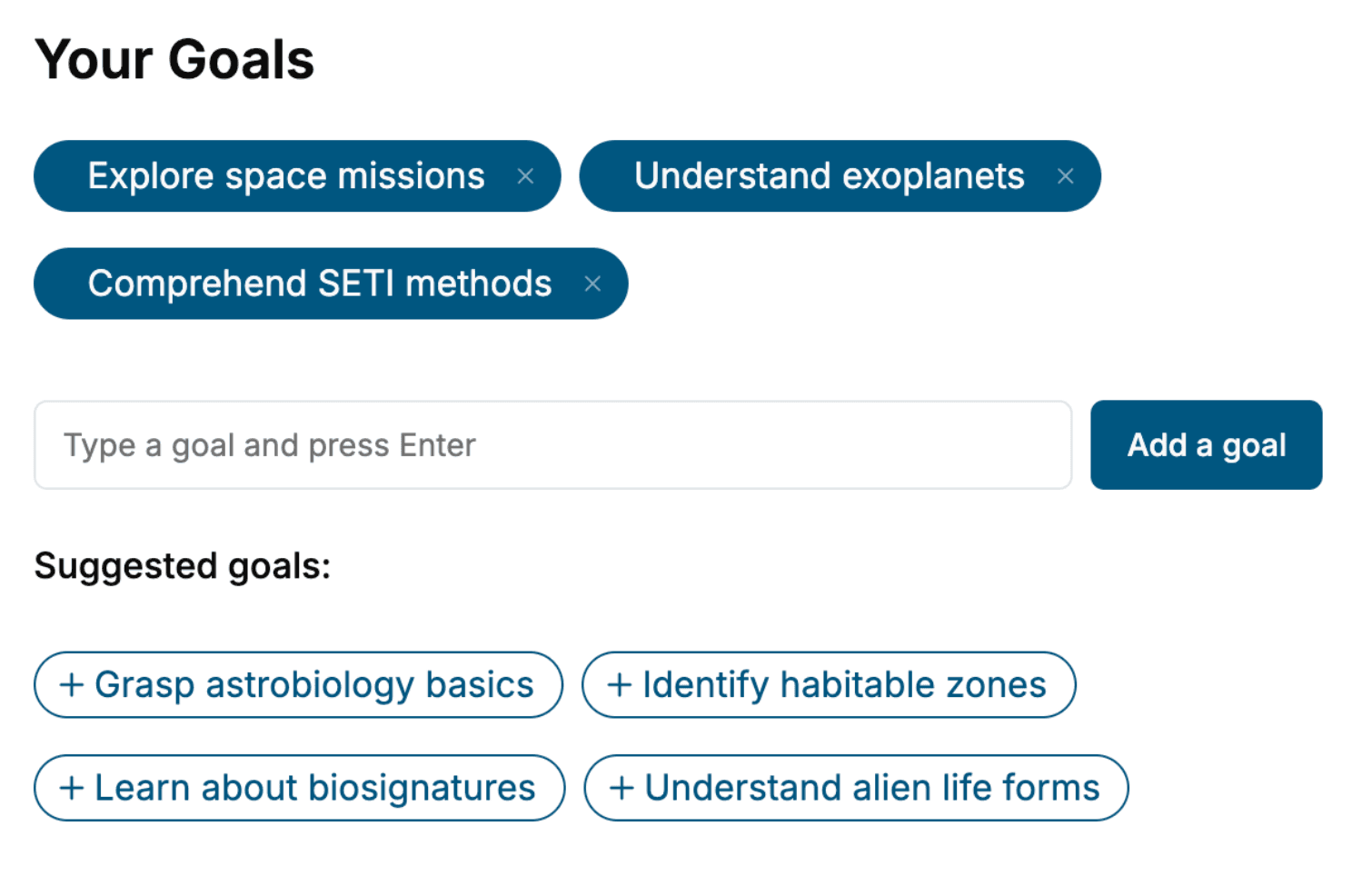
Tell us your goals and background, and get your own version of this book, tailored by AI to you.


Benefits of AI-tailored books
- Read one book, not ten:
- all the Olympic Games knowledge you need, gathered into a single book.
- Save days of learning:
- tell us your goals, choose your topics, and the whole book is built around them.
- Learn effortlessly:
- Olympic Games book written for your specific background and expertise.
- Understand at a glance:
- includes charts, tables, timelines, checklists, decision trees, and more.
- Stay current:
- written the day you order it, not years ago.
- Trust what you read:
- every book is checked for accuracy, with real research when your subject needs it.
Create your unique book in 3 steps
- 1. Select your focus
Select the focus of your Olympic Games book and share your background
- 2. Personalize your book
Specify your goals and choose sub-topics to include
- 3. Get your tailored book
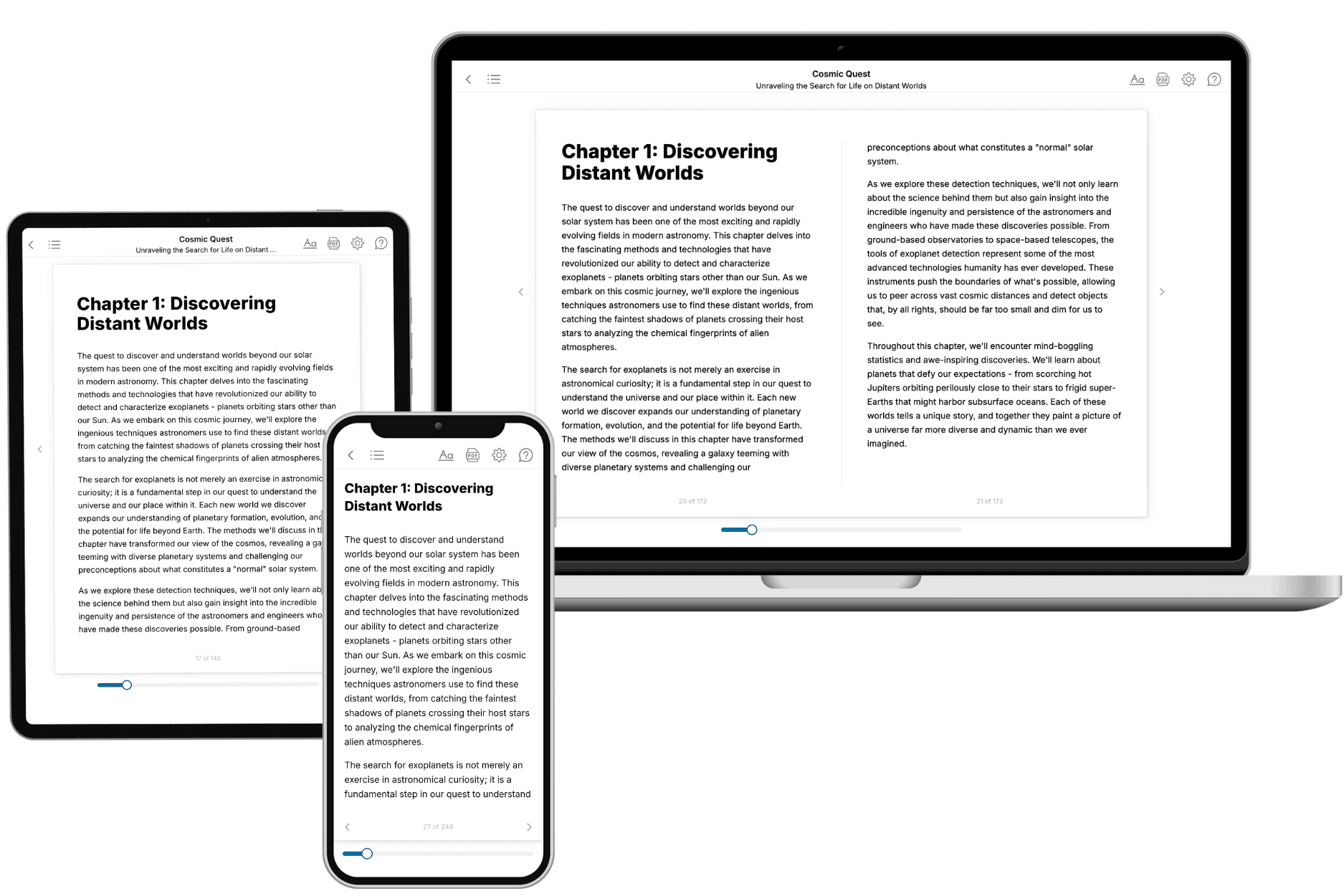
Your book is ready in 10 minutes. Read it online, download as EPUB or PDF, or send to Kindle.

Frequently asked questions
- What is TailoredRead?
TailoredRead creates complete, full-length nonfiction ebooks, written specifically for you. Tell us what you want to learn and why, and TailoredRead writes you a complete ebook on it, with charts, tables, and diagrams throughout. Read it online, on Kindle, or on any e-reader, or download it as a PDF or EPUB. Every book is written fresh the day you order it.
- How is the book tailored to me?
Before anything is written, you answer a few short questions about your goals, your background, and the topics you care about. Your book is then planned around your answers: written at your level, focused on your goals, and covering the topics you chose, instead of the one-size-fits-all book a store sells everyone.
- Will it read like generic AI content?
No. Your book isn't a chat transcript: it's planned chapter by chapter before a single word is written, told in a clear book voice, and explains ideas visually with charts, tables, and diagrams. After writing, every book goes through an editorial pass that polishes chapters so the book reads consistent from start to finish. Judge for yourself: browse thousands of sample books on our Explore Books page.
- How accurate is the content?
Our AI first checks whether your subject needs live research. Niche and fast-moving subjects are researched before writing, and the book plan and chapters are grounded in what it finds. After writing, every book goes through a quality pass that checks its facts and consistency, and researched books list their sources in a Notes section at the back.
- How long is the book?
You choose the length: Comprehensive (250-300 pages), Detailed (150-200 pages), Essential (70-100 pages), or Short (30-50 pages).
- Does the book include visuals?
Yes. Every book includes charts, tables, and diagrams: timelines, checklists, step-by-step guides, decision trees, comparison tables, matrices, and bar charts. A typical book includes dozens of these visual elements.
- Can I read it on Kindle? What formats can I download?
Yes. Every book can be read in our online reader or downloaded as a PDF or EPUB. The EPUB can be opened with Kindle, Apple Books, Kobo, and any e-reader. The Commercial and Author licenses also include an editable Word (DOCX) and Markdown download.
- How much does it cost?
About the price of a regular ebook. The exact price depends on your book's length and complexity, from $2 for the shortest books to $35 for the most comprehensive, and it's shown when you review your book, before you commit to anything. Each book is a one-time purchase, yours to keep, no subscription. Licenses that let you share, teach, or publish your book range from $35.99 to $49.99.
- Can I preview the book before purchasing?
Before you pay, you'll see what your book will cover: the title, a detailed description, the estimated length, and the complete chapter-by-chapter table of contents, so you know what you're getting before you decide. The full text itself is written after you purchase.
- How long does it take to create a book?
About 10 minutes. You can start reading the opening chapters while the rest is still being written.