The Authentic Taco Bible
Master Traditional Mexican Taco Recipes and Techniques from Mexico's Regional Kitchens
Discover how to create authentic Mexican tacos that transport your palate straight to the streets and kitchens of Mexico.
222 pages10 chaptersMar 29, 2026Mexican Cooking
About this book
This comprehensive guide moves you beyond basic taco assembly to master the regional traditions, time-tested techniques, and quality ingredients that define genuine Mexican taco culture. You'll learn how to select and prepare proteins the traditional way, craft fresh salsas and marinades from scratch, and understand the distinct taco styles from different Mexican regions—from Yucatán's cochinita pibil to Oaxaca's tlayudas. Each recipe is grounded in authentic methods while remaining accessible for home cooks. By the end, you'll understand why ingredient quality matters, how to build layers of flavor, and when to honor tradition versus when to adapt. Whether you're preparing casual weeknight tacos or impressing guests with regional specialties, this book gives you the knowledge and confidence to cook with authenticity and pride.
Table of contents
- IntroductionWhat Makes a Taco Authentic, Understanding Mexican Taco Culture, How to Use This BookRead below
- Chapter 1: The Foundation: Essential Ingredients and EquipmentSourcing Quality Ingredients, Essential Kitchen Equipment, Building Your Mexican Pantry
- Chapter 2: Tortillas: The Heart of Every TacoMaking Authentic Corn Tortillas, Crafting Flour Tortillas, Choosing and Storing Tortillas
- Chapter 3: Salsas and Condiments: Building FlavorFresh Salsas and Picos de Gallo, Cooked Salsas and Moles, Traditional Condiments and Toppings
- Chapter 4: Marinades and Seasonings: The Art of FlavorTraditional Mexican Marinades, Essential Spice Blends and Rubs, Marinating Techniques and Timing
- Chapter 5: Meat Preparations: Proteins Done RightBeef Tacos: Carne Asada and Beyond, Pork Tacos: Carnitas and Al Pastor, Chicken and Seafood Tacos
- Chapter 6: Regional Taco Traditions: Mexico's Diverse StylesNorthern Mexico: Carne Asada and Cabrito, Central Mexico: Street Tacos and Classics, Southern Mexico: Yucatán and Oaxaca Specialties
- Chapter 7: Street Tacos: Simplicity and PerfectionThe Philosophy of Street Tacos, Quick and Simple Recipes, Proper Assembly and Service
- Chapter 8: Celebration and Special Occasion TacosRecipes for Celebrations, Hosting Taco Gatherings, Planning Taco Menus
- Chapter 9: Vegetarian and Seafood VariationsVegetable-Based Tacos, Fresh Seafood Tacos, Plant-Based Protein Options
- Chapter 10: Cooking Techniques and MethodsGrilling and Charring Techniques, Slow Cooking and Braising, Stovetop and Pan Cooking
- ConclusionYour Journey to Taco Mastery
- Glossary of Mexican Cooking Terms
- Further Reading and Resources
Introduction
There is a moment that happens to almost every cook who visits Mexico for the first time. You're standing at a street cart, watching a taquero work with quiet, practiced efficiency. He slices meat from a vertical spit, folds it into a small corn tortilla, adds a few simple toppings, and hands it to you. You take a bite. And everything you thought you knew about tacos quietly falls apart. The flavors are clean, layered, and deeply satisfying in a way that feels almost impossible given how few ingredients are involved. That moment is what this book is about.
Most people in the United States grew up with a version of tacos that bears only a passing resemblance to what's eaten across Mexico every day. Hard shells, shredded iceberg lettuce, and packets of seasoning mix have their place in food history, but they are not the story of Mexican tacos. The real story is far more interesting. It spans dozens of regions, hundreds of years of culinary tradition, and an extraordinary range of proteins, chiles, techniques, and flavors that most home cooks have never encountered. This book is your guide into that world.
The goal here is not to make you feel like you've been doing it wrong. It's to show you what's possible when you approach tacos the way Mexican cooks do: with respect for ingredients, patience with technique, and an understanding that simplicity, done well, is its own form of mastery. You don't need a professional kitchen or rare equipment. You need good ingredients, reliable methods, and the willingness to slow down and pay attention. Everything else follows from that.
This introduction lays the groundwork for everything that comes after. You'll learn what actually makes a taco authentic, how taco culture functions in Mexico as a living, breathing part of daily life, and how to navigate this book so you get the most out of every chapter. Whether you're starting from scratch or building on years of cooking experience, this is where the real education begins.
What Makes a Taco Authentic
The word authentic gets thrown around a lot in food writing, and it can mean almost anything depending on who's using it. For the purposes of this book, authenticity is not about rigid rules or gatekeeping. It's about understanding the principles that have guided Mexican taco-making for generations and applying those principles with intention. An authentic taco is one that respects its ingredients, honors its regional context, and prioritizes flavor over convenience.
At its core, an authentic Mexican taco has three components: a tortilla, a filling, and a condiment. That's it. The tortilla is almost always small, typically 4 to 6 inches in diameter, because it's meant to be eaten in two or three bites. The filling is the star, usually a single well-prepared protein or vegetable. The condiment, whether a salsa, a squeeze of lime, or a handful of fresh cilantro and onion, exists to complement and brighten the filling, not to bury it.
In Mexico, a taco is not a vessel for toppings. It is a showcase for one excellent thing, prepared with care and served simply. Every element on that tortilla earns its place.
One of the most important things to understand is that authenticity is regional. A taco from Tijuana looks and tastes nothing like a taco from Mexico City, which looks and tastes nothing like a taco from the Yucatán Peninsula. Each region has its own ingredients, cooking methods, and flavor traditions. Calling one style more authentic than another misses the point entirely. What matters is that each style is true to its own place and tradition.
Consider the difference between a taco de canasta from Mexico City and a taco de cochinita pibil from the Yucatán. The canasta taco is a humble, steamed street food filled with beans, chicharrón, or potato, sold from a basket on a bicycle. The cochinita pibil taco features slow-roasted pork marinated in achiote and sour orange, wrapped in banana leaves and cooked underground. Both are deeply authentic. Both are deeply Mexican. They just come from different worlds within the same country.
Authenticity also lives in technique. The way a taquero chars a tortilla directly on a flame, the way carnitas are cooked low and slow in lard until they're tender inside and crispy at the edges, the way a salsa verde is charred under a broiler before blending: these are not arbitrary steps. They are the result of generations of cooks figuring out what works and passing that knowledge forward. When you follow these techniques, you're not just cooking. You're participating in something much older than any recipe.
What authenticity is not is perfection. Mexican home cooks adapt recipes based on what's available, what's affordable, and what their families prefer. Street vendors develop their own signature styles. Grandmothers have their own versions of every classic. The tradition is alive and flexible. The key is that changes are made thoughtfully, with an understanding of the original, not out of ignorance or laziness. That distinction is what separates adaptation from dilution.
For practical purposes, here are the markers of an authentic approach to tacos:
- Small tortillas, corn or flour depending on region, made fresh or sourced from a quality producer
- A single, well-seasoned filling that is the focus of the taco
- Condiments that are fresh, house-made, and regionally appropriate
- Cooking methods that develop flavor through proper technique, not shortcuts
- Restraint in toppings, with each element serving a clear purpose
Throughout this book, every recipe and technique is grounded in these principles. You'll find explanations for why each step matters, not just instructions to follow blindly. That understanding is what will make you a better taco cook, not just someone who can follow a recipe.
Understanding Mexican Taco Culture
In Mexico, tacos are not a special occasion food. They are not a trend or a restaurant concept. They are simply how people eat, every day, at every hour. A construction worker grabs two tacos de guisado from a street cart before his shift starts at 7 a.m. A family stops at a taquería after Sunday mass for a late lunch of birria. A group of friends ends a long night out with tacos de canasta from a vendor who sets up at 2 a.m. specifically for that crowd. Tacos are woven into the rhythm of daily life in a way that few foods are in any culture.[1]
This ubiquity has shaped the food itself. Because tacos are eaten so frequently and by so many people, there is enormous pressure on taqueros to be good. Competition is fierce. A street vendor who makes mediocre tacos will not survive long when there are three other vendors within a block. This constant competition has driven a culture of specialization. Most taco stands in Mexico do one thing, and they do it exceptionally well. The al pastor stand has been perfecting its marinade and spit technique for decades. The seafood taco cart sources its fish fresh every morning. Specialization is a feature, not a limitation.
Understanding the different categories of tacos in Mexican culture helps you appreciate what you're cooking and why. These categories are not rigid, but they provide a useful framework:
- Tacos de guisado: Home-style tacos filled with stewed or braised dishes, often served at breakfast or lunch from market stalls
- Tacos de canasta: Steamed basket tacos, typically sold from bicycles or carts, filled with simple ingredients like beans, potato, or chicharrón
- Tacos al carbón: Grilled meat tacos, especially popular in northern Mexico, featuring carne asada or cabrito
- Tacos de trompo: Tacos made from meat cooked on a vertical spit, most famously al pastor
- Tacos de mariscos: Seafood tacos, dominant in coastal regions, featuring fish, shrimp, or octopus
- Tacos de celebración: Special occasion tacos, like birria or barbacoa, typically reserved for weekends, holidays, or family gatherings
The social dimension of taco culture is just as important as the food itself. Eating tacos in Mexico is almost always a communal act. You stand at a counter or sit at a shared table. You watch the taquero work. You pass the salsa. You talk. The informality is intentional. Tacos are democratic food, accessible to everyone regardless of income or social status. A wealthy businessman and a street vendor might stand at the same taco cart eating the same thing. That shared experience is part of what makes taco culture so powerful.
Regional identity is deeply tied to taco culture. Mexicans are fiercely proud of their regional food traditions, and tacos are often at the center of that pride. Ask someone from Monterrey about tacos and they'll tell you about cabrito and carne asada cooked over mesquite. Ask someone from Mexico City and they'll defend the taco de canasta or the suadero taco with equal passion. Ask someone from Oaxaca and they'll point you toward the tlayuda, a large, crispy tortilla loaded with black beans, Oaxacan cheese, and meat, which occupies a similar cultural space to the taco in that region.
This regional pride is not just nostalgia. It reflects real differences in ingredients, climate, agriculture, and history. The Yucatán's cochinita pibil exists because of the region's Mayan heritage, its abundance of sour oranges, and its tradition of underground pit cooking. Northern Mexico's carne asada culture developed because of the region's cattle ranching history and its proximity to the United States border. Understanding these connections makes the food more meaningful and helps you cook it with greater intention.
One thing that surprises many people learning about Mexican taco culture is how time-specific certain tacos are. Barbacoa and birria are traditionally weekend morning foods, eaten after a long night of cooking. Tacos de guisado are a breakfast and lunch staple. Tacos al pastor are most commonly eaten in the afternoon and evening. These rhythms exist for practical reasons rooted in cooking times and ingredient availability, but they've become cultural norms that give each taco its own sense of occasion.
As you work through this book, try to hold onto this cultural context. A recipe is just instructions on a page. But when you understand that the dish you're making has been eaten by millions of people across generations, that it carries the weight of regional identity and family memory, it changes how you approach the cooking. You're not just making dinner. You're connecting to something larger.
How to Use This Book
This book is designed to be read and used in a specific way, and understanding that structure will help you get the most out of it. The chapters build on each other deliberately. The early chapters cover foundations: ingredients, equipment, tortillas, salsas, and marinades. The later chapters apply those foundations to specific proteins, regional styles, and occasions. If you skip straight to the recipes without reading the foundational chapters, you'll be able to follow the instructions, but you'll miss the understanding that makes the difference between a good taco and a great one.
That said, this book is not meant to be read cover to cover before you cook anything. The best approach is to start with Chapter 1 and Chapter 2 before anything else. Chapter 1 covers ingredients and equipment, which will shape every decision you make in the kitchen. Chapter 2 covers tortillas, because no matter what filling you're making, the tortilla is the foundation of the taco. Once you've read those two chapters, you can move in any direction based on what interests you most.
Here's a suggested path depending on your starting point:
- If you're new to Mexican cooking: Read Chapters 1 through 4 in order before attempting any recipes. These chapters build the vocabulary and technique you'll need for everything else.
- If you have some experience with Mexican cooking: Skim Chapters 1 and 2 to fill any gaps, then jump to the protein chapters (5 and 6) or the regional chapter (6) based on what you want to cook first.
- If you're an experienced cook looking to deepen your knowledge: Focus on the regional chapter (6) and the technique chapter (10), which contain the most nuanced information about traditional methods.
- If you're planning a specific event: Go directly to Chapter 8 for celebration tacos and menu planning, then work backward to the relevant preparation chapters.
Throughout the book, you'll find several recurring elements designed to support your learning. Technique notes explain the reasoning behind specific steps, so you understand not just what to do but why it matters. Regional context boxes provide background on where a dish comes from and how it fits into the broader food culture of that area. Ingredient spotlights highlight key components that appear across multiple recipes, giving you a deeper understanding of how they work and how to source them.
A word about ingredients: this book does not ask you to track down obscure items that are impossible to find outside of specialty stores. Most of what you need is available at well-stocked grocery stores, Latin markets, or online. Where a specific ingredient is important and potentially hard to find, there are notes on where to look and what to use as a substitute if necessary. That said, substitutions are always a compromise. Whenever possible, seek out the real thing. The difference between fresh masa and instant masa harina, or between dried Mexican oregano and the Mediterranean variety, is significant enough to affect your results.
The recipes in this book are written for home kitchens with standard equipment. You do not need a wood-fired grill, a vertical spit, or a traditional comal to make excellent tacos. A cast-iron skillet, a reliable stovetop, and a blender will get you through the vast majority of what's here. Where specialized equipment genuinely improves results, it's mentioned with context about why it matters and what to use instead if you don't have it.
Pay close attention to the salsa and condiment chapter (Chapter 3). This is one of the most important chapters in the book, and it's one that many home cooks skip in favor of store-bought options. Fresh salsas made at home are not just better than jarred versions. They are categorically different foods. A fresh tomatillo salsa made with charred chiles and blended to order has a brightness and complexity that no commercial product can replicate. Making your own salsas is one of the highest-impact changes you can make to your taco cooking, and it requires less time and skill than most people assume.
One of the most common mistakes home cooks make when learning to cook authentic tacos is trying to do too much at once. They attempt a complex regional recipe before they've mastered the basics, and when it doesn't come out right, they assume the recipe is too difficult or that authentic Mexican cooking is beyond their reach. It isn't. The solution is to build your skills progressively. Start with a simple carne asada taco. Make the tortillas from scratch. Make a fresh salsa. Get those three things right before you move on to al pastor or cochinita pibil. Mastery is cumulative.
Finally, approach this book with curiosity rather than anxiety. Mexican taco culture is generous and welcoming. There is no single right way to make most of these dishes. There are better and worse approaches, and this book will steer you toward the better ones, but within those parameters there is enormous room for your own taste and judgment. The goal is not to replicate a specific taquero's exact recipe. The goal is to understand the principles well enough that you can cook with confidence, adapt intelligently, and produce tacos that are genuinely delicious. That is entirely within your reach, and this book will show you how to get there.
Notes
Introduction
- 1. Jeffrey M. Pilcher, Planet Taco, Oxford University Press, 2012
This is the end of the free sample. The full book has 10 chapters.
Want this book written for you?
Tell us your goals and background, and get your own version of this book, tailored by AI to you.


Benefits of AI-tailored books
- Read one book, not ten:
- all the Mexican Cooking knowledge you need, gathered into a single book.
- Save days of learning:
- tell us your goals, choose your topics, and the whole book is built around them.
- Learn effortlessly:
- Mexican Cooking book written for your specific background and expertise.
- Understand at a glance:
- includes charts, tables, timelines, checklists, decision trees, and more.
- Stay current:
- written the day you order it, not years ago.
- Trust what you read:
- every book is checked for accuracy, with real research when your subject needs it.
Create your unique book in 3 steps
- 1. Select your focus
Select the focus of your Mexican Cooking book and share your background
- 2. Personalize your book
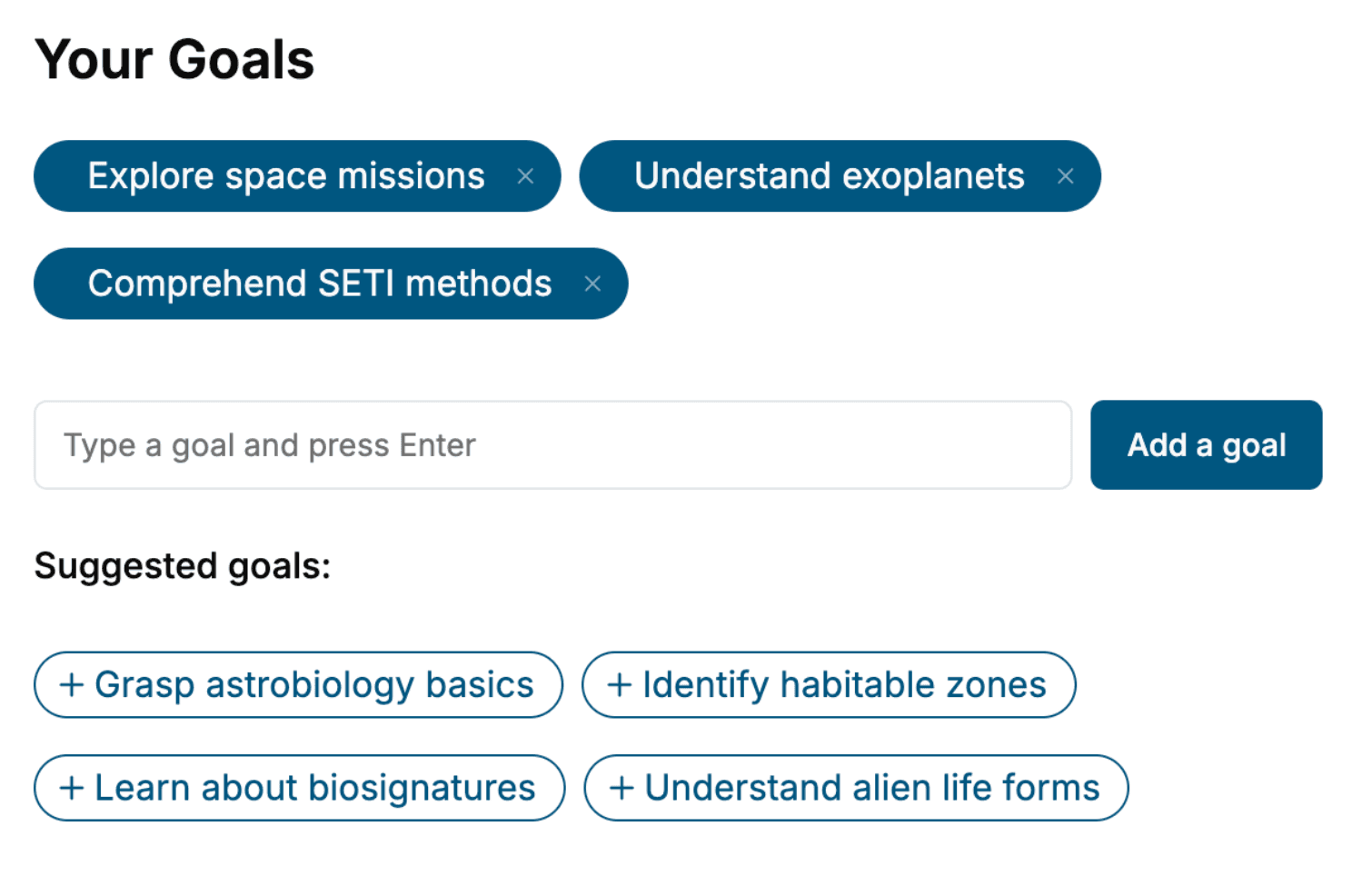
Specify your goals and choose sub-topics to include
- 3. Get your tailored book
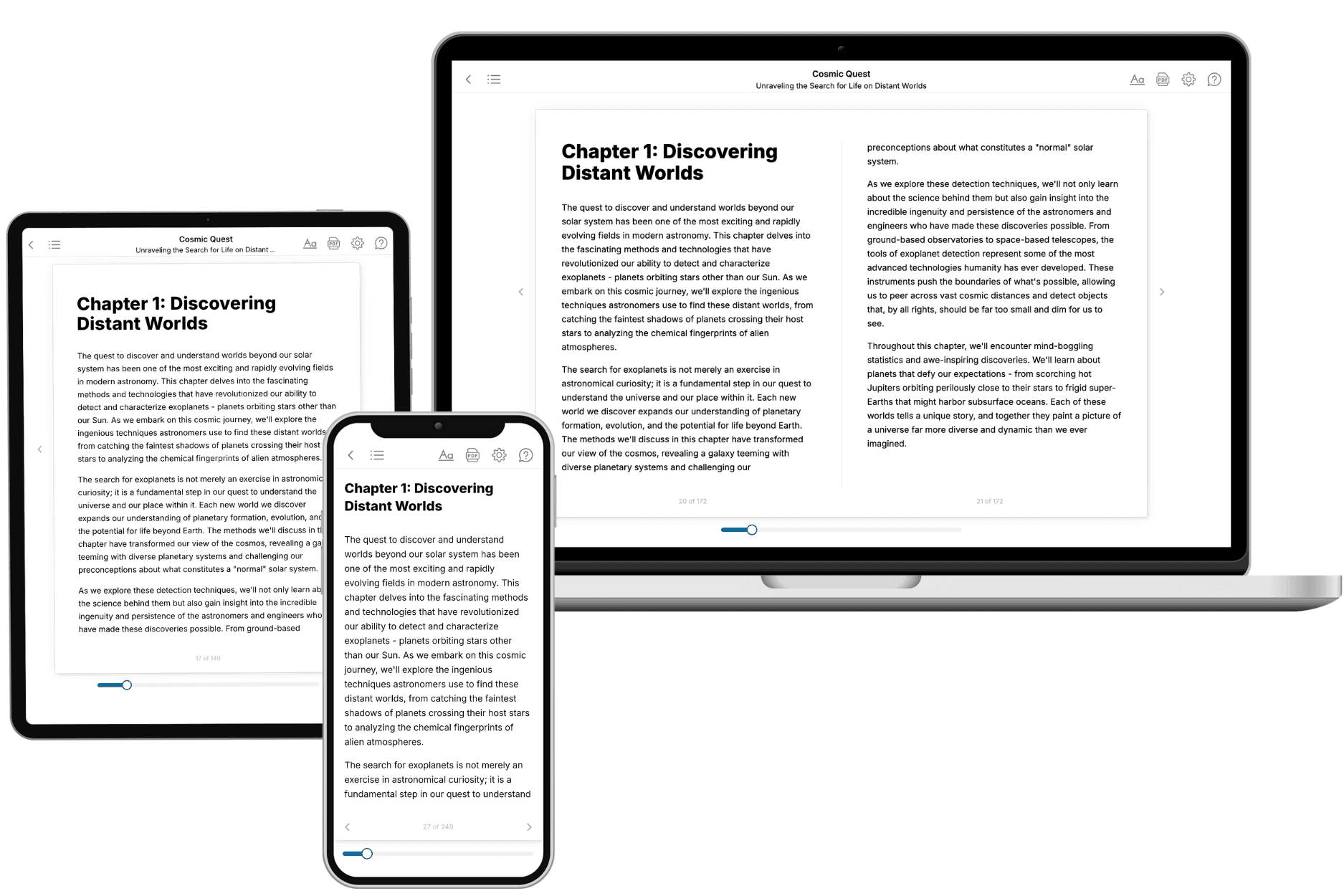
Your book is ready in 10 minutes. Read it online, download as EPUB or PDF, or send to Kindle.

Frequently asked questions
- What is TailoredRead?
TailoredRead creates complete, full-length nonfiction ebooks, written specifically for you. Tell us what you want to learn and why, and TailoredRead writes you a complete ebook on it, with charts, tables, and diagrams throughout. Read it online, on Kindle, or on any e-reader, or download it as a PDF or EPUB. Every book is written fresh the day you order it.
- How is the book tailored to me?
Before anything is written, you answer a few short questions about your goals, your background, and the topics you care about. Your book is then planned around your answers: written at your level, focused on your goals, and covering the topics you chose, instead of the one-size-fits-all book a store sells everyone.
- Will it read like generic AI content?
No. Your book isn't a chat transcript: it's planned chapter by chapter before a single word is written, told in a clear book voice, and explains ideas visually with charts, tables, and diagrams. After writing, every book goes through an editorial pass that polishes chapters so the book reads consistent from start to finish. Judge for yourself: browse thousands of sample books on our Explore Books page.
- How accurate is the content?
Our AI first checks whether your subject needs live research. Niche and fast-moving subjects are researched before writing, and the book plan and chapters are grounded in what it finds. After writing, every book goes through a quality pass that checks its facts and consistency, and researched books list their sources in a Notes section at the back.
- How long is the book?
You choose the length: Comprehensive (250-300 pages), Detailed (150-200 pages), Essential (70-100 pages), or Short (30-50 pages).
- Does the book include visuals?
Yes. Every book includes charts, tables, and diagrams: timelines, checklists, step-by-step guides, decision trees, comparison tables, matrices, and bar charts. A typical book includes dozens of these visual elements.
- Can I read it on Kindle? What formats can I download?
Yes. Every book can be read in our online reader or downloaded as a PDF or EPUB. The EPUB can be opened with Kindle, Apple Books, Kobo, and any e-reader. The Commercial and Author licenses also include an editable Word (DOCX) and Markdown download.
- How much does it cost?
About the price of a regular ebook. The exact price depends on your book's length and complexity, from $2 for the shortest books to $35 for the most comprehensive, and it's shown when you review your book, before you commit to anything. Each book is a one-time purchase, yours to keep, no subscription. Licenses that let you share, teach, or publish your book range from $35.99 to $49.99.
- Can I preview the book before purchasing?
Before you pay, you'll see what your book will cover: the title, a detailed description, the estimated length, and the complete chapter-by-chapter table of contents, so you know what you're getting before you decide. The full text itself is written after you purchase.
- How long does it take to create a book?
About 10 minutes. You can start reading the opening chapters while the rest is still being written.