The Ayurvedic Heart: Natural Wellness for Lifelong Vitality
A Practical Guide to Heart Health, Stress Relief, and Herbal Healing for Seniors
Discover how ancient Ayurvedic wisdom can help you achieve better heart health and vitality in your senior years.
238 pages11 chaptersJul 25, 2026AyurvedaCreated by Dr Rohit
About this book
This practical guide walks you through the fundamentals of Ayurvedic heart care, showing you how to understand your unique body constitution and apply time-tested natural approaches to cardiovascular wellness. You'll learn accessible meditation and breathing techniques that calm your mind and support your heart, explore herbal remedies and special preparations designed to strengthen cardiac function, and discover how to eat in ways that nourish both your heart and your energy levels. Whether you're looking to manage stress naturally, improve sleep quality, reduce medication dependency, or simply feel more vibrant, this book provides clear, actionable strategies grounded in Ayurvedic principles. Each chapter builds on practical wisdom you can implement immediately, from daily routines to herbal preparations, all designed specifically for the needs and lifestyle of active seniors seeking natural, sustainable health solutions.
Table of contents
- IntroductionWhy Ayurveda for Your Heart Health, How to Use This Book, Your Journey to Natural WellnessRead below
- Chapter 1: Ayurvedic Heart Health BasicsAncient Wisdom Meets Modern Heart Health, Understanding the Heart in Ayurvedic Medicine, How Your Dosha Affects Your Heart, Prevention Principles for Lifelong Wellness
- Chapter 2: Finding Your Ayurvedic ConstitutionUnderstanding Vata, Pitta, and Kapha, Identifying Your Unique Constitution, How Dosha Imbalances Affect Your Heart
- Chapter 3: Stress Reduction Through MeditationThe Stress-Heart Connection, Meditation Basics for Beginners, Building a Daily Meditation Practice, Specific Techniques for Heart Wellness
- Chapter 4: Pranayama Breathing TechniquesThe Power of Conscious Breathing, Introduction to Pranayama Practices, Breathing Techniques for Heart Health, Practicing Safely and Effectively
- Chapter 5: Herbal Remedies for CardiologyKey Ayurvedic Herbs for Heart Support, Understanding How These Herbs Work, Safe Use and Sourcing of Herbal Remedies, Combining Herbs for Maximum Benefit
- Chapter 6: Herbal Ghee Preparations for Heart HealthWhy Ghee is Heart-Healthy, Creating Herbal Ghee Preparations, Simple Recipes and Preparation Methods, Incorporating Herbal Ghee Into Your Daily Routine
- Chapter 7: Ayurvedic Nutrition for SeniorsAyurvedic Nutrition Principles for Heart Health, Foods That Support Your Heart, Foods to Minimize or Avoid, Practical Meal Planning for Seniors
- Chapter 8: Madhavbaug Treatment and Modern IntegrationUnderstanding Madhavbaug Treatment Approach, How Madhavbaug Improves Heart Health, Integrating Traditional and Modern Care
- Chapter 9: Sleep Quality and Heart WellnessThe Sleep-Heart Connection, Ayurvedic Approaches to Better Sleep, Creating a Heart-Healthy Sleep Routine, Natural Remedies for Restful Sleep
- Chapter 10: Daily Practices for Sustained Heart HealthBuilding Your Daily Wellness Routine (Dinacharya), Adjusting Your Practices by Season, Boosting Energy and Vitality Naturally
- Chapter 11: Preventing Complications and Managing MedicationsStrategies for Preventing Heart Complications, Working with Your Doctor: Integrating Ayurveda with Medications, Monitoring Your Progress and Adjusting Your Plan
- ConclusionYour Path Forward, Creating Lasting Change
- Glossary of Ayurvedic Terms
- Further Resources and Reading
Introduction
Cardiovascular disease remains the leading cause of death among adults over 65 in the United States, accounting for roughly one in three deaths in that age group.[1] Yet millions of seniors manage their heart health with a combination of medications, lifestyle adjustments, and a quiet hope that there might be something more they can do. That hope is not unfounded. For more than five thousand years, the medical tradition known as Ayurveda has offered a detailed, practical framework for understanding the heart, protecting it from disease, and restoring its vitality when things go wrong. This book brings that framework to you in plain, usable language.
Ayurveda is not a collection of folk remedies or spiritual beliefs dressed up as medicine. It is a systematic science of life, rooted in careful observation of the human body, its rhythms, and its relationship to the natural world. The word itself comes from Sanskrit: Ayur means life, and Veda means knowledge. At its center sits the concept of Hridaya, the heart, which Ayurvedic physicians have long recognized as the seat of consciousness, emotion, and physical vitality. Understanding how Ayurveda views the heart gives you a richer, more complete picture of your own cardiovascular health than any single lab result can provide.
This book is written specifically for retired seniors who want to take a more active, natural role in caring for their hearts. You do not need any prior knowledge of Ayurveda, Sanskrit, or alternative medicine to benefit from what follows. Every concept is explained from the ground up, every practice is adapted for the realities of senior life, and every recommendation is framed with your safety and your relationship with your existing medical care firmly in mind. The goal is not to replace your doctor. The goal is to give you a richer set of tools, grounded in centuries of clinical tradition, that work alongside the care you already receive.
What you will find across these pages is a layered, practical curriculum. It begins with the foundational ideas of Ayurvedic heart health, moves through your personal body constitution, and then walks step by step through meditation, breathing, herbal remedies, nutrition, sleep, and daily routine. Each chapter builds on the one before it, so reading in order gives you the fullest understanding. That said, if a particular topic calls to you first, such as the breathing techniques or the herbal preparations, feel free to start there and circle back. The knowledge connects, but no single chapter requires you to have memorized another.
Why Ayurveda for Your Heart Health
Modern cardiology is extraordinarily good at crisis intervention. Stents, bypass surgeries, and beta-blockers save lives every day. What conventional medicine is less equipped to address is the slow, daily accumulation of habits, stresses, and imbalances that lead to heart disease in the first place. Ayurveda was built precisely for that territory. Its entire prevention philosophy rests on the idea that disease does not appear overnight. It develops gradually, through years of small misalignments between how we live and what our bodies actually need.
One of Ayurveda's most useful contributions to heart health is its concept of Ojas, the refined essence of vitality that sustains the heart and immune system. When Ojas is strong, the heart is resilient, the mind is calm, and the body recovers well from stress. When Ojas is depleted, through poor sleep, chronic worry, irregular eating, or emotional strain, the heart becomes vulnerable. This is not metaphor. Research in psychoneuroimmunology has confirmed that chronic psychological stress measurably damages cardiovascular tissue and accelerates arterial aging.[2] Ayurveda identified this connection millennia before the laboratory tools existed to measure it.
Another reason Ayurveda is particularly well suited to senior heart health is its emphasis on individualization. The system organizes human physiology into three fundamental energies called the Tridosha: Vata, Pitta, and Kapha. Every person is born with a unique combination of these three, called their Prakriti, or natural constitution. Heart disease does not look the same in a Vata-dominant person as it does in a Kapha-dominant one. The triggers differ, the symptoms differ, and the most effective remedies differ. A one-size-fits-all approach to heart health misses this entirely. Ayurveda does not.
Consider two common senior scenarios. One person struggles with anxiety, irregular heartbeat, and poor sleep. Another carries excess weight, feels sluggish, and has high cholesterol. Conventional medicine might prescribe similar medications for both. Ayurveda would identify the first as a likely Vata imbalance and the second as a Kapha imbalance, and would recommend entirely different dietary adjustments, herbal supports, and daily routines for each. That level of personalization is one of Ayurveda's greatest practical strengths.
The herbal tradition within Ayurveda is also backed by a growing body of modern research. Herbs like Arjuna, Ashwagandha, and Guggulu have been studied in clinical settings for their effects on blood pressure, cholesterol, and cardiac muscle function. The results are not uniformly dramatic, but they are consistent enough to warrant serious attention, particularly for seniors looking to support their hearts with fewer synthetic compounds. The chapters on herbal remedies and Medicated Ghee will walk you through what the evidence shows and how to use these preparations safely.
Perhaps most importantly, Ayurveda treats the whole person. Stress, sleep, digestion, emotional wellbeing, and physical activity are not separate categories to be managed by separate specialists. They are interconnected systems that influence each other constantly. When you improve your digestion through Ayurvedic nutrition, your sleep often improves. When your sleep improves, your stress hormones drop. When your stress hormones drop, your blood pressure tends to follow. This cascade of benefits is not accidental. It is the natural result of treating the body as the integrated system it actually is.
Ayurveda also fits naturally into the rhythm of retired life. Many of its most effective practices, including morning oil massage (Abhyanga), breathing exercises (Pranayama), and meditation (Dhyana), require no equipment, no gym membership, and no special physical fitness. They are designed to be done at home, at a gentle pace, and adapted to whatever physical limitations you may have. That accessibility is not a compromise. It is a feature of a system that was always intended for lifelong, daily use.
How to Use This Book
This book is organized as a progressive journey, not a reference encyclopedia. Each chapter introduces a specific domain of Ayurvedic heart care and gives you enough practical detail to begin applying it right away. The early chapters establish the conceptual foundation: what Ayurveda understands about the heart, how the Tridosha system works, and how to identify your own Prakriti. Without this foundation, the later chapters on herbs, breathing, and daily routine would feel like a collection of disconnected tips. With it, everything connects into a coherent personal strategy.
Here is a simple map of how the chapters build on each other:
- Chapters 1 and 2 give you the Ayurvedic framework for understanding your heart and your unique constitution. Read these first, even if you are eager to jump ahead.
- Chapters 3 and 4 cover meditation and breathing. These are the fastest-acting practices in this book. Many people notice a difference in their stress levels and sleep quality within the first week of consistent practice.
- Chapters 5 and 6 explore herbal remedies and Medicated Ghee preparations. These chapters include guidance on safe sourcing and on discussing herbs with your physician, which is essential reading before you begin any herbal protocol.
- Chapter 7 translates Ayurvedic nutritional principles into practical, senior-friendly meal choices. You do not need to overhaul your entire diet. Small, targeted changes make a meaningful difference.
- Chapter 8 examines the Madhavbaug model as a real-world example of Ayurveda and modern cardiology working together. This chapter is particularly useful if you are skeptical about how traditional practices fit into contemporary medical care.
- Chapters 9 and 10 address sleep and daily routine, two areas where Ayurveda offers some of its most immediately practical guidance for seniors.
- Chapter 11 covers the critical topic of integrating Ayurvedic practices with your existing medications and medical team. Read this chapter carefully before making any changes to your current health regimen.
Throughout the book, you will find specific practices presented in a consistent format. Each practice includes what it is, why it supports heart health, and how to do it step by step. Where relevant, you will also find notes on what to watch for, when to ease back, and when to consult your doctor. These are not legal disclaimers. They are practical guidance from a tradition that has always understood that the same remedy can help one person and harm another if applied without attention to individual circumstances.
A note on Sanskrit terms: Ayurveda has its own precise vocabulary, and some of those terms do not translate neatly into English. Rather than avoid them, this book uses the canonical Sanskrit terms alongside clear English explanations. A full glossary at the back of the book defines every term used. You do not need to memorize the Sanskrit to benefit from the practices. But knowing the terms helps you communicate with Ayurvedic practitioners, research topics further, and understand the tradition on its own terms rather than through imprecise translations.
You will also notice that this book does not make absolute promises. Ayurveda is not a cure for heart disease, and no responsible presentation of it would claim otherwise. What it offers is a set of well-developed, time-tested practices that, when applied consistently and intelligently, support cardiovascular health in meaningful ways. The research cited throughout these pages reflects the current state of evidence, which is growing but still incomplete in some areas. Where the evidence is strong, that is noted. Where it is preliminary, that is noted too. Honest assessment of what is known and what is still being studied is part of respecting both the tradition and your intelligence as a reader.
One practical suggestion: keep a simple journal as you work through this book. Note which practices you try, how they feel, and any changes you observe in your energy, sleep, stress levels, or physical symptoms. Ayurveda is an observational science at heart. The more carefully you observe your own responses, the better you can tailor these practices to your specific needs. Your journal also becomes a useful document to share with your doctor, giving them concrete information about what you are doing and how your body is responding.
Finally, pace yourself. This book covers a lot of ground, and the temptation to try everything at once is understandable. Resist it. Ayurveda consistently emphasizes gradual, sustainable change over dramatic overhauls. Pick one or two practices from the early chapters, establish them as habits, and then add more. That approach is not only more manageable. It is also more effective, because each practice reinforces the others when they are given time to settle into your daily life.
Your Journey to Natural Wellness
Retirement is one of the most significant transitions a person makes. The structure of working life falls away, and with it comes both freedom and, for many people, a new awareness of the body's needs and limitations. Heart health often moves to the foreground during this period, sometimes because of a diagnosis, sometimes because of a family member's experience, and sometimes simply because the quieter pace of retired life creates space to pay attention to things that were easy to ignore when life was busier. Whatever brought you to this book, the timing is good.
Ayurveda has a concept that maps well onto this life stage. The tradition divides human life into broad phases, each governed by a different dominant energy. The later decades of life are associated with Vata, the energy of movement, change, and lightness. This is why many seniors notice increased dryness, lighter sleep, more variable digestion, and a tendency toward anxiety or worry as they age. These are not signs of failure. They are predictable expressions of a natural biological shift. Knowing this helps you respond to these changes with appropriate practices rather than fighting them or ignoring them.
The journey this book maps out is not about returning to a younger version of yourself. It is about finding the version of vitality that is appropriate and achievable for where you are right now. Ayurveda calls this state of dynamic balance Vikriti awareness: understanding the current state of your system and making adjustments that bring it back toward your natural baseline. For the heart, this means reducing the accumulated burdens of stress, poor sleep, and inflammatory diet while actively nourishing cardiac tissue with herbs, breathing practices, and the deep rest that comes from regular meditation.
Many seniors who begin Ayurvedic practices report that the first noticeable change is not in their heart metrics but in their sense of agency. They feel less like passive recipients of medical care and more like active participants in their own health. That shift in perspective has real physiological consequences. Research consistently shows that a sense of personal control over health outcomes is associated with better adherence to wellness practices, lower stress hormone levels, and improved cardiovascular outcomes.[3] Ayurveda, by its very nature, hands that agency back to you.
Consider what a realistic six-month arc might look like for someone starting from scratch:
- Month 1: Learn your Prakriti, begin a simple morning breathing practice, and make two or three targeted dietary adjustments based on your constitution.
- Month 2: Add a short daily meditation practice and begin exploring one or two Ayurvedic herbs with your doctor's knowledge and approval.
- Month 3: Introduce a consistent sleep routine using Ayurvedic nighttime practices, and begin incorporating Abhyanga self-massage two or three times per week.
- Month 4: Refine your nutrition further using the Ahara principles from the nutrition chapter, and begin adjusting practices seasonally using Ritucharya guidelines.
- Month 5: Deepen your meditation practice and explore more advanced Pranayama techniques as your comfort and capacity grow.
- Month 6: Review your journal, assess what has changed, share your observations with your doctor, and set intentions for the next phase of your practice.
This arc is a suggestion, not a prescription. Your pace will depend on your current health status, your existing habits, and how much time and energy you have available. Some people move faster; many move slower. Both are fine. The only pace that does not work is no pace at all.
The practices in this book have been used by millions of people across thousands of years. They have been refined through generations of careful observation and adapted to countless individual circumstances. They are not magic, and they are not a substitute for the medical care you need. But they are real, they are accessible, and they work. The heart that beats in your chest right now has already carried you through decades of life. Ayurveda offers you a way to honor that remarkable organ with the daily attention and care it deserves.
What follows is not a program to complete and set aside. It is a way of living that, once learned, becomes second nature. The morning breathing practice that feels effortful in week one becomes the anchor of your day by month three. The dietary adjustments that seem restrictive at first become the foundation of meals you genuinely enjoy. The meditation that feels impossible to sustain for five minutes eventually becomes the part of your day you protect most fiercely. That transformation does not happen all at once. It happens one small, consistent choice at a time. And it starts right here.
This is the end of the free sample. The full book has 11 chapters.
Want this book written for you?
Tell us your goals and background, and get your own version of this book, tailored by AI to you.


Benefits of AI-tailored books
- Read one book, not ten:
- all the Ayurveda knowledge you need, gathered into a single book.
- Save days of learning:
- tell us your goals, choose your topics, and the whole book is built around them.
- Learn effortlessly:
- Ayurveda book written for your specific background and expertise.
- Understand at a glance:
- includes charts, tables, timelines, checklists, decision trees, and more.
- Stay current:
- written the day you order it, not years ago.
- Trust what you read:
- every book is checked for accuracy, with real research when your subject needs it.
Create your unique book in 3 steps
- 1. Select your focus
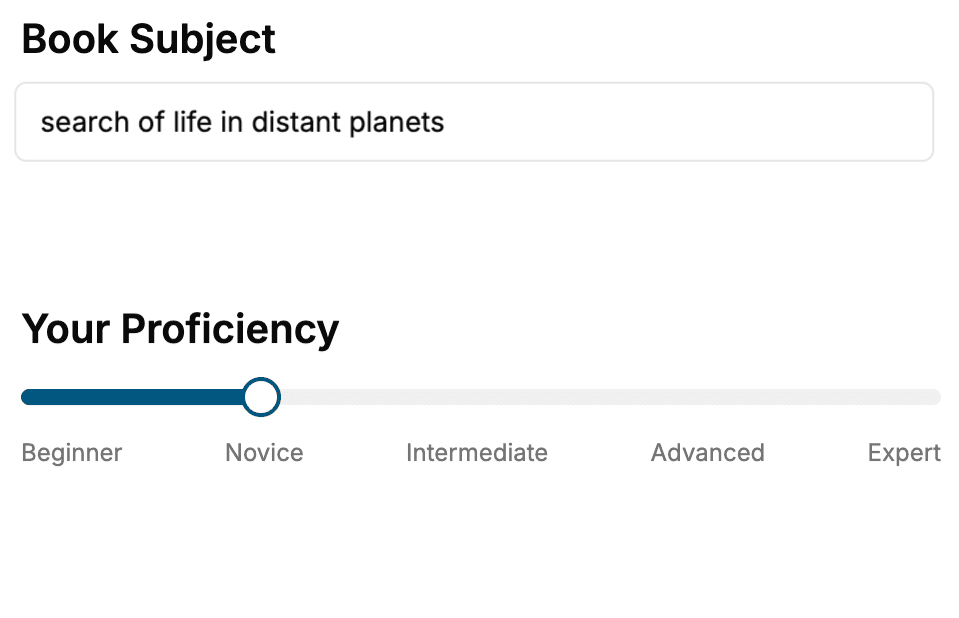
Select the focus of your Ayurveda book and share your background
- 2. Personalize your book
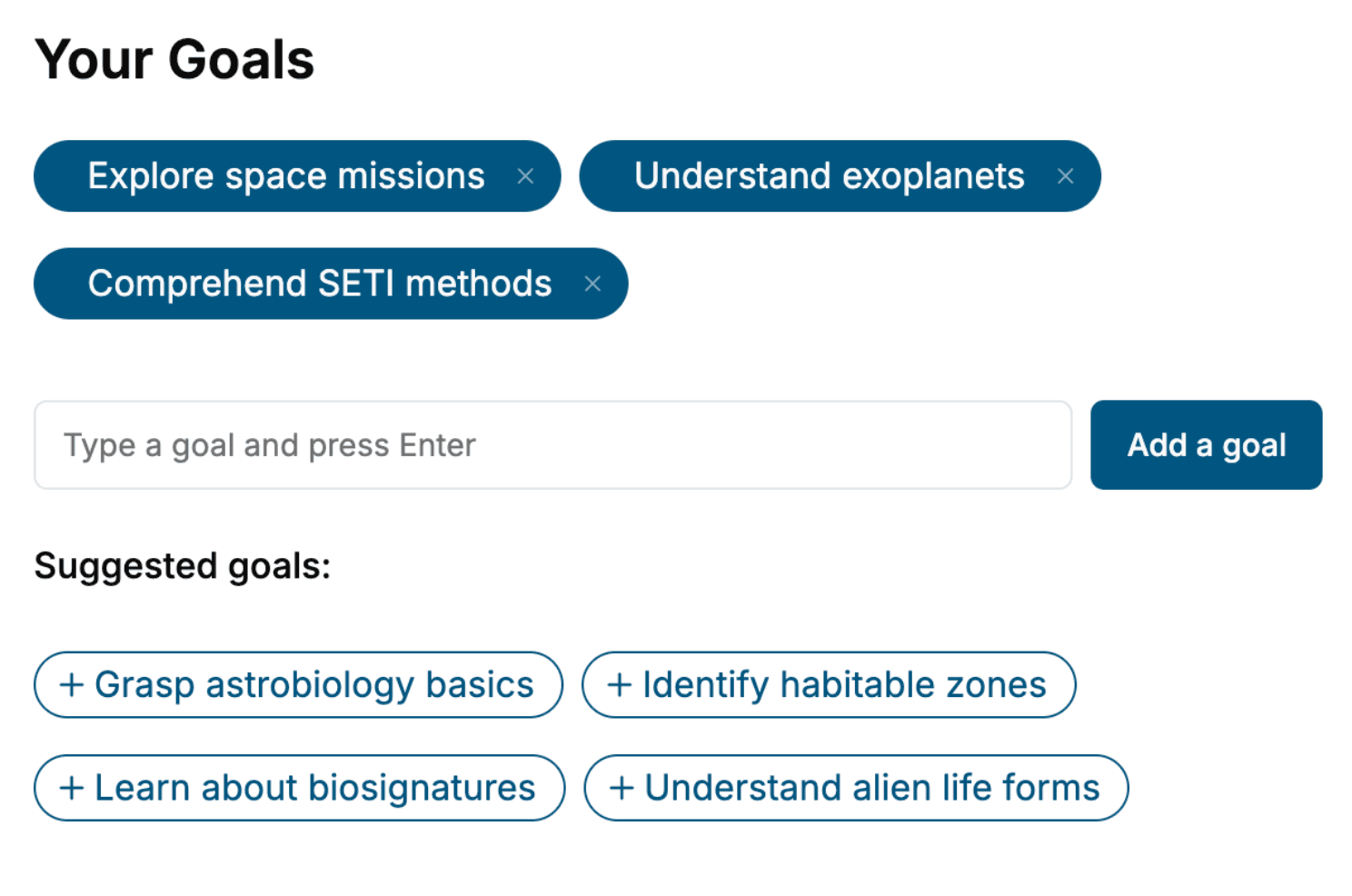
Specify your goals and choose sub-topics to include
- 3. Get your tailored book
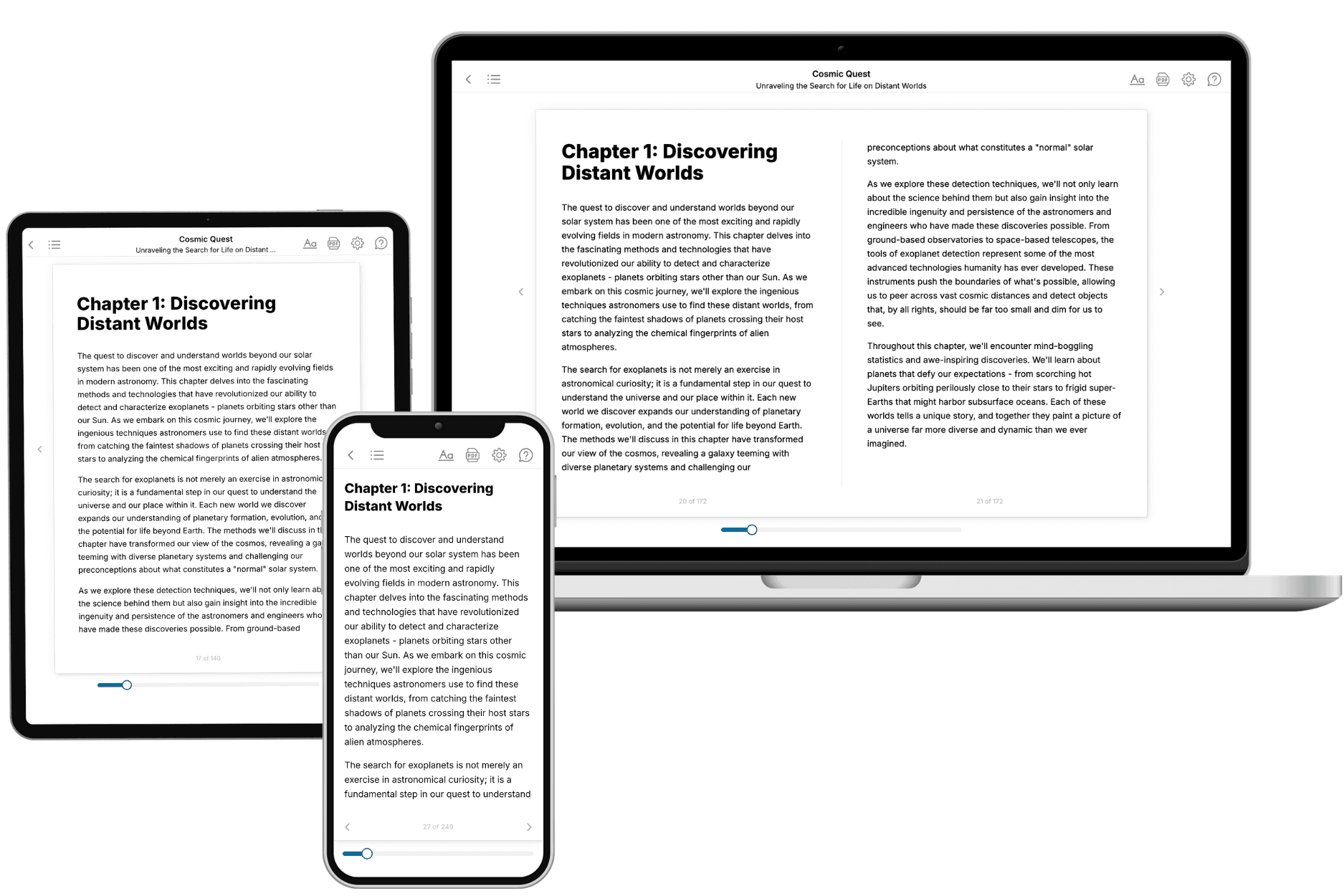
Your book is ready in 10 minutes. Read it online, download as EPUB or PDF, or send to Kindle.
Frequently asked questions
- What is TailoredRead?
TailoredRead creates complete, full-length nonfiction ebooks, written specifically for you. Tell us what you want to learn and why, and TailoredRead writes you a complete ebook on it, with charts, tables, and diagrams throughout. Read it online, on Kindle, or on any e-reader, or download it as a PDF or EPUB. Every book is written fresh the day you order it.
- How is the book tailored to me?
Before anything is written, you answer a few short questions about your goals, your background, and the topics you care about. Your book is then planned around your answers: written at your level, focused on your goals, and covering the topics you chose, instead of the one-size-fits-all book a store sells everyone.
- Will it read like generic AI content?
No. Your book isn't a chat transcript: it's planned chapter by chapter before a single word is written, told in a clear book voice, and explains ideas visually with charts, tables, and diagrams. After writing, every book goes through an editorial pass that polishes chapters so the book reads consistent from start to finish. Judge for yourself: browse thousands of sample books on our Explore Books page.
- How accurate is the content?
Our AI first checks whether your subject needs live research. Niche and fast-moving subjects are researched before writing, and the book plan and chapters are grounded in what it finds. After writing, every book goes through a quality pass that checks its facts and consistency, and researched books list their sources in a Notes section at the back.
- How long is the book?
You choose the length: Comprehensive (250-300 pages), Detailed (150-200 pages), Essential (70-100 pages), or Short (30-50 pages).
- Does the book include visuals?
Yes. Every book includes charts, tables, and diagrams: timelines, checklists, step-by-step guides, decision trees, comparison tables, matrices, and bar charts. A typical book includes dozens of these visual elements.
- Can I read it on Kindle? What formats can I download?
Yes. Every book can be read in our online reader or downloaded as a PDF or EPUB. The EPUB can be opened with Kindle, Apple Books, Kobo, and any e-reader. The Commercial and Author licenses also include an editable Word (DOCX) and Markdown download.
- How much does it cost?
About the price of a regular ebook. The exact price depends on your book's length and complexity, from $2 for the shortest books to $35 for the most comprehensive, and it's shown when you review your book, before you commit to anything. Each book is a one-time purchase, yours to keep, no subscription. Licenses that let you share, teach, or publish your book range from $35.99 to $49.99.
- Can I preview the book before purchasing?
Before you pay, you'll see what your book will cover: the title, a detailed description, the estimated length, and the complete chapter-by-chapter table of contents, so you know what you're getting before you decide. The full text itself is written after you purchase.
- How long does it take to create a book?
About 10 minutes. You can start reading the opening chapters while the rest is still being written.