The Balanced Mind
A Sales Professional's Guide to Cultivating Equanimity and Emotional Intelligence
In "The Balanced Mind," readers embark on a transformative journey to master the art of equanimity in both personal and professional spheres.
253 pages13 chaptersNov 9, 2024SalesCreated by Phillip
About this book
This comprehensive guide is tailored specifically for sales professionals seeking to elevate their emotional intelligence and cultivate inner peace. Through a blend of practical exercises, real-world examples, and evidence-based techniques, this book offers a roadmap to achieving emotional balance in high-pressure situations. Readers will learn how to harness the power of mindfulness meditation, develop razor-sharp active listening skills, and master the nuances of conflict de-escalation. Whether you're navigating challenging client interactions or striving for personal growth, "The Balanced Mind" equips you with the tools to maintain composure, make clear-headed decisions, and foster harmonious relationships. By the end of this journey, you'll have transformed your approach to sales, communication, and self-management, setting the stage for unprecedented success and fulfillment in all areas of life.
Table of contents
- IntroductionWhy Equanimity Matters in Sales and Life, Overview of the Journey Ahead, What to Expect and How to Use This BookRead below
- Chapter 1: Understanding EquanimityDefining Equanimity: Balance in Motion, The Benefits of Equanimity in Sales and Personal Life, Common Misconceptions About Emotional Balance, The Science Behind Equanimity
- Chapter 2: Foundations of MindfulnessIntroduction to Mindfulness Meditation, Basic Mindfulness Techniques for Beginners, The Power of Mindful Breathing, Body Scan: Connecting Mind and Body, Overcoming Common Mindfulness Challenges
- Chapter 3: Developing Emotional IntelligenceThe Components of Emotional Intelligence, Cultivating Self-Awareness, Recognizing and Labeling Emotions, Developing Empathy and Compassion, Applying Emotional Intelligence in Sales Scenarios
- Chapter 4: Mastering Emotional RegulationThe Importance of Emotional Regulation in Sales, Identifying Personal Emotional Triggers, Strategies for Responding vs. Reacting, Stress Management Techniques, The Art of Positive Reframing
- Chapter 5: The Power of Active ListeningFundamentals of Active Listening, Reading and Responding to Nonverbal Cues, Effective Questioning Techniques, The Art of Paraphrasing and Clarifying, Overcoming Common Listening Pitfalls
- Chapter 6: Conflict Resolution and De-escalationUnderstanding the Nature of Conflict, De-escalation Techniques for Heated Situations, Finding Win-Win Solutions, Navigating Difficult Conversations, Proactive Conflict Prevention Strategies
- Chapter 7: Mindfulness in Sales InteractionsCultivating Present Moment Awareness, Mindful Communication with Clients, Mindfully Handling Rejection and Setbacks, Building Authentic Connections Through Presence
- Chapter 8: Building ResilienceDefining Resilience in the Context of Sales, Cultivating a Growth Mindset, Techniques for Bouncing Back from Setbacks, Self-Care Practices for Long-Term Resilience, Building and Leveraging Support Networks
- Chapter 9: Integrating Equanimity into Daily LifeCreating Mindful Morning Routines, Micro-Practices for Busy Schedules, Mindful Eating and Its Impact on Energy, Digital Detox and Mindful Technology Use, Evening Reflection and Gratitude Practices
- Chapter 10: Advanced Equanimity TechniquesLoving-Kindness Meditation, Mindful Movement and Body Awareness, Visualization Techniques for Emotional Balance, Reflective Journaling for Self-Discovery, Advanced Breathing Exercises
- Chapter 11: Equanimity in LeadershipThe Role of Emotional Balance in Leadership, Fostering Equanimity in Team Dynamics, Balanced Decision-Making Under Pressure, Mentoring Others in Emotional Intelligence, Creating a Culture of Mindfulness and Balance
- Chapter 12: Measuring Your ProgressSelf-Assessment Tools for Emotional Intelligence, Tracking Your Growth in Equanimity, Incorporating Feedback from Others, Setting and Adjusting Personal Development Goals, Celebrating Milestones and Small Wins
- Chapter 13: Conclusion: Your Ongoing JourneyKey Takeaways and Action Steps, Equanimity as a Lifelong Practice, Continuing Your Growth Beyond This Book
- Additional Resources
- Glossary of Key Terms
Introduction
Welcome to "The Balanced Mind: A Sales Professional's Guide to Cultivating Equanimity and Emotional Intelligence." This book is your compass on a transformative journey towards achieving emotional balance, enhancing your interpersonal skills, and mastering the art of mindfulness in both your personal and professional life. As a sales professional, you're no stranger to the rollercoaster of emotions that come with the territory - the thrill of closing a deal, the frustration of a lost opportunity, the pressure of meeting quotas, and the challenge of navigating complex client relationships. In this high-stakes environment, the ability to maintain equanimity - a state of psychological stability and composure - is not just beneficial; it's essential for long-term success and personal well-being.
Throughout this book, we'll explore the multifaceted concept of equanimity and how it intersects with emotional intelligence, mindfulness, and professional excellence in sales. We'll delve into practical techniques, evidence-based strategies, and real-world applications that will empower you to cultivate a balanced mind, even in the face of adversity. By the time you reach the final page, you'll have a robust toolkit for emotional regulation, conflict resolution, and self-awareness that will serve you well beyond the sales floor.
This introduction will lay the groundwork for your journey, explaining why equanimity matters in sales and life, providing an overview of what lies ahead, and setting clear expectations for how to make the most of this book. So, take a deep breath, center yourself, and let's begin this transformative exploration together.
Why Equanimity Matters in Sales and Life
In the fast-paced, high-pressure world of sales, emotions can run high. The constant pursuit of targets, the ebb and flow of client relationships, and the competitive nature of the industry can create a perfect storm of stress, anxiety, and emotional turbulence. It's in this challenging environment that equanimity becomes not just a desirable trait, but a crucial skill for success and personal well-being. Equanimity, often described as mental calmness and composure, especially in difficult situations, is the cornerstone of emotional stability and clear decision-making.
Consider for a moment the impact of emotional reactivity in your professional life. How many times have you said something in the heat of the moment that you later regretted? How often have stress and anxiety clouded your judgment, leading to missed opportunities or suboptimal decisions? The cost of emotional imbalance in sales can be significant - from damaged client relationships to decreased performance and even burnout. On the flip side, cultivating equanimity can lead to a host of benefits that extend far beyond the sales floor.
First and foremost, equanimity enhances your ability to handle rejection and setbacks - an inevitable part of any sales career. When you approach challenges with a balanced mind, you're better equipped to learn from failures, maintain motivation, and bounce back quickly. This resilience is a key factor in long-term success in sales, where persistence often makes the difference between closing a deal and losing a prospect.
Moreover, equanimity is closely linked to emotional intelligence - the ability to recognize, understand, and manage your own emotions, as well as those of others. In sales, where building and maintaining relationships is paramount, emotional intelligence is a game-changer. It allows you to read clients more accurately, respond to their needs more effectively, and navigate complex interpersonal dynamics with grace and skill. By cultivating equanimity, you're simultaneously developing your emotional intelligence, creating a powerful synergy that can elevate your professional performance.
But the benefits of equanimity extend far beyond your career. In your personal life, maintaining emotional balance can lead to improved relationships, better stress management, and an overall sense of well-being. It can help you navigate life's ups and downs with greater ease, fostering a sense of inner peace that permeates all aspects of your existence. This inner stability becomes a source of strength, allowing you to face life's challenges with confidence and clarity.
Research supports the importance of equanimity in both professional and personal contexts. A study published in the Journal of Occupational Health Psychology found that employees with higher levels of emotional stability (a key component of equanimity) reported lower levels of job stress and higher job satisfaction[1]. Another study in the field of neuroscience revealed that individuals who practice mindfulness meditation - a key tool for developing equanimity - show increased activity in brain regions associated with emotional regulation and decreased activity in areas linked to stress and anxiety[2].
In the context of sales, the impact of equanimity is equally significant. A study published in the Journal of Personal Selling & Sales Management found that salespeople with higher emotional intelligence (which includes emotional stability and self-regulation) consistently outperformed their peers and had higher customer satisfaction ratings[3]. This research underscores the tangible benefits of cultivating equanimity in your sales career.
As we progress through this book, you'll discover that equanimity is not about suppressing emotions or maintaining a facade of calm. Rather, it's about developing a deep, internal sense of balance that allows you to experience the full range of human emotions without being overwhelmed by them. It's about responding thoughtfully rather than reacting impulsively, making decisions based on clarity rather than confusion, and approaching both triumphs and challenges with a steady mind.
In essence, equanimity is the foundation upon which you can build a more successful, fulfilling career in sales and a more balanced, harmonious life overall. It's a skill that, once developed, will serve you in every interaction, negotiation, and personal challenge you face. As you embark on this journey to cultivate equanimity, remember that you're not just working towards becoming a better salesperson - you're working towards becoming a more centered, resilient, and emotionally intelligent individual. The path ahead may be challenging at times, but the rewards - both personal and professional - are immeasurable.
Overview of the Journey Ahead
As we embark on this transformative journey towards cultivating equanimity and enhancing your emotional intelligence, it's important to have a clear roadmap of what lies ahead. This book is structured to guide you through a comprehensive exploration of equanimity, mindfulness, and emotional intelligence, with each chapter building upon the last to create a holistic approach to personal and professional growth. Let's take a moment to overview the path we'll be traveling together.
We begin our journey with a deep dive into the concept of equanimity itself. Chapter 1, "Understanding Equanimity," will provide you with a solid foundation, exploring the definition of equanimity, its benefits in both sales and personal life, common misconceptions, and the scientific research supporting its importance. This chapter will help you grasp why equanimity is so crucial and how it can transform your approach to work and life.
From there, we move into the practical tools and techniques that will help you cultivate equanimity. Chapter 2, "Foundations of Mindfulness," introduces you to the practice of mindfulness meditation - a cornerstone in developing equanimity. You'll learn basic mindfulness techniques, explore the power of mindful breathing, and discover how to overcome common challenges in establishing a consistent practice. This chapter lays the groundwork for the more advanced techniques we'll explore later in the book.
Chapters 3 and 4 focus on the closely related concepts of emotional intelligence and emotional regulation. In "Developing Emotional Intelligence," you'll learn about the components of EI, how to cultivate self-awareness, recognize and label emotions, and develop empathy. "Mastering Emotional Regulation" builds on this foundation, teaching you strategies for managing your emotional responses, identifying triggers, and reframing negative experiences. These chapters are particularly crucial for sales professionals, as they directly impact your ability to navigate client relationships and high-pressure situations.
The next section of the book delves into specific skills that complement and enhance your growing sense of equanimity. Chapter 5, "The Power of Active Listening," explores how deep, attentive listening can transform your sales interactions and personal relationships. You'll learn techniques for reading nonverbal cues, asking effective questions, and overcoming common listening pitfalls. Chapter 6, "Conflict Resolution and De-escalation," equips you with strategies for navigating disagreements and tense situations with grace and composure - an essential skill in both professional and personal contexts.
As we progress, we'll explore how to apply these concepts specifically to your sales career. Chapter 7, "Mindfulness in Sales Interactions," offers practical advice for bringing presence and awareness to your client interactions, helping you build authentic connections and handle rejection with equanimity. Chapter 8, "Building Resilience," focuses on developing the mental toughness needed to thrive in the face of setbacks and challenges - a crucial skill in the often unpredictable world of sales.
The latter part of the book is dedicated to integrating these practices into your daily life and advancing your skills. Chapter 9, "Integrating Equanimity into Daily Life," provides strategies for creating mindful routines and incorporating micro-practices into your busy schedule. Chapter 10, "Advanced Equanimity Techniques," introduces more sophisticated practices like loving-kindness meditation and visualization techniques to deepen your practice.
We then turn our attention to the broader impact of equanimity in your professional life. Chapter 11, "Equanimity in Leadership," explores how emotional balance can enhance your leadership skills, improve team dynamics, and contribute to creating a culture of mindfulness in your organization. This chapter is particularly valuable if you're in a leadership role or aspiring to move into one.
As we near the end of our journey, Chapter 12, "Measuring Your Progress," provides tools and strategies for assessing your growth in equanimity and emotional intelligence. You'll learn how to track your progress, incorporate feedback, and set meaningful goals for continued development. Finally, the conclusion offers key takeaways and guidance for continuing your journey beyond the pages of this book.
Throughout this journey, you'll find a blend of theoretical knowledge, practical exercises, real-world examples, and evidence-based techniques. Each chapter is designed to not only inform but to inspire action and facilitate real change in your life. You'll encounter case studies from the sales world, illustrating how these principles play out in familiar scenarios. You'll also find guided exercises and reflection prompts to help you internalize the concepts and apply them to your unique situation.
It's important to note that while this book follows a logical progression, it's not necessary to read it strictly from start to finish. Feel free to jump to chapters that address your most pressing needs or interests. However, I encourage you to eventually work through all the material, as each chapter contributes to a comprehensive understanding and practice of equanimity.
Remember, the journey to equanimity is ongoing. This book is not a quick fix or a one-time solution, but rather a guide to help you develop lifelong skills and practices. Be patient with yourself as you work through the material, and remember that every small step forward is progress. The path to equanimity is as much about the journey as it is about the destination.
As we prepare to dive into the first chapter, take a moment to set your intention for this journey. What do you hope to gain from this book? How might greater equanimity and emotional intelligence transform your life and career? Keep these goals in mind as we move forward, and let them motivate you through the challenges and triumphs ahead. Your journey to a more balanced, emotionally intelligent, and successful life begins now.
What to Expect and How to Use This Book
As we embark on this journey together, it's important to set clear expectations and provide guidance on how to make the most of this book. "The Balanced Mind" is designed to be more than just a passive reading experience; it's a comprehensive guide that requires your active participation to truly reap its benefits. Here's what you can expect from this book and how to use it effectively to transform your approach to sales and life.
First and foremost, expect to be challenged. Developing equanimity and emotional intelligence requires introspection, practice, and sometimes stepping out of your comfort zone. This book will ask you to examine your thoughts, emotions, and behaviors in ways you may not have before. It will challenge some of your existing beliefs and habits. Embrace this challenge with an open mind and a willingness to grow. Remember, discomfort often precedes growth, and the rewards of this journey are well worth the effort.
Each chapter is structured to provide a blend of theoretical knowledge and practical application. You'll find explanations of key concepts, backed by scientific research and real-world examples from the sales industry. These sections are designed to deepen your understanding and provide context for the skills you'll be developing. Take the time to reflect on how these concepts relate to your own experiences in sales and in your personal life.
Interspersed throughout the chapters are practical exercises and techniques. These are not optional extras - they are integral to your learning and growth. Set aside dedicated time to work through these exercises. Some may be quick activities you can do in the moment, while others might require more time and repeated practice. Approach these exercises with curiosity and commitment. Even if an exercise feels challenging or uncomfortable at first, give it a genuine try. Often, the most transformative experiences come from pushing through initial resistance.
You'll also find case studies and examples throughout the book, illustrating how the principles of equanimity and emotional intelligence play out in real-world sales scenarios. As you read these, try to draw parallels to your own experiences. Reflect on how you might have handled similar situations in the past and how you could approach them differently with your new skills and perspective.
At the end of each chapter, you'll find a summary of key points and reflection questions. Use these as an opportunity to consolidate your learning and personalize the content to your own situation. Consider keeping a journal as you work through the book, using it to record your thoughts, insights, and progress. This reflective practice can be a powerful tool for deepening your understanding and tracking your growth over time.
It's important to approach this book with patience and self-compassion. Developing equanimity and emotional intelligence is a lifelong journey, not a destination you'll reach overnight. You may find some concepts or practices come naturally to you, while others are more challenging. That's perfectly normal. Celebrate your progress, no matter how small, and be kind to yourself when you struggle. Remember, every step forward, no matter how small, is progress.
While the book is structured in a logical progression, feel free to adapt your approach to suit your needs. If a particular chapter resonates strongly with you or addresses a pressing challenge you're facing, you might choose to spend more time there. Conversely, if you find yourself struggling with a concept, it's okay to move on and come back to it later. The goal is to make this journey work for you.
Consider this book a long-term resource, not a one-time read. You may find value in revisiting chapters as you progress in your practice or face new challenges in your career. The concepts and techniques presented here are designed to be applicable in a wide range of situations, so you can continue to draw on them throughout your personal and professional life.
To truly benefit from this book, commit to consistent practice. Set aside regular time for the exercises and techniques presented here. This might mean dedicating 15 minutes each morning to mindfulness meditation, or taking a few moments before each sales call to center yourself. The key is consistency - small, regular efforts will yield far greater results than sporadic, intense bursts of practice.
Consider sharing your journey with others. You might find a colleague who's also interested in developing these skills and form a study group. Or you could share your insights and experiences with your team or mentor. Discussing these concepts with others can deepen your understanding and provide valuable perspectives.
Finally, remember that this book is a guide, not a rigid prescription. While it offers a wealth of strategies and techniques, you'll need to find what works best for you. Be willing to experiment, adapt, and personalize the approaches presented here to suit your unique personality, circumstances, and goals.
As we conclude this introduction and prepare to dive into the first chapter, take a moment to set your intention for this journey. What do you hope to achieve? How might greater equanimity and emotional intelligence transform your sales career and personal life? Keep these goals in mind as you progress through the book, letting them motivate you and guide your practice.
Remember, the journey to equanimity and emotional mastery is ongoing. This book is not an endpoint, but a beginning - a launch pad for a lifelong journey of growth and self-discovery. Embrace the process, trust in your ability to grow and change, and get ready to transform your approach to sales, relationships, and life itself. Your journey to a more balanced, emotionally intelligent, and successful life starts now. Let's begin.
Notes
Introduction
- 1. T. A. Judge and others, "Five-factor model of personality and job satisfaction," Journal of Applied Psychology, 2002
- 2. B. K. Hölzel and others, "Mindfulness practice leads to increases in regional brain gray matter density," Psychiatry Research: Neuroimaging, 2011
- 3. E. J. Rozell and others, "Customer-oriented selling," Psychology & Marketing, 2004
This is the end of the free sample. The full book has 13 chapters.
Want this book written for you?
Tell us your goals and background, and get your own version of this book, tailored by AI to you.


Benefits of AI-tailored books
- Read one book, not ten:
- all the Sales knowledge you need, gathered into a single book.
- Save days of learning:
- tell us your goals, choose your topics, and the whole book is built around them.
- Learn effortlessly:
- Sales book written for your specific background and expertise.
- Understand at a glance:
- includes charts, tables, timelines, checklists, decision trees, and more.
- Stay current:
- written the day you order it, not years ago.
- Trust what you read:
- every book is checked for accuracy, with real research when your subject needs it.
Create your unique book in 3 steps
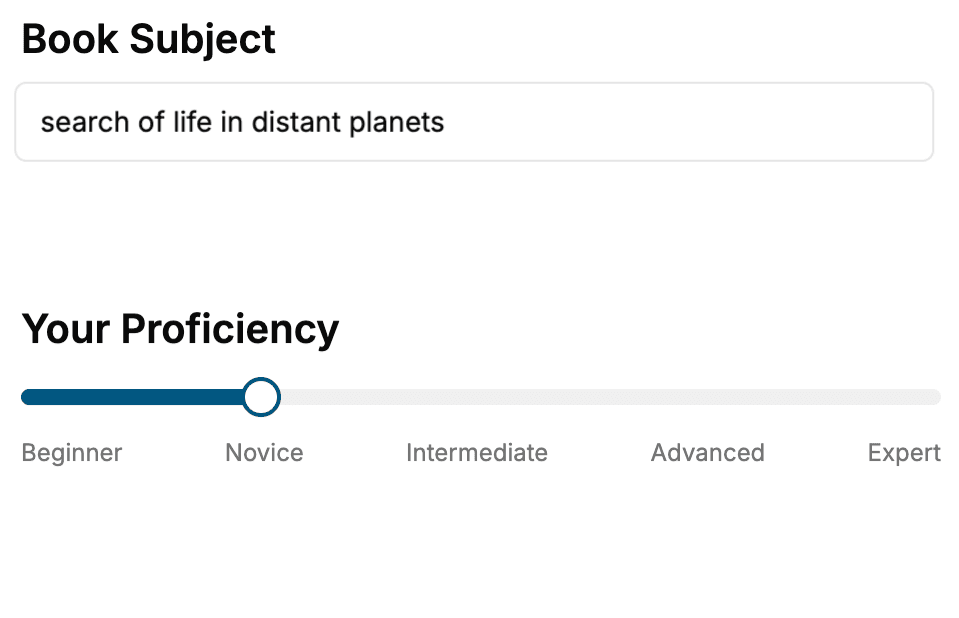
- 1. Select your focus
Select the focus of your Sales book and share your background
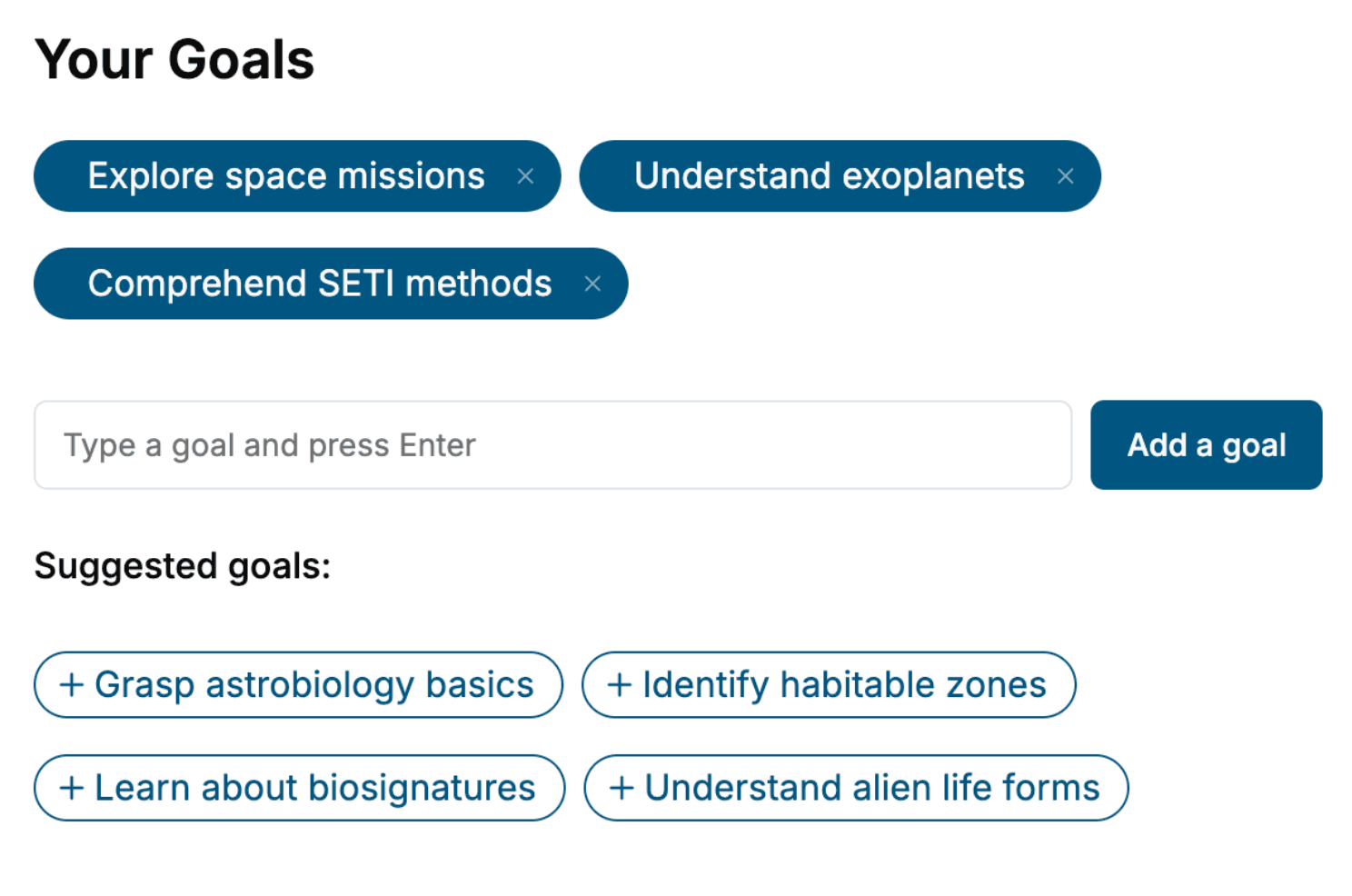
- 2. Personalize your book
Specify your goals and choose sub-topics to include
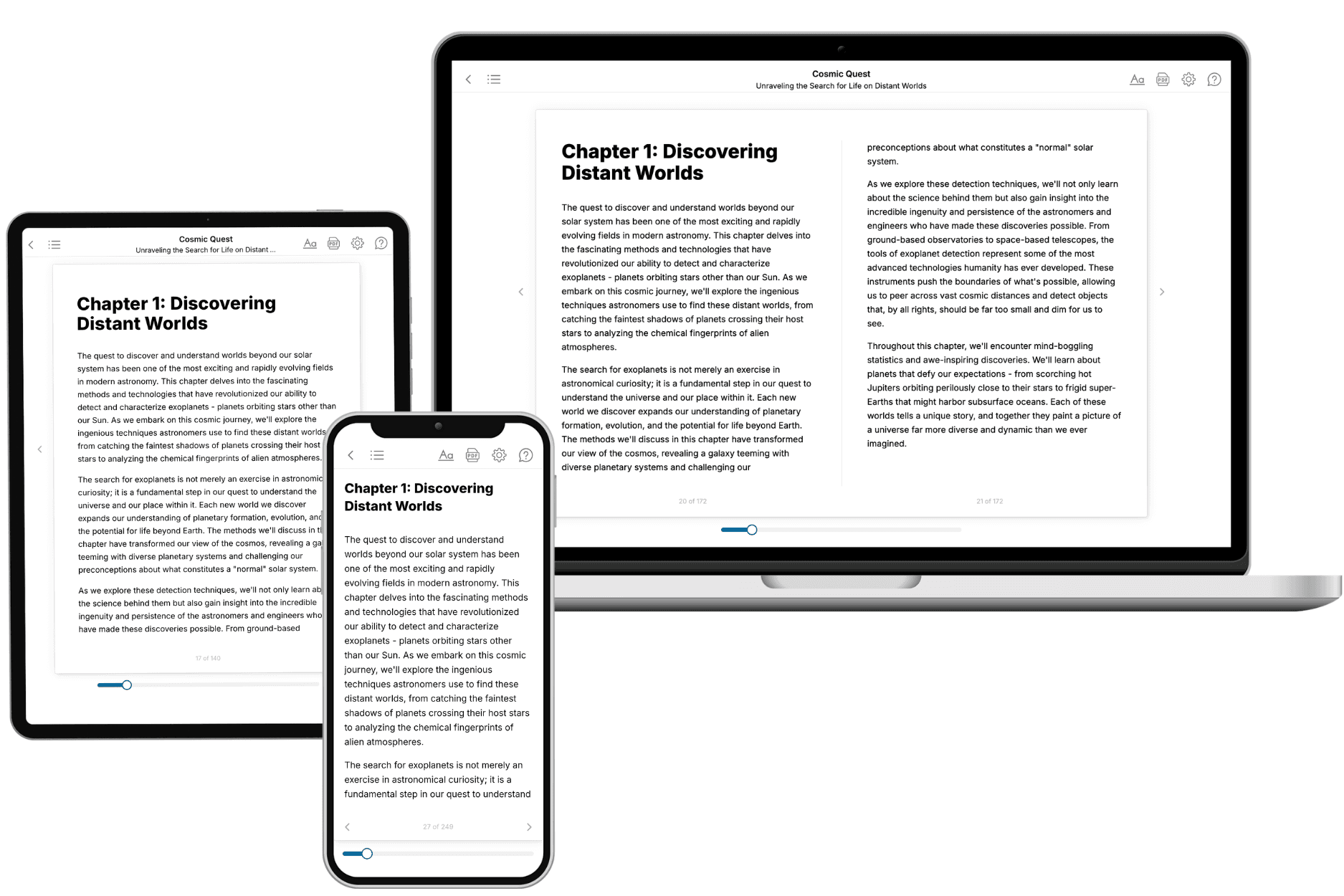
- 3. Get your tailored book
Your book is ready in 10 minutes. Read it online, download as EPUB or PDF, or send to Kindle.
Frequently asked questions
- What is TailoredRead?
TailoredRead creates complete, full-length nonfiction ebooks, written specifically for you. Tell us what you want to learn and why, and TailoredRead writes you a complete ebook on it, with charts, tables, and diagrams throughout. Read it online, on Kindle, or on any e-reader, or download it as a PDF or EPUB. Every book is written fresh the day you order it.
- How is the book tailored to me?
Before anything is written, you answer a few short questions about your goals, your background, and the topics you care about. Your book is then planned around your answers: written at your level, focused on your goals, and covering the topics you chose, instead of the one-size-fits-all book a store sells everyone.
- Will it read like generic AI content?
No. Your book isn't a chat transcript: it's planned chapter by chapter before a single word is written, told in a clear book voice, and explains ideas visually with charts, tables, and diagrams. After writing, every book goes through an editorial pass that polishes chapters so the book reads consistent from start to finish. Judge for yourself: browse thousands of sample books on our Explore Books page.
- How accurate is the content?
Our AI first checks whether your subject needs live research. Niche and fast-moving subjects are researched before writing, and the book plan and chapters are grounded in what it finds. After writing, every book goes through a quality pass that checks its facts and consistency, and researched books list their sources in a Notes section at the back.
- How long is the book?
You choose the length: Comprehensive (250-300 pages), Detailed (150-200 pages), Essential (70-100 pages), or Short (30-50 pages).
- Does the book include visuals?
Yes. Every book includes visual elements such as timelines, checklists, step-by-step guides, decision trees, comparison tables, and matrices, and many include bar charts. A typical book includes dozens of these visual elements.
- Can I read it on Kindle? What formats can I download?
Yes. Every book can be read in our online reader or downloaded as a PDF or EPUB. The EPUB can be opened with Kindle, Apple Books, Kobo, and any e-reader. The Commercial and Author licenses also include an editable Word (DOCX) and Markdown download.
- How much does it cost?
About the price of a regular ebook. The exact price depends on your book's length and complexity, from $2 for the shortest books to $35 for the most comprehensive, and it's shown when you review your book, before you commit to anything. Each book is a one-time purchase, yours to keep, no subscription. Licenses that let you share, teach, or publish your book range from $35.99 to $49.99.
- Can I preview the book before purchasing?
Before you pay, you'll see what your book will cover: the title, a detailed description, the estimated length, and the complete chapter-by-chapter table of contents, so you know what you're getting before you decide. The full text itself is written after you purchase.
- How long does it take to create a book?
About 10 minutes. You can start reading the opening chapters while the rest is still being written.