The Ballroom Competitor's Handbook
Master the Art, Strategy, and Performance of Competitive Ballroom Dance
Many ballroom dancers plateau at the intermediate level, unsure how to bridge the gap between social dancing and serious competition.
207 pages9 chaptersJul 31, 2026Ballroom Dance
About this book
You might have solid technique but struggle with consistency under pressure, or wonder why judges score your performances differently than you expect. The truth is that competitive ballroom success requires more than just dancing well—it demands strategic thinking, mental resilience, and a deep understanding of how competitions actually work. This handbook provides the roadmap. You'll discover the specific judging criteria that matter most, learn proven mental techniques used by top competitors, understand how to structure your training for maximum improvement, and master the partnership dynamics that separate champions from the rest. Whether you're preparing for your first competition or aiming to place higher in your category, this guide combines technical expertise with practical strategies to help you perform at your best when it counts most.
Table of contents
- IntroductionWhy Competitive Ballroom Matters, How to Use This Handbook, What You'll AchieveRead below
- Chapter 1: Understanding the Competitive Ballroom LandscapeTypes of Ballroom Competitions, Competition Levels and Categories, Competition Formats and Structures
- Chapter 2: Decoding Judging Criteria and ScoringWhat Judges Actually Look For, Scoring Systems and Placement, Common Deductions and How to Avoid Them
- Chapter 3: Building Technical ExcellenceRefining Fundamental Technique, Frame, Connection, and Partnership, Movement Quality and Consistency
- Chapter 4: Physical Conditioning and Injury PreventionBuilding a Competitive Conditioning Program, Flexibility, Mobility, and Range of Motion, Preventing and Managing Common Dance Injuries
- Chapter 5: Mental Performance and Competitive PsychologyDeveloping a Competition Mindset, Managing Pressure and Performance Anxiety, Building and Maintaining Confidence
- Chapter 6: Mastering Partnership DynamicsCommunication and Trust Between Partners, Leading, Following, and Synchronization, Resolving Partnership Challenges
- Chapter 7: Choreography and Strategic PerformanceSelecting Choreography for Your Level, Music Interpretation and Musicality, Executing Choreography with Impact
- Chapter 8: Structuring Your Training for SuccessPlanning Effective Practice Sessions, Using Feedback and Video Analysis, Training Periodization and Peak Performance
- Chapter 9: Pre-Competition Preparation and LogisticsCostume Selection and Appearance, Pre-Event Logistics and Planning, The Day of Competition: Final Preparation
- ConclusionYour Path Forward in Competitive Ballroom
- Glossary of Ballroom Terms
- Further Reading and Resources
Introduction
Most ballroom dancers remember the exact moment competition stopped feeling like fun and started feeling like pressure. The music begins, the floor fills, and suddenly every habit you thought you had mastered disappears. Your frame collapses slightly. Your timing drifts. You finish the heat and wonder what just happened, because in the studio that routine felt completely solid. That gap between practice performance and competition performance is not a mystery. It has specific causes, and it has specific solutions. This handbook exists to close that gap.
Competitive ballroom dancing is a discipline that rewards preparation across multiple dimensions at once. Technical skill matters enormously, but so does your understanding of how competitions are structured, how judges evaluate what they see, how your body holds up across a long competition day, and how your mind responds when the stakes feel high. Dancers who plateau at the intermediate level almost always have a strong foundation in one or two of these areas while leaving the others underdeveloped. The result is inconsistency: brilliant performances in some heats, frustrating ones in others, and no clear sense of what to fix.
This handbook addresses all of those dimensions in a single, structured resource. It moves from the big picture of how the competitive world is organized, through the technical and physical demands of the sport, into the psychological and interpersonal skills that separate good dancers from great competitors. Each chapter builds on the last, but the structure also allows you to jump directly to the area where you need the most work right now. Whether you are preparing for your first competition or trying to break through a scoring ceiling you have hit repeatedly, the material here is designed to be immediately usable.
One thing this handbook does not do is treat competition as an end in itself. The goal is not simply to win placements, though placing well is a natural outcome of the work described here. The deeper goal is to become a dancer who performs with genuine confidence, technical clarity, and artistic presence under real competitive conditions. That kind of dancer earns results consistently, not just occasionally. The path to that level of performance is what the following chapters map out.
Why Competitive Ballroom Matters
Ballroom competition is one of the few athletic and artistic pursuits that demands excellence in both domains simultaneously. A gymnast is judged on physical execution. A musician is judged on artistic interpretation. A competitive ballroom dancer must deliver both at the same time, in partnership with another person, on a crowded floor, in front of judges who have seen thousands of couples before you. That combination of demands is genuinely rare, and it is part of what makes the pursuit so compelling for serious dancers.
The competitive environment also provides something that studio practice simply cannot replicate: real feedback under real conditions. When you enter a Heat at a recognized competition, you receive placement data, sometimes written adjudicator comments, and the unfiltered experience of performing when it counts. That information is extraordinarily valuable. It tells you which elements of your dancing hold up under pressure and which ones dissolve the moment the adrenaline hits. No amount of mirror work or teacher feedback fully substitutes for that kind of direct, high-stakes assessment.
Competition also accelerates development in ways that are well documented in performance science. The concept of Deliberate Practice, developed by psychologist Anders Ericsson, emphasizes that improvement comes fastest when performers work at the edge of their current ability with clear goals and immediate feedback.[1] Competition creates exactly that environment. The preparation cycle leading up to an event forces you to identify weaknesses, set specific targets, and measure progress against an external standard rather than your own subjective sense of how things feel.
For partnership dancers specifically, competition sharpens the interpersonal dimensions of the craft in ways that are hard to achieve otherwise. The pressure of a competitive floor reveals gaps in Lead and Follow mechanics, exposes timing mismatches, and tests the depth of Partnership Trust that two dancers have built. Couples who compete regularly tend to develop a much more resilient and responsive connection than those who only practice in the studio, because competition forces them to solve problems in real time rather than stopping and resetting.
There is also a community dimension worth acknowledging. The competitive ballroom world is a structured, global ecosystem with shared standards, recognized events, and a culture of mutual respect among serious practitioners. Entering that world means joining a community of people who take the craft seriously, which creates opportunities for mentorship, inspiration, and the kind of peer accountability that sustains long-term development. Watching other couples at your level compete is itself an education, and the relationships formed at competitions often become some of the most meaningful in a dancer's life.
Finally, competition gives your training a purpose and a timeline. Without the structure of an upcoming event, practice sessions can drift toward comfort rather than growth. The knowledge that you will be on a floor in front of judges in eight weeks changes how you allocate your time, how seriously you take corrections, and how honestly you assess your own readiness. That kind of purposeful urgency is one of the most effective drivers of improvement available to any performer.
The competitive floor does not lie. It shows you exactly where you are, not where you think you are. That honesty, however uncomfortable, is the fastest path to becoming the dancer you want to be.
None of this means competition is for everyone at every stage of their dancing. But for intermediate dancers who have built a foundation and want to know how good they can actually become, competition is the most direct and honest answer available. The discomfort of being evaluated is precisely what makes it so effective as a development tool.
How to Use This Handbook
This handbook is organized to follow the natural arc of competitive preparation, starting with understanding the landscape you are entering and ending with the final details of competition day. Reading it from front to back gives you the most complete picture, because later chapters assume familiarity with concepts introduced earlier. For example, the chapter on training structure references Periodization principles that connect directly to the competition calendar discussed in the landscape chapter. Those connections matter.
That said, the handbook is also designed for targeted use. If you are three weeks out from a competition and your most urgent need is managing Performance Anxiety, go directly to the mental performance chapter. If you have just received adjudicator feedback that your Frame is inconsistent, the technical excellence chapter addresses that specifically. Each chapter is self-contained enough to be useful on its own, even if the full picture emerges from reading the whole book.
Here is a practical way to approach the material depending on where you are in your competitive cycle:
- Planning phase (8+ weeks out): Start with the competition landscape and judging criteria chapters to set clear goals, then move to training structure and physical conditioning to build your preparation plan.
- Preparation phase (4–8 weeks out): Focus on technical excellence, choreography strategy, and partnership dynamics. Use the feedback and Video Analysis section actively during this period.
- Peak phase (1–3 weeks out): Shift emphasis to mental performance, Pre-Competition Routine development, and the logistics chapter. Reduce the volume of new technical work and focus on consolidating what you already know.
- Post-competition review: Return to the judging criteria and training structure chapters to interpret your results and plan the next cycle.
Throughout the handbook, key terms from the competitive ballroom world appear in bold the first time they are introduced. These terms are also collected in the glossary at the back of the book. If you encounter a term that feels unfamiliar, the glossary is the fastest way to get a working definition before continuing. The glossary uses the same canonical terminology that judges, coaches, and competition organizers use, so learning these terms precisely also helps you communicate more effectively with your teacher and training partners.
Concrete examples appear throughout every chapter. Some are drawn from common scenarios that intermediate competitors face repeatedly. Others illustrate specific techniques or frameworks with enough detail that you can apply them directly to your own training. Pay particular attention to the examples that describe what not to do, because recognizing a mistake in a described scenario is often easier than spotting it in your own dancing. That recognition is the first step toward correction.
The chapters on physical conditioning and injury prevention deserve special mention. Many intermediate dancers underestimate how much their physical preparation affects their competitive performance. Fatigue in the third heat of a long competition day is not just a fitness problem; it directly degrades technique, timing, and mental focus. The conditioning chapter is not optional reading for serious competitors. Treat it with the same priority you give to your dance lessons.
Finally, use this handbook alongside your work with a qualified coach or teacher, not as a replacement for it. The frameworks and concepts here are designed to make your lessons more productive by giving you a clearer vocabulary for what you are working on and why. When your teacher gives you a correction, the relevant section of this handbook can help you understand the underlying principle, which makes the correction stick faster and more deeply than repetition alone.
What You'll Achieve
By the time you have worked through this handbook and applied its principles to your training, several concrete changes should be visible in your competitive performance. The most immediate is likely to be consistency. The gap between how you dance in the studio and how you dance on the competition floor will narrow, because you will have specific tools for managing the psychological and physical variables that cause that gap in the first place.
Your understanding of the judging process will also shift in a practical way. Right now, you may receive a placement and feel uncertain about what drove it. After working through the judging criteria chapter, you will be able to watch your own competition video and identify, with reasonable accuracy, what the judges were responding to. That ability transforms feedback from something that happens to you into something you can actively use. It changes your relationship with competition results from passive reception to active analysis.
On the technical side, the handbook provides frameworks for diagnosing and addressing the most common issues that hold intermediate dancers back. These include:
- Inconsistent Frame under pressure, particularly in the upper body and connection point
- Loss of Rise and Fall timing when navigating a crowded floor
- Breakdown in Lead and Follow mechanics during complex or fast-moving passages
- Insufficient use of Contra Body Movement in turning figures
- Weak Floor Craft that results in collisions or disrupted choreography
Each of these issues has a specific cause and a specific correction. The technical chapters walk through both in enough detail that you can bring targeted questions to your next lesson rather than a general sense that something is not working.
The partnership chapters address something that many dancers find difficult to discuss openly: the interpersonal friction that develops between competitive partners under pressure. Disagreements about choreography, frustration with repeated mistakes, and anxiety about upcoming events all create tension that shows up on the floor whether you intend it to or not. The communication and trust frameworks in those chapters give you practical tools for addressing these dynamics constructively, which directly improves the quality of your dancing together.
On the mental side, the performance psychology chapter introduces Arousal Regulation techniques that are used by elite performers across many sports and performing arts. These are not abstract concepts. They are specific, learnable skills with clear protocols for practice and application. Dancers who develop these skills report a qualitative change in how competition feels: less like something to survive and more like something to enjoy. That shift in experience is not just pleasant; it produces measurably better performances because relaxed, focused dancers execute technique more cleanly than tense, anxious ones.
The choreography and strategy chapters will change how you think about your routines. Many intermediate dancers treat choreography as something their teacher creates and they execute. The Choreographic Strategy framework presented here reframes choreography as a competitive tool that should be actively designed to match your strengths, address your weaknesses, and communicate clearly to judges at your specific Syllabus Level or Open Level. That shift from passive execution to strategic ownership makes a significant difference in how your routines read on the floor.
Perhaps the most lasting outcome of working through this material is a clearer sense of your own development arc. Competitive ballroom is a long game. The dancers who reach the highest levels are not necessarily the most naturally talented; they are the ones who understood the process well enough to keep improving through setbacks, plateaus, and the inevitable frustrations of a demanding discipline. This handbook gives you the map for that process. The territory is yours to navigate, and the next step begins with understanding exactly where you are starting from.
The difference between a dancer who competes and a competitive dancer is not talent. It is the deliberate, informed application of effort over time. That is entirely within your control.
The competitive ballroom world rewards dancers who show up prepared, not just practiced. Preparation means understanding the rules of the game, training your body and mind with the same rigor you apply to your footwork, and building a partnership that functions under pressure. All of that is learnable. The chapters ahead show you how.
Notes
Introduction
- 1. Anders Ericsson and Robert Pool, "Peak," Houghton Mifflin Harcourt, 2016
This is the end of the free sample. The full book has 9 chapters.
Want this book written for you?
Tell us your goals and background, and get your own version of this book, tailored by AI to you.


Benefits of AI-tailored books
- Read one book, not ten:
- all the Ballroom Dance knowledge you need, gathered into a single book.
- Save days of learning:
- tell us your goals, choose your topics, and the whole book is built around them.
- Learn effortlessly:
- Ballroom Dance book written for your specific background and expertise.
- Understand at a glance:
- includes charts, tables, timelines, checklists, decision trees, and more.
- Stay current:
- written the day you order it, not years ago.
- Trust what you read:
- every book is checked for accuracy, with real research when your subject needs it.
Create your unique book in 3 steps
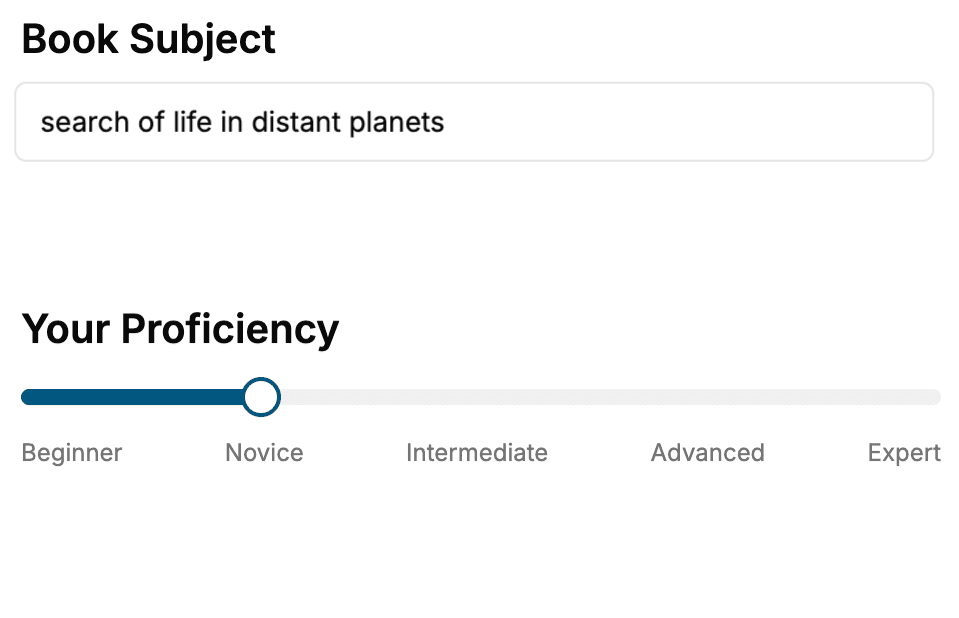
- 1. Select your focus
Select the focus of your Ballroom Dance book and share your background
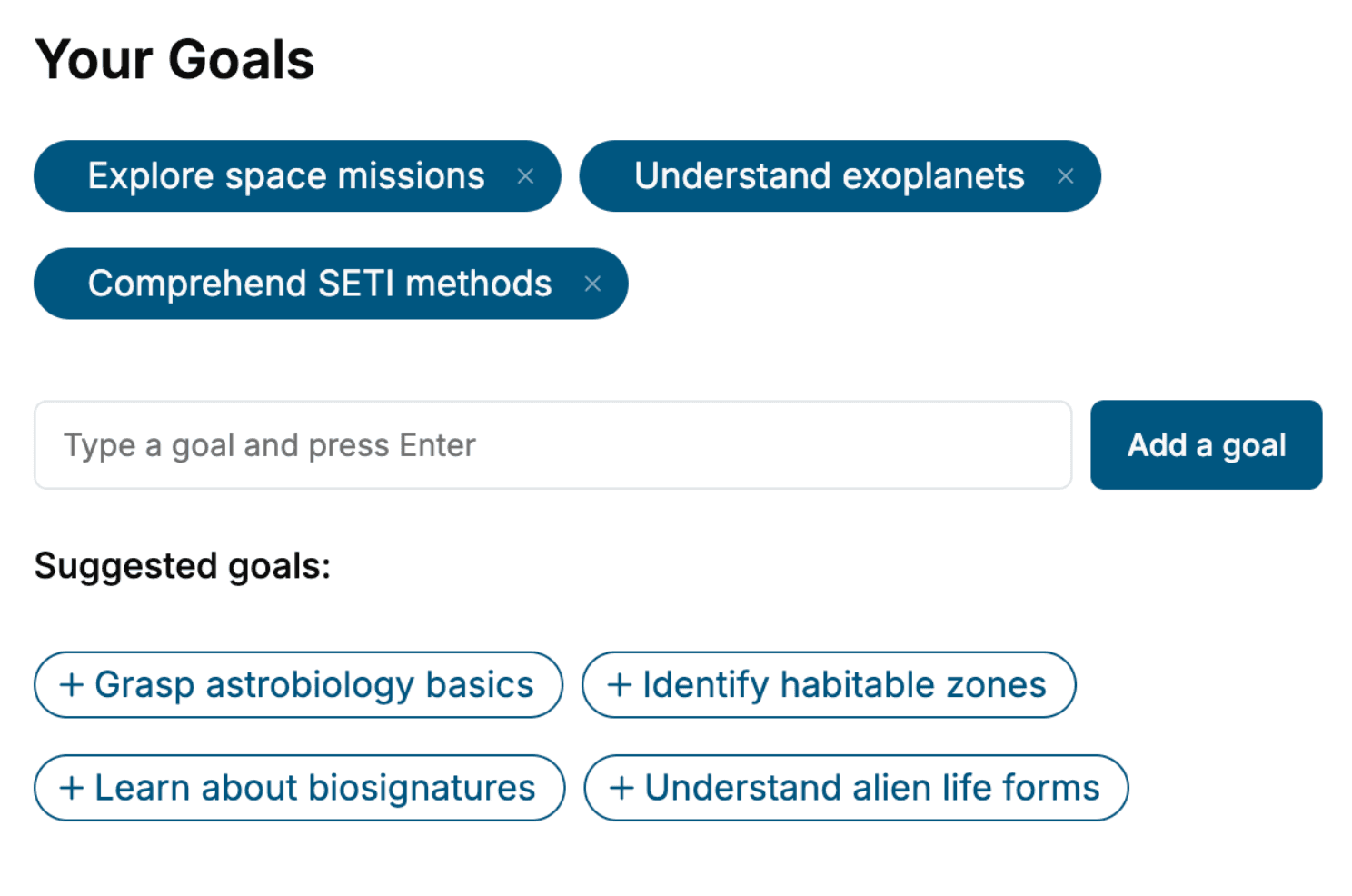
- 2. Personalize your book
Specify your goals and choose sub-topics to include
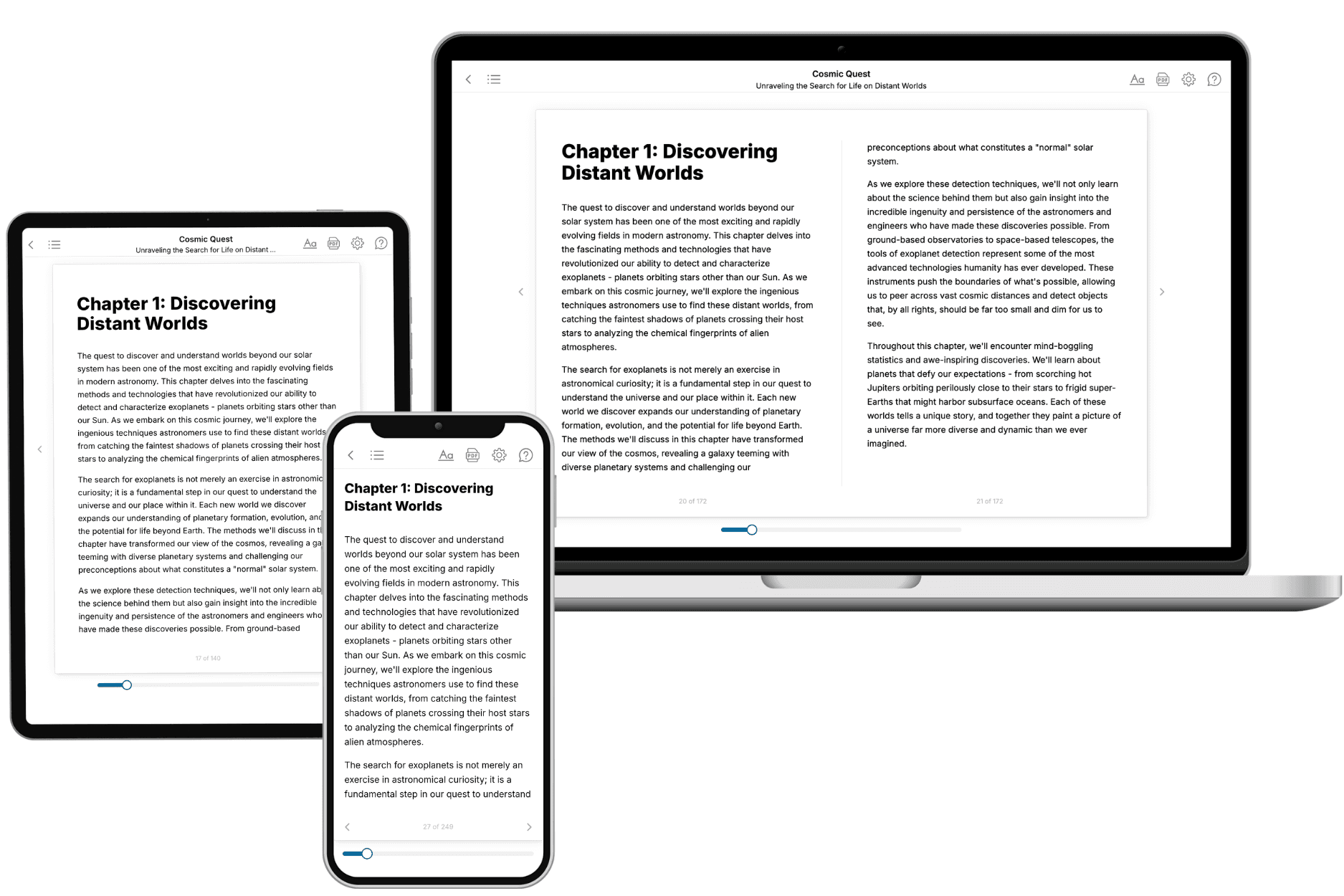
- 3. Get your tailored book
Your book is ready in 10 minutes. Read it online, download as EPUB or PDF, or send to Kindle.
Frequently asked questions
- What is TailoredRead?
TailoredRead creates complete, full-length nonfiction ebooks, written specifically for you. Tell us what you want to learn and why, and TailoredRead writes you a complete ebook on it, with charts, tables, and diagrams throughout. Read it online, on Kindle, or on any e-reader, or download it as a PDF or EPUB. Every book is written fresh the day you order it.
- How is the book tailored to me?
Before anything is written, you answer a few short questions about your goals, your background, and the topics you care about. Your book is then planned around your answers: written at your level, focused on your goals, and covering the topics you chose, instead of the one-size-fits-all book a store sells everyone.
- Will it read like generic AI content?
No. Your book isn't a chat transcript: it's planned chapter by chapter before a single word is written, told in a clear book voice, and explains ideas visually with charts, tables, and diagrams. After writing, every book goes through an editorial pass that polishes chapters so the book reads consistent from start to finish. Judge for yourself: browse thousands of sample books on our Explore Books page.
- How accurate is the content?
Our AI first checks whether your subject needs live research. Niche and fast-moving subjects are researched before writing, and the book plan and chapters are grounded in what it finds. After writing, every book goes through a quality pass that checks its facts and consistency, and researched books list their sources in a Notes section at the back.
- How long is the book?
You choose the length: Comprehensive (250-300 pages), Detailed (150-200 pages), Essential (70-100 pages), or Short (30-50 pages).
- Does the book include visuals?
Yes. Every book includes charts, tables, and diagrams: timelines, checklists, step-by-step guides, decision trees, comparison tables, matrices, and bar charts. A typical book includes dozens of these visual elements.
- Can I read it on Kindle? What formats can I download?
Yes. Every book can be read in our online reader or downloaded as a PDF or EPUB. The EPUB can be opened with Kindle, Apple Books, Kobo, and any e-reader. The Commercial and Author licenses also include an editable Word (DOCX) and Markdown download.
- How much does it cost?
About the price of a regular ebook. The exact price depends on your book's length and complexity, from $2 for the shortest books to $35 for the most comprehensive, and it's shown when you review your book, before you commit to anything. Each book is a one-time purchase, yours to keep, no subscription. Licenses that let you share, teach, or publish your book range from $35.99 to $49.99.
- Can I preview the book before purchasing?
Before you pay, you'll see what your book will cover: the title, a detailed description, the estimated length, and the complete chapter-by-chapter table of contents, so you know what you're getting before you decide. The full text itself is written after you purchase.
- How long does it take to create a book?
About 10 minutes. You can start reading the opening chapters while the rest is still being written.