Beyond the Fog
Understanding and Healing from Perinatal Depression
Many people believe that depression during pregnancy or after childbirth is simply "baby blues" that will pass on their own—but perinatal depression is a serious medical condition that requires proper recognition and treatment.
222 pages11 chaptersAug 21, 2026Postpartum Depression
About this book
This book cuts through the misconceptions and provides a clear, compassionate guide to understanding what perinatal depression is, how it develops, and most importantly, how to heal from it. Whether you're experiencing symptoms yourself, supporting someone who is, or working in healthcare, you'll discover evidence-based strategies for recognition, treatment options ranging from therapy to medication, and practical ways to build a supportive environment. This book addresses the biological, psychological, and social factors that contribute to perinatal depression while offering concrete tools for recovery. By combining medical science with real-world guidance, it empowers you to take meaningful action and understand that seeking help is not weakness—it's wisdom.
Table of contents
- IntroductionWhy This Matters: Breaking the Silence, What You'll Learn in This Book, How to Use This Book for Maximum BenefitRead below
- Chapter 1: What Is Perinatal Depression?Defining Perinatal Depression: Beyond Baby Blues, Prevalence and Impact: How Common Is It?, Myths vs. Facts: Clearing Up Misconceptions
- Chapter 2: Recognizing the SymptomsEmotional and Mood Symptoms, Physical and Behavioral Changes, When to Seek Professional Help
- Chapter 3: The Biology Behind Perinatal DepressionHormonal Shifts During Pregnancy and Postpartum, Brain Chemistry and Neurotransmitters, Genetic and Biological Risk Factors
- Chapter 4: Risk Factors and Contributing CausesPersonal and Family Mental Health History, Life Circumstances and Stressors, Trauma, Loss, and Difficult Experiences
- Chapter 5: Professional Diagnosis and AssessmentScreening Tools and Diagnostic Criteria, Working with Healthcare Providers, Getting an Accurate Diagnosis
- Chapter 6: Treatment Options: Therapy and CounselingCognitive Behavioral Therapy and Evidence-Based Approaches, Interpersonal Therapy and Relationship Work, Finding the Right Therapist for You
- Chapter 7: Medication and Medical InterventionsUnderstanding Antidepressants and How They Work, Safety Considerations During Pregnancy and Breastfeeding, Making Informed Medication Decisions
- Chapter 8: Lifestyle Strategies and Self-CareSleep, Nutrition, and Physical Activity, Stress Management and Mindfulness Techniques, Building Sustainable Daily Routines
- Chapter 9: Support Systems and RelationshipsHow Partners Can Provide Meaningful Support, Involving Family and Friends Effectively, Peer Support and Support Groups
- Chapter 10: Navigating Parenthood While Managing DepressionBonding and Attachment During Recovery, Managing Parenting Responsibilities, Practicing Self-Compassion and Letting Go of Guilt
- Chapter 11: Prevention and Planning for Future PregnanciesIdentifying Your Personal Risk Factors, Preventive Strategies and Early Intervention, Planning and Preparing for Future Pregnancies
- ConclusionRecovery Is Possible, Moving Forward with Hope and Strength
- Resources and Further Support
Introduction
A woman sits in her car outside her own house, engine off, unable to make herself walk through the front door where her six-week-old daughter is sleeping in the arms of a grandmother who flew in to help. She is not thinking about harming anyone. She is thinking that she has made a terrible mistake, that she is not built for this, that everyone else seems to know something she does not. She has showered, eaten breakfast, answered emails. From the outside, nothing looks wrong. This is one of the quieter, more common faces of perinatal depression, and it rarely matches the picture most people carry in their heads.
The word depression
often conjures an image of someone who cannot get out of bed, who cries constantly, who visibly struggles. Perinatal depression frequently looks nothing like that. It can look like a spreadsheet of feedings kept with obsessive precision, a calendar booked solid with errands, a parent who smiles in photos and then sits in silence once the phone is put down. It can also look like irritability sharp enough to frighten a partner, or a flatness that makes even good news feel distant. This book exists because the gap between what people expect depression to look like and what it actually looks like during pregnancy and after birth causes real harm, delaying help for months or years.
Millions of pregnant people and new parents experience some form of perinatal depression each year, and the condition affects birthing parents and, in some cases, partners as well. Despite that scale, shame keeps many from naming what they feel, let alone seeking care. Some worry that admitting to depression will mark them as unfit, that a doctor or a partner or a mother-in-law will look at them differently. Others simply do not recognize what is happening to them, because nobody described it accurately beforehand. This book is built to close both gaps at once: replacing vague dread with concrete, testable understanding, and replacing shame with a framework that treats depression as biology and circumstance, not character.
None of this is abstract for the people who pick up a book like this one. Some readers are pregnant right now and noticing a mood that feels unfamiliar. Some are weeks or months postpartum, wondering whether what they feel is normal. Some are partners, parents, or friends trying to understand a loved one's withdrawal. Some are clinicians looking for a clear, current reference to share with patients. Each of these readers needs something slightly different from these pages, and the chapters ahead are built to serve all of them without assuming any single starting point.
Why This Matters: Breaking the Silence
Silence around perinatal depression is not accidental. It is produced by a specific set of cultural expectations about pregnancy and new parenthood, expectations that leave little room for anything other than joy. Baby showers, nursery preparations, and well-meaning relatives all reinforce a script in which this period is supposed to be the happiest of a person's life. When lived experience does not match that script, many people conclude the problem lies in them rather than in the script itself. That mismatch between expectation and reality is one of the most powerful forces keeping perinatal depression hidden, and naming it directly is the first step toward dismantling it.
Consider a common scenario: a new father notices he feels numb rather than elated after his son's birth, but he says nothing because he assumes fathers are not supposed to experience this. Or a pregnant woman in her second trimester feels persistent dread about the future but stays quiet at prenatal appointments because she fears being labeled a bad mother before her child is even born. In both cases, silence does not protect anyone. It delays the moment when a screening question, a support group, or a conversation with a provider could have shortened months of suffering into weeks.
Stigma operates through specific, repeatable mechanisms, and naming them makes them easier to resist. Three of the most common are:
- Comparison stigma: measuring one's own struggle against a highlight reel of other parents seen on social media or in family gatherings.
- Competence stigma: the fear that admitting distress will be read as evidence of poor parenting ability.
- Gatekeeping stigma: worry that disclosing symptoms could trigger unwanted scrutiny from child welfare systems or family courts.
Each of these fears has some basis in real social dynamics, but each also tends to be far larger in a person's imagination than in practice, and each shrinks considerably once a person understands the medical reality of the condition.
The consequences of prolonged silence are measurable, not merely emotional. Untreated perinatal depression is associated with disrupted infant sleep and feeding patterns, strained partner relationships, and, in more severe cases, risks to the safety of the parent or child[1]. Early recognition changes these trajectories substantially. A parent who identifies symptoms at six weeks postpartum and begins therapy has a fundamentally different recovery timeline than one who waits eight months, not because the underlying condition differs, but because intervention compounds over time in both directions, worsening when ignored and improving when addressed.
Breaking silence does not require a dramatic public announcement. It can start as small as one honest sentence spoken to a single trusted person: a partner, a sister, a nurse during a routine check-up. It can be as structured as answering a screening questionnaire honestly rather than selecting the answer that seems most acceptable. The scale of the disclosure matters less than its honesty. Practicing that first honest sentence, even silently or in writing, is often the actual turning point described by people who look back on their recovery later.
Healthcare systems bear some responsibility here as well, and change is already underway in many settings. Universal screening using tools such as the Edinburgh Postnatal Depression Scale during pregnancy and postpartum visits has become more common practice, catching cases that would otherwise go unspoken[2]. Still, screening only works if a person answers truthfully, and truthful answers only happen in an environment where the stakes of disclosure feel manageable rather than catastrophic. Building that environment, one appointment and one conversation at a time, is part of what breaking the silence actually requires.
Workplaces, too, play an underappreciated role in either reinforcing or reducing stigma. A manager who normalizes conversations about parental leave transitions, or a colleague who mentions their own experience with postpartum anxiety without embarrassment, does more to reduce silence than any poster in a break room. Cultural change of this kind moves slowly, but individual conversations accumulate faster than they seem to at the time. Every person who speaks plainly about perinatal depression, without drama and without apology, makes the next disclosure slightly easier for someone else.
Family systems carry their own particular version of this silence, often shaped by generational attitudes. A grandmother who endured undiagnosed postpartum depression decades earlier without language for it may unintentionally minimize a daughter's symptoms, saying some version of I went through the same thing, you'll be fine.
This is rarely malicious. It reflects a genuine gap in the vocabulary and screening tools available at the time. Part of breaking silence within families involves gently updating that vocabulary across generations, without shaming relatives for the limits of what they knew decades ago.
Men and non-birthing partners face a distinct version of this same silence, compounded by the assumption that only the birthing parent's mental health matters in the perinatal period. Paternal and partner depression is real, measurable, and consequential for the whole family system, yet it receives even less screening attention than depression in birthing parents[3]. Naming this gap explicitly, rather than treating perinatal depression as a single-parent issue, widens the circle of people this book is written for.
Clinicians reading this book carry a particular kind of responsibility inside these dynamics. A provider who asks screening questions in a rushed, checkbox tone will get different answers than one who asks the same questions with genuine attention and follows up on hesitant responses. Small adjustments in tone and pacing during a fifteen-minute appointment can be the difference between a patient disclosing symptoms or hiding them for another few months. This book aims to give clinicians language that makes those conversations easier to hold, not just checklists to complete.
Breaking the silence, ultimately, is not a single act but an ongoing practice, repeated across individual conversations, clinical appointments, family gatherings, and workplace cultures. It does not require perfect vocabulary or complete confidence before starting. It requires only a willingness to say something true about an internal experience that culture has trained many people to hide. The chapters that follow give that willingness somewhere concrete to go, translating honest disclosure into recognizable symptoms, verified causes, and workable treatment paths.
What You'll Learn in This Book
This book moves through eleven chapters built in a deliberate sequence, starting with definitions and ending with planning for the future. The order matters. Understanding what perinatal depression actually is, distinct from baby blues and antenatal depression, has to come before recognizing symptoms accurately, because vague definitions produce vague symptom-spotting. Recognizing symptoms has to come before understanding biology, because the biology only becomes meaningful once tied to lived experience. Biology and risk factors together set up the diagnostic process, which in turn opens the door to the treatment chapters, and treatment leads naturally into daily life, relationships, and eventually prevention for the future. Each section builds on the one before it rather than standing alone.
The early chapters lay a factual foundation. What Is Perinatal Depression?
draws a precise line between normal postpartum adjustment, baby blues, and the diagnosable condition, using DSM-5 diagnostic criteria as the anchor point. It also addresses prevalence data and common myths, including the false idea that perinatal depression only affects people with prior mental health diagnoses or difficult life circumstances. Recognizing the Symptoms
then walks through emotional, physical, and behavioral signs in enough specific detail that a reader can compare their own experience against a concrete checklist rather than a general impression, and it closes with clear guidance on when symptoms cross the threshold into needing professional evaluation.
From there, the book turns to mechanism. The biology chapter explains how estrogen, progesterone, and cortisol shift dramatically across pregnancy and the postpartum period, how these shifts interact with serotonin and dopamine systems in the brain, and how the HPA axis, the body's central stress-response system, can become dysregulated during this window. Genetic and family history factors round out the picture, giving readers a scientific vocabulary for something that often feels inexplicable from the inside. The risk factors chapter that follows widens the lens further, covering personal and family mental health history, life circumstances such as financial strain or relationship conflict, and the specific role of trauma and loss, including adverse childhood experiences and prior pregnancy loss.
The middle chapters shift from understanding to action. The diagnosis chapter walks through screening tools including the Edinburgh Postnatal Depression Scale and PHQ-9, explains how these connect to formal DSM-5 diagnostic criteria, and offers practical guidance for working with healthcare providers to get an accurate assessment rather than a dismissive one. The two treatment chapters that follow cover the full range of evidence-based options: cognitive behavioral therapy and interpersonal therapy as first-line psychotherapy approaches, and antidepressant medications including selective serotonin reuptake inhibitors and serotonin-norepinephrine reuptake inhibitors, along with newer interventions such as brexanolone and transcranial magnetic stimulation, always framed through a careful risk-benefit analysis specific to pregnancy and breastfeeding.
A dedicated chapter on lifestyle strategies covers sleep, nutrition, movement, mindfulness, and self-compassion as adjuncts to clinical treatment, never as substitutes for it. This distinction matters enough to state plainly here: exercise and better sleep hygiene can meaningfully support recovery, but they are not a replacement for therapy or medication in moderate to severe cases. The support systems chapter then turns outward, addressing how partners, family, and peer support networks can help without overstepping, a balance many well-meaning people struggle to strike. The chapter on navigating parenthood while managing depression addresses bonding and attachment, the practical challenges of caregiving while unwell, and the ongoing work of self-compassion and relapse prevention.
The final substantive chapter looks forward rather than backward, covering how to identify personal risk factors, build preventive strategies, and create a concrete birth plan for mental health ahead of a future pregnancy. This forward-looking material matters because perinatal depression carries a meaningful recurrence risk in subsequent pregnancies, and preparation genuinely changes outcomes. A reader who has recovered once and understands her own risk profile is in a fundamentally different position than one facing a second pregnancy blind. The conclusion draws these threads together, emphasizing that recovery is not only possible but, with appropriate care, the expected outcome for most people who seek help.
Throughout, this book draws a consistent line between clinical treatment and supportive strategy, never presenting one as a substitute for the other. Cognitive behavioral therapy and interpersonal therapy, medication when appropriate, and formal diagnosis form the clinical backbone. Lifestyle strategies, peer support, and partner involvement form the supportive structure around that backbone. Readers looking for a single quick fix will not find one here, because none exists for a condition shaped by hormones, brain chemistry, life history, and circumstance all at once. What they will find is a coherent map connecting each of those factors to a specific, actionable response.
Specific tools appear throughout rather than being confined to abstract discussion. The chapter on screening walks through how the Edinburgh Postnatal Depression Scale is scored and what particular score ranges typically indicate. The therapy chapter includes concrete descriptions of what a cognitive behavioral therapy session actually involves, from identifying automatic negative thoughts to structured behavioral activation exercises. The medication chapter explains, in plain language, how selective serotonin reuptake inhibitors affect neurotransmitter levels and what a realistic timeline for symptom improvement looks like. These specifics are included because vague reassurance rarely helps someone make a real decision about their own care.
Case-style scenarios recur across chapters to ground abstract concepts in recognizable situations: a pregnant woman with a prior history of anxiety weighing whether to continue medication, a father experiencing depression that his own doctor initially overlooked, a mother three months postpartum trying to distinguish ordinary exhaustion from something clinical. None of these scenarios describe a specific real person, but each reflects patterns documented extensively in clinical research and practice. They exist to make each chapter's content concrete rather than theoretical, turning general principles into situations a reader can measure their own experience against.
By the final page, the goal is not that a reader memorizes diagnostic criteria or drug names, but that they leave with a working mental model of perinatal depression: what causes it, how it presents, which treatments work and why, and how recovery actually unfolds over weeks and months rather than overnight. That model becomes a tool for self-advocacy in a doctor's office, a framework for supporting a partner through a difficult stretch, or a foundation for a clinician refining how they talk with patients. The specifics of any one reader's situation will vary, but the underlying map stays useful across all of them.
Language choices throughout the book are deliberate as well. Terms such as perinatal depression, antenatal depression, and postpartum depression are used precisely rather than interchangeably, because the distinctions between them, covering timing and clinical presentation, matter for accurate self-recognition and for productive conversations with providers. Readers who have previously encountered these terms used loosely, or interchangeably with baby blues, will find that precision clarifying rather than pedantic. Getting the vocabulary right is not an academic exercise. It is often the first step toward getting the right help.
How to Use This Book for Maximum Benefit
This book is designed to be read in order at least once, even though individual chapters can stand alone for quick reference later. The sequence from definition to symptom recognition to biology to risk factors to diagnosis to treatment to daily life to prevention is built cumulatively, and skipping the earlier chapters can make the later ones harder to apply well. A reader who jumps straight to the medication chapter without first reading about diagnostic criteria may struggle to know whether medication is even the right consideration for what they are experiencing. A first complete read-through, even a fast one, pays off before returning to specific sections for depth.
That said, urgency sometimes overrides ideal sequencing, and this book accounts for that reality. A reader in acute distress right now should feel free to go directly to the symptoms chapter to check their experience against a concrete list, then to the diagnosis chapter to understand what a screening conversation with a provider will look like. Reading order should serve the reader's actual situation, not an abstract ideal. The rest of the book will still be there once the most pressing question has been addressed, and returning to it later, once some stability has been restored, often yields a deeper reading anyway.
Consider keeping a simple notebook or document alongside this book, used for three specific purposes:
- Symptom tracking: jotting down mood, sleep, and appetite patterns day by day, which becomes valuable data for a healthcare provider later.
- Questions for providers: writing down anything confusing or concerning as it comes up, so it is not forgotten by the next appointment.
- Personal reflections: noting which passages resonate, which do not apply, and which raise new questions about one's own history or circumstances.
This kind of running record turns passive reading into an active diagnostic and planning tool, and many readers find that the act of writing itself brings clarity that reading alone does not.
For partners and family members using this book to support someone else, a slightly different approach works best. Reading the symptoms and biology chapters first builds empathy and vocabulary before moving to the dedicated support systems chapter, which speaks directly to the balance between helping and overstepping. Resist the urge to summarize every chapter for the person experiencing depression unprompted. Instead, let this book inform how questions get asked and how support gets offered, rather than turning into another source of pressure. A partner who has read the biology chapter, for instance, can gently reframe a bad day as chemistry and circumstance rather than character, without lecturing about neurotransmitters in the moment.
Healthcare professionals reading this book might use it differently still, perhaps skimming for updated framing on how to discuss screening results with patients, or looking for accessible language to explain mechanisms like the HPA axis and hormonal shifts without resorting to jargon that alienates an already overwhelmed patient. The chapters on screening tools and working with healthcare providers are written with an awareness that clinical time is limited, and they aim to give both patients and providers a shared, efficient vocabulary for the fifteen minutes they typically have together.
Pace matters as much as sequence. Some chapters, particularly those covering trauma, loss, and risk factors, cover emotionally heavy material that can be difficult to read in one sitting, especially for someone currently experiencing symptoms. There is no requirement to finish a chapter in one attempt. Reading in shorter stretches, taking breaks when a passage feels too close to home, and returning later with fresh energy is a legitimate and often better way to absorb difficult material. Nothing here rewards pushing through discomfort for its own sake.
Some readers will recognize themselves clearly in these pages within the first few chapters. Others may find that what they experience does not match every description precisely, and that is expected rather than concerning. Perinatal depression exists on a spectrum from mild to severe, and it presents differently across individuals depending on history, hormones, and circumstance. This book aims to describe that spectrum broadly enough that most readers find a recognizable version of their own experience somewhere within it, but no single chapter will describe every case exactly.
Reading this book is not, on its own, a substitute for a clinical evaluation, and no chapter here should be treated as a final diagnosis. Where symptoms described in the coming chapters match a reader's own experience, particularly anything involving thoughts of self-harm or harm to the baby, the appropriate next step is contacting a healthcare provider or a crisis line immediately rather than waiting to finish reading. Numbers for immediate crisis support appear in the resources section at the end of this book, and it is worth locating that section now, before it becomes urgently needed, so it is easy to find in a difficult moment.
Finally, approach this material with patience toward the pace of recovery itself, not just the pace of reading. Nothing in these chapters promises an instant resolution, and any resource that does promise one should be treated with skepticism. What this book offers instead is a structured, evidence-based path: understanding, accurate recognition, professional evaluation, appropriate treatment, and sustained support, unfolding over weeks and months rather than days. That timeline can feel discouraging to someone in acute distress right now, but it is also the timeline that actually produces durable recovery, rather than a quick fix that fades under the next stressor.
The next chapter begins with the most fundamental question this book addresses: what perinatal depression actually is, precisely, and how it differs from the baby blues that far more people experience briefly and recover from on their own.
Notes
Introduction
- 1. Michael O'Hara and Jennifer McCabe, "Postpartum Depression, Current Status and Future Directions," Annual Review of Clinical Psychology, 2013
- 2. John Cox and others, "Detection of Postnatal Depression, Development of the 10-Item Edinburgh Postnatal Depression Scale," The British Journal of Psychiatry, 1987
- 3. Paul Ramchandani and others, "Paternal Depression in the Postnatal Period and Child Development, A Prospective Population Study," The Lancet, 2005
This is the end of the free sample. The full book has 11 chapters.
Want this book written for you?
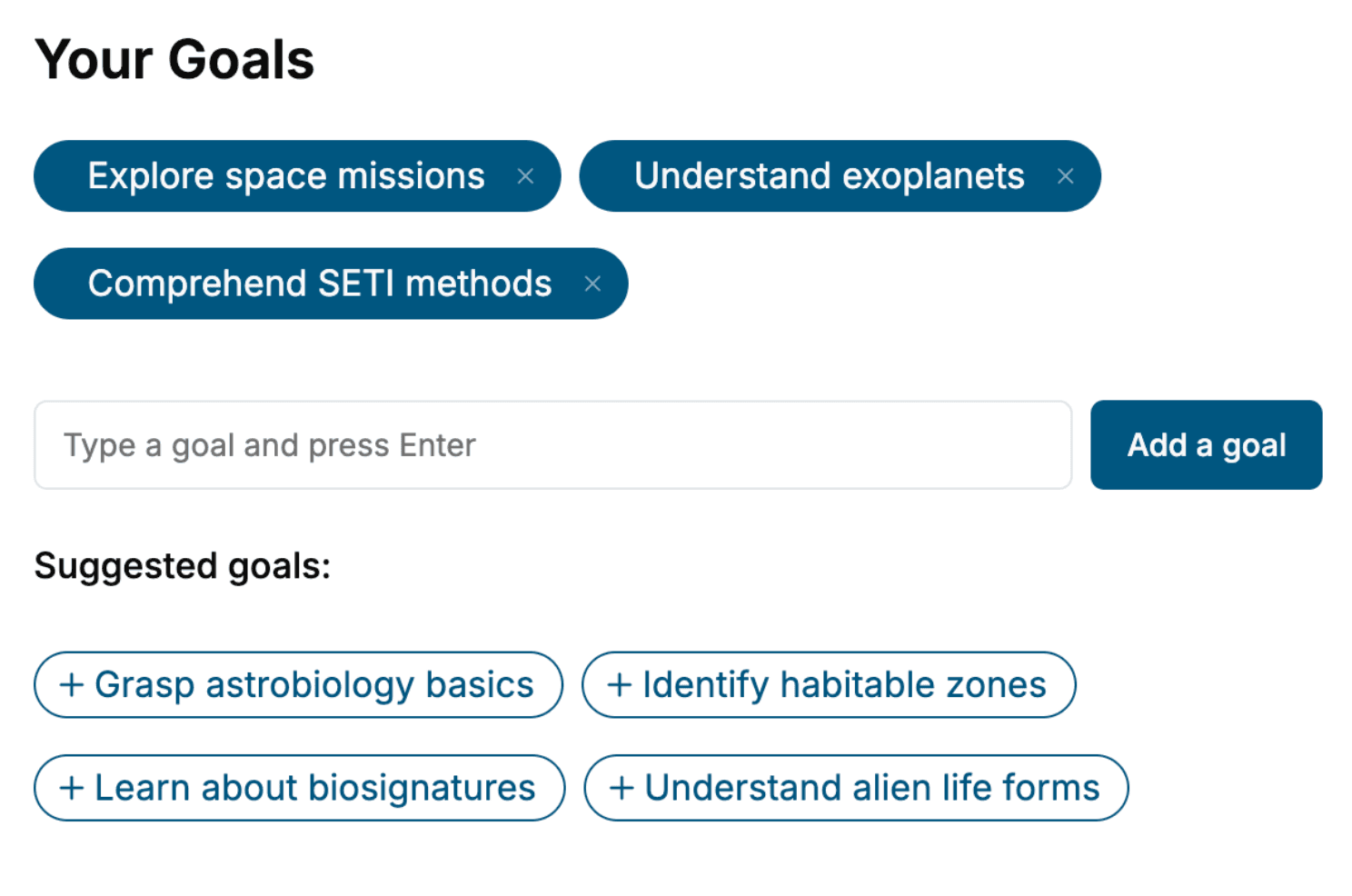
Tell us your goals and background, and get your own version of this book, tailored by AI to you.


Benefits of AI-tailored books
- Read one book, not ten:
- all the Postpartum Depression knowledge you need, gathered into a single book.
- Save days of learning:
- tell us your goals, choose your topics, and the whole book is built around them.
- Learn effortlessly:
- Postpartum Depression book written for your specific background and expertise.
- Understand at a glance:
- includes charts, tables, timelines, checklists, decision trees, and more.
- Stay current:
- written the day you order it, not years ago.
- Trust what you read:
- every book is checked for accuracy, with real research when your subject needs it.
Create your unique book in 3 steps
- 1. Select your focus
Select the focus of your Postpartum Depression book and share your background
- 2. Personalize your book
Specify your goals and choose sub-topics to include
- 3. Get your tailored book
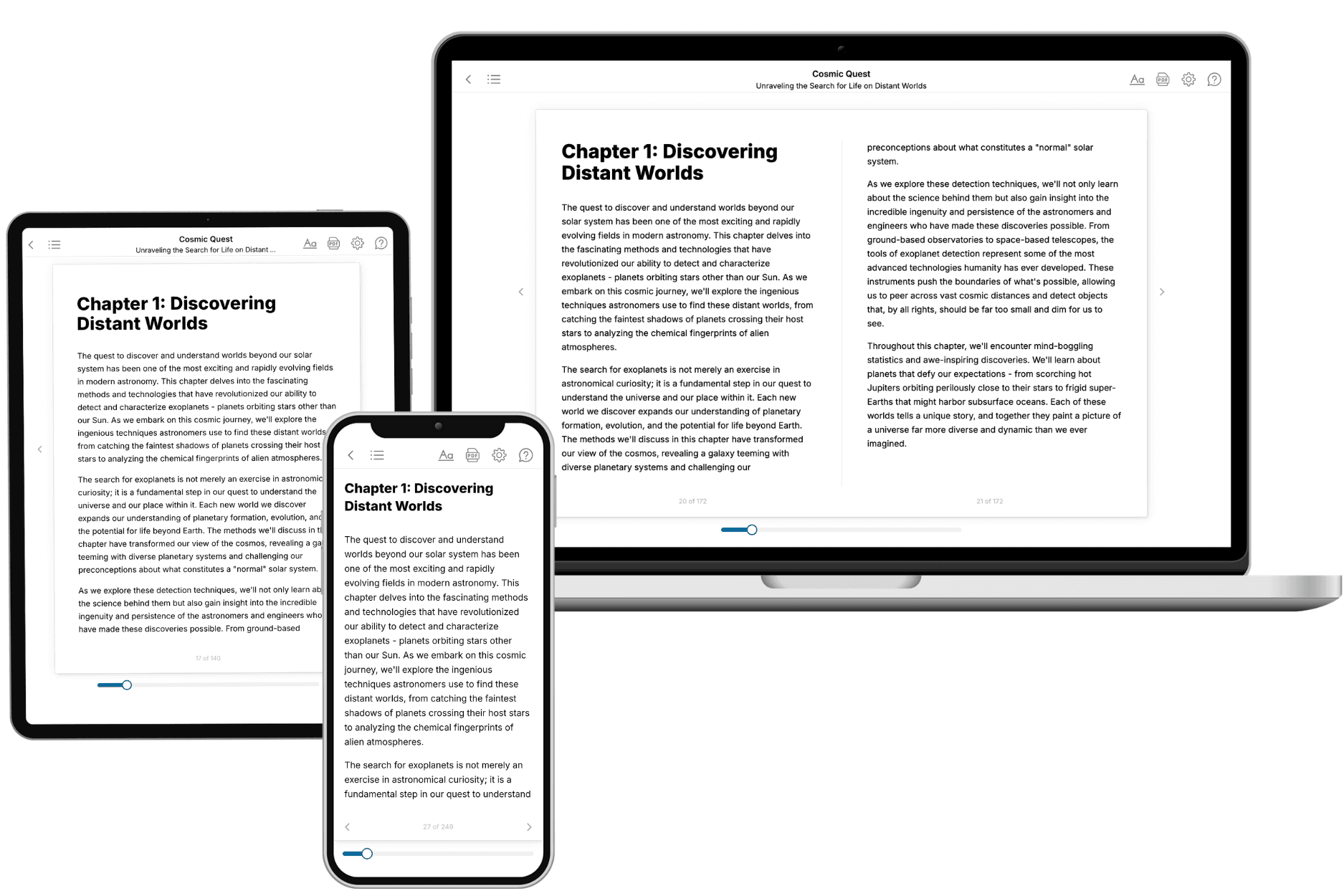
Your book is ready in 10 minutes. Read it online, download as EPUB or PDF, or send to Kindle.

Frequently asked questions
- What is TailoredRead?
TailoredRead creates complete, full-length nonfiction ebooks, written specifically for you. Tell us what you want to learn and why, and TailoredRead writes you a complete ebook on it, with charts, tables, and diagrams throughout. Read it online, on Kindle, or on any e-reader, or download it as a PDF or EPUB. Every book is written fresh the day you order it.
- How is the book tailored to me?
Before anything is written, you answer a few short questions about your goals, your background, and the topics you care about. Your book is then planned around your answers: written at your level, focused on your goals, and covering the topics you chose, instead of the one-size-fits-all book a store sells everyone.
- Will it read like generic AI content?
No. Your book isn't a chat transcript: it's planned chapter by chapter before a single word is written, told in a clear book voice, and explains ideas visually with charts, tables, and diagrams. After writing, every book goes through an editorial pass that polishes chapters so the book reads consistent from start to finish. Judge for yourself: browse thousands of sample books on our Explore Books page.
- How accurate is the content?
Our AI first checks whether your subject needs live research. Niche and fast-moving subjects are researched before writing, and the book plan and chapters are grounded in what it finds. After writing, every book goes through a quality pass that checks its facts and consistency, and researched books list their sources in a Notes section at the back.
- How long is the book?
You choose the length: Comprehensive (250-300 pages), Detailed (150-200 pages), Essential (70-100 pages), or Short (30-50 pages).
- Does the book include visuals?
Yes. Every book includes charts, tables, and diagrams: timelines, checklists, step-by-step guides, decision trees, comparison tables, matrices, and bar charts. A typical book includes dozens of these visual elements.
- Can I read it on Kindle? What formats can I download?
Yes. Every book can be read in our online reader or downloaded as a PDF or EPUB. The EPUB can be opened with Kindle, Apple Books, Kobo, and any e-reader. The Commercial and Author licenses also include an editable Word (DOCX) and Markdown download.
- How much does it cost?
About the price of a regular ebook. The exact price depends on your book's length and complexity, from $2 for the shortest books to $35 for the most comprehensive, and it's shown when you review your book, before you commit to anything. Each book is a one-time purchase, yours to keep, no subscription. Licenses that let you share, teach, or publish your book range from $35.99 to $49.99.
- Can I preview the book before purchasing?
Before you pay, you'll see what your book will cover: the title, a detailed description, the estimated length, and the complete chapter-by-chapter table of contents, so you know what you're getting before you decide. The full text itself is written after you purchase.
- How long does it take to create a book?
About 10 minutes. You can start reading the opening chapters while the rest is still being written.