The Bhutanese Kitchen
Authentic Recipes, Cultural Stories, and Culinary Traditions from the Land of the Thunder Dragon
Discover the soul of Bhutan through its extraordinary cuisine.
222 pages11 chaptersEnglishDec 22, 2025Asian Cooking
About this book
This guide takes you beyond typical travel food experiences to reveal the authentic flavors, time-honored techniques, and cultural wisdom embedded in Bhutanese cooking. You'll learn the stories behind iconic dishes like ema datshi and phaksha paa, understand how Buddhist philosophy shapes every meal, and master traditional recipes adapted for your home kitchen. From the fiery chili peppers that define the national palate to the communal dining customs that bring families together, this book connects you to Bhutan's heart through food. Whether you're planning a trip to Bhutan or simply want to explore one of Asia's most distinctive cuisines, you'll gain practical cooking skills, cultural insights, and a deeper appreciation for how geography, tradition, and spirituality converge on the Bhutanese table. Includes detailed recipes, ingredient guides, and tips for sourcing authentic ingredients worldwide.
Table of contents
- IntroductionWhy Bhutanese Food Matters, How to Use This Book, A Brief Overview of Bhutan, The Philosophy Behind Bhutanese CookingRead below
- Chapter 1: The Foundations of Bhutanese CuisineHow Geography and Climate Shape the Food, Essential Ingredients You Need to Know, Understanding Bhutanese Spice and Heat
- Chapter 2: The Sacred Chili: Ema Datshi and BeyondChili Peppers as a Way of Life, Mastering the National Dish, Regional Chili Preparations
- Chapter 3: Traditional Cooking TechniquesStone Boiling and Ancient Methods, Cooking Over Open Flames, Fermentation and Food Preservation
- Chapter 4: Signature Dishes and Regional SpecialtiesPhaksha Paa and Other Meat Preparations, Vegetable-Based Dishes and Sides, Dishes That Define Each Region
- Chapter 5: Rice, Grains, and Staple CarbohydratesRed Rice: The Heart of Every Meal, Buckwheat, Barley, and Mountain Grains, Noodles and Pasta Traditions
- Chapter 6: Soups, Stews, and Comfort FoodsThukpa: The Soul of Bhutanese Comfort, Momos and Dumplings, Warming Broths and Stews
- Chapter 7: The Art of Bhutanese Tea CultureButter Tea: More Than a Beverage, Tea Ceremonies and Social Rituals, Other Traditional Drinks and Refreshments
- Chapter 8: Communal Dining and Food CustomsThe Structure of a Traditional Bhutanese Meal, Dining Etiquette and Social Customs, Festival Foods and Celebratory Dishes
- Chapter 9: Cooking Bhutanese Food at HomeFinding and Sourcing Authentic Ingredients, Essential Equipment and Substitutions, Adapting Recipes for Western Kitchens
- Chapter 10: Seasonal Eating and Sustainable PracticesEating with the Seasons, Bhutanese Principles of Sustainability, The Zero-Waste Approach to Cooking
- Chapter 11: Bhutanese Cuisine and Buddhist PhilosophyThe Spiritual Dimension of Food, Mindfulness and Gratitude in Meals, Vegetarian Practices and Religious Observances
- ConclusionYour Culinary Journey Continues, Bringing Bhutan Home
- Appendix: Essential Recipes and ResourcesQuick Reference Recipes, Ingredient Glossary and Substitutions, Further Reading and Resources
Introduction
Nestled in the eastern Himalayas between Tibet and India, Bhutan has preserved one of the world's most distinctive culinary traditions. While neighboring cuisines have gained international recognition, Bhutanese food remains largely unknown outside the kingdom's borders. This obscurity isn't accidental—Bhutan only opened to tourism in 1974 and has carefully controlled visitor numbers ever since. The result is a cuisine that has evolved in relative isolation, shaped by dramatic mountain geography, Buddhist philosophy, and centuries of adaptation to one of Earth's most challenging environments. When you taste authentic Bhutanese food, you're experiencing flavors that have remained largely unchanged for generations.
What makes Bhutanese cuisine truly remarkable is its fundamental difference from other Asian food traditions. While most cuisines treat chili peppers as a spice or condiment, Bhutanese cooks use them as a primary vegetable. The national dish, ema datshi, consists simply of chili peppers cooked in cheese sauce—a combination that would seem extreme in most culinary contexts but represents everyday comfort food in Bhutan. This relationship with heat and spice reflects deeper cultural values about strength, resilience, and connection to place. Understanding Bhutanese food means understanding how a small nation has maintained its identity through what it grows, cooks, and shares at the table.
This book serves as your comprehensive guide to Bhutanese culinary traditions, whether you're planning a journey to the Land of the Thunder Dragon or simply want to explore an unfamiliar cuisine from your own kitchen. You'll discover the stories behind iconic dishes, learn traditional cooking techniques adapted for modern kitchens, and understand how food connects to Bhutan's Buddhist heritage and environmental values. Beyond recipes, you'll gain insight into dining customs, seasonal eating patterns, and the social rituals that make Bhutanese meals about much more than sustenance. By the time you finish this book, you'll have both the practical skills to recreate authentic dishes and the cultural knowledge to appreciate what makes each meal meaningful.
Why Bhutanese Food Matters
Bhutanese cuisine offers something increasingly rare in our globalized food landscape: authenticity rooted in place. Unlike fusion cuisines or internationally adapted dishes, Bhutanese food remains deeply connected to the specific valleys, microclimates, and elevations where ingredients grow. The red rice that accompanies every meal comes from varieties cultivated in Bhutan's terraced fields for centuries. The cheese used in countless dishes reflects yak herding traditions practiced at high altitudes. Even the preparation methods—stone boiling, open-fire cooking, fermentation—emerged from practical necessity in remote mountain communities. When you cook Bhutanese food, you're engaging with a culinary system that evolved organically from its environment rather than being designed for commercial appeal or international palates.
The cuisine also provides a window into Bhutan's unique approach to development and modernization. While the country has embraced certain technologies and global connections, it has consciously chosen to preserve traditional foodways as part of its national identity. Bhutan famously measures success through Gross National Happiness rather than GDP alone, and this philosophy extends to food culture[1]. Traditional meals emphasize communal eating, seasonal ingredients, and minimal waste—values that align with contemporary concerns about sustainability and food systems. Studying Bhutanese cuisine reveals how a society can maintain culinary traditions while adapting to modern realities, offering lessons relevant far beyond the Himalayas.
For travelers planning visits to Bhutan, understanding the food culture before arrival transforms the experience. Bhutanese hospitality centers on sharing meals, and knowing what to expect—and how to participate respectfully—deepens every interaction. You'll recognize the significance when hosts offer butter tea, understand why meals always include red rice, and appreciate the care involved in preparing dishes like phaksha paa (pork with red chili). This knowledge also helps you navigate dietary considerations, as Bhutanese cuisine can be adapted for various preferences while maintaining its essential character. Whether you're staying in farmhouse homestays or dining in Thimphu restaurants, cultural literacy about food enriches your journey immeasurably.
The cuisine's emphasis on chili peppers and dairy creates flavor profiles unlike anything else in Asian cooking. While Thai food uses chilies for heat and Indian cuisine employs complex spice blends, Bhutanese cooking treats chilies as a vegetable with their own flavor beyond mere spiciness. The combination of fiery peppers with rich, creamy cheese sauces creates a distinctive taste experience that challenges and rewards adventurous eaters. This unique flavor profile has practical origins—chilies grow well in Bhutan's climate and provide essential nutrients, while dairy products from yaks and cows offer protein and fat necessary for high-altitude living. Understanding these practical foundations helps you appreciate why Bhutanese food tastes the way it does.
Buddhist philosophy permeates Bhutanese cooking in ways both obvious and subtle. Many Bhutanese observe periodic vegetarian practices, leading to a rich tradition of vegetable-based dishes that go far beyond simple sides. The principle of mindfulness extends to food preparation, with cooks expected to maintain positive intentions while cooking. Gratitude for ingredients and awareness of their origins shape attitudes toward waste and consumption. These spiritual dimensions make Bhutanese cuisine relevant to anyone interested in mindful eating, sustainable food systems, or the intersection of culture and spirituality. The food becomes a practice, not just a product.
Finally, Bhutanese cuisine matters because it's endangered. As younger generations migrate to urban areas and global food culture penetrates even remote valleys, traditional cooking knowledge risks being lost. Many complex dishes require techniques passed down through observation and practice rather than written recipes. Fermentation methods, stone boiling procedures, and ingredient preparation skills exist primarily in the memories of older cooks. By learning and practicing these traditions, you participate in cultural preservation. Each time you prepare ema datshi or brew butter tea, you help keep these traditions alive and relevant for future generations, both within Bhutan and in the wider world.
The cuisine also offers practical benefits for home cooks seeking new culinary challenges. Bhutanese dishes generally involve straightforward techniques and relatively few ingredients, making them accessible to intermediate cooks. The emphasis on fresh vegetables, whole grains, and minimal processing aligns with contemporary health-conscious cooking. Many dishes are naturally gluten-free or can be easily adapted. The bold flavors satisfy without requiring elaborate preparations or expensive ingredients. Once you understand the basic principles and stock your pantry with key items, you can prepare authentic Bhutanese meals with the same ease as more familiar cuisines. This accessibility makes Bhutanese cooking an excellent addition to any home cook's repertoire.
How to Use This Book
This book is organized to build your knowledge progressively, starting with foundational concepts and advancing to specific techniques and recipes. If you're new to Bhutanese cuisine, reading chapters sequentially will give you the context needed to understand why dishes are prepared certain ways and how they fit into broader cultural patterns. Each chapter builds on previous information, creating a comprehensive understanding of Bhutanese food culture. However, the book is also designed for reference use—if you're looking for specific recipes or information about particular ingredients, the detailed table of contents and cross-references will guide you directly to relevant sections.
The early chapters focus on context and foundations. You'll learn how geography shapes ingredient availability, understand the role of key ingredients like chili peppers and cheese, and discover the philosophical principles underlying Bhutanese cooking. This background information might seem theoretical, but it's essential for successful cooking. When you understand why Bhutanese cooks use certain techniques or combinations, you can adapt recipes confidently and troubleshoot problems effectively. These chapters also help you appreciate the cultural significance of dishes, transforming cooking from mere recipe-following into cultural engagement. Take time with this foundational material—it will enhance everything that follows.
Middle chapters dive into specific dish categories and cooking techniques. Here you'll find detailed recipes with step-by-step instructions, ingredient lists, and adaptation suggestions for Western kitchens. Each recipe includes:
- Ingredient lists with both traditional and substitute options
- Preparation times and difficulty levels
- Cultural context explaining the dish's significance
- Serving suggestions and traditional accompaniments
- Troubleshooting tips for common challenges
- Variation ideas for dietary preferences or ingredient availability
Later chapters address practical concerns about cooking Bhutanese food outside Bhutan. You'll find comprehensive guidance on sourcing ingredients, both locally and online, with specific recommendations for substitutions when authentic items aren't available. The equipment chapter explains which tools are essential versus merely helpful, and how to adapt traditional cooking methods to modern kitchens. These practical sections ensure you can actually prepare the dishes you're learning about, regardless of where you live. The goal is to make Bhutanese cooking accessible without compromising authenticity—a balance achieved through understanding which elements are essential and which can be adapted.
Throughout the book, you'll encounter several types of special content marked for easy identification. Cultural notes provide context about traditions, customs, and social meanings. Technique spotlights offer detailed instructions for specific cooking methods. Ingredient profiles give comprehensive information about key items, including selection, storage, and usage. Recipe variations suggest adaptations for different dietary needs or preferences. Travel tips help you navigate food experiences if visiting Bhutan. These supplementary sections add depth without interrupting the main narrative flow, allowing you to engage with material at your preferred level of detail.
The appendix serves as a quick-reference resource for experienced cooks or those returning to the book after initial reading. It includes condensed versions of essential recipes, a comprehensive ingredient glossary with substitution suggestions, and curated resources for further learning. This section is designed for efficiency—when you need to quickly check a measurement or confirm a substitution, you'll find answers without searching through full chapters. The glossary is particularly valuable, providing pronunciation guides, alternative names, and detailed descriptions of ingredients you might encounter in Bhutanese markets or specialty stores.
For travelers planning Bhutan visits, consider reading the book in two passes. First, read through completely to build comprehensive understanding of food culture, customs, and expectations. This preparation will help you recognize and appreciate what you encounter during your journey. Then, just before traveling, review chapters on dining etiquette, tea culture, and festival foods to refresh specific practical knowledge. During your trip, the book serves as a reference for identifying dishes, understanding preparation methods, and asking informed questions of hosts and cooks. After returning home, use the recipe chapters to recreate favorite dishes and maintain your connection to Bhutanese culture through cooking.
Home cooks focused primarily on recipes should still read the foundational chapters before jumping to specific dishes. Understanding the cultural and practical context makes you a better cook, even if your primary interest is the food itself. However, you can certainly prepare recipes while reading other chapters—the book is designed to support multiple learning styles and approaches. Consider starting with simpler dishes like red rice or basic ema datshi while reading about cultural context, then progressing to more complex preparations as your understanding deepens. This parallel approach combines practical skill-building with cultural knowledge acquisition, creating a richer learning experience than either approach alone would provide.
A Brief Overview of Bhutan
Bhutan occupies roughly 14,800 square miles in the eastern Himalayas, making it slightly smaller than Switzerland and about the size of Maryland. Despite its small size, the country encompasses dramatic elevation changes, from subtropical plains at 500 feet above sea level to Himalayan peaks exceeding 24,000 feet. This vertical geography creates distinct ecological zones within short distances—you can travel from subtropical forests to alpine meadows in a few hours. These varied environments support different crops, animals, and culinary traditions, making Bhutanese cuisine remarkably diverse for such a small nation. The isolation created by mountain terrain has allowed distinct regional food cultures to develop and persist.
The population of approximately 750,000 people is concentrated in valleys and lower elevations, with much of the high-altitude terrain remaining uninhabited or used only for seasonal grazing. Most Bhutanese live in rural areas, though urbanization is gradually increasing, particularly in the capital city of Thimphu and the western valleys. This rural character means traditional foodways remain vibrant and relevant—many Bhutanese still grow their own food, preserve harvests for winter, and cook using methods passed down through generations. Even urban residents maintain strong connections to rural areas and traditional food practices, regularly returning to family farms and participating in agricultural activities during key seasons.
Buddhism, specifically the Vajrayana tradition, shapes virtually every aspect of Bhutanese life, including food culture. The majority of Bhutanese practice Buddhism, with a Hindu minority concentrated in southern regions. Buddhist principles influence what people eat, how they prepare food, and the social rituals surrounding meals. Many Bhutanese observe periodic vegetarian practices, particularly during religious festivals and holy days. The concept of mindfulness extends to cooking and eating, with emphasis on gratitude, awareness, and respect for all ingredients. Understanding this spiritual dimension is essential for appreciating Bhutanese cuisine—the food is never just fuel but always carries deeper meaning and intention.
Bhutan's political system is unique: a constitutional monarchy that transitioned to democracy in 2008 while maintaining strong traditional institutions. The government's commitment to Gross National Happiness as a development philosophy has practical implications for food culture. Policies prioritize organic agriculture, with Bhutan aiming to become the world's first fully organic nation[2]. Traditional farming methods are supported rather than replaced by industrial agriculture. Food security and cultural preservation receive significant policy attention. These governmental priorities help explain why Bhutanese cuisine has remained relatively unchanged despite global pressures—preservation is official policy, not just nostalgic preference.
The climate varies dramatically with elevation and season, directly impacting what grows where and when. Lower valleys experience subtropical conditions with hot, humid summers and mild winters. Mid-elevation areas have temperate climates suitable for rice cultivation and diverse vegetables. High-altitude regions endure harsh winters with short growing seasons, limiting agriculture to hardy crops like buckwheat and barley. Monsoon rains from June through September provide essential moisture but also create challenges for food preservation and storage. These climatic realities shaped traditional cuisine—dishes evolved to use available ingredients, preservation techniques developed to bridge seasons, and cooking methods adapted to local conditions and fuel availability.
Bhutan's controlled tourism policy limits visitor numbers through a daily fee system, currently around $200-250 per person per day, which includes accommodation, meals, guide services, and transportation[3]. This approach has preserved cultural authenticity while preventing the commercialization that has transformed food cultures in other tourist destinations. When you eat in Bhutan, you're experiencing food prepared for Bhutanese tastes, not adapted for international visitors. Restaurants serve actual Bhutanese dishes rather than toned-down versions. Home-cooked meals in farmhouse stays reflect genuine daily eating patterns. This authenticity is increasingly rare in our globalized world, making Bhutanese food culture particularly valuable for those seeking genuine cultural experiences.
The country's infrastructure remains relatively undeveloped by global standards, with limited road networks and no railways. This isolation has historically protected traditional food cultures but also created challenges for ingredient distribution and food security. Many communities still rely primarily on locally grown food, with limited access to imported ingredients or processed foods. This localism isn't a lifestyle choice but a practical reality, though it aligns well with contemporary values around food miles and sustainability. As infrastructure develops and global products become more available, Bhutan faces the challenge of maintaining traditional foodways while embracing beneficial aspects of modernization—a tension playing out in kitchens across the country.
Understanding Bhutan's recent history helps contextualize its food culture. The country remained largely closed to the outside world until the 1960s, with no paved roads, electricity, or modern communications. Television and internet arrived only in 1999. This late modernization means many older Bhutanese remember a time before global influences, and traditional knowledge remains strong. However, younger generations increasingly engage with global culture, creating generational differences in food preferences and cooking knowledge. The cuisine you'll learn about in this book represents traditions that are simultaneously ancient and endangered, maintained by conscious effort rather than simple continuity. Your engagement with Bhutanese food participates in this preservation effort, helping ensure these traditions survive into future generations.
The Philosophy Behind Bhutanese Cooking
Bhutanese cooking is fundamentally shaped by Buddhist principles of mindfulness, gratitude, and interconnection. Cooks are expected to maintain positive mental states while preparing food, as intentions are believed to transfer into dishes and affect those who eat them. This isn't merely superstition but reflects a deep understanding of how attention and care influence outcomes. A cook who prepares food with resentment or anger creates a different experience than one who cooks with love and mindfulness, regardless of identical ingredients and techniques. This philosophical foundation makes cooking a spiritual practice rather than just a practical task, elevating everyday meal preparation to something meaningful and intentional.
The concept of balance permeates Bhutanese culinary thinking, though it differs from Chinese yin-yang principles or Ayurvedic doshas. Bhutanese balance emphasizes harmony between flavors, textures, and nutritional elements within the constraints of available ingredients. A typical meal includes rice (providing substance and neutrality), spicy dishes (offering heat and stimulation), dairy (contributing richness and cooling properties), and vegetables (adding freshness and variety). This balance isn't calculated scientifically but emerges from generations of experience about what combinations satisfy and sustain. The result is cuisine that feels complete and balanced without requiring elaborate planning or nutritional analysis—traditional wisdom encoded in everyday practice.
Gratitude for food is expressed through both formal and informal practices. Many Bhutanese offer a small portion of their meal before eating, acknowledging the interconnected web of causes and conditions that brought food to the table—the sun, rain, soil, farmers, cooks, and countless other factors. This practice cultivates awareness of food's true cost and value, countering the modern tendency to take meals for granted. Even without formal offerings, Bhutanese food culture emphasizes appreciation over entitlement, recognizing that eating is a privilege requiring gratitude. This attitude shapes everything from portion sizes to waste reduction, creating a food culture fundamentally different from consumption-oriented approaches common in wealthy nations.
Simplicity is valued over complexity in Bhutanese cooking, reflecting both practical constraints and philosophical preferences. Most dishes involve relatively few ingredients prepared in straightforward ways, allowing the essential character of each component to shine through. This simplicity isn't poverty or lack of sophistication but intentional restraint—a recognition that more ingredients and complex techniques don't necessarily create better food. A perfectly prepared ema datshi with just chilies, cheese, and butter can be more satisfying than an elaborate dish with dozens of components. This philosophy aligns with Buddhist principles about sufficiency and non-attachment, finding richness in simplicity rather than constantly seeking more.
The communal nature of Bhutanese dining reflects cultural values about connection and sharing. Meals are social events where food facilitates relationship-building and community maintenance. Individual portions are rare—instead, dishes are placed centrally for everyone to share, creating natural interaction and equality. This communal approach means cooking always considers others, not just personal preferences. The question isn't "What do I want to eat?" but "What should we share?" This shift from individual to collective thinking shapes everything from portion sizes to flavor profiles, creating cuisine designed for sharing rather than solo consumption. Understanding this communal foundation helps you appreciate why Bhutanese meals feel different from individualized dining experiences.
Seasonality is respected as a natural rhythm rather than a constraint to overcome. Traditional Bhutanese cooking works with seasonal availability rather than against it, celebrating each season's offerings and accepting periods of scarcity. Summer brings abundant fresh vegetables, autumn offers harvest bounty, winter requires preserved foods, and spring provides early greens and renewed variety. This seasonal cycle creates natural variation in the diet and connects eating to the larger rhythms of nature. Modern preservation and transportation technologies could theoretically provide year-round access to all ingredients, but many Bhutanese maintain seasonal eating patterns by choice, recognizing their value for health, sustainability, and cultural continuity. This seasonal awareness is something you can incorporate into your own cooking, even outside Bhutan.
Waste minimization is a practical necessity that has become a philosophical principle. In resource-constrained mountain environments, nothing is discarded unnecessarily. Vegetable scraps become animal feed, bones make broth, stale bread is repurposed, and leftovers are creatively transformed into new dishes. This zero-waste approach emerged from necessity but aligns perfectly with contemporary environmental concerns. Bhutanese cooks demonstrate that waste reduction doesn't require sacrifice or deprivation—it simply requires creativity, planning, and respect for resources. Learning Bhutanese cooking means learning these waste-reduction techniques, which remain relevant regardless of your economic circumstances or environmental commitments. The methods work because they're practical, not just idealistic.
Finally, Bhutanese culinary philosophy emphasizes adaptation and resilience rather than rigid adherence to rules. Traditional recipes exist as frameworks rather than fixed formulas, with cooks expected to adjust based on available ingredients, seasonal variations, and diners' needs. This flexibility has allowed Bhutanese cuisine to survive dramatic changes in circumstances while maintaining its essential character. A cook who understands principles can create authentic Bhutanese food even with substitute ingredients or adapted techniques, while someone merely following recipes mechanically will struggle when conditions change. This book aims to teach you these underlying principles, not just specific recipes, so you can cook Bhutanese food confidently in any circumstances. The goal is understanding, not just instruction—knowledge that empowers rather than constrains your cooking.
Notes
Introduction
This is the end of the free sample. The full book has 11 chapters.
Want this book written for you?
Tell us your goals and background, and get your own version of this book, tailored by AI to you.


Benefits of AI-tailored books
- Read one book, not ten:
- all the Asian Cooking knowledge you need, gathered into a single book.
- Save days of learning:
- tell us your goals, choose your topics, and the whole book is built around them.
- Learn effortlessly:
- Asian Cooking book written for your specific background and expertise.
- Understand at a glance:
- includes charts, tables, timelines, checklists, decision trees, and more.
- Stay current:
- written the day you order it, not years ago.
- Trust what you read:
- every book is checked for accuracy, with real research when your subject needs it.
Create your unique book in 3 steps
- 1. Select your focus
Select the focus of your Asian Cooking book and share your background
- 2. Personalize your book
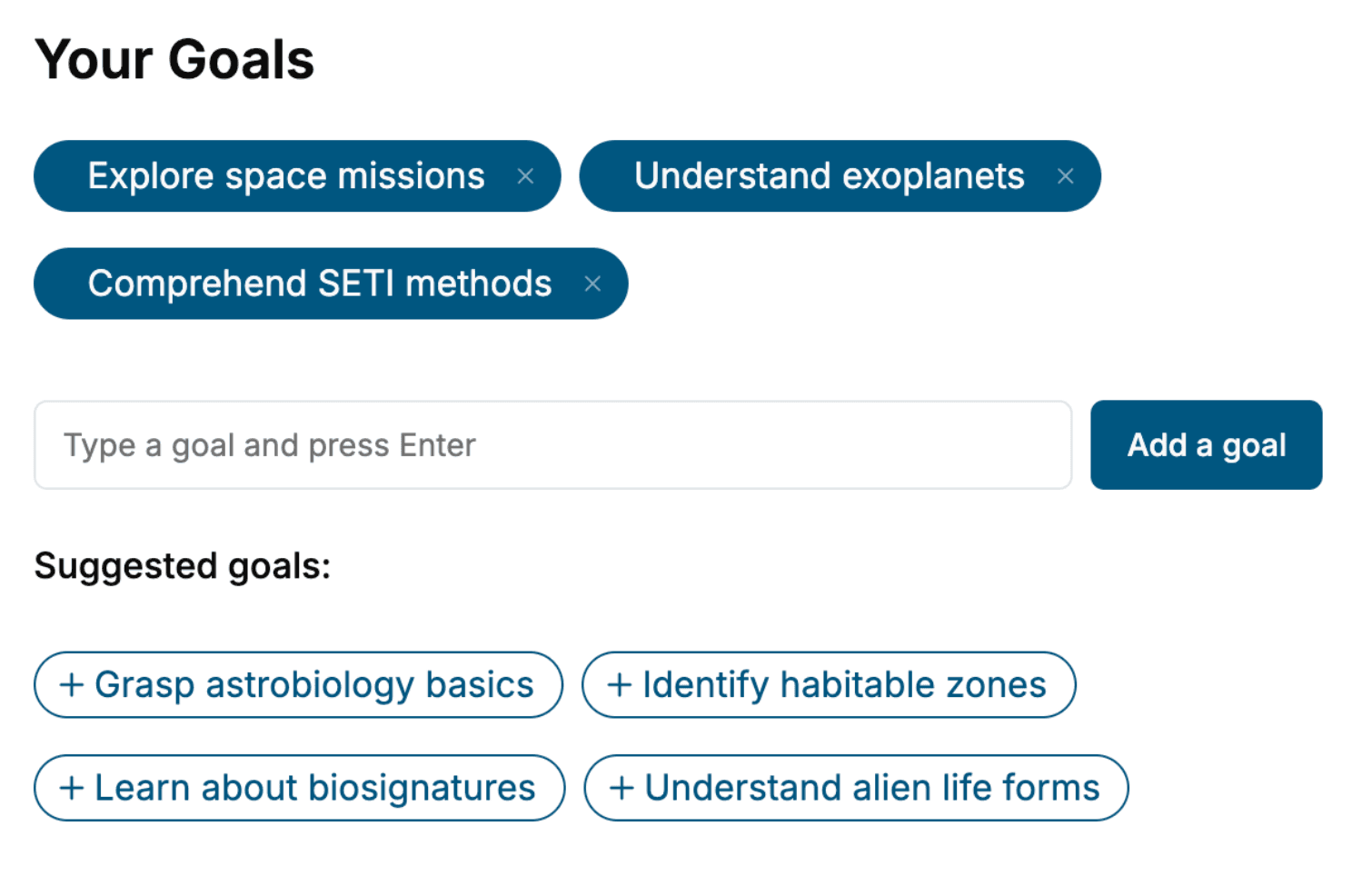
Specify your goals and choose sub-topics to include
- 3. Get your tailored book
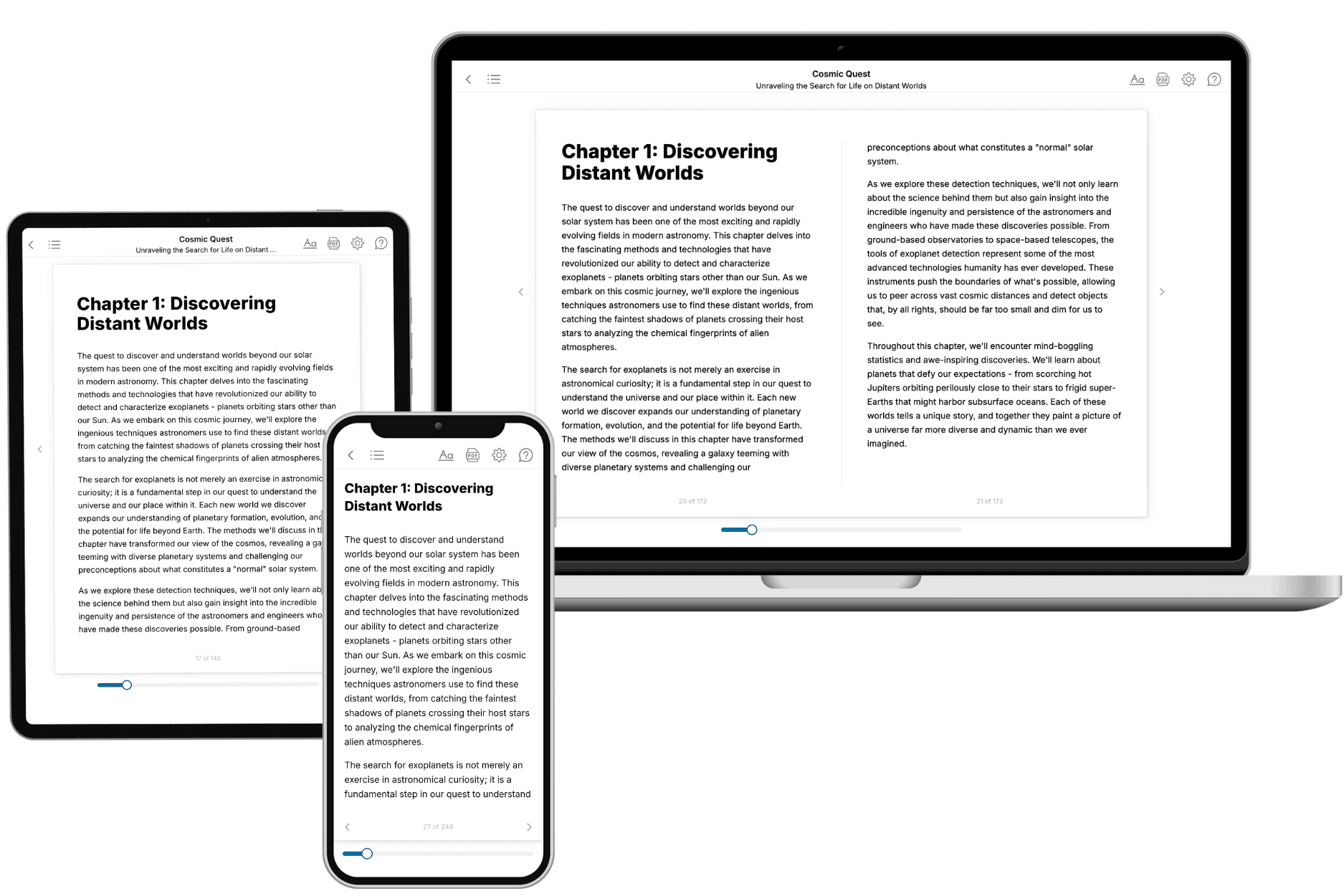
Your book is ready in 10 minutes. Read it online, download as EPUB or PDF, or send to Kindle.

Frequently asked questions
- What is TailoredRead?
TailoredRead creates complete, full-length nonfiction ebooks, written specifically for you. Tell us what you want to learn and why, and TailoredRead writes you a complete ebook on it, with charts, tables, and diagrams throughout. Read it online, on Kindle, or on any e-reader, or download it as a PDF or EPUB. Every book is written fresh the day you order it.
- How is the book tailored to me?
Before anything is written, you answer a few short questions about your goals, your background, and the topics you care about. Your book is then planned around your answers: written at your level, focused on your goals, and covering the topics you chose, instead of the one-size-fits-all book a store sells everyone.
- Will it read like generic AI content?
No. Your book isn't a chat transcript: it's planned chapter by chapter before a single word is written, told in a clear book voice, and explains ideas visually with charts, tables, and diagrams. After writing, every book goes through an editorial pass that polishes chapters so the book reads consistent from start to finish. Judge for yourself: browse thousands of sample books on our Explore Books page.
- How accurate is the content?
Our AI first checks whether your subject needs live research. Niche and fast-moving subjects are researched before writing, and the book plan and chapters are grounded in what it finds. After writing, every book goes through a quality pass that checks its facts and consistency, and researched books list their sources in a Notes section at the back.
- How long is the book?
You choose the length: Comprehensive (250-300 pages), Detailed (150-200 pages), Essential (70-100 pages), or Short (30-50 pages).
- Does the book include visuals?
Yes. Every book includes charts, tables, and diagrams: timelines, checklists, step-by-step guides, decision trees, comparison tables, matrices, and bar charts. A typical book includes dozens of these visual elements.
- Can I read it on Kindle? What formats can I download?
Yes. Every book can be read in our online reader or downloaded as a PDF or EPUB. The EPUB can be opened with Kindle, Apple Books, Kobo, and any e-reader. The Commercial and Author licenses also include an editable Word (DOCX) and Markdown download.
- How much does it cost?
About the price of a regular ebook. The exact price depends on your book's length and complexity, from $2 for the shortest books to $35 for the most comprehensive, and it's shown when you review your book, before you commit to anything. Each book is a one-time purchase, yours to keep, no subscription. Licenses that let you share, teach, or publish your book range from $35.99 to $49.99.
- Can I preview the book before purchasing?
Before you pay, you'll see what your book will cover: the title, a detailed description, the estimated length, and the complete chapter-by-chapter table of contents, so you know what you're getting before you decide. The full text itself is written after you purchase.
- How long does it take to create a book?
About 10 minutes. You can start reading the opening chapters while the rest is still being written.