Bioluminescent Dinoflagellates
The Science, Beauty, and Mystery of Ocean's Living Light
What if the ocean's most spectacular light show is created by creatures so tiny you can't see them with the naked eye?
207 pages9 chaptersAug 17, 2026Marine Biology
About this book
Bioluminescent dinoflagellates represent one of nature's most fascinating phenomena—microscopic organisms that produce their own light through chemical reactions, illuminating the night ocean with an ethereal blue-green glow. This book explores the remarkable science behind these living lights, from the molecular mechanisms that enable their glow to their critical roles in marine ecosystems. You'll discover how dinoflagellates use bioluminescence for survival, how they influence ocean food webs and nutrient cycles, and why their populations are shifting due to environmental changes. Whether you're a biology student, marine science enthusiast, or simply curious about the ocean's mysteries, this comprehensive guide reveals how these microscopic organisms connect to larger questions about life, evolution, and our changing planet. Explore the cutting-edge research transforming our understanding of marine bioluminescence and its applications in medicine and biotechnology.
Table of contents
- IntroductionWhy Dinoflagellates Matter to Science and Society, What You'll Discover in This Book, How to Use This GuideRead below
- Chapter 1: The Microscopic World of DinoflagellatesWhat Are Dinoflagellates?, Structure and Anatomy of Dinoflagellate Cells, Diversity and Classification
- Chapter 2: The Chemistry of Light ProductionBioluminescence Basics: How Light Is Made, Luciferin and Luciferase: The Key Players, Energy Conversion and Efficiency
- Chapter 3: Evolution and AdaptationWhy Bioluminescence Evolved in the Ocean, Survival Advantages and Defense Mechanisms, Comparing Dinoflagellate Light to Other Organisms
- Chapter 4: Ecological Roles and Marine Food WebsDinoflagellates as Primary Producers, Nutrient Cycling and Ocean Productivity, Food Web Interactions and Predator-Prey Dynamics
- Chapter 5: Red Tides and Harmful Algal BloomsWhat Are Red Tides and Harmful Algal Blooms?, Causes and Environmental Triggers, Ecological and Economic Impacts
- Chapter 6: Environmental Factors and Population DynamicsTemperature, Light, and Nutrient Requirements, Ocean Acidification and pH Changes, Pollution and Human Impact on Populations
- Chapter 7: Research Methods and Observation TechniquesSampling and Collection Methods, Microscopy and Advanced Imaging Techniques, Molecular Analysis and Genetic Studies
- Chapter 8: Biotechnology and Medical ApplicationsGreen Fluorescent Protein and Fluorescent Markers, Medical Diagnostics and Disease Detection, Future Biotechnology Applications
- Chapter 9: Climate Change and Future TrendsHow Climate Change Affects Dinoflagellate Populations, Shifting Geographic Distributions, Monitoring and Predicting Future Changes
- ConclusionKey Takeaways, The Bigger Picture: Dinoflagellates and Our Ocean
- Glossary
- Further Reading and Resources
Introduction
On a moonless night in Mosquito Bay, off the coast of Vieques, Puerto Rico, a single paddle stroke through the water leaves behind a trail of glowing blue light. The glow does not come from reflected moonlight or hidden lanterns. It comes from millions of single-celled organisms suspended in the water, each one flashing in response to the disturbance caused by the paddle. This is the visible signature of Dinoflagellate bioluminescence, a phenomenon that has drawn scientists, artists, and curious travelers to dark bays and open oceans for generations.
What looks like magic is, in fact, a precise biochemical reaction happening inside cells smaller than the width of a human hair. These organisms are neither plants nor animals in the way most people define those categories. They occupy a strange middle ground in the tree of life, capable of photosynthesis, predation, and in some cases both at once. Their ability to generate light on demand places them among the most studied bioluminescent organisms on the planet, alongside fireflies, anglerfish, and certain fungi.
This book exists to unpack that phenomenon layer by layer, starting from the cell itself and working outward toward oceans, economies, and laboratories. Dinoflagellates are small enough to ignore and easy to overlook, yet their collective influence on marine chemistry, coastal economies, and even modern medicine is difficult to overstate. Understanding them requires moving between scales, from a single molecule flashing light to a bay glowing bright enough to read by.
The chapters that follow trace a path from basic biology to applied science. Before that journey begins, this introduction lays out why these organisms deserve attention, what specific ground the book will cover, and how to get the most value from reading it. None of this requires a background in marine biology, only curiosity and a willingness to look closely at something most people will never see with the naked eye.
Why Dinoflagellates Matter to Science and Society
Dinoflagellates sit at an unusual crossroads in biology. Many species photosynthesize like plants, others hunt and consume prey like animals, and some do both depending on conditions, a strategy known as Mixotrophy. This flexibility lets them survive in environments where a strictly plant-like or animal-like organism would struggle. Their adaptability partly explains why they appear in nearly every ocean on Earth, from tropical bays to cold coastal waters, and why they have persisted through hundreds of millions of years of changing ocean chemistry.
Their ecological footprint extends far beyond their microscopic size. As part of the phytoplankton community, dinoflagellates contribute meaningfully to Primary Production, the process of converting sunlight and carbon dioxide into organic matter that feeds nearly everything else in the ocean. Small fish, shellfish, and zooplankton graze on them directly, while larger predators depend on that chain indirectly. Removing dinoflagellates from an ecosystem would not just dim a few bays at night, it would destabilize food webs that support fisheries millions of people depend on.
Beyond ecology, dinoflagellates have a direct economic dimension that coastal communities feel every year. Certain species multiply rapidly under the right conditions and form dense concentrations known as a Harmful Algal Bloom, often visible as a Red Tide. These blooms can close beaches, shut down shellfish harvesting, and cost tourism-dependent towns significant revenue during a single season. The toxins some species produce, including Saxitoxin and Brevetoxin, can accumulate in shellfish and cause illness in people who eat contaminated seafood, a condition known as Paralytic Shellfish Poisoning.
Scientists have also turned to dinoflagellates and related bioluminescent organisms as working tools rather than just subjects of study. Marine biologist Edith Widder has spent decades documenting how widespread bioluminescence is in the ocean, arguing that light production may be the most common form of communication on the planet by sheer number of organisms that use it[1]. That scale of use hints at why researchers keep returning to these organisms for insight into chemistry, evolution, and even human disease detection.
The molecular machinery dinoflagellates use to produce light has proven useful well outside marine biology. Researchers have adapted light-producing proteins from marine organisms into laboratory tools that reveal what is happening inside living cells in real time. This kind of borrowing from nature, sometimes called bioprospecting, has already reshaped fields like cell biology and diagnostic medicine. A separate line of research, involving fluorescent proteins from other marine organisms, was significant enough to earn a Nobel Prize in Chemistry in 2008 for the scientists who discovered and developed it[2].
Dinoflagellates also function as sensitive indicators of ocean health. Because their growth responds quickly to changes in temperature, nutrients, and water chemistry, shifts in their populations often signal broader changes in an ecosystem before those changes become obvious in other ways. Monitoring programs along many coastlines now track dinoflagellate abundance specifically because it offers an early warning system. A sudden bloom or an unusual absence can both carry information about conditions changing beneath the surface.
Taken together, these threads explain why a group of organisms invisible to the naked eye occupies so much scientific attention. They sit at the base of marine food webs, they can disrupt coastal economies, they inspire biotechnology, and they serve as living sensors for ocean change. Few organisms connect fundamental biology to practical, real-world consequences as directly as dinoflagellates do, which is exactly why they deserve a closer look.
What You'll Discover in This Book
The chapters ahead move in a deliberate sequence, starting small and expanding outward. Early chapters focus on the organism itself, covering its cellular structure, the protective outer layer called the Amphiesma, and the whip-like Flagella that allow it to move through water. From there, the discussion shifts to the chemistry that makes these cells glow, including the roles of Luciferin and Luciferase, the two key components behind the light-producing reaction.
A dedicated section examines why bioluminescence exists at all, exploring theories like the Burglar Alarm Hypothesis, which suggests the flash of light attracts larger predators that then attack whatever disturbed the dinoflagellate in the first place. This section also places dinoflagellate light in context alongside other bioluminescent strategies found in nature, including Counter-Illumination used by some deep-sea animals, showing how similar solutions emerged independently through Convergent Evolution.
From there, the book turns to the ecological role these organisms play, examining Nutrient Cycling and the web of Trophic Interaction that connects dinoflagellates to fish, shellfish, and other marine life. This sets up a closer look at the darker side of their biology, where population explosions turn a normally beneficial organism into a serious ecological and economic problem through harmful blooms and red tides.
Environmental sensitivity gets its own extended treatment, covering how temperature, light, nutrient availability, and Ocean Acidification shape where and how these organisms thrive. This section connects directly to a following one on research methods, where you will encounter tools like Plankton Net Sampling, Flow Cytometry, and rRNA Gene Sequencing, the practical techniques scientists use to study populations that are invisible without specialized equipment.
Applied science receives significant space as well. A chapter on biotechnology explores how tools like Green Fluorescent Protein and related Biosensor technology have moved from marine research labs into hospitals and diagnostic clinics. Another chapter addresses Bioluminescent Imaging and its growing role in tracking disease processes inside living organisms, a direct example of ocean biology informing modern medicine.
The final scientific chapter looks forward rather than backward, addressing how climate change is altering dinoflagellate distributions. Expect discussion of Range Shift patterns, changes driven by Ocean Stratification, and the growing use of Remote Sensing and Predictive Modeling to anticipate where blooms might occur next. This section ties the entire book back to a present-day concern: how a warming, changing ocean is reshaping one of its smallest but most influential inhabitants.
By the closing chapter, the goal is not simply to have covered a list of facts about a microscopic organism. The intent is to leave you with a working mental model of how dinoflagellates connect cellular chemistry, ecosystem function, economic reality, and cutting-edge science into a single, coherent story. Few subjects offer such a direct line from a glowing wave at night to a diagnostic test in a hospital lab.
How to Use This Guide
This book is structured so that each chapter builds on the ideas established before it, though it does not require reading strictly start to finish to be useful. Someone with a background in cell biology might move quickly through the early structural chapters and slow down at the sections on climate change and biotechnology. A reader newer to marine science may benefit from moving through the chapters in order, since later material assumes familiarity with terms and mechanisms introduced earlier.
Certain terms appear repeatedly throughout the book and carry precise scientific meaning, so they are capitalized and defined at first use in each relevant chapter. Terms such as Quantum Yield, Scintillon, and Photoacclimation describe specific, measurable concepts rather than loose figures of speech. If a term feels unfamiliar partway through a chapter, the glossary at the end of the book offers a quick reference point without requiring a search back through earlier pages.
Several chapters include practical detail meant for readers who want to go beyond conceptual understanding. The chapter on research methods, for example, describes actual laboratory and field techniques, including how samples get collected, imaged, and analyzed at the genetic level using tools like Metagenomics. Readers pursuing coursework, lab work, or independent research projects may find these sections useful as a starting map before consulting primary scientific literature.
For readers most interested in the visual and experiential side of bioluminescence, the chapters on evolution and ecological roles offer the richest descriptive material. These sections explain not just what dinoflagellates do chemically, but why their light shows up the way it does in nature, from scattered sparkles in a wake to sustained glowing tides. Pairing that material with outside resources, such as documented footage of bioluminescent bays, can deepen the experience considerably.
Each chapter also stands reasonably well on its own if you are looking for a specific answer rather than a full narrative arc. Someone researching red tides for a coastal policy project can go directly to that chapter without needing the full biochemical background from earlier sections, since key terms are reintroduced briefly where necessary. This modular structure supports both cover-to-cover reading and targeted reference use.
A short list of practices can help make the most of the material ahead:
- Keep the glossary bookmarked, since capitalized terms recur across multiple chapters.
- Read the ecology and red tide chapters together, since bloom dynamics depend directly on nutrient cycling concepts introduced earlier.
- Treat the biotechnology and climate chapters as forward-looking material, best read after the foundational chemistry sections.
- Use the further reading list at the end of the book to pursue any topic in greater technical depth.
Whether the goal is academic preparation, general curiosity, or professional interest in marine science and biotechnology, the material ahead is arranged to reward both careful sequential reading and selective, topic-driven use. What follows next moves directly into the cell itself, examining what a dinoflagellate actually is and how its unusual structure sets the stage for everything discussed afterward.
This is the end of the free sample. The full book has 9 chapters.
Want this book written for you?
Tell us your goals and background, and get your own version of this book, tailored by AI to you.


Benefits of AI-tailored books
- Read one book, not ten:
- all the Marine Biology knowledge you need, gathered into a single book.
- Save days of learning:
- tell us your goals, choose your topics, and the whole book is built around them.
- Learn effortlessly:
- Marine Biology book written for your specific background and expertise.
- Understand at a glance:
- includes charts, tables, timelines, checklists, decision trees, and more.
- Stay current:
- written the day you order it, not years ago.
- Trust what you read:
- every book is checked for accuracy, with real research when your subject needs it.
Create your unique book in 3 steps
- 1. Select your focus
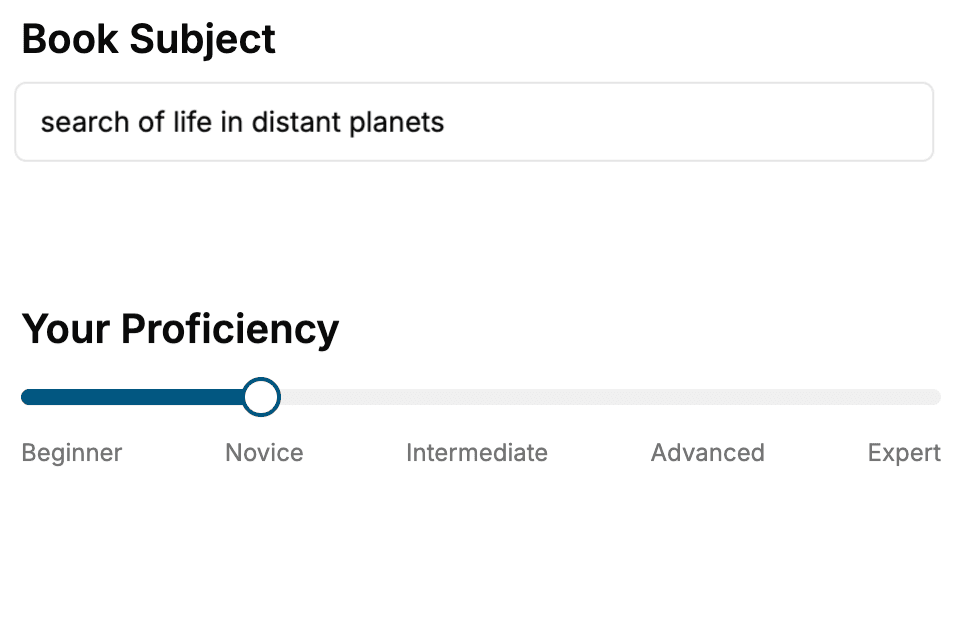
Select the focus of your Marine Biology book and share your background
- 2. Personalize your book
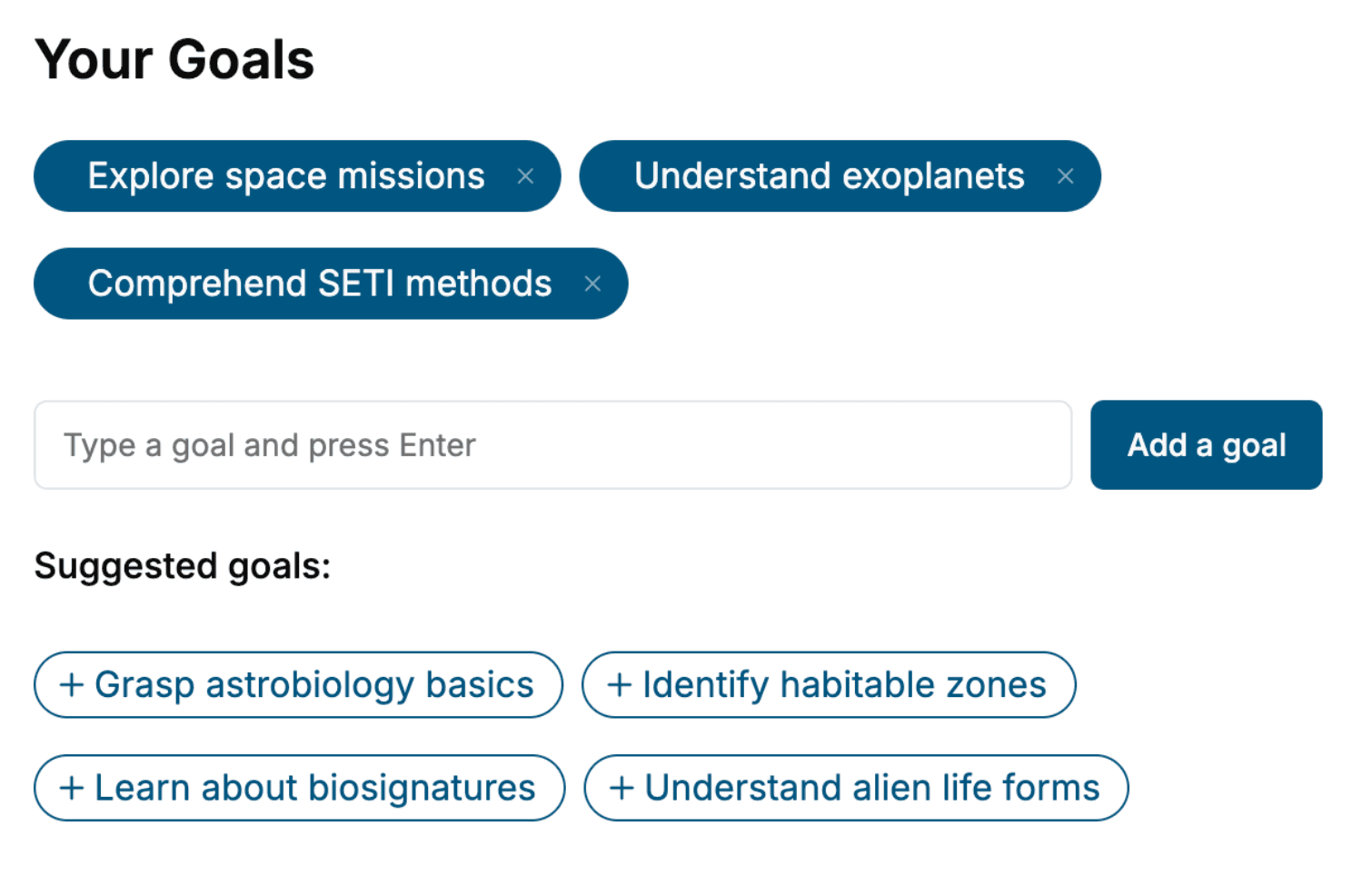
Specify your goals and choose sub-topics to include
- 3. Get your tailored book
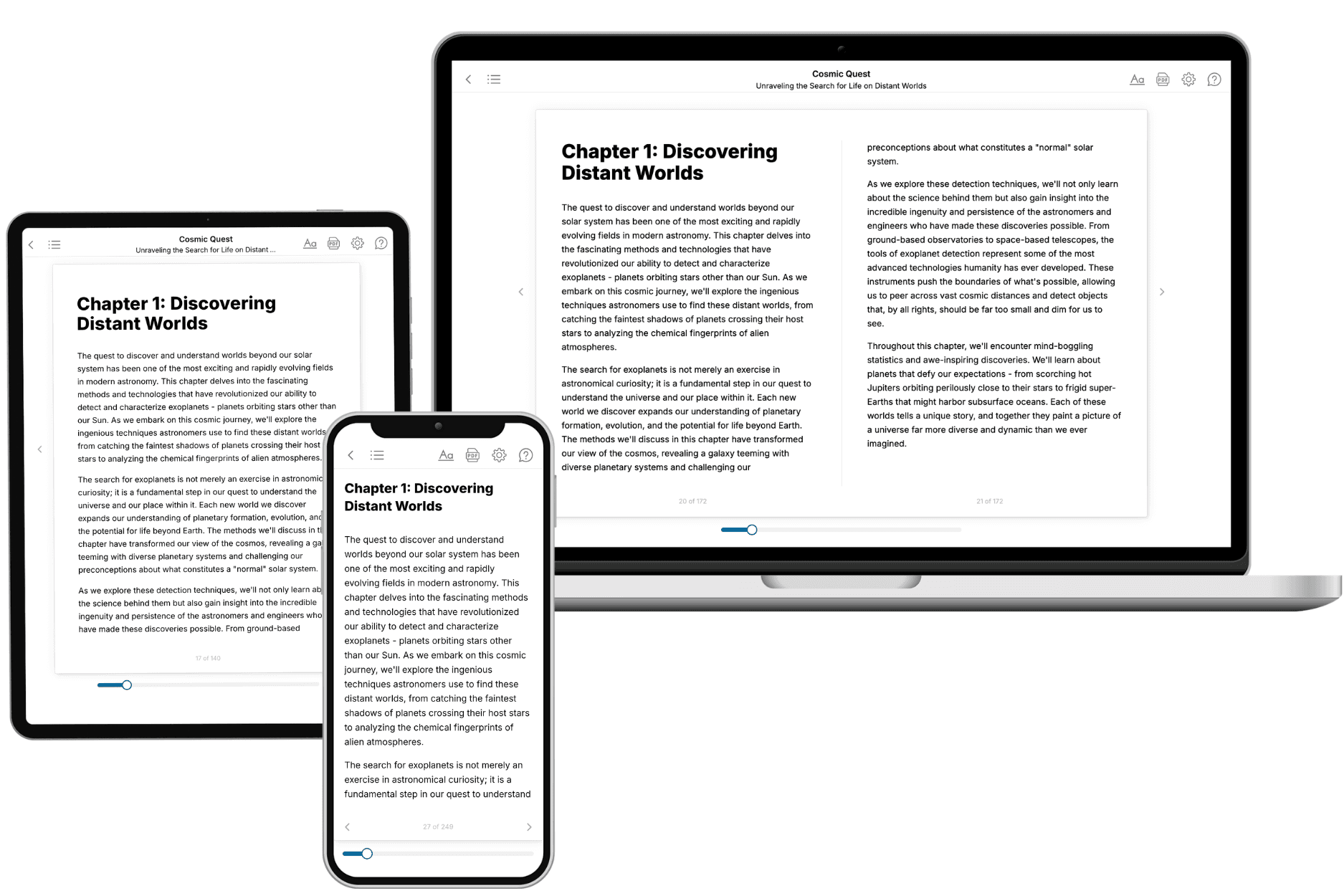
Your book is ready in 10 minutes. Read it online, download as EPUB or PDF, or send to Kindle.
Frequently asked questions
- What is TailoredRead?
TailoredRead creates complete, full-length nonfiction ebooks, written specifically for you. Tell us what you want to learn and why, and TailoredRead writes you a complete ebook on it, with charts, tables, and diagrams throughout. Read it online, on Kindle, or on any e-reader, or download it as a PDF or EPUB. Every book is written fresh the day you order it.
- How is the book tailored to me?
Before anything is written, you answer a few short questions about your goals, your background, and the topics you care about. Your book is then planned around your answers: written at your level, focused on your goals, and covering the topics you chose, instead of the one-size-fits-all book a store sells everyone.
- Will it read like generic AI content?
No. Your book isn't a chat transcript: it's planned chapter by chapter before a single word is written, told in a clear book voice, and explains ideas visually with charts, tables, and diagrams. After writing, every book goes through an editorial pass that polishes chapters so the book reads consistent from start to finish. Judge for yourself: browse thousands of sample books on our Explore Books page.
- How accurate is the content?
Our AI first checks whether your subject needs live research. Niche and fast-moving subjects are researched before writing, and the book plan and chapters are grounded in what it finds. After writing, every book goes through a quality pass that checks its facts and consistency, and researched books list their sources in a Notes section at the back.
- How long is the book?
You choose the length: Comprehensive (250-300 pages), Detailed (150-200 pages), Essential (70-100 pages), or Short (30-50 pages).
- Does the book include visuals?
Yes. Every book includes charts, tables, and diagrams: timelines, checklists, step-by-step guides, decision trees, comparison tables, matrices, and bar charts. A typical book includes dozens of these visual elements.
- Can I read it on Kindle? What formats can I download?
Yes. Every book can be read in our online reader or downloaded as a PDF or EPUB. The EPUB can be opened with Kindle, Apple Books, Kobo, and any e-reader. The Commercial and Author licenses also include an editable Word (DOCX) and Markdown download.
- How much does it cost?
About the price of a regular ebook. The exact price depends on your book's length and complexity, from $2 for the shortest books to $35 for the most comprehensive, and it's shown when you review your book, before you commit to anything. Each book is a one-time purchase, yours to keep, no subscription. Licenses that let you share, teach, or publish your book range from $35.99 to $49.99.
- Can I preview the book before purchasing?
Before you pay, you'll see what your book will cover: the title, a detailed description, the estimated length, and the complete chapter-by-chapter table of contents, so you know what you're getting before you decide. The full text itself is written after you purchase.
- How long does it take to create a book?
About 10 minutes. You can start reading the opening chapters while the rest is still being written.