Biotech Wearables Revolution
A Comprehensive Guide to Prototyping, AI Integration, and Health Monitoring
Many believe that wearable technology is limited to fitness trackers and smartwatches.
315 pages16 chaptersJul 13, 2025ElectronicsCreated by Camden
About this book
However, the field of biotech wearables is rapidly expanding, offering unprecedented opportunities for non-invasive health monitoring and personalized care. In "Biotech Wearables Revolution," you'll discover the cutting-edge intersection of biotechnology and wearable devices. This comprehensive guide takes you through the entire process of developing advanced wearable prototypes, from conceptualization to clinical trials. You'll learn how to harness the power of machine learning and artificial intelligence to enhance data analysis and create more intelligent, responsive devices. Dive into the world of smart textile manufacturing and flexible circuit design, and explore how these technologies are revolutionizing the way we approach health monitoring. With a focus on user experience and data visualization, this book equips you with the knowledge to create wearables that are not only technologically advanced but also intuitive and user-friendly. Whether you're a researcher, engineer, or healthcare professional, "Biotech Wearables Revolution" provides the insights and practical knowledge you need to stay at the forefront of this rapidly evolving field. Get ready to push the boundaries of what's possible in non-invasive monitoring and contribute to the future of personalized healthcare.
Table of contents
- IntroductionThe Wearables Revolution, The Potential of Biotech in Wearables, Book Overview and How to Use ItRead below
- Chapter 1: Fundamentals of Wearable TechnologyThe Evolution of Wearable Devices, Key Components of Wearable Technology, Applications in Healthcare and Beyond, Current Challenges and Limitations
- Chapter 2: Introduction to Biotech WearablesDefining Biotech Wearables, Advantages of Biotech in Wearable Technology, Potential Applications in Healthcare, The Future of Biotech Wearables
- Chapter 3: Wearable Prototyping EssentialsThe Prototyping Process, Applying Design Thinking to Wearables, Rapid Prototyping Techniques, Testing and Iterating Prototypes
- Chapter 4: Biotech Fabric DesignIntroduction to Smart Textiles, Bioactive Materials and Their Properties, Integrating Sensors into Fabrics, Manufacturing Processes for Biotech Fabrics
- Chapter 5: Flexible Circuit Design for WearablesPrinciples of Flexible Electronics, Materials for Flexible Circuits, Designing Circuits for Wearability, Manufacturing Flexible Circuits
- Chapter 6: Biosensor Integration in WearablesTypes of Biosensors for Wearables, Selecting the Right Sensors for Your Application, Calibration and Validation of Biosensors, Data Collection and Processing from Biosensors
- Chapter 7: Machine Learning in WearablesBasics of Machine Learning for Wearables, Data Preprocessing and Feature Extraction, Machine Learning Algorithms for Wearable Data, Implementing ML Models in Wearable Devices
- Chapter 8: AI Integration in Wearable DevicesThe Potential of AI in Wearables, Edge Computing for Wearable AI, AI for Personalization and Adaptive Functionality, Challenges in Implementing AI in Wearables
- Chapter 9: Advanced Data Analysis for WearablesUnderstanding Wearable Data Types, Statistical Analysis Techniques, Pattern Recognition in Wearable Data, Predictive Analytics for Health Monitoring
- Chapter 10: Wearable Data VisualizationThe Importance of Data Visualization in Wearables, Visualization Techniques for Wearable Data, Real-time Data Visualization Strategies, Creating User-Friendly Dashboards
- Chapter 11: Wearable UX DesignPrinciples of UX Design for Wearables, Conducting User Research for Wearable Devices, Designing Intuitive Interfaces for Small Screens, Incorporating Haptic Feedback in Wearables
- Chapter 12: Conducting Clinical Trials for WearablesDesigning Clinical Trials for Wearable Devices, Regulatory Considerations for Wearable Trials, Data Collection and Analysis in Wearable Trials, Overcoming Challenges in Wearable Clinical Trials
- Chapter 13: Non-Invasive Monitoring TechnologiesOverview of Non-Invasive Monitoring, Optical Sensors for Health Monitoring, Electrochemical Sensors in Wearables, Future Trends in Non-Invasive Monitoring
- Chapter 14: Smart Textile ManufacturingAdvanced Manufacturing Processes for Smart Textiles, Selecting Materials for Smart Textiles, Quality Control in Smart Textile Production, Scaling Up Smart Textile Production
- Chapter 15: Ethical Considerations and Data PrivacyEthical Issues in Wearable Technology, Data Protection and Privacy in Wearables, Obtaining Informed Consent for Data Collection, Designing Ethically Responsible Wearables
- Chapter 16: Future Trends in Biotech WearablesEmerging Technologies in Biotech Wearables, Wearables in Personalized Medicine, Integration with Healthcare Systems, The Societal Impact of Biotech Wearables
- Conclusion
- Glossary
- Further Reading
Introduction
Welcome to the cutting-edge world of biotech wearables, where the boundaries of technology and healthcare are constantly being pushed to new horizons. As an Associate Research Scientist with a background in Genetics, Genomics, and Biotechnology, you are uniquely positioned to appreciate and contribute to this rapidly evolving field. This book aims to expand your knowledge and expertise in biotech wearables and AI integration, providing you with a comprehensive guide to developing and enhancing wearable technology prototypes for health monitoring applications.
The realm of wearable technology has expanded far beyond the simple fitness trackers and smartwatches that have become ubiquitous in our daily lives. Today, we stand on the brink of a revolution in healthcare, driven by the convergence of biotechnology, artificial intelligence, and wearable devices. This synergy offers unprecedented opportunities for non-invasive health monitoring, early disease detection, and personalized care that were once thought to be the stuff of science fiction.
Throughout this book, you will discover how biotech wearables are transforming the landscape of healthcare and personal wellness. From smart textiles embedded with biosensors to AI-powered data analysis algorithms, the innovations in this field are opening new avenues for research and development. As we delve into the intricacies of wearable prototyping, AI integration, and health monitoring, you will gain the knowledge and tools necessary to contribute to this exciting field and potentially shape the future of healthcare.
The journey ahead is both challenging and rewarding. It requires a multidisciplinary approach, combining expertise from various fields such as biotechnology, electronics, data science, and user experience design. By the end of this book, you will have a comprehensive understanding of the key components that make up advanced biotech wearables, the processes involved in their development, and the potential applications that could revolutionize healthcare as we know it.
Let's embark on this exploration of the Biotech Wearables Revolution, where science meets technology to create devices that not only monitor our health but have the potential to predict and prevent diseases, personalize treatments, and ultimately improve the quality of life for millions around the globe.
The Wearables Revolution
The wearables revolution is upon us, transforming the way we interact with technology and monitor our health. This paradigm shift is not just about miniaturizing existing technologies; it's about creating entirely new possibilities for seamless integration of digital capabilities into our daily lives. The evolution of wearable technology has been nothing short of remarkable, progressing from simple pedometers to sophisticated devices capable of monitoring a wide array of physiological parameters.
At the heart of this revolution is the concept of ubiquitous computing, where technology becomes so integrated into our environment that it fades into the background of our consciousness. Wearable devices embody this concept perfectly, offering continuous, real-time data collection and analysis without requiring constant user interaction. This seamless integration is what sets wearables apart from traditional medical devices and consumer electronics.
The impact of wearable technology extends far beyond the consumer market. In healthcare, wearables are revolutionizing patient monitoring, disease management, and preventive care. For instance, continuous glucose monitors have transformed diabetes management, allowing patients to track their blood sugar levels in real-time without the need for frequent finger pricks. Similarly, wearable ECG monitors are enabling long-term heart rhythm tracking, potentially catching arrhythmias that might be missed during short in-clinic ECG recordings[1].
In the realm of research, wearables are opening up new avenues for data collection and analysis. The ability to gather continuous, real-world data from large populations is providing researchers with unprecedented insights into human physiology and behavior. This wealth of data, combined with advanced analytics and machine learning algorithms, is enabling the development of predictive models that could revolutionize our approach to healthcare and disease prevention.
The wearables revolution is also driving innovation in materials science and manufacturing. The demand for flexible, durable, and biocompatible materials has spurred the development of new smart textiles and stretchable electronics. These advancements are not only making wearables more comfortable and user-friendly but also expanding the range of possible applications.
As we delve deeper into the wearables revolution, it's important to recognize that we are still in the early stages of this technological transformation. The current generation of wearables, impressive as they are, represent just the tip of the iceberg. The true potential of wearable technology lies in its ability to seamlessly integrate with our bodies and our environment, providing personalized, context-aware insights and interventions.
The future of wearables promises even greater integration with our biological systems. Imagine devices that can not only monitor your physiological state but also deliver targeted therapies or adjust your body's functions in real-time. This could include wearables that automatically adjust your insulin levels, optimize your circadian rhythms, or even enhance your cognitive functions[2].
However, with great power comes great responsibility. As wearables become more sophisticated and integrated into our lives, they also raise important ethical and privacy concerns. The vast amount of personal health data collected by these devices needs to be protected, and the potential for misuse or unauthorized access must be carefully addressed. Moreover, as wearables begin to influence our behaviors and even our physiology, we must consider the long-term implications of this technology on human autonomy and identity.
Despite these challenges, the potential benefits of the wearables revolution are immense. From empowering individuals to take control of their health, to enabling more efficient and personalized healthcare delivery, wearables have the potential to fundamentally transform our approach to health and wellness. As we stand on the brink of this revolution, it's an exciting time to be involved in the field of biotech wearables, with countless opportunities to innovate and make a real difference in people's lives.
In the following chapters, we will explore in detail the various aspects of this wearables revolution, from the fundamental technologies that make it possible, to the cutting-edge applications that are pushing the boundaries of what's possible. We'll delve into the challenges of designing and prototyping wearable devices, the intricacies of integrating biosensors and AI, and the complexities of analyzing and visualizing the vast amounts of data generated by these devices. By the end of this journey, you'll be well-equipped to contribute to and lead in this exciting field, helping to shape the future of healthcare and human-technology interaction.
The Potential of Biotech in Wearables
The integration of biotechnology into wearable devices represents a quantum leap in the capabilities and potential applications of these technologies. Biotech wearables go beyond simple physical measurements, tapping into the complex biochemical processes occurring within our bodies to provide unprecedented insights into our health and physiological state. This fusion of biotechnology and wearable technology is opening up new frontiers in healthcare, personalized medicine, and human performance optimization.
At its core, the potential of biotech in wearables lies in its ability to provide continuous, real-time monitoring of complex biological parameters. Traditional medical tests often provide only a snapshot of a person's health at a specific moment in time. In contrast, biotech wearables can offer a continuous stream of data, capturing the dynamic nature of our physiology and potentially detecting subtle changes that might indicate the onset of disease or other health issues long before they become clinically apparent.
One of the most promising areas for biotech wearables is in the field of molecular diagnostics. Advances in biosensor technology are making it possible to detect and measure specific biomarkers in bodily fluids such as sweat, interstitial fluid, or even tears. For example, researchers have developed wearable sensors capable of measuring glucose levels in sweat, offering a potential alternative to invasive blood glucose monitoring for diabetics[3]. Similarly, wearable devices that can detect specific proteins or metabolites associated with various diseases could revolutionize early diagnosis and disease monitoring.
The potential of biotech wearables extends beyond diagnostics to therapeutic applications as well. Imagine a wearable device that not only detects an impending asthma attack based on changes in biomarkers but also automatically delivers a precise dose of medication to prevent it. Or consider a neural implant that can detect the onset of a seizure and apply targeted electrical stimulation to stop it before it begins. These are not just theoretical possibilities; research in these areas is already underway, promising to transform the management of chronic conditions.
In the realm of personalized medicine, biotech wearables have the potential to provide a continuous, holistic view of an individual's health status. By combining data on various physiological parameters, lifestyle factors, and environmental conditions, these devices could help create highly personalized health profiles. This wealth of data, when analyzed using advanced AI algorithms, could enable the development of predictive models that can forecast health risks and suggest personalized interventions to prevent disease.
The integration of biotech into wearables is also opening up new possibilities in the field of human performance optimization. For athletes and fitness enthusiasts, biotech wearables could provide real-time feedback on muscle fatigue, hydration status, and even nutrient levels, allowing for precise tuning of training regimens and nutrition plans. In high-stress professions, wearables could monitor stress hormones and other biomarkers of mental state, helping to prevent burnout and optimize cognitive performance.
Another exciting area of potential is in the field of environmental health monitoring. Biotech wearables could be designed to detect exposure to environmental toxins or pathogens, providing early warnings of potential health hazards. This could be particularly valuable in occupational health settings or in monitoring public health during disease outbreaks.
The potential of biotech in wearables also extends to the realm of neurotechnology. Advanced neural interfaces could allow for direct communication between the brain and external devices, opening up possibilities for enhanced cognitive abilities, treatment of neurological disorders, and even brain-computer interfaces that could revolutionize how we interact with technology.
However, realizing the full potential of biotech wearables requires overcoming several significant challenges. These include developing robust, long-lasting biosensors that can function reliably in the complex and variable environment of the human body, ensuring the accuracy and reliability of measurements, and developing algorithms that can make sense of the vast amounts of complex biological data generated by these devices.
Moreover, as biotech wearables become more sophisticated and integrated into healthcare systems, they raise important ethical and regulatory questions. How do we ensure the privacy and security of the sensitive biological data collected by these devices? How do we validate the accuracy and reliability of wearable diagnostics for clinical use? These are questions that will need to be addressed as the field continues to evolve.
Despite these challenges, the potential benefits of biotech wearables are immense. By providing continuous, detailed insights into our health and physiology, these devices have the potential to transform healthcare from a reactive model focused on treating disease to a proactive one focused on maintaining health and preventing illness. They could empower individuals to take control of their health in ways never before possible, and provide healthcare providers with the tools to deliver truly personalized, precision medicine.
As we explore the potential of biotech in wearables throughout this book, we'll delve into the specific technologies and applications that are driving this field forward. From advanced biosensors and smart materials to AI-powered data analysis and personalized health algorithms, we'll examine the building blocks that are making these futuristic capabilities a reality. By understanding both the possibilities and the challenges of biotech wearables, you'll be well-equipped to contribute to this exciting field and help shape the future of healthcare and human-technology interaction.
Book Overview and How to Use It
"Biotech Wearables Revolution: A Comprehensive Guide to Prototyping, AI Integration, and Health Monitoring" is designed to be your go-to resource for understanding and contributing to the rapidly evolving field of biotech wearables. This book is structured to provide a logical progression from fundamental concepts to advanced applications, allowing you to build your knowledge systematically while also offering the flexibility to focus on specific areas of interest.
The book is divided into 16 chapters, each focusing on a crucial aspect of biotech wearables development. We begin with an exploration of the fundamentals of wearable technology and an introduction to biotech wearables, providing a solid foundation for the more advanced topics that follow. From there, we delve into the practical aspects of wearable prototyping, including biotech fabric design, flexible circuit design, and biosensor integration.
As we progress, we explore the critical role of data in biotech wearables, covering machine learning, AI integration, advanced data analysis, and data visualization. These chapters will equip you with the knowledge to harness the power of data in creating intelligent, responsive wearable devices. We also address the crucial aspects of user experience design and the challenges of conducting clinical trials for wearable devices.
The latter part of the book focuses on cutting-edge technologies and future trends, including non-invasive monitoring technologies, smart textile manufacturing, and emerging trends in biotech wearables. We also dedicate a chapter to the important ethical considerations and data privacy issues that arise with the development and use of these powerful technologies.
To get the most out of this book, we recommend reading it sequentially, as each chapter builds upon the knowledge from previous ones. However, each chapter is also designed to stand alone, allowing you to focus on specific areas of interest or to use the book as a reference guide for particular topics.
Throughout the book, you'll find practical examples, case studies, and hands-on exercises that will help you apply the concepts you're learning. We've also included code snippets and technical diagrams where relevant to illustrate key points and provide practical guidance.
Here are some tips for using this book effectively:
- Take advantage of the chapter summaries and key takeaways to reinforce your understanding of each topic.
- Pay attention to the "In Practice" sections, which provide real-world applications of the concepts discussed.
- Explore the suggested further reading at the end of each chapter to deepen your knowledge in specific areas.
- Use the glossary to quickly reference unfamiliar terms or concepts.
- Don't hesitate to revisit earlier chapters as you progress through the book – the interconnected nature of biotech wearables means that concepts often build upon each other in complex ways.
Remember, the field of biotech wearables is rapidly evolving, and while this book provides a comprehensive overview of current technologies and practices, it's important to stay updated with the latest developments. We encourage you to use this book as a springboard for further exploration and to actively engage with the broader community of researchers and practitioners in this exciting field.
Whether you're looking to develop new biotech wearable prototypes, integrate AI into existing devices, or simply gain a deeper understanding of the potential of this technology, this book will provide you with the knowledge and tools you need to succeed. Let's embark on this journey into the future of healthcare and human-technology interaction, where the possibilities are limited only by our imagination and ingenuity.
As you progress through the book, you'll notice that we've structured each chapter to include both theoretical knowledge and practical applications. This approach is designed to help you not only understand the concepts but also see how they can be applied in real-world scenarios. We've included numerous examples from current research and industry applications to illustrate the potential of biotech wearables and to inspire your own innovations.
In the chapters dealing with technical aspects such as biosensor integration, machine learning, and data analysis, you'll find detailed explanations of the underlying principles as well as practical guidance on implementation. We've included code examples and technical specifications where appropriate, allowing you to experiment with these concepts in your own work.
The book also addresses the broader context of biotech wearables, including regulatory considerations, ethical implications, and potential societal impacts. These discussions are crucial for developing a holistic understanding of the field and for ensuring that the technologies you develop are not only technically sound but also responsible and beneficial to society.
To help you navigate the wealth of information presented in this book, we've included several features:
- Key Concept boxes that highlight important ideas and principles
- Case Studies that illustrate real-world applications and challenges
- Technical Deep Dives for those interested in more advanced topics
- Ethical Considerations sections that explore the implications of biotech wearables
- Future Outlook segments that discuss emerging trends and potential developments
We encourage you to engage actively with the material presented in this book. Try to relate the concepts to your own work or research interests. Consider how you might apply these ideas to solve real-world problems or to create innovative new applications of biotech wearables.
Finally, remember that this book is not just a source of information, but a starting point for your own exploration and innovation in the field of biotech wearables. We hope that it will inspire you to push the boundaries of what's possible, to ask new questions, and to contribute to the ongoing revolution in wearable technology and healthcare.
As you embark on this journey through the world of biotech wearables, keep in mind that you are at the forefront of a field that has the potential to transform healthcare, enhance human capabilities, and improve lives around the world. The knowledge and skills you gain from this book will equip you to play a significant role in shaping this exciting future.
Notes
Introduction
- 1. G. H. Tison and others, "Passive Detection of Atrial Fibrillation Using a Commercially Available Smartwatch," JAMA Cardiology, 2018
- 2. S. Patel and others, "A review of wearable sensors and systems with application in rehabilitation," Journal of NeuroEngineering and Rehabilitation, 2012
- 3. W. Gao and others, "Fully integrated wearable sensor arrays for multiplexed in situ perspiration analysis," Nature, 2016
This is the end of the free sample. The full book has 16 chapters.
Want this book written for you?
Tell us your goals and background, and get your own version of this book, tailored by AI to you.


Benefits of AI-tailored books
- Read one book, not ten:
- all the Electronics knowledge you need, gathered into a single book.
- Save days of learning:
- tell us your goals, choose your topics, and the whole book is built around them.
- Learn effortlessly:
- Electronics book written for your specific background and expertise.
- Understand at a glance:
- includes charts, tables, timelines, checklists, decision trees, and more.
- Stay current:
- written the day you order it, not years ago.
- Trust what you read:
- every book is checked for accuracy, with real research when your subject needs it.
Create your unique book in 3 steps
- 1. Select your focus
Select the focus of your Electronics book and share your background
- 2. Personalize your book
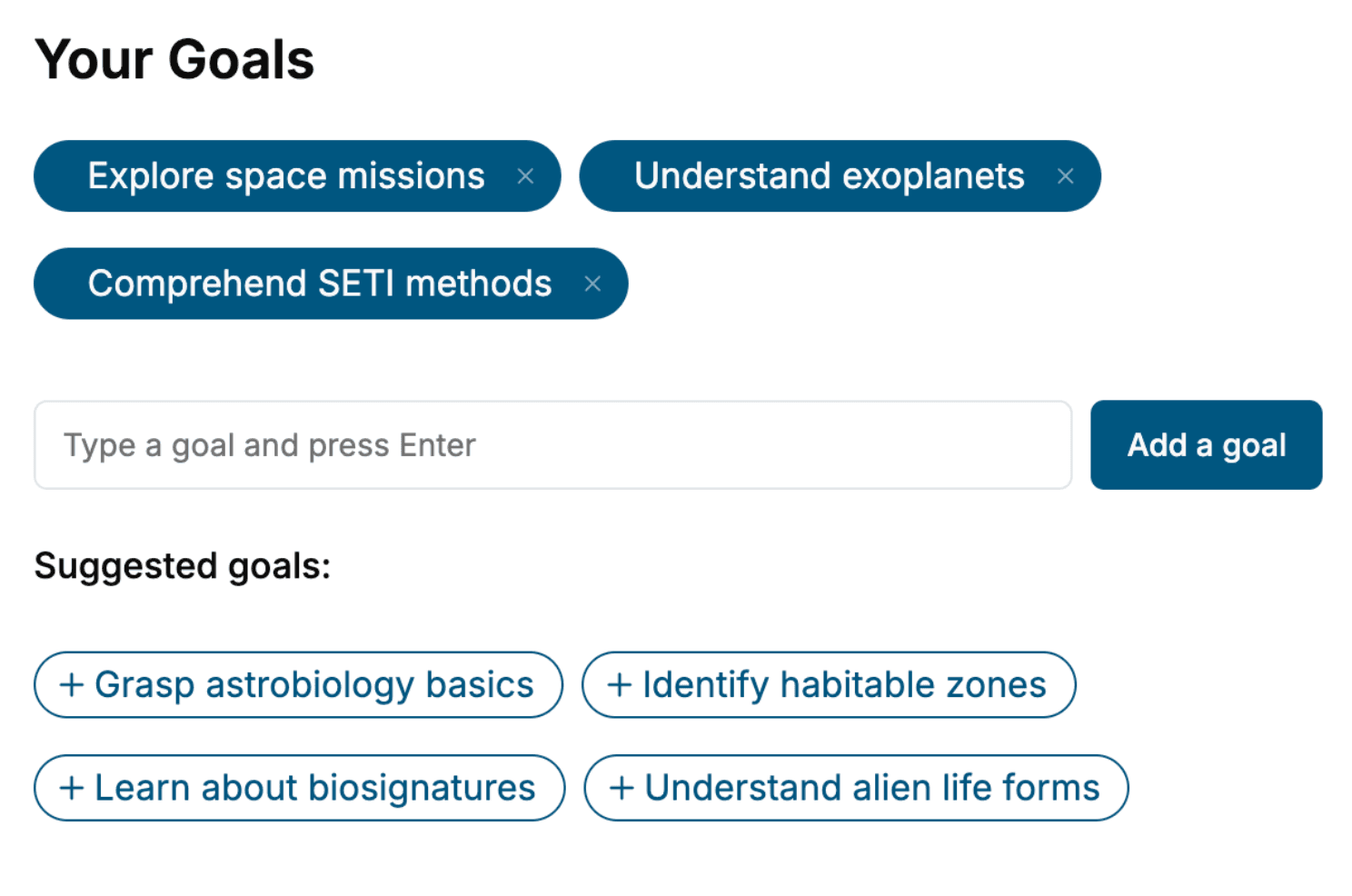
Specify your goals and choose sub-topics to include
- 3. Get your tailored book
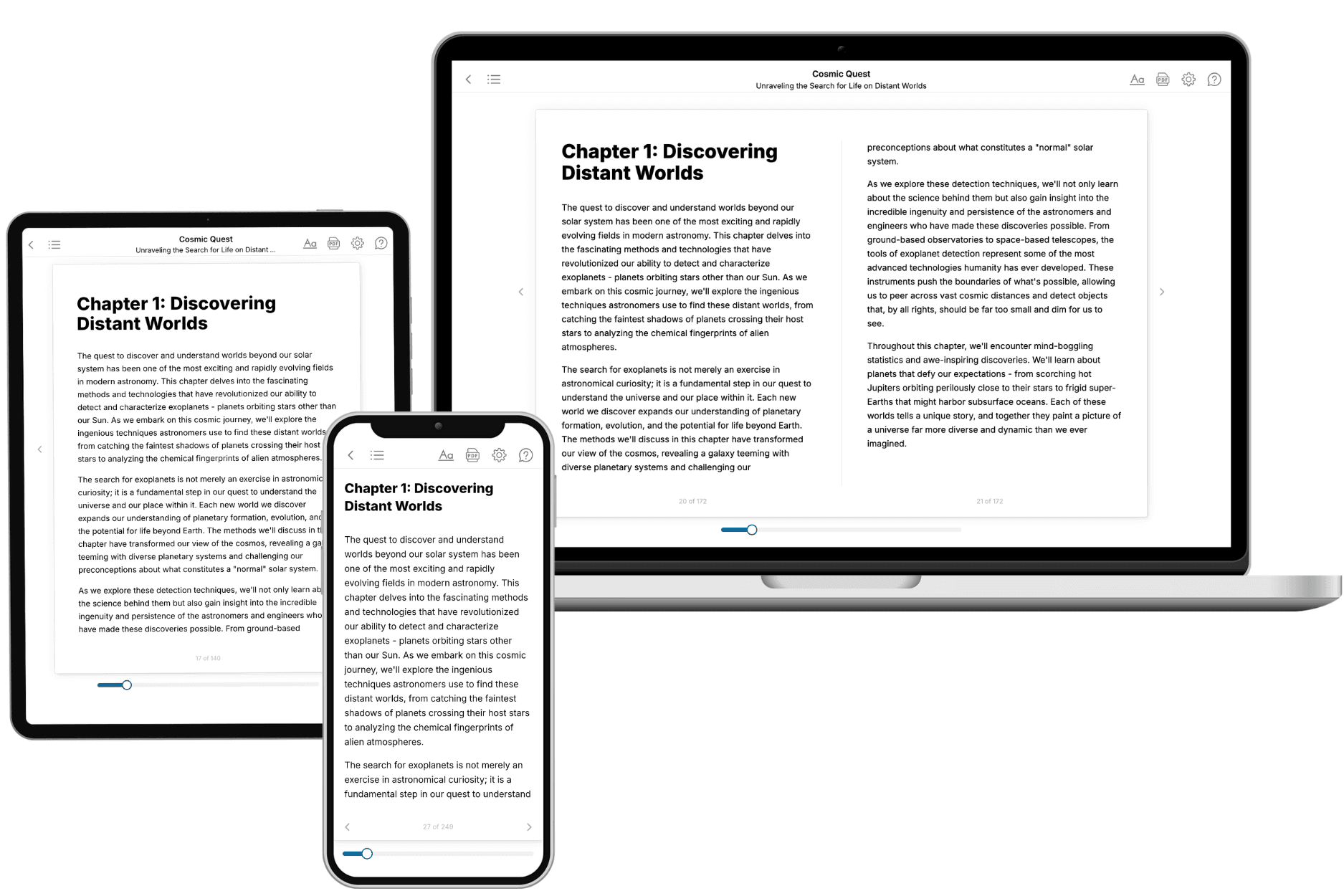
Your book is ready in 10 minutes. Read it online, download as EPUB or PDF, or send to Kindle.

Frequently asked questions
- What is TailoredRead?
TailoredRead creates complete, full-length nonfiction ebooks, written specifically for you. Tell us what you want to learn and why, and TailoredRead writes you a complete ebook on it, with charts, tables, and diagrams throughout. Read it online, on Kindle, or on any e-reader, or download it as a PDF or EPUB. Every book is written fresh the day you order it.
- How is the book tailored to me?
Before anything is written, you answer a few short questions about your goals, your background, and the topics you care about. Your book is then planned around your answers: written at your level, focused on your goals, and covering the topics you chose, instead of the one-size-fits-all book a store sells everyone.
- Will it read like generic AI content?
No. Your book isn't a chat transcript: it's planned chapter by chapter before a single word is written, told in a clear book voice, and explains ideas visually with charts, tables, and diagrams. After writing, every book goes through an editorial pass that polishes chapters so the book reads consistent from start to finish. Judge for yourself: browse thousands of sample books on our Explore Books page.
- How accurate is the content?
Our AI first checks whether your subject needs live research. Niche and fast-moving subjects are researched before writing, and the book plan and chapters are grounded in what it finds. After writing, every book goes through a quality pass that checks its facts and consistency, and researched books list their sources in a Notes section at the back.
- How long is the book?
You choose the length: Comprehensive (250-300 pages), Detailed (150-200 pages), Essential (70-100 pages), or Short (30-50 pages).
- Does the book include visuals?
Yes. Every book includes charts, tables, and diagrams: timelines, checklists, step-by-step guides, decision trees, comparison tables, matrices, and bar charts. A typical book includes dozens of these visual elements.
- Can I read it on Kindle? What formats can I download?
Yes. Every book can be read in our online reader or downloaded as a PDF or EPUB. The EPUB can be opened with Kindle, Apple Books, Kobo, and any e-reader. The Commercial and Author licenses also include an editable Word (DOCX) and Markdown download.
- How much does it cost?
About the price of a regular ebook. The exact price depends on your book's length and complexity, from $2 for the shortest books to $35 for the most comprehensive, and it's shown when you review your book, before you commit to anything. Each book is a one-time purchase, yours to keep, no subscription. Licenses that let you share, teach, or publish your book range from $35.99 to $49.99.
- Can I preview the book before purchasing?
Before you pay, you'll see what your book will cover: the title, a detailed description, the estimated length, and the complete chapter-by-chapter table of contents, so you know what you're getting before you decide. The full text itself is written after you purchase.
- How long does it take to create a book?
About 10 minutes. You can start reading the opening chapters while the rest is still being written.