Blooming Wonders
Your Ultimate Companion to the South Carolina Botanical Gardens
Step into a world of natural beauty and botanical marvels as you explore the South Carolina Botanical Gardens.
284 pages14 chaptersFeb 14, 2025Gardening
About this book
This guide takes you on a captivating journey through lush landscapes, vibrant flower beds, and serene walking trails. You'll discover the rich diversity of plant life native to South Carolina and from around the globe, all while learning about the gardens' history, conservation efforts, and educational programs. From the moment you enter the gardens, you'll be surrounded by a tapestry of colors, textures, and fragrances. This book will help you identify key species, understand the ecological significance of various exhibits, and appreciate the artistry behind the garden's design. You'll gain insights into the best times to visit for seasonal blooms, hidden spots for quiet contemplation, and must-see attractions that showcase the unique character of South Carolina's flora. Whether you're a casual visitor or a dedicated plant enthusiast, this guide offers something for everyone. You'll find practical tips for planning your visit, suggestions for family-friendly activities, and information on special events and educational workshops. By the time you finish this book, you'll be equipped with all the knowledge you need to make the most of your time at the South Carolina Botanical Gardens and develop a deeper appreciation for the natural wonders that surround you.
Table of contents
- IntroductionOverview of the South Carolina Botanical Gardens, Purpose of This Guide, How to Use This BookRead below
- Chapter 1: A Walk Through TimeOrigins of the South Carolina Botanical Gardens, Key Milestones in Garden Development, Notable Figures in the Gardens' History, Evolution of the Gardens Over Time
- Chapter 2: Garden Layout and NavigationMap Overview and Orientation, Main Sections of the Gardens, Accessibility and Pathways, Navigation Tips and Tricks
- Chapter 3: Native Plants of South CarolinaCoastal Plain Species, Piedmont Region Flora, Mountain Region Plants, Rare and Endangered Species
- Chapter 4: Themed Gardens and CollectionsThe Rose Garden, Butterfly Garden, Herb and Medicinal Plant Collection, Camellia Garden
- Chapter 5: Water Features and Aquatic PlantsGarden Ponds and Their Ecosystems, Wetland Areas and Conservation, Water Gardens and Aquatic Plants, Water Conservation Practices
- Chapter 6: Trees and ShrubsDeciduous Trees of South Carolina, Evergreen Species, Flowering Shrubs and Bushes, Tree Identification Guide
- Chapter 7: Seasonal HighlightsSpring Blooms and Awakenings, Summer's Lush Splendor, Fall Colors and Foliage, Winter Interest in the Gardens
- Chapter 8: Wildlife in the GardensBirds and Birdwatching Opportunities, Beneficial Insects and Pollinators, Small Mammals and Their Habitats, Reptiles and Amphibians
- Chapter 9: Conservation and SustainabilityPreservation Efforts in the Gardens, Sustainable Gardening Practices, Habitat Restoration Projects, Minimizing Visitor Impact
- Chapter 10: Educational Programs and ResourcesGuided Tours and Interpretive Programs, Workshops and Classes, School Programs and Field Trips, Research Opportunities and Partnerships
- Chapter 11: Special Events and FestivalsAnnual Garden Events, Seasonal Celebrations, Art Exhibitions and Installations, Music Performances in the Gardens
- Chapter 12: Photography and Art in the GardensPhotography Tips and Best Practices, Best Locations for Garden Photography, Understanding Natural Light in the Gardens, Finding Artistic Inspiration
- Chapter 13: Visitor Information and TipsHours of Operation and Admission, Facilities and Amenities, Garden Etiquette and Rules, Accessibility Information
- Chapter 14: Nearby Attractions and Day TripsLocal Parks and Nature Preserves, Cultural and Historical Sites, Dining and Shopping Options, Accommodations Near the Gardens
- ConclusionThe Future of the South Carolina Botanical Gardens, Personal Growth Through Garden Exploration
- Glossary
- Further Reading
Introduction
Welcome to the enchanting world of the South Carolina Botanical Gardens, a verdant oasis that showcases the rich botanical diversity of the Palmetto State and beyond. As you embark on this journey through the pages of this guide, you'll discover a treasure trove of natural wonders, horticultural marvels, and educational opportunities that await you within these hallowed grounds. The South Carolina Botanical Gardens stand as a testament to the state's commitment to preserving and celebrating its natural heritage, offering visitors a unique blend of beauty, science, and environmental stewardship.
Nestled in the heart of South Carolina, these gardens serve as a living museum, a classroom without walls, and a sanctuary for both plants and people alike. Whether you're a seasoned botanist, an amateur gardener, or simply someone who appreciates the splendor of nature, the South Carolina Botanical Gardens offer something truly special for every visitor. As you delve deeper into this guide, you'll gain insights into the gardens' rich history, diverse ecosystems, and the myriad of experiences that await you during your visit.
Throughout this book, you'll find a wealth of information designed to enhance your understanding and appreciation of the South Carolina Botanical Gardens. From detailed descriptions of native plant species to tips on capturing the perfect photograph, this guide aims to be your constant companion as you explore the winding paths, vibrant flower beds, and tranquil water features that make up this horticultural haven. So, let's begin our journey through the lush landscapes and hidden corners of one of South Carolina's most beloved natural attractions.
Overview of the South Carolina Botanical Gardens
The South Carolina Botanical Gardens, spanning an impressive 295 acres, is a living tapestry of diverse ecosystems, carefully curated plant collections, and natural habitats that represent the rich botanical heritage of South Carolina and beyond. Located on the campus of Clemson University, these gardens serve as both a public attraction and a vital resource for scientific research and education. The gardens' mission is multifaceted: to showcase the native and exotic flora of South Carolina, to educate visitors about plant life and environmental conservation, and to provide a serene space for recreation and reflection.
As you step into the gardens, you'll be greeted by a mosaic of landscapes that reflect the varied topography of South Carolina. From the coastal plains to the upstate mountains, each area of the garden tells a story of the state's ecological diversity. The gardens are home to over 5,000 plant species, including rare and endangered varieties that are crucial to conservation efforts. This vast collection is not just a feast for the eyes but also a valuable resource for botanists, horticulturists, and researchers studying plant genetics, ecology, and conservation.
One of the most striking features of the South Carolina Botanical Gardens is its commitment to showcasing native plants. The Native Plant Garden, for instance, is a celebration of the state's indigenous flora, featuring species that have evolved to thrive in the unique climate and soil conditions of South Carolina. This focus on native plants not only educates visitors about the importance of local ecosystems but also inspires home gardeners to incorporate these hardy and beautiful species into their own landscapes.
Beyond the native plant collections, the gardens boast a variety of themed areas that cater to different interests and showcase the diversity of plant life. The Wildflower Meadow bursts with color during the spring and summer months, attracting a myriad of pollinators and offering a glimpse into the intricate relationships between plants and insects. The Camellia Garden, with its collection of over 1,000 plants representing 500 cultivars, is a testament to the beauty and variety of this beloved Southern flower. Meanwhile, the Xeriscape Garden demonstrates water-wise landscaping techniques, showcasing plants that thrive with minimal irrigation—an increasingly important concept in the face of climate change and water conservation efforts.
Water features play a significant role in the gardens' design and ecology. The Duck Pond, streams, and wetland areas not only add to the aesthetic appeal but also serve as important habitats for aquatic plants and wildlife. These water elements contribute to the gardens' role in stormwater management and provide opportunities for visitors to learn about aquatic ecosystems and the importance of water conservation.
The South Carolina Botanical Gardens is more than just a collection of plants; it's a living laboratory and outdoor classroom. The gardens host numerous educational programs throughout the year, catering to visitors of all ages. From guided tours and workshops to school field trips and citizen science projects, these programs aim to foster a deeper understanding and appreciation of the natural world. The Children's Garden, in particular, is designed to spark curiosity and wonder in young visitors, encouraging hands-on exploration and learning about plants, insects, and the environment.
Art and culture also find a home within the gardens. Sculpture installations dot the landscape, providing thought-provoking juxtapositions of human creativity and natural beauty. The gardens regularly host art exhibitions, concerts, and cultural events, reinforcing the idea that nature and human expression are deeply interconnected. This integration of art and nature not only enhances the visitor experience but also highlights the gardens' role as a multifaceted cultural institution.
Conservation and sustainability are at the heart of the South Carolina Botanical Gardens' mission. The gardens serve as a model for sustainable landscaping practices, demonstrating techniques such as composting, integrated pest management, and water-efficient irrigation. These practices not only maintain the health and beauty of the gardens but also educate visitors on how they can implement similar environmentally friendly approaches in their own gardens and communities.
As you explore the South Carolina Botanical Gardens, you'll discover that it's a place of constant change and growth. Each season brings new blooms, colors, and textures to the landscape. Spring heralds an explosion of wildflowers and flowering trees, while summer showcases lush foliage and vibrant perennials. Autumn transforms the gardens into a tapestry of warm hues as deciduous trees prepare for winter, and even in the cooler months, the gardens reveal the subtle beauty of bark textures, evergreens, and winter-blooming species.
The South Carolina Botanical Gardens is not just a destination; it's an ongoing journey of discovery. Whether you're seeking a peaceful retreat, an educational experience, or inspiration for your own gardening endeavors, these gardens offer a rich and rewarding experience. As we delve deeper into the specifics of the gardens in the following chapters, you'll gain a comprehensive understanding of what makes this place so special and how you can make the most of your visit to this horticultural gem of South Carolina.
Purpose of This Guide
The purpose of this guide is to serve as your comprehensive companion to the South Carolina Botanical Gardens, offering a wealth of information, insights, and practical advice to enhance your visit and deepen your appreciation for this remarkable natural treasure. Whether you're planning your first trip to the gardens or you're a frequent visitor looking to expand your knowledge, this book is designed to be an invaluable resource that will enrich your experience and understanding of the diverse plant life, ecosystems, and cultural significance of the gardens.
First and foremost, this guide aims to provide you with a thorough overview of the South Carolina Botanical Gardens, its history, layout, and key features. By familiarizing yourself with the gardens' origins and development over time, you'll gain a deeper appreciation for the vision and dedication that has shaped this horticultural haven. Understanding the layout and main sections of the gardens will help you navigate the expansive grounds more efficiently, ensuring that you don't miss any of the must-see attractions or hidden gems during your visit.
One of the primary objectives of this guide is to enhance your botanical knowledge and appreciation for the diverse plant life found within the gardens. Each chapter delves into specific aspects of the gardens' collections, from native South Carolina species to exotic plants from around the world. You'll learn to identify key plant species, understand their ecological roles, and appreciate the unique characteristics that make each plant special. This knowledge will not only enrich your experience at the gardens but also inspire you to look at the natural world around you with new eyes, whether you're exploring other botanical gardens or simply enjoying the plants in your own backyard.
Conservation and sustainability are crucial themes woven throughout this guide. By highlighting the gardens' efforts in preserving rare and endangered species, promoting sustainable gardening practices, and educating the public about environmental stewardship, this book aims to inspire you to become an active participant in conservation efforts. You'll learn about the challenges facing many plant species and ecosystems, and discover ways in which you can contribute to their protection, both during your visit to the gardens and in your daily life.
This guide also serves as a practical resource for planning and maximizing your visit to the South Carolina Botanical Gardens. You'll find detailed information on visitor amenities, accessibility, best times to visit, and tips for capturing memorable photographs. By providing insights into seasonal highlights and special events, the guide helps you time your visit to coincide with peak blooming periods or exciting educational programs. Additionally, recommendations for nearby attractions and accommodations allow you to plan a comprehensive trip to the area, making the most of your time in South Carolina.
For those with a particular interest in horticulture or botany, this guide offers in-depth information on the gardens' role in scientific research and education. You'll learn about ongoing studies, plant breeding programs, and conservation initiatives taking place within the gardens. This information not only highlights the scientific importance of the South Carolina Botanical Gardens but also provides inspiration for students and enthusiasts who may be considering careers or further study in plant-related fields.
Beyond the purely botanical aspects, this guide aims to illuminate the cultural and artistic dimensions of the South Carolina Botanical Gardens. By exploring the gardens' art installations, cultural events, and historical significance, you'll gain a holistic understanding of how these gardens serve as a multifaceted institution that bridges nature, art, and community. This perspective encourages you to engage with the gardens on multiple levels, appreciating not only its natural beauty but also its role as a cultural and educational hub.
Importantly, this guide is designed to be accessible and engaging for readers of all backgrounds and levels of botanical knowledge. Whether you're a seasoned horticulturist or someone who simply enjoys a stroll among beautiful flowers, you'll find information presented in a clear, approachable manner. Technical terms are explained, and complex concepts are broken down into easily digestible pieces, ensuring that every reader can gain valuable insights from the guide.
Ultimately, the purpose of this guide is to inspire a sense of wonder and connection with the natural world. By providing a deep dive into the South Carolina Botanical Gardens, we hope to foster a greater appreciation for the diversity, beauty, and importance of plant life. As you explore the gardens through the pages of this book and in person, our goal is to awaken your curiosity, encourage environmental stewardship, and perhaps even inspire you to cultivate your own garden or green space, no matter how small.
In essence, this guide is your key to unlocking the full potential of your visit to the South Carolina Botanical Gardens. It's a tool for learning, a source of inspiration, and a practical resource all rolled into one. Whether you use it to plan your visit, enhance your experience while at the gardens, or as a reference to reflect on your memories afterward, this guide is designed to be your constant companion in exploring the botanical wonders of South Carolina. So, let this book be your trusted guide as you embark on a journey of discovery through one of the state's most cherished natural treasures.
How to Use This Book
To make the most of your journey through the South Carolina Botanical Gardens and this comprehensive guide, it's important to understand how to effectively use this book. Designed with your needs in mind, this guide is structured to provide both in-depth information and quick reference capabilities, allowing you to tailor your reading experience to your specific interests and time constraints. Whether you're planning a visit, exploring the gardens in person, or simply expanding your botanical knowledge from afar, this section will help you navigate the contents of the book efficiently and effectively.
First and foremost, familiarize yourself with the table of contents. This book is organized into logical chapters that follow a natural progression, from the gardens' history and layout to specific plant collections, seasonal highlights, and practical visitor information. Each chapter is further divided into subsections, making it easy to locate specific topics of interest. If you're short on time or have a particular area of focus, you can easily jump to the relevant sections without needing to read the entire book from cover to cover.
For those planning a visit to the South Carolina Botanical Gardens, start by reading the "Garden Layout and Navigation" chapter. This will give you a solid understanding of the gardens' structure and help you plan your route. Follow this with the "Visitor Information and Tips" chapter to ensure you're well-prepared for your visit. Pay special attention to the seasonal highlights section to time your visit for optimal viewing of specific plant collections or natural phenomena.
If you're interested in deepening your botanical knowledge, the chapters on native plants, themed gardens, and specific plant types (such as trees and shrubs) offer a wealth of information. These sections are designed to be both educational and practical, providing identification tips and interesting facts about various species. Consider reading these chapters before your visit to enhance your ability to recognize and appreciate the diverse plant life you'll encounter in the gardens.
Throughout the book, you'll find various features designed to enhance your reading and learning experience. Sidebars provide quick facts, interesting anecdotes, or additional context related to the main text. These can be read alongside the main content or skimmed for quick insights. Boxed text often highlights specific plants of interest, conservation tips, or practical advice for garden visitors. Pay attention to these as they often contain valuable information that complements the main narrative.
For visual learners, this guide includes numerous illustrations, photographs, and diagrams. These visual aids are not merely decorative but are integral to understanding the content. Take time to study the images, as they often provide visual cues for plant identification, demonstrate garden layouts, or illustrate ecological concepts discussed in the text. Captions accompanying these visuals offer additional information, so be sure to read them as well.
If you encounter unfamiliar terms or botanical jargon, refer to the glossary at the back of the book. This comprehensive list of definitions will help you understand specialized vocabulary and concepts, enhancing your comprehension of the more technical aspects of botany and horticulture discussed in the guide.
For those who wish to delve deeper into specific topics, each chapter concludes with a "Further Reading" section. These curated lists of books, articles, and online resources allow you to expand your knowledge beyond the scope of this guide. Consider exploring these recommendations if a particular aspect of the gardens or plant life piques your interest.
As you read, you may want to make notes or mark pages for future reference. Feel free to use bookmarks, sticky notes, or even write in the margins (if it's your personal copy) to highlight information you find particularly interesting or relevant to your visit. This personalization will make the guide even more valuable as a reference tool during and after your trip to the gardens.
If you're using this guide while actually in the South Carolina Botanical Gardens, consider reading the relevant sections for each area as you explore. For example, before entering the Native Plant Garden, read the corresponding section to familiarize yourself with what to look for and any special features of that area. This approach allows you to immediately apply your newfound knowledge, enhancing your observational skills and appreciation of the gardens.
Don't forget to utilize the index at the back of the book. This comprehensive listing allows you to quickly locate specific plants, garden features, or topics mentioned throughout the guide. It's particularly useful if you encounter something in the gardens that you want to learn more about on the spot.
Remember that this guide is designed to be flexible. You don't need to read it from cover to cover to benefit from its contents. Feel free to jump between sections based on your interests or immediate needs. Whether you're a methodical reader who enjoys absorbing every detail or someone who prefers to skim for key information, this guide can accommodate your reading style.
Lastly, consider this book as a companion to your South Carolina Botanical Gardens experience, not a replacement for it. While it provides a wealth of information, the true magic of the gardens can only be fully appreciated in person. Use this guide to enhance your visit, but also allow yourself time to simply wander, observe, and connect with nature without your nose in a book. The South Carolina Botanical Gardens offer countless opportunities for discovery and reflection, and this guide is here to help you make the most of those moments.
By understanding how to effectively use this book, you're setting yourself up for a rich and rewarding exploration of the South Carolina Botanical Gardens. Whether you're a first-time visitor or a seasoned garden enthusiast, this guide will help you uncover new insights, appreciate the subtle details, and gain a deeper understanding of the botanical wonders that await you. So, dive in, explore, and let this book be your trusted companion as you embark on your journey through one of South Carolina's most beloved natural treasures.
This is the end of the free sample. The full book has 14 chapters.
Want this book written for you?
Tell us your goals and background, and get your own version of this book, tailored by AI to you.


Benefits of AI-tailored books
- Read one book, not ten:
- all the Gardening knowledge you need, gathered into a single book.
- Save days of learning:
- tell us your goals, choose your topics, and the whole book is built around them.
- Learn effortlessly:
- Gardening book written for your specific background and expertise.
- Understand at a glance:
- includes charts, tables, timelines, checklists, decision trees, and more.
- Stay current:
- written the day you order it, not years ago.
- Trust what you read:
- every book is checked for accuracy, with real research when your subject needs it.
Create your unique book in 3 steps
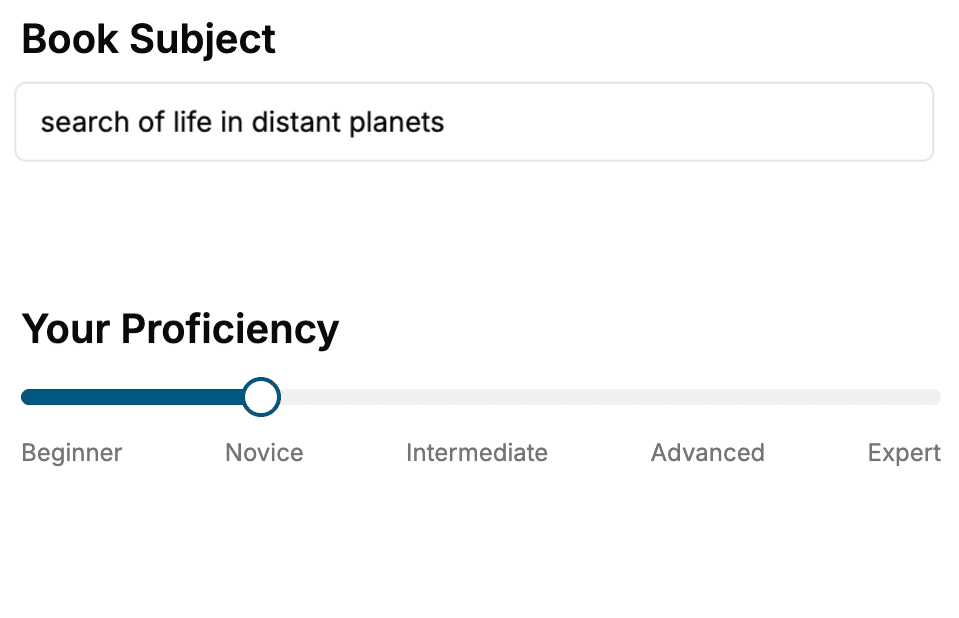
- 1. Select your focus
Select the focus of your Gardening book and share your background
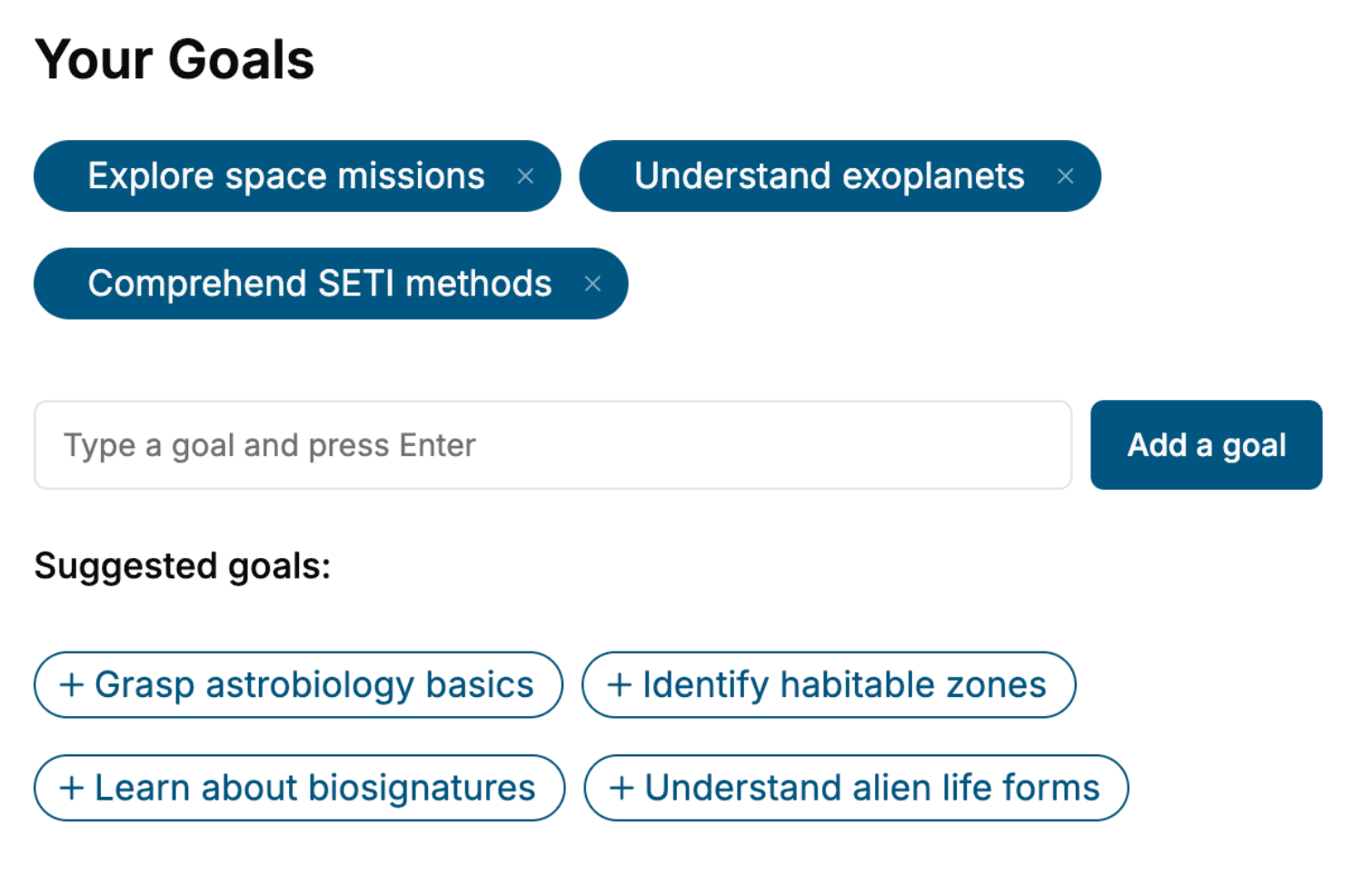
- 2. Personalize your book
Specify your goals and choose sub-topics to include
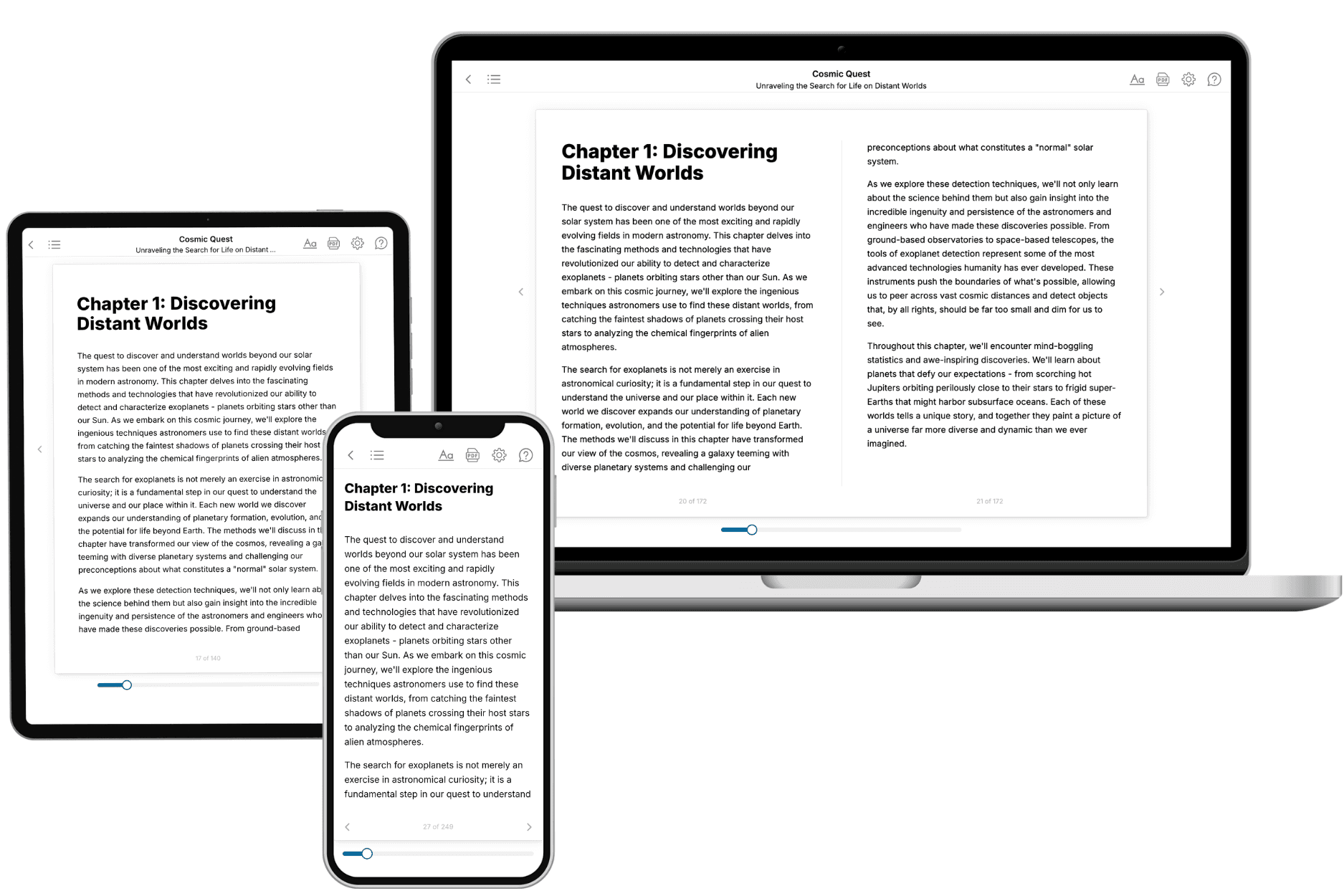
- 3. Get your tailored book
Your book is ready in 10 minutes. Read it online, download as EPUB or PDF, or send to Kindle.
Frequently asked questions
- What is TailoredRead?
TailoredRead creates complete, full-length nonfiction ebooks, written specifically for you. Tell us what you want to learn and why, and TailoredRead writes you a complete ebook on it, with charts, tables, and diagrams throughout. Read it online, on Kindle, or on any e-reader, or download it as a PDF or EPUB. Every book is written fresh the day you order it.
- How is the book tailored to me?
Before anything is written, you answer a few short questions about your goals, your background, and the topics you care about. Your book is then planned around your answers: written at your level, focused on your goals, and covering the topics you chose, instead of the one-size-fits-all book a store sells everyone.
- Will it read like generic AI content?
No. Your book isn't a chat transcript: it's planned chapter by chapter before a single word is written, told in a clear book voice, and explains ideas visually with charts, tables, and diagrams. After writing, every book goes through an editorial pass that polishes chapters so the book reads consistent from start to finish. Judge for yourself: browse thousands of sample books on our Explore Books page.
- How accurate is the content?
Our AI first checks whether your subject needs live research. Niche and fast-moving subjects are researched before writing, and the book plan and chapters are grounded in what it finds. After writing, every book goes through a quality pass that checks its facts and consistency, and researched books list their sources in a Notes section at the back.
- How long is the book?
You choose the length: Comprehensive (250-300 pages), Detailed (150-200 pages), Essential (70-100 pages), or Short (30-50 pages).
- Does the book include visuals?
Yes. Every book includes visual elements such as timelines, checklists, step-by-step guides, decision trees, comparison tables, and matrices, and many include bar charts. A typical book includes dozens of these visual elements.
- Can I read it on Kindle? What formats can I download?
Yes. Every book can be read in our online reader or downloaded as a PDF or EPUB. The EPUB can be opened with Kindle, Apple Books, Kobo, and any e-reader. The Commercial and Author licenses also include an editable Word (DOCX) and Markdown download.
- How much does it cost?
About the price of a regular ebook. The exact price depends on your book's length and complexity, from $2 for the shortest books to $35 for the most comprehensive, and it's shown when you review your book, before you commit to anything. Each book is a one-time purchase, yours to keep, no subscription. Licenses that let you share, teach, or publish your book range from $35.99 to $49.99.
- Can I preview the book before purchasing?
Before you pay, you'll see what your book will cover: the title, a detailed description, the estimated length, and the complete chapter-by-chapter table of contents, so you know what you're getting before you decide. The full text itself is written after you purchase.
- How long does it take to create a book?
About 10 minutes. You can start reading the opening chapters while the rest is still being written.