Blue Footed Boobies
Your Complete Guide to Observing and Understanding the Galápagos' Most Iconic Birds
Planning a Galápagos Islands trip but unsure what to expect when you encounter blue footed boobies?
191 pages8 chaptersJun 23, 2026Ornithology
About this book
These remarkable birds are among the world's most distinctive seabirds, yet many travelers miss the deeper significance of what they're witnessing. This guide bridges the gap between casual observation and genuine understanding, equipping you with the knowledge to appreciate every aspect of these creatures—from their famous cobalt feet to their intricate courtship dances. You'll discover why they're found nowhere else on Earth, how they've adapted to island life, and what conservation challenges threaten their future. Whether you're a first-time visitor or a returning enthusiast, this comprehensive resource covers everything from identifying different populations across the islands to practicing responsible wildlife viewing. Learn the science behind their behavior, the best locations and seasons for sightings, and how your choices as a visitor directly impact their survival. Transform your Galápagos experience from memorable to truly meaningful.
Table of contents
- IntroductionWhy Blue Footed Boobies Matter to Your Galápagos Experience, What You'll Discover in This Guide, How to Use This Book for Maximum EnjoymentRead below
- Chapter 1: The Galápagos Islands: A World ApartHow the Galápagos Were Born, Isolation and Evolution: The Perfect Laboratory, The Galápagos Ecosystem Today
- Chapter 2: Meet the Blue Footed BoobyIdentifying Blue Footed Boobies: Physical Characteristics, The Mystery of the Blue Feet: Science Behind the Color, Boobies Around the World: How They Compare
- Chapter 3: Behavior and Social LifeThe Famous Mating Dance: Courtship Displays Explained, Nesting, Breeding, and Parental Care, Hunting Techniques and Feeding Behavior, Social Structure and Colony Dynamics
- Chapter 4: Adaptation and SurvivalPhysical Adaptations for Island Living, Diving Masters: How They Hunt Underwater, Surviving Galápagos Climate Extremes
- Chapter 5: Island Populations and DistributionWhere Blue Footed Boobies Live in the Galápagos, Population Variations Across Different Islands, Seasonal Movements and Population Dynamics
- Chapter 6: Planning Your Booby EncounterBest Islands for Booby Observation, Optimal Times to Visit for Maximum Sightings, Choosing the Right Tour and Itinerary
- Chapter 7: Responsible Wildlife ObservationEthical Observation: Rules and Best Practices, Photography Without Disturbance, Understanding Your Impact as a Visitor
- Chapter 8: Conservation and ThreatsCurrent Conservation Status and Population Health, Modern Threats: Climate Change, Fishing, and Pollution, Conservation Initiatives and Protection Efforts
- ConclusionThe Lasting Impact of Your Galápagos Experience, Supporting Blue Footed Boobies Beyond Your Visit
- Glossary
- Further Reading and Resources
Introduction
There is a moment that almost every visitor to the Galápagos Islands describes in the same way. You are walking along a rocky coastal trail, the Pacific sun warm on your shoulders, when you notice a bird standing just a few feet away. It does not flinch. It does not flee. It simply looks back at you with calm, unhurried eyes, shifting its weight from one impossibly bright blue foot to the other. That moment, brief and quietly extraordinary, is your first real encounter with a blue footed booby. And if you know what you are looking at, it changes everything.
The Galápagos Islands attract travelers from every corner of the world, drawn by the promise of wildlife encounters unlike anything else on the planet. Yet many visitors arrive with only a vague sense of what they will find. They know the islands are special. They have seen photographs of the famous blue feet. But without context, without the science and the story behind the bird, even the most striking encounter can feel like little more than a colorful photo opportunity. This guide exists to close that gap. It gives you the knowledge to turn a casual sighting into something genuinely meaningful.
Blue footed boobies are not just photogenic curiosities. They are living evidence of evolution in action, shaped by millions of years of island isolation into something that exists nowhere else on Earth in quite the same form. Their behavior, their biology, and their relationship with the Galápagos ecosystem tell a story that connects directly to Charles Darwin's foundational discoveries about natural selection. Understanding that story before you arrive, or even while you are there, transforms the entire experience. You stop simply watching a bird and start witnessing something far more profound.
This book is organized to take you from the broad context of the Galápagos Islands all the way through to practical advice for your visit and the conservation challenges these birds face today. Whether you are reading this months before your trip, on the plane heading south, or sitting in your hotel room the night before a guided excursion, every chapter is designed to add a new layer of appreciation to what you are about to see or have already seen. The goal is not to overwhelm you with scientific detail but to give you exactly enough knowledge to make every encounter richer, more informed, and more memorable.
Why Blue Footed Boobies Matter to Your Galápagos Experience
The Galápagos Islands are home to an extraordinary range of wildlife, from giant tortoises to marine iguanas to flightless cormorants. So why do blue footed boobies consistently rank among the most talked-about, most photographed, and most beloved animals in the archipelago? The answer has several layers, and each one adds something important to your understanding of why these birds deserve more than a quick glance and a snapshot.
First, there is the sheer visual impact. The blue footed booby's feet are not a subtle feature. They are a vivid, almost electric cobalt blue that looks almost artificial against the volcanic rock and dry scrub of the islands. No other bird in the Galápagos produces quite that visual shock. When you see them for the first time, your instinct is to question whether the color is real. It is, and the science behind it is genuinely fascinating, as you will discover in Chapter 2.
Second, blue footed boobies are remarkably accessible. Unlike many of the world's most spectacular wildlife species, which require long treks, expensive permits, or a great deal of luck to observe, these birds nest directly on open ground in areas that visitors regularly walk through. They have evolved with so few natural predators on the islands that they show almost no fear of humans. This means you can observe natural behaviors, including courtship dances, feeding chicks, and territorial displays, at close range and in real time.
The blue footed booby's fearlessness around humans is not naivety. It is the product of an evolutionary history shaped by an environment where ground-level threats simply did not exist. That fearlessness is a gift to wildlife observers, and it comes with a responsibility to respect it.
Third, these birds are deeply connected to the broader story of the Galápagos. When Darwin visited the archipelago in 1835, the tameness of the wildlife was one of the features that struck him most forcefully. He wrote about birds that would sit on his hat and animals that showed no instinctive fear of humans.[1] Blue footed boobies embody that same quality today. Watching one perform its courtship dance a few feet from where you are standing is a direct connection to the observations that helped Darwin develop his theory of natural selection.
Fourth, the blue footed booby's situation today reflects the conservation pressures facing the entire Galápagos ecosystem. Their population has declined significantly in recent decades, with some estimates suggesting a drop of more than 50 percent since the 1960s.[2] Understanding why that has happened, and what is being done about it, gives your visit a sense of urgency and purpose that goes well beyond tourism. You are not just a spectator. You are a participant in a story that is still being written.
Finally, blue footed boobies are simply joyful to watch. Their mating dance, in which males lift their bright feet in an exaggerated high-stepping display while spreading their wings and pointing their bills skyward, is one of the most entertaining behavioral performances in the natural world. It is hard to watch without smiling. That combination of scientific significance and pure delight is rare, and it is exactly what makes these birds so central to the Galápagos experience.
Understanding all of this before you arrive means you will not just see the dance. You will understand what it means, why it works, and what it reveals about the biology of the bird performing it. That understanding is the difference between a good trip and an unforgettable one.
What You'll Discover in This Guide
This guide covers everything you need to know about blue footed boobies, organized in a logical sequence that builds your knowledge layer by layer. It starts with the big picture and works its way toward the practical details of your visit. Here is a brief overview of what each section covers and why it matters.
Chapter 1: The Galápagos Islands: A World Apart sets the stage by explaining how the islands formed and why their geological and ecological isolation created the conditions for such extraordinary wildlife. You cannot fully understand the blue footed booby without understanding the environment that shaped it. This chapter gives you that foundation without requiring any prior knowledge of geology or ecology.
Chapter 2: Meet the Blue Footed Booby introduces the bird itself in detail. You will learn how to identify it in the field, what the science actually says about why those feet are blue, and how the blue footed booby compares to its relatives around the world. This chapter answers the questions most visitors ask first, and it gives you the vocabulary to describe what you are seeing with precision.
Chapter 3: Behavior and Social Life is where the story gets genuinely captivating. The mating dance, the nesting habits, the hunting techniques, and the social dynamics of booby colonies are all covered here in practical, accessible detail. After reading this chapter, you will be able to interpret what you are watching in real time, which transforms passive observation into active engagement.
Chapter 4: Adaptation and Survival explores the physical and behavioral adaptations that make blue footed boobies such effective hunters and survivors. Their diving abilities in particular are remarkable, and understanding the mechanics behind them adds a new dimension to watching them plunge into the ocean from height.
The remaining chapters cover the following key areas:
- Chapter 5 maps out where different booby populations live across the archipelago and how those populations vary by island and season.
- Chapter 6 provides practical planning advice, including the best islands to visit, the optimal times of year for sightings, and how to choose a tour that maximizes your chances of meaningful encounters.
- Chapter 7 covers responsible wildlife observation in detail, including photography guidelines, ethical viewing distances, and the specific behaviors that can disturb nesting birds.
- Chapter 8 addresses the conservation challenges facing blue footed boobies today, from climate change and overfishing to tourism pressure, and explains what is being done to protect them.
Throughout the guide, you will find specific examples, real-world scenarios, and practical tips drawn from current scientific research and established wildlife observation practice. The goal is not to make you an ornithologist. The goal is to give you enough knowledge to observe these birds with genuine understanding and to make choices during your visit that support rather than harm the ecosystem you have traveled so far to experience.
One thing this guide does not do is pretend that a single book can replace the experience of being there. No description of the mating dance fully captures the moment you watch it happen in front of you. No photograph of the blue feet quite matches the color you see in person. What this guide can do is prepare you to receive that experience fully, with open eyes and an informed mind, so that nothing is wasted and nothing is missed.
By the time you finish reading, you will have a clear mental picture of what blue footed boobies are, how they live, where to find them, and how to observe them in a way that respects both the birds and the remarkable place they call home. That picture will make every moment in the field richer and more rewarding.
How to Use This Book for Maximum Enjoyment
This guide is designed to be flexible. You can read it straight through from beginning to end, which gives you the most complete and coherent understanding of the subject. But it is also structured so that you can jump directly to the sections most relevant to where you are in your planning process. Here is a practical breakdown of how to approach the book depending on your situation.
If you are in the early planning stages and have not yet booked your trip, start with Chapters 1, 5, and 6. Chapter 1 gives you the ecological context that will inform every decision you make. Chapter 5 tells you where the birds actually are across the islands. Chapter 6 gives you the practical planning tools to choose the right itinerary, the right season, and the right type of tour for your goals. These three chapters together will help you make smarter booking decisions.
If your trip is already booked and you want to prepare for the experience itself, focus on Chapters 2, 3, and 4. These chapters give you the behavioral and biological knowledge that will make your time in the field genuinely rewarding. Read them in order, because each one builds on the previous. By the time you arrive, you will be able to identify what you are seeing, interpret the behaviors you observe, and understand the adaptations that make these birds so remarkable.
If you are already in the Galápagos or about to head out on an excursion, Chapter 7 is your most immediately useful resource. It covers the specific rules and best practices for wildlife observation, including photography guidelines and the behaviors to avoid near nesting birds. Keep it accessible on your phone or tablet so you can refer to it quickly before each outing.
If you want to go deeper on conservation and understand the broader significance of what you are witnessing, Chapter 8 and the Conclusion provide that context. These sections are particularly valuable for travelers who want their visit to have a lasting impact beyond the experience itself. They explain the specific threats facing blue footed boobies and the concrete ways that visitors can contribute to their protection.
A few practical suggestions for getting the most out of this guide:
- Read the relevant chapter the night before each excursion, not just once before your trip. Refreshing your knowledge immediately before an encounter makes it much easier to apply in the field.
- Use the glossary at the back of the book when you encounter unfamiliar terms. It is designed to be quick and accessible, not exhaustive.
- Pay attention to the specific examples and scenarios throughout the text. They are drawn from real observation situations and are designed to help you recognize what you are seeing when it happens in front of you.
- Share what you learn with your travel companions. Explaining a behavior or a biological fact to someone else is one of the most effective ways to consolidate your own understanding, and it makes the shared experience richer for everyone.
One important note about the information in this guide: wildlife behavior and population data are always subject to change. The Galápagos ecosystem is dynamic, and conditions on individual islands can shift from year to year depending on weather patterns, El Niño events, and conservation interventions. The information here reflects the best available research at the time of writing, but your local guide will always have the most current on-the-ground knowledge. Use this book to build your foundation, and then let your guide fill in the details specific to your visit.
It is also worth saying something about the photographs you will inevitably take. Blue footed boobies are among the most photographed birds in the world, and for good reason. But the best photographs are almost always taken by people who understand what they are looking at. When you know that a male lifting his feet in an exaggerated walk is performing a specific stage of the courtship display, you know to keep your camera ready. When you understand that a parent shading a chick with its wings is performing a thermoregulation behavior, you recognize the moment before it happens. Knowledge makes you a better photographer, not just a better observer.
Finally, approach this guide with the same spirit of curiosity that makes the Galápagos such a special destination. These islands have been inspiring wonder and scientific inquiry for nearly two centuries. The blue footed booby, with its improbable feet and its fearless gaze, is one of the most vivid expressions of that wonder. The more you bring to the encounter, the more you will take away from it. This book is here to help you bring your best.
This is the end of the free sample. The full book has 8 chapters.
Want this book written for you?
Tell us your goals and background, and get your own version of this book, tailored by AI to you.


Benefits of AI-tailored books
- Read one book, not ten:
- all the Ornithology knowledge you need, gathered into a single book.
- Save days of learning:
- tell us your goals, choose your topics, and the whole book is built around them.
- Learn effortlessly:
- Ornithology book written for your specific background and expertise.
- Understand at a glance:
- includes charts, tables, timelines, checklists, decision trees, and more.
- Stay current:
- written the day you order it, not years ago.
- Trust what you read:
- every book is checked for accuracy, with real research when your subject needs it.
Create your unique book in 3 steps
- 1. Select your focus
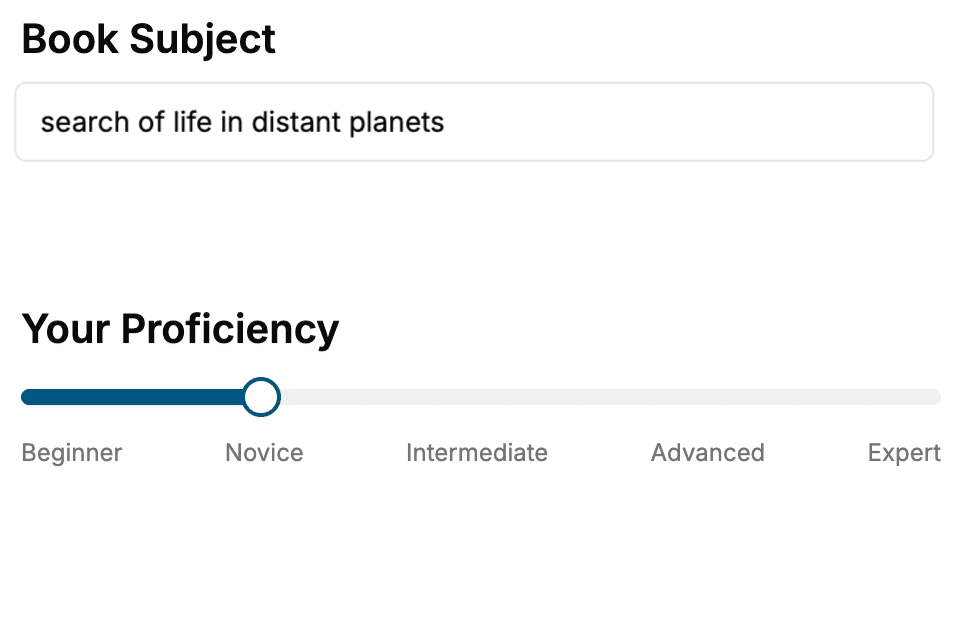
Select the focus of your Ornithology book and share your background
- 2. Personalize your book
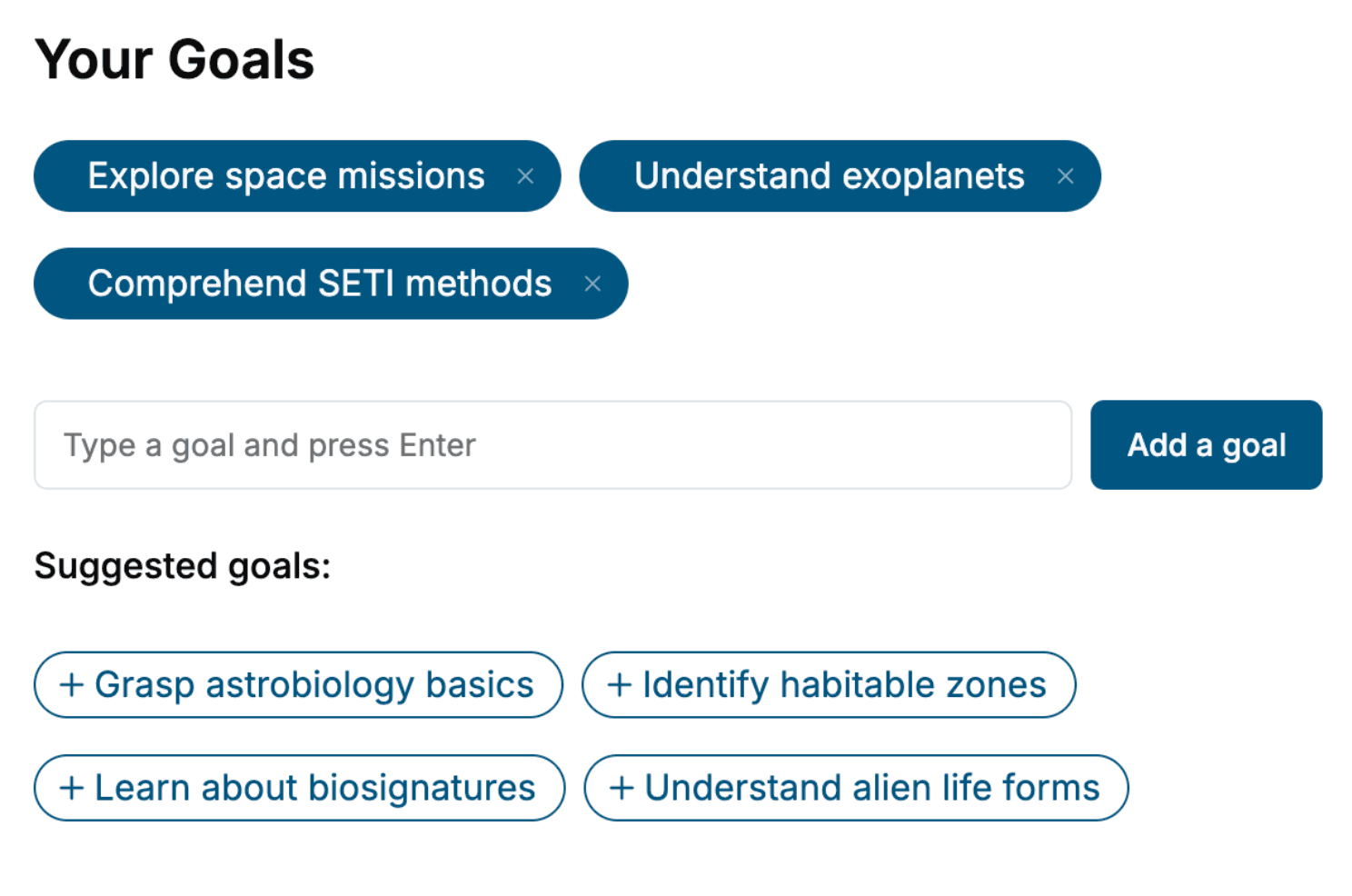
Specify your goals and choose sub-topics to include
- 3. Get your tailored book
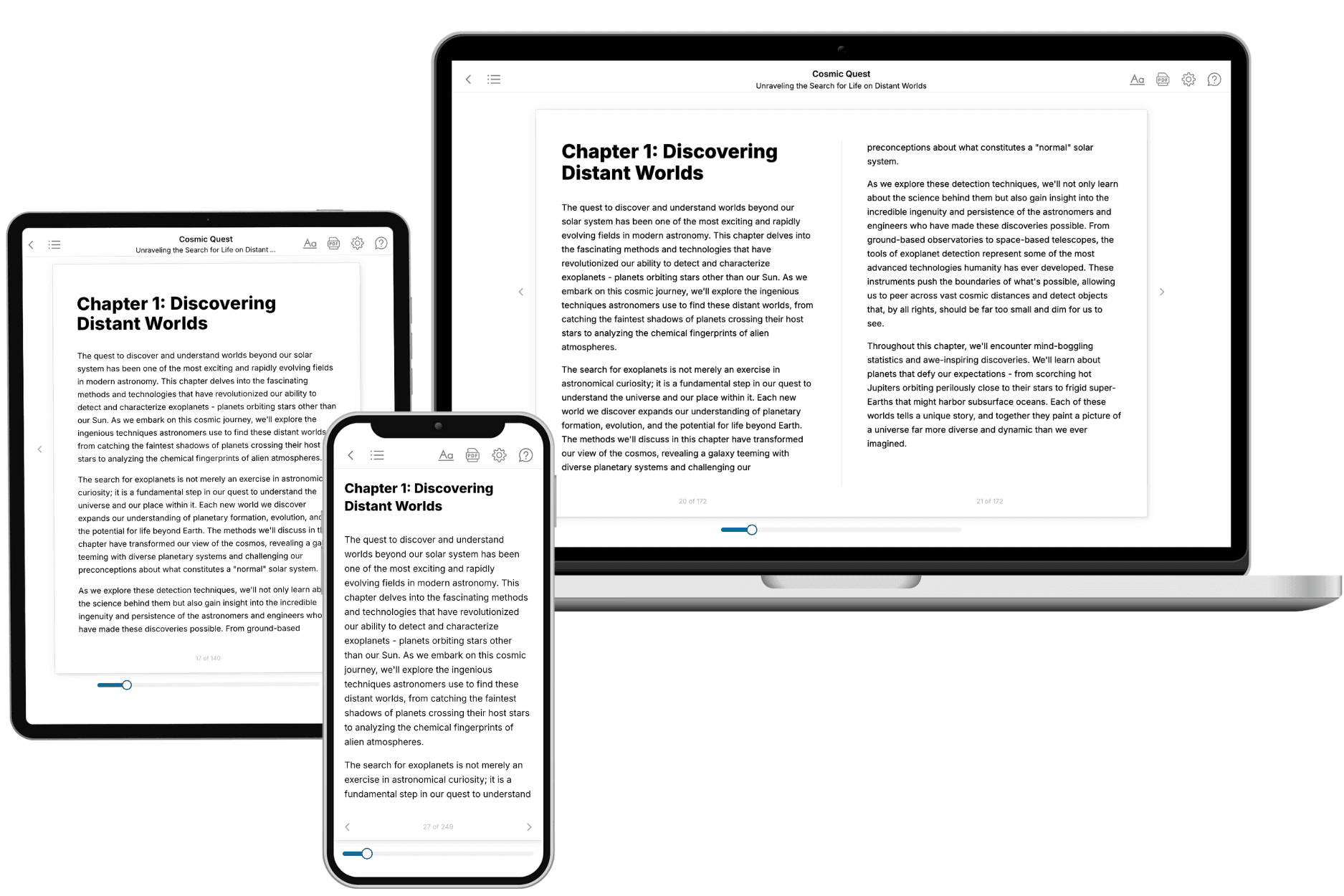
Your book is ready in 10 minutes. Read it online, download as EPUB or PDF, or send to Kindle.
Frequently asked questions
- What is TailoredRead?
TailoredRead creates complete, full-length nonfiction ebooks, written specifically for you. Tell us what you want to learn and why, and TailoredRead writes you a complete ebook on it, with charts, tables, and diagrams throughout. Read it online, on Kindle, or on any e-reader, or download it as a PDF or EPUB. Every book is written fresh the day you order it.
- How is the book tailored to me?
Before anything is written, you answer a few short questions about your goals, your background, and the topics you care about. Your book is then planned around your answers: written at your level, focused on your goals, and covering the topics you chose, instead of the one-size-fits-all book a store sells everyone.
- Will it read like generic AI content?
No. Your book isn't a chat transcript: it's planned chapter by chapter before a single word is written, told in a clear book voice, and explains ideas visually with charts, tables, and diagrams. After writing, every book goes through an editorial pass that polishes chapters so the book reads consistent from start to finish. Judge for yourself: browse thousands of sample books on our Explore Books page.
- How accurate is the content?
Our AI first checks whether your subject needs live research. Niche and fast-moving subjects are researched before writing, and the book plan and chapters are grounded in what it finds. After writing, every book goes through a quality pass that checks its facts and consistency, and researched books list their sources in a Notes section at the back.
- How long is the book?
You choose the length: Comprehensive (250-300 pages), Detailed (150-200 pages), Essential (70-100 pages), or Short (30-50 pages).
- Does the book include visuals?
Yes. Every book includes charts, tables, and diagrams: timelines, checklists, step-by-step guides, decision trees, comparison tables, matrices, and bar charts. A typical book includes dozens of these visual elements.
- Can I read it on Kindle? What formats can I download?
Yes. Every book can be read in our online reader or downloaded as a PDF or EPUB. The EPUB can be opened with Kindle, Apple Books, Kobo, and any e-reader. The Commercial and Author licenses also include an editable Word (DOCX) and Markdown download.
- How much does it cost?
About the price of a regular ebook. The exact price depends on your book's length and complexity, from $2 for the shortest books to $35 for the most comprehensive, and it's shown when you review your book, before you commit to anything. Each book is a one-time purchase, yours to keep, no subscription. Licenses that let you share, teach, or publish your book range from $35.99 to $49.99.
- Can I preview the book before purchasing?
Before you pay, you'll see what your book will cover: the title, a detailed description, the estimated length, and the complete chapter-by-chapter table of contents, so you know what you're getting before you decide. The full text itself is written after you purchase.
- How long does it take to create a book?
About 10 minutes. You can start reading the opening chapters while the rest is still being written.