Bourton-on-the-Water
A Complete Guide to England's Most Charming Cotswolds Village
Discover why Bourton-on-the-Water is one of England's most beloved destinations and plan the perfect Cotswolds getaway.
191 pages10 chaptersDec 22, 2025England Travel Guide
About this book
This comprehensive guide takes you beyond the postcard-perfect views to reveal the village's rich history, hidden gems, and authentic local experiences. Learn where to stay, what to eat, and which attractions deserve your time—from the famous Model Village to lesser-known walking trails along the River Windrush. Whether you're planning a romantic weekend, a family adventure, or a solo exploration, you'll find practical advice on timing your visit, navigating the village, and discovering nearby Cotswolds treasures. Packed with insider tips, detailed maps, and seasonal recommendations, this guide ensures you experience Bourton-on-the-Water like a local, not just a tourist. Explore the village's medieval heritage, understand its architectural character, and uncover the stories behind its most iconic landmarks. Your complete resource for making the most of this enchanting English village awaits.
Table of contents
- IntroductionWhy Bourton-on-the-Water Captivates Visitors, What to Expect from This Guide, How to Use This Book for Your VisitRead below
- Chapter 1: The Heart of the CotswoldsUnderstanding the Cotswolds Region, Bourton-on-the-Water's Geographic Position, What Makes This Village Special
- Chapter 2: A Journey Through TimeMedieval Foundations and Early History, The Georgian Period and Village Development, From Victorian Times to the Present Day
- Chapter 3: Architecture and LandmarksThe Iconic Honey-Colored Stone Buildings, Must-See Historic Landmarks, The River Windrush and Its Bridges
- Chapter 4: Planning Your VisitBest Times to Visit by Season, How Long to Stay and Sample Itineraries, Getting to Bourton-on-the-Water
- Chapter 5: Where to StayLuxury Hotels and Country Inns, Boutique Guesthouses and Bed & Breakfasts, Budget-Friendly Accommodations and Camping
- Chapter 6: Dining and Local CuisineFine Dining Restaurants, Casual Cafés and Pubs, Local Specialties and Food Culture
- Chapter 7: Top Attractions and ActivitiesThe Famous Model Village, Museums, Galleries, and Cultural Venues, Outdoor Activities and Nature Walks
- Chapter 8: Shopping and Local CraftsHigh Street Shops and Boutiques, Artisan Crafts and Local Makers, Antiques, Collectibles, and Souvenirs
- Chapter 9: Exploring Beyond the VillageNearby Cotswolds Villages Worth Visiting, Day Trip Destinations and Attractions, Scenic Drives and Walking Routes
- Chapter 10: Practical Information and TipsParking, Public Transport, and Navigation, Accessibility and Visitor Facilities, Insider Tips for a Better Experience
- ConclusionCreating Lasting Memories in Bourton-on-the-Water
Introduction
Nestled in the rolling hills of the Cotswolds, Bourton-on-the-Water stands as one of England's most photographed and beloved villages. Its honey-colored limestone buildings line the banks of the River Windrush, which flows gently through the heart of the village, crossed by elegant low bridges that have become iconic symbols of English countryside charm. This isn't just another pretty village—it's a living testament to centuries of English history, architecture, and rural life that continues to enchant visitors from around the world. Whether you've seen images of its picturesque streets in travel magazines or stumbled upon it while researching the Cotswolds, you're about to discover why this village has earned its reputation as the Venice of the Cotswolds.
Planning a visit to Bourton-on-the-Water requires more than simply showing up with a camera. The village experiences significant seasonal variations in visitor numbers, weather conditions, and available activities. Understanding when to visit, where to stay, and how to navigate both the village itself and the surrounding Cotswolds region can transform a pleasant afternoon into an unforgettable experience. Many visitors make the mistake of treating Bourton-on-the-Water as a quick photo stop during a whirlwind tour of the Cotswolds, missing the depth of experiences available. From world-class museums housed in historic buildings to tranquil riverside walks that reveal the village's natural beauty, there's far more to discover than the famous postcard views suggest.
This guide serves as your comprehensive companion for exploring Bourton-on-the-Water and the surrounding area. You'll find practical information about logistics, accommodations, and dining alongside deeper insights into the village's history, architecture, and cultural significance. Whether you're planning a romantic weekend getaway, a family vacation, or a solo exploration of the Cotswolds, the following chapters provide the knowledge you need to make informed decisions about your visit. The goal isn't to prescribe a single perfect
itinerary but rather to equip you with enough information to craft an experience that matches your interests, schedule, and travel style. Let's begin by understanding what makes this village so special and how you can make the most of your time here.
Why Bourton-on-the-Water Captivates Visitors
The visual appeal of Bourton-on-the-Water strikes you immediately upon arrival. The River Windrush flows through the village center at a depth shallow enough for children to wade in during summer months, creating a unique interactive element rarely found in English villages. Five graceful stone bridges span the river along the main street, each constructed from the same honey-colored Cotswold limestone that characterizes the region's architecture. These bridges date from different periods, with the oldest dating back to the 18th century, yet they harmonize perfectly with their surroundings. The combination of flowing water, historic bridges, and perfectly preserved buildings creates a scene that seems almost too picturesque to be real, yet remains an authentic working village rather than a preserved museum piece.
Beyond its photogenic qualities, Bourton-on-the-Water offers a remarkable concentration of attractions within a compact, walkable area. The Model Village, a one-ninth scale replica of Bourton-on-the-Water built in 1937, remains one of the finest examples of miniature architecture in Britain. The Cotswold Motoring Museum houses a fascinating collection of vintage cars, motorcycles, and motoring memorabilia spanning a century of automotive history. Birdland Park and Gardens provides an internationally recognized bird sanctuary where visitors can observe over 500 birds from around the world. The village also hosts the Dragonfly Maze, one of the few hedge mazes in the Cotswolds, offering family-friendly entertainment. This density of quality attractions means you can easily spend a full day or more exploring without leaving the village boundaries.
The village's appeal extends beyond its physical attributes to encompass a genuine sense of community and continuity with the past. Unlike some tourist destinations that feel frozen in time or artificially preserved, Bourton-on-the-Water functions as a real village with permanent residents, working shops, and active community organizations. Local businesses include traditional butchers, bakers, and independent retailers alongside establishments catering to visitors. The village hosts regular events throughout the year, from the annual football match played in the River Windrush on August Bank Holiday to Christmas markets and seasonal celebrations. This authentic character means you're not just observing a historic village but experiencing a living community that has adapted to modern tourism while maintaining its essential character.
The surrounding landscape contributes significantly to the village's appeal. Bourton-on-the-Water sits in the heart of the Cotswolds Area of Outstanding Natural Beauty, providing easy access to some of England's finest countryside. Several well-marked walking trails begin directly from the village, including sections of the Oxfordshire Way and the Wardens' Way. These paths lead through quintessential Cotswolds scenery: rolling hills, dry stone walls, ancient woodlands, and open fields dotted with sheep. The village serves as an ideal base for exploring other notable Cotswolds destinations, with villages like Stow-on-the-Wold, Lower Slaughter, and Upper Slaughter all within a short drive. This combination of village charm and countryside access makes Bourton-on-the-Water particularly attractive to visitors seeking both cultural experiences and natural beauty.
The village's manageable scale represents another key advantage for visitors. Unlike larger towns that require extensive planning to navigate, Bourton-on-the-Water can be explored thoroughly on foot in a single day. The main attractions cluster along or near the High Street, which follows the River Windrush through the village center. This compact layout means you can easily return to your accommodation for a rest before heading out again, or spontaneously decide to revisit a particular spot without significant time investment. The village's size also creates a more intimate atmosphere than larger tourist destinations, making it easier to engage with local shopkeepers, restaurant staff, and other visitors. You'll quickly develop a mental map of the village and feel comfortable navigating its streets and lanes.
Seasonal transformations provide compelling reasons to visit Bourton-on-the-Water multiple times throughout the year. Spring brings daffodils and cherry blossoms along the riverbanks, creating spectacular displays of color against the honey-colored stone. Summer allows for paddling in the river and enjoying outdoor dining at the numerous cafés and pubs with riverside seating. Autumn transforms the surrounding countryside into a tapestry of gold and russet tones, while the village itself takes on a mellow, contemplative atmosphere. Winter, though quieter, offers its own magic with potential snow dusting the stone buildings and Christmas decorations creating a festive atmosphere. Each season reveals different aspects of the village's character and provides distinct photographic opportunities, activities, and experiences.
The village's accessibility from major transportation hubs makes it practical for both domestic and international visitors. Located approximately 90 miles northwest of London, Bourton-on-the-Water can be reached by car in roughly two hours under normal traffic conditions. The nearest train stations at Moreton-in-Marsh and Kingham provide connections to London Paddington and other major cities, with local bus services completing the journey to the village. Several tour operators offer day trips from London, Bath, and Oxford, though staying overnight allows for a more relaxed and thorough exploration. This accessibility means you can incorporate Bourton-on-the-Water into various itineraries, whether as a day trip from London, a stop on a Cotswolds tour, or a destination for an extended stay exploring the region.
What to Expect from This Guide
This book provides comprehensive coverage of Bourton-on-the-Water organized into logical chapters that address different aspects of planning and experiencing your visit. The structure allows you to read straight through for complete preparation or jump directly to specific sections addressing your immediate questions. Early chapters establish context by exploring the Cotswolds region, the village's history, and its architectural character. Middle chapters address practical planning concerns including timing, transportation, accommodations, and dining options. Later chapters detail specific attractions, activities, shopping opportunities, and excursions to nearby destinations. The final chapter offers practical tips and insider knowledge to enhance your experience. This organization ensures you'll find relevant information whether you're in the initial planning stages or already en route to the village.
Each chapter balances practical information with contextual background to help you make informed decisions. Rather than simply listing restaurants or hotels, you'll find explanations of what makes particular establishments noteworthy, who they best serve, and how they fit into the broader dining or accommodation landscape. Attraction descriptions go beyond basic facts to explain historical significance, what you'll actually experience during a visit, and how to maximize your time. This approach recognizes that different visitors have different priorities: some seek historical depth, others prioritize photography opportunities, and still others focus on family-friendly activities or romantic experiences. The information provided allows you to filter options based on your specific interests and circumstances.
The guide emphasizes actionable advice throughout. You'll find specific recommendations for timing your visit to avoid crowds, strategies for securing accommodations during peak seasons, and tips for navigating the village efficiently. Sample itineraries demonstrate how to structure your time based on different visit durations, from a few hours to several days. Walking routes include estimated times and difficulty levels. Restaurant recommendations note price ranges, booking requirements, and signature dishes. This practical focus means you can use the guide as an active planning tool rather than just background reading. The goal is to help you avoid common mistakes, make the most of limited time, and discover aspects of the village that casual visitors often miss.
Honest assessments characterize the approach throughout this guide. Not every attraction deserves equal time, and some experiences work better for certain visitors than others. You'll find frank discussions of potential drawbacks alongside enthusiastic recommendations. For example, the guide acknowledges that Bourton-on-the-Water can become uncomfortably crowded during summer weekends and bank holidays, potentially diminishing the experience for visitors seeking tranquility. Similarly, some attractions receive measured rather than glowing reviews when they don't deliver exceptional value. This balanced perspective helps you set realistic expectations and make choices aligned with your preferences. The aim is to serve as a trustworthy advisor rather than a promotional brochure.
The guide incorporates information about the broader Cotswolds context to help you understand Bourton-on-the-Water's place within the region. Comparisons with other Cotswolds villages highlight what makes Bourton-on-the-Water distinctive while also suggesting complementary destinations for a more comprehensive regional experience. Discussions of Cotswolds architecture, history, and culture provide framework for appreciating what you observe in the village. Information about regional transportation networks, accommodation options in nearby towns, and day trip possibilities enables you to plan a Cotswolds itinerary with Bourton-on-the-Water as either the centerpiece or one component. This regional perspective proves particularly valuable for first-time Cotswolds visitors who may be unfamiliar with the area's geography and character.
Seasonal considerations receive detailed attention throughout the guide. Rather than declaring a single best
time to visit, the book explains the advantages and disadvantages of each season, allowing you to choose based on your priorities. Spring and summer offer the most pleasant weather and longest daylight hours but also bring the largest crowds and highest accommodation prices. Autumn provides beautiful scenery and fewer visitors but shorter days and less predictable weather. Winter offers the quietest experience and potential snow-dusted charm but limited daylight and some seasonal closures. Each chapter addresses seasonal variations where relevant, from accommodation availability to restaurant hours to outdoor activity options. This seasonal framework helps you plan appropriately regardless of when you visit.
The guide acknowledges different visitor types and travel styles throughout. Families with children will find information about child-friendly attractions, accommodations, and dining options. Couples seeking romantic experiences receive guidance on intimate restaurants, scenic walks, and charming guesthouses. Solo travelers get advice on safety, social opportunities, and single-friendly accommodations. Visitors with mobility limitations find accessibility information for attractions, accommodations, and village navigation. Budget-conscious travelers discover money-saving strategies alongside luxury options for those seeking premium experiences. This inclusive approach recognizes that no single itinerary or set of recommendations serves all visitors equally well. The information provided allows you to customize your experience based on your specific circumstances, preferences, and constraints.
How to Use This Book for Your Visit
Begin your planning by reading the first three chapters to establish foundational knowledge about the Cotswolds region, Bourton-on-the-Water's history, and its architectural character. This background information enriches your experience by providing context for what you'll observe during your visit. Understanding that the honey-colored stone buildings result from local limestone geology makes the architecture more meaningful. Knowing the village's development from medieval settlement to modern tourist destination helps you appreciate the layers of history visible in different buildings and landmarks. Recognizing the significance of the River Windrush in shaping the village's character and economy deepens your connection to the landscape. This contextual knowledge transforms sightseeing from passive observation into active engagement with place and history.
Use Chapter 4 to determine the optimal timing for your visit based on your priorities and constraints. The seasonal analysis helps you weigh factors like weather, crowds, prices, and available activities. If you have flexibility in scheduling, this chapter guides you toward periods that best match your preferences. If your dates are fixed, the seasonal information helps you prepare appropriately and adjust expectations. The sample itineraries provide templates you can adapt based on your interests and available time. A half-day visitor might focus exclusively on the village center and one or two key attractions, while someone staying several days can explore more thoroughly and venture into the surrounding countryside. These itineraries serve as starting points rather than rigid prescriptions, offering frameworks you can customize.
Chapters 5 and 6 address accommodations and dining, two elements that significantly impact your overall experience. Read these chapters early in your planning process, as popular accommodations book well in advance during peak seasons. The accommodation chapter organizes options by category and price range, with detailed descriptions helping you identify establishments matching your preferences and budget. Consider factors beyond price, including location relative to the village center, parking availability, breakfast options, and overall atmosphere. The dining chapter similarly categorizes restaurants, pubs, and cafés while providing enough detail to make informed choices. Note any establishments requiring advance reservations and book accordingly. These practical arrangements form the foundation of a successful visit.
Chapter 7 deserves careful attention as you plan your activities. The detailed attraction descriptions include information about admission prices, opening hours, typical visit durations, and what makes each worthwhile. Use this information to prioritize based on your interests. Museum enthusiasts might allocate significant time to the Cotswold Motoring Museum and other cultural venues, while families with young children might prioritize Birdland Park and the Model Village. Outdoor enthusiasts can identify walking routes matching their fitness levels and available time. Create a rough schedule that allows adequate time for your priority attractions while building in flexibility for spontaneous discoveries. Remember that simply wandering the village streets and enjoying the riverside atmosphere constitutes a legitimate and rewarding activity requiring no advance planning.
If you plan to explore beyond Bourton-on-the-Water, Chapter 9 provides essential information about nearby destinations and day trip options. The Cotswolds contains numerous villages worth visiting, each with distinctive character and attractions. The chapter helps you identify destinations complementing Bourton-on-the-Water and provides practical information about distances, transportation options, and what to expect. Consider your available time and transportation method when planning excursions. Visitors with cars enjoy maximum flexibility and can easily visit multiple villages in a day. Those relying on public transportation need to plan more carefully around bus schedules and may need to limit excursions to one or two destinations. The scenic drive and walking route descriptions help you experience the Cotswolds landscape between villages rather than just the destinations themselves.
Chapter 10 addresses practical logistics that can make or break your visit. Read this chapter before departure to understand parking options, public transportation connections, and village navigation. The accessibility information proves crucial for visitors with mobility limitations or other special needs. The insider tips section contains hard-won knowledge about avoiding crowds, finding the best photo opportunities, and discovering aspects of the village that casual visitors often miss. Some tips address specific situations:
- Arriving early in the morning or later in the evening to photograph the bridges without crowds
- Visiting popular attractions like the Model Village immediately when they open to avoid queues
- Exploring the quieter lanes away from the High Street to discover hidden architectural gems
- Timing riverside walks for optimal lighting conditions based on the season
- Identifying free parking areas that require longer walks but save money during extended visits
Consider creating a personalized reference document by marking relevant sections and noting specific establishments or attractions you want to visit. While you can certainly carry this entire guide during your visit, a condensed reference containing your priority items, key addresses, and important practical information proves more convenient for day-to-day use. Include confirmation numbers for accommodations and restaurant reservations, parking locations, and any time-sensitive information like attraction opening hours. This personalized reference ensures you have essential information readily accessible without constantly consulting the full guide. Many visitors find it helpful to organize this information by day, creating a loose itinerary that provides structure while allowing flexibility for spontaneous adjustments based on weather, energy levels, or unexpected discoveries.
Remember that this guide serves as a resource rather than a rulebook. The recommendations and suggestions reflect extensive research and firsthand knowledge, but your experience remains uniquely yours. Feel free to deviate from suggested itineraries, skip attractions that don't interest you, and spend extra time on aspects you find particularly compelling. The village rewards both careful planning and spontaneous exploration. Some of the most memorable experiences come from unexpected encounters: a conversation with a local shopkeeper, stumbling upon a particularly beautiful view, or discovering a quiet corner of the village where you can sit and simply absorb the atmosphere. Use this guide to prepare thoroughly, then allow yourself the freedom to respond authentically to what you encounter. The goal is not to check items off a list but to create meaningful experiences and lasting memories in one of England's most enchanting villages.
This is the end of the free sample. The full book has 10 chapters.
Want this book written for you?
Tell us your goals and background, and get your own version of this book, tailored by AI to you.


Benefits of AI-tailored books
- Read one book, not ten:
- all the England Travel Guide knowledge you need, gathered into a single book.
- Save days of learning:
- tell us your goals, choose your topics, and the whole book is built around them.
- Learn effortlessly:
- England Travel Guide book written for your specific background and expertise.
- Understand at a glance:
- includes charts, tables, timelines, checklists, decision trees, and more.
- Stay current:
- written the day you order it, not years ago.
- Trust what you read:
- every book is checked for accuracy, with real research when your subject needs it.
Create your unique book in 3 steps
- 1. Select your focus
Select the focus of your England Travel Guide book and share your background
- 2. Personalize your book
Specify your goals and choose sub-topics to include
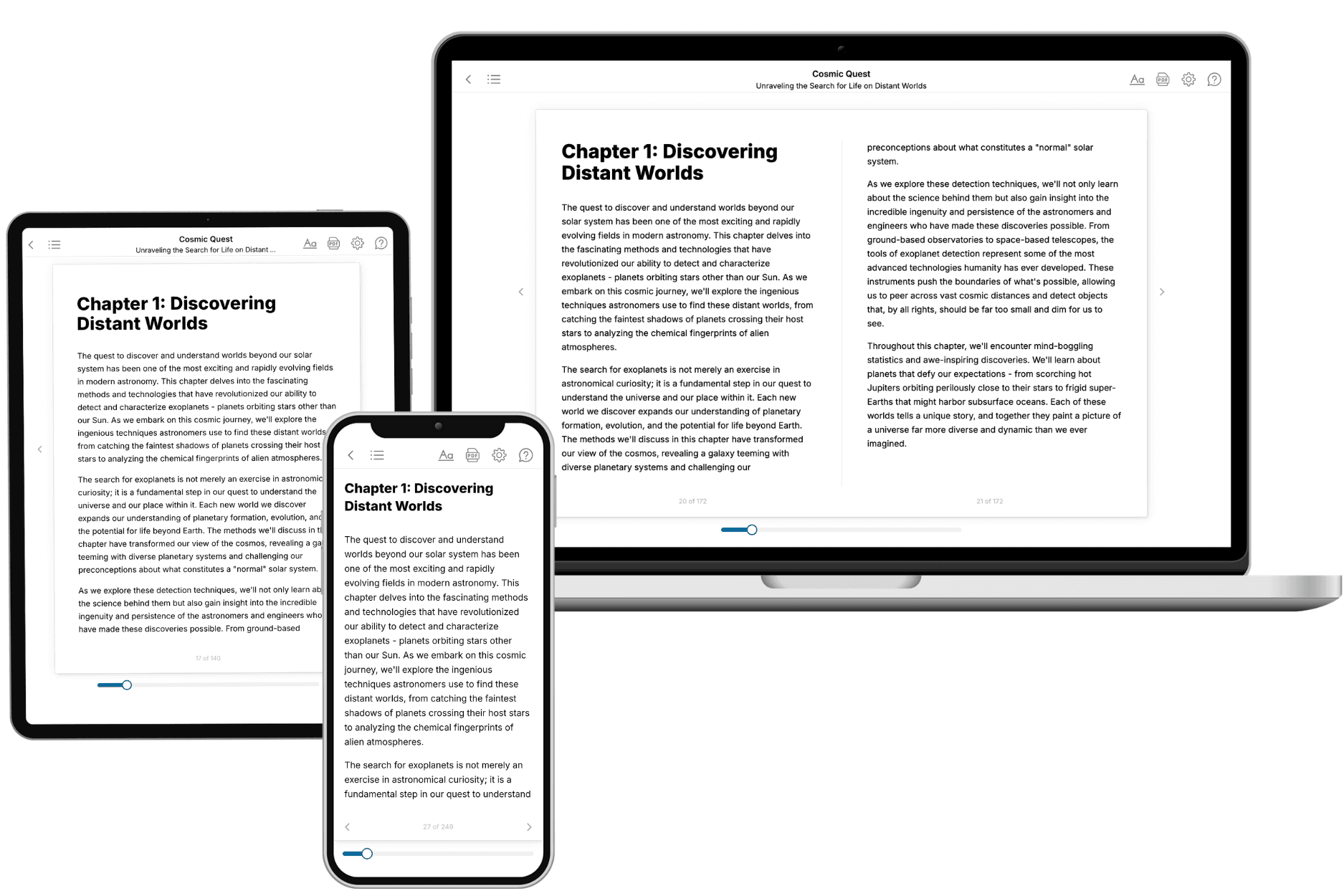
- 3. Get your tailored book
Your book is ready in 10 minutes. Read it online, download as EPUB or PDF, or send to Kindle.
Frequently asked questions
- What is TailoredRead?
TailoredRead creates complete, full-length nonfiction ebooks, written specifically for you. Tell us what you want to learn and why, and TailoredRead writes you a complete ebook on it, with charts, tables, and diagrams throughout. Read it online, on Kindle, or on any e-reader, or download it as a PDF or EPUB. Every book is written fresh the day you order it.
- How is the book tailored to me?
Before anything is written, you answer a few short questions about your goals, your background, and the topics you care about. Your book is then planned around your answers: written at your level, focused on your goals, and covering the topics you chose, instead of the one-size-fits-all book a store sells everyone.
- Will it read like generic AI content?
No. Your book isn't a chat transcript: it's planned chapter by chapter before a single word is written, told in a clear book voice, and explains ideas visually with charts, tables, and diagrams. After writing, every book goes through an editorial pass that polishes chapters so the book reads consistent from start to finish. Judge for yourself: browse thousands of sample books on our Explore Books page.
- How accurate is the content?
Our AI first checks whether your subject needs live research. Niche and fast-moving subjects are researched before writing, and the book plan and chapters are grounded in what it finds. After writing, every book goes through a quality pass that checks its facts and consistency, and researched books list their sources in a Notes section at the back.
- How long is the book?
You choose the length: Comprehensive (250-300 pages), Detailed (150-200 pages), Essential (70-100 pages), or Short (30-50 pages).
- Does the book include visuals?
Yes. Every book includes charts, tables, and diagrams: timelines, checklists, step-by-step guides, decision trees, comparison tables, matrices, and bar charts. A typical book includes dozens of these visual elements.
- Can I read it on Kindle? What formats can I download?
Yes. Every book can be read in our online reader or downloaded as a PDF or EPUB. The EPUB can be opened with Kindle, Apple Books, Kobo, and any e-reader. The Commercial and Author licenses also include an editable Word (DOCX) and Markdown download.
- How much does it cost?
About the price of a regular ebook. The exact price depends on your book's length and complexity, from $2 for the shortest books to $35 for the most comprehensive, and it's shown when you review your book, before you commit to anything. Each book is a one-time purchase, yours to keep, no subscription. Licenses that let you share, teach, or publish your book range from $35.99 to $49.99.
- Can I preview the book before purchasing?
Before you pay, you'll see what your book will cover: the title, a detailed description, the estimated length, and the complete chapter-by-chapter table of contents, so you know what you're getting before you decide. The full text itself is written after you purchase.
- How long does it take to create a book?
About 10 minutes. You can start reading the opening chapters while the rest is still being written.