Caucuses and Primaries
Your Complete Guide to Understanding America's Election Process
Master the mechanics of America's most consequential political process.
238 pages11 chaptersJul 7, 2026Elections
About this book
This guide demystifies caucuses and primaries, showing you exactly how candidates are selected and why these contests matter far more than most voters realize. You'll discover the historical evolution of nomination processes, understand the strategic differences between caucuses and primaries, and learn how early contests shape the entire election. Explore the delegate math that determines convention outcomes, examine how campaign strategies differ across contest types, and see why Iowa and New Hampshire wield outsized influence. With clear explanations of state-by-state variations, Super Tuesday dynamics, and the role of media momentum, you'll gain the knowledge to follow campaigns with genuine understanding. Whether you're a political enthusiast, an engaged voter, or someone seeking to participate more meaningfully in elections, this book provides the clarity and context needed to navigate America's complex nomination system with confidence.
Table of contents
- IntroductionWhy Nominations Matter More Than You Think, What You'll Learn in This Book, How to Use This GuideRead below
- Chapter 1: The Fundamentals: What Are Caucuses and Primaries?Defining Caucuses: Grassroots Democracy in Action, Defining Primaries: Direct Democratic Selection, Key Differences Between Caucuses and Primaries
- Chapter 2: Historical Evolution: How We Got HereFrom Party Conventions to Modern Selection, Progressive Era Reforms and the Rise of Primaries, The Modern Era: Reforms and Adaptations, Recent Developments and Ongoing Debates
- Chapter 3: How Caucuses Work: The Detailed ProcessThe Structure and Rules of Caucuses, What Happens on Caucus Night, How Delegates Are Selected in Caucuses
- Chapter 4: How Primaries Work: The Detailed ProcessTypes of Primaries: Open, Closed, and Semi-Closed, The Mechanics of Primary Elections, Delegate Allocation in Primary Elections
- Chapter 5: The Delegate Math: Converting Votes to Convention PowerUnderstanding Delegates and Their Role, Winner-Take-All Systems Explained, Proportional Allocation Systems, The Path to Securing the Nomination
- Chapter 6: Early States and Their Outsized InfluenceIowa: The First Caucuses, New Hampshire: The First Primary, Momentum, Media Coverage, and Viability
- Chapter 7: Super Tuesday and the Compressed CalendarWhat Is Super Tuesday?, How the Compressed Calendar Changed Everything, Strategic Implications for Candidates and Campaigns
- Chapter 8: Campaign Strategy: Winning Caucuses and PrimariesStrategies for Winning Caucuses, Strategies for Winning Primaries, Resource Allocation and Campaign Viability, Building and Executing the Ground Game
- Chapter 9: State-by-State Variations: The Complex PatchworkRegional Differences in Selection Methods, Timing, Sequencing, and Strategic Positioning, Unique State Rules and Their Impact
- Chapter 10: Media, Polling, and the Narrative ArcHow Media Coverage Shapes Races, Polling, Predictions, and Self-Fulfilling Prophecies, The Power of Narrative and Momentum
- Chapter 11: Participating Effectively: Your Role in the ProcessHow to Participate in Caucuses and Primaries, Making Informed Decisions About Candidates, Critically Evaluating Campaign Claims and Media Narratives
- ConclusionKey Takeaways and Ongoing Relevance, The Future of Caucuses and Primaries
- Glossary
- Further Reading and Resources
Introduction
Every four years, millions of Americans tune in to watch election results roll in on a Tuesday night in November. That general election gets enormous attention, wall-to-wall media coverage, and passionate debate. But the decisions that shape those November choices are made months earlier, in a process that most voters barely understand and many never participate in at all. Caucuses and primaries are where the real filtering happens. They are where a field of a dozen or more candidates gets narrowed down to the one person who will carry a party's banner into the general election. Understanding how that process works is not just an academic exercise. It is essential knowledge for anyone who wants to genuinely engage with American democracy.
The nomination process is genuinely complex. It varies by party, by state, and even by year. Some states hold caucuses, where voters gather in person to publicly declare their preferences and debate their choices. Others hold primaries, where voters cast secret ballots much like they do in a general election. Some states use open systems that allow any registered voter to participate, while others restrict participation to registered party members. Delegates are allocated by different formulas depending on the state and the party. The calendar itself is a strategic battlefield, with early states wielding influence far beyond what their population size would suggest. This patchwork of rules and procedures can feel overwhelming at first glance.
This book cuts through that complexity. It explains the mechanics of caucuses and primaries in plain language, traces the history of how these systems developed, and shows you exactly how the rules translate into real-world outcomes. More importantly, it gives you the analytical tools to follow a nomination race with genuine understanding rather than just absorbing whatever narrative the media happens to be pushing at any given moment. Whether you are a longtime political observer looking to sharpen your knowledge or a newer voter trying to make sense of what you are watching, this guide is designed to meet you where you are and take you further.
One thing worth saying upfront: this book is not about telling you who to support or which party has better ideas. It is about the mechanics and the history of a process that belongs to all Americans. The goal is clarity and understanding, not persuasion. When you finish this book, you should be able to watch a primary night broadcast and understand not just who won, but why it matters, what the delegate math means, and what the result signals about the race ahead. That kind of informed engagement is exactly what a healthy democracy depends on.
Why Nominations Matter More Than You Think
Here is a fact that tends to surprise people: in many American elections, the nomination contest is more consequential than the general election. In heavily partisan districts and states, the party primary is effectively the final decision. Whoever wins the Democratic primary in a deep-blue congressional district, or the Republican primary in a deep-red one, is almost certain to win the general election. The real competition happens before most casual voters are even paying attention. This pattern repeats itself at every level of government, from local school boards all the way up to presidential races.
Presidential nominations carry this dynamic to a national scale. The candidate who emerges from the primary process will represent their party to the entire country. That means the values they emphasize, the policies they champion, and the coalition they build during the primary season will shape the party's direction for years, sometimes decades. Consider how the 2008 Democratic primary between Barack Obama and Hillary Clinton forced a sustained national conversation about healthcare, foreign policy, and the meaning of change. Or how the 2016 Republican primary reshaped the party's identity in ways that are still playing out today. Nominations are not just selection processes. They are defining moments for political parties.
The stakes extend beyond just picking a candidate. Primary elections also determine which ideas get amplified and which get sidelined. A candidate who surges in early primaries gains media attention, fundraising momentum, and credibility. Their policy positions get debated on national television. Their framing of issues influences how the public thinks about those issues. Candidates who drop out early, regardless of the quality of their ideas, lose that platform. In this way, the nomination process acts as a powerful filter not just on people but on ideas themselves.
Voter turnout in primaries is dramatically lower than in general elections, which amplifies the influence of those who do participate. In a typical presidential primary, turnout among eligible voters hovers around 20 to 30 percent, and in non-presidential years it can fall well below that.[1] That means a relatively small, highly motivated group of voters is making decisions that affect everyone. If you participate in a primary, your vote carries significantly more weight than it does in a general election simply because fewer people are casting ballots. This is one of the most underappreciated facts in American civic life.
Caucuses add another layer to this dynamic. Because caucuses require participants to show up in person, often for an hour or more on a weeknight, they tend to attract the most committed and ideologically engaged voters. This self-selection effect means caucus results can look quite different from what a broader primary electorate would produce. Understanding this distinction helps explain why certain types of candidates consistently perform better in caucus states than in primary states, and why the two formats can produce very different signals about a candidate's actual appeal.
The bottom line is straightforward: if you care about who governs, you need to care about nominations. The general election is the final act, but the script is written during the primary season. Paying attention to caucuses and primaries, understanding their rules, and participating in them is one of the most direct ways any citizen can influence the direction of American politics. This book is built on that conviction.
What You'll Learn in This Book
This guide is organized to build your understanding progressively, starting with the fundamentals and moving toward the more strategic and analytical dimensions of the nomination process. Each chapter adds a new layer of knowledge, so by the time you reach the end, you will have a complete picture of how caucuses and primaries work from the ground up. Here is a brief overview of what each section covers and why it matters.
The first two chapters establish the foundation. Chapter 1 defines caucuses and primaries clearly, explains how each works at a basic level, and highlights the key differences between them. Chapter 2 traces the historical evolution of nomination processes in America, from the era of smoke-filled rooms and party bosses through the Progressive Era reforms that introduced primaries, all the way to the modern system shaped by post-1968 Democratic Party reforms. History is not just background here. It explains why the current system looks the way it does and why certain features that seem arbitrary actually have specific origins.
Chapters 3 and 4 go deep into the mechanics of each process. Chapter 3 walks through exactly what happens at a caucus, from the structure of the event to the rules governing delegate selection. Chapter 4 does the same for primaries, covering the different types of primaries (open, closed, and semi-closed), how ballots are cast and counted, and how results translate into delegates. These chapters are the most procedural in the book, but they are essential for understanding everything that follows.
Chapter 5 tackles delegate math, which is the arithmetic that ultimately determines who wins a nomination. This chapter explains the difference between winner-take-all and proportional allocation systems, how superdelegates work in the Democratic Party, and what it actually takes to secure enough delegates to win a nomination. Delegate math can seem dry, but it is where strategy and arithmetic collide in ways that produce dramatic and sometimes counterintuitive outcomes.
Chapters 6 and 7 examine the strategic geography of the nomination calendar. Chapter 6 focuses on Iowa and New Hampshire, the two states that have historically gone first and wield influence far beyond their size. Chapter 7 covers Super Tuesday and the compressed primary calendar, explaining how the clustering of contests in a short window fundamentally changed how campaigns operate and which candidates can remain competitive. These chapters show that timing is not just a logistical detail. It is a strategic variable that shapes the entire race.
The final chapters shift from mechanics to strategy and participation. Chapter 8 examines how campaigns approach caucuses and primaries differently, covering ground game operations, resource allocation, and the specific tactics that work in each format. Chapter 9 maps the state-by-state variations that create the complex patchwork of rules candidates must navigate. Chapter 10 analyzes the role of media coverage, polling, and narrative momentum in shaping how races are perceived and how those perceptions feed back into actual results. Finally, Chapter 11 brings it all back to you, offering practical guidance on how to participate effectively, evaluate candidates critically, and engage with the process as an informed citizen.
By the end of this book, you will not just know what caucuses and primaries are. You will understand why they work the way they do, how they shape political outcomes, and how you can engage with them more meaningfully and critically.
Throughout the book, concrete examples from real nomination contests illustrate the concepts being discussed. Abstract rules become much clearer when you can see how they played out in actual races. References to specific elections, candidates, and outcomes are used not to advocate for any political position but to ground the analysis in reality. The goal is always clarity and understanding.
How to Use This Guide
This book is designed to be read straight through from beginning to end, and that is the recommended approach if you are new to the topic or want a comprehensive understanding. The chapters build on each other in a deliberate sequence. The mechanics covered in early chapters provide the foundation for the strategic analysis in later ones. Reading in order ensures that each new concept lands in a context that makes it easier to understand and retain.
That said, the book is also structured to work as a reference guide. If you are already familiar with the basics and want to jump directly to a specific topic, each chapter is self-contained enough to be read independently. The table of contents is detailed enough to help you find exactly what you are looking for. If you are in the middle of a primary season and want to quickly understand how delegate allocation works in a specific type of contest, you can go straight to Chapter 5. If you want to understand why Iowa matters so much, Chapter 6 is where to start.
A few features of the book are worth noting as you read. Key terms are introduced in bold when they first appear and are defined in context. A full glossary at the back of the book provides quick reference definitions for all the important terminology. Footnotes throughout the text point to sources for specific claims, data points, and historical facts. These are included not to make the book feel academic but to give you a starting point if you want to explore any topic further.
The Further Reading and Resources section at the end of the book is a curated list of books, articles, and online tools that can deepen your understanding of specific aspects of the nomination process. These resources range from accessible journalism to more detailed academic work, so there is something for every level of interest. If a particular chapter sparks your curiosity, the further reading section will point you toward the best next steps.
One practical suggestion: if you are reading this book during an active primary season, try applying what you learn in real time. After reading Chapter 5 on delegate math, look up the current delegate counts for the candidates in the race and see if you can interpret what the numbers mean for each candidate's path to the nomination. After reading Chapter 10 on media and momentum, pay attention to how news coverage frames the results of the next primary or caucus. Active engagement with the material as you read it will make the concepts stick far more effectively than passive reading alone.
It is also worth keeping a few things in mind as you work through the book. The rules governing caucuses and primaries change from cycle to cycle. Parties adjust their delegate allocation formulas, states move their contest dates, and new reforms get introduced regularly. The principles and frameworks explained in this book are durable, but specific rules and numbers can shift. When you are following an actual race, always verify current rules with up-to-date sources. The book will give you the conceptual tools to understand whatever rules are in place; staying current on the specifics is your job as an engaged citizen.
Finally, approach this material with genuine curiosity. The nomination process is one of the most fascinating and consequential features of American democracy. It is a system full of quirks, historical accidents, strategic calculations, and genuine drama. The more you understand it, the more interesting it becomes. The goal of this book is not just to inform you but to make you genuinely excited about engaging with a process that shapes the country's political future. That engagement starts here.
- New to the topic? Read straight through from Chapter 1 to Chapter 11 for the full picture.
- Following an active race? Jump to the chapters most relevant to what is happening right now, then fill in the gaps.
- Want to participate? Chapter 11 is specifically designed to help you take action, but the whole book provides the context that makes participation meaningful.
- Looking for a specific term? Check the glossary at the back for quick definitions.
- Want to go deeper? The Further Reading section points you toward the best resources on every major topic covered here.
The nomination process is not a spectator sport, even though it is often treated like one. Every caucus and primary is an opportunity for citizens to shape who leads their party and, ultimately, who leads their country. The more clearly you understand how the process works, the more effectively you can engage with it. That is what this book is for. Now, let's get started.
Notes
Introduction
- 1. United States Elections Project, 'Primary Election Turnout,' Michael McDonald, University of Florida, updated 2022.
This is the end of the free sample. The full book has 11 chapters.
Want this book written for you?
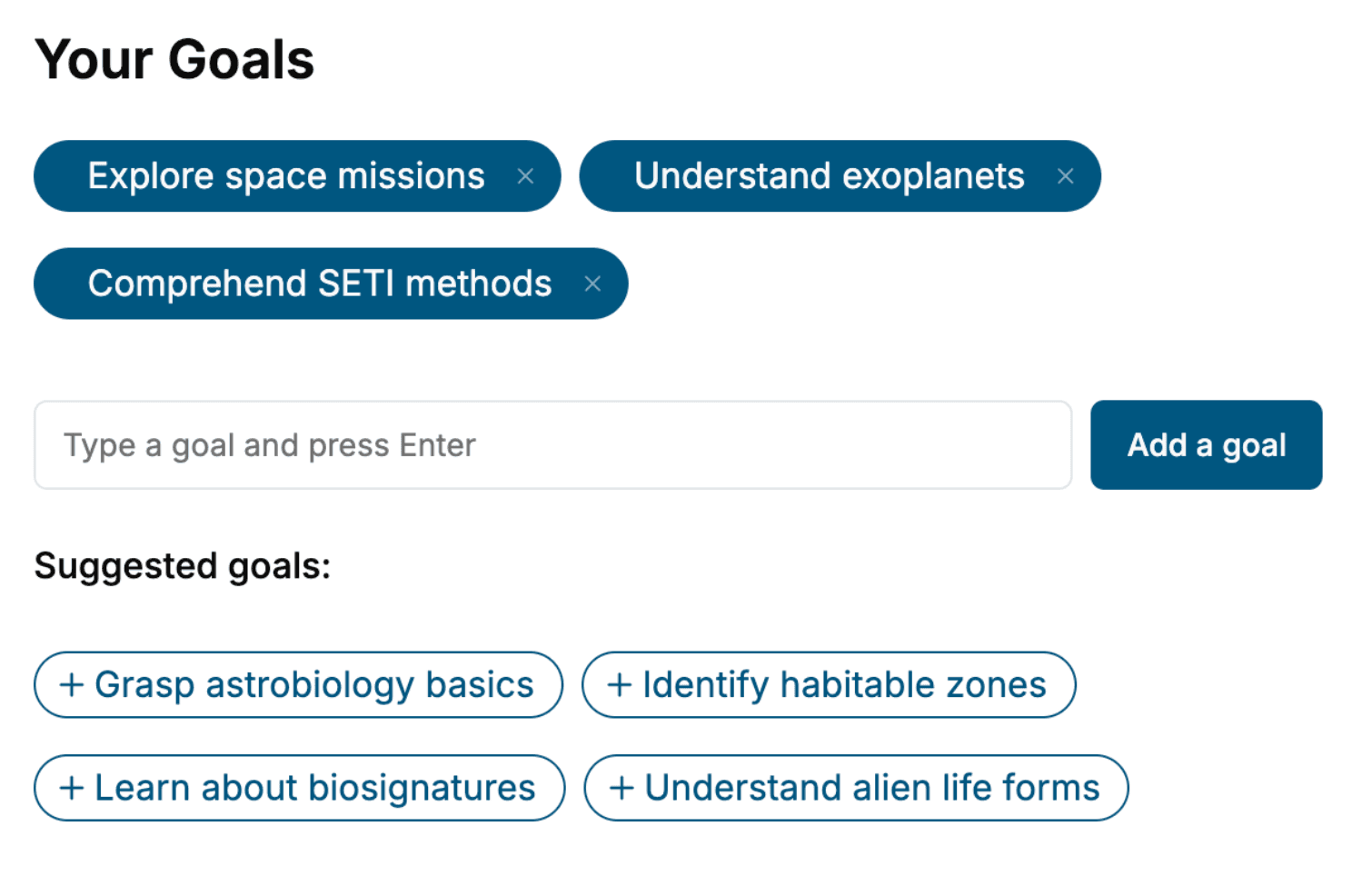
Tell us your goals and background, and get your own version of this book, tailored by AI to you.


Benefits of AI-tailored books
- Read one book, not ten:
- all the Elections knowledge you need, gathered into a single book.
- Save days of learning:
- tell us your goals, choose your topics, and the whole book is built around them.
- Learn effortlessly:
- Elections book written for your specific background and expertise.
- Understand at a glance:
- includes charts, tables, timelines, checklists, decision trees, and more.
- Stay current:
- written the day you order it, not years ago.
- Trust what you read:
- every book is checked for accuracy, with real research when your subject needs it.
Create your unique book in 3 steps
- 1. Select your focus
Select the focus of your Elections book and share your background
- 2. Personalize your book
Specify your goals and choose sub-topics to include
- 3. Get your tailored book
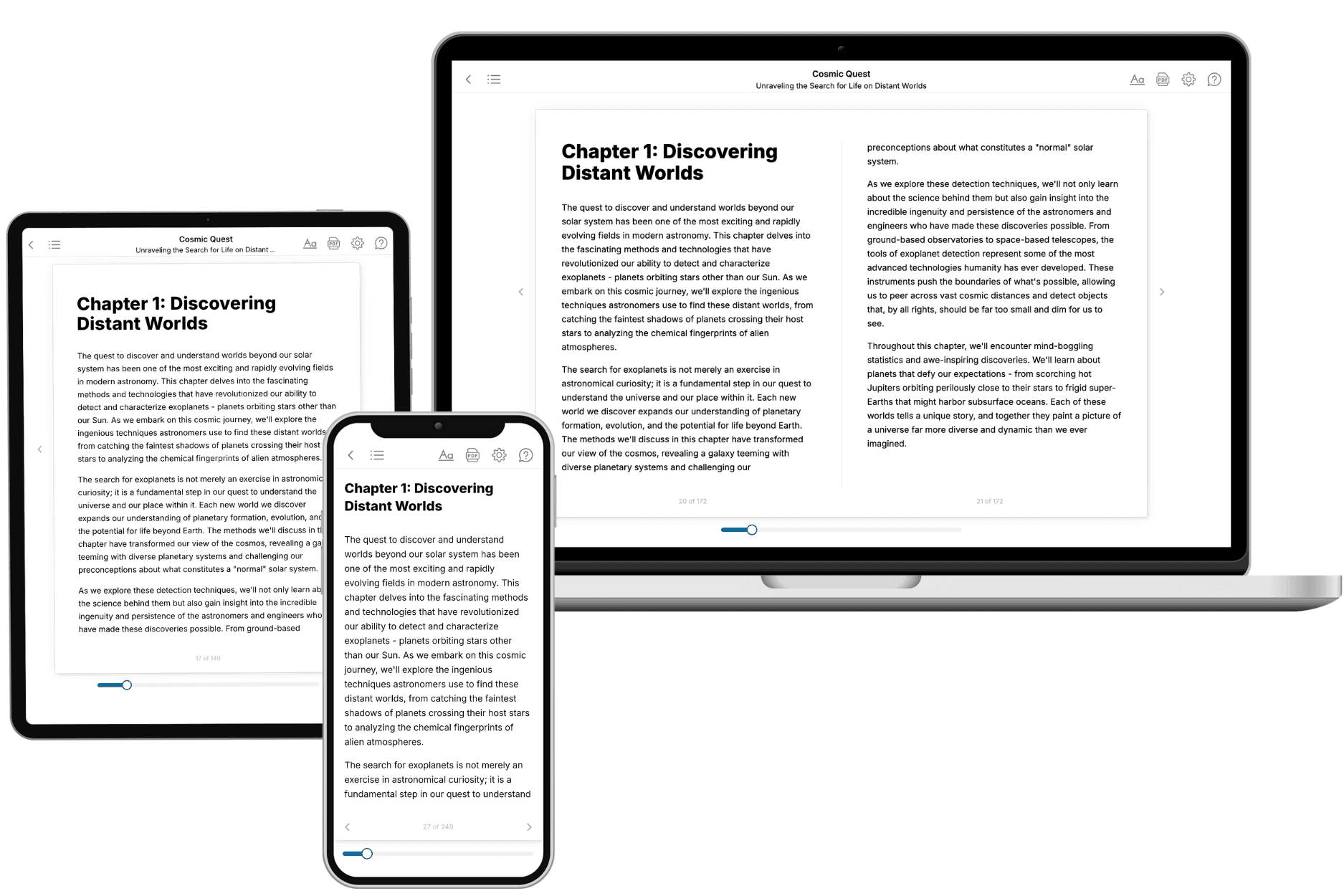
Your book is ready in 10 minutes. Read it online, download as EPUB or PDF, or send to Kindle.

Frequently asked questions
- What is TailoredRead?
TailoredRead creates complete, full-length nonfiction ebooks, written specifically for you. Tell us what you want to learn and why, and TailoredRead writes you a complete ebook on it, with charts, tables, and diagrams throughout. Read it online, on Kindle, or on any e-reader, or download it as a PDF or EPUB. Every book is written fresh the day you order it.
- How is the book tailored to me?
Before anything is written, you answer a few short questions about your goals, your background, and the topics you care about. Your book is then planned around your answers: written at your level, focused on your goals, and covering the topics you chose, instead of the one-size-fits-all book a store sells everyone.
- Will it read like generic AI content?
No. Your book isn't a chat transcript: it's planned chapter by chapter before a single word is written, told in a clear book voice, and explains ideas visually with charts, tables, and diagrams. After writing, every book goes through an editorial pass that polishes chapters so the book reads consistent from start to finish. Judge for yourself: browse thousands of sample books on our Explore Books page.
- How accurate is the content?
Our AI first checks whether your subject needs live research. Niche and fast-moving subjects are researched before writing, and the book plan and chapters are grounded in what it finds. After writing, every book goes through a quality pass that checks its facts and consistency, and researched books list their sources in a Notes section at the back.
- How long is the book?
You choose the length: Comprehensive (250-300 pages), Detailed (150-200 pages), Essential (70-100 pages), or Short (30-50 pages).
- Does the book include visuals?
Yes. Every book includes charts, tables, and diagrams: timelines, checklists, step-by-step guides, decision trees, comparison tables, matrices, and bar charts. A typical book includes dozens of these visual elements.
- Can I read it on Kindle? What formats can I download?
Yes. Every book can be read in our online reader or downloaded as a PDF or EPUB. The EPUB can be opened with Kindle, Apple Books, Kobo, and any e-reader. The Commercial and Author licenses also include an editable Word (DOCX) and Markdown download.
- How much does it cost?
About the price of a regular ebook. The exact price depends on your book's length and complexity, from $2 for the shortest books to $35 for the most comprehensive, and it's shown when you review your book, before you commit to anything. Each book is a one-time purchase, yours to keep, no subscription. Licenses that let you share, teach, or publish your book range from $35.99 to $49.99.
- Can I preview the book before purchasing?
Before you pay, you'll see what your book will cover: the title, a detailed description, the estimated length, and the complete chapter-by-chapter table of contents, so you know what you're getting before you decide. The full text itself is written after you purchase.
- How long does it take to create a book?
About 10 minutes. You can start reading the opening chapters while the rest is still being written.