The Circadian Code
Master Your Body's Natural Rhythm and Reclaim Your Energy, Focus, and Health
Most people assume their sleep problems are simply a matter of willpower or bad luck.
238 pages11 chaptersMay 28, 2026Sleep
About this book
The truth is far more empowering: your body operates on a sophisticated biological clock that can be understood, measured, and optimized. When this circadian rhythm falls out of sync with your lifestyle, the consequences ripple through every aspect of your health—from persistent fatigue and brain fog to mood disorders and chronic disease risk. This book reveals how your circadian system works at the physiological level, why it becomes disrupted, and exactly how to restore alignment. You'll discover the science behind light's transformative power, learn how stress and psychology influence your sleep-wake cycle, and gain practical, evidence-based strategies you can implement immediately. Whether you struggle with shift work, jet lag, insomnia, or simply feel perpetually out of sync with your schedule, this guide provides the knowledge and tools to reclaim your natural rhythm and unlock sustained energy, mental clarity, and resilience.
Table of contents
- IntroductionWhy Your Circadian Rhythm Matters More Than You Think, How Modern Life Disrupts Your Internal Clock, What You'll Discover in This BookRead below
- Chapter 1: The Circadian System ExplainedYour Master Biological Clock: The Suprachiasmatic Nucleus, Beyond Sleep: How Circadian Rhythms Control Your Entire Body, Peripheral Clocks: Every Cell Has Its Own Rhythm, Understanding Your Chronotype: Are You a Morning or Evening Person?
- Chapter 2: The Physiology of Sleep and WakefulnessThe Architecture of Sleep: REM, NREM, and Sleep Cycles, Why Sleep Matters: Memory, Repair, and Immune Function, Sleep Pressure and Alertness: The Two-Process Model, Melatonin, Cortisol, and Other Hormones That Control Your Sleep
- Chapter 3: Light: The Master RegulatorHow Your Eyes Detect Light and Signal Your Brain, Strategic Light Exposure: Timing, Intensity, and Wavelength, Using Light Therapy to Reset Your Circadian Clock, Evening Light Exposure: Why Blue Light Before Bed Disrupts Sleep
- Chapter 4: Psychological Factors and SleepHow Stress and Anxiety Disrupt Your Circadian Rhythm, Cognitive Patterns That Sabotage Sleep Quality, Emotional Regulation and Its Impact on Sleep Architecture, Breaking Negative Sleep Associations and Conditioning
- Chapter 5: Circadian Rhythm Disorders: Types and CausesDelayed Sleep Phase Disorder: When Your Clock Runs Late, Advanced Sleep Phase Disorder: When Your Clock Runs Early, Shift Work Sleep Disorder: Managing Irregular Schedules, Jet Lag and Time Zone Adjustment: Rapid Circadian Desynchronization
- Chapter 6: Diagnosing Circadian Rhythm ProblemsSleep Diaries and Actigraphy: Tracking Your Rhythm, Clinical Assessments and When to Seek Professional Help, Biomarkers: Measuring Melatonin, Cortisol, and Core Body Temperature, Self-Assessment Tools: Identifying Your Circadian Challenges
- Chapter 7: Sleep Schedule OptimizationThe Power of Consistency: Why Regular Sleep Times Matter, Finding Your Optimal Sleep Window and Sleep Duration, Gradual Schedule Adjustment: Moving Your Sleep Time Safely, Social Jet Lag: Managing Weekend Sleep Disruptions
- Chapter 8: Nutrition, Caffeine, and Circadian AlignmentMeal Timing as a Circadian Synchronizer, Caffeine Metabolism: Why Afternoon Coffee Disrupts Sleep, Evening Nutrition: Foods and Supplements That Support Sleep, Alcohol and Sleep: Why Nightcaps Backfire
- Chapter 9: Environmental OptimizationCreating the Ideal Sleep Environment: Temperature, Darkness, and Sound, Technology in the Bedroom: Screens, Notifications, and Sleep, Circadian Lighting Design: Optimizing Light Throughout Your Home, Seasonal Changes and Circadian Adjustment
- Chapter 10: Behavioral and Psychological InterventionsCognitive Behavioral Therapy for Insomnia: Evidence-Based Techniques, Relaxation and Mindfulness: Calming Your Mind Before Sleep, Stimulus Control and Sleep Restriction: Rebuilding Sleep Efficiency, Acceptance and Commitment Therapy: Changing Your Relationship with Sleep
- Chapter 11: Medical and Pharmacological ApproachesMelatonin: Timing, Dosage, and Effectiveness, Sleep Medications: When They Help and When They Harm, Clinical Light Therapy: Protocols for Different Disorders, Chronotherapy: Advanced Timing-Based Interventions
- ConclusionIntegrating Your Circadian Strategy: A Personalized Action Plan, Maintaining Long-Term Circadian Health
- Glossary
- Further Reading and Resources
Introduction
There is a clock running inside you right now. It has been running since before you were born, and it will keep running for the rest of your life. This clock does not have hands or a face, but it is extraordinarily precise. It tracks the rotation of the Earth, anticipates sunrise and sunset, and uses that information to orchestrate nearly every biological process in your body. Scientists call it the circadian clock, from the Latin circa diem, meaning "about a day." Most people have heard the term, but very few understand just how deeply this clock shapes their daily experience.
Think about the last time you felt genuinely alert, focused, and energized without forcing it. Chances are, your circadian clock was working in your favor at that moment. Now think about the last time you felt foggy, irritable, and exhausted despite getting what should have been enough sleep. That, too, was your circadian clock at work, but this time it was out of sync with your schedule. The difference between those two states is not just about how many hours you slept. It is about when you slept, when you ate, when you were exposed to light, and how well your internal biology aligned with your external world.
This book is built on a single, empowering premise: your circadian rhythm is not a fixed trait you are stuck with. It is a dynamic, responsive system that you can understand, influence, and optimize. The science behind it is rich and increasingly well-established, with researchers earning Nobel Prizes for uncovering the molecular machinery that drives biological timekeeping.[1] That science is now accessible to anyone willing to learn it, and the practical strategies that flow from it are surprisingly straightforward to implement. Whether you are a night owl struggling to function at a morning-person's job, a shift worker trying to stay healthy on a rotating schedule, or simply someone who wakes up tired more often than not, this book was written for you.
The chapters ahead move from foundational science to practical application. You will learn how your circadian system is structured, why it breaks down, and exactly what you can do to restore it. The goal is not to overwhelm you with biology but to give you enough understanding that the strategies make intuitive sense. When you know why morning light exposure matters, you are far more likely to actually step outside after breakfast. When you understand what caffeine does to your sleep pressure, cutting off your afternoon coffee becomes an easy decision rather than a sacrifice. Knowledge, in this case, is genuinely actionable.
Why Your Circadian Rhythm Matters More Than You Think
Most people think of circadian rhythms as a sleep scheduling issue. If they think about it at all, they picture the feeling of jet lag or the grogginess of an early Monday morning. But the circadian system is far more expansive than that. It is a master regulatory network that controls the timing of hormone release, body temperature fluctuations, immune activity, cell division, metabolism, and even the sensitivity of your sensory organs. Sleep is just the most visible output of a system that is running continuously, coordinating thousands of biological processes around the clock.
Consider cortisol, the hormone most people associate with stress. In a well-aligned circadian system, cortisol peaks sharply in the first hour after waking, providing a natural surge of alertness and energy. This is called the cortisol awakening response, and it is one of the most reliable markers of circadian health.[2] When your circadian rhythm is disrupted, this response flattens or shifts to the wrong time of day, leaving you relying on caffeine to do what your own biology should be doing naturally. This is just one example of how circadian misalignment creates a cascade of downstream effects that most people never connect back to their internal clock.
The metabolic consequences of circadian disruption are equally striking. Research on shift workers, who routinely work against their biological clocks, consistently shows elevated rates of obesity, type 2 diabetes, and cardiovascular disease compared to day workers with similar lifestyles.[3] These are not small statistical differences. Shift workers face roughly a 40% higher risk of cardiovascular disease compared to their day-working counterparts. The mechanism is not mysterious: when you eat, sleep, and exercise at times that conflict with your internal clock, your metabolic machinery operates inefficiently, and the cumulative damage adds up over years.
Mental health is another domain where circadian alignment plays a surprisingly central role. Disrupted circadian rhythms are strongly associated with depression, bipolar disorder, anxiety, and seasonal affective disorder. The relationship runs in both directions: mood disorders disrupt sleep and circadian timing, and circadian disruption worsens mood disorders.[4] This bidirectional relationship is one reason why treating sleep problems often produces meaningful improvements in mental health, even when the primary diagnosis is not sleep-related.
Cognitive performance follows a circadian pattern as well. Reaction time, working memory, sustained attention, and decision-making quality all peak at specific times of day that vary by individual chronotype. Studies of medical errors in hospitals have found that the rate of serious mistakes increases significantly during night shifts and in the early morning hours, when circadian alertness is at its lowest.[5] Understanding your own cognitive rhythm allows you to schedule demanding tasks during your peak performance window and protect your most important work from the fog of circadian low points.
Even your immune system operates on a circadian schedule. Certain immune cells are more active at night, when the body is in repair mode, while inflammatory responses tend to peak in the early morning hours. This is why many autoimmune symptoms and asthma attacks are worse in the early morning, and why vaccines administered at certain times of day may produce stronger immune responses than those given at other times.[6] The circadian system is not a peripheral feature of your biology. It is woven into the core of how your body functions at every level.
Understanding all of this changes the way you think about daily habits. Choices about when to eat, when to exercise, when to dim the lights, and when to wind down are not just lifestyle preferences. They are inputs into a biological system that responds predictably to those signals. Once you see your daily routine through this lens, optimizing it becomes less about discipline and more about working intelligently with your own biology.
How Modern Life Disrupts Your Internal Clock
For most of human history, the circadian clock had a straightforward job. The sun rose, light flooded the environment, and the body received a clear signal to be awake and active. The sun set, darkness arrived, and the body prepared for sleep. Seasonal changes in day length provided additional timing cues that influenced everything from sleep duration to appetite and mood. The system evolved over millions of years to work with these natural patterns, and for most of that time, it worked remarkably well.
Then came artificial light. The invention of the incandescent bulb in the late 19th century began a slow but profound disruption of this ancient system. Today, the average person in a developed country is exposed to artificial light for many hours after sunset, often from multiple sources simultaneously: overhead lighting, television screens, smartphones, and laptop displays. This light exposure suppresses melatonin production and signals to the brain that it is still daytime, effectively pushing the internal clock later and later into the night.[7]
The specific problem with modern screens is the wavelength of light they emit. Blue light, which falls in the 460–480 nanometer range, is particularly effective at suppressing melatonin because the photoreceptors in your eyes that communicate with your circadian clock are most sensitive to exactly this wavelength. Smartphones and LED screens emit disproportionately high levels of blue light compared to the warm, reddish light of a sunset or a candle flame. Spending two hours on a smartphone before bed can delay melatonin onset by 90 minutes or more, significantly compressing the window of quality sleep even if you go to bed at a reasonable hour.[8]
Modern work culture compounds the problem in several ways. Consider the most common patterns that create circadian disruption in everyday life:
- Irregular schedules: Varying wake times by more than an hour between workdays and weekends creates a phenomenon called "social jet lag," where the body is perpetually adjusting to a shifting schedule.
- Shift work: Rotating or night shifts force workers to be active during the biological night and sleep during the biological day, directly opposing the circadian clock's natural orientation.
- Early start times: School and work schedules that begin before 8:00 a.m. are misaligned with the natural sleep timing of most adolescents and many adults, creating chronic sleep deprivation.
- Always-on culture: Email notifications, late-night work calls, and the expectation of constant availability keep the nervous system in a state of arousal that is incompatible with healthy sleep onset.
- Indoor lifestyles: Spending most of the day indoors under dim artificial lighting deprives the circadian clock of the bright morning light signal it needs to stay anchored to the correct time.
The result of all these pressures is what researchers have called a global epidemic of circadian misalignment. A large-scale study using data from sleep-tracking devices across 100 countries found that the average person sleeps significantly less than their biological need, with the gap between needed and actual sleep widening in more economically developed nations.[8] This is not a personal failing. It is a structural mismatch between the demands of modern life and the biological requirements of the human body.
Travel across time zones adds another layer of disruption for a growing segment of the population. International business travel, long-haul flights, and even domestic travel across multiple time zones can desynchronize the circadian clock from local time by several hours. The body can typically re-entrain at a rate of about one hour per day, meaning a six-hour time zone shift can take nearly a week to fully resolve. During that adjustment period, sleep quality, cognitive performance, digestion, and mood are all compromised.
It is worth noting that not everyone is equally vulnerable to these disruptions. Genetic variation in the genes that drive the molecular clock, including CLOCK, PER1, PER2, and CRY1, influences how quickly individuals adapt to schedule changes and how sensitive they are to light exposure.[9] This is one reason why some people seem to handle shift work or jet lag with relative ease while others are devastated by the same disruption. Understanding your own biological tendencies is a key part of developing a personalized strategy, and this book will help you do exactly that.
The encouraging news is that the circadian system is remarkably responsive to the right inputs. Unlike many biological systems that degrade with age and cannot be restored, the circadian clock retains its plasticity throughout life. With the right combination of light exposure, schedule consistency, and behavioral strategies, most people can meaningfully improve their circadian alignment within days to weeks. The disruptions created by modern life are real, but they are not permanent, and they are not beyond your control.
What You'll Discover in This Book
This book is organized to take you from understanding to action in a logical sequence. The early chapters build the scientific foundation you need to make sense of the strategies that follow. The middle chapters address specific disorders and diagnostic approaches. The later chapters provide a comprehensive toolkit of behavioral, environmental, nutritional, and medical interventions. By the end, you will have both the knowledge and the practical tools to design a circadian strategy that fits your specific life and challenges.
Here is a brief map of what each section covers:
- Chapters 1 and 2 explain the biology of the circadian system and sleep physiology. You will learn how the master clock in your brain coordinates with peripheral clocks throughout your body, how sleep stages work and why each one matters, and how the two-process model of sleep regulation governs your daily rhythm of alertness and fatigue.
- Chapter 3 dives deep into light as the primary regulator of your circadian clock. You will learn the specific wavelengths, intensities, and timing windows that matter most, and how to use light strategically to anchor, advance, or delay your internal clock.
- Chapter 4 addresses the psychological dimension of sleep, covering how stress, anxiety, and learned behavioral patterns can undermine even the best sleep hygiene practices, and what to do about them.
- Chapter 5 provides a detailed look at the major circadian rhythm disorders, including delayed sleep phase disorder, advanced sleep phase disorder, shift work sleep disorder, and jet lag, with clear explanations of their causes and distinguishing features.
- Chapter 6 covers diagnosis, from simple self-assessment tools you can use at home to clinical biomarkers and professional evaluation criteria.
- Chapters 7 through 9 provide the core practical toolkit: sleep schedule optimization, nutrition and caffeine timing, and environmental design for circadian health.
- Chapters 10 and 11 cover behavioral therapies and medical interventions, including cognitive behavioral therapy for insomnia, melatonin protocols, light therapy, and chronotherapy techniques.
Throughout the book, the emphasis is on evidence-based strategies rather than trends or anecdotes. Every major recommendation is grounded in peer-reviewed research, and where the science is still evolving or contested, that uncertainty is acknowledged honestly. The goal is to give you a clear, accurate picture of what is known, what works, and what remains an open question, so you can make informed decisions rather than simply following instructions.
You will also find that this book respects the reality that people have different lives, different schedules, and different biological tendencies. There is no single "correct" sleep schedule that works for everyone. A strategy that is ideal for a morning-oriented person with a conventional 9-to-5 job will look very different from one designed for a night-shift nurse or a frequent international traveler. The frameworks provided here are flexible enough to be adapted to your specific situation, and the diagnostic tools in Chapter 6 will help you identify which challenges are most relevant to your own circadian profile.
One theme that runs through every chapter is the importance of consistency. The circadian system is fundamentally a timing system, and it thrives on regularity. Many of the most powerful interventions in this book are not dramatic or complicated. They are simple practices applied consistently over time. Waking at the same time every day, getting bright light in the morning, dimming lights in the evening, and eating meals within a consistent window are all straightforward habits. But their cumulative effect on circadian alignment is profound, and the research supporting them is robust.
Another recurring theme is the interconnection between different aspects of circadian health. Light affects sleep, which affects cortisol, which affects stress, which affects sleep quality, which affects metabolism, which affects energy levels, which affects how much you exercise, which affects sleep. These systems do not operate in isolation. Improving one area tends to create positive ripple effects across the others, which is why even modest initial improvements in sleep timing or light exposure can produce surprisingly broad benefits in mood, energy, and cognitive performance.
It is also worth being honest about what this book is not. It is not a substitute for medical care. If you have a serious sleep disorder, a mental health condition, or a chronic illness that affects your sleep, the strategies here can complement professional treatment but should not replace it. Chapter 6 includes clear guidance on when to seek professional evaluation, and Chapter 11 covers the medical and pharmacological options that a healthcare provider might recommend. The goal is to make you an informed, empowered participant in your own care, not to suggest that you can or should manage everything on your own.
What you will find, as you work through these chapters, is that understanding your circadian rhythm changes the way you see your daily life. Choices that once seemed arbitrary, like when to have your first cup of coffee, when to take a walk, or when to stop checking your phone, start to feel purposeful and meaningful. You are not just going through the motions of a day. You are working with a sophisticated biological system that responds to your choices in predictable, measurable ways. That shift in perspective is, in many ways, the most valuable thing this book can offer. The specific strategies matter, but the underlying understanding is what makes them stick.
Your circadian rhythm has been running your whole life. It is time to start working with it instead of against it. The pages ahead will show you exactly how.
Notes
Introduction
- 1. J. C. Hall and others, Nobel Prize in Physiology or Medicine for discoveries of molecular mechanisms controlling circadian rhythms, Nobel Committee for Physiology or Medicine, 2017
- 2. A. Clow and others, "The awakening cortisol response," Stress, 2004
- 3. A. Knutsson, "Health disorders of shift workers," Occupational Medicine, 2003
- 4. C. A. McClung, "Circadian genes, rhythms and the biology of mood disorders," Pharmacology & Therapeutics, 2007
- 5. C. P. Landrigan and others, "Effect of reducing interns' work hours on serious medical errors in intensive care units," New England Journal of Medicine, 2004
- 6. C. Scheiermann and others, "Circadian control of the immune system," Nature Reviews Immunology, 2013
- 7. C. A. Czeisler, "Perspective: Casting light on sleep deficiency," NatureS13, 2013
- 8. A. M. Chang and others, "Evening use of light-emitting eReaders negatively affects sleep, circadian timing, and next-morning alertness," PNAS, 2015
- 8. O. J. Walch and others, "A global quantification of 'normal' sleep schedules using smartphone data," Science Advancese1501705, 2016
- 9. J. S. Takahashi, "Transcriptional architecture of the mammalian circadian clock," Nature Reviews Genetics, 2017
This is the end of the free sample. The full book has 11 chapters.
Want this book written for you?
Tell us your goals and background, and get your own version of this book, tailored by AI to you.


Benefits of AI-tailored books
- Read one book, not ten:
- all the Sleep knowledge you need, gathered into a single book.
- Save days of learning:
- tell us your goals, choose your topics, and the whole book is built around them.
- Learn effortlessly:
- Sleep book written for your specific background and expertise.
- Understand at a glance:
- includes charts, tables, timelines, checklists, decision trees, and more.
- Stay current:
- written the day you order it, not years ago.
- Trust what you read:
- every book is checked for accuracy, with real research when your subject needs it.
Create your unique book in 3 steps
- 1. Select your focus
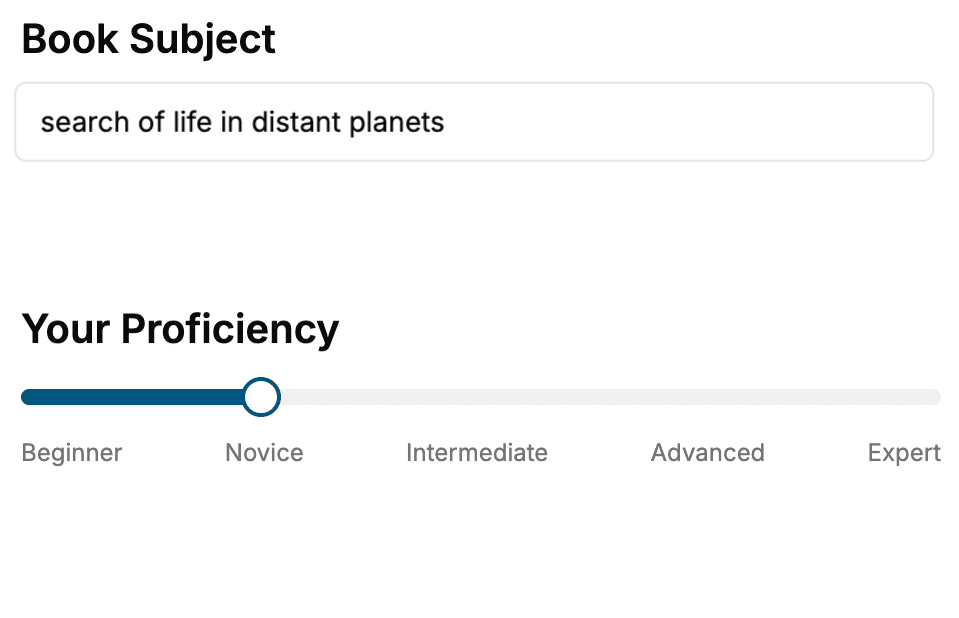
Select the focus of your Sleep book and share your background
- 2. Personalize your book
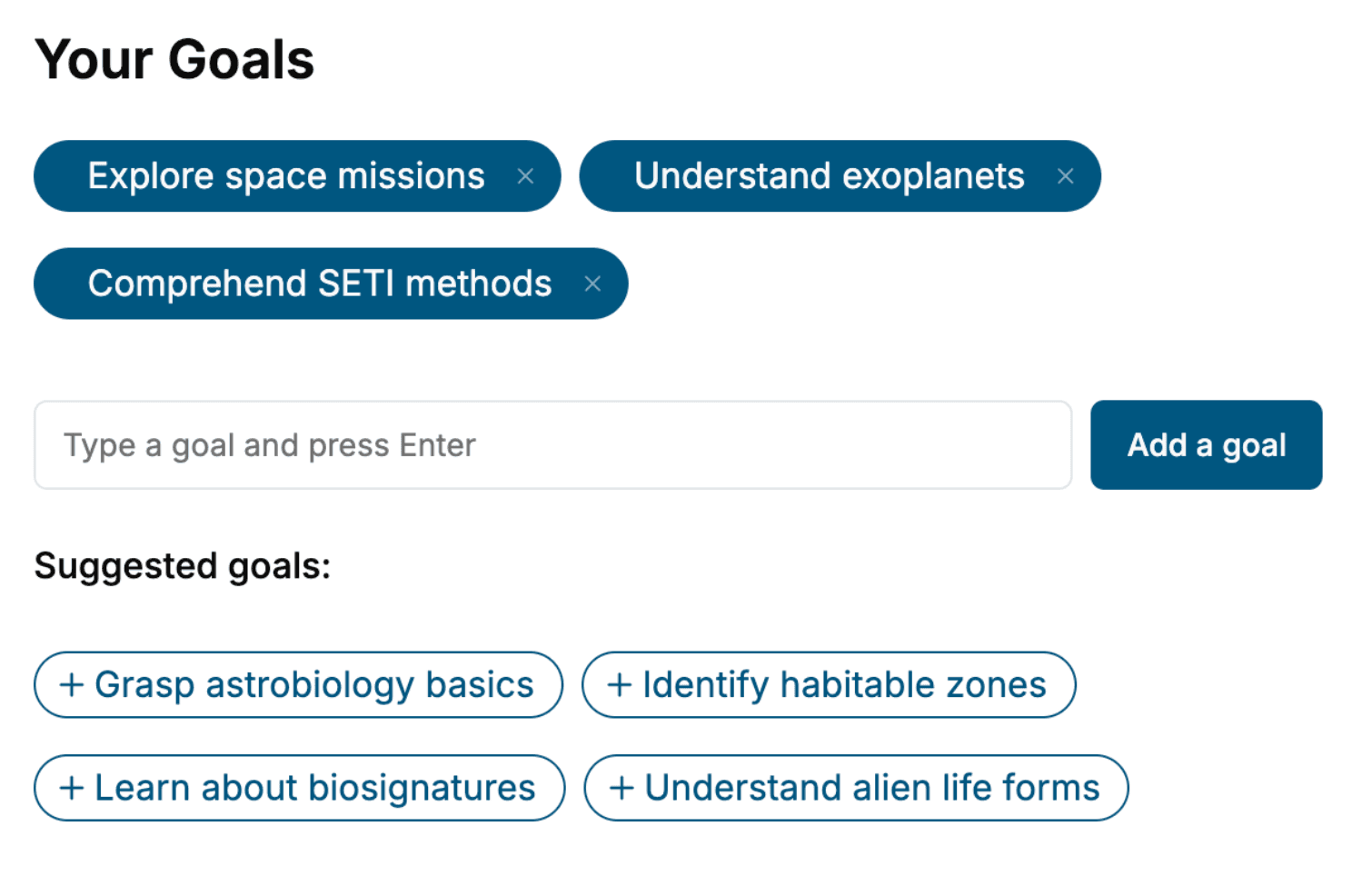
Specify your goals and choose sub-topics to include
- 3. Get your tailored book
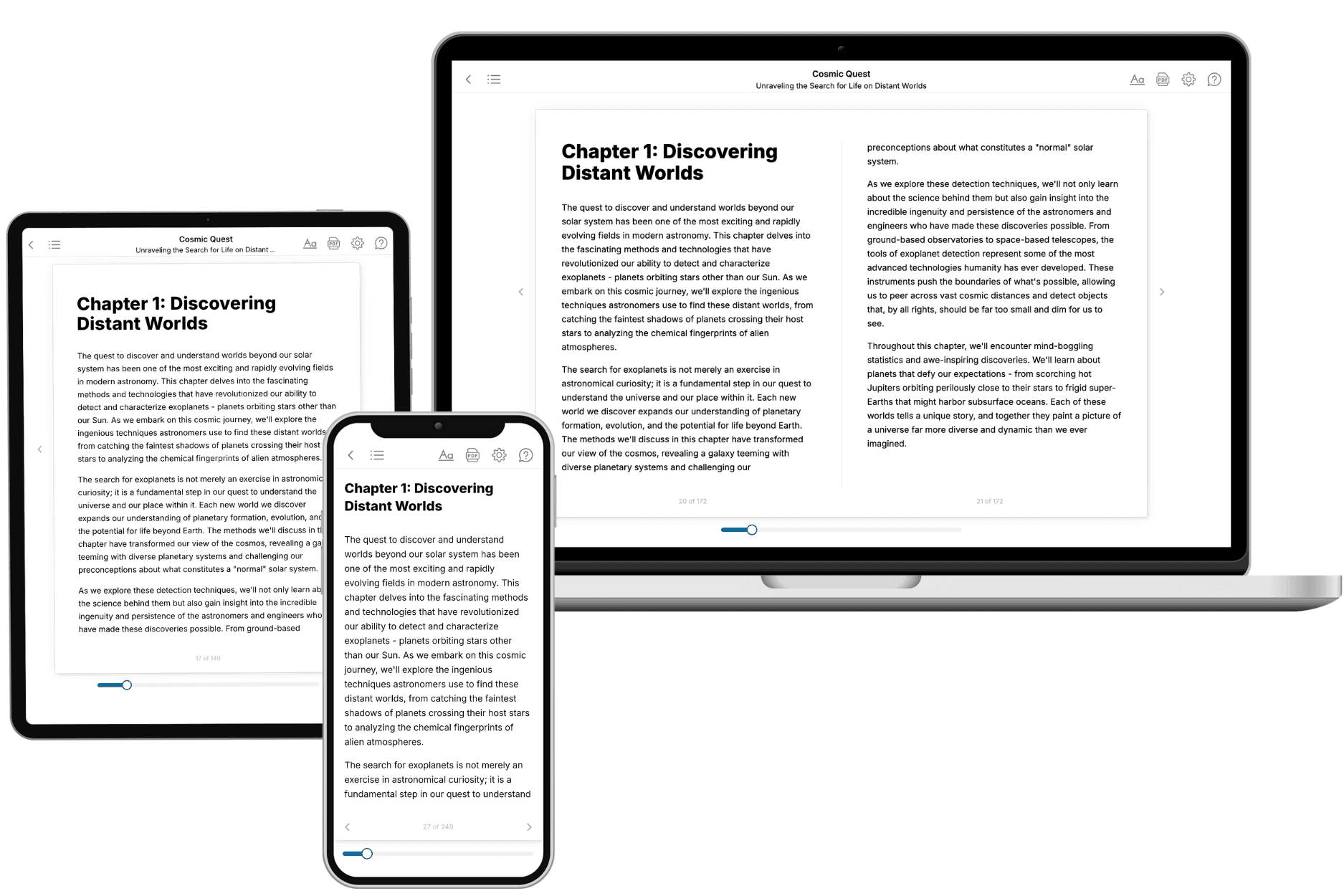
Your book is ready in 10 minutes. Read it online, download as EPUB or PDF, or send to Kindle.
Frequently asked questions
- What is TailoredRead?
TailoredRead creates complete, full-length nonfiction ebooks, written specifically for you. Tell us what you want to learn and why, and TailoredRead writes you a complete ebook on it, with charts, tables, and diagrams throughout. Read it online, on Kindle, or on any e-reader, or download it as a PDF or EPUB. Every book is written fresh the day you order it.
- How is the book tailored to me?
Before anything is written, you answer a few short questions about your goals, your background, and the topics you care about. Your book is then planned around your answers: written at your level, focused on your goals, and covering the topics you chose, instead of the one-size-fits-all book a store sells everyone.
- Will it read like generic AI content?
No. Your book isn't a chat transcript: it's planned chapter by chapter before a single word is written, told in a clear book voice, and explains ideas visually with charts, tables, and diagrams. After writing, every book goes through an editorial pass that polishes chapters so the book reads consistent from start to finish. Judge for yourself: browse thousands of sample books on our Explore Books page.
- How accurate is the content?
Our AI first checks whether your subject needs live research. Niche and fast-moving subjects are researched before writing, and the book plan and chapters are grounded in what it finds. After writing, every book goes through a quality pass that checks its facts and consistency, and researched books list their sources in a Notes section at the back.
- How long is the book?
You choose the length: Comprehensive (250-300 pages), Detailed (150-200 pages), Essential (70-100 pages), or Short (30-50 pages).
- Does the book include visuals?
Yes. Every book includes charts, tables, and diagrams: timelines, checklists, step-by-step guides, decision trees, comparison tables, matrices, and bar charts. A typical book includes dozens of these visual elements.
- Can I read it on Kindle? What formats can I download?
Yes. Every book can be read in our online reader or downloaded as a PDF or EPUB. The EPUB can be opened with Kindle, Apple Books, Kobo, and any e-reader. The Commercial and Author licenses also include an editable Word (DOCX) and Markdown download.
- How much does it cost?
About the price of a regular ebook. The exact price depends on your book's length and complexity, from $2 for the shortest books to $35 for the most comprehensive, and it's shown when you review your book, before you commit to anything. Each book is a one-time purchase, yours to keep, no subscription. Licenses that let you share, teach, or publish your book range from $35.99 to $49.99.
- Can I preview the book before purchasing?
Before you pay, you'll see what your book will cover: the title, a detailed description, the estimated length, and the complete chapter-by-chapter table of contents, so you know what you're getting before you decide. The full text itself is written after you purchase.
- How long does it take to create a book?
About 10 minutes. You can start reading the opening chapters while the rest is still being written.