The Color Pencil Mastery Guide
From Novice to Artist: Unlocking Your Creative Potential Through Advanced Techniques
Are you ready to elevate your color pencil art from simple sketches to breathtaking masterpieces?
300 pages15 chaptersJan 28, 2025Colored Pencil DrawingCreated by alienor
About this book
"The Color Pencil Mastery Guide" is your comprehensive companion on the journey from novice to accomplished artist. This book doesn't just teach you how to use color pencils; it empowers you to breathe life into your creations, infusing them with depth, emotion, and stunning realism. You'll discover the secrets of color theory and how to apply it to your work, creating harmonious and vibrant compositions that captivate the eye. From basic shading techniques to advanced methods like layering and burnishing, each chapter builds upon the last, gradually expanding your artistic toolkit. Whether you're drawing serene landscapes, intricate botanical studies, or expressive portraits, this guide provides you with the skills to render textures, capture light, and convey atmosphere with precision. By the time you reach the final page, you'll have transformed your approach to color pencil art, armed with the techniques and confidence to bring your creative visions to life on paper.
Table of contents
- IntroductionThe Power of Color Pencils, The Journey Ahead, How to Use This BookRead below
- Chapter 1: Getting Started with Color PencilsChoosing the Right Color Pencils, Paper Selection and Preparation, Essential Tools and Accessories, Setting Up Your Workspace
- Chapter 2: Understanding Color TheoryThe Color Wheel, Color Relationships and Harmonies, Color Psychology in Art, Color Mixing with Pencils
- Chapter 3: Basic Color Pencil TechniquesHolding and Controlling Your Pencil, Pressure Control and Line Quality, Hatching and Crosshatching, Basic Shading Techniques
- Chapter 4: Layering and BlendingLayering Basics, Building Up Color Gradually, Blending Techniques, Burnishing for Intense Color
- Chapter 5: Creating Textures and SurfacesRendering Smooth Surfaces, Depicting Rough Textures, Fabric and Fur Techniques, Natural Textures: Wood, Stone, and Water
- Chapter 6: Mastering Light and ShadowUnderstanding Light Sources, Creating Realistic Cast Shadows, Form Shadows and Depth, Highlights and Reflections
- Chapter 7: Composition and Design PrinciplesThe Rule of Thirds, Balance and Harmony, Creating Focal Points, Perspective and Depth in Composition
- Chapter 8: Advanced Color Pencil TechniquesSgraffito and Embossing, Solvent Blending, Combining Color Pencils with Other Media, Negative Drawing Techniques
- Chapter 9: Botanical IllustrationUnderstanding Plant Anatomy, Techniques for Drawing Leaves, Rendering Flowers and Petals, Composing Botanical Illustrations
- Chapter 10: Landscape DrawingSkies and Clouds, Trees and Foliage, Water and Reflections, Atmospheric Perspective
- Chapter 11: Portrait DrawingFacial Proportions and Structure, Capturing Skin Tones, Hair Techniques, Creating Expressive Portraits
- Chapter 12: Still Life MasterySetting Up a Still Life Composition, Rendering Glass and Metal, Fabric and Drapery, Food Illustration Techniques
- Chapter 13: Abstract and Expressive DrawingPrinciples of Abstract Art, Using Color to Convey Emotion, Expressive Mark-Making, Composing Abstract Pieces
- Chapter 14: Integrating Digital ToolsScanning and Digitizing Your Artwork, Digital Enhancement Techniques, Preparing Your Art for Print, Creating an Online Portfolio
- Chapter 15: Care and Preservation of ArtworkFixing and Sealing Color Pencil Art, Proper Storage Techniques, Framing and Display Options, Tips for Artwork Longevity
- ConclusionReflecting on Your Artistic Journey, Paths for Future Exploration
- Glossary
- ResourcesRecommended Supplies, Further Reading and Study
Introduction
Welcome to "The Color Pencil Mastery Guide: From Novice to Artist: Unlocking Your Creative Potential Through Advanced Techniques." This comprehensive guide is designed to take you on a transformative journey through the world of color pencil artistry. Whether you're just beginning to explore this versatile medium or looking to refine your existing skills, this book will serve as your trusted companion, offering insights, techniques, and inspiration to help you create stunning works of art.
Color pencils are often underestimated in their potential for creating professional-quality artwork. However, in the hands of a skilled artist, these simple tools can produce breathtaking results that rival any other medium. Throughout this book, you'll discover the incredible range and depth that color pencils offer, from delicate, translucent layers to rich, vibrant hues that leap off the page. As you progress through the chapters, you'll gain a deep appreciation for the unique qualities of color pencils and learn how to harness their full potential in your own artistic practice.
This introduction will set the stage for your color pencil mastery journey. We'll explore the power of color pencils as an artistic medium, outline the path ahead, and provide guidance on how to make the most of this book. By the end of this chapter, you'll be equipped with the knowledge and enthusiasm to dive into the world of color pencil artistry with confidence and excitement.
The Power of Color Pencils
Color pencils are a remarkable artistic tool, offering a unique combination of precision, versatility, and portability that sets them apart from other media. Unlike paints, which require extensive setup and cleanup, or digital tools that depend on technology, color pencils are always ready at a moment's notice. This accessibility makes them ideal for artists of all levels, from beginners sketching their first still life to professionals creating complex, gallery-worthy pieces.
One of the most compelling aspects of color pencils is their ability to create a wide range of effects. With the right techniques, you can achieve everything from soft, atmospheric landscapes to hyper-realistic portraits. The layering capabilities of color pencils allow for subtle blending and gradation, enabling artists to capture the most delicate shifts in color and tone. At the same time, the ability to apply firm pressure and build up intense pigment allows for bold, vibrant areas of color that can create striking focal points in a composition.
Color pencils excel in their capacity for detail. The fine point of a well-sharpened pencil can produce incredibly intricate linework, making them perfect for botanical illustrations, architectural drawings, or any subject that requires precise rendering. This level of detail, combined with the rich color possibilities, allows artists to create works of astonishing realism. Many viewers are often surprised to learn that a particular piece was created with "just pencils," a testament to the medium's power when wielded with skill and creativity.
Another significant advantage of color pencils is their forgiving nature. Unlike watercolors or oils, where a mistake can be challenging to correct, color pencil work can often be adjusted, layered over, or even erased. This forgiveness makes color pencils an excellent medium for experimentation and learning, allowing you to take risks and develop your style without the fear of irreversible errors.
The tactile nature of working with color pencils is also worth noting. There's a direct connection between the artist's hand and the mark being made on the paper. This immediacy can lead to a more intuitive and expressive approach to art-making. The physical act of layering and blending colors can be meditative and deeply satisfying, fostering a sense of flow and engagement with the creative process.
Color pencils are also incredibly versatile in terms of subject matter. They are equally adept at capturing the soft, organic forms of a floral arrangement as they are at rendering the hard edges and reflective surfaces of an urban landscape. This versatility extends to style as well. Color pencils can be used for everything from loose, gestural sketches to highly rendered, photorealistic drawings. They can even be incorporated into mixed media works, complementing watercolors, pastels, or other materials to create unique and compelling artworks.
The portability of color pencils makes them an ideal choice for artists who enjoy working en plein air or while traveling. A small set of pencils and a sketchbook can easily fit into a bag, allowing you to capture inspiration wherever you find it. This portability also makes color pencils an excellent option for daily practice and skill-building exercises, as you can always have them on hand for quick sketches or color studies.
From an archival perspective, color pencils have several advantages. High-quality color pencils are lightfast, meaning their colors will remain stable over time without fading. When used on acid-free paper and properly stored or framed, color pencil artwork can last for generations without significant degradation. This longevity makes color pencils a respected medium in the fine art world, with many contemporary artists choosing them for their permanent collections and gallery exhibitions.
As you progress through this book, you'll discover the full range of possibilities that color pencils offer. From basic shading techniques to advanced methods like burnishing and solvent blending, you'll learn how to push the boundaries of what's possible with this medium. You'll also explore how color theory applies specifically to color pencil work, allowing you to create harmonious compositions and achieve the exact hues and tones you envision.
The power of color pencils lies not just in their physical properties, but in how they can be used to express your unique artistic vision. As you develop your skills, you'll find that color pencils become an extension of your creative mind, allowing you to translate your ideas and emotions onto paper with precision and beauty. Whether you're drawn to realistic representation or abstract expression, color pencils provide a flexible and rewarding medium for artistic exploration and growth.
The Journey Ahead
As you embark on your color pencil mastery journey, it's helpful to have an overview of the path ahead. This book is structured to guide you through a comprehensive exploration of color pencil techniques, from the fundamental basics to advanced methods used by professional artists. Each chapter builds upon the knowledge and skills developed in the previous ones, creating a logical progression that will help you grow as an artist.
Your journey begins with the essentials. You'll learn about choosing the right materials, understanding the properties of different types of color pencils, and selecting appropriate papers for your artwork. This foundation is crucial, as the quality and compatibility of your materials can significantly impact your results. You'll also discover how to set up an effective workspace that promotes creativity and allows you to work comfortably for extended periods.
From there, you'll delve into the world of color theory, a fundamental aspect of working with color pencils. Understanding how colors interact, blend, and affect one another is essential for creating harmonious and impactful compositions. You'll explore the color wheel, learn about color relationships, and discover how to mix and layer colors to achieve the exact hues you desire. This knowledge will serve as a powerful tool throughout your artistic career, informing your color choices and helping you create more cohesive and visually appealing artwork.
With a solid grasp of materials and color theory, you'll move on to basic color pencil techniques. These foundational skills include proper pencil holding, pressure control, and basic mark-making methods like hatching and cross-hatching. You'll learn how to create smooth gradients, build up layers of color, and achieve different textures through various application techniques. These skills form the building blocks of all color pencil work, and mastering them will give you the confidence to tackle more complex subjects and techniques.
As you progress, you'll explore more advanced techniques that will take your artwork to the next level. Layering and blending are crucial skills in color pencil artistry, allowing you to create depth, richness, and subtle color transitions. You'll learn various blending methods, including burnishing for intense color and using solvents for smooth, painterly effects. These techniques will enable you to achieve a wide range of styles, from soft and atmospheric to bold and vibrant.
One of the most exciting aspects of color pencil work is the ability to render a variety of textures and surfaces. You'll discover techniques for depicting everything from smooth, glossy objects to rough, organic textures. Special attention will be given to common challenges like drawing fabric, fur, water, and various natural elements. By mastering these techniques, you'll be able to bring a new level of realism and tactile quality to your drawings.
Light and shadow play a crucial role in creating convincing and dynamic artwork. You'll learn how to observe and accurately represent different lighting conditions, create realistic shadows, and use highlights effectively to bring your subjects to life. Understanding how light interacts with various surfaces and materials will greatly enhance the depth and dimensionality of your drawings.
As your technical skills develop, you'll also explore the principles of composition and design. These concepts will help you create more balanced, engaging, and visually appealing artwork. You'll learn about the rule of thirds, creating focal points, and using perspective to add depth to your compositions. These principles apply across all subjects and styles, providing a framework for creating strong, effective artwork.
The journey continues with chapters dedicated to specific subjects, including botanical illustration, landscape drawing, portraiture, and still life. Each of these areas presents unique challenges and opportunities, and you'll learn specialized techniques for tackling them with color pencils. From capturing the delicate details of a flower petal to rendering the subtle nuances of human skin tones, you'll gain the skills to approach a wide range of subjects with confidence.
For those interested in pushing the boundaries of traditional color pencil work, you'll explore advanced and experimental techniques. This includes methods like sgraffito (scratching through layers of color), using mixed media in conjunction with color pencils, and creating abstract and expressive works. These techniques will encourage you to think creatively and develop your unique artistic voice.
In today's digital age, it's also important to understand how technology can complement and enhance your color pencil art. You'll learn about digitizing your artwork, using digital tools for enhancement and editing, and preparing your pieces for both print and online display. This knowledge will help you share your work with a wider audience and potentially open up new opportunities for your art.
Finally, you'll discover the importance of properly caring for and preserving your color pencil artwork. This includes techniques for fixing and sealing your drawings, proper storage methods, and framing options that will ensure your art remains vibrant and protected for years to come.
Throughout this journey, you'll be encouraged to practice regularly, experiment with different techniques, and develop your own style. The book includes numerous exercises, projects, and case studies to help you apply what you've learned and gain confidence in your abilities. Remember, mastery is a continuous process, and each drawing you complete is a step forward in your artistic development.
By the end of this book, you'll have a comprehensive understanding of color pencil techniques and the ability to create sophisticated, expressive artwork. More importantly, you'll have developed the skills and confidence to continue exploring and growing as an artist, using color pencils as your medium of choice. The journey ahead is filled with discovery, creativity, and the joy of artistic expression. Let's begin this exciting adventure together!
How to Use This Book
To get the most out of "The Color Pencil Mastery Guide," it's important to approach it with a mindset of active learning and consistent practice. This book is designed to be more than just a passive read; it's a comprehensive resource that will guide you through a hands-on journey of skill development and artistic growth. Here are some strategies to help you maximize your learning experience and make the most of the information and techniques presented in this guide.
First and foremost, it's recommended that you read through the book sequentially, at least initially. The chapters are structured to build upon one another, introducing concepts and techniques in a logical progression. Starting from the basics and moving towards more advanced topics allows you to develop a strong foundation before tackling more complex techniques. However, once you've familiarized yourself with the content, feel free to jump to specific sections that interest you or that address particular challenges you're facing in your artwork.
As you work through each chapter, take the time to practice the techniques described. Hands-on experience is crucial for developing your skills and internalizing the concepts presented. Set aside dedicated time for practice sessions, treating them as an essential part of your learning process. Remember, mastery comes through repetition and experimentation. Don't be discouraged if your first attempts don't meet your expectations; every drawing is an opportunity to learn and improve.
Throughout the book, you'll find exercises and projects designed to help you apply what you've learned. These are not optional extras but integral components of your learning journey. Commit to completing these exercises, as they provide structured practice and help reinforce the techniques covered in each chapter. Keep a sketchbook specifically for these exercises, allowing you to track your progress and refer back to your earlier work as you advance.
Take advantage of the visual examples provided throughout the book. Study them closely, observing how different techniques are applied and how they contribute to the overall effect of the artwork. Try to recreate portions of these examples as part of your practice, paying attention to details like pressure, layering, and color choices. This process of observation and imitation is a powerful learning tool that can significantly accelerate your skill development.
Don't hesitate to experiment beyond the specific instructions given. While it's important to learn the fundamental techniques, true artistry comes from exploring and pushing boundaries. Use the techniques you learn as a starting point, then try combining them in new ways or applying them to subjects that interest you. This experimentation will help you develop your unique style and approach to color pencil art.
As you progress through the book, make notes in the margins or in a separate notebook. Jot down insights, questions, or ideas that come to you while reading or practicing. These notes can serve as valuable references for future review and can help you identify areas where you might want to focus additional practice or research.
Consider forming a study group or finding an art buddy to work through the book with you. Sharing your progress, discussing challenges, and exchanging feedback with others can enhance your learning experience and provide motivation. If in-person collaboration isn't possible, consider joining online art communities or forums where you can share your work and connect with other artists working with color pencils.
Don't rush through the material. Give yourself time to absorb and practice each concept before moving on to the next. It's better to thoroughly understand and be able to apply a technique than to superficially cover many techniques without mastering any. Set realistic goals for your progress, and be patient with yourself as you develop your skills.
As you work through the book, start building a portfolio of your color pencil artwork. This can include both your practice pieces and more finished works. Regularly reviewing your portfolio will allow you to see your progress over time, which can be incredibly motivating. It can also help you identify areas where you've improved and aspects of your work that you might want to focus on developing further.
Make use of the resources section at the end of the book. This includes recommendations for supplies, further reading, and online resources that can supplement your learning. Exploring these additional materials can provide different perspectives and deepen your understanding of color pencil techniques.
Remember that learning is an ongoing process. Even after you've worked through the entire book, continue to refer back to it as a resource. Different techniques and concepts may resonate with you more strongly as you gain experience and tackle new artistic challenges. Don't be afraid to revisit earlier chapters with your new skills and perspective; you may find new insights or applications for techniques you've already covered.
Finally, enjoy the process! Learning and creating art should be a joyful experience. Celebrate your progress, no matter how small, and don't be too critical of your work, especially in the early stages. Every drawing is a step forward in your artistic journey. Embrace the challenges, learn from your mistakes, and take pride in your growth as an artist.
By approaching this book with dedication, curiosity, and a willingness to practice consistently, you'll find yourself making significant strides in your color pencil artistry. Remember, the goal is not just to read about techniques, but to integrate them into your artistic practice and use them as tools for expressing your unique creative vision. Let "The Color Pencil Mastery Guide" be your companion on this exciting journey of artistic discovery and growth.
This is the end of the free sample. The full book has 15 chapters.
Want this book written for you?
Tell us your goals and background, and get your own version of this book, tailored by AI to you.


Benefits of AI-tailored books
- Read one book, not ten:
- all the Colored Pencil Drawing knowledge you need, gathered into a single book.
- Save days of learning:
- tell us your goals, choose your topics, and the whole book is built around them.
- Learn effortlessly:
- Colored Pencil Drawing book written for your specific background and expertise.
- Understand at a glance:
- includes charts, tables, timelines, checklists, decision trees, and more.
- Stay current:
- written the day you order it, not years ago.
- Trust what you read:
- every book is checked for accuracy, with real research when your subject needs it.
Create your unique book in 3 steps
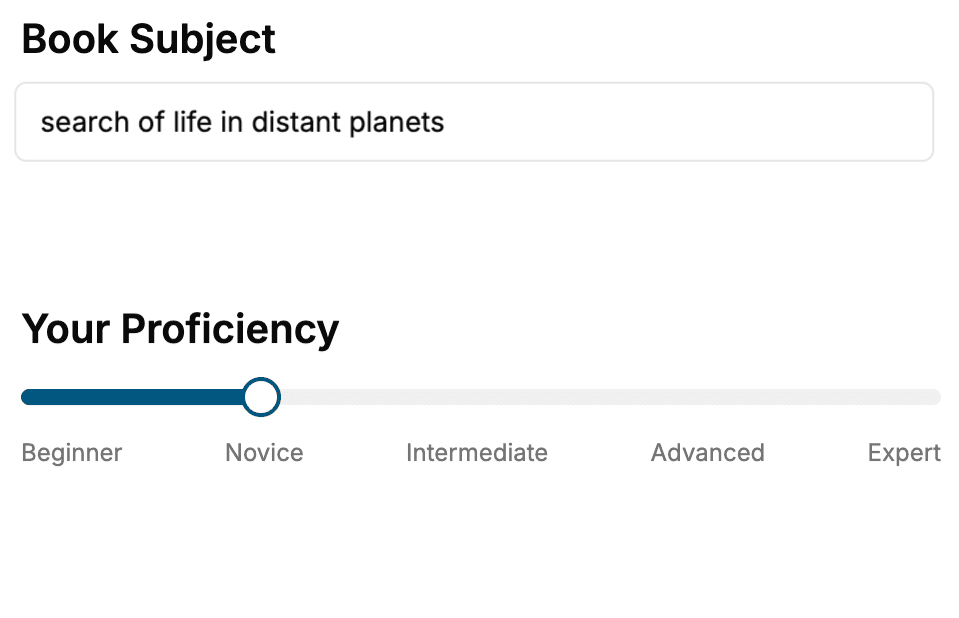
- 1. Select your focus
Select the focus of your Colored Pencil Drawing book and share your background
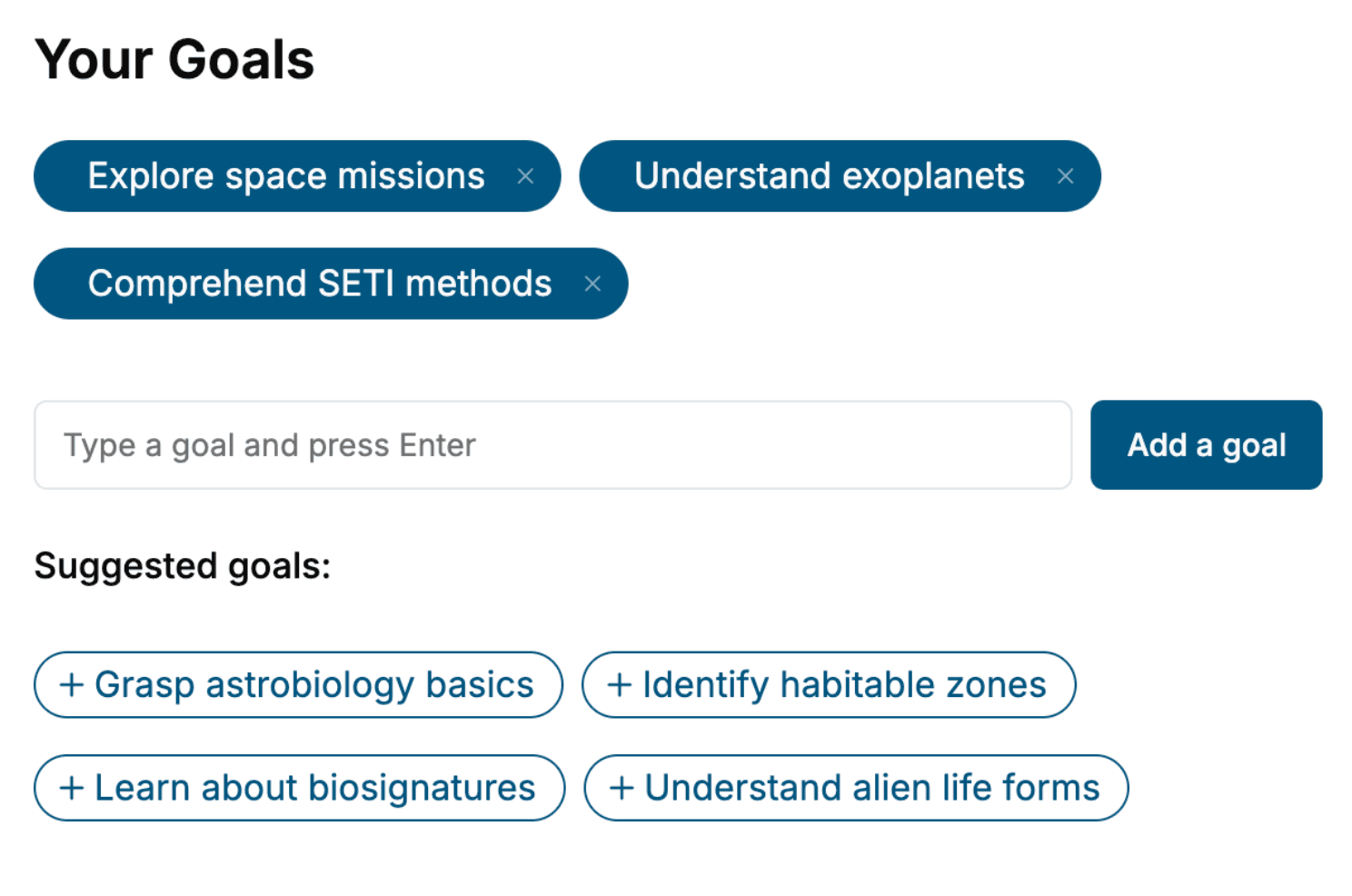
- 2. Personalize your book
Specify your goals and choose sub-topics to include
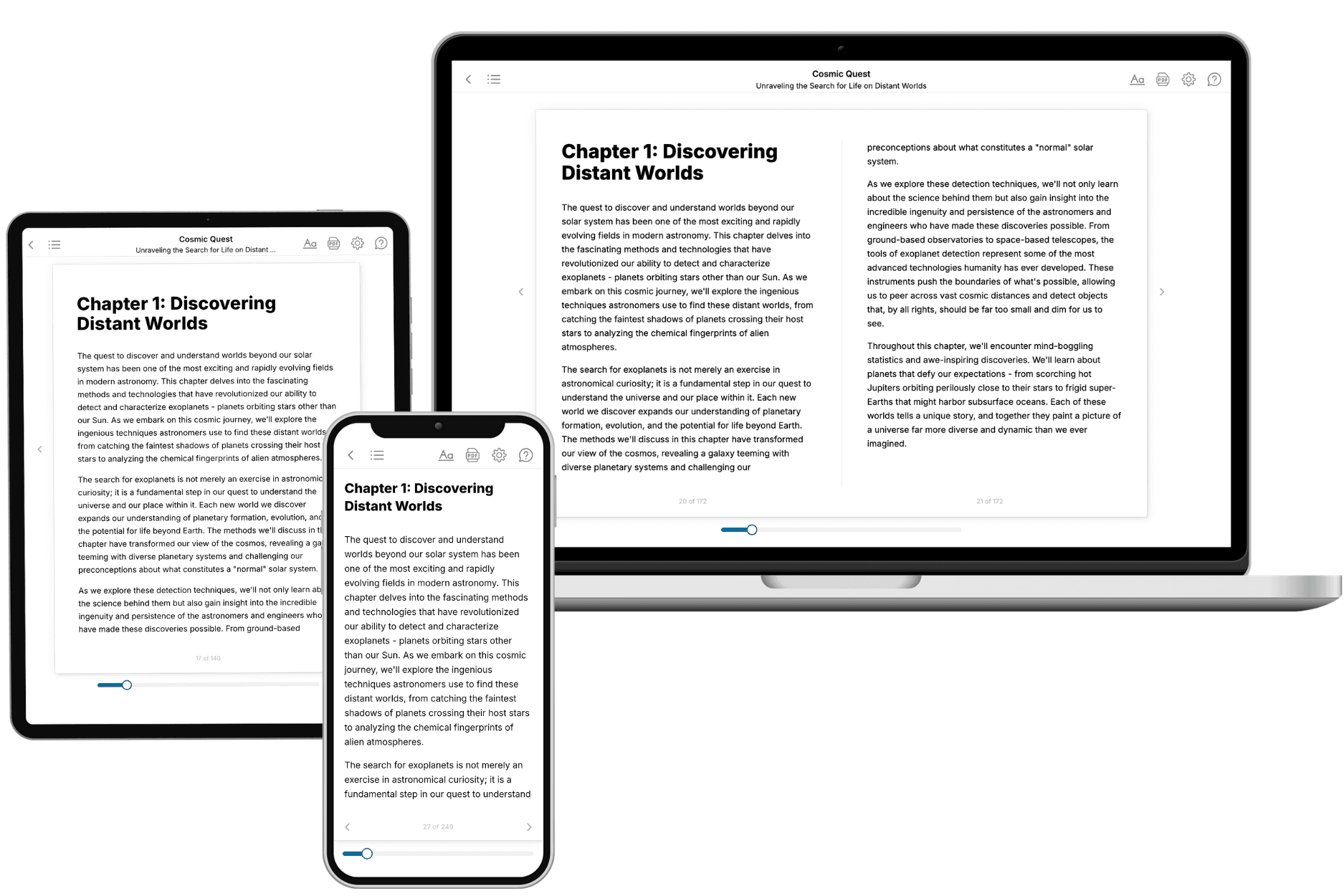
- 3. Get your tailored book
Your book is ready in 10 minutes. Read it online, download as EPUB or PDF, or send to Kindle.
Frequently asked questions
- What is TailoredRead?
TailoredRead creates complete, full-length nonfiction ebooks, written specifically for you. Tell us what you want to learn and why, and TailoredRead writes you a complete ebook on it, with charts, tables, and diagrams throughout. Read it online, on Kindle, or on any e-reader, or download it as a PDF or EPUB. Every book is written fresh the day you order it.
- How is the book tailored to me?
Before anything is written, you answer a few short questions about your goals, your background, and the topics you care about. Your book is then planned around your answers: written at your level, focused on your goals, and covering the topics you chose, instead of the one-size-fits-all book a store sells everyone.
- Will it read like generic AI content?
No. Your book isn't a chat transcript: it's planned chapter by chapter before a single word is written, told in a clear book voice, and explains ideas visually with charts, tables, and diagrams. After writing, every book goes through an editorial pass that polishes chapters so the book reads consistent from start to finish. Judge for yourself: browse thousands of sample books on our Explore Books page.
- How accurate is the content?
Our AI first checks whether your subject needs live research. Niche and fast-moving subjects are researched before writing, and the book plan and chapters are grounded in what it finds. After writing, every book goes through a quality pass that checks its facts and consistency, and researched books list their sources in a Notes section at the back.
- How long is the book?
You choose the length: Comprehensive (250-300 pages), Detailed (150-200 pages), Essential (70-100 pages), or Short (30-50 pages).
- Does the book include visuals?
Yes. Every book includes charts, tables, and diagrams: timelines, checklists, step-by-step guides, decision trees, comparison tables, matrices, and bar charts. A typical book includes dozens of these visual elements.
- Can I read it on Kindle? What formats can I download?
Yes. Every book can be read in our online reader or downloaded as a PDF or EPUB. The EPUB can be opened with Kindle, Apple Books, Kobo, and any e-reader. The Commercial and Author licenses also include an editable Word (DOCX) and Markdown download.
- How much does it cost?
About the price of a regular ebook. The exact price depends on your book's length and complexity, from $2 for the shortest books to $35 for the most comprehensive, and it's shown when you review your book, before you commit to anything. Each book is a one-time purchase, yours to keep, no subscription. Licenses that let you share, teach, or publish your book range from $35.99 to $49.99.
- Can I preview the book before purchasing?
Before you pay, you'll see what your book will cover: the title, a detailed description, the estimated length, and the complete chapter-by-chapter table of contents, so you know what you're getting before you decide. The full text itself is written after you purchase.
- How long does it take to create a book?
About 10 minutes. You can start reading the opening chapters while the rest is still being written.