The Compassionate Activist
A Nurse's Guide to Igniting Community Change
Many believe that activism is only for full-time organizers or those with political connections.
331 pages18 chaptersJul 9, 2025Social ActivismCreated by Andrea
About this book
But what if the most powerful change agents are already embedded in our communities, armed with empathy and a desire to make a difference? "The Compassionate Activist: A Nurse's Guide to Igniting Community Change" shatters the myth that you need special qualifications to create meaningful impact. This book is your roadmap to harnessing your unique blend of healthcare insight and creative spirit to become a force for positive change. You'll discover how to leverage your nursing experience to identify community needs and craft compelling messages that resonate. Learn to organize grassroots networks, design eye-catching activist art, and master the art of public speaking to amplify your cause. This guide provides practical tools for planning peaceful protests, engaging local policymakers, and utilizing social media to maximize your reach. From writing persuasive petitions to implementing effective change strategies, "The Compassionate Activist" equips you with the skills to navigate the civic process and inspire others to action. You'll explore techniques for promoting diversity, collaborating with nonprofits, and sustaining your passion while avoiding burnout. Whether you're looking to advocate for better healthcare policies or tackle broader social issues, this book will empower you to step into your role as a community leader and catalyst for change. Get ready to transform your compassion into action and leave an indelible mark on the world around you.
Table of contents
- IntroductionThe Power of Compassion in Activism, From Nurse to Activist: A Natural Progression, How to Use This Book, Your Activism Journey Starts HereRead below
- Chapter 1: Foundations of Effective ActivismWhat is Activism?, Types of Activism, Ethical Considerations in Activism, Identifying Your 'Why'
- Chapter 2: Assessing Community NeedsGathering and Analyzing Community Data, Stakeholder Mapping, Setting Priorities for Action, Community Asset Mapping
- Chapter 3: Crafting Your MessageThe Power of Storytelling, Framing Issues Effectively, Tailoring Messages to Different Audiences, Creating Compelling Calls to Action
- Chapter 4: Building Grassroots NetworksMapping Your Network, Recruitment Strategies, Managing and Motivating Volunteers, Building Effective Coalitions
- Chapter 5: Organizing Community EventsEvent Planning Basics, Managing Logistics, Promotion and Outreach, Post-Event Evaluation and Follow-up
- Chapter 6: Developing Advocacy SkillsResearch Techniques for Advocates, Understanding Policy Analysis, Negotiation Skills for Activists, Conflict Resolution Strategies
- Chapter 7: Creating Impactful Awareness CampaignsCampaign Planning and Strategy, Working with Media, Digital Campaign Tactics, Measuring Campaign Impact
- Chapter 8: Designing Activist ArtVisual Storytelling Techniques, Creating Effective Protest Art, Digital Design for Activism, Planning Public Art Installations
- Chapter 9: Leveraging Social Media for ActivismChoosing the Right Platforms, Developing a Content Strategy, Engagement and Community Building Tactics, Analyzing Social Media Impact
- Chapter 10: Engaging Youth in ActivismUnderstanding Youth Perspectives, Designing Youth-Focused Programs, Fostering Intergenerational Collaboration, Nurturing Youth Leadership
- Chapter 11: Mastering Public Speaking for ActivistsCrafting Powerful Speeches, Effective Delivery Techniques, Handling Q&A Sessions, Preparing for Media Interviews
- Chapter 12: The Art of Petition WritingStructuring Your Petition, Using Persuasive Language, Strategies for Gathering Signatures, Delivering Your Petition for Maximum Impact
- Chapter 13: Promoting Diversity and Inclusion in ActivismPrinciples of Inclusive Organizing, Developing Cultural Competence, Ensuring Accessibility in Activist Spaces, Amplifying Diverse Voices
- Chapter 14: Fundraising for Your CauseIdentifying Funding Sources, Grant Writing Basics, Crowdfunding Campaigns, Building and Maintaining Donor Relationships
- Chapter 15: Engaging with PolicymakersUnderstanding the Political Landscape, Lobbying Basics for Activists, Preparing for Meetings with Officials, Developing Policy Proposals
- Chapter 16: Principles of Nonviolent ResistanceUnderstanding Nonviolence Philosophy, Planning Peaceful Protests, Civil Disobedience Tactics, De-escalation Techniques
- Chapter 17: Implementing Effective Change StrategiesDeveloping a Theory of Change, Strategic Planning for Activists, Selecting and Combining Tactics, Measuring and Evaluating Progress
- Chapter 18: Self-Care and Avoiding BurnoutStress Management for Activists, Balancing Activism and Personal Life, Building Support Networks, Strategies for Sustainable Activism
- ConclusionThe Future of Compassionate Activism, Your Continued Growth as an Activist
- AppendixAdditional Resources, Templates and Checklists
Introduction
Welcome to "The Compassionate Activist: A Nurse's Guide to Igniting Community Change." This book is your gateway to transforming your passion for healthcare and your innate creativity into a powerful force for positive change in your community. As a registered nurse with an artistic background, you possess a unique blend of skills and perspectives that can significantly impact the world around you. This introduction will set the stage for your journey into community activism, blending your healthcare insights with creative approaches to drive meaningful change.
In the pages that follow, you'll discover that activism isn't reserved for full-time organizers or those with political connections. Instead, some of the most effective change agents are already embedded within our communities, armed with empathy, knowledge, and a burning desire to make a difference. Your experience in nursing has equipped you with invaluable skills - the ability to listen, to empathize, to problem-solve under pressure, and to advocate for those in need. These qualities form the perfect foundation for becoming a compassionate activist.
Throughout this book, we'll explore how to harness your unique combination of healthcare expertise and creative spirit to become a catalyst for positive change. You'll learn practical skills and strategies that will empower you to identify community needs, craft compelling messages, organize grassroots networks, and engage with policymakers. We'll delve into the art of designing eye-catching activist art, mastering public speaking, and utilizing social media to amplify your cause. Most importantly, you'll discover how to sustain your passion while avoiding burnout, ensuring that your activism becomes a fulfilling, long-term journey rather than a short-lived burst of energy.
The Power of Compassion in Activism
Compassion lies at the heart of effective activism. As a nurse, you've witnessed firsthand the transformative power of empathy and understanding in healing and supporting patients. This same compassion, when applied to community activism, has the potential to create profound and lasting change. Compassionate activism goes beyond merely identifying problems; it seeks to understand the root causes of issues and works towards solutions that consider the needs and perspectives of all stakeholders.
Research has shown that compassion-driven activism tends to be more sustainable and effective in the long run. A study by the University of California, Berkeley found that activists who approach their work with empathy and understanding are more likely to build lasting coalitions and achieve their goals[1]. This is because compassionate activists are better able to connect with others, including those who may initially oppose their views, and find common ground.
Your experience as a nurse has honed your ability to practice compassion in challenging situations. You've learned to remain calm and empathetic even when faced with difficult patients or high-stress environments. This skill is invaluable in the world of activism, where you'll often encounter resistance, apathy, or even hostility. By approaching these challenges with compassion, you can diffuse tension, build bridges, and create opportunities for meaningful dialogue and change.
Moreover, compassionate activism aligns perfectly with the holistic approach to health that is central to nursing. Just as you consider a patient's physical, emotional, and social well-being in your healthcare practice, you'll apply this comprehensive perspective to community issues. This approach allows you to address not just the symptoms of societal problems, but their underlying causes as well.
Consider the example of Nurse Practitioner Barbara Glickstein, who combined her healthcare expertise with compassionate activism to address environmental health issues in New York City. By approaching the issue with empathy for both residents and policymakers, she was able to build a coalition that successfully advocated for stricter regulations on toxic chemicals in consumer products[2]. Her success demonstrates the power of compassion in creating meaningful change.
As you embark on your journey as a compassionate activist, remember that your ability to empathize and connect with others is your greatest strength. It will help you build trust within your community, inspire others to join your cause, and navigate the complex landscape of social change with grace and effectiveness. Throughout this book, we'll explore various ways to channel your compassion into concrete actions that can make a real difference in your community and beyond.
From Nurse to Activist: A Natural Progression
The transition from nursing to activism is a natural and powerful evolution of your commitment to caring for others. As a nurse, you've already been an advocate for your patients, ensuring they receive the best possible care and navigating complex healthcare systems on their behalf. This experience has equipped you with a unique set of skills and perspectives that are invaluable in the realm of community activism.
Nurses are inherently positioned to be effective activists due to their intimate understanding of health issues at both individual and community levels. Your firsthand experience with the impacts of social determinants of health - such as poverty, lack of education, or environmental factors - provides you with credible insights that can inform and drive meaningful policy changes. Moreover, the trust that the public places in nurses as professionals can lend significant weight to your activist efforts.
Consider the story of Nurse Rhonda Manville, who transitioned from bedside nursing to community health activism. Frustrated by the recurring health issues she saw in her low-income patients, Manville began advocating for better housing conditions in her city. Her medical knowledge, combined with her ability to communicate complex health concepts in accessible terms, made her a powerful voice in city council meetings. Within two years, her efforts led to the passage of stricter housing codes that significantly improved living conditions for thousands of residents[3].
Your nursing background provides you with several key advantages as you step into the role of an activist:
- Critical Thinking Skills: Nurses are trained to assess situations quickly, identify problems, and develop effective solutions. These same skills are crucial in analyzing community issues and crafting strategic responses.
- Communication Expertise: Your experience in explaining complex medical information to patients and families translates directly to the ability to articulate complex social issues to diverse audiences.
- Emotional Intelligence: The empathy and interpersonal skills you've honed as a nurse are invaluable in building relationships, resolving conflicts, and inspiring others to join your cause.
- Resilience: Nursing is a demanding profession that requires mental and emotional strength. This resilience will serve you well in facing the challenges and setbacks that often come with activism.
- Holistic Perspective: Nurses are trained to see the bigger picture of a patient's health. This holistic view is crucial in addressing the interconnected nature of community issues.
Furthermore, your artistic background adds another layer of effectiveness to your activist toolkit. The ability to think creatively and express ideas visually can be a powerful asset in capturing public attention and conveying complex messages in accessible ways. For instance, Nurse and artist Theresa Brown used her combined skills to create a series of graphic novels that effectively communicated the challenges faced by healthcare workers during the COVID-19 pandemic, reaching a broad audience and influencing public health policy[4].
As you progress through this book, you'll find numerous ways to leverage your nursing experience and artistic sensibilities in your activist endeavors. From crafting compelling narratives about community health issues to designing visually striking campaign materials, your unique combination of skills will set you apart as a dynamic and effective change-maker.
Remember, the transition from nurse to activist is not about leaving your nursing identity behind, but rather about expanding your sphere of influence. You're taking the core values of nursing - compassion, advocacy, and a commitment to health and well-being - and applying them on a broader scale to create positive change in your community.
How to Use This Book
"The Compassionate Activist" is designed to be a comprehensive guide and practical toolkit for your journey into community activism. Each chapter builds upon the last, providing you with a structured approach to developing your skills and knowledge. However, the book is also designed to be flexible, allowing you to focus on the areas most relevant to your specific interests and needs.
Here's an overview of how the book is structured and how you can make the most of its content:
- Sequential Learning: The chapters are arranged in a logical sequence, starting with the foundations of activism and progressing to more advanced topics. If you're new to activism, it's recommended to work through the chapters in order.
- Standalone Chapters: Each chapter is also designed to stand alone, allowing you to jump to specific topics of interest or immediate need. Feel free to use the table of contents to navigate to the sections most relevant to your current projects or challenges.
- Practical Exercises: Throughout the book, you'll find hands-on exercises and activities. These are designed to help you apply the concepts you're learning to your specific context. Don't skip these - they're crucial for translating theory into practice.
- Case Studies: Real-world examples of nurse-activists and other healthcare professionals who have made significant impacts in their communities are scattered throughout the book. These case studies provide inspiration and practical insights into how others have successfully navigated the path you're embarking on.
- Resource Lists: At the end of each chapter, you'll find a curated list of additional resources, including books, websites, and organizations relevant to the chapter's topic. These can help you dive deeper into areas of particular interest.
- Reflection Questions: Each chapter concludes with a set of reflection questions. Take the time to consider these carefully - they're designed to help you internalize the material and think about how to apply it to your unique situation.
- Action Steps: Concrete, actionable steps are provided at the end of each chapter. These give you clear direction on how to start implementing what you've learned immediately.
To get the most out of this book, consider the following approaches:
- Keep a Journal: As you work through the book, maintain a journal to record your thoughts, ideas, and plans. This will help you track your progress and serve as a valuable resource as you develop your activist projects.
- Form a Study Group: Consider reading this book with a group of like-minded colleagues or friends. Discussing the concepts and exercises with others can provide new perspectives and help solidify your understanding.
- Set Goals: Before you begin each chapter, set specific goals for what you hope to learn or achieve. Review these goals after completing the chapter to ensure you're making progress.
- Apply as You Learn: Don't wait until you've finished the book to start your activist work. Begin applying the concepts and strategies as you learn them, even in small ways. This practical application will reinforce your learning and help you build momentum.
- Revisit and Review: As you progress in your activist journey, don't hesitate to revisit earlier chapters. You may find new insights or applications as your experience grows.
Remember, this book is a guide, not a rigid rulebook. The field of activism is dynamic and often requires creativity and adaptability. Use the principles and strategies presented here as a foundation, but don't be afraid to innovate and adapt them to fit your unique circumstances and community needs.
As you work through "The Compassionate Activist," you'll be building a comprehensive toolkit for effective community change. From understanding the basics of community organizing to mastering advanced advocacy techniques, this book will support you every step of the way. Embrace the journey, and remember that every small action you take has the potential to create ripples of positive change in your community and beyond.
Your Activism Journey Starts Here
As you stand at the threshold of your activism journey, it's important to recognize that you're embarking on a path that has the potential to transform not only your community but also yourself. The road ahead will be challenging at times, but it will also be incredibly rewarding. Your decision to channel your nursing expertise and creative spirit into community activism is a powerful commitment to making the world a better place.
Remember, every great movement and significant social change started with individuals like you - people who saw a need in their community and decided to take action. Consider the story of Lillian Wald, a nurse who founded the Henry Street Settlement in New York City in 1893. What began as a small effort to provide healthcare to immigrant families on the Lower East Side grew into a movement that revolutionized public health nursing and social work in America[5]. Wald's journey from a concerned nurse to a pioneering activist demonstrates the immense potential that lies within your chosen path.
As you begin this journey, keep the following principles in mind:
- Start Where You Are: You don't need to have all the answers or a grand plan to begin. Start by addressing issues in your immediate community or workplace. Small, local actions can often lead to broader impacts.
- Embrace Continuous Learning: The field of activism is always evolving. Commit to ongoing education about social issues, activism strategies, and the specific causes you care about.
- Build Relationships: Activism is fundamentally about people. Invest time in building genuine relationships within your community and with other activists. These connections will be your greatest resource.
- Be Patient and Persistent: Change often happens slowly, and setbacks are part of the process. Cultivate patience and resilience, celebrating small victories along the way.
- Practice Self-Care: Activism can be emotionally and physically demanding. Make self-care a priority to avoid burnout and sustain your efforts long-term.
- Stay True to Your Values: Let your nursing ethics and personal values guide your activist work. Integrity and authenticity will lend credibility to your efforts and inspire others to join you.
Your journey into activism is likely to unfold in stages. You might start by educating yourself and others about issues you care about, then move on to organizing community events or campaigns. As you gain experience and confidence, you may find yourself advocating for policy changes or even running for local office. Each step builds upon the last, expanding your impact and influence.
Consider the experience of Nurse Practitioner Sarah Jones, who began her activist journey by starting a health education program at her local community center. Over time, her work evolved into a city-wide initiative to address food deserts in low-income neighborhoods. Five years later, Sarah was testifying before state legislators on the importance of equitable access to healthy food. Her journey illustrates how activism can grow from modest beginnings into significant, far-reaching change[6].
As you move forward, remember that your unique perspective as a nurse with an artistic background is invaluable. Your ability to blend scientific understanding with creative expression can help you communicate complex issues in compelling ways. Don't be afraid to think outside the box and bring your full self to your activist work.
This book is designed to be your companion on this journey, providing you with the knowledge, skills, and inspiration you need to become an effective and compassionate activist. Each chapter will build your confidence and competence, equipping you to take on increasingly impactful roles in your community.
As you turn the page to begin Chapter 1, take a moment to reflect on your motivations for embarking on this journey. What issues are you most passionate about? What changes do you hope to see in your community? How do you envision using your nursing skills and creative talents to make a difference? Keeping these questions in mind will help you stay focused and motivated as you progress through the book and begin your activist work.
Remember, your journey as a compassionate activist starts now. Every page you turn, every idea you consider, and every action you take brings you closer to creating the positive change you wish to see in the world. Welcome to the beginning of an extraordinary adventure in community activism. The world is waiting for your unique contribution, and this book is here to help you make it.
Notes
Introduction
- 1. D. Keltner and others, The Compassionate Instinct, W. W. Norton & Company, 2010
- 2. B. Glickstein, "Nurses as Activists," American Journal of Nursing, 2018
- 3. L. Johnson, "From Hospital to City Hall," Journal of Community Health Nursing, 2019
- 4. T. Brown, The Shift, Algonquin Books, 2021
- 5. M. N. Feld, Lillian Wald, University of North Carolina Press, 2008
- 6. S. Jones, "From Clinic to Community," Journal of Community Health, 2020
This is the end of the free sample. The full book has 18 chapters.
Want this book written for you?
Tell us your goals and background, and get your own version of this book, tailored by AI to you.


Benefits of AI-tailored books
- Read one book, not ten:
- all the Social Activism knowledge you need, gathered into a single book.
- Save days of learning:
- tell us your goals, choose your topics, and the whole book is built around them.
- Learn effortlessly:
- Social Activism book written for your specific background and expertise.
- Understand at a glance:
- includes charts, tables, timelines, checklists, decision trees, and more.
- Stay current:
- written the day you order it, not years ago.
- Trust what you read:
- every book is checked for accuracy, with real research when your subject needs it.
Create your unique book in 3 steps
- 1. Select your focus
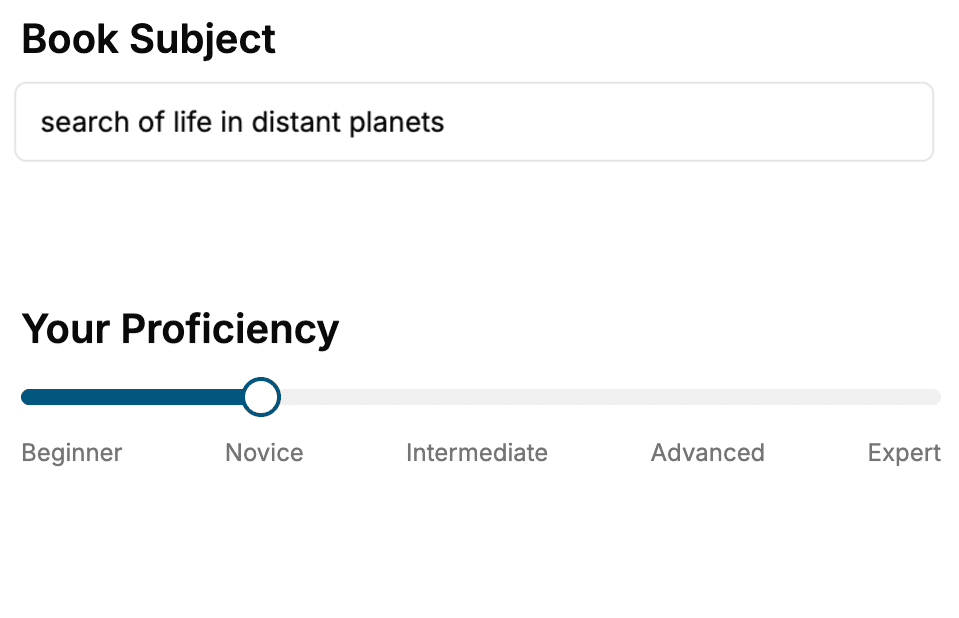
Select the focus of your Social Activism book and share your background
- 2. Personalize your book
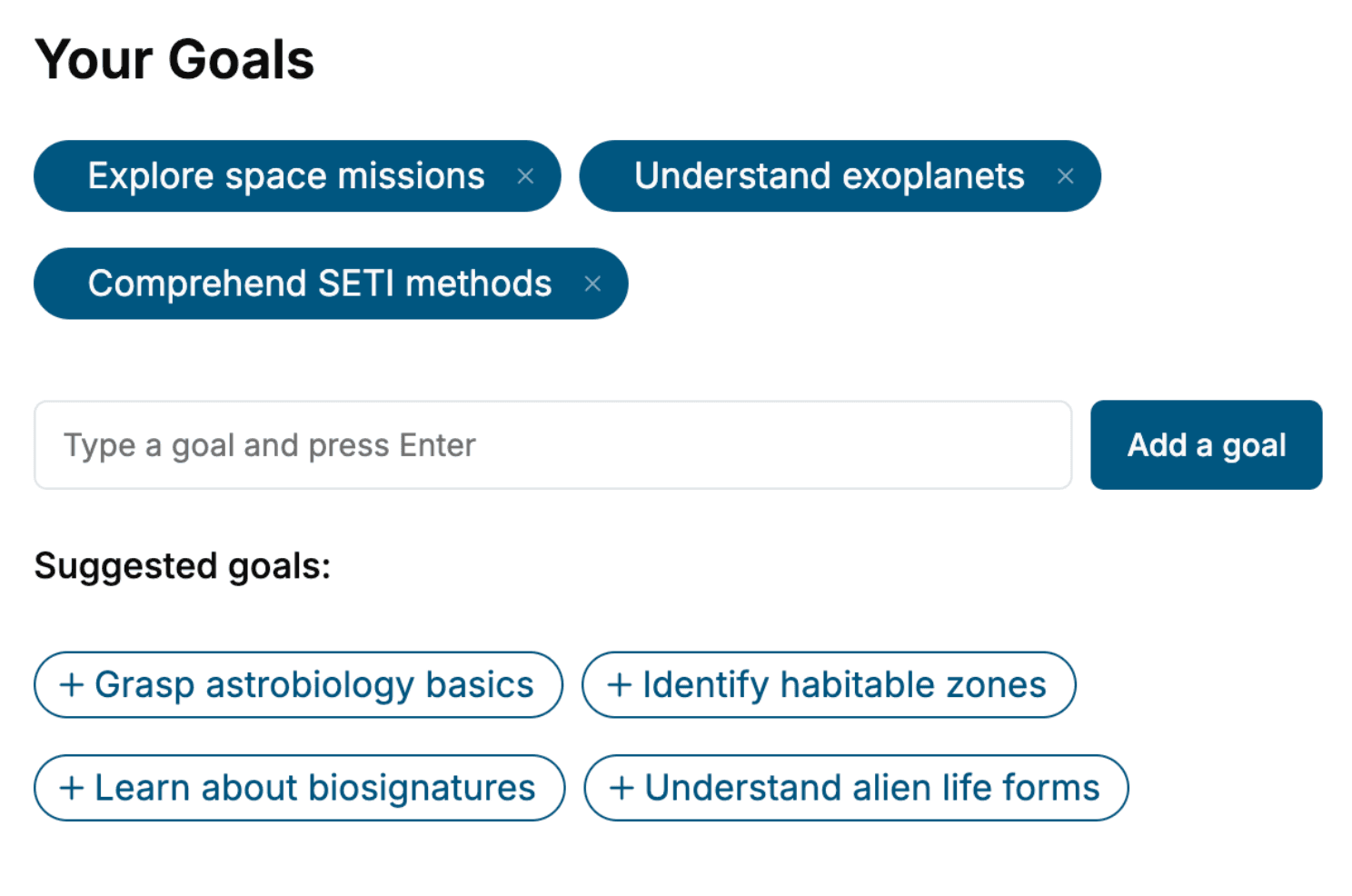
Specify your goals and choose sub-topics to include
- 3. Get your tailored book
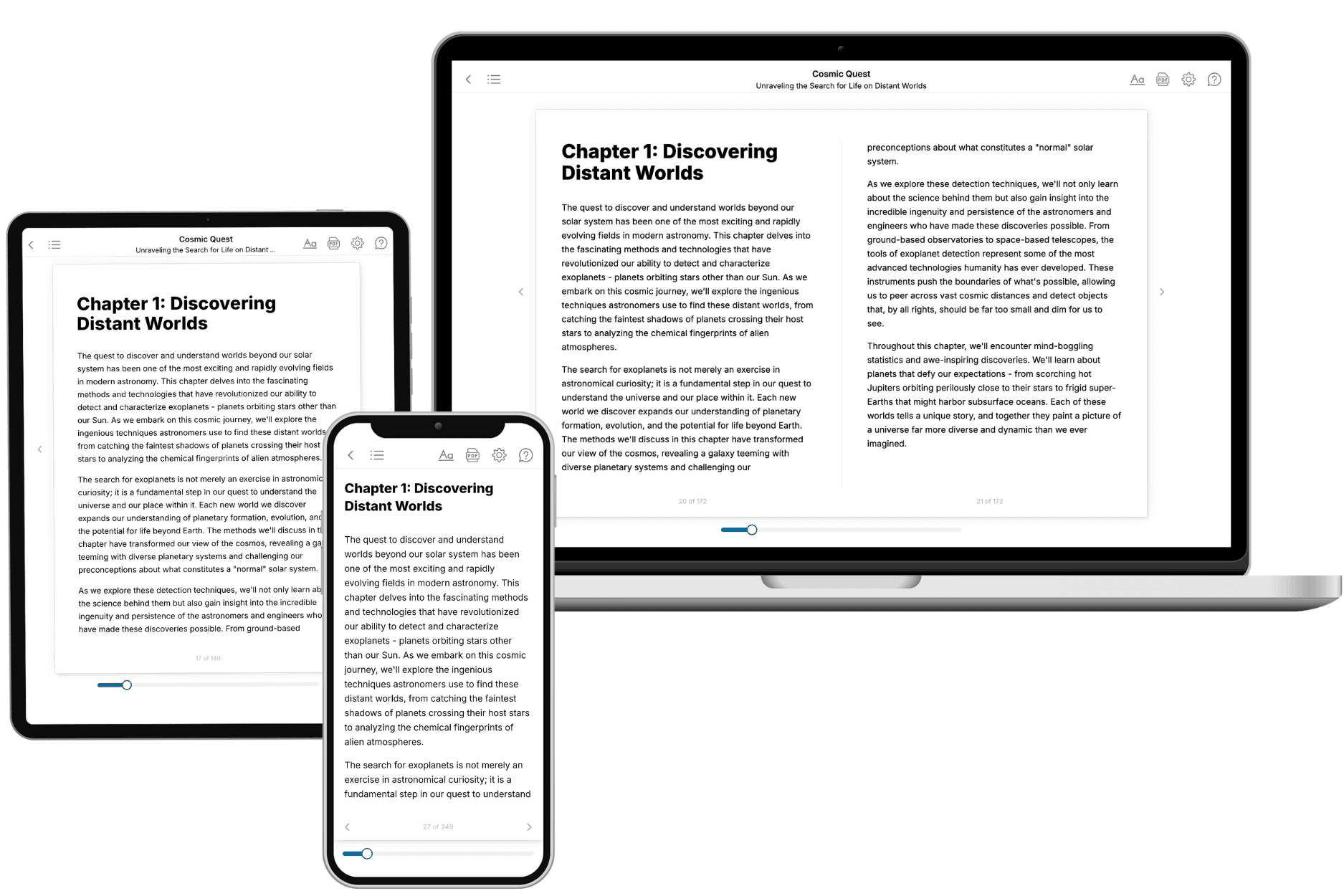
Your book is ready in 10 minutes. Read it online, download as EPUB or PDF, or send to Kindle.
Frequently asked questions
- What is TailoredRead?
TailoredRead creates complete, full-length nonfiction ebooks, written specifically for you. Tell us what you want to learn and why, and TailoredRead writes you a complete ebook on it, with charts, tables, and diagrams throughout. Read it online, on Kindle, or on any e-reader, or download it as a PDF or EPUB. Every book is written fresh the day you order it.
- How is the book tailored to me?
Before anything is written, you answer a few short questions about your goals, your background, and the topics you care about. Your book is then planned around your answers: written at your level, focused on your goals, and covering the topics you chose, instead of the one-size-fits-all book a store sells everyone.
- Will it read like generic AI content?
No. Your book isn't a chat transcript: it's planned chapter by chapter before a single word is written, told in a clear book voice, and explains ideas visually with charts, tables, and diagrams. After writing, every book goes through an editorial pass that polishes chapters so the book reads consistent from start to finish. Judge for yourself: browse thousands of sample books on our Explore Books page.
- How accurate is the content?
Our AI first checks whether your subject needs live research. Niche and fast-moving subjects are researched before writing, and the book plan and chapters are grounded in what it finds. After writing, every book goes through a quality pass that checks its facts and consistency, and researched books list their sources in a Notes section at the back.
- How long is the book?
You choose the length: Comprehensive (250-300 pages), Detailed (150-200 pages), Essential (70-100 pages), or Short (30-50 pages).
- Does the book include visuals?
Yes. Every book includes charts, tables, and diagrams: timelines, checklists, step-by-step guides, decision trees, comparison tables, matrices, and bar charts. A typical book includes dozens of these visual elements.
- Can I read it on Kindle? What formats can I download?
Yes. Every book can be read in our online reader or downloaded as a PDF or EPUB. The EPUB can be opened with Kindle, Apple Books, Kobo, and any e-reader. The Commercial and Author licenses also include an editable Word (DOCX) and Markdown download.
- How much does it cost?
About the price of a regular ebook. The exact price depends on your book's length and complexity, from $2 for the shortest books to $35 for the most comprehensive, and it's shown when you review your book, before you commit to anything. Each book is a one-time purchase, yours to keep, no subscription. Licenses that let you share, teach, or publish your book range from $35.99 to $49.99.
- Can I preview the book before purchasing?
Before you pay, you'll see what your book will cover: the title, a detailed description, the estimated length, and the complete chapter-by-chapter table of contents, so you know what you're getting before you decide. The full text itself is written after you purchase.
- How long does it take to create a book?
About 10 minutes. You can start reading the opening chapters while the rest is still being written.