The Complete Apple Orchard Explorer
Your Ultimate Guide to Seasonal Picking, Festivals, and Outdoor Adventures
You'll master the art of apple orchard exploration and turn every picking season into an unforgettable adventure.
284 pages14 chaptersSep 26, 2025Travel and Outdoors
About this book
This comprehensive guide reveals the insider secrets of timing your visits perfectly, selecting the finest orchards, and experiencing the full spectrum of seasonal festivals and activities that make each trip memorable. Discover how to identify peak picking times for different apple varieties, navigate orchard amenities and services, and plan multi-day agritourism adventures that combine fruit harvesting with local culture and outdoor recreation. You'll learn practical techniques for maximizing your harvest, preserving your apples for year-round enjoyment, and finding hidden gem orchards that offer unique experiences beyond the typical tourist destinations. Whether you're planning a romantic weekend getaway, a family tradition, or a solo outdoor adventure, this guide provides the knowledge and confidence to explore apple country like a seasoned pro. From understanding seasonal weather patterns to participating in harvest festivals, you'll gain the expertise to create lasting memories while supporting local agricultural communities. Transform your apple picking from a simple afternoon activity into a rich seasonal tradition that connects you with nature, local culture, and the timeless joy of harvesting fresh fruit directly from the tree.
Table of contents
- IntroductionThe Modern Orchard Renaissance, Beyond Simple Fruit Picking, Creating Seasonal Connections, How to Use This GuideRead below
- Chapter 1: Apple Fundamentals and Variety GuideUnderstanding Apple Growth and Ripening, Essential Apple Variety Profiles, Flavor Profiles and Culinary Uses, Seasonal Ripening Schedules
- Chapter 2: Mastering Seasonal TimingRegional Season Variations, Weather Impact on Harvest Timing, Identifying Peak Picking Times, Early and Late Season Opportunities
- Chapter 3: Choosing the Perfect OrchardTypes of Apple Orchards, Evaluating Amenities and Services, Family-Friendly Features, Accessibility and Special Needs
- Chapter 4: Trip Planning and PreparationAdvance Planning Strategies, Essential Gear and Supplies, Weather-Appropriate Preparation, Coordinating Group Visits
- Chapter 5: Expert Picking TechniquesProper Apple Picking Technique, Assessing Apple Quality, Efficient Harvesting Strategies, Respecting Trees and Orchard Etiquette
- Chapter 6: Apple Festival and Event ExperiencesTypes of Apple Festivals, Cultural Activities and Demonstrations, Food Tastings and Culinary Events, Entertainment and Live Performances
- Chapter 7: Complementary Orchard ActivitiesHayrides and Orchard Tours, Corn Mazes and Seasonal Attractions, Petting Farms and Animal Encounters, Craft Activities and Workshops
- Chapter 8: Cider Making and Tasting ExperiencesUnderstanding Cider Production, Cider Tasting Techniques, Orchard-Based Cideries, Food and Cider Pairing
- Chapter 9: Regional Orchard GuidesNortheast Apple Country, Midwest Orchard Regions, Western Mountain and Valley Orchards, Southern Climate Apple Growing
- Chapter 10: Apple Storage and PreservationImmediate Post-Harvest Storage, Long-Term Storage Methods, Preservation and Processing Techniques, Maintaining Quality Over Time
- Chapter 11: Culinary Applications and RecipesFresh Apple Preparations, Baking and Dessert Applications, Savory Apple Dishes, Apple Beverage Creations
- Chapter 12: Capturing Memories and PhotographyOrchard Photography Techniques, Family and Group Photography, Documenting Seasonal Changes, Creating Lasting Memory Books
- Chapter 13: Sustainable Orchard Practices and Community SupportUnderstanding Organic and Sustainable Practices, Supporting Local Agricultural Economy, Environmental Conservation in Orchards, Community Involvement and Volunteering
- Chapter 14: Advanced Orchard ExperiencesPlanning Multi-Day Orchard Adventures, Agritourism Package Experiences, Specialty and Themed Tours, Creating Annual Seasonal Traditions
- Conclusion
- Glossary
- Further Reading
Introduction
The crisp autumn air carries the sweet scent of ripening apples, and somewhere in the distance, children's laughter mingles with the rustle of leaves underfoot. This scene, repeated across thousands of orchards throughout North America, represents more than just a seasonal activity—it embodies a connection to the land, to tradition, and to the simple joy of harvesting nature's bounty with your own hands. Apple picking has evolved from a necessary agricultural task into one of the most beloved outdoor experiences, drawing millions of families, couples, and adventure seekers to orchards each fall. The transformation of this humble activity into a cornerstone of agritourism reflects our deep-seated desire to reconnect with the sources of our food and the rhythms of the natural world.
Yet beneath the surface of this seemingly simple activity lies a rich tapestry of knowledge that can dramatically enhance your orchard experiences. Understanding the intricate timing of different apple varieties, recognizing the subtle indicators of peak ripeness, and knowing how to select orchards that align with your specific interests can transform a casual afternoon outing into an unforgettable adventure. The difference between a mediocre apple picking experience and an extraordinary one often comes down to preparation, timing, and knowledge—elements that this guide will provide in abundance. Whether you're seeking the perfect Honeycrisp at its peak sweetness or hoping to discover heirloom varieties that tell the story of American agriculture, the insights contained within these pages will serve as your compass.
The modern apple picking experience extends far beyond simply filling a bag with fruit. Today's orchards offer immersive experiences that celebrate the entire harvest season, from educational tours that reveal the science behind apple cultivation to festivals that showcase local culture and craftsmanship. These expanded offerings reflect a growing understanding that visitors seek meaningful connections—to the food they eat, the communities they visit, and the traditions they help preserve. This guide recognizes that your orchard adventure is as much about the journey as the destination, providing you with the tools to fully embrace every aspect of the experience while creating memories that will last long after the last apple has been enjoyed.
The Modern Orchard Renaissance
The past two decades have witnessed a remarkable transformation in how orchards operate and how visitors experience them. What once were primarily agricultural operations focused solely on fruit production have evolved into multifaceted destinations that blend education, entertainment, and authentic farm experiences. This renaissance has been driven by several converging factors: consumers' increasing interest in knowing where their food comes from, families' desire for screen-free outdoor activities, and the agricultural community's need to diversify revenue streams in an increasingly competitive market. Modern orchards now serve as bridges between urban and rural communities, offering city dwellers a chance to experience agricultural life while providing farmers with sustainable business models that extend well beyond traditional wholesale fruit sales.
The sophistication of today's orchard experiences reflects careful attention to visitor engagement and education. Many operations now employ agricultural educators who can explain the complexities of integrated pest management, the importance of pollinator conservation, and the intricate timing required for optimal fruit development. These educational components transform a simple picking experience into an opportunity for deeper understanding of agricultural systems and environmental stewardship. Visitors leave not just with bags of fresh apples, but with knowledge about sustainable farming practices, seasonal eating, and the challenges facing modern agriculture. This educational aspect has proven particularly valuable for families seeking meaningful learning experiences outside traditional classroom settings.
Technology has also played a significant role in enhancing the modern orchard experience while maintaining its authentic, rustic appeal. Many orchards now use sophisticated weather monitoring systems to provide real-time updates on picking conditions, mobile apps that guide visitors to the best picking areas for specific varieties, and social media platforms that keep customers informed about peak ripening times and special events. However, the most successful orchards have learned to integrate these technological tools seamlessly, using them to enhance rather than replace the fundamental human connections that make orchard visits so appealing. The goal remains creating authentic experiences that allow visitors to slow down, engage with nature, and participate in age-old traditions of harvest and celebration.
The economic impact of this orchard renaissance extends far beyond individual farm operations. Rural communities have discovered that apple picking tourism can serve as an economic anchor, drawing visitors who also patronize local restaurants, craft shops, and other businesses. This multiplier effect has led to the development of apple-themed festivals, craft beverage trails featuring local cideries, and coordinated marketing efforts that promote entire regions as apple destinations. The success of these initiatives demonstrates how agricultural tourism can revitalize rural economies while preserving farming traditions and landscapes. For visitors, this means access to increasingly sophisticated and diverse experiences that celebrate not just apples, but entire regional cultures built around agricultural heritage.
The renaissance has also brought increased attention to apple variety preservation and innovation. Many modern orchards now serve as living museums, maintaining heirloom varieties that might otherwise disappear while also experimenting with new cultivars developed for specific climate conditions or flavor profiles. This commitment to genetic diversity ensures that future generations will have access to the full spectrum of apple flavors and characteristics that have been developed over centuries of cultivation. Visitors to these orchards can participate in this preservation effort by trying unusual varieties, learning about their histories, and supporting the farmers who maintain these genetic treasures. The experience becomes not just recreational, but participatory in the broader effort to maintain agricultural biodiversity.
Perhaps most importantly, the modern orchard renaissance has recognized that different visitors seek different types of experiences. Some orchards specialize in family-friendly activities with playgrounds, petting zoos, and educational programs designed for children. Others focus on sophisticated agritourism experiences featuring wine and cider tastings, farm-to-table dining, and overnight accommodations. Still others emphasize their role as working farms, offering visitors the chance to participate in actual agricultural work and learn hands-on farming skills. This diversification means that regardless of your interests, age, or experience level, there are orchard experiences designed specifically for you. The key is understanding what different orchards offer and matching those offerings to your specific interests and goals.
The renaissance has also brought increased attention to seasonal programming that extends the orchard experience beyond the traditional fall harvest period. Many operations now offer spring blossom tours, summer educational programs, and winter activities like cross-country skiing or holiday celebrations. This year-round programming helps sustain orchard operations financially while providing visitors with opportunities to understand the complete agricultural cycle. Experiencing an orchard across multiple seasons provides deeper appreciation for the complexity of fruit production and the ways that agricultural landscapes change throughout the year. These extended seasonal offerings also mean that your relationship with a particular orchard can develop over time, creating ongoing connections that enrich both your understanding of agriculture and your appreciation for the natural world.
Beyond Simple Fruit Picking
While the act of selecting and harvesting apples directly from trees remains the central attraction of orchard visits, the most memorable experiences typically incorporate multiple layers of engagement that appeal to different senses and interests. Modern orchards have recognized that visitors arrive with diverse expectations and have developed programming that can satisfy everyone from serious food enthusiasts to families with young children seeking outdoor adventure. The most successful orchard visits combine the tactile satisfaction of picking with educational opportunities, cultural experiences, and social activities that create lasting memories. Understanding these additional dimensions allows you to plan visits that maximize both enjoyment and learning while supporting the broader agricultural community.
Educational programming has become a cornerstone of the enhanced orchard experience, with many operations offering guided tours that reveal the science and artistry behind apple cultivation. These tours typically cover topics such as rootstock selection, pruning techniques, pest management strategies, and the complex timing decisions that determine harvest quality. Visitors learn about the role of beneficial insects, the importance of soil health, and the ways that climate change is affecting traditional growing patterns. This educational component transforms apple picking from a simple recreational activity into an opportunity for deeper understanding of agricultural systems and environmental stewardship. Many visitors report that these educational experiences fundamentally change how they think about food production and consumption.
Culinary experiences represent another significant dimension of modern orchard visits, with many operations featuring on-site kitchens, bakeries, and tasting rooms that showcase the versatility of fresh apples. These facilities often offer cooking demonstrations, baking classes, and guided tastings that help visitors understand how different apple varieties perform in various culinary applications. Learning to distinguish between apples that excel for fresh eating versus those better suited for baking or cider making enhances both the picking experience and your ability to make informed choices about apple purchases and usage. Many orchards also feature farm-to-table dining experiences that incorporate freshly picked apples into seasonal menus, providing immediate gratification and inspiration for using your harvest at home.
The social and cultural dimensions of orchard visits often prove as memorable as the fruit picking itself. Many orchards host seasonal festivals that celebrate not just the apple harvest, but broader themes of community, tradition, and agricultural heritage. These events typically feature live music, craft demonstrations, historical exhibits, and activities that engage multiple generations simultaneously. The communal aspect of these celebrations creates opportunities for visitors to connect with local communities, learn about regional history, and participate in traditions that have deep cultural significance. For many families, these festival experiences become annual traditions that mark the changing seasons and provide continuity across generations.
Craft and artisan activities have become increasingly popular additions to orchard programming, offering visitors hands-on experiences that complement the agricultural focus. These might include apple-themed craft projects for children, woodworking demonstrations using orchard prunings, or workshops on traditional preservation techniques like apple butter making. Many orchards also feature local artisans who demonstrate skills such as basket weaving, pottery, or textile arts, creating connections between agricultural and craft traditions. These activities provide alternative engagement options for visitors who might not be interested in extensive fruit picking while adding cultural depth to the overall experience.
The integration of agricultural education with environmental conservation messaging has become another important dimension of modern orchard experiences. Many operations use their educational programming to discuss topics such as pollinator conservation, sustainable farming practices, and the role of agriculture in carbon sequestration. Visitors learn about the complex relationships between farming practices and environmental health, gaining appreciation for the ways that thoughtful agriculture can support rather than degrade natural systems. This environmental education component often includes hands-on activities such as pollinator garden tours, composting demonstrations, or habitat restoration projects that allow visitors to participate directly in conservation efforts.
Perhaps most importantly, the expanded orchard experience recognizes that different visitors have different physical capabilities, time constraints, and interests. The best orchards offer multiple ways to engage with their operations, from intensive educational tours for serious agriculture enthusiasts to simple, accessible picking areas for families with young children or visitors with mobility limitations. This inclusivity ensures that the joy of connecting with agricultural traditions and fresh food remains accessible to the broadest possible audience. Understanding these various options allows you to select orchards and plan visits that align with your specific interests, capabilities, and goals, ensuring that every orchard adventure meets your expectations while potentially introducing you to new interests and experiences.
Creating Seasonal Connections
The rhythm of apple growing and harvesting connects us to fundamental natural cycles that modern life often obscures. Understanding and embracing these seasonal connections transforms orchard visits from simple recreational activities into meaningful engagements with the natural world and agricultural traditions. The apple growing season begins with the delicate beauty of spring blossoms, progresses through the patient nurturing of summer fruit development, reaches its climax with the abundant harvest of fall, and concludes with the dormant preparation of winter. Each phase offers unique opportunities for observation, learning, and appreciation that deepen our understanding of both agricultural systems and natural processes.
Spring orchard visits reveal the remarkable transformation that occurs as trees emerge from winter dormancy and burst into bloom. The timing of apple blossoms varies by variety and location, but typically occurs over a concentrated period that creates spectacular displays of pink and white flowers. These blooms represent not just visual beauty, but critical moments in the agricultural cycle when weather conditions, pollinator activity, and tree health determine the potential for fall harvest. Visiting orchards during blossom time provides opportunities to observe pollination in action, understand the vulnerability of agricultural systems to weather extremes, and appreciate the complex timing that successful fruit production requires. Many orchards offer special blossom tours that explain these processes while showcasing the remarkable beauty of thousands of trees in simultaneous bloom.
Summer orchard experiences focus on the gradual development of fruit and the intensive management required to ensure healthy crop development. During this period, visitors can observe young apples as they grow from tiny fruits to full-sized specimens, learning about the thinning processes that ensure optimal fruit quality and the ongoing pest and disease management that protects developing crops. Summer visits also provide opportunities to understand irrigation systems, observe beneficial insect populations, and learn about the pruning and training techniques that shape productive trees. While summer orchards may lack the dramatic visual appeal of spring blossoms or fall harvest, they offer unparalleled opportunities to understand the complexity and skill required for successful fruit production.
The fall harvest season represents the culmination of the agricultural year and provides the most diverse opportunities for orchard engagement. Different apple varieties ripen at different times throughout the fall season, creating opportunities for multiple visits that showcase the remarkable diversity of apple flavors, textures, and characteristics. Early season varieties like Gala and McIntosh provide the first taste of fresh harvest, while late season varieties like Fuji and Granny Smith extend picking opportunities well into November in many regions. Understanding these ripening patterns allows you to plan visits that coincide with peak quality for your preferred varieties while also providing opportunities to discover new favorites. The extended harvest season also means that orchard conditions, weather, and available activities change throughout the fall, creating different experiences even at the same location.
Winter orchard visits offer unique perspectives on agricultural systems and provide opportunities to understand the dormant season management that prepares trees for the following year's production. Many orchards offer winter tours that explain pruning techniques, discuss rootstock selection, and showcase the infrastructure required for modern fruit production. Winter visits also provide opportunities to observe orchard wildlife, understand how agricultural landscapes support biodiversity, and appreciate the stark beauty of dormant orchards. Some orchards extend their seasonal programming into winter with activities such as cross-country skiing, holiday celebrations, or educational workshops that maintain community connections throughout the year.
Creating personal seasonal connections with orchards often involves developing relationships with specific operations that you visit repeatedly throughout the year or across multiple years. These ongoing relationships allow you to observe how weather patterns, management decisions, and natural cycles affect fruit quality and orchard conditions. Regular visitors often develop preferences for specific trees, become familiar with orchard staff, and gain deeper appreciation for the challenges and rewards of agricultural life. Many orchards encourage these ongoing relationships through membership programs, volunteer opportunities, or special events for regular customers. These deeper connections transform orchard visits from occasional recreational activities into meaningful relationships with agricultural communities and natural systems.
The seasonal connections fostered by regular orchard visits often extend into home activities that maintain these relationships throughout the year. Preserving apples through various techniques, experimenting with different varieties in cooking and baking, or even attempting to grow apple trees at home all serve to extend and deepen the connections formed during orchard visits. Many visitors report that their orchard experiences fundamentally change their relationship with food, leading to increased interest in seasonal eating, local food systems, and sustainable agriculture. These extended connections create ongoing benefits that persist long after the immediate pleasure of orchard visits, contributing to more thoughtful and sustainable approaches to food consumption and environmental stewardship.
How to Use This Guide
This comprehensive guide has been designed as both a practical reference for planning specific orchard visits and a deeper exploration of the knowledge and skills that transform casual apple picking into expert-level orchard adventures. The information is organized to support different types of users, from families planning their first orchard visit to experienced enthusiasts seeking to deepen their understanding of apple varieties, seasonal timing, and advanced orchard experiences. Each chapter builds upon previous information while also standing alone as a focused resource for specific topics. This structure allows you to read the guide sequentially for comprehensive understanding or to focus on specific chapters that address your immediate interests and needs.
The early chapters provide foundational knowledge that enhances all orchard experiences, regardless of your specific interests or experience level. Understanding apple varieties, seasonal timing, and orchard selection criteria will improve every visit you make, whether you're seeking the perfect baking apples or planning a romantic weekend getaway. These foundational chapters include practical tools such as variety comparison charts, seasonal timing guides, and orchard evaluation checklists that you can reference repeatedly as you plan different types of visits. The information is presented in accessible language that doesn't require prior agricultural knowledge while still providing the depth needed for informed decision-making.
The middle chapters focus on practical skills and techniques that maximize both the enjoyment and productivity of your orchard visits. These sections cover everything from proper picking techniques that ensure fruit quality to advanced planning strategies that help you coordinate complex group visits or multi-day adventures. The practical advice is supported by specific examples, step-by-step processes, and troubleshooting tips that address common challenges. These chapters also include safety considerations, etiquette guidelines, and sustainability practices that ensure your visits are both enjoyable and responsible. The goal is to provide you with the confidence and competence to handle any situation you might encounter during orchard visits.
The later chapters explore advanced topics and specialized experiences that appeal to visitors seeking deeper engagement with orchard culture and agricultural systems. These sections cover topics such as cider making, photography techniques, and sustainable agriculture practices that extend your orchard experiences beyond simple fruit picking. The advanced chapters also provide guidance for creating ongoing relationships with orchard communities, participating in agricultural education programs, and developing personal traditions that incorporate orchard visits into your seasonal routines. This information is designed for readers who want to move beyond casual recreation toward more meaningful engagement with agricultural communities and systems.
Throughout the guide, special attention has been paid to addressing the diverse needs and interests of different types of orchard visitors. Families with young children will find specific guidance for selecting child-friendly orchards, managing group logistics, and incorporating educational elements that engage different age groups. Couples seeking romantic experiences will discover information about orchards that specialize in intimate settings, wine and cider tastings, and scenic locations ideal for photography. Serious food enthusiasts will find detailed information about heirloom varieties, culinary applications, and preservation techniques that maximize the value of their harvest. This inclusive approach ensures that regardless of your specific interests or circumstances, you'll find relevant and useful information.
The guide also includes extensive practical resources designed to support your orchard adventures throughout multiple seasons and years. Regional guides help you identify the best orchard destinations regardless of where you live or travel, while seasonal calendars ensure you can time your visits for optimal conditions. Equipment checklists, preparation guides, and safety information help ensure that you're properly prepared for any orchard adventure. Recipe collections, preservation guides, and storage techniques help you maximize the value of your harvest long after your orchard visit ends. These practical resources are designed to serve as ongoing references that you'll return to repeatedly as you develop your orchard expertise.
Perhaps most importantly, this guide recognizes that the best orchard experiences are those that align with your personal interests, values, and circumstances. Rather than prescribing a single approach to orchard visits, the information provided here is designed to help you make informed decisions about how to structure your own orchard adventures. Whether you prefer quiet, contemplative experiences focused on connecting with nature or lively, social experiences that emphasize community and celebration, you'll find guidance for creating the types of experiences that bring you the most satisfaction. The ultimate goal is to help you develop a personal relationship with orchard culture that enriches your life while supporting the agricultural communities that make these experiences possible.
This is the end of the free sample. The full book has 14 chapters.
Want this book written for you?
Tell us your goals and background, and get your own version of this book, tailored by AI to you.


Benefits of AI-tailored books
- Read one book, not ten:
- all the Travel and Outdoors knowledge you need, gathered into a single book.
- Save days of learning:
- tell us your goals, choose your topics, and the whole book is built around them.
- Learn effortlessly:
- Travel and Outdoors book written for your specific background and expertise.
- Understand at a glance:
- includes charts, tables, timelines, checklists, decision trees, and more.
- Stay current:
- written the day you order it, not years ago.
- Trust what you read:
- every book is checked for accuracy, with real research when your subject needs it.
Create your unique book in 3 steps
- 1. Select your focus
Select the focus of your Travel and Outdoors book and share your background
- 2. Personalize your book
Specify your goals and choose sub-topics to include
- 3. Get your tailored book
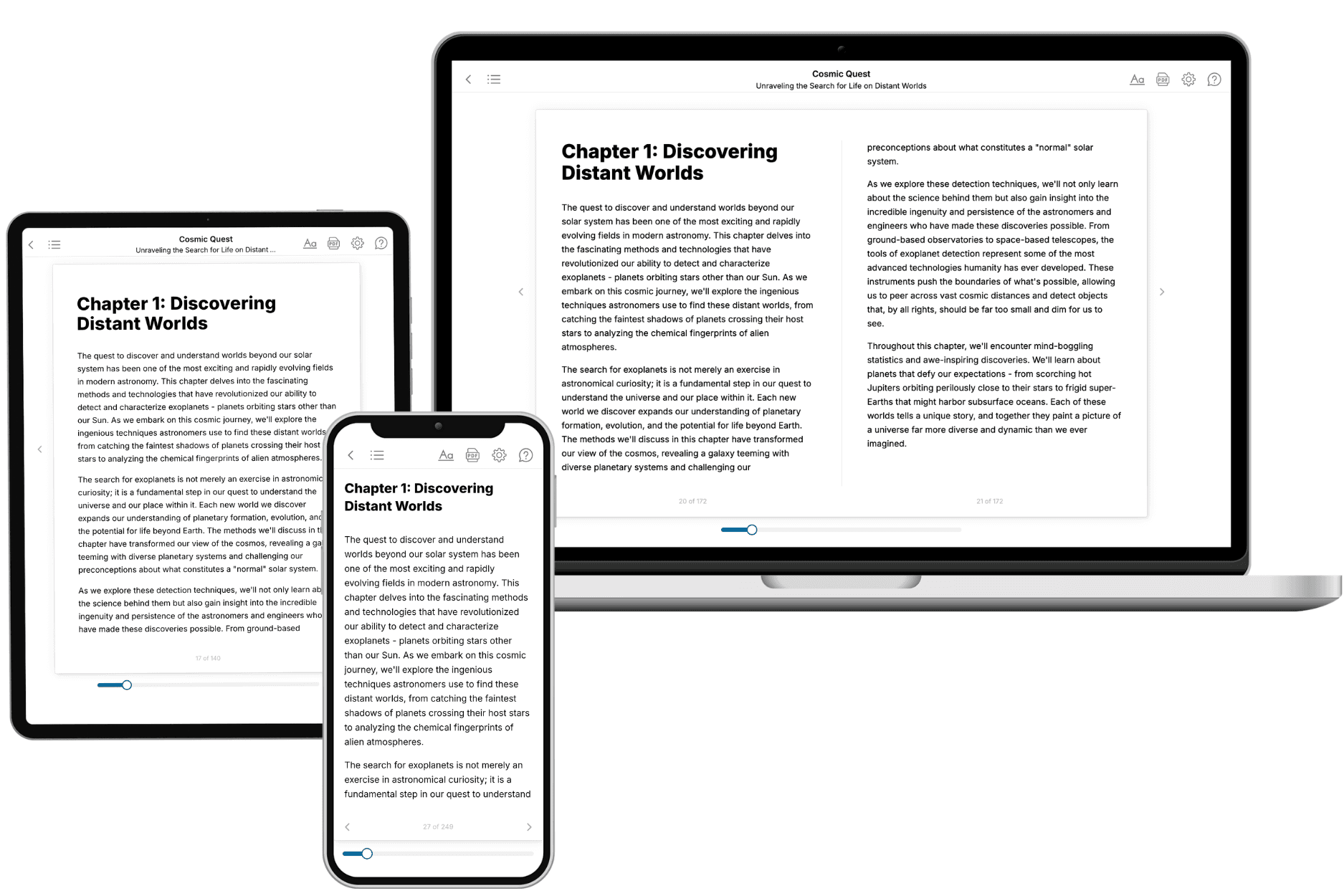
Your book is ready in 10 minutes. Read it online, download as EPUB or PDF, or send to Kindle.

Frequently asked questions
- What is TailoredRead?
TailoredRead creates complete, full-length nonfiction ebooks, written specifically for you. Tell us what you want to learn and why, and TailoredRead writes you a complete ebook on it, with charts, tables, and diagrams throughout. Read it online, on Kindle, or on any e-reader, or download it as a PDF or EPUB. Every book is written fresh the day you order it.
- How is the book tailored to me?
Before anything is written, you answer a few short questions about your goals, your background, and the topics you care about. Your book is then planned around your answers: written at your level, focused on your goals, and covering the topics you chose, instead of the one-size-fits-all book a store sells everyone.
- Will it read like generic AI content?
No. Your book isn't a chat transcript: it's planned chapter by chapter before a single word is written, told in a clear book voice, and explains ideas visually with charts, tables, and diagrams. After writing, every book goes through an editorial pass that polishes chapters so the book reads consistent from start to finish. Judge for yourself: browse thousands of sample books on our Explore Books page.
- How accurate is the content?
Our AI first checks whether your subject needs live research. Niche and fast-moving subjects are researched before writing, and the book plan and chapters are grounded in what it finds. After writing, every book goes through a quality pass that checks its facts and consistency, and researched books list their sources in a Notes section at the back.
- How long is the book?
You choose the length: Comprehensive (250-300 pages), Detailed (150-200 pages), Essential (70-100 pages), or Short (30-50 pages).
- Does the book include visuals?
Yes. Every book includes visual elements such as timelines, checklists, step-by-step guides, decision trees, comparison tables, and matrices, and many include bar charts. A typical book includes dozens of these visual elements.
- Can I read it on Kindle? What formats can I download?
Yes. Every book can be read in our online reader or downloaded as a PDF or EPUB. The EPUB can be opened with Kindle, Apple Books, Kobo, and any e-reader. The Commercial and Author licenses also include an editable Word (DOCX) and Markdown download.
- How much does it cost?
About the price of a regular ebook. The exact price depends on your book's length and complexity, from $2 for the shortest books to $35 for the most comprehensive, and it's shown when you review your book, before you commit to anything. Each book is a one-time purchase, yours to keep, no subscription. Licenses that let you share, teach, or publish your book range from $35.99 to $49.99.
- Can I preview the book before purchasing?
Before you pay, you'll see what your book will cover: the title, a detailed description, the estimated length, and the complete chapter-by-chapter table of contents, so you know what you're getting before you decide. The full text itself is written after you purchase.
- How long does it take to create a book?
About 10 minutes. You can start reading the opening chapters while the rest is still being written.