The Complete Corn Palace Experience
Your Essential Guide to Mitchell's Iconic Attraction and South Dakota's Agricultural Heart
Most travelers see the Corn Palace as just another roadside curiosity - a quick photo stop on their way to somewhere else.
269 pages15 chaptersOct 14, 2025United States Travel Guide
About this book
This approach means missing one of the Midwest's most authentic cultural experiences and the rich agricultural heritage it represents. This comprehensive guide transforms your visit from a brief tourist stop into a meaningful exploration of South Dakota's agricultural heart. You'll discover the fascinating history behind this unique palace, learn to appreciate the intricate artistry of its annually-changing corn murals, and understand why this community landmark has thrived for over 130 years. Beyond the palace itself, you'll explore Mitchell's charming downtown, sample authentic regional cuisine, and connect with local traditions that showcase genuine Midwestern hospitality. Whether you're planning a dedicated visit or incorporating the Corn Palace into a broader South Dakota adventure, this guide provides insider knowledge about timing your visit, understanding the cultural significance, and making the most of your time in this agricultural community. You'll learn about seasonal festivals, hidden local gems, and how Mitchell serves as your gateway to exploring the greater prairie region. From the palace's architectural evolution to the best local dining spots, from understanding corn's role in Plains culture to planning day trips to nearby attractions, this guide ensures your Corn Palace experience becomes a highlight of your South Dakota travels rather than just another checkbox on your itinerary.
Table of contents
- IntroductionBeyond the First Impression, Understanding Agricultural Heritage, How to Use This Guide, Setting Your ExpectationsRead below
- Chapter 1: The Story Behind the PalaceThe Original Vision of 1892, Architectural Changes Through the Decades, Community Commitment and Rebuilding, Modern Preservation Efforts
- Chapter 2: The Art of Corn MuralsUnderstanding Annual Themes, The Creation Process, Materials and Techniques, How to View and Appreciate the Art
- Chapter 3: Corn and the Great PlainsCorn's Role in Plains Settlement, Traditional Farming Practices, Modern Agricultural Methods, Economic Impact on the Region
- Chapter 4: Inside the Corn PalaceThe Main Auditorium Experience, Historical Exhibits and Displays, Gift Shop and Local Crafts, Special Events and Performances
- Chapter 5: Corn Palace Festival and EventsFestival History and Traditions, Annual Event Schedule, Entertainment and Performance Highlights, Community Participation and Volunteering
- Chapter 6: Discovering Downtown MitchellHistoric Downtown District, Local Shops and Businesses, Architectural Highlights, Self-Guided Walking Routes
- Chapter 7: Local Dining and CuisineRegional Food Specialties, Restaurant Recommendations, German-Russian Culinary Heritage, Farm-to-Table Experiences
- Chapter 8: Timing Your VisitSeasonal Highlights and Changes, Weather and Climate Considerations, Understanding Visitor Patterns, Choosing Your Optimal Visit Time
- Chapter 9: Where to Stay in MitchellHotel and Motel Options, Camping and RV Facilities, Unique Lodging Experiences, Booking Strategies and Tips
- Chapter 10: Getting There and AroundDriving Routes and Directions, Parking and Transportation, Accessibility Features, Getting Around Mitchell
- Chapter 11: Exploring the Surrounding RegionPrairie and Natural Areas, Regional Historical Sites, Outdoor Recreation Opportunities, Day Trip Itineraries
- Chapter 12: Capturing Your ExperiencePhotography Tips and Techniques, Best Photo Opportunities, Souvenir and Gift Shopping, Sharing Your Experience
- Chapter 13: Connecting with Local CultureUnderstanding Community Traditions, Engaging with Local Residents, Volunteer and Participation Opportunities, Cultural Etiquette and Respect
- Chapter 14: Beyond the Corn PalaceConnecting to Greater South Dakota, Multi-Day Route Planning, Seasonal Travel Circuits, Planning Return Visits
- Chapter 15: Essential Resources and InformationContact Information and Hours, Visitor Services and Amenities, Emergency and Safety Information, Additional Resources and References
- ConclusionReflecting on Your Experience, Creating Lasting Memories
Introduction
Every year, hundreds of thousands of travelers drive past the distinctive onion domes and colorful exterior of Mitchell's Corn Palace, and most see exactly what they expect: a quirky roadside attraction perfect for a quick photo and a brief story to share back home. This perspective, while understandable, represents a missed opportunity to connect with one of America's most authentic expressions of agricultural heritage and community pride. The Corn Palace stands as far more than a tourist curiosity—it serves as a living monument to the ingenuity, perseverance, and cultural identity of the Great Plains region. When you approach your visit with the right context and preparation, this unique landmark transforms from a simple checkbox on your travel itinerary into a meaningful window into the heart of Midwestern agricultural culture.
The story of the Corn Palace begins in 1892, when the citizens of Mitchell embarked on an ambitious project to showcase their community's agricultural abundance and attract settlers to the Dakota Territory. What started as a bold marketing strategy has evolved into something much more significant: a continuous celebration of harvest traditions, artistic expression, and community collaboration that has persisted for over 130 years. Each year, local artisans completely redesign the building's exterior using thousands of bushels of corn, grain, and native grasses, creating intricate murals that tell stories of regional history, cultural themes, and contemporary life. This annual transformation means that no two visits to the Corn Palace are identical, and the building you see today represents the culmination of more than a century of artistic evolution and community dedication.
Understanding the broader context of your Corn Palace visit enhances every aspect of the experience, from appreciating the technical skill required to create the exterior murals to recognizing the economic and cultural forces that have sustained this unique tradition through decades of change. Mitchell itself offers a compelling example of how small Midwestern communities have adapted and thrived while maintaining their agricultural roots and cultural identity. The downtown district surrounding the palace features locally-owned businesses, restaurants serving regional specialties, and architectural gems that reflect the area's settlement history and ongoing vitality. Your visit becomes an opportunity to engage with authentic local culture, sample traditional foods influenced by German-Russian immigrant heritage, and witness firsthand how agricultural communities celebrate their connection to the land.
Beyond the First Impression
The initial sight of the Corn Palace often surprises visitors with its unexpected grandeur and artistic sophistication. Rather than the simple decorated barn that many travelers anticipate, the palace presents a substantial brick and mortar structure topped with distinctive Moorish-inspired domes and minarets, its entire facade covered in elaborate murals created from natural materials. The building's architectural presence commands attention along Mitchell's main thoroughfare, but the real revelation comes when you begin to understand the complexity and artistry involved in its annual transformation. Each mural panel represents weeks of careful planning, design work, and meticulous installation by skilled craftspeople who have often learned their techniques through generations of family involvement in the palace's decoration.
The artistic themes that adorn the palace walls change annually, reflecting everything from historical commemorations to contemporary cultural celebrations, wildlife tributes, and abstract artistic expressions. Recent years have featured murals celebrating South Dakota's statehood anniversary, honoring military veterans, showcasing native wildlife, and exploring themes of community resilience and agricultural innovation. These aren't simple decorative patterns but sophisticated artistic compositions that incorporate perspective, shading, and narrative elements using only corn kernels, grain heads, and native grasses. The level of detail achievable through these natural materials often astounds visitors who take time to examine the murals closely, revealing intricate facial features, complex geometric patterns, and subtle color gradations that demonstrate the artists' remarkable skill and creativity.
The palace's interior spaces offer equally impressive discoveries for visitors who venture beyond the exterior photo opportunities. The main auditorium features a soaring ceiling decorated with corn and grain motifs, comfortable seating for over 3,000 people, and excellent acoustics that have hosted everyone from local high school graduations to nationally touring musical acts. Historical exhibits throughout the building chronicle not only the palace's own evolution but also the broader story of agricultural development in the Great Plains region. Interactive displays explain the corn cultivation process, the techniques used in mural creation, and the economic impact of agriculture on South Dakota's economy, providing educational context that transforms your visit from simple sightseeing into genuine learning.
Many visitors discover that their preconceptions about the palace's significance shift dramatically once they understand its role in the community's cultural life. This isn't merely a tourist attraction maintained for outside visitors but a functioning community center that hosts weddings, concerts, sporting events, and civic gatherings throughout the year. Local residents take genuine pride in their palace, volunteering countless hours for its maintenance and decoration, participating in annual festivals, and sharing their knowledge with interested visitors. The building serves as a focal point for community identity, a source of economic activity, and a symbol of the agricultural heritage that continues to shape daily life in Mitchell and the surrounding region.
The seasonal nature of the palace's exterior decoration creates a dynamic viewing experience that rewards multiple visits and careful timing. The installation of new murals typically begins in late summer, with the most vibrant and complete displays visible from September through the following spring. Weather conditions, particularly the harsh South Dakota winters, gradually weather the natural materials, creating subtle changes in color and texture throughout the year. By late spring, preparation begins for the next year's design, and the cycle begins anew. This constant evolution means that photography enthusiasts, repeat visitors, and those interested in the artistic process can find new discoveries and perspectives with each visit to the palace.
The palace's gift shop and visitor areas offer opportunities to take home authentic mementos of your experience while supporting the local economy and the palace's ongoing operations. Unlike typical tourist trap merchandise, many items available here reflect genuine local craftsmanship, regional food products, and educational materials about agricultural heritage and Great Plains culture. Local artisans often sell handcrafted items that incorporate corn, grain, and other agricultural materials, allowing you to own a small piece of the artistic tradition that makes the palace unique. Books, postcards, and educational materials provide ways to continue learning about the region's history and culture long after your visit concludes.
Understanding Agricultural Heritage
The Corn Palace exists as a celebration of corn's fundamental role in Great Plains agriculture and the broader story of how this crop shaped the settlement, economy, and culture of the American Midwest. Corn cultivation in South Dakota represents far more than simple farming—it embodies the adaptation of indigenous agricultural knowledge, the ingenuity of immigrant settlers, and the ongoing evolution of farming practices that sustain rural communities across the region. Understanding this agricultural context transforms your palace visit from a simple tourist stop into an appreciation of the complex relationships between land, climate, technology, and human culture that define life on the Great Plains. The palace serves as a tangible reminder that agriculture remains the economic foundation for much of rural America, supporting not only farmers but entire networks of businesses, services, and communities.
The varieties of corn used in the palace's annual decorations represent a fraction of the genetic diversity that has been developed through centuries of selective breeding and modern agricultural science. Field corn, which comprises the majority of South Dakota's corn production, differs significantly from the sweet corn found in grocery stores, serving instead as livestock feed, ethanol production material, and the source for countless food products and industrial applications. The palace's murals typically incorporate multiple corn varieties, including traditional yellow dent corn, white corn, red corn, and specialty varieties that provide different colors and textures for artistic purposes. This diversity reflects the sophisticated understanding of plant genetics and agricultural adaptation that has allowed corn production to thrive in the challenging climate conditions of the northern Great Plains.
The economic impact of corn production extends far beyond individual farms to encompass grain elevators, transportation networks, processing facilities, and export markets that connect South Dakota agriculture to global food systems. Mitchell's location along major transportation corridors reflects the historical importance of moving agricultural products from rural production areas to urban markets and processing centers. The palace celebrates this economic reality while also acknowledging the challenges facing contemporary agriculture, including climate variability, market fluctuations, technological changes, and the ongoing consolidation of farming operations. Local farmers and agricultural professionals often participate in palace events and educational programs, sharing their knowledge about modern farming practices and the realities of agricultural life in the 21st century.
The cultural significance of corn in Great Plains communities extends beyond its economic value to encompass traditions, celebrations, and social structures that have developed around agricultural cycles and community cooperation. Harvest festivals, county fairs, and community celebrations like Mitchell's Corn Palace Festival reflect the deep cultural connections between agricultural success and community well-being. These traditions acknowledge the uncertainty and risk inherent in farming while celebrating the abundance and prosperity that successful harvests bring to rural communities. The palace's annual redecoration serves as a contemporary expression of these harvest celebration traditions, bringing community members together in a collaborative artistic project that honors their agricultural heritage.
The environmental aspects of corn production in South Dakota involve complex relationships between soil conservation, water management, pest control, and climate adaptation that reflect both traditional farming wisdom and cutting-edge agricultural science. The Great Plains region faces ongoing challenges related to soil erosion, water availability, and climate change that require innovative approaches to sustainable agriculture. Many local farmers have adopted conservation practices such as no-till farming, cover cropping, and precision agriculture techniques that reduce environmental impact while maintaining productivity. The palace's educational exhibits often highlight these environmental considerations, helping visitors understand how modern agriculture balances production goals with environmental stewardship responsibilities.
The palace also serves as a venue for discussing the future of agriculture in the Great Plains region, including topics such as renewable energy production, rural economic development, and the role of technology in farming operations. South Dakota has become a leader in wind energy production, and many farms now generate income from both crop production and wind turbine leases, representing the kind of economic diversification that helps sustain rural communities. Ethanol production from corn has created new markets for local farmers while contributing to renewable fuel goals. These developments reflect the ongoing evolution of agricultural communities and their ability to adapt to changing economic and environmental conditions while maintaining their cultural identity and connection to the land.
How to Use This Guide
This comprehensive guide approaches your Corn Palace experience as part of a broader exploration of Mitchell and the surrounding region, providing the context, practical information, and insider knowledge needed to maximize your visit's value and enjoyment. Rather than treating the palace as an isolated attraction, the guide integrates your visit with opportunities to explore downtown Mitchell, sample regional cuisine, understand local history, and connect with the agricultural heritage that gives the palace its meaning and significance. Each chapter builds upon previous information while standing alone as a useful resource, allowing you to focus on specific aspects of your visit or read through the entire guide for comprehensive preparation. The approach emphasizes practical, actionable advice based on real visitor experiences and local knowledge rather than generic tourist information.
The guide's organization follows a logical progression from understanding the palace's historical and cultural context through practical planning considerations to specific recommendations for dining, lodging, and exploring the broader region. Early chapters provide the background knowledge that enhances your appreciation of what you'll see and experience, while later chapters focus on practical logistics such as timing your visit, finding accommodations, and navigating transportation options. Throughout the guide, special attention is given to seasonal considerations, as the palace experience varies significantly depending on when you visit, with different advantages and attractions available during various times of the year. Cross-references between chapters help you connect related information and plan a cohesive visit that addresses your specific interests and constraints.
Practical planning tools throughout the guide include specific recommendations for visit duration, suggested itineraries for different types of travelers, and detailed information about costs, accessibility, and special considerations for families, seniors, or visitors with specific interests. The guide acknowledges that travelers approach the Corn Palace with varying levels of interest, time availability, and cultural background, providing options for quick visits as well as extended explorations. Checklists, planning templates, and resource lists help you organize your visit efficiently while ensuring you don't miss important opportunities or overlook practical considerations that could affect your experience quality.
The guide emphasizes authentic local experiences over generic tourist activities, providing specific recommendations for restaurants, shops, and attractions that reflect genuine local culture rather than commercialized tourist offerings. Local business recommendations include detailed information about what makes each establishment special, what to expect during your visit, and how to make the most of your time there. The approach recognizes that meaningful travel experiences often come from unexpected discoveries and genuine interactions with local people, providing guidance on how to engage respectfully with community members and participate in local traditions when appropriate.
Photography and documentation advice throughout the guide helps you capture not only memorable images but also the stories and context that give those images meaning. Rather than focusing solely on the most obvious photo opportunities, the guide suggests ways to document the artistic details, cultural context, and personal experiences that make your visit unique. Recommendations include specific techniques for photographing the corn murals effectively, suggestions for capturing the broader community context, and ideas for creating a comprehensive record of your experience that will be meaningful long after your visit concludes.
The guide also addresses common misconceptions and helps set realistic expectations for your visit, acknowledging both the palace's genuine attractions and its limitations. Honest assessments of what different types of visitors are likely to find most interesting help you plan appropriately and avoid disappointment. The approach recognizes that the Corn Palace may not appeal equally to all travelers but provides tools for finding value and interest regardless of your initial expectations or cultural background. Special sections address how to make the most of your visit even if you're initially skeptical about the attraction's appeal or unsure about its cultural significance.
Setting Your Expectations
Your Corn Palace experience will likely differ significantly from visits to more conventional tourist attractions, requiring some adjustment of expectations and approaches to fully appreciate what this unique landmark offers. Unlike museums with carefully curated exhibits or natural attractions with inherent scenic beauty, the palace's appeal lies in its authenticity as a living community institution and its representation of cultural values that may be unfamiliar to visitors from urban or non-agricultural backgrounds. The building itself, while impressive, is not a grand architectural monument but rather a functional community center that happens to be decorated with remarkable artistic murals created from agricultural materials. Understanding this distinction helps you approach your visit with appropriate expectations and appreciation for what makes the palace genuinely special rather than conventionally impressive.
The scale and pace of your palace experience will reflect the character of Mitchell as a small Midwestern city rather than a major tourist destination. This means fewer crowds, more opportunities for personal interaction with staff and local residents, and a more relaxed atmosphere that encourages taking time to examine details and engage in conversations. However, it also means fewer amenities, more limited dining and entertainment options, and operating schedules that may not accommodate the expectations of travelers accustomed to major tourist destinations. The palace typically closes earlier than urban attractions, local restaurants may have limited hours, and some services may not be available on certain days of the week. Planning your visit with these realities in mind helps ensure a positive experience rather than frustration with unmet expectations.
The educational value of your palace visit depends largely on your willingness to engage with agricultural and cultural themes that may be outside your usual areas of interest or expertise. The palace offers genuine learning opportunities about farming practices, rural community life, artistic techniques, and Great Plains history, but these topics require some intellectual curiosity and openness to unfamiliar perspectives. Visitors who approach the palace primarily as a photo opportunity or quick tourist stop may miss the deeper cultural significance that makes the attraction meaningful to local residents and provides lasting value for thoughtful travelers. The guide provides context and background information to help you engage more meaningfully with these themes regardless of your prior knowledge or experience.
Weather conditions play a more significant role in your palace experience than at many indoor attractions, particularly if you want to spend time examining the exterior murals closely or exploring downtown Mitchell on foot. South Dakota's continental climate can produce extreme temperatures, sudden weather changes, and challenging conditions that affect both comfort and photography opportunities. Summer visits may involve intense heat and humidity, while winter visits can include bitter cold and snow that limit outdoor activities. Spring and fall generally offer the most comfortable conditions, but weather variability means you should prepare for changing conditions regardless of the season. The guide provides specific advice for dealing with various weather scenarios and making the most of your visit under different climatic conditions.
The cultural context of your palace visit may require some adjustment if you're unfamiliar with rural Midwestern communities and their values, traditions, and social norms. Mitchell residents are generally welcoming to visitors but appreciate respectful behavior and genuine interest in their community rather than condescending attitudes or superficial engagement. Local customs around politeness, conversation, and community pride may differ from urban or coastal norms, and understanding these differences enhances your interactions and overall experience. The palace serves as a source of legitimate community pride, and visitors who approach it with respect and curiosity will find local residents eager to share their knowledge and enthusiasm.
Your visit's timing in relation to the palace's annual cycle significantly affects what you'll see and experience, with different seasons offering distinct advantages and limitations. The most vibrant mural displays typically occur in late summer and early fall when new decorations have been recently installed, while late spring visits may coincide with preparation work for new designs. Festival periods bring additional activities and community energy but also larger crowds and higher accommodation costs. The guide provides detailed information about seasonal variations to help you choose timing that matches your priorities and interests, whether you're most interested in optimal photography conditions, community events, or simply avoiding crowds and peak pricing.
This is the end of the free sample. The full book has 15 chapters.
Want this book written for you?
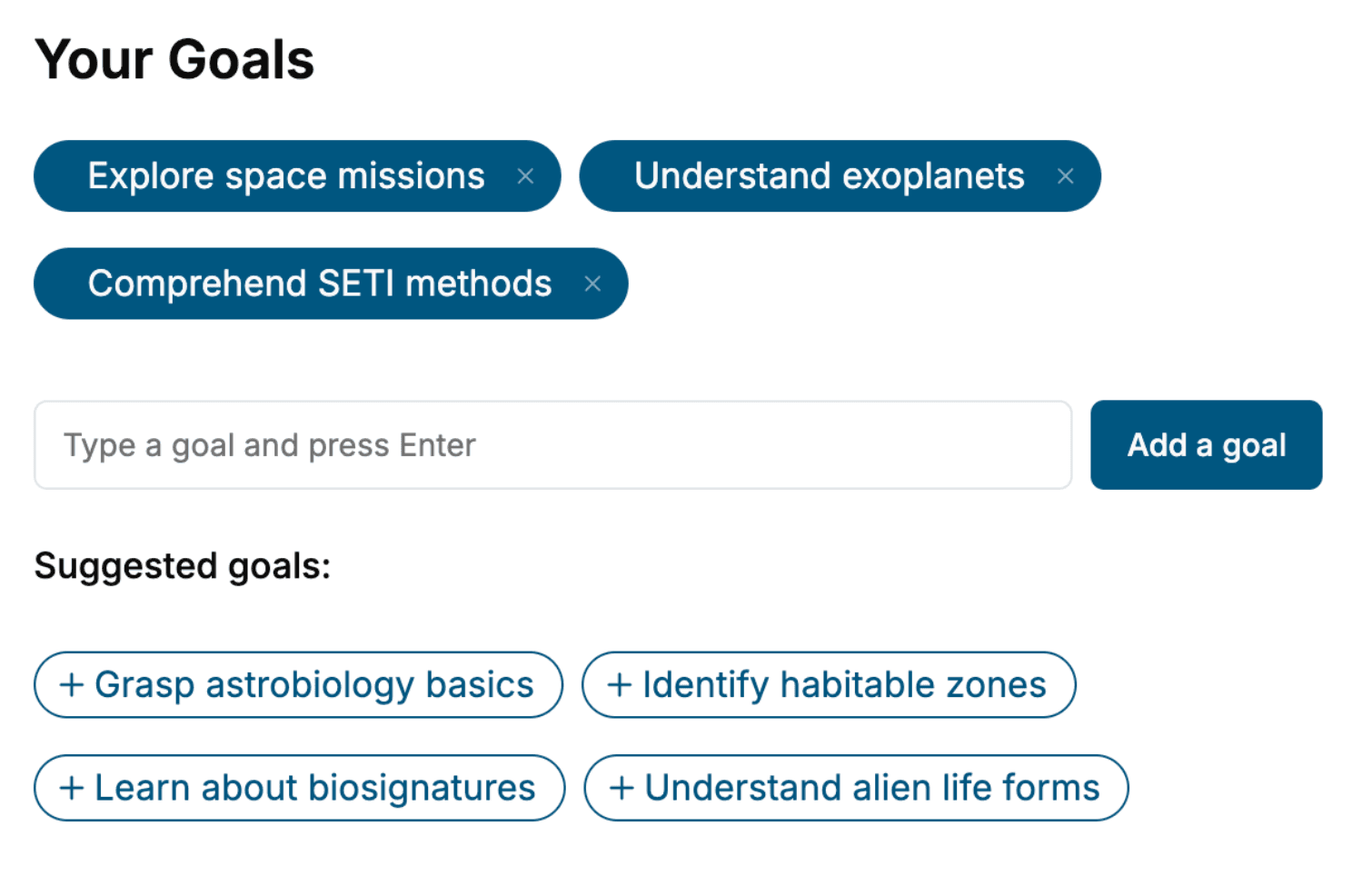
Tell us your goals and background, and get your own version of this book, tailored by AI to you.


Benefits of AI-tailored books
- Read one book, not ten:
- all the United States Travel Guide knowledge you need, gathered into a single book.
- Save days of learning:
- tell us your goals, choose your topics, and the whole book is built around them.
- Learn effortlessly:
- United States Travel Guide book written for your specific background and expertise.
- Understand at a glance:
- includes charts, tables, timelines, checklists, decision trees, and more.
- Stay current:
- written the day you order it, not years ago.
- Trust what you read:
- every book is checked for accuracy, with real research when your subject needs it.
Create your unique book in 3 steps
- 1. Select your focus
Select the focus of your United States Travel Guide book and share your background
- 2. Personalize your book
Specify your goals and choose sub-topics to include
- 3. Get your tailored book
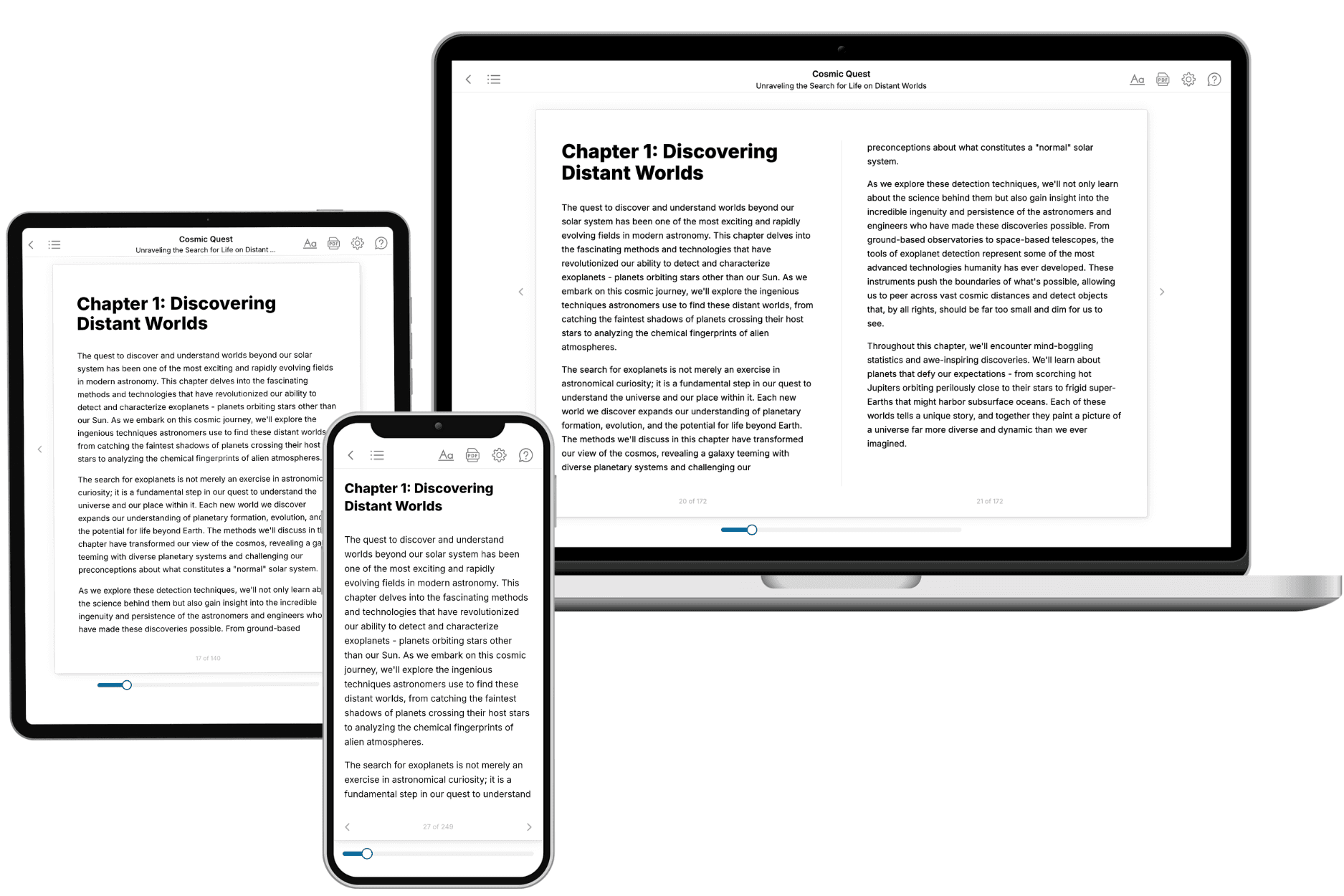
Your book is ready in 10 minutes. Read it online, download as EPUB or PDF, or send to Kindle.

Frequently asked questions
- What is TailoredRead?
TailoredRead creates complete, full-length nonfiction ebooks, written specifically for you. Tell us what you want to learn and why, and TailoredRead writes you a complete ebook on it, with charts, tables, and diagrams throughout. Read it online, on Kindle, or on any e-reader, or download it as a PDF or EPUB. Every book is written fresh the day you order it.
- How is the book tailored to me?
Before anything is written, you answer a few short questions about your goals, your background, and the topics you care about. Your book is then planned around your answers: written at your level, focused on your goals, and covering the topics you chose, instead of the one-size-fits-all book a store sells everyone.
- Will it read like generic AI content?
No. Your book isn't a chat transcript: it's planned chapter by chapter before a single word is written, told in a clear book voice, and explains ideas visually with charts, tables, and diagrams. After writing, every book goes through an editorial pass that polishes chapters so the book reads consistent from start to finish. Judge for yourself: browse thousands of sample books on our Explore Books page.
- How accurate is the content?
Our AI first checks whether your subject needs live research. Niche and fast-moving subjects are researched before writing, and the book plan and chapters are grounded in what it finds. After writing, every book goes through a quality pass that checks its facts and consistency, and researched books list their sources in a Notes section at the back.
- How long is the book?
You choose the length: Comprehensive (250-300 pages), Detailed (150-200 pages), Essential (70-100 pages), or Short (30-50 pages).
- Does the book include visuals?
Yes. Every book includes charts, tables, and diagrams: timelines, checklists, step-by-step guides, decision trees, comparison tables, matrices, and bar charts. A typical book includes dozens of these visual elements.
- Can I read it on Kindle? What formats can I download?
Yes. Every book can be read in our online reader or downloaded as a PDF or EPUB. The EPUB can be opened with Kindle, Apple Books, Kobo, and any e-reader. The Commercial and Author licenses also include an editable Word (DOCX) and Markdown download.
- How much does it cost?
About the price of a regular ebook. The exact price depends on your book's length and complexity, from $2 for the shortest books to $35 for the most comprehensive, and it's shown when you review your book, before you commit to anything. Each book is a one-time purchase, yours to keep, no subscription. Licenses that let you share, teach, or publish your book range from $35.99 to $49.99.
- Can I preview the book before purchasing?
Before you pay, you'll see what your book will cover: the title, a detailed description, the estimated length, and the complete chapter-by-chapter table of contents, so you know what you're getting before you decide. The full text itself is written after you purchase.
- How long does it take to create a book?
About 10 minutes. You can start reading the opening chapters while the rest is still being written.